




Créé par Camille, le 16 nov. 2026
Votre guide Ryo
La Paz, Bolivia
The City in the Sky
Parcours audioguidé pour visiter La Paz en 1 jour
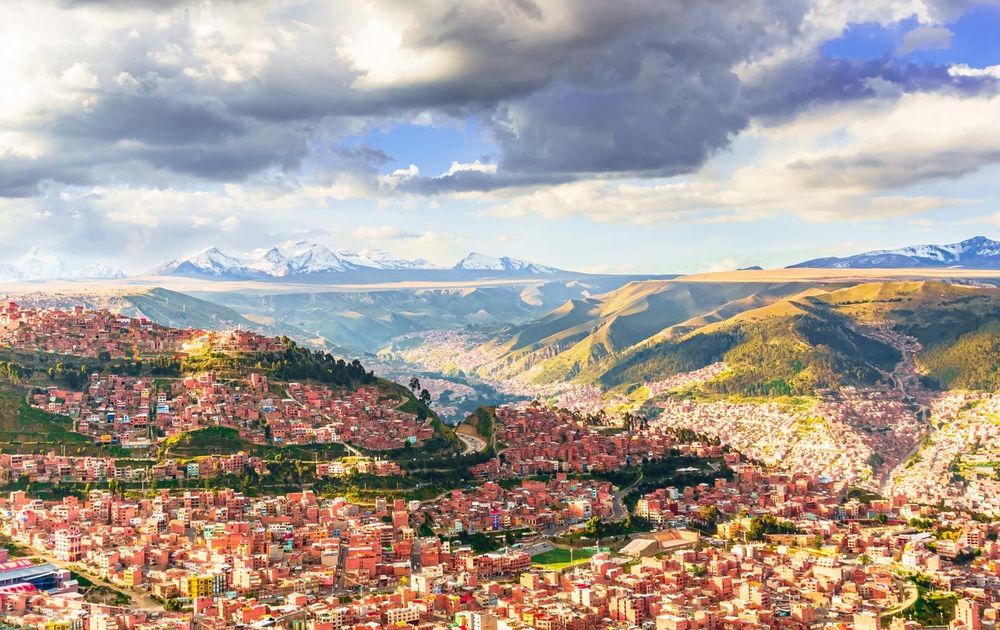
La Paz is a spectacular city nestled in a vast Andean basin at an altitude of over 3,600 metres, surrounded by the peaks of the Altiplano. With its colonial heritage, lively markets, and Aymara traditions, the city reveals a deeply diverse identity and a history shaped by revolution. Today the seat of Bolivia’s government, La Paz forms a vibrant metropolis with El Alto, where modern life and ancestral cultures coexist every day.
Quand partir à La Paz ?
Jan.
16°
15
Feb.
16°
15
March
16°
9
April
17°
6
May
17°
3
June
16°
1
July
16°
1
Aug.
17°
2
Sept.
18°
4
Oct.
18°
7
Nov.
18°
10
Dec.
17°
10
La Paz has a cool and relatively dry climate, strongly influenced by its altitude of over 3,600 metres. Days can be pleasantly sunny, but nights remain cool or even cold throughout the year, with significant temperature differences between sun and shade. The dry season generally runs from May to October, while rainfall is more frequent from November to March, mostly in the form of late-afternoon showers.
Départ conseillé
We design our routes as loops, so you can easily start the tour from whichever point is closest to you. The navigation will adjust automatically. If you’re nearby, we recommend an ideal starting point: Plaza Murillo.
Parking à proximité
Parqueo Central, Genaro Sanjines 559, La Paz, Bolivia Parqueo Obelisco, Av. Mariscal Sta. Cruz Zona 1, La Paz, Bolivia
To park in La Paz, you can choose either Parqueo Central or Parqueo Obelisco, both conveniently located for continuing your visit on foot. If possible, though, the most practical option is to leave your car at your accommodation and use public transport. Avoid leaving it parked on the street.
À savoir
To explore La Paz comfortably, take some time to acclimatize to its 3,600-metre altitude, stay well hydrated, and avoid strenuous activity during your first few days. Be sure to bring sunscreen, sunglasses, and warm clothing, as the sun can be strong while temperatures may drop quickly. To get around, Mi Teleférico and walking are the best options in the historic centre, while keeping a close eye on your belongings in crowded areas.
The official currency of Bolivia is the boliviano (Bs or BOB). In La Paz, it’s a good idea to always carry some cash, especially for markets, small shops, and everyday expenses.
Découvrez 16 lieux d'intérêt pour visiter La Paz
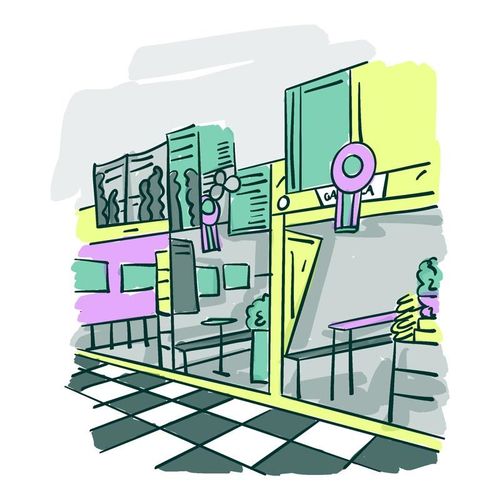
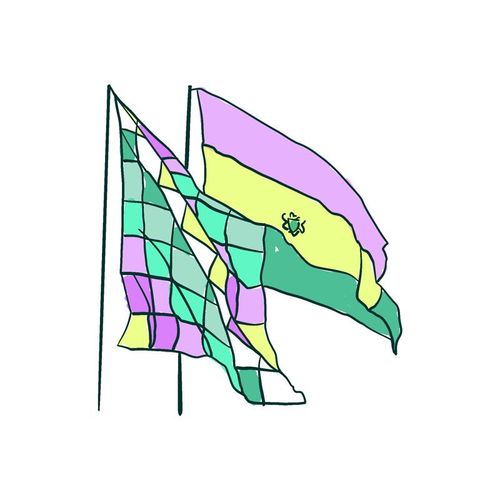

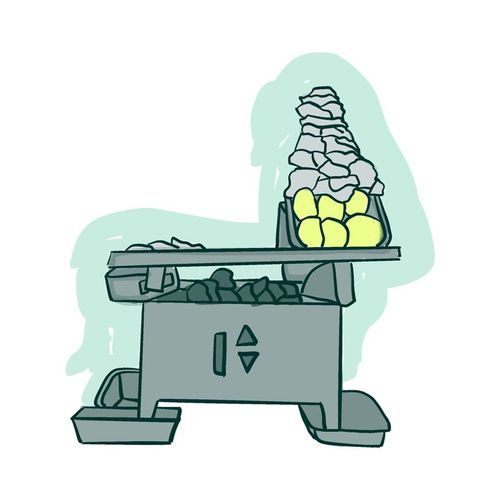
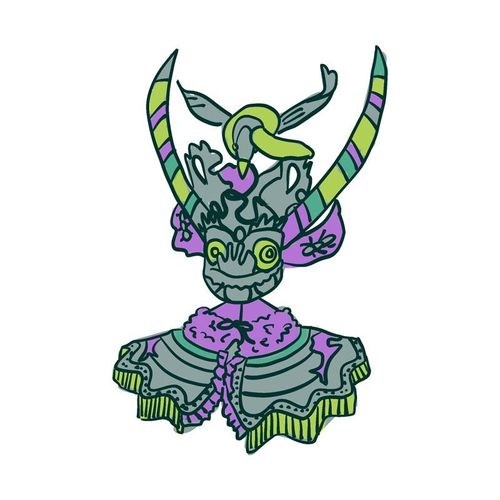
What to see in La Paz on your 1h15 tour?
This 2.7 km loop takes about 1 hour 15 minutes and links 15 stops. It starts at Plaza Murillo, drops down past the Great House of the People and San Francisco Basilica, crosses the Witches' Market and the colonial lanes of Calle Jaén, then reaches the Municipal Theater and the Museum of Ethnography before heading back along Calle Comercio. With the app in your ears, every square and facade tells the story of the world's highest capital city.
Information checked in November 2026 and subject to change.
1 - Plaza Murillo
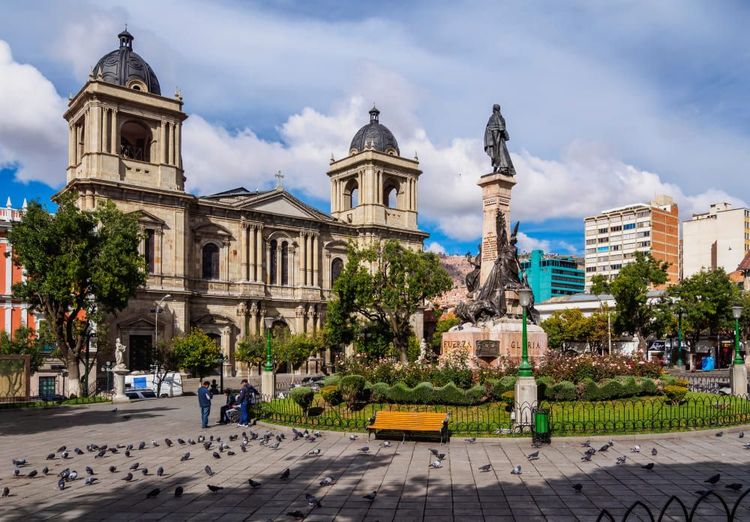
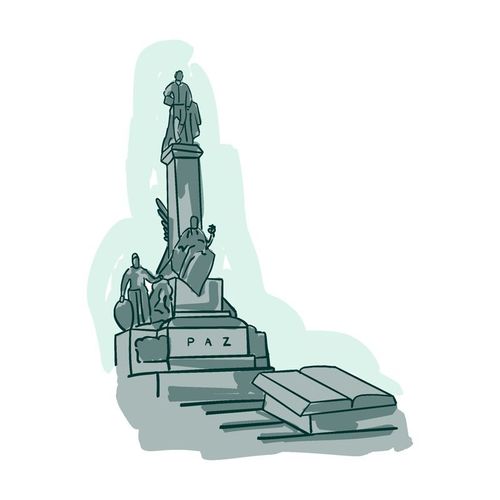
Tucked into a basin more than 3,600 meters up, this hollow holds much of La Paz's story. The square honors Pedro Domingo Murillo, a local-born notable who, on July 16, 1809, took up arms to form an independent junta, seizing on the chaos after Napoleon's invasion of Spain. Caught and hanged on this very spot in 1810, he reportedly told the crowd that the torch he lit could never be put out. Meant as a warning, his execution instead fed the legend.
Free entry
2 - Palaces of Power
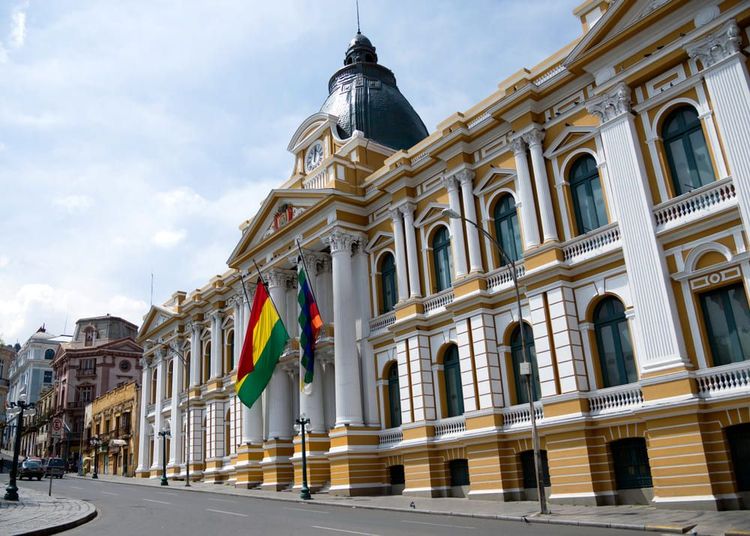
Despite looking centuries old, the Metropolitan Cathedral wasn't finished until 1925, a hundred years after work began in 1835 — building at this Andean altitude takes patience. The square's real star, though, is the Palacio Quemado, nicknamed that ever since opponents set it ablaze during an 1875 coup, a name that stuck even after restorations brought back its pink facade. Next door, the Legislative Palace has shown a clock with reversed numbers since 2014, a move ordered by the foreign minister of the day.
Free to see from outside
3 - The Great House of the People
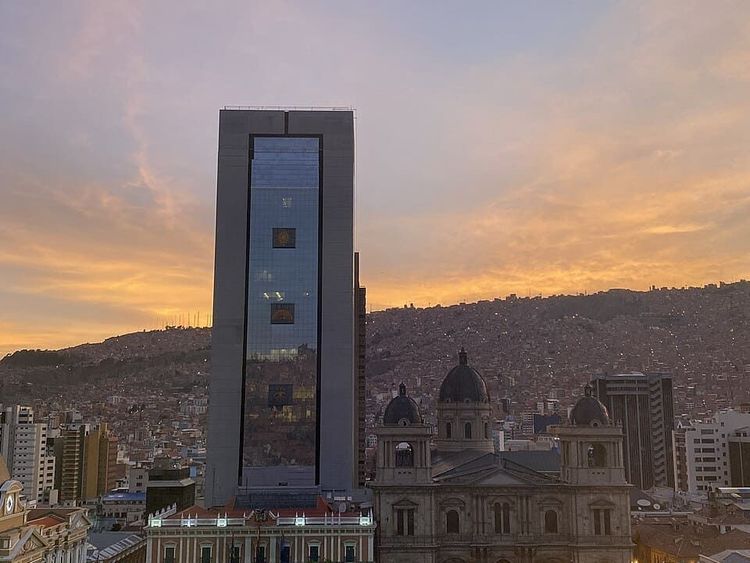
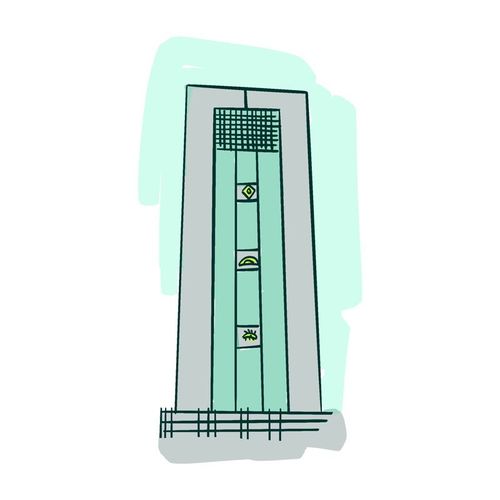
This glass-and-steel tower, standing 120 meters over 29 floors, opened in 2018 under Evo Morales to house the government away from older palaces tied to colonial rule. Its front facade draws on Tiwanaku imagery, stacking condor, puma and serpent to represent the three Andean worlds, while the rear honors Amazonian and valley peoples. Costly and controversial, the building is still nicknamed after the leader who built it, critics pointing to the extravagance of its presidential suite.
Free to see from outside
4 - Potosí Street
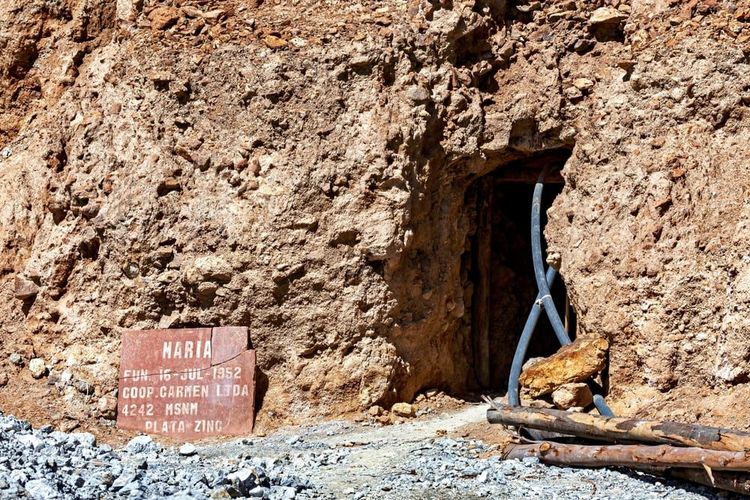
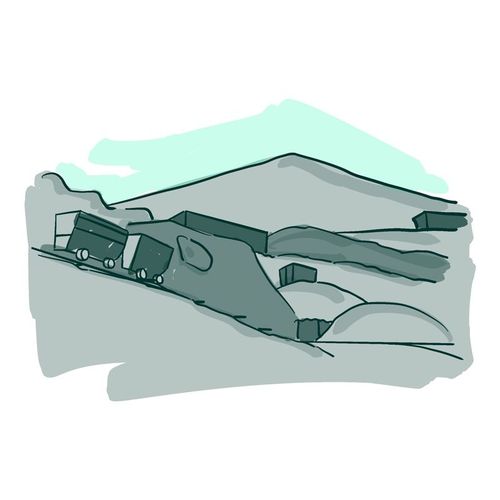
This street takes its name from Potosí, a mining town over 4,000 meters up and ruled by the Cerro Rico, whose silver veins, found in 1545, reshaped the world economy. By around 1600, Potosí already held more than 150,000 people, outnumbering Seville or London, its metal bankrolling Spanish wars as far away as China. Yet that fortune rested on the mita, forced labor pushed onto native people sent into the mountain's tunnels — the human cost of that early globalization.
Free entry
5 - San Francisco Basilica
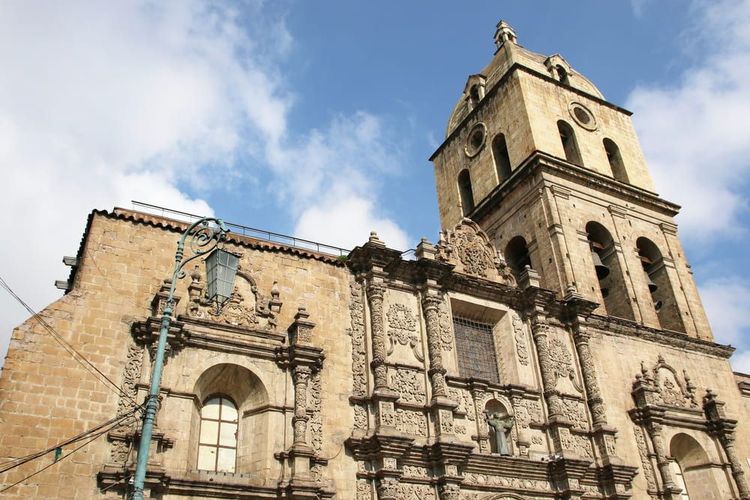
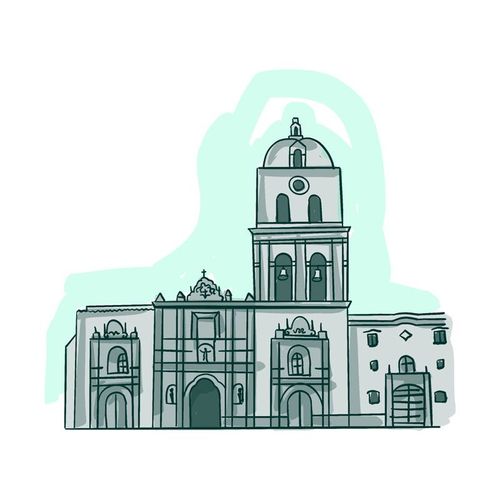
The first Franciscan church here, founded in 1549, caved in under the weight of snow and was rebuilt in the 18th century. Its facade conceals Andean symbols slipped in by Aymara craftsmen — pumas, coca leaves and Pachamama woven among the Catholic carvings, a clever way of keeping their own beliefs alive under forced conversion. Today the square around it is the city's favorite gathering spot. Climbing up to the roof rewards you with an unbeatable view over the city's colorful maze of streets.
Free entry
6 - Coca
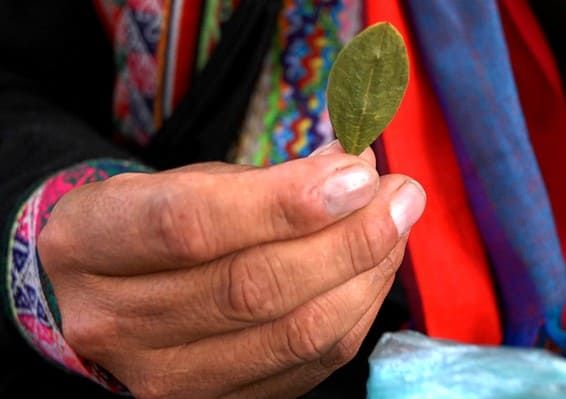
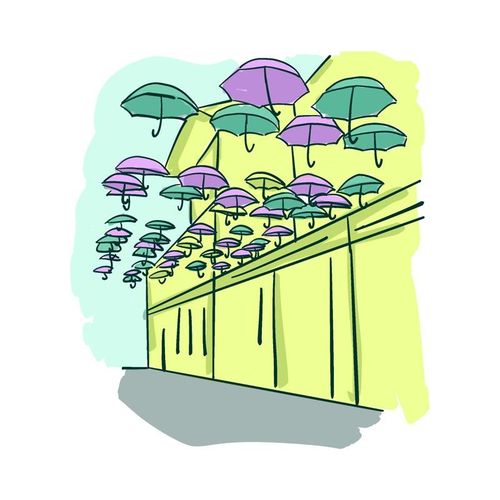
Tucked at number 906 on Calle Linares, beneath a canopy of hanging umbrellas, this museum is devoted entirely to the coca leaf, used across the Andes for more than 1,500 years. Unlike cocaine, a chemical derivative processed elsewhere, this natural plant remains a social, medicinal and spiritual mainstay: it eases fatigue, altitude and cold, and is offered as a courteous gesture. During ceremonies, three flawless leaves are carefully chosen, then gently blown on before being presented to Pachamama.
7 - Witches’ Market
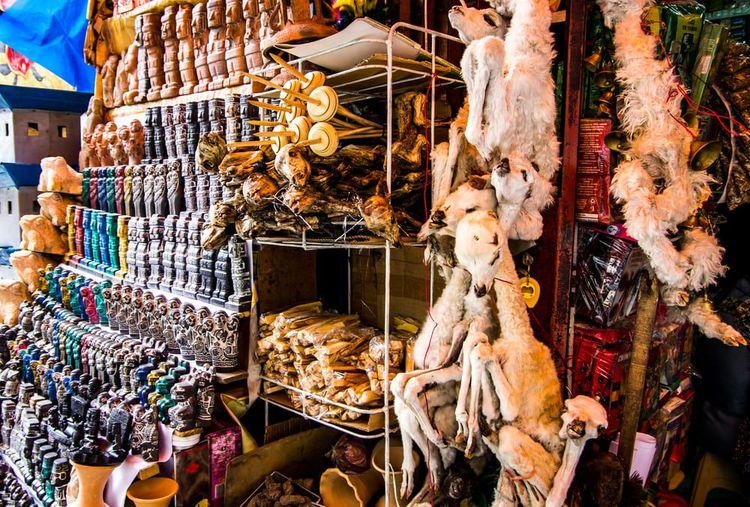
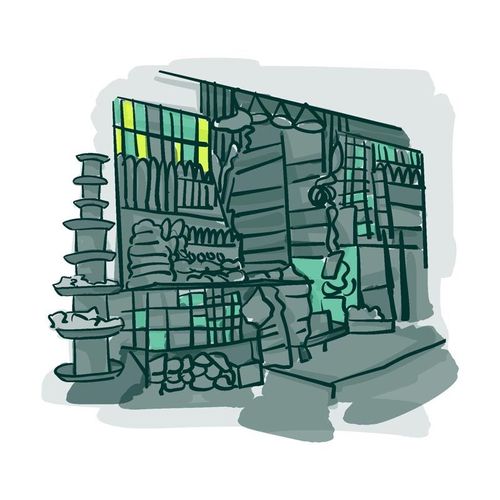
At this so-called Witches' Market, the Yatiris, Aymara elders versed in ritual, read coca leaves and put together offerings for Pachamama. Hanging above the stalls are small dried llama fetuses, sullus, traditionally buried beneath a house's foundations to thank the earth, echoing the ch'alla, a ritual where alcohol is poured onto the ground. Local legend even whispers that the city's tallest towers demanded far darker sacrifices.
Free entry
8 - Mercado Lanza
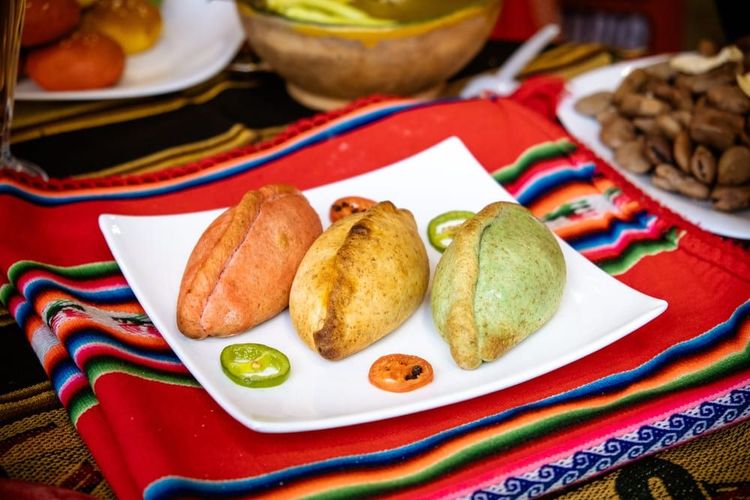
Rebuilt between 2008 and 2010 to hold well over a thousand stalls, this covered market is the home turf of the salteña, a golden pastry whose name supposedly traces to a woman from Salta who settled here in the 1800s. Packed with meat, spiced potato and scalding broth, it must be eaten standing up or you'll stain your clothes. Look out too for api morado, a purple-corn drink, and soups made with chuño, potato dried by frost then sun in an age-old method.
Free entry
9 - History of La Paz
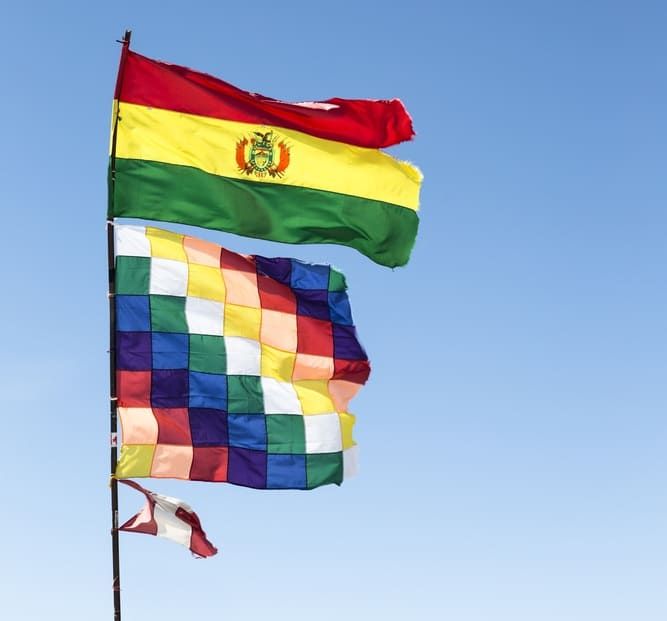
Founded in 1548 by conquistador Alonso de Mendoza to mark peace between warring Spaniards, La Paz grew into a hub of colonial trade, supplying the mines of Potosí. The city is anything but calm: a siege led by Aymara chief Túpac Katari in 1781, Murillo's revolt in 1809, independence in 1825. Sucre stayed the official capital, but after an 1899 civil war La Paz took over the government, splitting the country into two capitals, before later spilling upward into El Alto.
Free entry
10 - La Paz Cable Cars
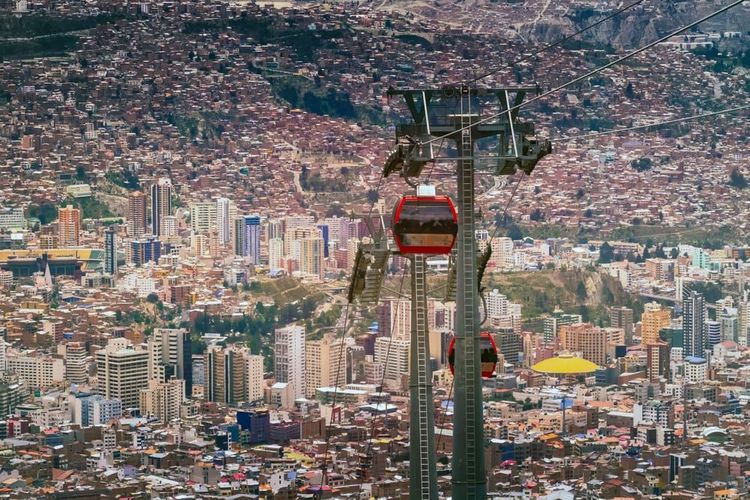
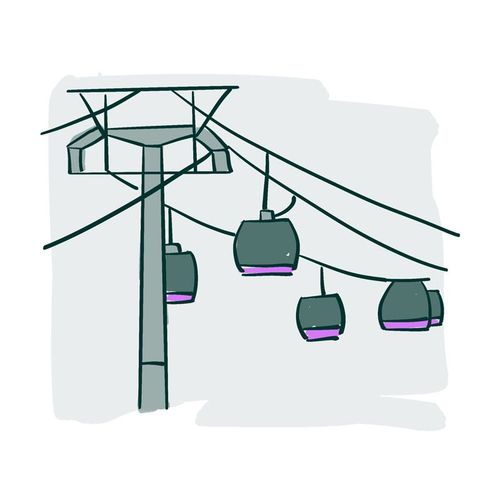
Faced with minibus gridlock on the switchback roads, La Paz turned to the sky back in 2014 to link the city's lower basin with its twin, El Alto, 400 meters higher up. Ten colorful lines and roughly a thousand cabins form an aerial network unmatched anywhere on the planet, each station labeled in both Spanish and Aymara. The red line, the most striking of all, glides over the central cemetery and the colorful Chualluma neighborhood before opening onto a sweeping view of Mount Illimani.
Paid entry
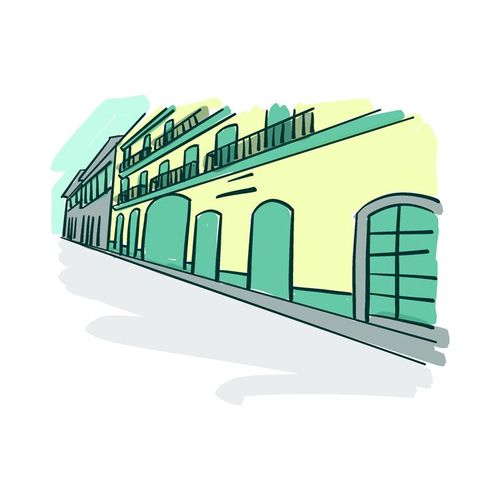
11 - Calle Jaén
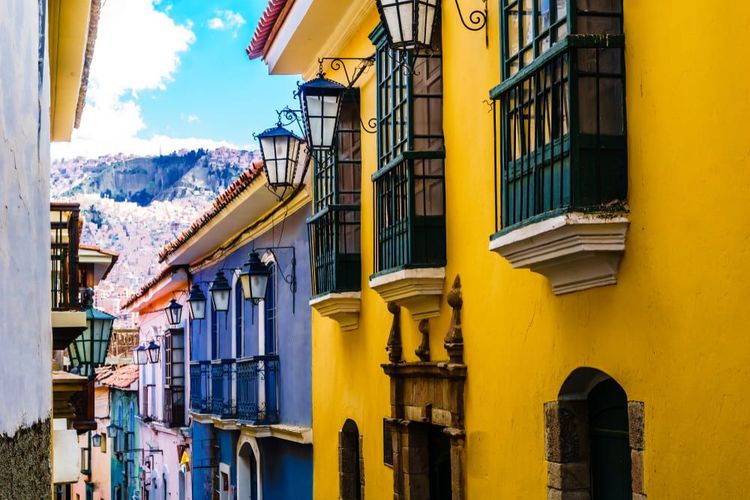
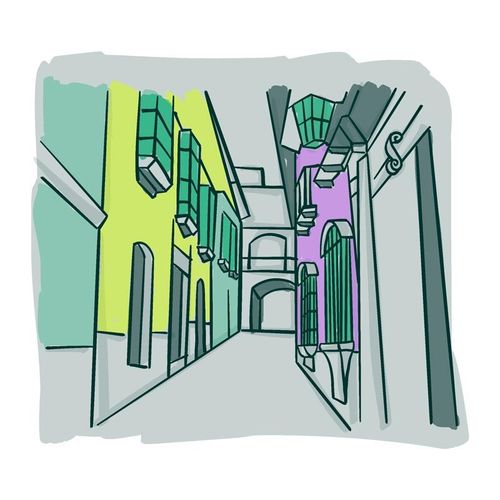
This cobbled lane, once known as Cabracancha in the 16th century when it served as a llama market, now bears the name of Apolinar Jaén, hanged in 1809 alongside Murillo, whose childhood home stands right here. The street is also said to be the city's most haunted: ghostly footsteps and moaning supposedly fill the air after dark, which is why a Green Cross was nailed to a wall in the 18th century to keep spirits at bay. Once the museums shut, cafés and folk-music peñas take over.
Free entry
12 - Anticucho Corner
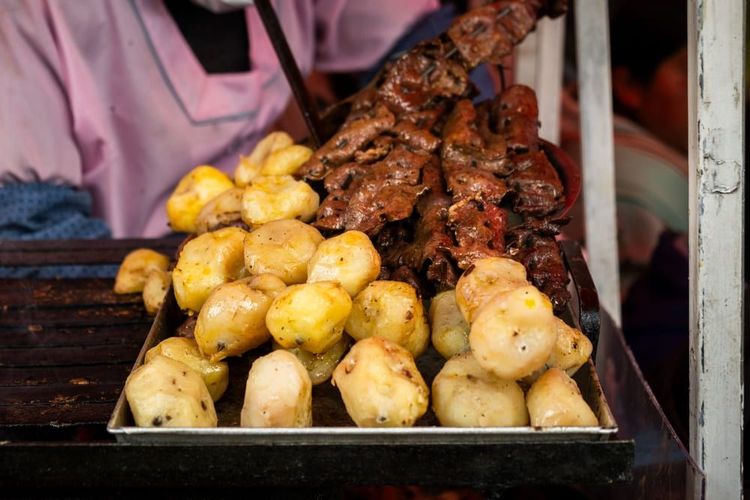
Once night falls, Calle Pichincha fills with the smell of meat on the grill: this is anticucho territory, skewered beef heart marinated in garlic, oregano and cumin, then seared over hot coals. Served alongside a roasted potato and a creamy peanut sauce, the dish has been handed down for generations by women in polleras who tend the braziers, the true nighttime guardians of this street.
Free entry
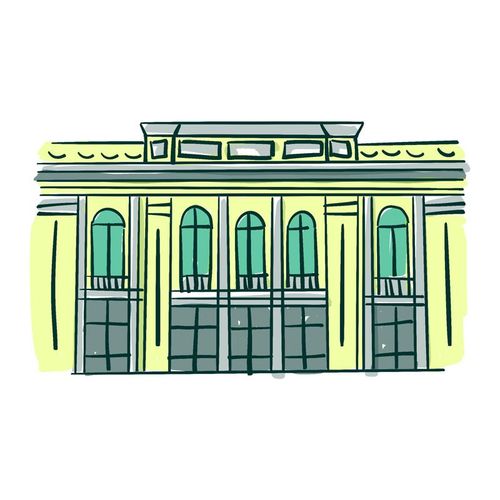
13 - Alberto Saavedra Pérez Municipal Theater
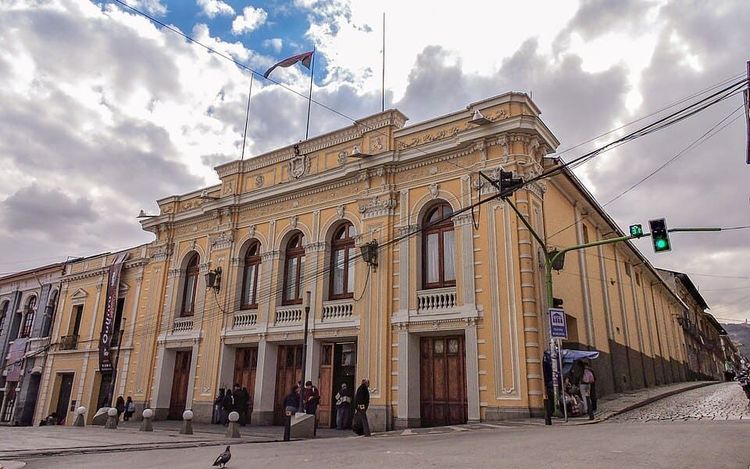
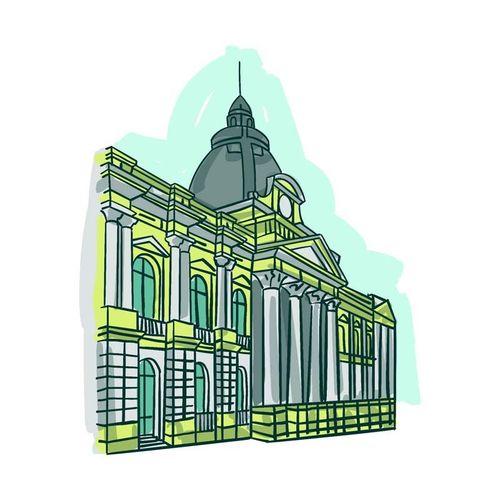
This neoclassical theater, opened in 1845, remains one of South America's oldest still in operation, designed by José María Núñez del Prado, just 27 at the time and the country's first licensed architect, who later drew up plans for the Palacio Quemado. Originally called the national theater, it was later renamed to honor an early-20th-century local playwright and journalist. A fitting coincidence: the very night it opened, Bolivia's national anthem was performed in public for the first time, having been composed that same day.
14 - Museum of Ethnography and Folklore
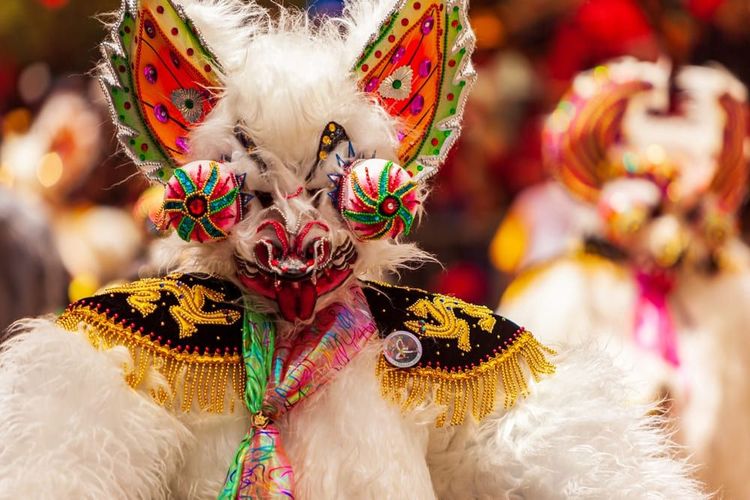
Behind the walls of this 1730 palace sits a national museum of ethnography and folklore, home to a little-known truth about the chola paceña's outfit: the pollera skirt, shawl and bowler hat aren't pre-Columbian dress at all but were imposed by Spanish colonial rule to visibly mark the status of Indigenous people. Shut out of the banking system, these Andean traders turned that imposition into walking savings, a well-kept pollera sometimes worth several thousand dollars and a clear sign of success.
15 - Calle comercio
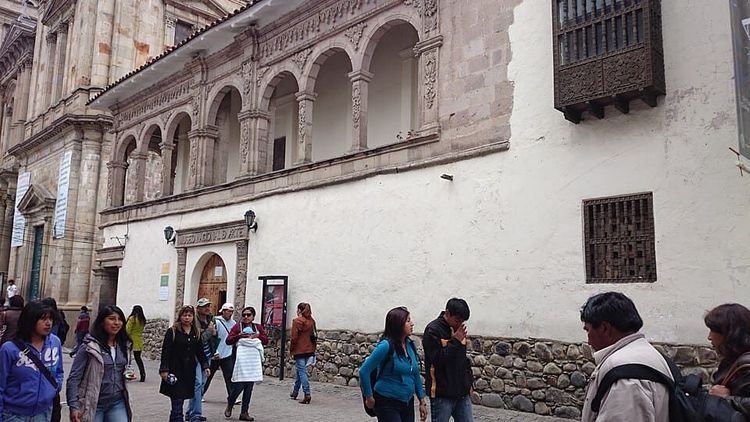
Laid out as early as 1548, this pedestrian street once linked the Spanish quarter with Plaza Murillo. Liberators Bolívar and Sucre paraded here under silver arches after independence, it sheltered the plotters of the 1809 revolution, and it watched troops march off toward the Chaco War. A trading street since colonial days and lined with more than twenty historic buildings in Republican style, it has been closed to car traffic since the 1970s.
Free entry
Which neighbourhoods does the tour cross?
On a tight 2.7 km loop, the route links the power, trade and Andean beliefs that shape La Paz's historic centre.
It starts at Plaza Murillo, flanked by the metropolitan cathedral and the Palacio Quemado, before passing the Great House of the People, the glass skyscraper that now houses the Bolivian government (stops 1 to 3).
Potosí Street and the San Francisco Basilica open onto the liveliest stretch of the walk, between the Witches' Market, the hanging umbrellas of Calle de los Paraguas and the smells of the Lanza Market (stops 4 to 8). A stop devoted to the city's history comes before the cable-car network that links the bowl of La Paz to the heights of El Alto (stops 9 and 10).
The last stretch returns to a colonial feel along Calle Jaén, with its cobbles and colourful facades, passes the anticuchos corner, lively after dark, then the municipal theatre and the ethnography museum, and comes back along Calle Comercio, pedestrian since the late 1970s, a short walk from Plaza Murillo (stops 11 to 15).
How much does it cost to visit La Paz?
Of the 15 stops on the route, 9 can be visited without a ticket, from Plaza Murillo to Calle Comercio via the Witches' Market and the Lanza Market. Two others are only viewed from the street:
- the seats of power, including the metropolitan cathedral and the Palacio Quemado;
- the Great House of the People, the government's glass skyscraper.
The urban cable car, which climbs to the heights of El Alto, is the only paid stop identified, though no fare could be confirmed. For the remaining three, the Coca Museum, the municipal theatre and the ethnography museum, admission terms are best checked on site.
Information checked in November 2026 and subject to change.
Where to stop for a bite along the tour?
The route passes two food stops, one for the morning, the other for the night.
At the Lanza Market, a covered market housing more than a thousand vendors, the salteña rules the breakfast hour: a golden pastry hiding a hot broth that must be sipped before biting into the filling. The purple-corn api morado, a hot cinnamon drink, and thick chuño soups round out the stalls.
By night, head to Calle Pichincha, where charcoal braziers fill the air with smoke: this is where anticuchos are eaten, skewers of beef heart marinated in garlic, oregano, cumin and chilli, served with a grilled potato and topped with ají de maní, a spicy peanut sauce.
What should you know before visiting La Paz?
Visiting La Paz, perched above 3,600 metres, calls for some time to adjust before setting out on the route.
Take time to acclimatise, drink plenty of water and avoid strenuous effort during the first days; sunscreen, sunglasses and warm layers help, since the sun stays strong even as temperatures drop fast. In the busiest spots, keep an eye on your belongings.
The official currency is the boliviano (Bs or BOB): always carry some cash, useful at markets and small shops along the way.
Check the latest travel advice before you leave: a state of emergency was extended in Bolivia in late 2026. In that context, follow local authorities' guidance, avoid any gathering or demonstration and move away quickly from any reported intervention zone.
Le plein d'inspirations
Explorez le monde en totale liberté, à pied au cœur des villes ou au fil des routes. Nos guides audios transforment chaque destination en une découverte culturelle immersive et unique.
Vos commentaires, idées et suggestions
Aucun avis pour le moment
