Walk
A Scandinavian jewel
Copenhagen, Denmark
Walk
A Scandinavian jewel
Copenhagen, Denmark
8 km
Distance
3h15
Durée
30
Audios
Loop
Parcours
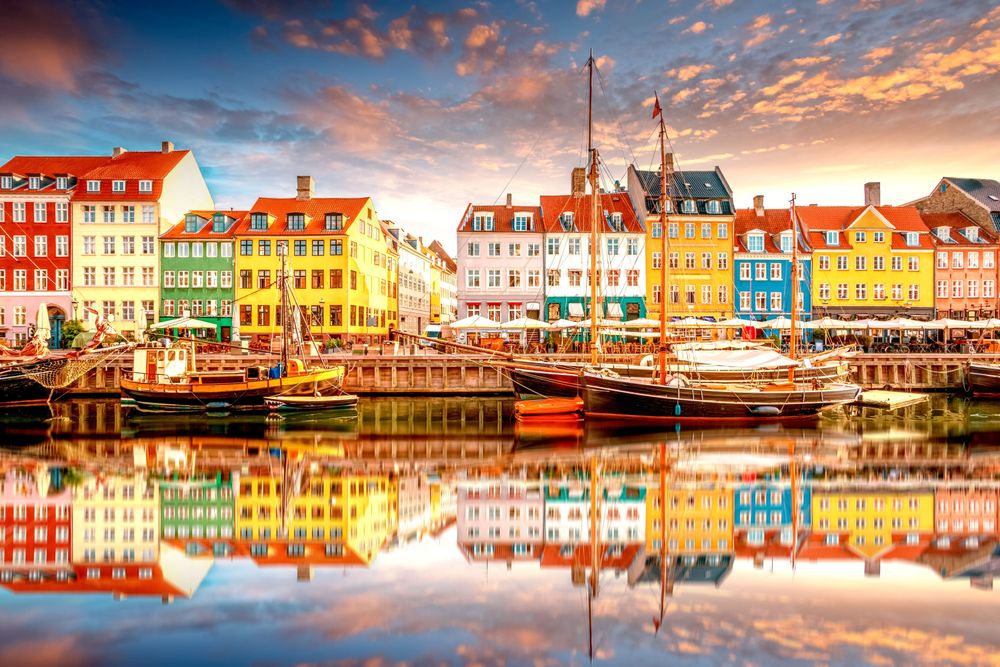
Visiting Denmark means stepping into a country that has mastered the art of living with singular grace: from coastlines battered by the North Sea to the cobbled lanes of its historic towns, every landscape seems to invite you to slow down. Denmark exudes a quiet elegance, shaped by refined design, Nordic light, and a warm conviviality that the Danes call hygge. Along its canals, gentle forests, and fairytale castles, the country reveals itself to those who take the time to listen. To explore its cities at the right pace, Ryo offers an audio-guided tour at the heart of Copenhagen, allowing you to experience the Scandinavian capital from the inside.
Copenhagen is a capital best savoured slowly, on foot along its colourful canals or by bike along its wide cycling paths that weave through historic neighbourhoods and contemporary spaces. Royal palaces, bold architecture, lively markets, and one of Europe's most inventive culinary scenes: the city blends grandeur and intimacy with disarming ease. Ryo's audio-guided tour Copenhagen, the Scandinavian Pearl guides you to the heart of this unique energy, uncovering the stories and atmospheres that its façades only share with those who know how to look.
Beyond Copenhagen, Denmark unfolds a surprisingly varied geography for a country of modest size. North of the capital, Frederiksborg Castle is reflected in the waters of its lake, a majestic testament to 17th-century Renaissance architecture, sometimes referred to as the Danish Versailles. Further north still, the wild headland of Skagen sees two seas meet and offers beaches swept by an invigorating wind.
To the east, the island of Møn reveals its celebrated white chalk cliffs plunging into the Baltic Sea — a striking landscape found nowhere else in the country. The large island of Funen is home to Odense, the birthplace of Hans Christian Andersen, whose entirely reimagined museum celebrates the storyteller's universe with remarkable creativity. Aarhus, on the Jutland coast, stands out as a dynamic cultural capital, rich in contemporary museums and bold architecture.
The Great Belt strait and the famous bridge connecting the Danish islands are themselves a powerful visual experience, a symbol of the way this country has woven ties between its territories without ever sacrificing their individual character.
Denmark can be visited year-round, but each season offers a different experience. Spring and summer bring long days, generous light, and a vibrant outdoor life, perfect for city walks and excursions into nature. Autumn drapes the country in golden hues and invites you to enjoy museums and cosy interiors in a more peaceful atmosphere. Winter, though dark and cool, reveals a particular magic with Christmas markets and the spirit of hygge at its most authentic.
Denmark's rail network efficiently connects its major cities, making journeys between Copenhagen, Odense, and Aarhus comfortable and convenient. Cycling is a central mode of transport throughout the country, with infrastructure designed for two-wheeled travellers, both in cities and along certain rural routes. To explore more remote regions or the islands, car hire or ferries offer welcome freedom of movement, turning the journey itself into part of the experience.
The months of May through August are generally the most popular, with mild temperatures and very long days. However, late spring and early autumn appeal to travellers who prefer fewer crowds and softer light. Winter draws those who wish to experience the authenticity of Danish hygge, curled up by a fire in a warm café.
A stay of one week to ten days allows you to combine Copenhagen with a few excursions to nearby regions, such as northern Zealand or the island of Møn. To travel the length of the country, from Jutland to the southern islands, it is worth allowing more time, so that each territory can be given the space it deserves.
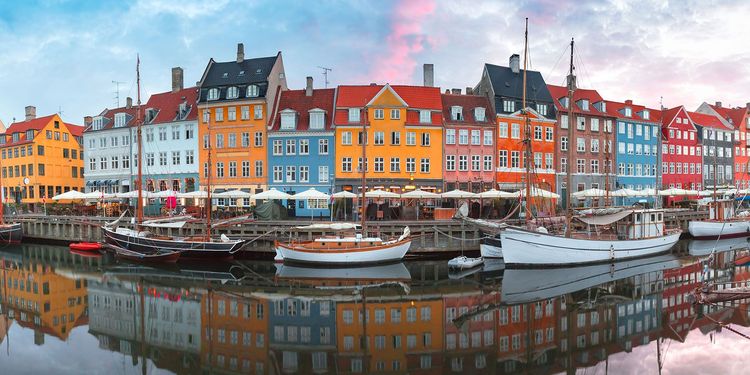
Among the sites that leave a lasting impression on travellers are the Nyhavn canals in Copenhagen, Kronborg Castle immortalised by Shakespeare, the cliffs of Møns Klint, the Hans Christian Andersen Museum in Odense, and the cultural scene of Aarhus. Danish gastronomy, driven by a philosophy of local produce and seasonality, also deserves particular attention.
The train is the backbone of travel between major cities, with frequent and comfortable connections. In town, the bicycle reigns supreme, and most Danish destinations have accessible rental systems. To reach the islands or explore Jutland at your own pace, a car offers ideal flexibility and opens up landscapes that are often overlooked along the back roads.
The smørrebrød, an open-faced sandwich carefully topped with seasonal ingredients, encapsulates the Danish approach to food in a single dish: simple in appearance, yet crafted with great attention to detail. Danish pastries, known internationally as wienerbrød, are another treat to enjoy without restraint in the country's bakeries. Copenhagen's gastronomic scene, meanwhile, pushes these traditions towards particularly creative culinary horizons.






