



Créé par Romane, le 4 oct. 2026
Votre guide Ryo
Copenhagen, Denmark
A Scandinavian jewel
Parcours audioguidé pour visiter Copenhagen en 1 jour
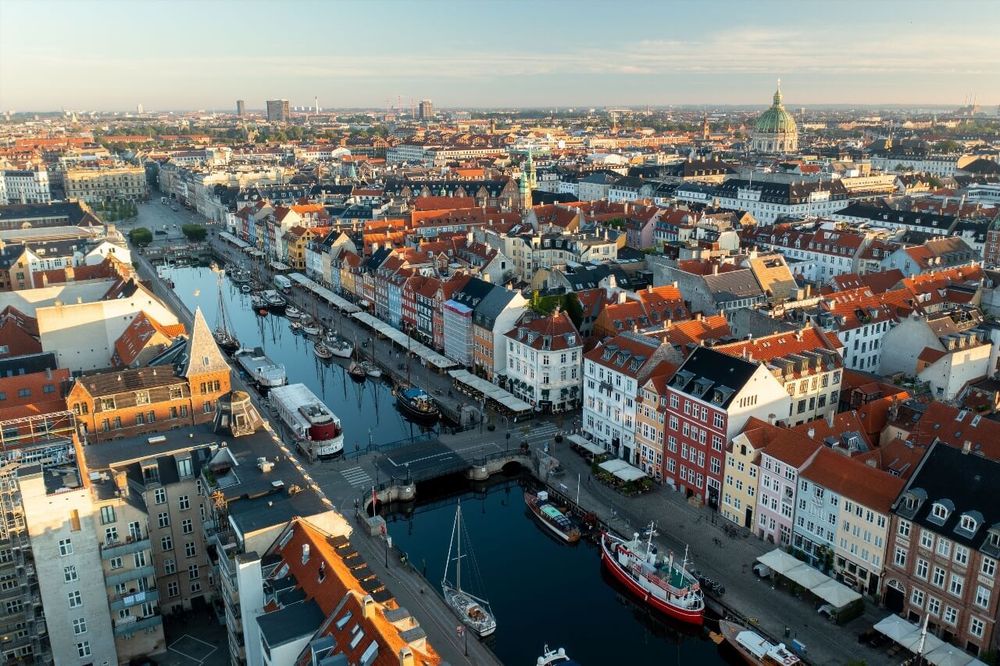
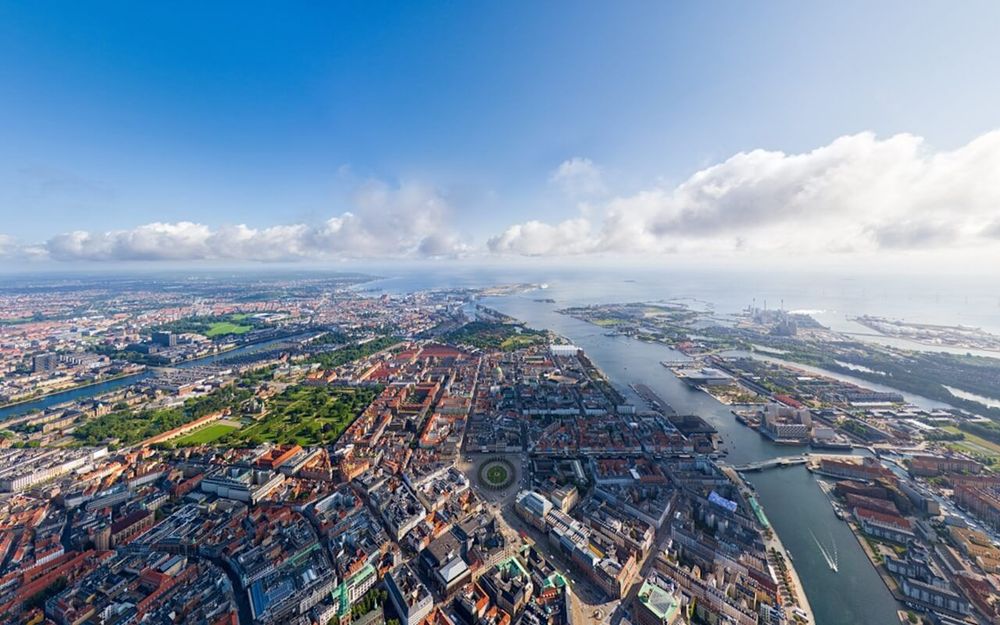
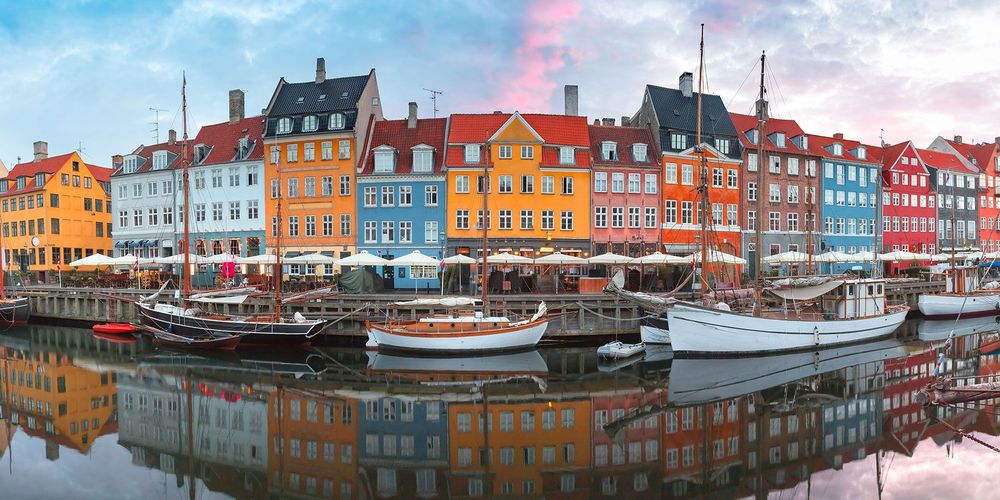
This tour of Copenhagen’s historic center invites you to wander through the capital of design and well-being, featuring the multicolored facades of Nyhavn, majestic royal palaces, and charming medieval lanes. Throughout the route, discover the heritage of Danish kings, the free-spirited energy of creative districts, and the landmarks that make this maritime city a model of modernity and "hygge" lifestyle. A simple and immersive way to explore the heart of Copenhagen at your own pace.
Quand partir à Copenhagen ?
Jan.
1°
12
Feb.
1°
9
March
3°
10
April
7°
9
May
12°
9
June
16°
10
July
18°
10
Aug.
18°
11
Sept.
14°
11
Oct.
10°
12
Nov.
6°
12
Dec.
3°
13
The best time to explore Copenhagen is from May to September. In the summertime, the average temperatures go from 13°C to 22°C. In winter, temperatures drop from -1°C to 4°C. The warmest months are from July to August, but it's also the time with the most rain. So don't forget your umbrella!
Départ conseillé
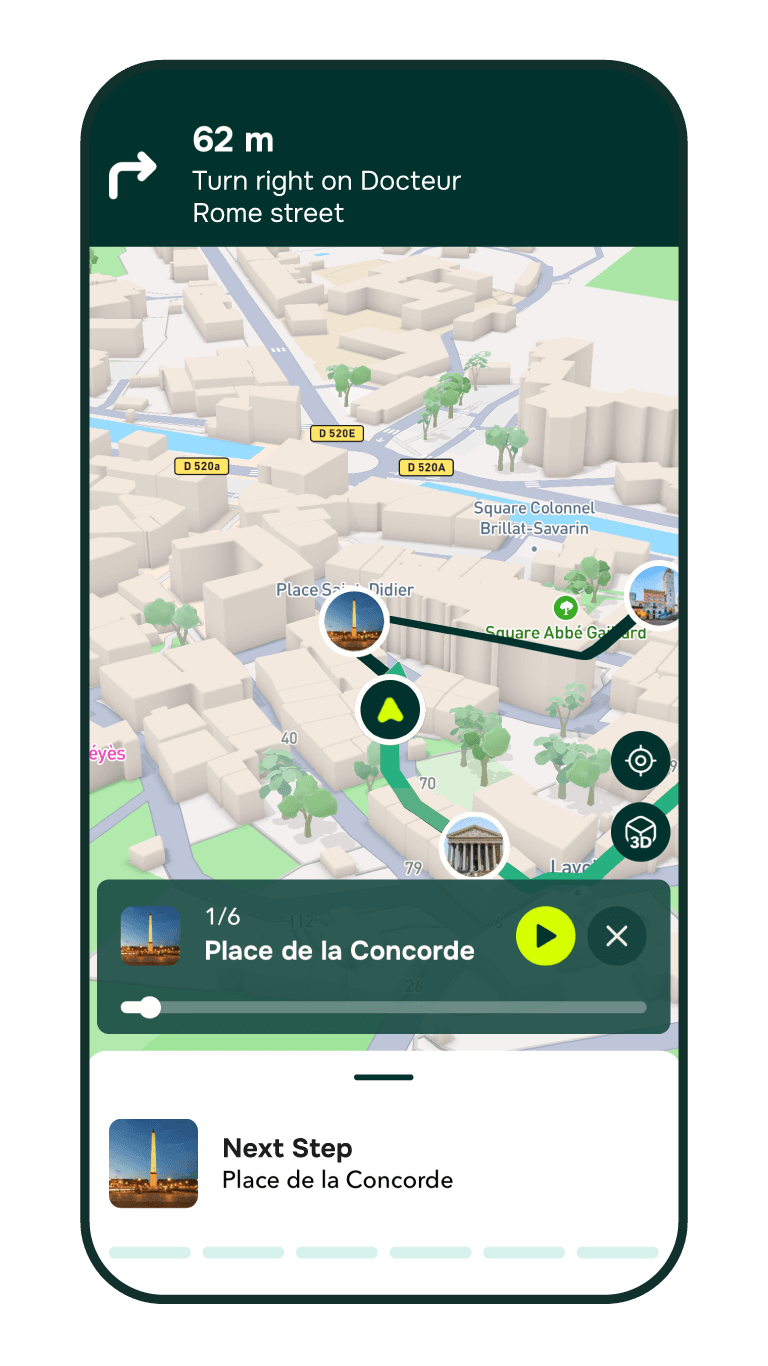
No need to worry about where to begin! Our tours are designed as a loop, so you can jump in wherever you are. The navigation system and audioguide will automatically adjust to your location. However, if you happen to be nearby, we do have a preferred starting point : Oster Voldgade 2 Street
Parking à proximité
Covered parking Q-Park Norreport : Israels Plads 1
We highly advise you not to take a car when visiting Copenhagen, because parking is expensive and difficult to find. Plus, it's a city that prioritises public transport and bikes. Hence, there are many restrictions against parking and traffic. You'll have to be cautious with time limits, price and using a parking disk. Watch out, because fines are expensive here in Denmark! If you still want to come by car, then consider finding an underground parking, even though you may have second thoughts when seeing its prices too. Otherwise, you can park for free in the outskirts. No worries, you can get to the city centre with public transport! Check out if there are any time restrictions though, otherwise you might be surprised! Just be cautious when parking in Copenhagen!
À savoir
This tour will take you through Kongens Have Park, where you'll find Rosenborg Castle. Access is free but there are opening hours. Make sure to come at the right time to enter and visit the castle. If the park is closed when arriving, continue on the Oster Voldgade street and take a right on Solvgade to get back onto the itinerary.
On this visit, you'll pass by Rosenborg Castle and Christianborg Palace. If you want to enter, you'll have to reserve your ticket in advance!
Découvrez 30 lieux d'intérêt pour visiter Copenhagen
























Le plein d'inspirations
Explorez le monde en totale liberté, à pied au cœur des villes ou au fil des routes. Nos guides audios transforment chaque destination en une découverte culturelle immersive et unique.






FAQ for visiting Copenhagen
When is the best time to visit Copenhagen?
The best time to explore Copenhagen runs from May to September, when the city comes alive under pleasant temperatures ranging from 13 to 22°C. The Danish summer offers long, bright days that are perfect for wandering the colourful streets and enjoying the terraces. July and August are the warmest months but also the rainiest, so keep an umbrella close at hand. Winter stays mild for a Nordic capital, with temperatures hovering between -1 and 4°C, and brings its own special charm with Christmas markets and the typically Danish hygge atmosphere. Spring and autumn offer a good compromise, with fewer tourists and more affordable prices.
How many days do you need to visit Copenhagen?
Ideally, plan for three to four days to comfortably explore Copenhagen and soak up its unique atmosphere. Two days are enough to discover the must-sees of the historic centre: the colourful Nyhavn harbour, the royal palaces, the Strøget pedestrian street and the iconic neighbourhoods. With an extra day, you can visit the main museums and venture into the more alternative districts such as Vesterbro or Nørrebro. A four-day stay will let you fall into the Danish rhythm, rent a bike to explore like the locals and perhaps take a day trip to the surrounding area. The Ryo audioguide is there to help you make the most of your time with a well-thought-out route through the historic centre.
How do you get around Copenhagen?
Copenhagen is renowned as one of the most cycle-friendly cities in the world, with bike lanes everywhere and a deeply rooted cycling culture. Renting a bike remains the most authentic and practical way to explore the city like a local. The public transport network is also excellent, combining an automatic metro, S-tog trains and buses that efficiently serve every neighbourhood. The historic centre is very compact and easy to explore on foot. For public transport, consider the City Pass, which offers unlimited access to the network. Taxis and ride-hailing services are available but relatively expensive. Most of the main tourist sites are within easy reach on foot or by bike.
Where is the Little Mermaid and is it worth the trip?
The famous Little Mermaid statue sits on the Langelinie waterfront, about a twenty-minute walk from the city centre along the harbour. This bronze sculpture, inspired by Andersen's fairy tale, is modest in size and often surprises visitors who expect something more imposing. Even so, it remains one of Copenhagen's symbols and is worth the detour, especially if you combine the visit with a stroll along the harbour, which offers lovely views. The route there passes through interesting neighbourhoods and lets you discover the Kastellet fortress. The Ryo audioguide includes this iconic landmark in its itinerary and tells you the fascinating story behind the work.
What can you visit for free in Copenhagen?
Copenhagen offers plenty of free experiences that let you discover the essence of the city without spending a thing. The royal gardens such as Kongens Have and the botanical garden are peaceful havens open to all. Strolling along the colourful Nyhavn harbour, exploring the free town of Christiania or admiring the architecture of the Black Diamond costs nothing. Several museums offer free entry on certain days of the week, notably the Ny Carlsberg Glyptotek on Tuesdays. Historic churches such as Vor Frelsers Kirke allow a free visit of their interior, though access to the tower comes at a cost. Simply wandering the streets of the historic centre remains one of the best ways to appreciate the unique atmosphere of the Danish capital.
Is Copenhagen an expensive destination?
Copenhagen ranks among the most expensive European capitals, particularly for accommodation and dining. A restaurant meal generally costs more than in Paris or London, and drinks in bars can come as a surprise with their high prices. However, there are ways to keep your budget in check: supermarkets offer reasonable prices for preparing your own meals, food trucks and covered markets provide affordable alternatives, and many free activities let you enjoy the city. Public transport, though relatively pricey per ride, becomes economical with day passes. Plan for a substantial daily budget, but know that with a few tips you can fully enjoy your stay without breaking the bank.
What are Copenhagen's must-see neighbourhoods?
The historic heart around Nyhavn, with its colourful houses and maritime atmosphere, is a must. Indre By, the old town, brings together royal palaces, historic churches and lively shopping streets. Christianshavn charms visitors with its peaceful canals and is home to the alternative community of Christiania, a unique experience in Europe. Vesterbro, a former working-class district turned trendy, is full of design cafés, vintage shops and fashionable restaurants. Nørrebro offers a lively multicultural vibe with its markets, street art and dynamic nightlife. Østerbro will appeal to lovers of architecture and green parks. The Ryo audioguide takes you through these different neighbourhoods, revealing their histories and secrets for a complete discovery of Copenhagen's soul.
Is the Copenhagen Card worth it?
The Copenhagen Card can represent substantial savings if you plan to visit several museums and paid attractions during your stay. It includes free access to most museums and monuments, as well as unlimited public transport throughout the region. To make the card pay off, you generally need to visit at least two or three major attractions per day. If your programme favours walks, alternative neighbourhoods and free experiences, it will be less worthwhile. Compare the price of the card with your planned visits: the royal castles, Tivoli and the major museums are relatively expensive individually. The card is particularly suited to short, intense stays where you want to see as many paid sites as possible without worrying about individual tickets.
Which palaces and gardens should you discover in Copenhagen?
Three royal residences set the rhythm of a visit. Amalienborg, four rococo palaces arranged around an octagonal square, is still home to the royal family and sees the daily changing of the guard, which marches up on foot from Rosenborg Castle. Rosenborg itself, a small brick building raised in the Renaissance, holds the crown jewels and opens onto the King's Garden, the oldest in the city. Christiansborg, seat of parliament, completes the picture with its panoramic tower.
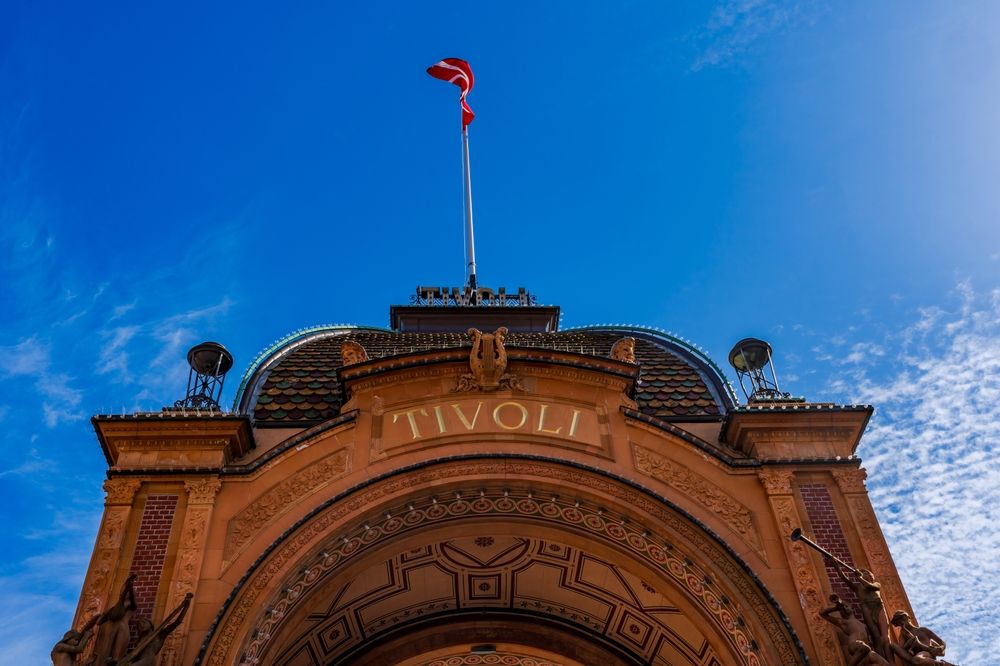
For greenery, the Tivoli Gardens combine flowerbeds, vintage rides and concert stages right in the centre, while the botanical garden and its glasshouses offer a quieter pause. The Ryo audio guide offers a dedicated Copenhagen route linking these places along the canals.
What should you eat in Copenhagen?
The local classic is smørrebrød, an open rye-bread sandwich topped with pickled herring, salmon, roast pork or prawns, eaten sitting down with a knife and fork. On the street, the Danish hot dog remains an institution, and bakeries turn out cinnamon or marzipan pastries all day long, to be enjoyed with an unhurried coffee.
The city is also the birthplace of new Nordic cuisine, which brought seasonal produce, fermentation and wild herbs back to the fore; you will find it in ambitious dining rooms as much as in simple addresses. To taste a lot of things at once, the covered halls and street-food markets gather plenty of counters under a single roof.
Vos commentaires, idées et suggestions
Aucun avis pour le moment