





Walk
A Journey Through History
Compiègne, France
Walk
A Journey Through History
Compiègne, France
4.5 km
Distance
1h50
Durée
18
Audios
Loop
Parcours
Shutterstock
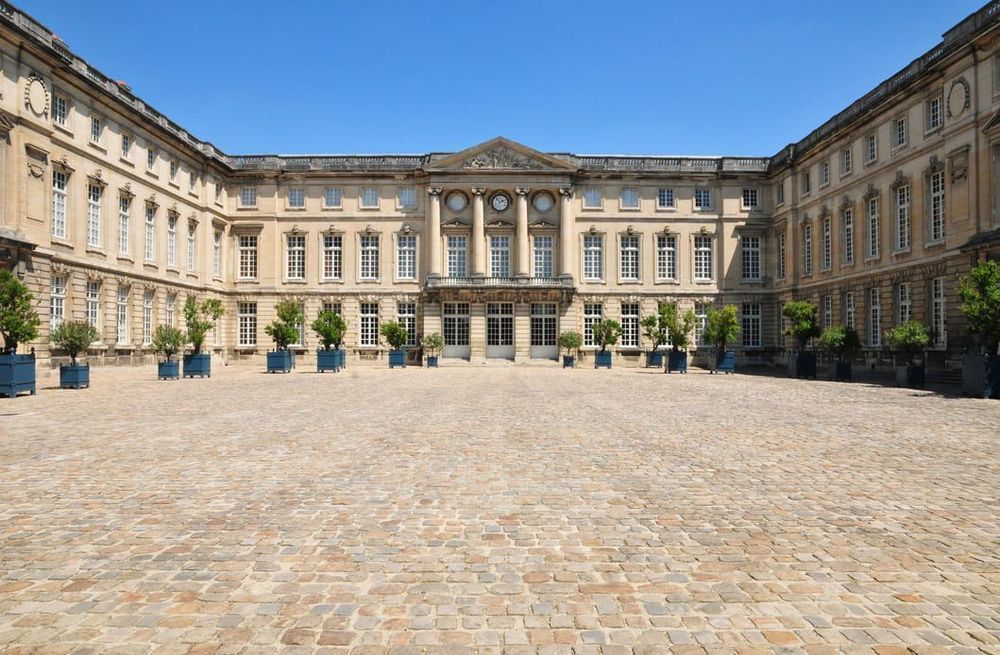
The Palace of Compiègne is a sumptuous imperial palace, one of the great residences of the sovereigns of France. The Compiègne audio-guided tour stops here to evoke this major monument, a royal residence then favourite home of Napoleon I and Napoleon III.
The Palace of Compiègne is one of the finest palaces of France and one of the three principal residences of the sovereigns, alongside Versailles and Fontainebleau. Built in its current form in the eighteenth century under the reign of Louis XV then Louis XVI, on the site of former royal castles, it was a hunting and stay residence prized by the kings of France. But it is above all under the two Empires that it knew its apogee: Napoleon I restored and arranged it, and Napoleon III made it one of his favourite homes, where he organised the sumptuous Séries de Compiègne, these receptions that gathered the high society of the Second Empire. The palace, with elegant neoclassical architecture, keeps sumptuous furnished imperial apartments, as well as several museums, including the museum of the Second Empire and the museum of the Car. A witness of the splendour of the royal and imperial courts, the Palace of Compiègne is a major stop of the discovery of the town.
You admire one of the finest palaces of France, one of the three principal residences of the sovereigns with Versailles and Fontainebleau, built in the eighteenth century then favourite home of Napoleon I and Napoleon III, with neoclassical architecture, with its sumptuous furnished imperial apartments and its museums, including the museum of the Second Empire and the museum of the Car. The Palace of Compiègne is a major monument. It is a must-see stop, to be explored on foot.
The Palace of Compiègne lies in the heart of the town, reachable on foot. The visit of the apartments and the museums follows its own hours and conditions, which vary with the season. It is best to check the arrangements before coming.
Because it is one of the three principal residences of the sovereigns of France, with Versailles and Fontainebleau; built in the eighteenth century, it was the favourite home of Napoleon I and Napoleon III, who organised there the sumptuous Séries de Compiègne, and shelters sumptuous imperial apartments and several museums.
In the heart of Compiègne, in the Oise, in France.
Aucun avis pour le moment
