

Walk
The Phoenix City of the Atlantic
Royan, France
Walk
The Phoenix City of the Atlantic
Royan, France
3.2 km
Distance
1h30
Durée
17
Audios
Loop
Parcours
Shutterstock
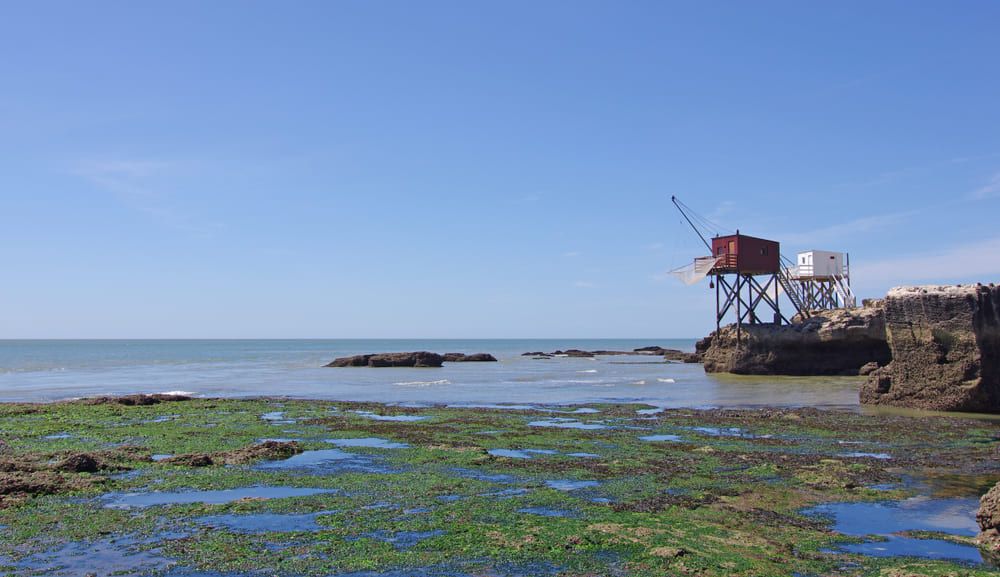
At Royan, you are facing the largest estuary in Western Europe: the Gironde estuary. This immensity of water, born of the meeting of two great rivers, stretches over dozens of kilometres. The Royan audio-guided tour stops here to evoke this grandiose landscape, which shapes the identity of the city and its region.
The Gironde estuary is born of the meeting between the Garonne and the Dordogne and stretches over more than seventy kilometres long and a dozen kilometres wide. The largest estuary in Western Europe, it marks the mouth towards the Atlantic Ocean. From Royan, a ferry line links the bank to Le Verdon-sur-Mer, perpetuating an old maritime crossing that is still much used.
Here you contemplate the immensity of the estuary, the coming and going of the boats and ferries, and the vast horizons between land and sea. In the distance, the famous lighthouses of the estuary can be glimpsed. It is a breathtaking landscape, ideal for a walk by the water and to grasp the intimate bond between Royan and its great estuary.
The Gironde estuary borders Royan, reachable on foot along the seafront and the viewpoints. Its contemplation is free and permanent. The ferry crossing to Le Verdon-sur-Mer, which lasts about thirty minutes, is provided by a maritime line with its own hours and prices, to be checked before leaving.
Because it is the largest estuary in Western Europe, born of the meeting of the Garonne and the Dordogne, stretching over more than seventy kilometres.
Yes, a ferry line links Royan to Le Verdon-sur-Mer in about thirty minutes; the hours and prices are specific to the line, to be checked before leaving.
Aucun avis pour le moment