
Créé par Romane, le 4 oct. 2026
Votre guide Ryo
Royan, France
The Phoenix City of the Atlantic
Parcours audioguidé pour visiter Royan en 1 jour
Facing the Atlantic Ocean, Royan stands out for its modern architecture shaped by post-war reconstruction. Between beaches, historic villas, and bold buildings from the 1950s, the city presents a unique character, both seaside and distinctly contemporary.
Quand partir à Royan ?
Jan.
10°
13
Feb.
11°
11
March
12°
11
April
14°
11
May
17°
10
June
20°
8
July
23°
6
Aug.
23°
7
Sept.
21°
9
Oct.
18°
11
Nov.
14°
13
Dec.
11°
13
The climate in Royan is temperate oceanic, with relatively mild winters, generally between 5 and 12°C, and pleasant summers, most often ranging from 22 to 28°C, with occasional hotter spells during heatwaves; the best times to visit are typically from April to June and then from September to October, when temperatures are mild, sunshine is already abundant, and visitor numbers are lower, offering ideal conditions to enjoy the beaches, the town center, and the landscapes of the Gironde estuary without the crowds of peak season.
Départ conseillé
We design our tours as loops, so you can easily start at the point closest to you, with the guidance adapting automatically. If you’re nearby, we suggest an ideal starting point: in front of Notre-Dame Church.
Parking à proximité
Church Parking: Rue du Château d’Eau
In Royan, parking is easy and mostly free. The city offers more than 4,000 free on-street spaces spread across its neighborhoods, including near the beaches and along certain streets in the center. Blue zones provide free parking with a time limit (1 to 1.5 hours), especially in summer. For added convenience, there’s a paid underground car park near the Central Market. Recommended free parking areas include the Bac car park and the one near Notre-Dame Church.
Découvrez 17 lieux d'intérêt pour visiter Royan

Le plein d'inspirations
Explorez le monde en totale liberté, à pied au cœur des villes ou au fil des routes. Nos guides audios transforment chaque destination en une découverte culturelle immersive et unique.

FAQ for visiting Royan
When is the best time to visit Royan?
Royan is pleasant to visit from April to June and then from September to October, when temperatures range between 15 and 25°C and the sunshine is generous without being overwhelming. You'll then enjoy the beaches and the town centre in a more peaceful atmosphere than at the height of summer. Winters remain mild, with temperatures generally between 5 and 12°C, perfect for invigorating walks facing the ocean. Summer naturally draws more people with its summery temperatures around 22-28°C, ideal for swimming but synonymous with large crowds. Spring and the late season offer the best compromise between mild weather and tranquillity.
How many days do you need to visit Royan?
Two to three days are generally enough to discover the essentials of Royan. A first day will let you explore the town centre with its 1950s architecture, stroll along the seafront and enjoy the main beaches. The second day can be devoted to the more outlying neighbourhoods, the Belle Époque villas and a walk along the corniche. If you have a third day, you can delve deeper into the various neighbourhoods or take a trip to the surrounding area. Visitors in a hurry can see the must-sees in one full day, but you risk missing out on the special atmosphere of this phoenix city.
What are the top things to see and do in Royan?
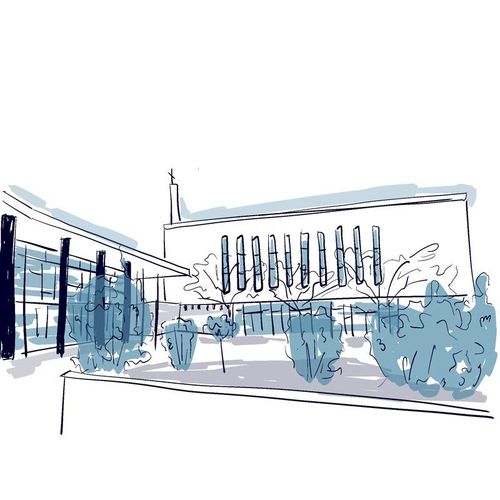
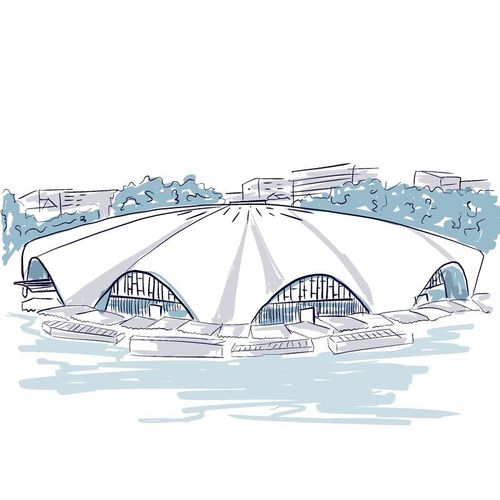
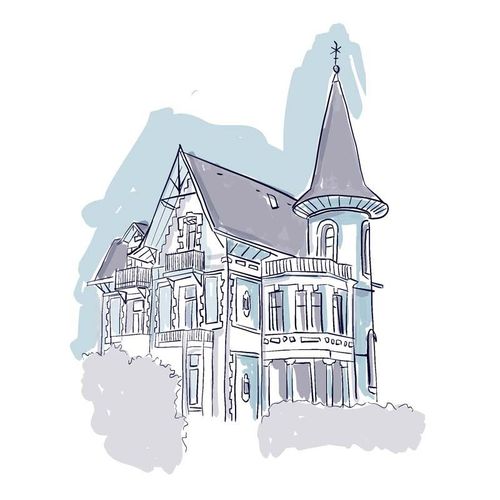
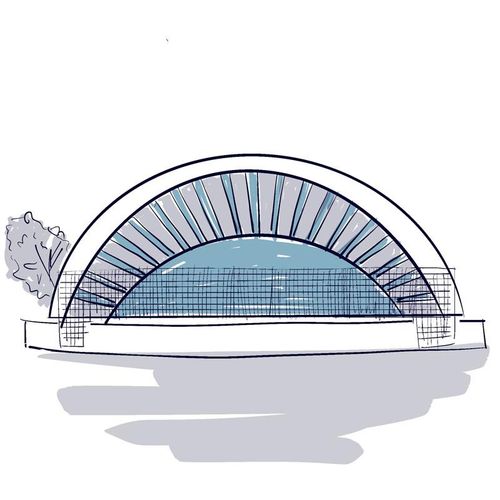
Royan will first win you over with its seafront and its five beaches of fine sand, and then with its town centre, rebuilt in a resolutely modern style. The church of Notre-Dame, a masterpiece of raw concrete from the 1950s, is absolutely worth a visit. The covered central market, another architectural gem, will immerse you in the local atmosphere. Don't miss the Belle Époque villas of the Parc neighbourhood and the walk along the Grande Conche either. The Ryo audioguide guides you through this discovery with a commented tour that reveals the fascinating history of the reconstruction and the architectural secrets of the town. Between heritage, beaches and a unique seaside atmosphere, Royan offers a singular experience on the Atlantic coast.
How do you get around Royan?
Royan is easy to explore on foot, especially the town centre and the seafront, which contain most of the points of interest. For more distant neighbourhoods like Pontaillac or the port, you can use the local bus network, which serves the town and its various beaches well. Cycling is an excellent alternative, with numerous dedicated bike lanes, particularly along the coast. Rentals are available at several points in the town. In summer, a little tourist train also offers a commented ride linking the main sites. If you arrive by car, be aware that parking can be difficult in high season near the beaches, but generally remains accessible in the other neighbourhoods.
Where can you park for free in Royan?
Free parking still exists in Royan, mainly in residential neighbourhoods away from the seafront. You'll generally find free spaces in the streets perpendicular to the beaches, provided you move a little further away. The Foncillon neighbourhood often offers free parking possibilities in its side streets. Near the marina, certain areas also remain free depending on the season. In the high tourist season, free spaces become scarcer and require arriving early in the morning or accepting a longer walk. Off-season, parking becomes noticeably easier and many areas that are paid in summer become free again. Remember to check the signage carefully, as it can vary depending on the period.
What are the main beaches in Royan?
Royan has five main beaches that stretch over several kilometres. The Grande Conche, in the heart of the town, remains the busiest with its two kilometres of fine sand and its many facilities. Foncillon beach, smaller and family-friendly, nestles in a sheltered cove. Pontaillac offers a chicer atmosphere with its Belle Époque villas as a backdrop. Le Chay beach appeals to nature lovers with its limestone cliffs, while the Grande Côte beach, wilder and exposed to the waves, attracts surfers and lovers of wide open spaces. Each one has its own character, from the most urban and well-equipped to the most natural and unspoilt.
What can you visit around Royan in a day?
The surroundings of Royan are full of remarkable sites accessible in a day. The Cordouan lighthouse, nicknamed the Versailles of the seas, is absolutely worth the detour, with boat crossings from the port. Talmont-sur-Gironde, listed among the most beautiful villages in France, will charm you with its Romanesque church perched on the cliff. Oyster lovers will enjoy an outing to the nearby Marennes-Oléron basin. The citadel of Blaye, on the other bank of the estuary, offers an immersion in military history with a breathtaking view. Closer by, the troglodyte caves of Meschers or the Palmyre zoo make excellent family options. Each excursion reveals a different facet of this region between ocean and estuary.
Why is Royan known for its 1950s architecture?
The town was largely destroyed by the bombing raids at the end of the Second World War, then rebuilt in one sweep in the style of its time. The result is a rare ensemble of concrete, curves and colour, now recognised as twentieth-century heritage, which earned the resort its nickname of phoenix town.
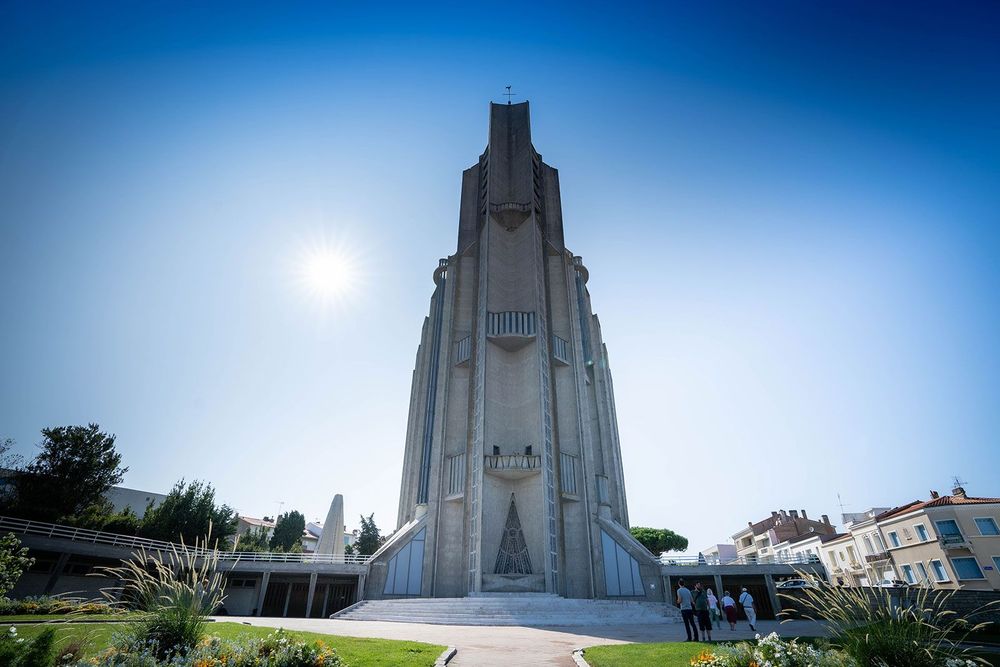
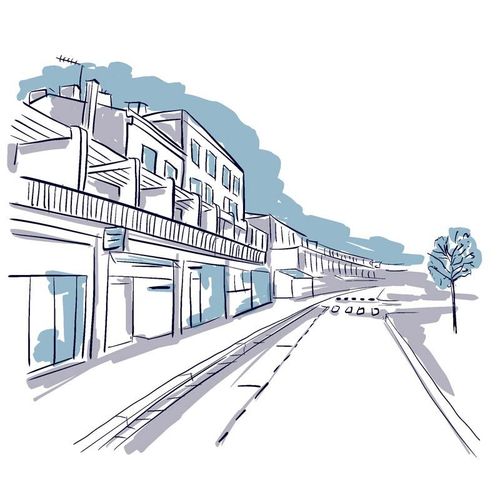
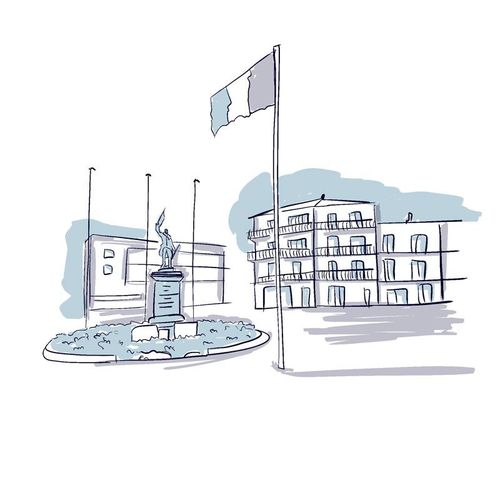
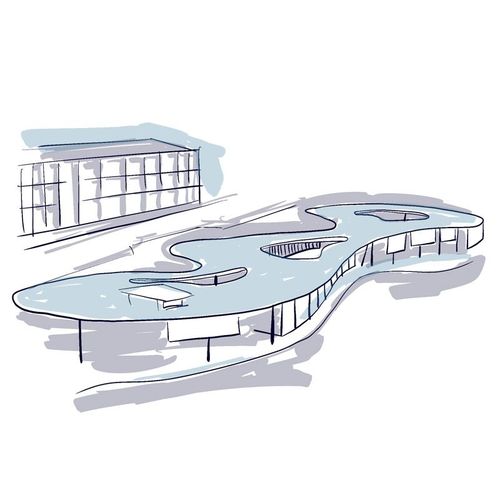
The church of Notre-Dame, a raw concrete vessel designed by Guillaume Gillet, is its most spectacular symbol, with its soaring nave and narrow stained-glass slits. But the covered market and its self-supporting shell, the congress hall, the seafront with its screen-walled apartment blocks and the seaside villas of the Pontaillac district all tell the same story. The Ryo audio guide offers a dedicated Royan route that links these buildings.
Which coastal walks can you do in Royan?
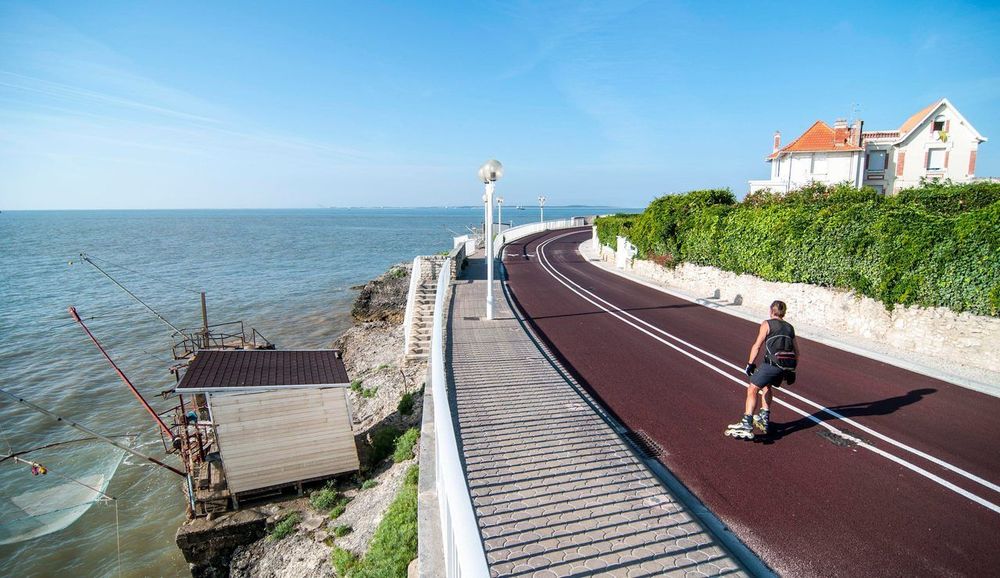
The old customs officers' path follows the coast from the town and remains the finest way to discover its surroundings on foot. It strings together small coves, low cliffs, bunkers overgrown with vegetation and villas hidden among the pines, with constant views over the Gironde estuary and the ocean.
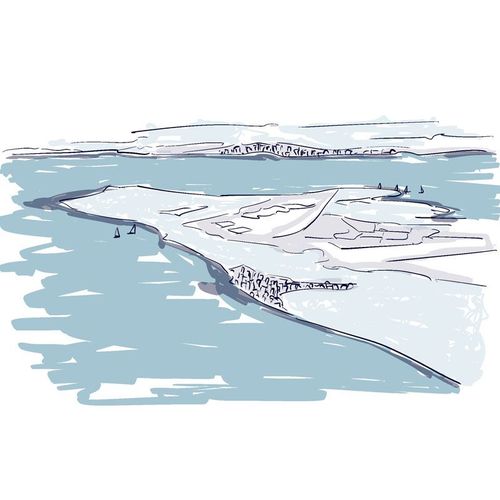
To the south, the Pointe de Suzac opens onto a wide panorama of the river mouth, with the outline of the Cordouan lighthouse in the distance on a clear day. To the north, the path continues beyond Pontaillac towards Vaux-sur-Mer and the wilder stretch of coast. Wear proper shoes, carry water and glance at the tide times, as some of the lower sections are more pleasant once the sea has drawn back.
Which local specialities should you taste in Royan?
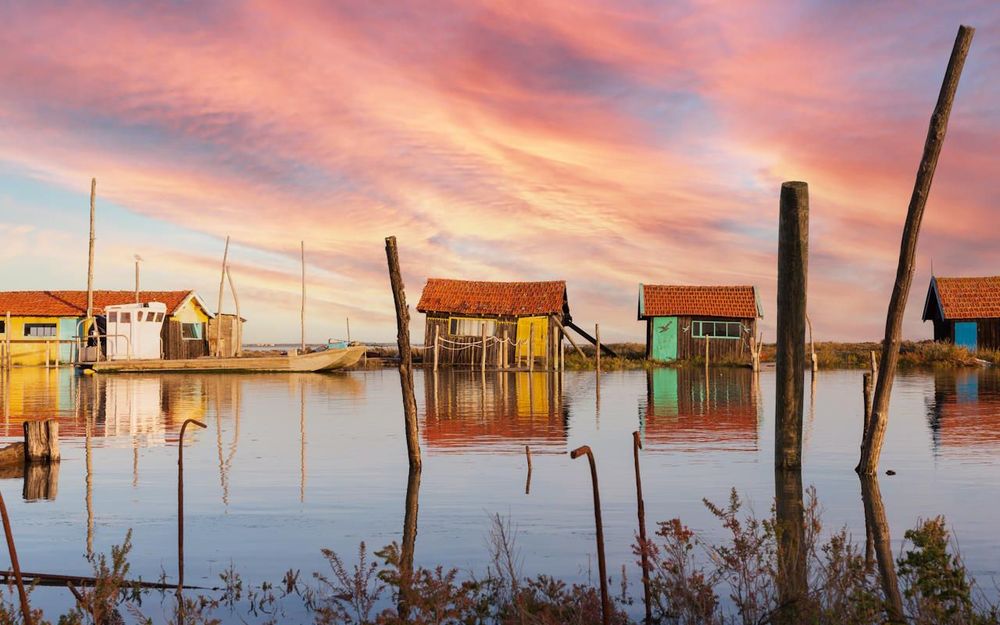
Cooking here comes first and foremost from the sea and the estuary. Marennes-Oléron oysters, matured in shallow clay basins and recognisable by their greenish flesh, are often eaten with a small hot sausage and a glass of white wine, a very local habit. Mouclade, mussels in a lightly spiced cream sauce, and éclade, cooked under burning pine needles, complete this seafood repertoire.
Inland you will find cagouilles, small snails slowly simmered in sauce, Charente butter, the local shortbread flavoured with angelica, and pineau served as an aperitif. The covered market, under its great concrete shell, remains the best place to taste all of this and chat with the producers, preferably in the morning.
Vos commentaires, idées et suggestions
Aucun avis pour le moment