Créé par Romane, le 17 nov. 2026
Votre guide Ryo
La Rochelle, France
The White City
Parcours audioguidé pour visiter La Rochelle en 1 jour
Facing the Atlantic Ocean, La Rochelle embraces a lifestyle shaped by the sea and the gentle rhythm of the coast. The city reveals a rich maritime past through its towers, harbor, and historic streets. As you wander through it, you enjoy an atmosphere that is both relaxed and lively, carried by the sea air.
Quand partir à La Rochelle ?
Jan.
8°
12
Feb.
9°
10
March
11°
11
April
13°
10
May
16°
10
June
19°
8
July
22°
7
Aug.
22°
7
Sept.
20°
8
Oct.
16°
10
Nov.
12°
12
Dec.
9°
12
The climate in La Rochelle is oceanic, with mild winters, generally between 5 and 12°C, and pleasantly warm summers, most often ranging from 22 to 28°C, with possible hotter spells during heatwaves; the best times to visit are typically from April to June and then from September to October, when temperatures are very pleasant, sunshine is already abundant, and visitor numbers are lower, offering ideal conditions to enjoy the old harbor, the islands, and the coastline in a more peaceful atmosphere than at the height of summer.
Départ conseillé
No need to worry about where to begin! Our tours are designed as a loop, so you can jump in wherever you are. The navigation system and audio-guide will automatically adjust to your location. However, if you happen to be nearby, we do have a preferred starting point: On Sur Verdun Square, opposite to the cathedral.
Parking à proximité
Verdun underground parking: Verdun square
Free parking : 10 rue du Loup Marin
À savoir
Please note: there is no lifeguard surveillance on the Concurrence beach outside July and August between 11am and 7pm.
Découvrez 27 lieux d'intérêt pour visiter La Rochelle









What to see in La Rochelle on your 2h30 tour?
This 6.1 km loop takes about 2 h 30 and links 25 sights. From Saint-Louis cathedral it crosses the old merchant town, the Saint-Nicolas district and then Gabut, before running past the aquarium and the three towers guarding the Old Port. It then follows the former ramparts to Concurrence beach and Charruyer park, returning via Escale street to the old town and its courthouse. With the Ryo app in your ears, every white stone tells the Huguenot and maritime past of the city.
Information checked in October 2026 and subject to change.
1 - Saint-Louis Cathedral
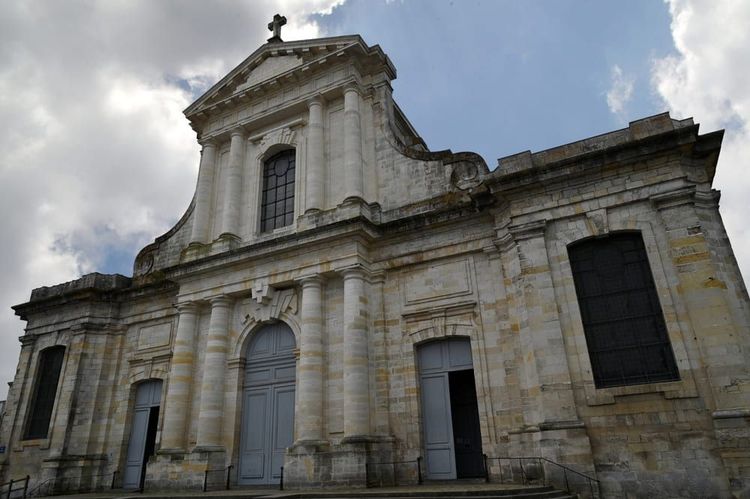
A place of worship has stood here since the Middle Ages, but the current building only dates from the 18th century: earlier ones were destroyed during the Wars of Religion. Works dragged on for a century, and the two planned bell towers were never finished. Inside, the decoration contrasts with Protestant plainness. Several enslaved people were baptised here in the 18th century: La Rochelle was France's second slave-trading port, and nearby mansions owe their fortune to that triangular trade, told at the New World museum.
Free entry
2 - Central Market
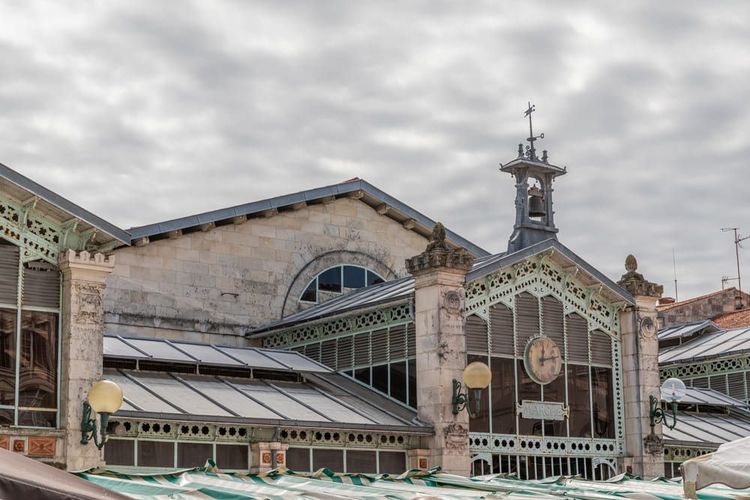
Under this covered hall, animated chatter and haggling fill the air between traders and locals. Here you'll find regional treats: galettes charentaises, crépinettes, seafood and fleur de sel from Ré island. On Wednesdays and Saturdays, stalls spill into the surrounding streets of the old town for an even bigger market, around this landmark building raised in Charente stone in 1834. The perfect appetite-whetter before continuing the walk.
Free entry · Best in the morning
3 - Merciers Street
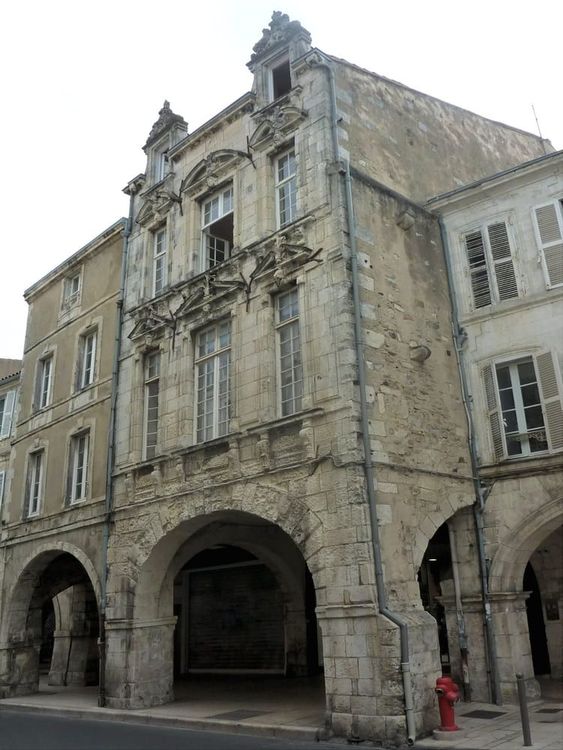
This thoroughfare is the town's oldest shopping street: food, cloth and linen were already traded here in the Middle Ages. Its arcades are no architectural accident: merchants and craftsmen had them built to shield their stalls from the rain, a comfort still enjoyed by passers-by today. Look up as you walk: several façades along this street are listed historic monuments, quiet witnesses to eight centuries of uninterrupted trade.
Free entry
4 - Town Hall
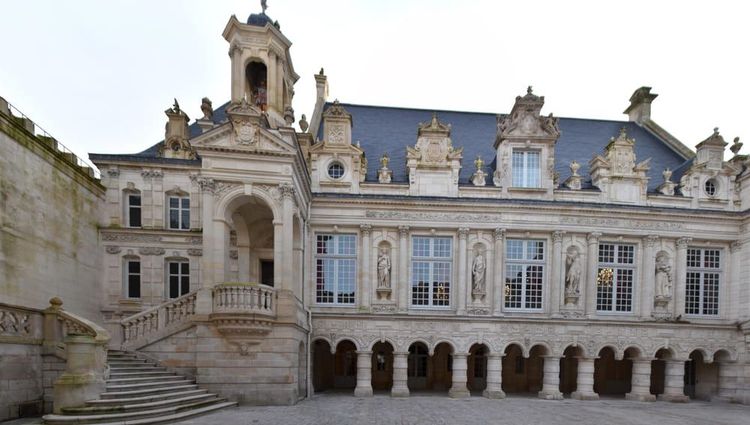
This is one of the oldest town halls still in use in France. Ravaged by fire in 2013, this jewel blending flamboyant Gothic and Renaissance styles has recovered all its treasures through careful restoration. Its fortified enclosure, wall-walk and belfry tower evoke a castle rather than a mayor's office. Step into the courtyard, open to the public: its Italian-style façade carries four statues embodying Prudence, Justice, Strength and Temperance.
Free to see from outside · Allow 45 min
5 - Saint-Sauveur church
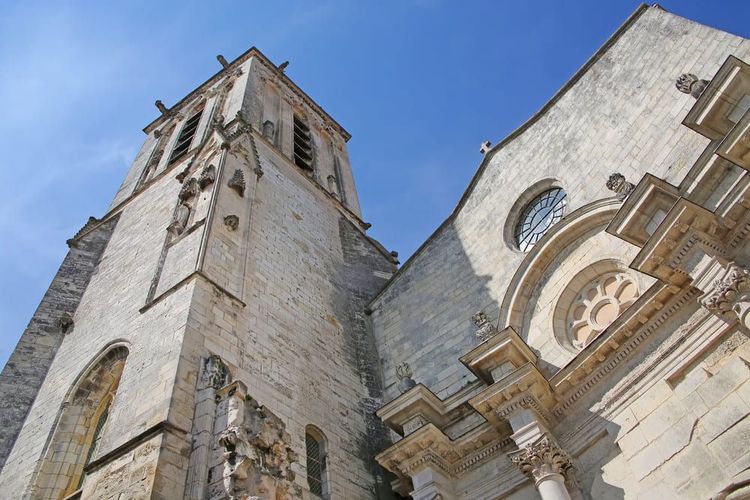
Founded by monks from a small island nearby, this church endured a turbulent history: a 15th-century fire, destruction by Rochelais Protestants a century and a half later, a rebuild, then another blaze that spared only the portal. Despite these repeated ordeals, only the bell tower kept stones of medieval origin. A perseverance that mirrors the town's own troubled past rather well.
Free entry
6 - Saint-Nicolas district
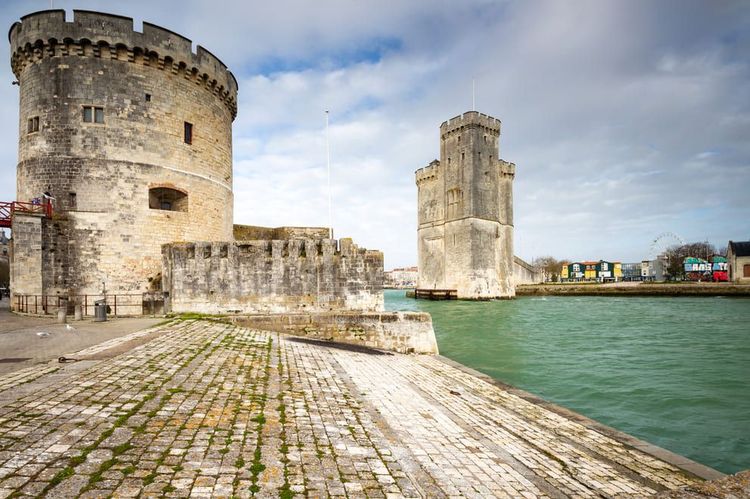
A former fishermen's stronghold set apart from the medieval centre, this district has reinvented itself around secondhand shops, art galleries and independent bookshops. Bars and small restaurants keep up a relaxed mood, far from the tourist bustle. The contrast between white façades and brightly coloured shopfronts gives these streets a bohemian charm worth wandering through without any particular goal.
Free entry · Best in the evening
7 - Gabut district
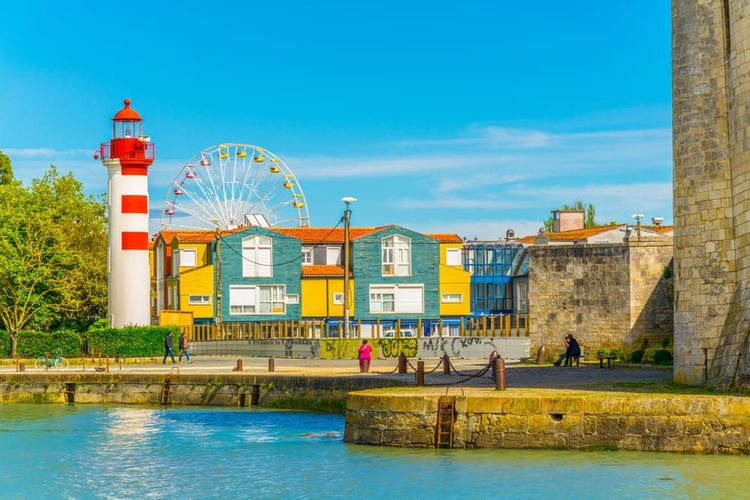
Nothing like the old white stone of the historic centre: this district, built in the 1990s, is lined with colourful wooden houses that almost recall Scandinavia. In summer, locals gather here for a drink or a game of pétanque, while the walls double as canvases for street artists, whose work blends into the neighbourhood's own colours. A contemporary breath of air just steps from the Old Port.
Free entry
8 - La Rochelle Aquarium
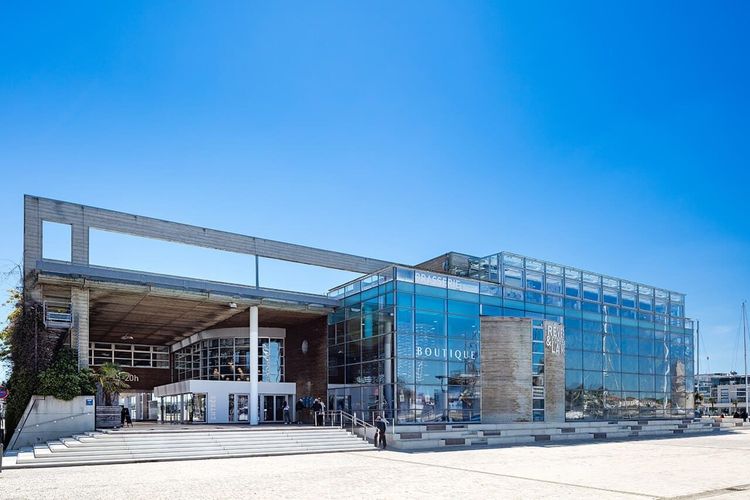
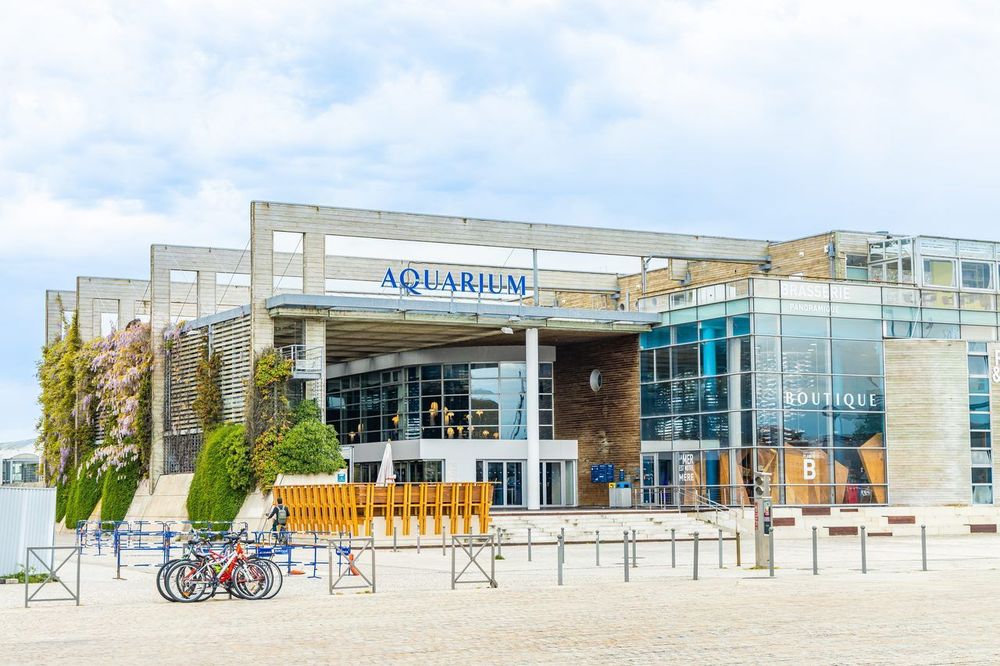
Among Europe's largest aquariums, La Rochelle's gathers more than 12,000 marine animals and 600 species, from Atlantic giants to Mediterranean and tropical creatures. Founded in 1970 by an enthusiast keen to raise awareness of underwater life, it was once ravaged by fire before being enlarged, becoming France's biggest aquarium when it opened in 1988 — a title since taken by Boulogne-sur-Mer. Every year, 800,000 visitors of all ages flock here.
Paid entry (about €18) · Allow 2 h
9 - Towers viewpoint
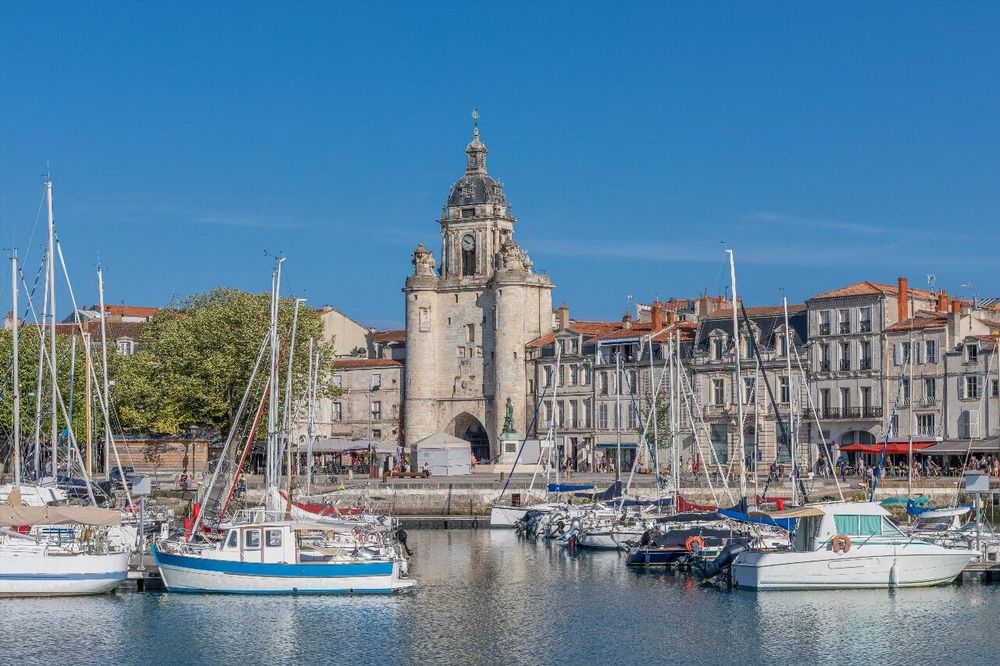
The ocean stretches out of sight on one side, the three historic towers on the other: a panorama summing up the town's fortified past since the 12th century. The white tower, a former lighthouse, welcomed incoming ships; the smallest one once monitored harbour traffic; the third, imposing one, symbolised the town's power. Boats still sail between them today to enter or leave the Old Port.
Free entry · Best late in the day
10 - Saint-Nicolas Tower
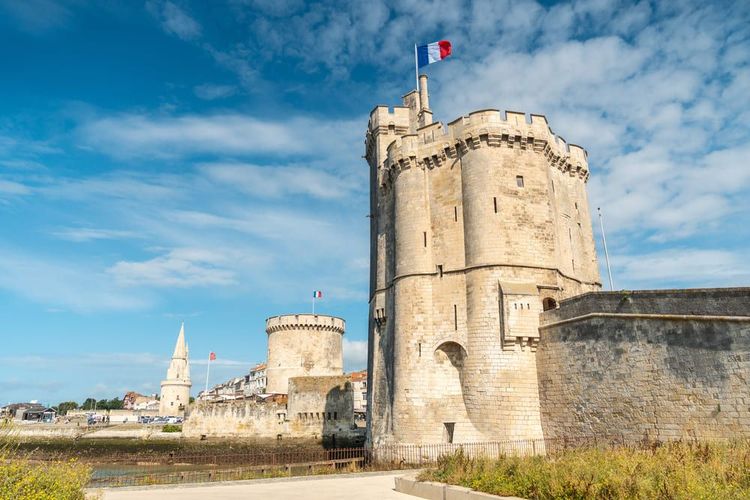
Legend has it that the oldest of the town's three towers was built by the fairy Mélusine, who supposedly dropped the stones of a ruined castle while flying over the town, piling them into a tower. Legend or not, the building long protected the city from enemy attacks and now offers, from its top, a much sought-after panorama. A fun detail: its slight tilt recalls the Tower of Pisa, without taking away any of its charm.
Free to see from outside
11 - Old Port
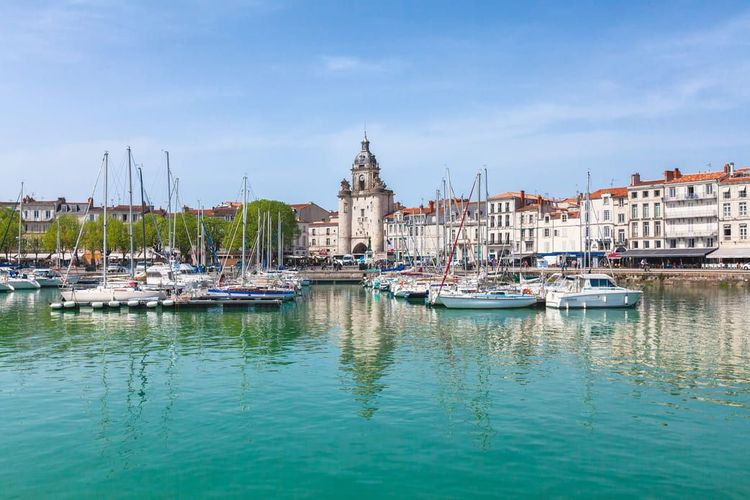
Now devoted to leisure boating, this harbour was once among the French crown's busiest, back in medieval times. Originally set further off, near today's Charruyer park, it was moved and enlarged in the 12th century to keep up with growing trade. Eyed by English troops throughout the medieval conflict that pitted the two kingdoms against each other, it has survived the centuries and remains the liveliest spot in town, punctuated by jousts, regattas and fireworks depending on the season.
Free entry · Best late in the day
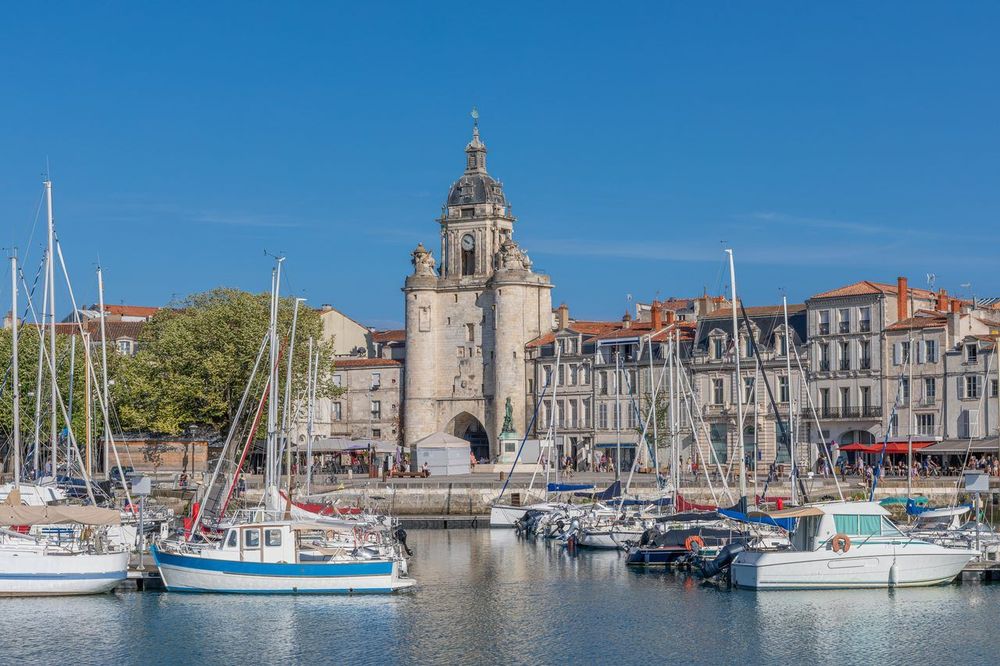
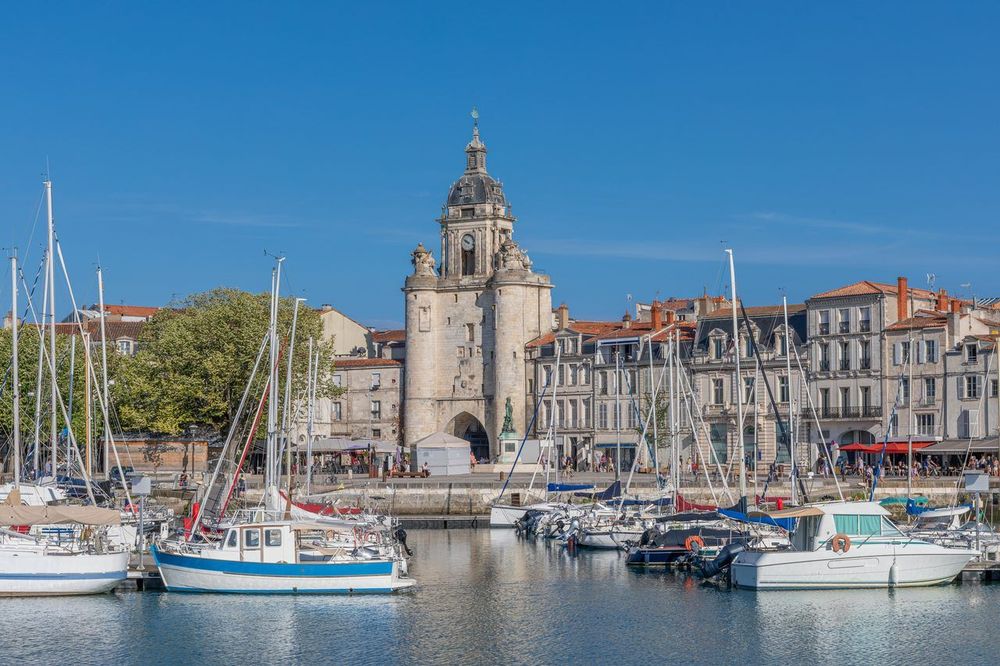
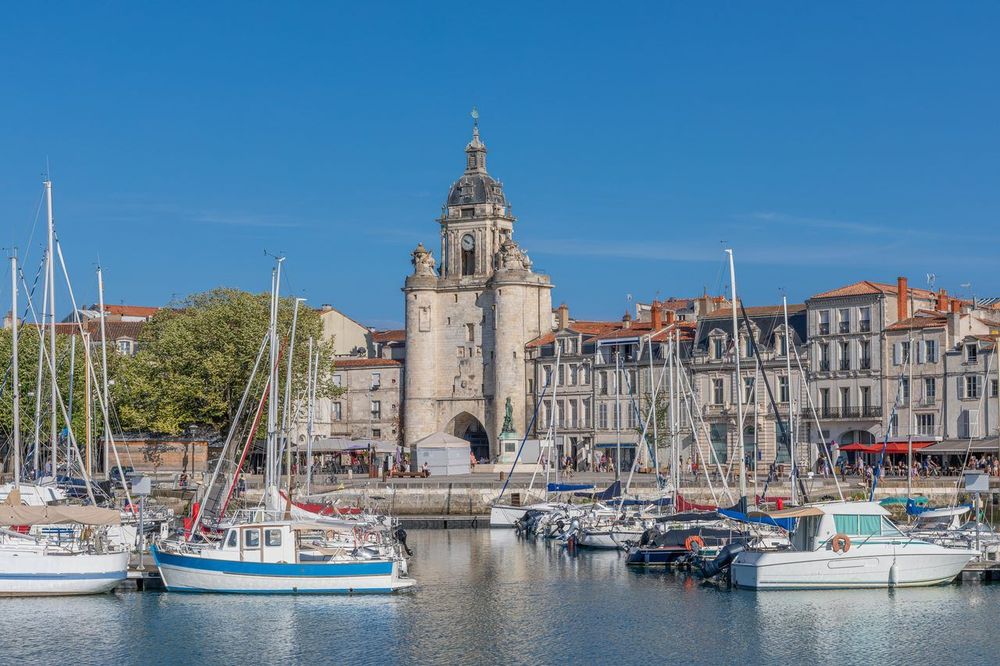
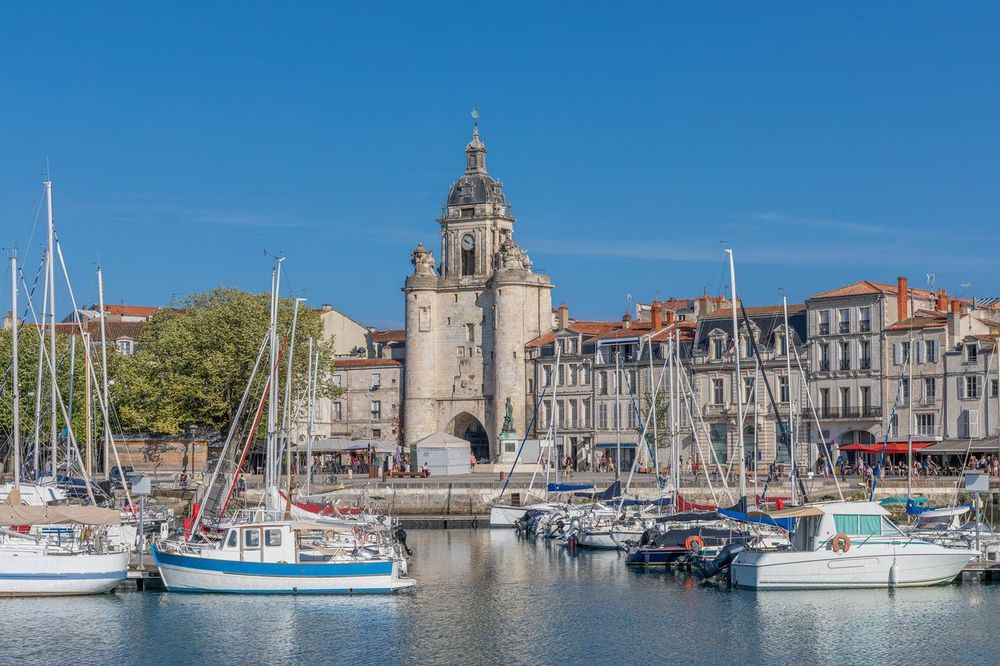
12 - The Big Clock Gate
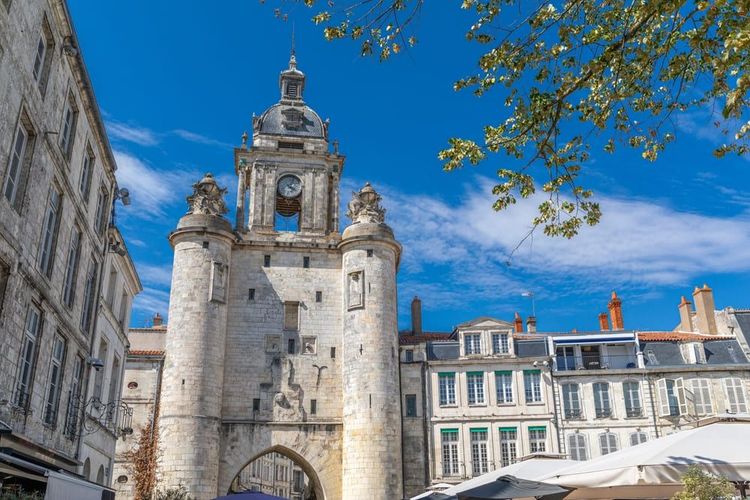
This imposing gateway once marked the boundary between the harbour and the fortified town. Built in the early 14th century to strengthen its defences, it originally had two separate lanes, one for pedestrians, the other for carriages. In the 15th century, residents eager to know the time at all hours had a clock installed on it, giving the gate its current name. At the top, a ship-shaped weathervane recalls the town's lasting bond with the sea.
Free entry
13 - The Chain Tower
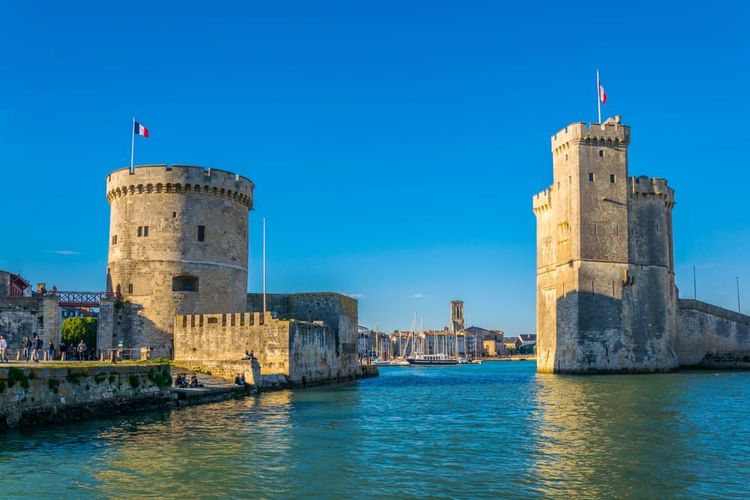
Standing 24 metres tall, it's the smallest of the three towers, but far from the least eventful. Together with its neighbour Saint-Nicolas, it controlled the port entrance thanks to a heavy iron chain stretched between the two, hence its name. Having become the capital of French Protestantism from 1530, La Rochelle used it to hold Huguenots before the terrible 1628 siege, which left only 5,000 survivors in the town. A dark past this 14th-century tower still carries in silence.
Paid entry (about €10)
14 - Rue sur les Murs
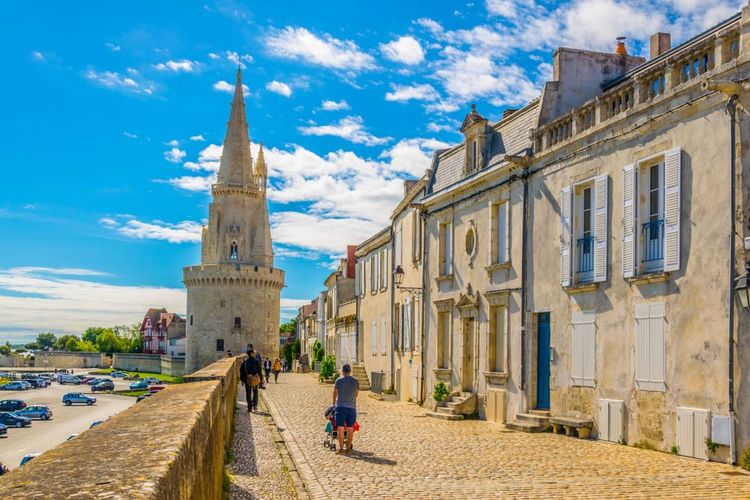
The only surviving stretch of the old ramparts to escape demolition ordered by Richelieu — not for its beauty but for its strategic value against the English —, this street connects two towers, the Chain and the Lantern. The ocean that once ran alongside it has given way to a car park, which turns every summer into the heart of the Francofolies: this festival, launched in 1985, draws over 150,000 festival-goers in five days, on the event's biggest stage, set up right here.
Free entry
15 - The Lantern Tower
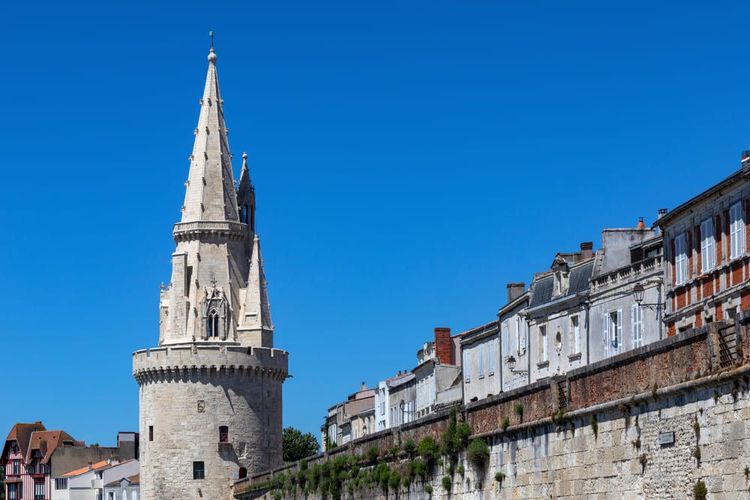
This white lighthouse, the oldest on the Atlantic coast, guided sailors to port with its Gothic spire. From the 15th century onwards it became a prison for sailors captured at sea, who carved over 500 graffiti there, some worthy of real artworks. Locals nickname it the Four Sergeants Tower, remembering the officers who plotted against Louis XVIII before being guillotined in Paris. Since its 2015 restoration, two gargoyles pay tribute to the Charlie Hebdo cartoonists murdered that same year.
Paid entry (about €10)
16 - The Cat Mansion
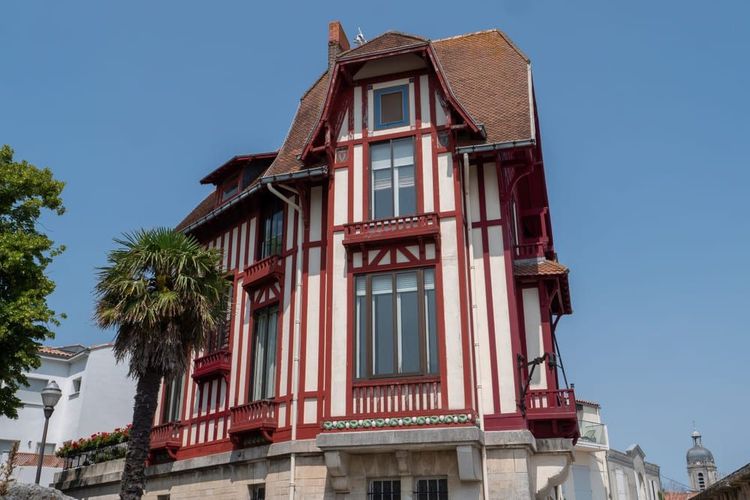
There's no mistaking this flamboyant red façade for the white stone surrounding it. Built in 1926 by a local architect in an unexpected neo-Norman style, it owes its nickname to an easy-to-miss detail: a ceramic cat sitting high up on the rooftop. Take a few steps back and scan upward to find it.
Free to see from outside
17 - The Two Mills Gate
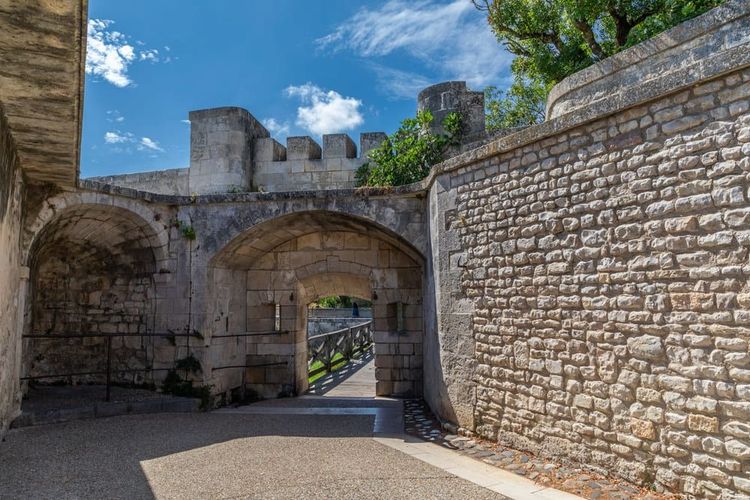
This is the town's oldest gate, built as early as 1200 to mark the entrance to the medieval centre. Fortified, then levelled in 1628 along with the rest of the ramparts, it rose again just as the Fort des Dames did, opposite two mills, long gone, that nonetheless gave it its name.
Free entry
18 - Competition Beach
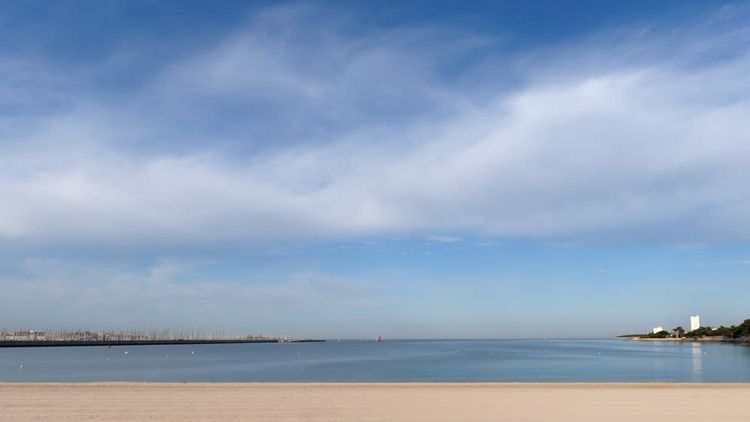
This small beach, just steps from the Lantern Tower, doesn't impress by its size but lets you dip your feet without leaving the city centre. From here, you can watch sailboats coming in and out of the Old Port, with the Minimes marina in the background and, further still, the red Richelieu lighthouse. A stroll or a swim — the choice is yours.
Free entry
19 - Charruyer Park
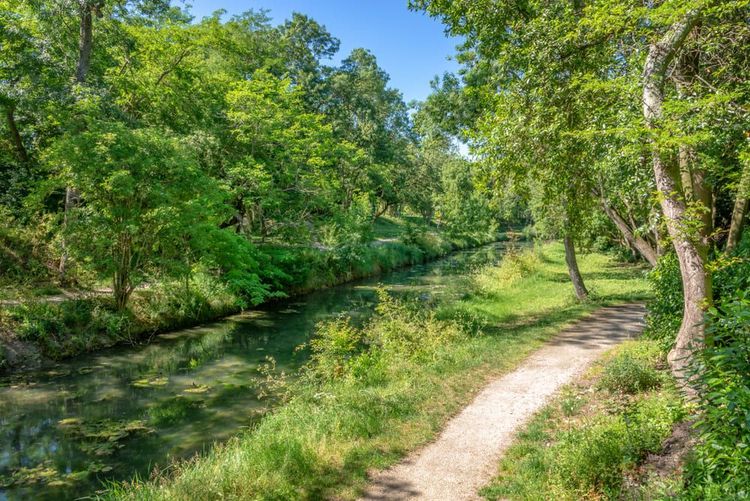
This peaceful park, crossed by canals and winding paths, once stood on military ground at the foot of the fortifications. It owes its existence to a 19th-century benefactress, who left the town a small fortune to lay out gardens here. Since 1830, its 40 hectares have housed a wildlife park and greenery perfect for a real break away from the urban bustle.
Free entry
20 - Escale street
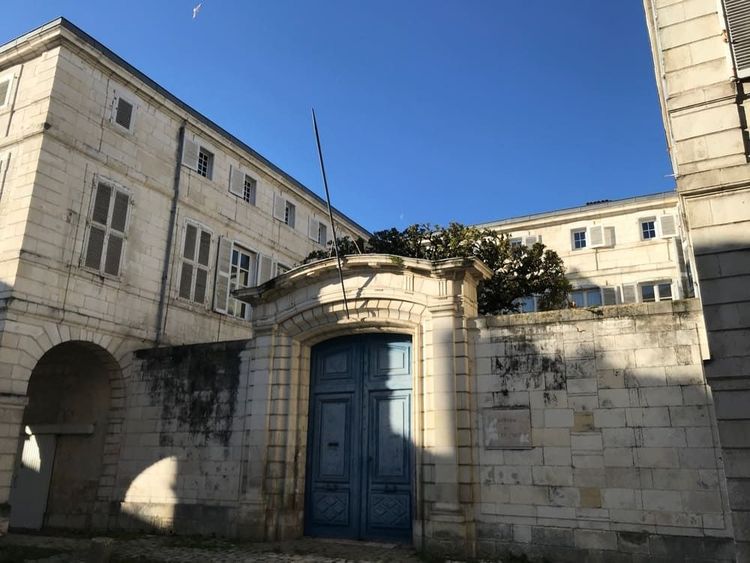
Notice its round cobblestones, unique in the town: they once served as ballast for merchant ships arriving from Canada or northern Europe. At the end of the street stands the former hospice founded by a 12th-century merchant, ruined after sending ships to fetch goods from Africa, who then turned beggar with his wife when the vessels failed to return. Seven years later, their return loaded with gold and ivory made him rich again, and he spent his fortune caring for the poorest.
Free entry
21 - Old Town
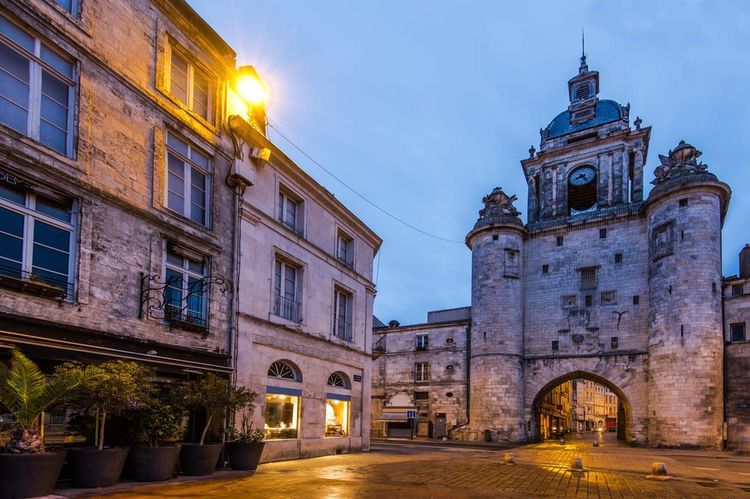
This historic district, with arcades so distinctive they still shelter the town's shops today, owes its fine state of preservation to the protection once provided by the port towers. In summer, visitors flock here, while students gather on the squares for a drink. Medieval houses and Renaissance façades line the narrow streets, giving this centre all its charm.
Free entry
22 - Palace Street
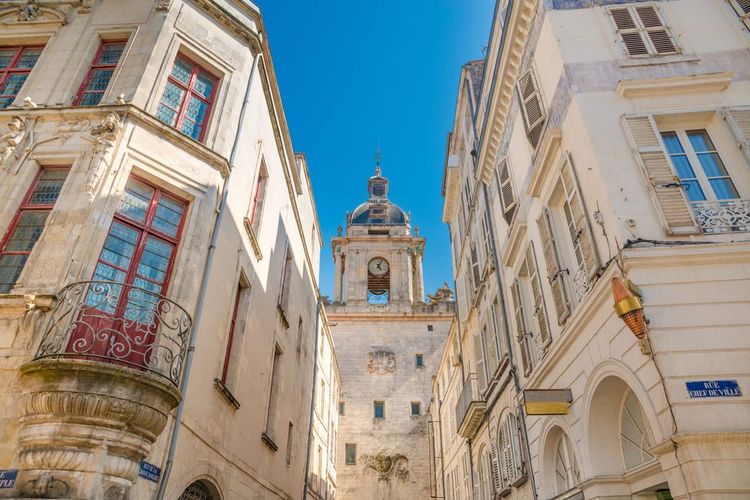
This major thoroughfare links Place Verdun to the Big Clock Gate, lined with arcades sheltering small shops perfect for a shopping stroll. Its nickname, "the Palace", is said to come from a royal residence once standing here in the Middle Ages, back when the two places it connects bore different names: Porte du Perrot and Place du Château.
Free entry
23 - Exchange mansion
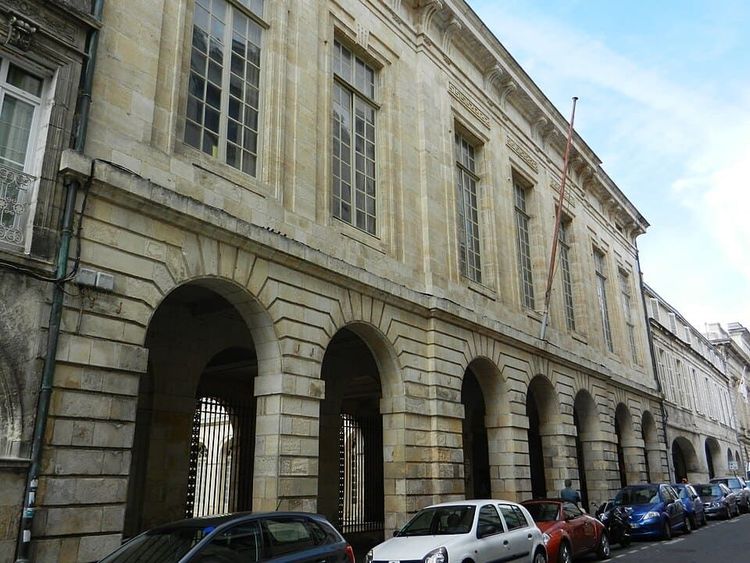
The Chamber of Commerce moved in here in 1760, inside a building whose plain outer façade gives no hint of its inner courtyard, freely open to visitors. Two wings linked by an elegant gallery resting on eight columns make up this refined neo-classical building, one of the finest in town. On the façade visible from the courtyard, carved anchors, trophies and ship sterns recall how much maritime trade shaped the town's prosperity.
Free entry
24 - Court House
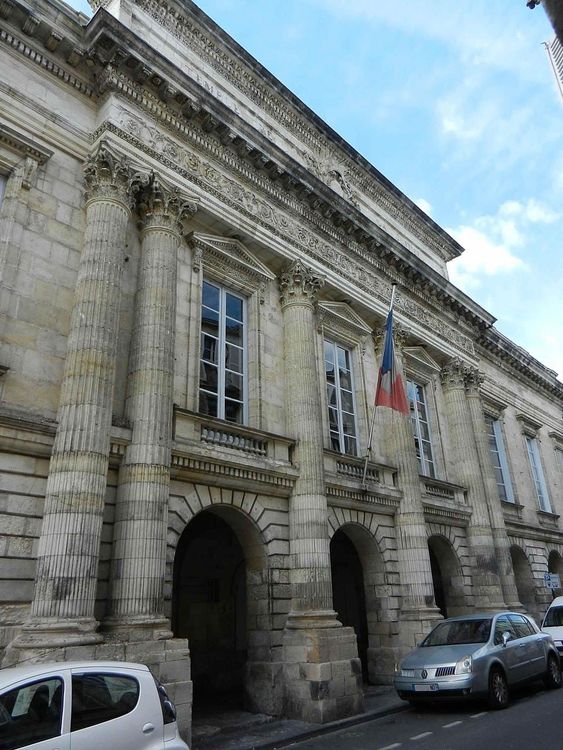
Listed as a historic monument, this courthouse displays a Corinthian façade supported by six columns, crowned with sculpted friezes best admired by looking up. Rebuilt in the 18th century on the site of an older building commissioned by Henri IV, it blends into the street thanks to the arcades extending it right in front of the entrance.
Free to see from outside
25 - Saint-Barthélemy bell tower
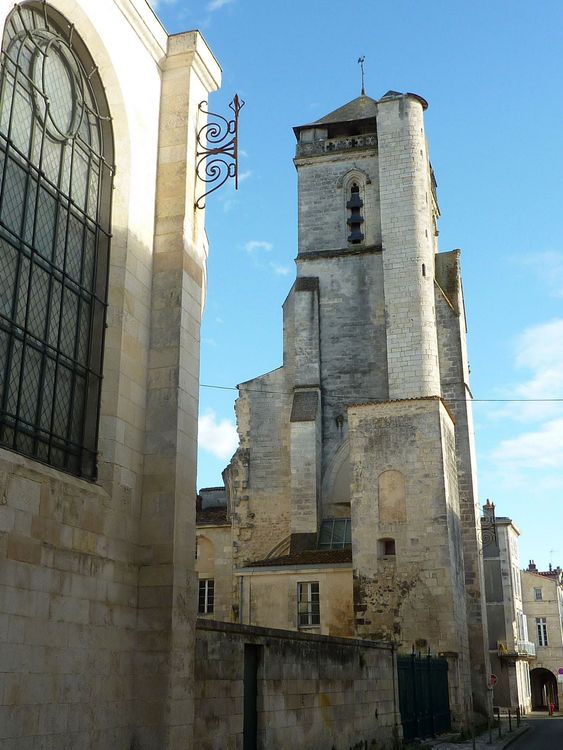
Rising amid the houses, this lone bell tower seems to belong to nothing in particular. Yet it once belonged to a church that stood where Saint-Louis cathedral now stands, razed in 1568 during the Wars of Religion. Only the bell tower escaped demolition, and it still rings the hours today, from its slightly offset spot, for the nearby cathedral.
Free to see from outside
What to do in La Rochelle in 2 or 3 days?
This 6.1 km loop takes about 2 h 30 and links 25 sights, from Saint-Louis cathedral to the towers of the Old Port. With 2 or 3 days to spare, the city opens up further, between the old town, the islands and the coast.
The next day, cycle north along the coastal path that skirts the oyster shacks of Chef de Baie, allowing 1 h 30 for the round trip to the fishing harbour. Come midday, head for the Saint-Nicolas district, a lively stop on the route, where tables fill up without booking among arcades and the smell of butter and garlic.
On the third day, climb the Lantern Tower, the oldest lighthouse on the Atlantic coast, its walls covered with more than 500 carvings left by captive sailors, before wandering over to the central market, busiest on Wednesday and Saturday mornings. The full day-by-day plan, with the best addresses, is in our guide to visiting La Rochelle in 3 days.
Which neighbourhoods does the tour cross?
In one loop, the route crosses districts that each tell a different chapter of La Rochelle, from the merchant city to the maritime outskirts.
It starts at Saint-Louis cathedral, crosses the old merchant town past Merciers street and the Town Hall, skirts Saint-Sauveur church and enters the Saint-Nicolas district, more working-class, then the Gabut district, with its colourful wooden facades of former sardine sheds (stops 1 to 7). Our guide to La Rochelle's neighbourhoods covers each of these areas in detail.
Next comes the Old Port area, between the aquarium and the three medieval towers watching over the harbour channel; the route then follows the ramparts, the only surviving stretch of the old fortifications, as far as the Lantern Tower and its carvings left by captive sailors (stops 8 to 17).
The last stretch runs along Concurrence beach and Charruyer park, then returns via Escale street to the old town and its courthouse (stops 18 to 25).
How much does it cost to visit La Rochelle?
Of the 25 stops on the route, 22 can be visited without a ticket, from Saint-Louis cathedral to Concurrence beach, and only 3 charge an entrance fee:
- La Rochelle's aquarium, home to more than 12,000 marine animals, at €18.50;
- the Chain Tower, with its exhibition on the 1628 siege, at €9.50;
- the Lantern Tower and its carvings left by captive sailors, at €9.50.
A combined ticket covers both open towers, free for EU residents under 26. For the rest of the stay, the La Rochelle Océan Pass covers Yélo transport and more than 40 tourist sites and museums in the area, from €35 in winter to €82 for 7 days. And to spend nothing at all, our guide to free activities in La Rochelle lists the best ideas.
Information checked in October 2026 and subject to change.
Where to stop for a bite along the tour?
The route offers an obvious food stop right from stop 2: the central market, housed since 1834 under its stone, iron and glass halls, in the heart of the old town.
Fishmongers rub shoulders with greengrocers and cheesemongers, with Marennes-Oléron oysters and sea salt harvested on Ré island taking pride of place; it's best visited in the morning, especially on Wednesday or Saturday. As for dishes, mouclade, mussels cooked in butter, white wine and cream, remains the city's signature recipe, ahead of stuffed snails and clams. Our top culinary specialties of La Rochelle lists the other classics of Charentais cooking.
What to do in La Rochelle with children?
La Rochelle works well for a family trip: the old town's scale, compact and largely pedestrian, reassures parents and delights children.
At the foot of the towers, kids enjoy guessing the time on the Grosse Horloge's large dial before checking a phone, then climbing the Lantern Tower to spot ship names among the carvings left by prisoners.
The aquarium, with its sharks visible at eye level, is often the most requested stop for children, just ahead of Charruyer park, where Poitou donkeys and peacocks roam freely and without an entrance fee. Our guide to La Rochelle's aquarium details the visit.
What should you know before visiting La Rochelle?
Before setting off, two practical points avoid bad surprises on this seaside route.
A consolidation project currently closes Saint-Nicolas Tower to the public, with no reopening date announced; it can still be admired from the quay, while the climb stays open in the two neighbouring towers, the Chain and the Lantern.
The city's three urban beaches, including Concurrence beach on the route, are only staffed with lifeguards in July and August, between 11am and 7pm; outside that window, swimming is at your own risk.
What to see around La Rochelle?
La Rochelle also works as a base for exploring Ré island, the surrounding marshes and the villages that line the estuary.
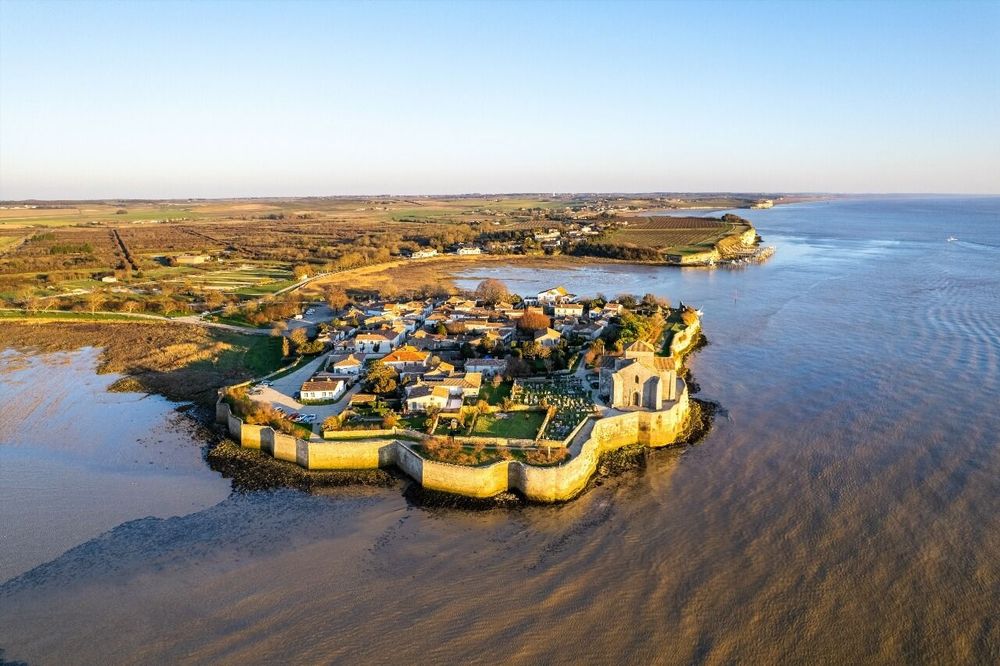
A 45-minute drive away via Royan, the clifftop village of Talmont-sur-Gironde overlooks the Gironde estuary from its limestone spur, around its Romanesque Sainte-Radegonde church; our selection of the most beautiful villages around La Rochelle covers others, from Ré island to the ghost town of Brouage, locked behind its intact ramparts.
60 km to the south, Royan owes its nickname of phoenix city to its modern architecture, born from post-war reconstruction, between beaches, old villas and bold 1950s buildings.
What's on in La Rochelle right now?
At this time of year, La Rochelle's calendar stays busy with cultural and sporting events.
- the Festival Alimenterre, until 30 November: documentary film screenings about food and sustainable development;
- Escales Documentaires, from 6 to 11 November: a documentary film festival devoted to architecture, the environment and social issues;
- FIFAV, from 16 to 22 November: documentaries, meetings with adventurers and travel stories;
- the La Rochelle Serge Vigot Marathon, on 29 November: a competitive road race starting from Espace Encan.
For other dates to keep in mind, our pick of La Rochelle's best events lists the full year's calendar.
Information checked in October 2026 and subject to change.
Le plein d'inspirations
Explorez le monde en totale liberté, à pied au cœur des villes ou au fil des routes. Nos guides audios transforment chaque destination en une découverte culturelle immersive et unique.










FAQ for visiting La Rochelle
When is the best time to visit La Rochelle?
La Rochelle is pleasant to visit all year round thanks to its mild oceanic climate, but some periods are particularly favoured. From April to June, you'll enjoy generous sunshine and ideal temperatures for exploring the city without the summer crowds. September and October are also a prime time, with still-clement weather and a more peaceful atmosphere. Summer offers warm days perfect for the beaches, but the city is then very busy. Winter stays mild with temperatures rarely below 5°C, letting you discover La Rochelle in a different, more authentic and intimate light.
How many days do you need to visit La Rochelle?
A stay of two to three days lets you comfortably discover the essentials of La Rochelle. In one full day, you can explore the historic centre, stroll around the Old Port and visit the emblematic towers. A second day gives you the chance to venture towards the nearby islands such as the Île de Ré, or to enjoy the beaches and the aquarium. With three days or more, you can deepen your discovery by visiting the museums, exploring the less touristy neighbourhoods and fully savouring the La Rochelle way of life. The Ryo audioguides accompany you on this discovery with routes tailored to your pace and your wishes.
How do you get around La Rochelle?
La Rochelle is a human-scale city where walking remains the best way to discover the historic centre. The bike-sharing system is particularly well developed and handy for reaching the different neighbourhoods. Free electric shuttles run through the very centre, making it easy to get around with no environmental impact. To reach the more distant beaches or the islands, the urban bus network efficiently serves the entire area. A car is generally not necessary in the city centre, where parking can be tricky. Numerous park-and-ride facilities on the outskirts let you leave your vehicle and reach the centre easily.
What are the must-sees in La Rochelle?
The Old Port is the beating heart of La Rochelle, framed by its three medieval towers that have watched over the city for centuries. The cobbled lanes of the historic quarter lead you towards centuries-old arcades and charming half-timbered houses. The La Rochelle Aquarium ranks among the finest in Europe and is absolutely worth a visit. Don't miss the Gabut district with its colourful houses and the maritime atmosphere of the Minimes marina. The Ryo audio tours guide you through these emblematic places, revealing their stories and anecdotes and considerably enriching your visiting experience.
Where are the finest beaches in La Rochelle?
The La Rochelle beaches stretch over several kilometres and offer varied atmospheres. The Concurrence beach, close to the city centre, is easily reached on foot or by bike and is perfectly suited to families. Further south, the Minimes beach runs along the marina with a lively, sporty atmosphere. For more tranquillity, head to the Aytré beach or the one at Châtelaillon-Plage, located a few kilometres away. These stretches of fine sand enjoy generally calm water, ideal for swimming. At low tide, you can try foraging for shellfish, an activity much appreciated by locals and visitors alike.
How do you visit the towers of La Rochelle and what is the price?
La Rochelle's three emblematic towers - the Saint-Nicolas tower, the Chain tower and the Lantern tower - are generally visited with a combined ticket that offers good value for money. Prices vary according to the season and your circumstances, with discounts for young people, families and certain times of the year. It is advisable to start early in the morning to avoid the crowds, particularly in summer. The complete visit of all three towers takes about two to three hours. Each tower offers a unique perspective on the city's maritime history and spectacular views over the port and the ocean. The permanent exhibitions enrich the visit with fascinating historical elements.
Can you visit La Rochelle by bike?
La Rochelle is a pioneering city when it comes to soft mobility and lends itself wonderfully well to bike rides. The bike-sharing system is very well developed with numerous stations spread throughout the city. The secure cycle paths let you travel easily from the historic centre to the beaches and even towards the Île de Ré via the famous bridge. The city's flat topography makes cycling accessible to everyone, whatever your level. You can thus effectively combine cultural visits and nature escapes, alternating stops at the tourist sites and breaks along the coast. It's a pleasant and eco-friendly way to discover La Rochelle at your own pace.
Which neighbourhoods should you explore in La Rochelle?
Everything starts at the Vieux-Port, framed by its medieval towers and lined with terraces, then continues into the old centre and its arcaded streets, where half-timbered façades stand beside the mansions of former shipowners. The Grosse Horloge marks the passage between the harbour and this merchant town, which stays pleasant to explore in the rain thanks to its covered galleries.
Just opposite, the Gabut lines up colourful buildings that look like fishermen's huts, while the Saint-Nicolas quarter mixes small squares with craft shops. Further out, Les Minimes opens onto a vast marina and the beach, and the Charruyer park forms a long green corridor down to the ocean. The Ryo audio guide offers a dedicated La Rochelle route that links these neighbourhoods on foot.
What should you eat in La Rochelle and where can you find seafood?
The town lives facing the ocean and its cooking reflects that: oysters from the nearby beds, bouchot mussels prepared as a creamy mouclade with pineau, seafood platters, fish straight from the auction hall and the small snails the region prepares in its own way. Butter, salt from the marshes and pineau des Charentes accompany most local recipes.
The central market halls, open every morning, remain the best place to watch the fresh produce arrive and taste a platter on the spot, while rue Saint-Jean-du-Pérot and the quays of the Vieux-Port concentrate the restaurants. Along the coast, a few oyster huts serve their shellfish right by the water, an experience that is very popular in the warmer months.
What can you do in La Rochelle with children?
La Rochelle is especially well suited to family stays. The aquarium, set opposite the Vieux-Port, remains the highlight on rainy days and holiday afternoons alike, with its shark and jellyfish tanks. The maritime museum, where you can climb aboard former ships moored in the basin, and the natural history museum easily round out a day.
Outdoors, the Charruyer park and its playgrounds cross the town all the way to the sea, the Minimes beach has supervised swimming in season, and the small boats shuttling between the quays never fail to delight younger visitors. Hiring bikes or climbing to the top of one of the towers, for the view over the harbour, rounds off the programme nicely.
What is there to do in and around La Rochelle, from museums to nature and islands?
In the Old Port, the three medieval towers can be visited for €6 each or €9 with the combined ticket. The Aquarium, one of Europe's largest privately owned aquariums, houses 12,000 animals in 70 tanks (€18.50 per adult). Among the museums, the Maritime Museum lets you climb aboard a 1958 submarine, while the New World Museum traces the city's ties with the Americas. Just two kilometres from the centre, the Tasdon marsh offers 70 free hectares and over 200 bird species. Further afield, the Île de Ré, 30 minutes away, boasts 110 km of cycle paths.
Plan your stay with our guide to activities in and around La Rochelle.
Which major events are worth catching during the year in La Rochelle?
La Rochelle's highlights mostly take place by the sea, and they are free. In April, the EDHEC Sailing Cup, Europe's biggest student sporting event, brings together more than 3,000 students and some 200 crews, best watched from the Minimes marina. In mid-September, the Grand Pavois, the world's largest in-water boat show, comes with the Voile de Nuit show: a parade of old ships, light effects and fireworks in the outer harbour. At the end of October, the Kite and Wind Festival fills the sky above Châtelaillon beach, with workshops for families.
Pick your dates with our selection of the best events in La Rochelle.
How much does La Rochelle Aquarium cost and how long should you allow for a visit?
With 12,000 animals, 600 species and around 8,000 m² of exhibition space, the Aquarium welcomes nearly 800,000 visitors a year. The route takes you through the North Atlantic, the Mediterranean and tropical seas, up to the huge shark tank and the jellyfish gallery. Allow at least two hours, up to three with children. Indicative prices are about €18.50 for adults, €14.50 for ages 13 to 17 and €12.50 for ages 3 to 12, free for under-threes. Book online in July and August to secure your time slot. Born of the Coutant family's passion, the aquarium has stood opposite the Old Port since 2001.
Get ready with our complete guide to La Rochelle Aquarium.
Which beautiful villages can you visit around La Rochelle, on the islands and along the estuary?
Within a two-hour drive, thirteen villages are well worth the detour. Talmont-sur-Gironde, perched on a limestone spur above the estuary, can be explored in under an hour around its 12th-century Romanesque church of Sainte-Radegonde. On the Île de Ré, Ars-en-Ré lines up white houses and dark shutters around its black-and-white bell tower and salt marshes, while La Flotte, just 18 km from La Rochelle, charms with its harbour and medieval market. Mornac-sur-Seudre, an hour away, overlooks the Seudre marshes. Come outside July and August to enjoy the lanes in peace.
Pick your stops from our selection of 13 villages around La Rochelle.
Which Charentais specialities should you taste in La Rochelle, from mouclade to grillon?
Food in La Rochelle blends seafood with local farm produce. Mouclade, the signature dish, combines bouchot mussels from the Bay of Aiguillon with white wine, egg yolks and crème fraîche. Cagouilles, small snails stuffed with parsley butter, earned locals the nickname "cagouillards". For charcuterie, try grillon, slow-cooked pork seasoned with Île de Ré fleur de sel, or fagot marinated in cognac. Samphire goes with tartares and salads, crépinettes are served with Marennes-Oléron oysters, and the angelica-flavoured galette charentaise rounds off the meal.
Discover all twelve in our guide to La Rochelle's culinary specialities.
What itinerary should you follow to see La Rochelle over a 2-day weekend or in 3 days?
In two days, the city is best explored on foot: the Old Port towers in the morning, a lunch of mussels or oysters in the Saint-Nicolas district for €15 to €20, then the Chef de Baie coastal path in the afternoon, past the oyster huts, on a loop of about 6 km.
Three days leave time to add the colourful Gabut district, the Maritime Museum and its France 1 frigate, the arcades of rue du Palais and Saint-Louis Cathedral, while keeping half a day for the Île de Ré. The towers ticket costs €9.50; Saint-Nicolas Tower is currently closed for works.
Follow the day-by-day plans in our itineraries for visiting La Rochelle in 2 days and for visiting La Rochelle in 3 days.
What can you do for free in La Rochelle without spending a cent?
Admiring the three towers from the Old Port quays costs nothing, and a full loop takes under an hour; walk out onto the jetty at the end of the day for the best view. On the first Sunday of the month, except in July and August, the municipal museums are free, including the New World Museum and the Natural History Museum, home to Zarafa the giraffe and a moai. Churches are open to all, such as Saint-Sauveur with its 42-metre bell tower. Add a stroll through the colourful Gabut district, a free-access animal park and a marsh on the edge of the centre.
Discover all 14 ideas in our guide to free things to do in La Rochelle.
Which La Rochelle district should you stay in or explore, from the Old Port to Les Minimes?
The historic centre is home to the three towers, the arcades of rue du Palais, the half-timbered façades of rue des Merciers and the Town Hall, but parking is tricky and prices are high. Next door, the Gabut surprises with its colourful wooden façades. Saint-Nicolas, once a sailors' quarter, is now full of independent shops and cafés. In Les Minimes, nearly 4,700 berths sit beside the university campus, while La Genette leads to Parc Charruyer and Concurrence beach. Mireuil, Tasdon and Villeneuve-les-Salines make up the residential ring.
Compare the atmospheres in our guide to La Rochelle's neighbourhoods.
Vos commentaires, idées et suggestions
Aucun avis pour le moment