© Shutterstock
 Votre guide Ryo
Visit La Rochelle in 3 Days: Complete Itinerary 2026
La Rochelle's port smells of salt, warm market bread, and fresh paint on hulls repainted in white and green. That's perhaps the first thing that strikes you when you come to visit La Rochelle in 3 days: the city is not visited from a bus — it is walked through, between three medieval towers and an aquarium where sharks swim just metres from the Old Port. The Ryo audio-guided tour of La Rochelle is there to guide you through those arcaded lanes, headphones on, with no paper map needed.
In three days, you have time to climb to the top of the Tour de la Lanterne, to understand why locals call their city the Porte Océane, to lunch on mouclade overlooking the sailboats, and to cycle over to the île de Ré for an afternoon. This guide lays out a day-by-day itinerary, from the Old Port to the old town's museums, from the aquarium to the plage des Minimes, then opens up to the excursions that naturally extend the stay: île de Ré, île d'Aix, Fort Boyard, Marais Poitevin. You will also find the practical information that saves time on the ground: transport, budget, best time to visit, and local specialities to try. The Ryo audio-guided tour follows much of this same route, from the Old Port to the Old Town.
Why Visit La Rochelle in 3 Days?
Three days is the format that best matches the city's geography. La Rochelle fits within a two-kilometre square: the Old Port, the old town, the museums, and the Minimes district are all reachable on foot or by bike, without ever needing to get back in the car. In two days you skim the surface; in four, you start going in circles in the centre. Three days leave enough time to see the essentials and keep half a day free for an island.
The city has also built itself a reputation as a pioneer that is visible in the streets. It launched France's first bike-share system in 1976, with its famous yellow bikes, and pedestrianised a large part of its historic centre well before most French cities. The result: you can walk around without fighting traffic, and the protected coastline begins just minutes from the port.
Add a calendar of events that never stops — from the Francofolies in July to the Grand Pavois nautical show in late September, and the International Film Festival in autumn — and you understand why the Porte Océane fills up from April to October. If you want to avoid the crowds without giving up the sunshine, aim for May, June, or September: that is when the weather-to-crowd ratio is most favourable, ideal for wandering the Old Port and Old Town at a relaxed pace.
Day 1: the Old Port and La Rochelle's Iconic Towers
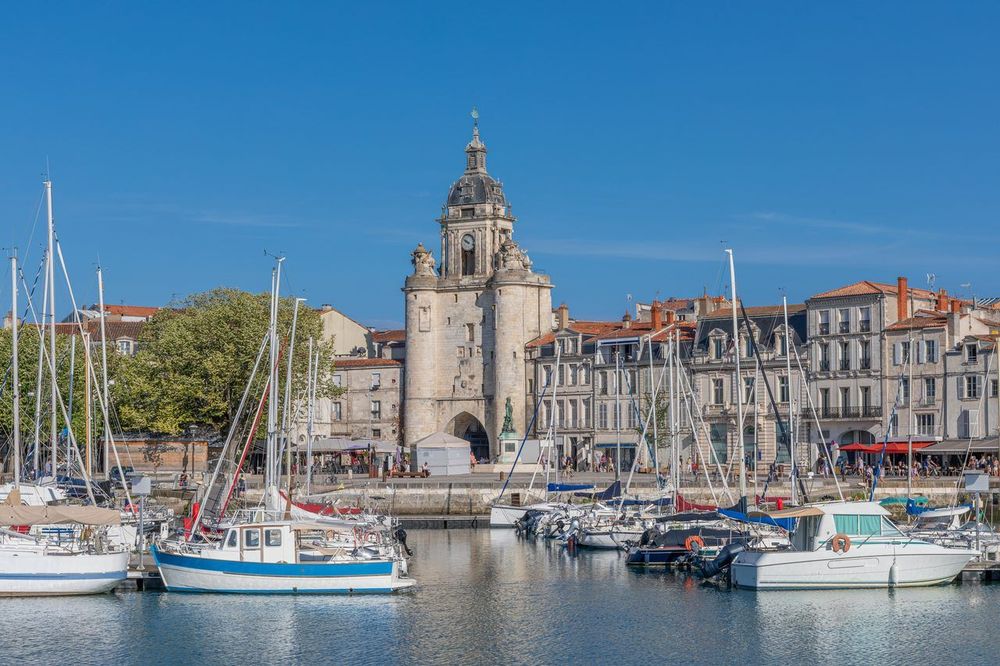
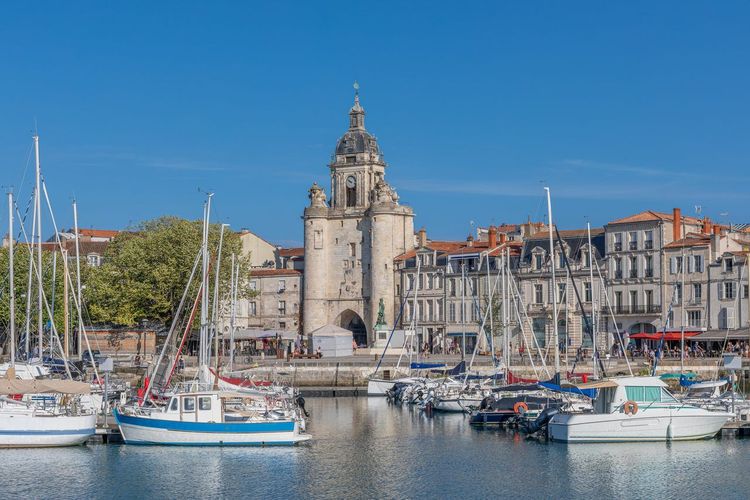
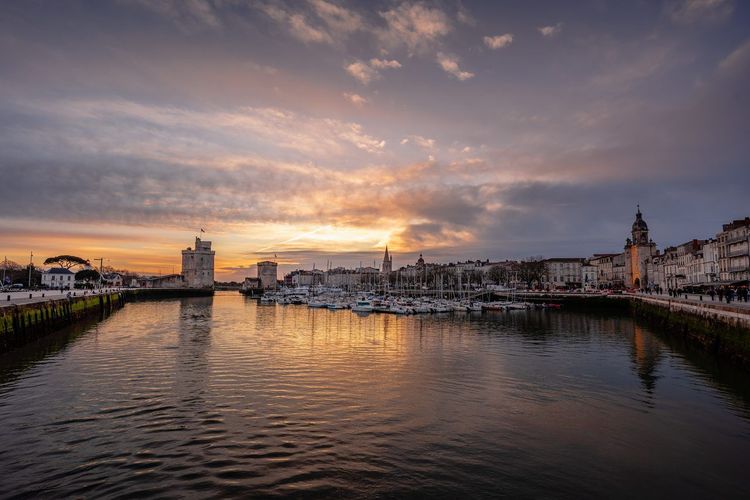
Spend your first morning at the Old Port: it has been the beating heart of La Rochelle for eight centuries, and practically everything else in your stay will revolve around it. Fishing boats still share the quays with pleasure yachts, and the fish market opens at dawn just behind the covered market hall.
The Three Towers of the Old Port: Saint-Nicolas, de la Chaîne, and la Lanterne
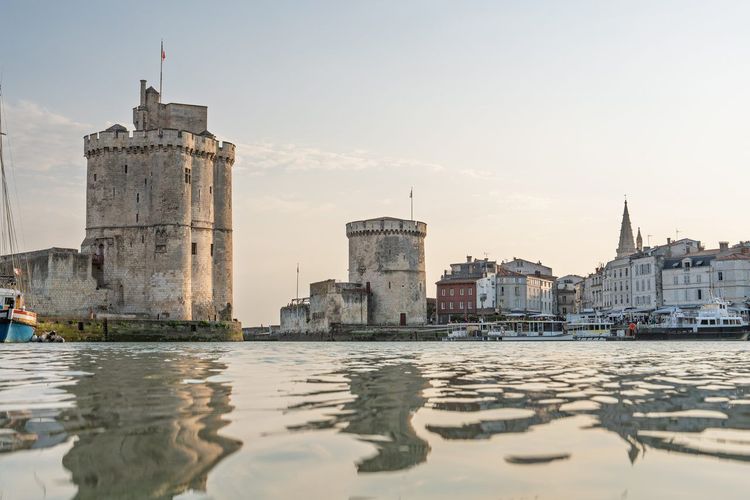
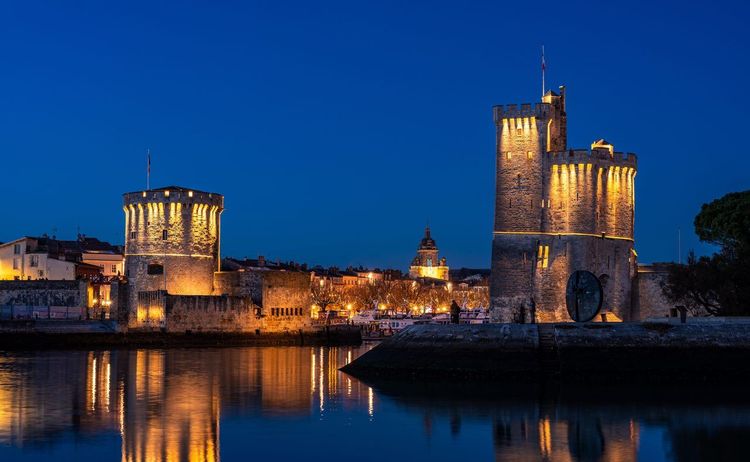
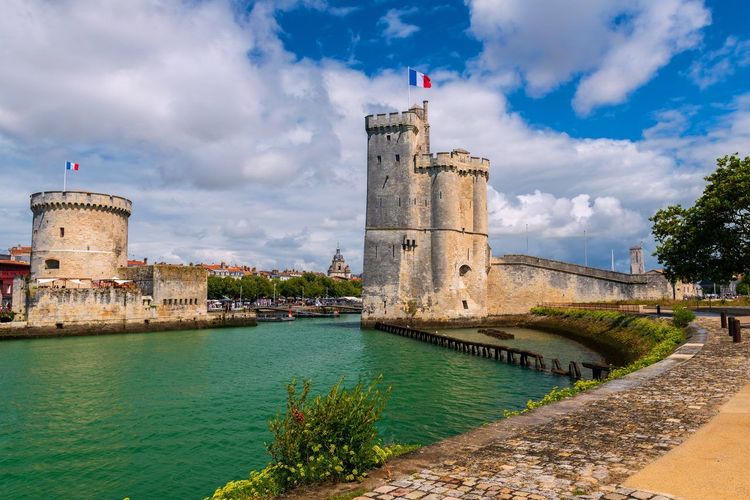
The Tour Saint-Nicolas and the Tour de la Chaîne flank the harbour entrance like two stone sentinels. Built in the late 14th century, they could once close off the port using a heavy chain stretched between them — hence the latter's name. One thing worth knowing before you arrive: the Tour Saint-Nicolas is currently closed to visitors for consolidation works, with no reopening date announced. It is still spectacular from the quayside, but climbs are currently only possible in the other two towers.
The Tour de la Chaîne today houses an exhibition on the city's maritime history, including a large scale model of La Rochelle as it looked in 1628, before the siege led by Richelieu.
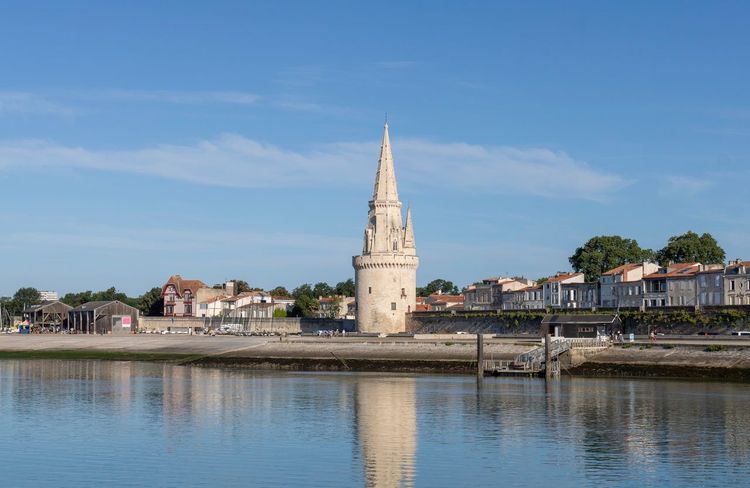
A little further along the ramparts, the Tour de la Lanterne is the tallest of the three at 70 metres. It served as a prison for a long time, and the graffiti carved into the stone by prisoners from the 15th century onwards forms one of the richest collections of historical inscriptions in Europe. A combined ticket at €9.50 gives access to the open towers, and is free for under-18s as well as 18–25-year-olds who are EU nationals: nothing stops you from doing both the Chaîne and the Lanterne back to back, a glass of Charentais apple juice in hand. A €15 pass adds entry to one of the municipal museums, worth keeping in mind if you plan to visit the Musée du Nouveau Monde the following day. Opening hours run continuously from 10am to 6:30pm in July and August, with a midday break during the rest of the year and last entry 45 minutes before closing; allow around 1h30 for both accessible towers.
The Gabut Quarter and the Maritime Museum
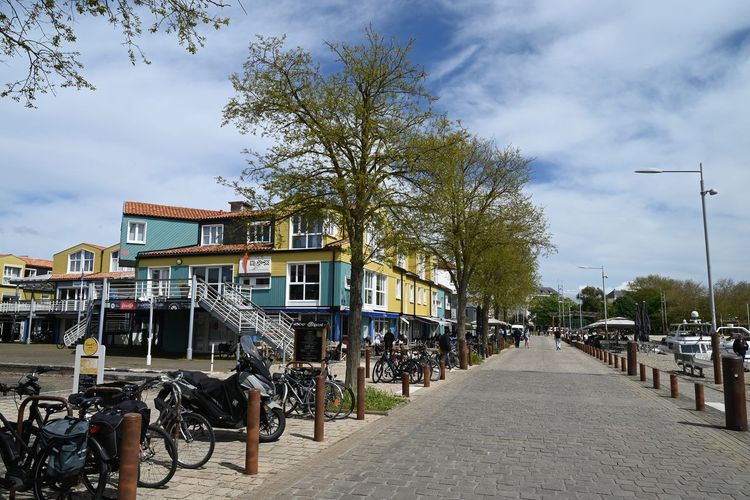
Walking west along the quay, you enter the Gabut quarter: former sardine warehouses transformed into colourful houses in a fishermen's village style, now occupied by artists' studios and a few quiet cafés. It is a good spot for a break away from the groups crowding around the towers.
Just behind it, the Maritime Museum brings together a fleet of vessels you can board at the quayside, including the former weather ship France 1. You can climb on deck, head down into the engine room, and imagine weeks-long crossings of the North Atlantic. Allow a good hour, more if you are travelling with children who will want to touch everything.
End the day strolling around the Old Port marina: from 6pm, the terraces fill up and sailboats return to their moorings one after another. This is one of those moments when the Ryo audio guide comes into its own: it tells the story of each tower while you watch the sun go down over the water, without your nose buried in a paper guidebook.
Day 2: Old Town, Museums, and the Historic Market Hall
The second day is spent almost entirely on foot, in the maze of streets stretching behind the port. Wear comfortable shoes: La Rochelle's cobblestones are unforgiving in sandals.
The Old Town, Its Arcades, and Cathédrale Saint-Louis
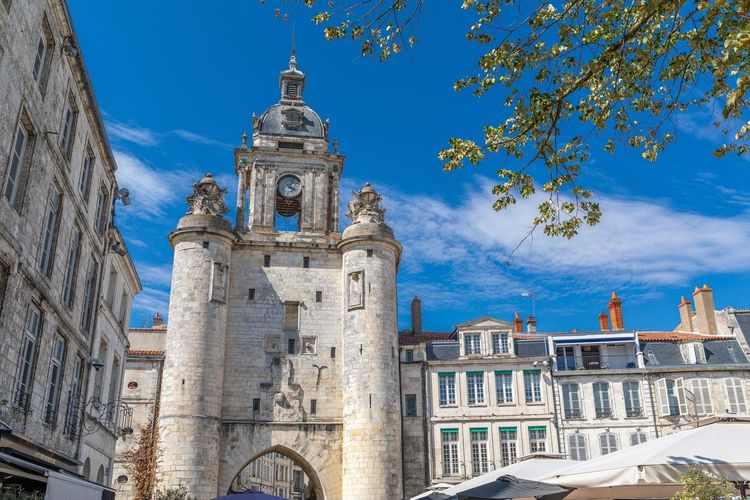
La Rochelle's old town is recognised by its stone arcades, rare in France for their scale: covered galleries run along the shopping streets, inherited from a merchant-focused urban design conceived to shelter customers and passers-by from both rain and sun. Get lost along the rue du Palais and the rue des Merciers, the two historic arteries of the centre, and look up: medieval half-timbered facades stand alongside 18th-century shipowners' mansions. The Hôtel de Ville, a Renaissance gem restored after the 2013 fire, is worth a ten-minute detour in passing.
At the end of the rue Chaudrier stands the Cathédrale Saint-Louis, an imposing 18th-century neoclassical façade built on the ruins of a building destroyed during the Wars of Religion. The interior, sober and bright, contrasts with the massive facade. Climb the bell tower if access is open that day: the view rivals that of the port towers.
The Market Hall and the Bunker
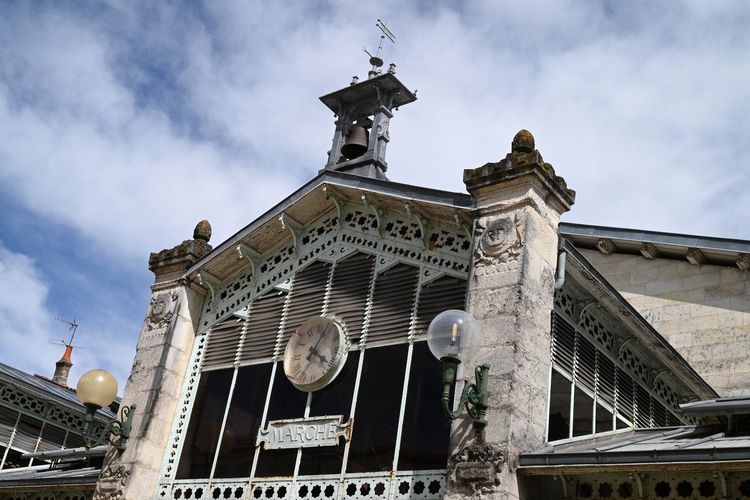
The Halles de La Rochelle is a 19th-century covered market where local producers sell Marennes-Oléron oysters, goat's cheese, and vegetables from the Marais. Come early, before 10am, to avoid the crowds and leave with enough for a picnic on the ramparts. The market runs every morning, with the biggest crowds on Saturdays and Sundays.
A few minutes' walk away, the Bunker de La Rochelle comes as a surprise in the middle of the civilian urban fabric: this former German Second World War shelter, buried under several metres of concrete, can be visited in 45 minutes and tells the story of the city's occupation and its nearby submarine base, La Pallice. It is an intense visit, not necessarily suitable for very young children.
The Musée du Nouveau Monde and the Natural History Museum
Two museums are located a few streets from each other and each deserve an hour. The Musée du Nouveau Monde, housed in a former shipowner's mansion, traces La Rochelle's role in the triangular trade and exchanges with the Americas from the 17th to the 19th century — a chapter of history the city does not shy away from.
The Natural History Museum (28 Rue Albert 1er, 17000 La Rochelle, rated 4.5/5 on Google from 1,636 reviews), one of the oldest of its kind in France, blends curiosity cabinets inherited from the 18th century with spaces dedicated to the oceans and naturalist expeditions. Children tend to linger in front of the taxidermied giraffe presented to Charles X, one of the collection's emblematic pieces.
Day 3: Aquarium, Parc Charruyer, and the Seafront
The third day slows the pace. You leave the historic centre for the more contemporary maritime façade, between the great aquarium, greenery, and urban beach. If the weather turns rainy, simply reverse the order: the aquarium works perfectly in the rain, parc Charruyer much less so.
The Aquarium de La Rochelle, One of Europe's Largest
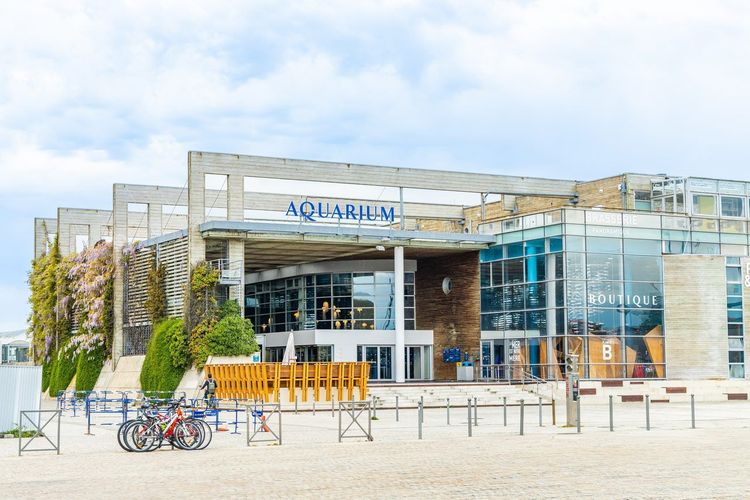
The Aquarium de La Rochelle ranks among Europe's largest private aquariums, with around 12,000 marine animals and 3 million litres of seawater, including a tunnel where sharks and rays glide overhead. Allow two good hours, or even three with children who will want to see everything twice. Book your time slot online the day before in high season: queues on site can exceed 45 minutes in July and August. Ryo has a dedicated article on this attraction if you want to prepare your visit beforehand.
Parc Charruyer, a Nature Walk in the Heart of the City
Far from the bustle of the port, Parc Charruyer stretches in a long wooded ribbon of canals and pathways between the city centre and the seafront. It is a former fortification moat converted into a landscaped garden in the 19th century, bequeathed to the city by the Charruyer family. Locals come here to run in the morning or picnic at the weekend; you can walk through it in about 40 minutes, passing a small animal park with deer and birds that is free and very popular with children.
The Plage des Minimes and the Marina
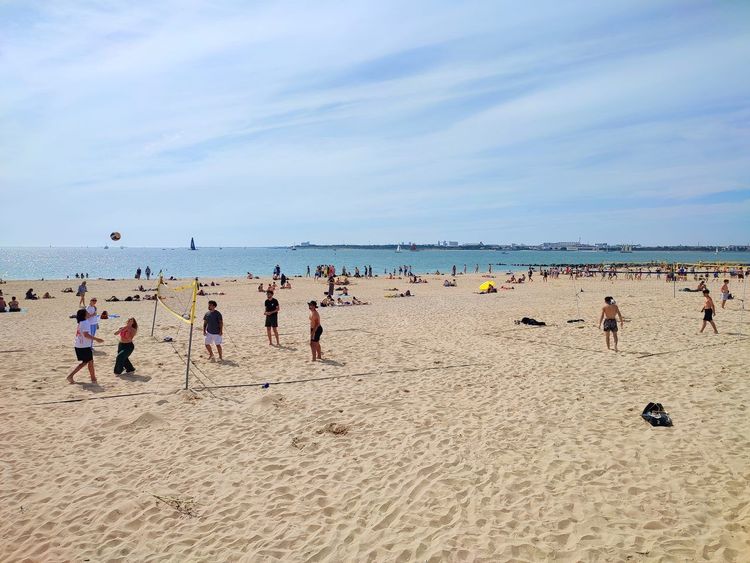
Continuing south, you reach the plage des Minimes, La Rochelle's largest urban beach, supervised in season and lined by a long promenade. Just next door, the port de plaisance des Minimes is one of Europe's largest marinas with nearly 5,000 berths afloat: a simple stroll along the pontoons gives a sense of the scale of local sailing culture. The sea bus connects this neighbourhood to the Old Port in about fifteen minutes — a crossing worth making at least once rather than walking back.
If you are looking for a quieter spot to end the day, the Parc des Pères (Avenue du Parc des Pères, 17000 La Rochelle, rated 4.5/5 on Google from 804 reviews), just set back from the beach, offers shaded lawns and children's play areas, well away from the packed terraces of the marina.
If You Have More Time: île de Ré, île d'Aix, and Fort Boyard
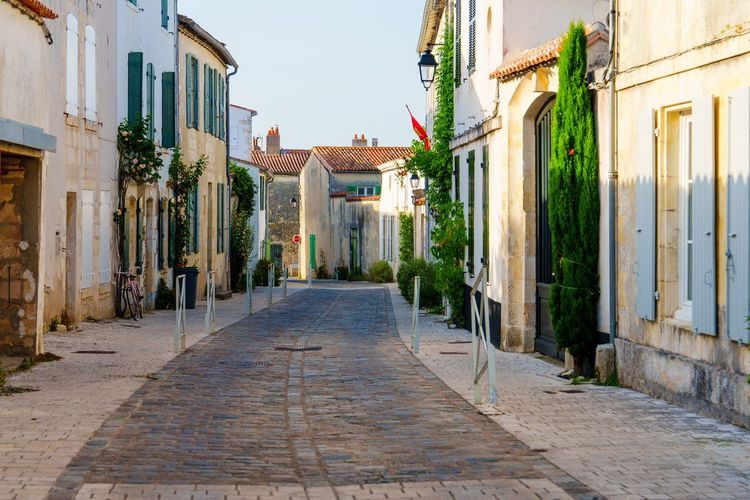
Three days are enough for La Rochelle within its boundaries, but the region is full of islands reachable in a day trip. If your schedule allows, add at least half a day for an excursion: it is often what visitors regret not having planned.
The île de Ré by Bike, Between White Villages and Salt Marshes
The île de Ré can be reached in about twenty minutes by car from La Rochelle via the bridge, or by regular bus if you are travelling without a vehicle. Hire a bike as soon as you arrive: the island has over 100 kilometres of flat cycling paths, ideal for hopping between villages with green shutters, salt marshes where salt is still harvested with a wooden paddle, and fine sandy beaches on the ocean side. Saint-Martin-de-Ré (île de Ré, 17410 Saint-Martin-de-Ré), whose Vauban fortifications are listed as a UNESCO World Heritage Site, deserves at least two hours of wandering.
The île d'Aix, Car-Free and Engine-Free
The île d'Aix is only accessible by boat, primarily from Fouras, but also from La Rochelle or the île d'Oléron in season. It is the only island in the region entirely closed to private cars: you get around on foot, by bike, or by horse-drawn carriage, making it a particularly restful excursion after two days of urban walking. Napoleon spent his last days on French soil here before departing for Saint Helena in 1815, an episode recounted in the Napoleonic museum housed in his final residence. Ryo covers this excursion in a dedicated guide, useful for planning boat schedules.
Sailing Past Fort Boyard and île Madame
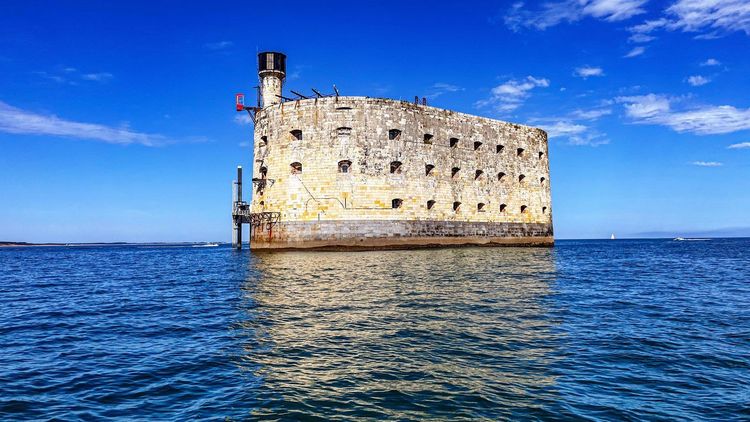
Fort Boyard, made famous by the television show, is best admired from the boat: it cannot be visited inside, but several companies offer cruises that circle it offshore between the île d'Aix and the île d'Oléron. Bring your binoculars.
Less well known, île Madame can be reached on foot at low tide from Port-des-Barques, via a submersible road called the Passe aux Bœufs. Check the tide times before you set off: it is the kind of detail that can turn a leisurely walk into a race against rising water. Ryo has written a dedicated article on this crossing, with the tide times to watch out for. To plan the rest of your stay, the Ryo audio-guided tour of La Rochelle remains your central reference point once you are back on the mainland.
The Marais Poitevin and the île d'Oléron to Extend Your Trip
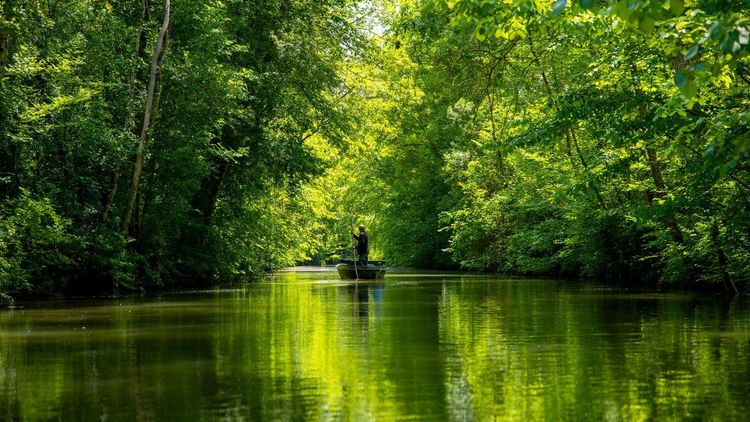
If you turn your weekend into a week-long trip, two destinations less than an hour and a half away by road round out the picture nicely.
The Marais Poitevin, the 'Green Venice' One Hour from La Rochelle
The Marais Poitevin (79510 Coulon), nicknamed the Green Venice, is best explored by flat-bottomed boat along canals lined with pollarded ash trees. The village of Coulon, the main departure point for boats, is about an hour's drive from La Rochelle. A guided trip generally lasts 1h30 and should be booked in advance during high season, when queues at the landing stages can grow quickly. The boatman often demonstrates the marsh gas that ignites on the surface of the water — something children tend to remember for a long time.
The île d'Oléron and L'Aiguillon-la-Presqu'île
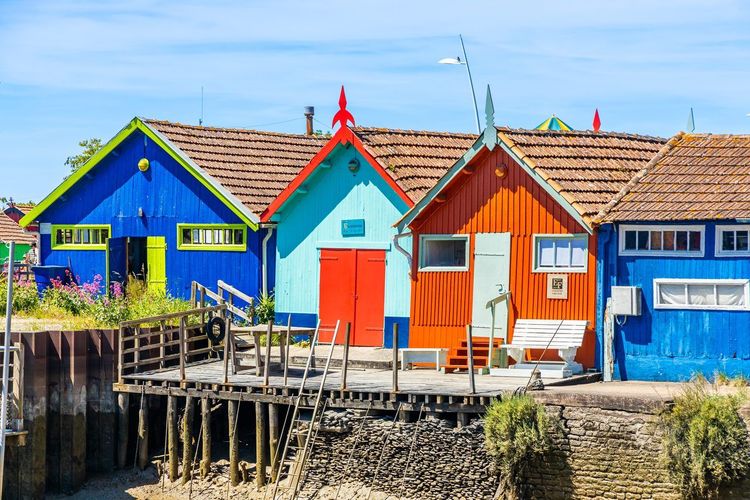
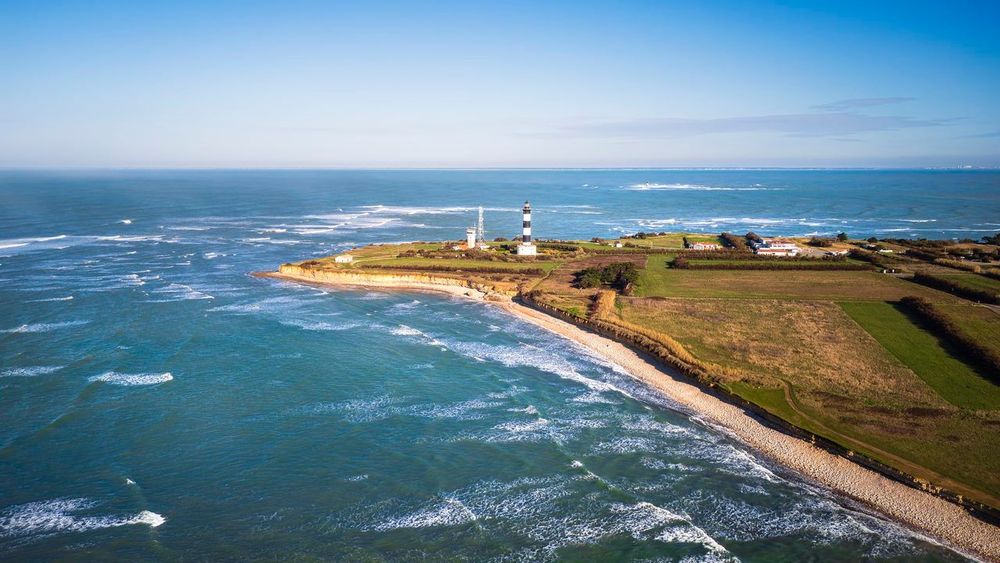
The île d'Oléron (17480 Château-d'Oléron), the largest island on France's Atlantic coast after Corsica, is reached via a free road bridge from the mainland, about 1h30 from La Rochelle. Vines, oyster beds, and pine forests follow one another over some thirty kilometres, between the oyster port of Château-d'Oléron and the Chassiron lighthouse at the northern tip.
Closer by, about thirty minutes to the north, the commune of L'Aiguillon-la-Presqu'île (17137 Esnandes) is best known for its mussel beds on bouchots, visible at low tide, and for the bay separating it from the Vendée. It is a less touristy excursion, appreciated by those who return to the region more than once. To discover similar villages in the area, Ryo has listed the 13 most beautiful villages around La Rochelle, a useful starting point if you are looking for off-the-beaten-track stops.
Where to Eat in La Rochelle: Specialities and Good Addresses
Charentais Culinary Specialities to Try
Charentais cuisine is built largely around produce from the sea and the marshes. Mouclade, mussels cooked in a creamy curry and white wine sauce, is the region's signature dish. Marennes-Oléron oysters, refined in claires, are eaten plain with a simple squeeze of lemon. On the savoury side, cagouilles — small local grey snails — are cooked in a parsley and garlic persillade. For dessert, jonchée, a fresh cheese moulded on rushes, and tourteau fromager, a cake with a blackened crust typical of Poitou-Charentes, round off a meal nicely. Everything pairs well with a glass of pineau des Charentes as an aperitif, produced in the same terroir as cognac.
Food Streets, Bars, and Old Port Addresses
The quais Duperré and Valin concentrate most of the seafood restaurants with views of the towers — convenient but often pricier than elsewhere in the city. To eat like a local, move one or two streets away: the rue Saint-Jean-du-Pérot and the lanes around the Halles are home to bistros and small eateries where prices drop noticeably. A tour of the covered market at the end of the morning remains the best option for a budget lunch, oysters and bread included. In the evening, the Gabut quarter and the Old Port terraces remain the liveliest spots for a drink, with the atmosphere growing more festive as the weekend approaches. Ryo has gathered the local culinary specialities in a dedicated article if you want to dig deeper before you go.
Where to Stay in La Rochelle for Every Budget
Hotels and Addresses Near the Old Port
Staying within walking distance of the Old Port costs more but saves valuable time: the towers, the Halles, and the old town are all reachable on foot within ten minutes. Expect to pay between €120 and €220 per night in high season for a well-located mid-range hotel, more for places with views of the towers. Watch out for parking: most streets in the centre are either metered or pedestrianised, so check whether your accommodation offers a car park before booking.
Charming, Spa, and Family Options
For a romantic weekend in La Rochelle, several addresses offer spas and rooms with harbour views, slightly away from the bustle, in the old town quarter or around Saint-Nicolas. For a family weekend in La Rochelle, it is worth looking at the Minimes district: close to the beach, the aquarium, and parc Charruyer, with generally more spacious accommodation and softer rates than in the heart of the centre. Campsites and holiday residences around the Minimes marina round out the offering for tighter budgets, with direct beach access. The Ryo audio-guided tour of La Rochelle is useful for visualising the different neighbourhoods before deciding where to sleep.
Practical Info: Getting There, Getting Around, and Budget
How to Get to La Rochelle (Train, Plane, Car)
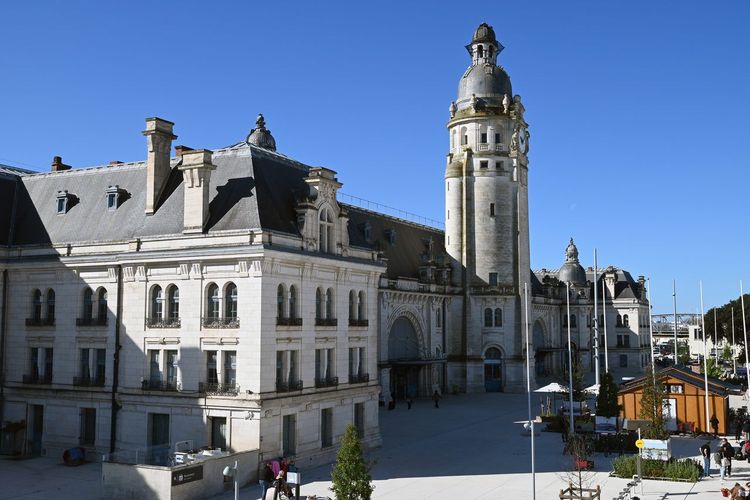
La Rochelle is reachable by train from Paris-Montparnasse in about 2h30 to 3h on a direct TGV, with several daily return services. The station is ten minutes' walk from the Old Port, making the train remarkably convenient for a three-day stay. By car, allow about 4h30 from Paris via the A10 then the A837. La Rochelle-Île de Ré airport, a few minutes from the centre, handles direct flights from several French and European cities, particularly numerous between April and October.
Getting Around the City: Bike, Bus, and on Foot
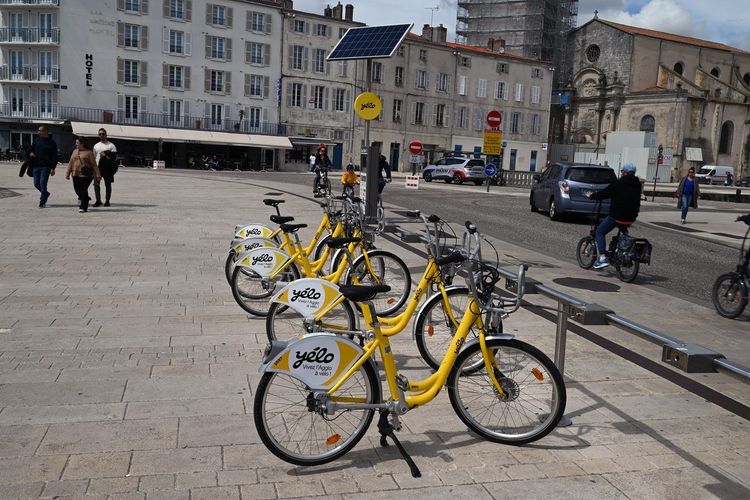
Visiting La Rochelle without a car is not only possible, it is actually the best option: the historic centre is largely pedestrianised, and the Yélo transport network serves outlying neighbourhoods such as les Minimes well, with the added bonus of a sea bus between the Old Port and the marina. The city also has one of France's pioneering bike-share systems, with stations spread throughout the centre. If you are planning the excursion to the île de Ré, note that the bridge is free for pedestrians and cyclists, while cars pay a toll year-round — higher in summer — which is yet another good reason to leave yours at home.
Budget to Plan for 3 Days
For three days in La Rochelle, budget on average between €90 and €150 per person per day, accommodation included, when travelling mid-range. The La Rochelle Océan Pass, offered by the tourist office, gives access to several sites and activities at a reduced rate depending on the package chosen: worthwhile if you plan to visit the aquarium, the towers, and one or two museums during your stay. Many activities remain free: walking along the outer ramparts, strolling around the port, wandering through parc Charruyer, or spending time at the plage des Minimes all cost nothing.
When to Go to La Rochelle? Weather and Best Time to Visit
Spring–Summer: the Peak Beach Season
From May to September, La Rochelle enjoys a mild oceanic climate and one of the best sunshine records on the Atlantic coast, with temperatures that rarely exceed 27°C even in midsummer. It is the most pleasant period for combining sightseeing and swimming, but also the busiest: the towers and the aquarium sell out on some days in July and August, and accommodation prices rise accordingly.
Autumn–Winter: a Quieter and More Affordable La Rochelle
Between October and April, the city empties of crowds, prices drop noticeably, and museums can be visited without queuing. The Atlantic wind can however blow hard and showers are more frequent: pack clothes suited to changeable weather, especially if you are planning the boat excursion to the île d'Aix or Fort Boyard, which is sometimes cancelled in rough seas.
FAQ
How Many Days Do You Need to Visit La Rochelle?
Three days are enough to cover the Old Port, the old town, the main museums, and the aquarium at a comfortable pace. Add an extra day if you want to include a trip to the île de Ré or île d'Aix without rushing.
What Is the Best Time to Visit La Rochelle?
Spring and early autumn offer the best balance between pleasant weather and moderate crowds. Summer is ideal for swimming but brings more visitors and higher prices, especially on the île de Ré.
How Do You Get to La Rochelle?
The direct TGV from Paris-Montparnasse takes about 2h30 to 3h, driving takes around 4h30 via the A10 motorway, and the local airport offers direct flights from several French and European cities in season.
How Do You Get Around La Rochelle Without a Car?
The historic centre is entirely walkable, the Yélo network serves more distant neighbourhoods like les Minimes by bus and sea bus, and the bike-share system lets you quickly reach the marina or parc Charruyer.
What Budget Should You Plan for 3 Days in La Rochelle?
Budget between €90 and €150 per day per person for mid-range travel, accommodation included. The La Rochelle Océan Pass can help reduce costs if you plan to visit several paid attractions.
What Local Specialities Should You Try in La Rochelle?
Mouclade, Marennes-Oléron oysters, cagouilles en persillade, and pineau des Charentes as an aperitif are among the must-tries, along with jonchée and tourteau fromager for dessert.
Can You Visit the île de Ré from La Rochelle Without a Car?
Yes: regular buses connect La Rochelle to the island's main villages, and the bridge is free for cyclists. Renting a bike on arrival remains the best way to enjoy the cycling paths that cross the island.
Three days in La Rochelle leave enough time to see everything without rushing: the Old Port towers in the morning, the old town and its arcades in the afternoon, the aquarium and the seafront to finish. And if you have even half a day to spare, an island is waiting just a short distance away — the île de Ré by bike or the île d'Aix without a car.
Before you leave, download the Ryo audio-guided tour of La Rochelle: it brings together the towers, museums, and neighbourhoods of this itinerary — from the Old Port to the Old Town — into a single audio guide, to follow at your own pace, with no internet connection or last-minute booking required.
À lire également