





Walk
The City of Jean Bart
Dunkerque, France
Walk
The City of Jean Bart
Dunkerque, France
7.8 km
Distance
3h10
Durée
23
Audios
Loop
Parcours
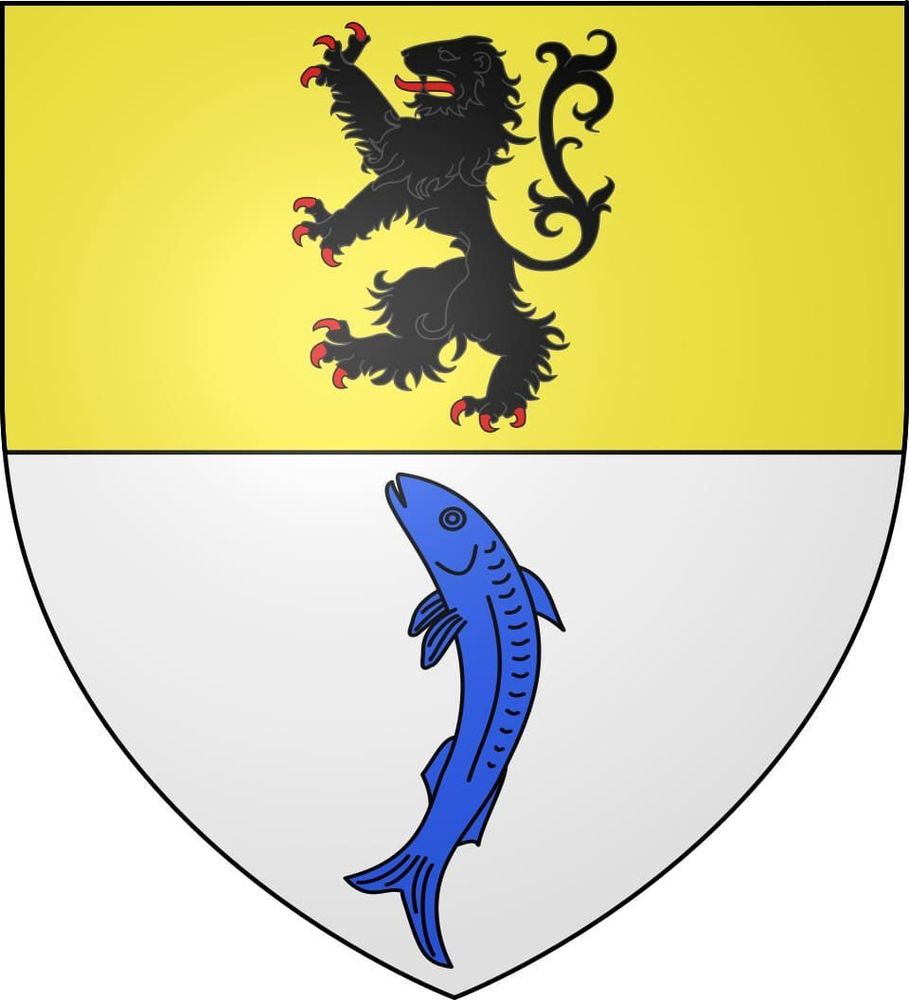
©Spedona CC BY-SA 4.0 <https://creativecommons.org/licenses/by-sa/4.0/deed.fr>via Wikipedia Commons
Now, let’s step back in time. Dunkirk’s story begins in the 10th century, when a few fishermen settled along the coast. Unlike many French cities that date back to Roman times, Dunkirk emerged much later.
Back then, it was just a tiny hamlet, part of the County of Flanders. Its name, Dunkerka in Old Dutch, means "the church of the dunes," a reference to a chapel that once stood here. Because of its strategic position on the coast, the town would be fought over by Holland, England, and France — and even fell under Spanish control until 1662, when it officially became French.
From that point on, the port was expanded and became a major trade hub, eventually growing into the kingdom’s largest military port. Dunkirk suffered greatly during both World Wars, and especially during the Second World War, with nearly 70% of the city destroyed and a port reduced to rubble. A long period of reconstruction followed, focused on rebuilding the harbor and providing homes for its residents.
Today, Dunkirk is France’s third-largest freight port and a key player in European trade, thanks to its location within 300 kilometers of five major capitals: Paris, London, Brussels, Amsterdam, and Luxembourg. With more than 86,000 residents, it’s also the fifth most populous city in the Hauts-de-France region.
Aucun avis pour le moment
