






Walk
The Latin Quarter : Sorbonne University, Pantheon and Luxembourg Gardens
Paris, France
Walk
The Latin Quarter : Sorbonne University, Pantheon and Luxembourg Gardens
Paris, France
5.7 km
Distance
2h15
Durée
23
Audios
Loop
Parcours
Shutterstock
The Paris audio-guided tour lets you discover the Latin Quarter, on the Left Bank of the Seine. This expression, used in many cities around the world, traditionally refers to a university and intellectual district, and it is here, in Paris, that it was born.
Originally, Paris was divided into three zones: the Île de la Cité, where Notre-Dame stands, the Right Bank known as the town, and the Left Bank nicknamed the university. It was on this bank that colleges and schools were concentrated, where teaching and exchanges took place in Latin, the common language of students from all over Europe, hence the name Latin Quarter.
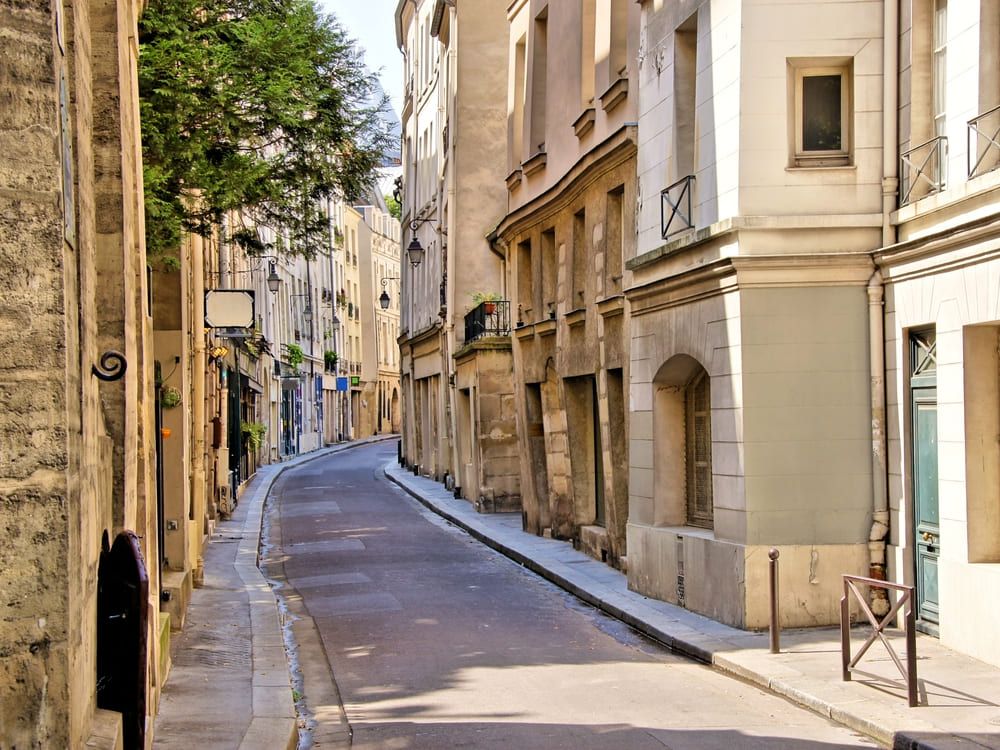
The Latin Quarter is among the oldest and liveliest in Paris: the Sorbonne, the Panthéon, the Luxembourg gardens, the Roman remains and many bookshops, cafés and cinemas. You wander among history, student life and heritage, in a maze of medieval streets laden with memory. It is one of the intellectual hearts of the capital.
The Latin Quarter spreads over the Left Bank of the Seine, mainly in the 5th and 6th arrondissements of Paris. The district can be walked freely at all hours and on the level; the monuments, shops and cultural venues keep their own hours.
It comes from the fact that, on the Left Bank, teaching and exchanges between students took place in Latin, the common language of scholars from all over Europe.
There are the Sorbonne, the Panthéon, the Luxembourg gardens, the baths and the arena of Lutetia, as well as many historic bookshops and cafés.
Aucun avis pour le moment
