Walk
From Celtic charm to dynamic streets
Dublin, Ireland
Walk
From Celtic charm to dynamic streets
Dublin, Ireland
8 km
Distance
3h45
Durée
29
Audios
Loop
Parcours
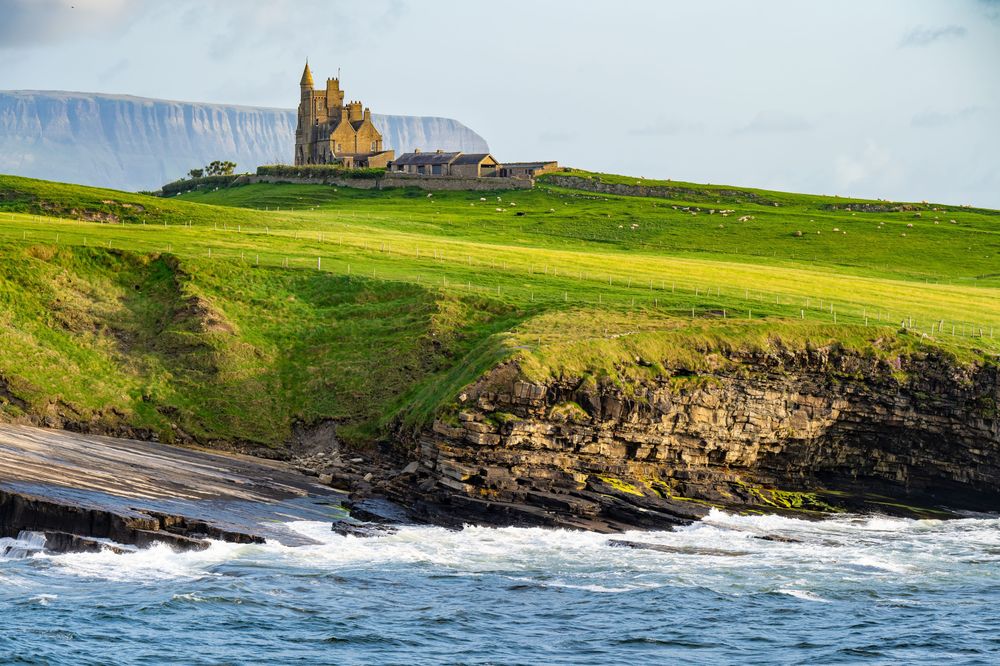
Visiting Ireland means letting yourself be swept away by an island where the green of the meadows converses with the slate grey of the Atlantic, where every stone tells centuries of legends and every pub echoes with music that seems to rise straight from the ground. Time flows differently here: at times melancholic beneath the drizzle, at times brilliant when a ray of sunlight breaks through the clouds and illuminates a dizzying cliff. For travellers who wish to go beyond the surface, exploring Ireland through its stories is an experience in its own right. Ryo offers an audio-guided tour that dives into the heart of Dublin to capture its full depth, between Celtic heritage and a resolutely contemporary energy.
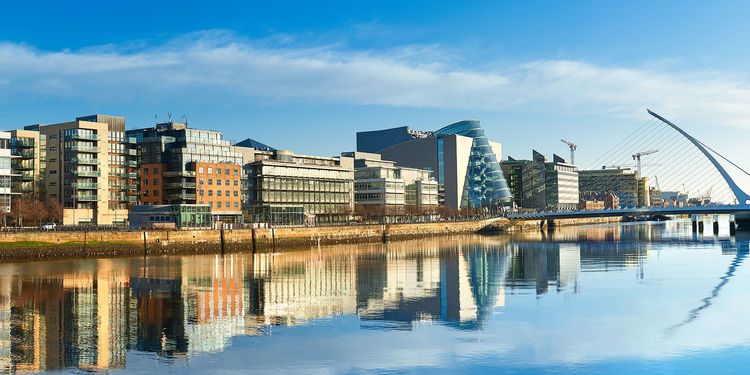
Dublin is a capital city that is lived as much as it is admired. Through the cobbled lanes of Temple Bar, along the banks of the Liffey or beneath the archways of Trinity College, the city unfolds a rich history, carried forward by a creative youth that has reinvented it without betraying it. Ryo's audio-guided tour "From Celtic to Dynamic — Just One Step Away!" invites you to move through these layers of history at just the right pace: that of a curious traveller who stops, listens, and understands why Dublin fascinates as much as it moves you. From Viking origins to literary movements that left their mark on the entire world, every step through the city reveals a new layer of its unique character.
Beyond the capital, what is there to do in Ireland? The country unfolds a generous geography, full of striking contrasts. On the west coast of County Clare, the Cliffs of Moher rise more than two hundred metres above the ocean, offering a breathtakingly vertical panorama. Further north, the Giant's Causeway, a UNESCO World Heritage Site, astonishes with its thousands of basalt columns that appear to have been assembled by a giant hand rising from the sea. To the west, Connemara spreads its lakes, moorlands and ever-changing light across dozens of kilometres, inviting contemplation as much as walking. Further south, Kilkenny charms with its well-preserved medieval architecture and the warm atmosphere of its streets.
For lovers of almost lunar landscapes, the Burren, in County Clare, offers hiking trails through limestone pavements and wildflowers — a strange and unforgettable contrast. Ireland is a natural road-trip destination: its back roads wind between jagged coastlines and deep valleys, revealing at every bend a new reason to hit the brakes and simply look.
Ireland can be visited year-round, with each season bringing its own light and atmosphere. Spring and summer generally offer the longest days and the most favourable conditions for exploring coastal regions and national parks. Autumn tints the landscapes in shades of russet and gold, with gentler tourist crowds. Winter, rainier and windier, has its own appeal: the pubs feel even more welcoming and natural sites can be experienced in an almost mystical solitude. Whatever the season, layering up and packing a waterproof jacket remains a golden rule.
A rental car remains the most flexible way to explore the rural regions and wild landscapes of the island, bearing in mind that driving is on the left. Between major cities, coach and train connections allow for comfortable travel without getting behind the wheel. In Dublin, public transport covers the city centre and its surroundings well, making a car unnecessary for a stay focused on the capital.
From May to September, temperatures are generally at their most pleasant and daylight hours at their longest, making it easier to explore the coastlines and nature parks. The month of June often strikes a good balance between manageable crowds and favourable weather conditions. That said, Ireland in autumn or winter has an authentic charm that some travellers prefer.
A week-long stay allows you to explore Dublin in depth and visit one or two regions, such as the west coast or Connemara. To travel the island more thoroughly, from north to south, two weeks is advisable. A long weekend is enough for an immersive experience in the capital.
Among the sites that appear in every itinerary are the Cliffs of Moher, the Giant's Causeway, Dublin and its historic neighbourhoods, Connemara, the Burren and the medieval city of Kilkenny. Each offers a different facet of Irish identity, from wild nature to history and way of life.
Car hire is often the most practical choice for those who want to explore back roads and landscapes off the beaten track. The intercity coach network efficiently connects the main cities. In Dublin, buses, trams and suburban trains cover the majority of neighbourhoods a traveller will want to visit.
Pub culture is at the heart of Irish life: lingering over a live traditional music session is an experience in its own right, far beyond just having a drink. On the food side, Irish stew, soda bread and fresh seafood from the western coasts are flavours not to be missed. Irish beer, in all its forms, naturally accompanies this gastronomic journey.