





Créé par Emilie, le 19 sept. 2026
Votre guide Ryo
Dublin, Ireland
Short Tour - From Celtic charm to dynamic streets
Parcours audioguidé pour visiter Dublin en 1 jour
This is the short version of the tour, perfect for discovering the city's highlights in no time. If you'd like to explore further, the full tour is also available, allowing you to immerse yourself in the city in much greater depth.
This tour of the historic heart of Dublin takes you on a journey through time, from medieval cathedrals and elegant Georgian squares to cobbled streets alive with music. Along the way, you’ll uncover the legacy of the Vikings, follow in the footsteps of great writers, and explore the places that have shaped the unique identity of the Irish capital. It’s a simple, immersive way to experience Dublin’s warm and welcoming center at your own pace.
Quand partir à Dublin ?
Jan.
5°
12
Feb.
5°
9
March
7°
9
April
8°
8
May
11°
9
June
14°
8
July
16°
9
Aug.
16°
9
Sept.
14°
9
Oct.
11°
11
Nov.
8°
11
Dec.
5°
12
Annually, the average temperature stays around 9°C/48°F, given its oceanic and humid climate. It is in January and February that temperatures drop the most to around 5°C/41°F. On the contrary, the highest temperatures elevate to around 18°C/64°F in July and August. From June to August, you'll face the most rain as well as from October to December. The best time to come is between June and September, though be prepared to receive a few showers along the way.
Départ conseillé
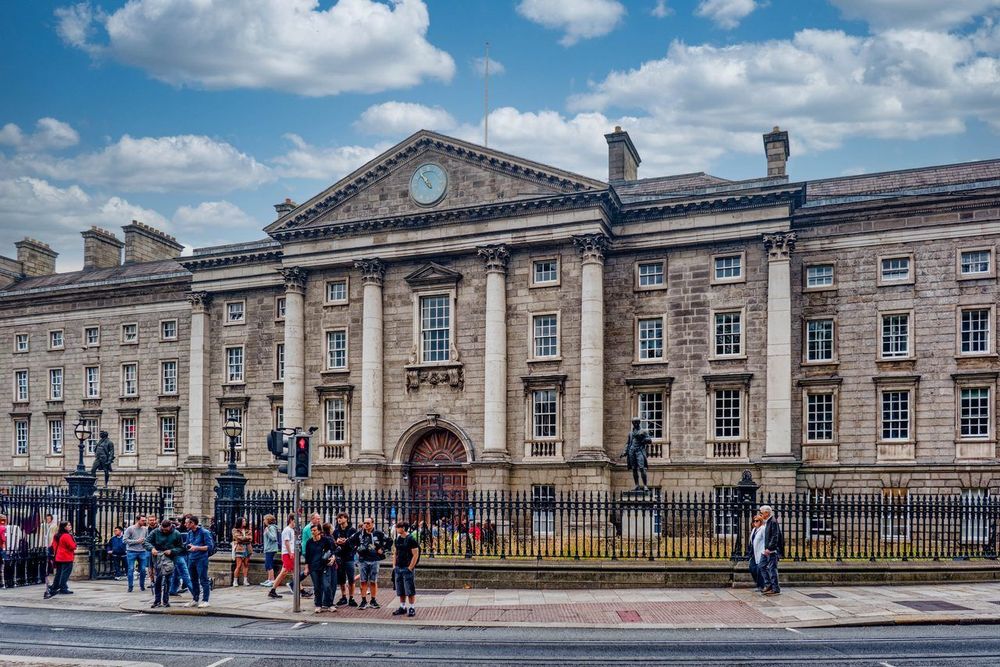
No need to worry about where to begin! Our tours are designed as a loop, so you can jump in wherever you are. The navigation system and audio-guide will automatically adjust to your location. However, if you happen to be nearby, we do have a preferred starting point: in front of Trinity College
Parking à proximité
Park Rite: 59-62 Drury St
In Dublin, traffic and parking are a real headache. The first is slow and requires to drive on the left side, whereas the second is quite expensive. As there is never zero risk, it is recommended parking your car in secure underground parking, which at least avoids you getting burgled. Plus, foreign cars are always first to be targeted. When reserving your accommodation, don't forget to check if there is parking included. It always serves depending of how long you stay in the Irish capital.
À savoir
When following our tour, you'll end up seeing Trinity College. To avoid any last minute surprise, know that this place has opening and closing hours. So make sure to verify if it's open before getting to it.
Dublin offers an array of advantages and discounts on transport services and activities with its Dublin Pass. A great alternative for those wishing to discover the city at your own pace, as all offers come by.
Découvrez 17 lieux d'intérêt pour visiter Dublin










Le plein d'inspirations
Explorez le monde en totale liberté, à pied au cœur des villes ou au fil des routes. Nos guides audios transforment chaque destination en une découverte culturelle immersive et unique.






FAQ for visiting Dublin
When is the best time to visit Dublin?
The ideal time to visit Dublin runs from June to September, when temperatures are at their mildest with highs around 18°C in July and August. The city's oceanic climate stays mild but damp all year round, with an average temperature of 9°C. Summer offers longer days and a lively atmosphere, even though showers remain possible. The winter months, January and February, are the coldest with lows around 5°C, but Dublin keeps its charm with its warm pubs and its festive atmosphere. Spring and autumn make good alternatives with fewer tourists, although the weather is more unpredictable.
How many days do you need to visit Dublin?
A three-day stay lets you comfortably discover the essentials of Dublin. In two days, you can explore the historic centre, visit Trinity College and its famous library, stroll through Temple Bar and discover the main cathedrals. An extra day gives you time to delve deeper into certain neighbourhoods, visit the Guinness Storehouse or the Jameson distillery, and enjoy the atmosphere of the traditional pubs. If you have four days or more, you can add excursions to the surrounding area such as the Howth peninsula or the Wicklow Mountains. Dublin lends itself perfectly to discovery on foot, which lets you fully appreciate its unique atmosphere.
How do you get around Dublin?
Dublin is a very accessible city that is easily explored on foot, especially in the historic centre where most of the attractions are concentrated. For longer distances, the public transport network includes numerous and frequent buses, two tram lines (the Luas) that cross the city, and the DART urban train that runs along the coast. Taxis are available but can be costly at peak times. Self-service bikes are an excellent option with many stations throughout the city. The Leap Card, a rechargeable card valid on all public transport, will save you money on your journeys. As the city centre is relatively compact, walking often remains the most pleasant way to discover Dublin.
How do you reach the city centre from Dublin airport?
Dublin airport is located about 10 kilometres north of the city centre, and several options are available to reach your accommodation. The Aircoach bus and the Airlink Express offer direct, regular connections to the centre in about 30 minutes depending on traffic. The ordinary public buses are a more economical alternative but with more stops. Taxis remain practical, especially if you are travelling in a group or with a lot of luggage, but plan for a larger budget. Some hotels offer private shuttles that should be booked in advance. There is no direct rail link, but you can combine bus and train depending on your final destination. The journey time generally varies between 20 and 45 minutes depending on the mode of transport chosen.
What are the must-sees in Dublin?
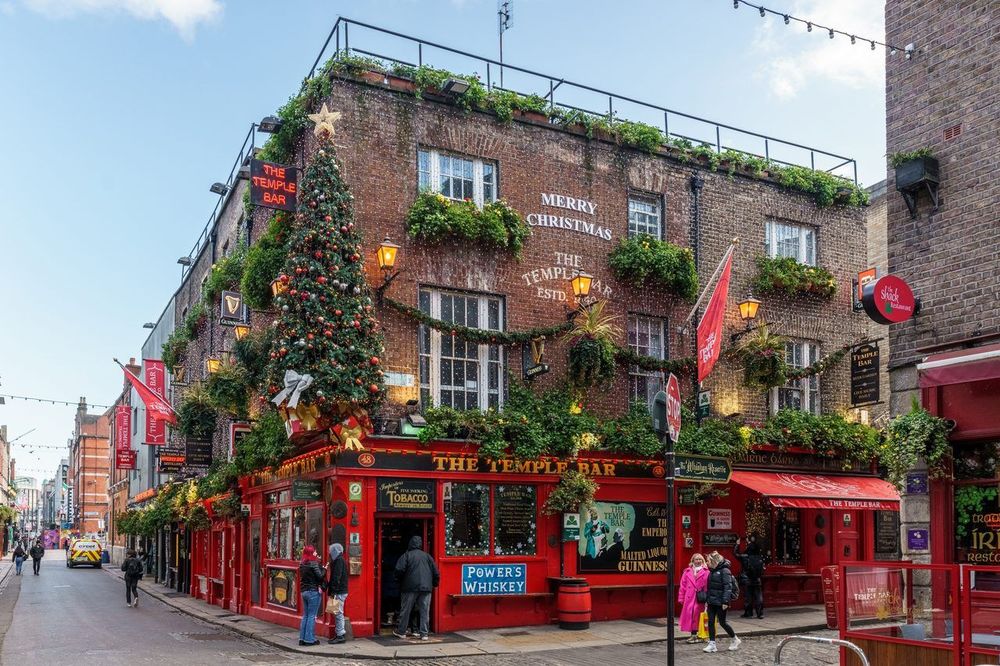
Dublin is full of fascinating sites that tell its thousand-year history. Trinity College and its library housing the Book of Kells are a must, as are the medieval cathedrals of St. Patrick's and Christ Church. Temple Bar buzzes with traditional music while Dublin Castle bears witness to centuries of history. Literature lovers will appreciate the Writers Museum and the traces of Joyce in the city. Phoenix Park offers a green interlude, and the Guinness Storehouse will delight fans of the famous stout. The Ryo audioguide accompanies you in discovering the historic centre with a narrated route that links these emblematic places while revealing the hidden stories of the cobbled lanes and the Georgian squares.
What budget should you plan for visiting Dublin?
Dublin remains a relatively expensive European capital, especially in high season. For accommodation, prices vary greatly depending on the neighbourhood and the period, but plan for a substantial budget for the city centre. Meals in traditional pubs generally offer good value for money, while restaurants can be more costly. Admission fees for the main tourist attractions add up quickly, so remember to check for any tourist passes or student discounts. Public transport remains affordable with the Leap Card. For a night out, a pint in a pub is part of the unmissable Dublin experience. An average daily budget per person should include accommodation, meals, sightseeing and transport, but varies considerably depending on your choices and the season of your visit.
Which places tell the story of Ireland in Dublin?
Dublin Castle, the seat of British power for centuries, opens the story, continued at the General Post Office on O'Connell Street, whose façade still bears the marks of the Easter Rising. Kilmainham Gaol, a little further west, puts faces to that history: its galleries and its execution yard saw most of the figures of independence pass through.
The EPIC museum, set in the old docks, tackles the other side of the story, that of emigration and the diaspora, while the National Museum of Ireland keeps Iron Age objects and Celtic treasures. The Ryo audio guide offers a dedicated Dublin route that links these places of memory and tells how the city moved from colonial rule to the capital it is today.
Why is Dublin considered a city of literature?
Few cities have produced so many writers: Jonathan Swift, Oscar Wilde, Bram Stoker, William Butler Yeats, James Joyce, Samuel Beckett and Seamus Heaney were born or studied here, and several won the Nobel Prize. Unesco has recognised Dublin as a city of literature, a title you can feel in the density of bookshops and public readings.
On the ground this translates into places to walk: the house devoted to Joyce and the Ulysses trail through the streets of the centre, the statue of Wilde in Merrion Square, Marsh's Library with its eighteenth-century shelves, and the pubs where writers used to gather. A museum of literature rounds it all off with manuscripts and recordings.
What can you do in Dublin when it rains?
Showers pass quickly but come back often, so it pays to have indoor options. The National Museum of Ireland, the National Gallery and the Chester Beatty library can all be visited free of charge and easily fill a morning. The great cathedrals, Christ Church and St Patrick's, also offer shelter and a fine plunge into the city's medieval past.
The old shopping arcades in the centre, such as George's Street Arcade, let you wander in the dry, and pubs remain the most natural refuge in late afternoon, often with music. Bring a waterproof jacket rather than an umbrella, which the wind soon turns inside out, and keep an eye on the sky: bright spells sometimes arrive within minutes.
Which Irish specialities should you try in Dublin?
Dublin cooking is simple and generous: slow-cooked lamb stew, coddle made with sausages and potatoes, boxty and other potato pancakes, soda bread served with local butter, not forgetting seafood chowders and battered fish with chips. A full Irish breakfast easily stands in for lunch.
As for drinks, dark stout is the city's emblem and craft breweries have since widened the choice; Irish whiskey, distilled three times, is often tasted on guided visits to the old distilleries of the Liberties. Covered markets and cafés in the centre also offer cheeses and pastries so you can sample all this without setting foot in a pub.
Vos commentaires, idées et suggestions
Aucun avis pour le moment