© Shutterstock
 Votre guide Ryo
Temple Bar Pub Dublin: Complete Guide to Drinking a Beer at the City's Icon (2026)
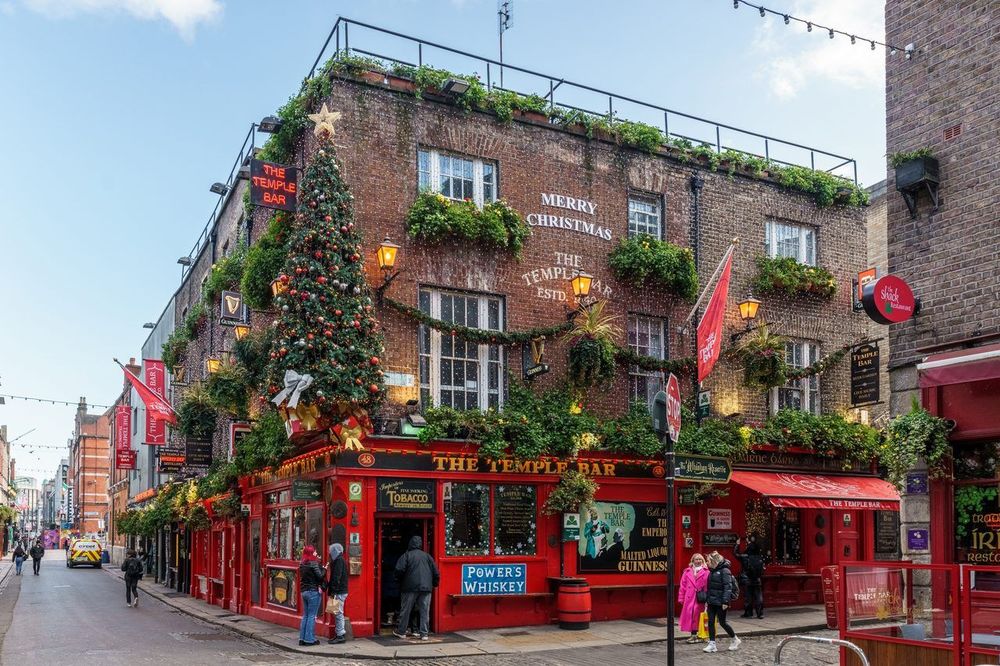
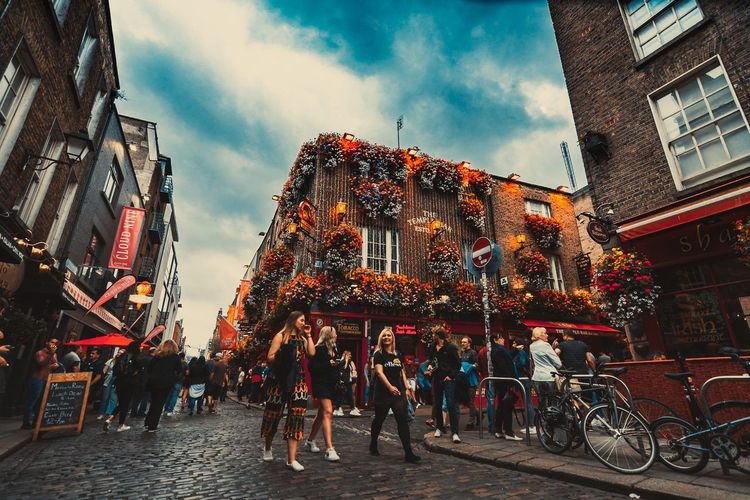
No one walks past this façade unmoved. The vivid red, the hand-painted lettering, the golden barrels mounted up high: the Temple Bar Pub in Dublin is one of the most photographed images in Ireland, and yet its true value is rarely told. Built in 1840 in a neighbourhood that should have been demolished in the 1980s to make way for a bus terminus, this establishment at 47-48 Temple Bar now houses more than 450 Irish whiskey references, live music sessions every day of the year, and an Irish Coffee Masterclass that draws as many curious visitors as the pub itself. The surrounding neighbourhood, designated a cultural quarter in 1991, is packed with cobbled lanes, galleries and other pubs, each with its own character. To explore it all without losing your bearings, the Ryo audio guide to Dublin covers 8 kilometres and 20 points of interest, from Trinity College to the banks of the Liffey.
Beers at €6–8 a pint, a live webcam on the façade followed by fans around the world, a whiskey cellar fitted out in the basement, a hotel integrated above the pub and around twenty other establishments within a 400-metre radius: Temple Bar is far more than just a photo opportunity.
Temple Bar: the Neighbourhood That Almost Disappeared
In the 1960s and 1970s, the Temple Bar neighbourhood was in full decline. Located between Dame Street and the river Liffey, on the south bank, this tangle of medieval laneways housed workshops, alternative galleries and small businesses barely surviving. The national transport company (CIÉ) had bought up a large part of the properties with a simple plan: demolish and build a new central bus terminus for Dublin.
The project failed, not through lack of political will, but through an accumulation of delays and cultural pressure. Displaced tenants were gradually replaced by artists, independent theatres and second-hand bookshops that transformed the neighbourhood from within. The pressure that built throughout the 1980s eventually convinced the Irish government to change course. In 1991, Temple Bar was officially designated Dublin's cultural quarter, a decision accompanied by public investment in the rehabilitation of its Georgian and Victorian buildings.
Today, the neighbourhood spans around twenty hectares, bounded to the north by the Liffey, to the south by Dame Street, to the east by Westmoreland Street and to the west by Fishamble Street. Meeting House Square, the heart of cultural life, hosts outdoor film screenings in summer and an organic market at weekends. The Irish Film Institute and the Gallery of Photography have their permanent addresses here. Pubs are everywhere: around thirty establishments within a 400-metre radius, some of which have been open since the 18th century.
The name Temple Bar comes from Sir William Temple, who owned these lands in the 17th century. The word 'bar' at the time referred to a barrier or gate marking the city boundary — not yet a place to drink.
The Temple Bar Pub: a Red Façade Turned Symbol
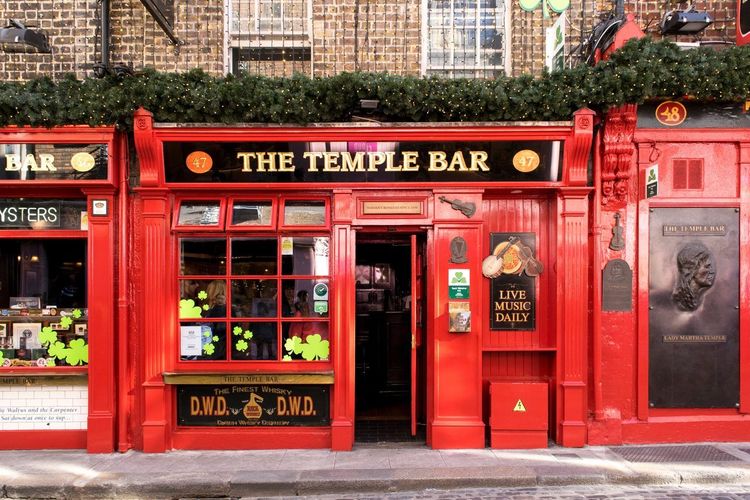
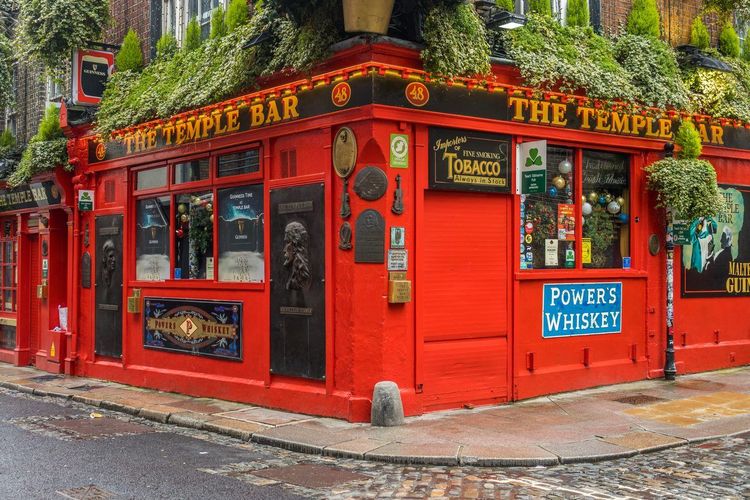
There is a common confusion worth clearing up straight away: 'Temple Bar' refers both to Dublin's cultural neighbourhood and to a specific pub at the heart of that neighbourhood. When a traveller searches 'temple bar pub dublin' on a search engine, it is often The Temple Bar Pub (47-48 Temple Bar, Dublin 2, rated 4.6/5 on Google across 42,104 reviews), at 47-48 Temple Bar, that they are looking for without always knowing it precisely.
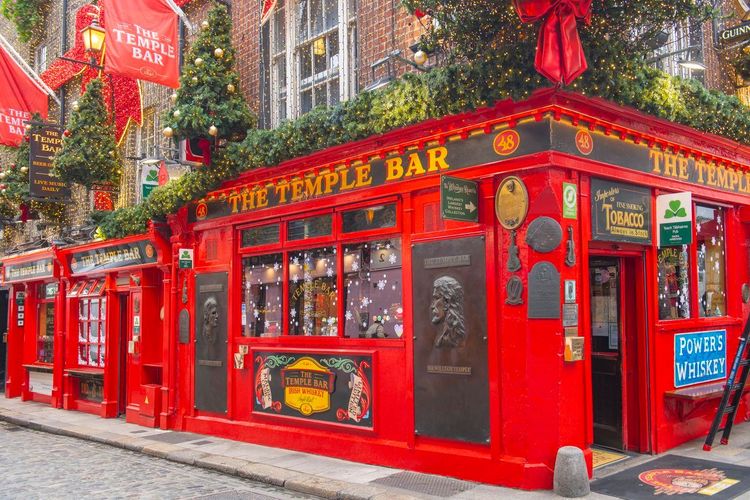
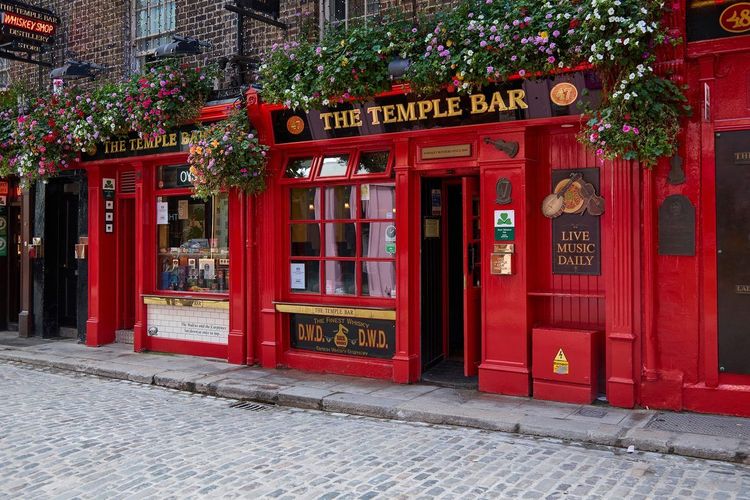
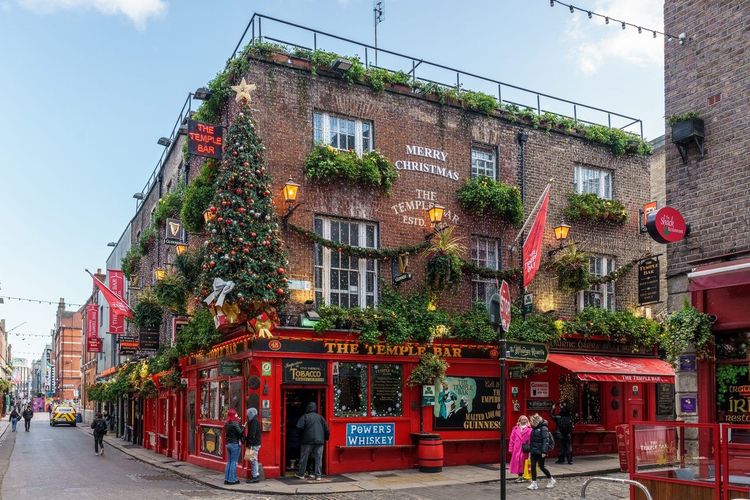
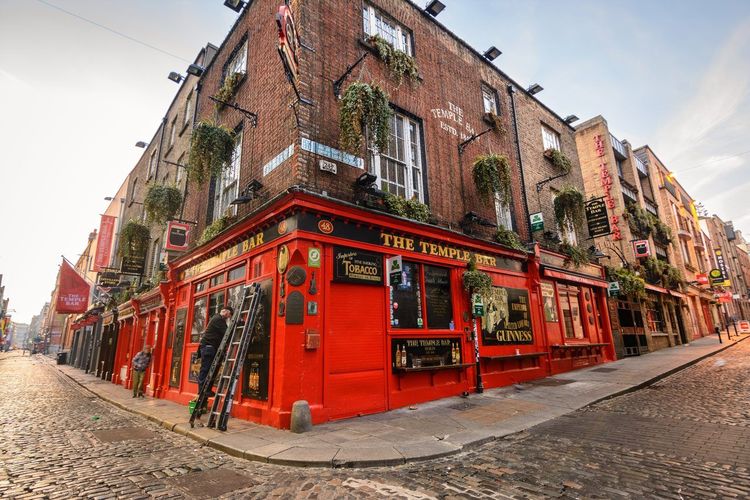
The pub opened its doors in 1840 in a Victorian building typical of the neighbourhood. Its vermilion red façade, adorned with hand-painted signs and decorated with traditional barrels, became over the decades one of Dublin's iconic images. It is photographed millions of times a year, and a live webcam mounted on the façade streams the street's activity continuously, followed by enthusiasts around the world who 'visit' Dublin from home. It is one of the only pubs in the world to have built such a devoted online audience.
The interior surprises with its size. You enter a labyrinthine space with several interconnecting rooms decorated with concert posters, black-and-white photographs and Irish curiosities. The dark wooden counters, copper hanging fixtures and low lighting create that simultaneously warm and slightly cacophonous atmosphere that characterises Dublin's great pubs. Capacity is 400 people indoors, with an additional terrace open whenever the weather allows — which in Dublin usually means bringing a jacket anyway.
The pub is open 7 days a week, from 10:30am to 11:30pm Sunday to Thursday, and until 2:30am on Friday and Saturday. No reservation is needed to enter, except for special events and groups.
The pub today belongs to the group that also manages the Temple Bar Lane Hotel, whose rooms look out directly over the neighbourhood's rooftops. This integrated pub-hotel complex is one of Dublin's most sought-after accommodation experiences, partly because guests come down for breakfast in the same rooms where others are finishing their evening. The establishment also organises an annual Ireland Pub Tour that takes participants to the city's best pubs along a guided itinerary — an interesting alternative for those who want to explore Dublin beyond the Temple Bar neighbourhood alone.
The Whiskey Collection: an Irish Record
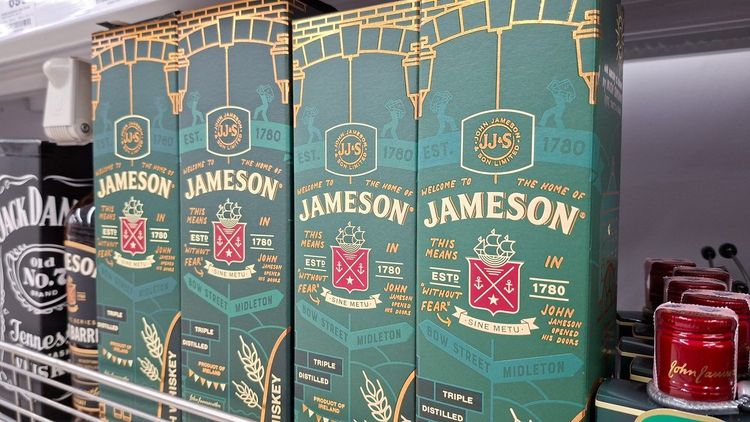
This is the argument guides mention first, and with good reason. The pub keeps in its Whiskey Reserve, a cellar fitted out in the basement, one of the largest collections of Irish whiskeys in the world: more than 450 references at the current count.
This collection is not merely a display. It is alive: bottles arrive regularly from sometimes little-known distilleries, limited vintages sit alongside big-name brands, and staff can guide you through a commented tasting on request. Enthusiasts will recognise bottles of Redbreast, Green Spot, Powers John's Lane and expressions from Teeling Whiskey, whose Newmarket distillery in the Liberties neighbourhood — a twenty-minute walk from the area — relaunched Dublin whiskey production in 2015, the first new distillery in the city in over 125 years.
The price of a glass ranges from €5 for standard expressions to several tens of euros for rare vintages. The Whiskey Reserve is accessible to all pub customers — no separate entry ticket required, just head down the staircase indicated from the main bar. A visit can last anywhere from ten minutes to an hour depending on your curiosity.
Some rare bottles are not available by the glass: they are reserved for purchase as a full bottle through The Temple Bar Shop, adjacent to the pub, which also offers gift sets and accessories in the establishment's colours.
Live Music: the Beating Heart of the Pub
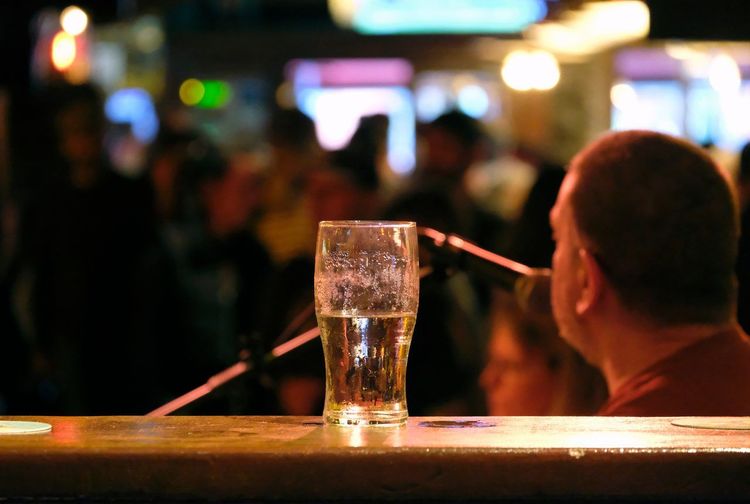
The pub programmes live music every day of the year, afternoon and evening. This is not a token commitment: even on a rainy Tuesday in January, you will find a musician or a band set up in the main room with a repertoire of Irish traditional music.
Sessions generally start at 2pm at weekends and at 6pm on weekdays, with a second session following around 9pm. The repertoire alternates between traditional Irish ballads, folk and contemporary Irish pop. Well-known names from the Dublin pub circuit are programmed regularly alongside young musicians in residence.
Entry is always free, with no ticket or reservation needed. Acoustically, the back rooms are less saturated than the main bar: if you want to hear the lyrics, find a table at a decent distance from the main stage. A regular's tip: weekday afternoon sessions (2pm–5pm) often bring more experienced musicians than weekend evenings — less focused on performance, more focused on the music itself.
The Irish Coffee Masterclass: Learning to Make the Real Thing
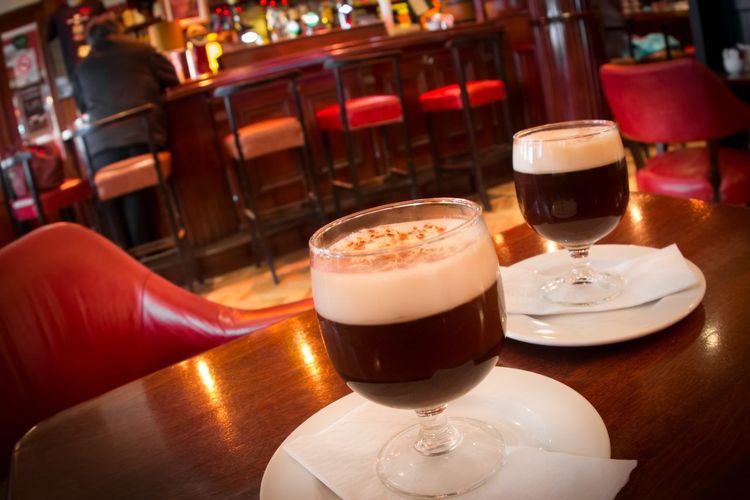
The pub's Irish Coffee Masterclass is one of Dublin's most booked activities in the culinary experiences category. The concept: a barman teaches you to prepare an Irish Coffee following the original recipe of Joe Sheridan, created at the Foynes flying boat terminal (County Limerick) in 1943 to warm up transatlantic passengers stranded by a storm.
The session lasts 45 minutes to 1 hour and includes tasting the Irish Coffee you have prepared. The ingredients used are those of the pub: strong filter coffee, Irish whiskey of your choice from several references, brown cane sugar and thick fresh cream poured over the back of a spoon — the trickiest step for beginners.
The price is around €30 per person, with reduced rates for groups. Booking is essential as places are limited. Time slots vary by season: several daily sessions in summer, mainly at weekends in winter. This format works well beyond the circle of coffee or whiskey enthusiasts — it is a way to spend an hour learning something authentically Irish rather than simply consuming.
What to Eat and Drink
On the drinks side, the menu covers the essentials: Guinness leading sales, followed by other Irish draught beers (Murphy's, Smithwick's), international lagers and of course the whiskey collection. A pint of Guinness is around €6.50, at the higher end of the range for pubs in Dublin's tourist centre, in line with prices charged throughout the area.
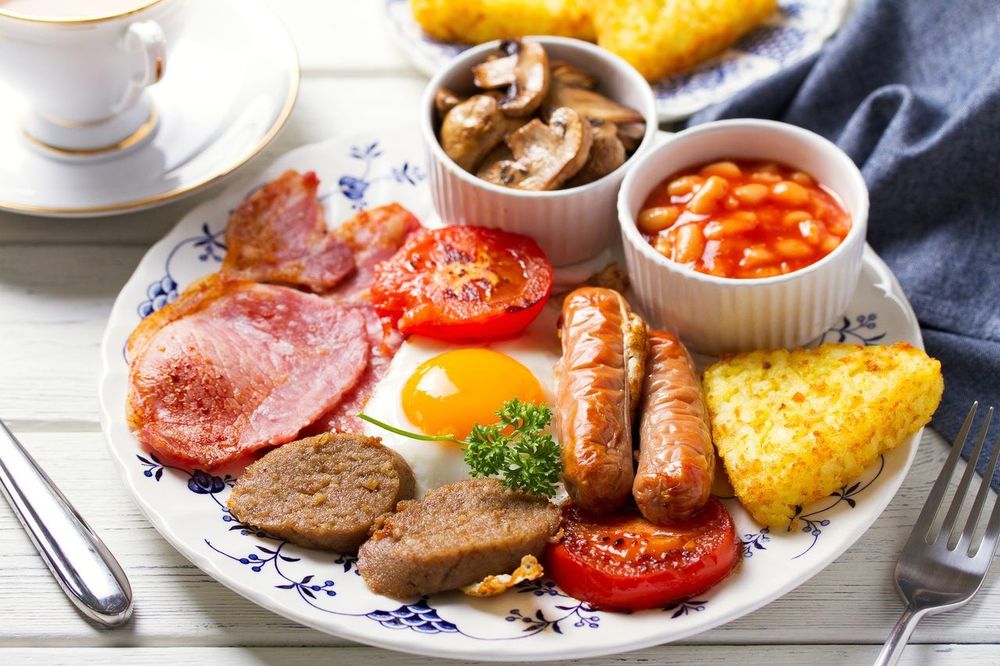
The food is that of a traditional Irish pub: Irish stew, fish and chips, sausages and mash, hot sandwiches and salads. Dishes are prepared on site, with kitchen hours from 12pm to 9pm. The menu changes little with the seasons, which reassures regulars but leaves little room for surprises. A full Irish breakfast is served as brunch at weekends from 10:30am — a good reason to arrive early before the room fills up.
The pub does not take reservations for meals. Tables are allocated on a rotation basis, and service can slow considerably on a Saturday evening after 7pm. Aim for weekday lunch hours if you are coming primarily to eat. To dive deeper into Dublin's flavours, the Ryo article on Dublin's culinary specialities details the ten unmissable dishes of the Irish capital.
Other Pubs in the Neighbourhood Not to Miss
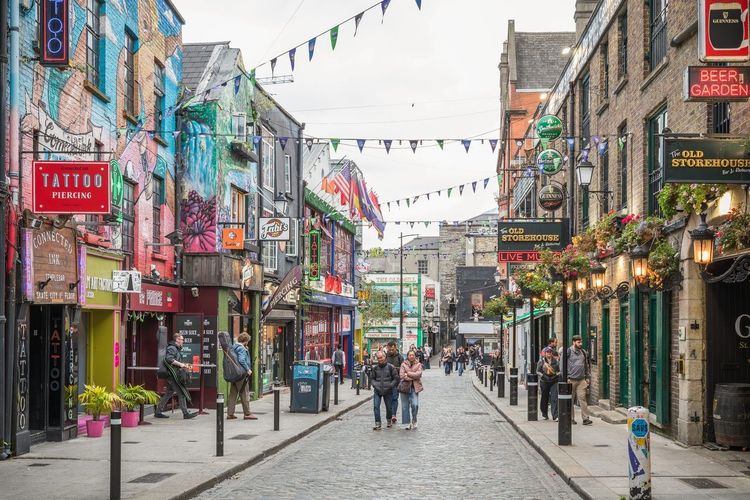
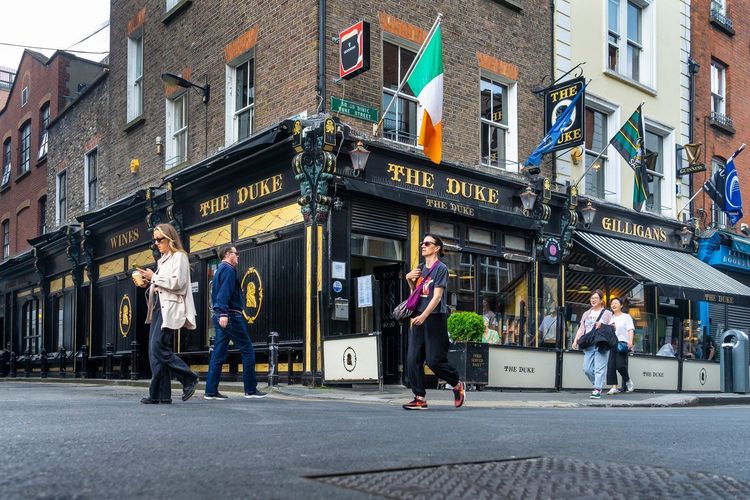
The red façade is iconic, but the neighbourhood surrounding it deserves a methodical exploration. Here are the establishments that each have their own character, often less crowded than their red-fronted neighbour.
The Palace Bar, on Fleet Street, has been open since 1823, seventeen years before the Temple Bar Pub. Its midnight blue façade and etched glass windows make it one of Dublin's best-preserved pubs. The interior is an intact relic of the 19th century: long narrow rooms, dark wood boxed seating, a mahogany counter. Journalists from the Irish Times had their regular spots here in the 1950s, a reputation that still clings to it today. Less touristy than its neighbours, it remains calmer even in high season, making it a good address for those who want to feel what an ordinary Dublin pub is like on a weekday.
Oliver St. John Gogarty's, on the corner of Fleet Street and Anglesea Street, is the second most visited establishment in the neighbourhood after the red façade. Three floors, a terrace, a full restaurant on the first floor and traditional music sessions several times a day. Its multi-floor layout distributes the crowd better than a single large flat space — a real advantage during busy periods, often allowing you to find a quiet table upstairs when the ground floor is overflowing.
The Porterhouse Temple Bar, on Parliament Street, is the pioneer of Irish craft beers in Dublin. Founded in 1996, it serves its own brewed beers — the Plain Porter, the Oyster Stout and the Wrassler's XXXX Stout — in a multi-level setting with brewing vats visible from the main room. For those who prefer craft beers over mass-produced ones, it is the neighbourhood's reference address, with a selection that traditional pubs simply do not offer.
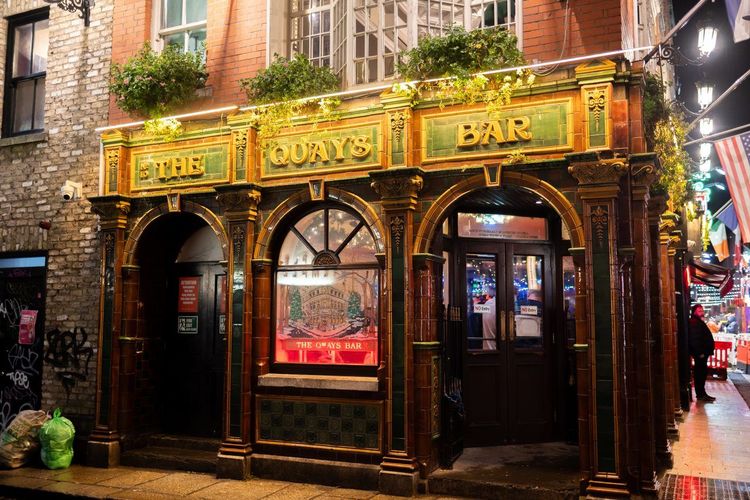
The Quays Bar, on Temple Bar Square, functions as a large pub-brewery with a capacity of 500 people indoors. The décor is that of a repurposed Irish church: oak beams, salvaged stained glass, period woodwork. The atmosphere is festive and skews young at weekends, with a sound level that can become deafening after 10pm. A good address for the start of an evening, less suited to quiet conversation.
The Merchant's Arch (48 Wellington Quay, Dublin 2, rated 4.5/5 on Google across 6,287 reviews), at the entrance to the neighbourhood on the Ha'penny Bridge side, is calmer and less touristy than its immediate neighbours. Its terrace on the Liffey quays is one of the best in the area for lunch — south-facing, it catches the afternoon light, which is a rare thing in Dublin. Prices here are slightly lower than those charged in the heart of the neighbourhood.
Temple Bar at Night: Atmosphere and Reality
Honesty is needed about what Temple Bar becomes after 10pm at weekends. The density of pubs within such a small perimeter draws thousands of people every Friday and Saturday night. The neighbourhood transforms into a loud party zone, with stag and hen parties arriving from England or Europe and queues outside most establishments after 9:30pm.
This is not a criticism — it is a reality to factor into your planning. Temple Bar at night is a festive, cosmopolitan experience, but a long way from the traditional Irish pub culture some visitors are looking for. If your priority is a quiet pint with locals, explore the pubs of Stoneybatter, Rathmines or Ranelagh — residential neighbourhoods 20 minutes away on foot or by tram, where an authentic pub culture thrives without tourist pressure.
For a first trip to Dublin, Temple Bar in the evening remains a valid experience. The pubs are professional, security is ensured and the atmosphere stays warm even in the thick of the crowds.
What the Neighbourhood Has to Offer Beyond the Pubs
The Temple Bar neighbourhood is not just a cluster of pubs. Between drinks, several addresses deserve your attention and usefully round out a day in the area.
The Irish Film Institute (IFI), on Eustace Street, screens arthouse films, classic revivals and Irish premieres across its three screens. Its ground-floor café-bar is open even without a cinema ticket and attracts a clientele of Dublin cinephiles who form one of the city's most vibrant cultural communities.
The Gallery of Photography, on Meeting House Square, is free and presents temporary exhibitions of consistently high quality. Irish and international documentary photographers are regularly exhibited in a well-lit, well-designed space.
The Project Arts Centre (39 E Essex St, Dublin 2, rated 4.6/5 on Google across 365 reviews), born from a festival held in 1966 at the Gate Theatre and founded the following year, is one of Ireland's most respected experimental performance venues. Theatre, dance, visual art and performance: the programme is dense and often surprising.
Meeting House Square itself is worth a look even without a specific event: its colourful façades, terrace restaurants and architecture blending old and contemporary styles give it a unique character in the city. A food market is held there on Saturday mornings — Irish cheeses, artisan breads, smoked fish — drawing residents and tourists alike.
The Dublin audio walking tour lets you explore this neighbourhood and its surroundings with audio commentary on the most significant sites. The Ryo audio guide to Dublin covers 8 km in 3h45, perfect for wrapping up a cultural morning before heading to a pub for lunch.
When to Go to Enjoy It Without the Crowds
The most common question about Temple Bar: when to go to avoid queues? The answer runs counter to the usual intuition.
The best time slot: a weekday between 2pm and 5pm. Most tourists have gone to visit museums in the morning and only arrive at the pubs for drinks later. You will find seating, fast service and the first music sessions in a relaxed atmosphere.
Periods to avoid at all costs: weekends from June to August, the week of St. Patrick's Day (17 March with an extension of several days on either side), and the evenings of international rugby matches at Aviva Stadium. These periods can triple the footfall in an already dense area.
Off season: Dublin from November to February is an excellent short-break destination. Temple Bar is noticeably less crowded, music sessions are more intimate and pubs often have a fire burning in the hearth. Hotel prices in the neighbourhood drop by 30 to 50% compared to the summer months.
Getting There
Temple Bar occupies a central position on Dublin's map: impossible to miss if you are walking around the city centre.
From the centre: 10 minutes on foot from O'Connell Street via the Ha'penny Bridge (free pedestrian bridge over the Liffey), or 7 minutes from Trinity College by heading west along Dame Street.
By public transport: bus lines 39A, 49, 54A, 65 and 77A serve Dame Street (stop 2 minutes on foot). The Luas Red Line stops at Jervis on the north side of the Liffey; cross the Ha'penny Bridge to reach Temple Bar on foot in 5 minutes.
Dublin Bikes (bike-sharing scheme) has a station at the neighbourhood entrance on the Westmoreland Street side. Once inside, the neighbourhood is entirely pedestrian along its cobbled laneways. Trinity College, one of the stops on our audio-guided tour, sits just across Westmoreland Street.
Where to Stay in Temple Bar
Staying in the neighbourhood means choosing absolute convenience at the cost of a certain amount of nocturnal noise.
The Temple Bar Lane Hotel (16 Temple Lane South, Dublin 2, rated 3.9/5 on Google across 461 reviews), integrated into the pub complex, is the closest option. Rooms look out onto the cobbled laneways, service is attentive and breakfast in the pub's rooms is an experience in itself. Prices range from €120 to €280 per night depending on the season.
For quieter options within a short distance, hotels around St. Stephen's Green (10 minutes on foot) offer well-placed mid-range addresses for exploring the city without Temple Bar's nocturnal activity. Our Ryo guide to the best neighbourhoods to stay in Dublin details options by budget and type of stay.
Budget: How Much to Allow for an Evening
An evening in Temple Bar's pubs costs more than elsewhere in Dublin — a fact to factor into your planning.
Beers: €6 to €8 a pint in neighbourhood pubs, compared to €4.50 to €5 in residential neighbourhood pubs.
Whiskeys: from €5 for standard expressions to €15–20 for interesting vintages, up to several tens of euros for rarities from the Whiskey Reserve.
Irish Coffee Masterclass: around €30 per person, advance booking required.
Food: a main course between €14 and €22 in the neighbourhood's pub-restaurants. A full meal with two drinks: allow €30 to €40 per person.
Realistic evening budget: between €50 and €70 per person for 3 hours across several establishments (3–4 drinks and a snack), not including any activity fees.
Practical Tips Before You Go
The pub does not accept groups of more than 7–8 people without prior reservation. Stag and hen parties must contact the establishment directly — certain dates in high season are booked weeks in advance.
The neighbourhood is wheelchair accessible on the main streets (Temple Bar, Fleet Street, Essex Street). Some secondary cobbled laneways may present difficulties.
Free Wi-Fi is available in all the major pubs in the neighbourhood, generally without a password. The nearest ATMs are on Dame Street (Bank of Ireland and AIB, 3 minutes on foot). Pubs accept bank cards, but some street musicians prefer cash for tips.
To explore Ireland further beyond Dublin, the Ryo article on the most beautiful places to visit in Ireland provides a complete map of the country's unmissable sites.
FAQ
What is the difference between the Temple Bar Pub and the Temple Bar neighbourhood?
The Temple Bar neighbourhood is a cultural district of around twenty hectares, bounded by the Liffey to the north and Dame Street to the south, home to around thirty pubs, several art galleries, an arthouse cinema and restaurants. The Temple Bar Pub is a specific establishment located at 47-48 Temple Bar, recognisable by its vermilion red façade. One is a neighbourhood, the other is a pub within that neighbourhood — the confusion is common and fuelled by search results.
How much does a pint cost at the Temple Bar Pub in Dublin?
A pint of Guinness is around €6.50 at the Temple Bar Pub, at the higher end of the range for pubs in Dublin's tourist centre. Craft beers can reach €8. The same pint costs €4.50 to €5 in pubs in residential neighbourhoods such as Rathmines, Stoneybatter or Phibsborough.
Does the Temple Bar Pub have live music every day?
Yes. Live music sessions are scheduled 7 days a week, afternoon and evening, with no cover charge or reservation required. Weekday afternoon sessions (2pm–5pm) are generally the most authentic, with musicians less focused on tourist performance and more concentrated on the traditional repertoire.
What time does the Temple Bar Pub close?
Sunday to Thursday, the pub closes at 11:30pm. On Friday and Saturday, closing time is 2:30am. Opening time is 10:30am every day, with brunch served from opening at weekends.
Can you visit Temple Bar without drinking alcohol?
Absolutely. The neighbourhood has cafés, restaurants and cultural spaces accessible without entering a pub. In the pubs themselves, non-alcoholic drinks are available: fruit juices, mineral waters, teas, alcohol-free Irish Coffee on request. Irish pub culture is inclusive — no one asks you to justify what's in your glass.
Is Temple Bar safe at night?
Temple Bar is generally safe, even late at night. The Irish police (Gardaí) regularly patrol the neighbourhood on weekends. Incidents are usually minor festive disturbances. As in any busy tourist area at night, the usual precautions apply: phone in a closed pocket, no display of valuables. Secure taxi zones are located on Dame Street and Westmoreland Street.
Conclusion
Temple Bar is an address that divides opinion — too touristy for some, unmissable for others. Both judgements have their share of truth. The red façade of the Temple Bar Pub, its 450 whiskeys, its daily live music sessions and its Irish Coffee Masterclass make it an authentically Irish experience, even surrounded by tourist coaches. The neighbourhood around it — Palace Bar, Porterhouse, Irish Film Institute, Saturday morning market — offers plenty of escapes for those who want to go beyond the picture-postcard image.
To explore Dublin with historical and local context, the Ryo audio guide to Dublin — 20 audio stops, 8 km, 3h45 — is an excellent way to prepare or extend your stay in the neighbourhood.
À lire également