

Créé par Emilie, le 4 oct. 2026
Votre guide Ryo
Dublin, Ireland
From Celtic charm to dynamic streets
Parcours audioguidé pour visiter Dublin en 1 jour
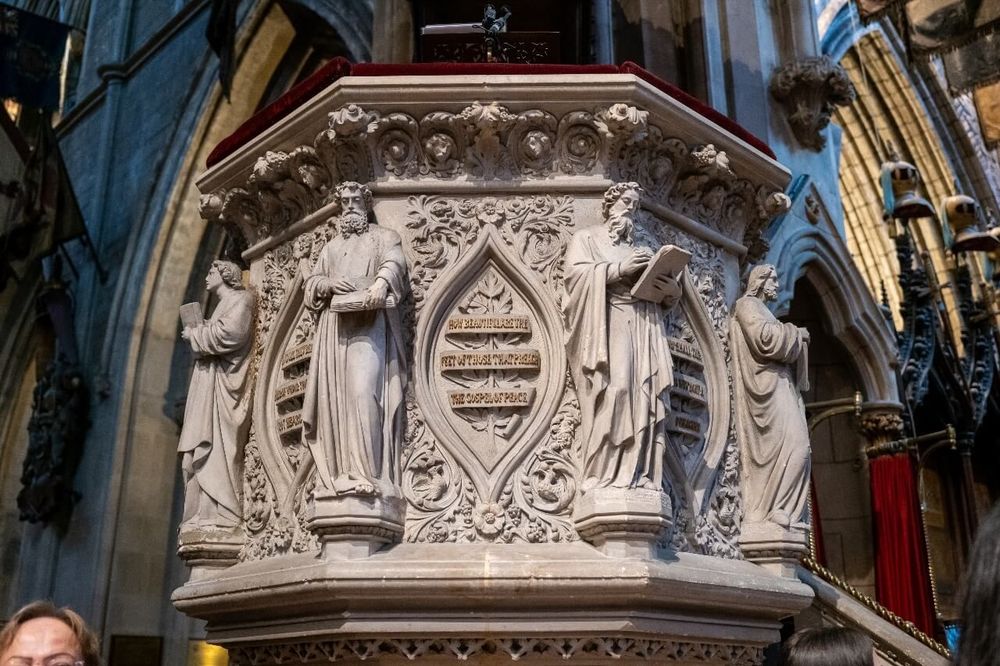
This tour of the historic heart of Dublin takes you on a journey through time, from medieval cathedrals and elegant Georgian squares to cobbled streets alive with music. Along the way, you’ll uncover the legacy of the Vikings, follow in the footsteps of great writers, and explore the places that have shaped the unique identity of the Irish capital. It’s a simple, immersive way to experience Dublin’s warm and welcoming center at your own pace.
Quand partir à Dublin ?
Jan.
5°
12
Feb.
5°
9
March
7°
9
April
8°
8
May
11°
9
June
14°
8
July
16°
9
Aug.
16°
9
Sept.
14°
9
Oct.
11°
11
Nov.
8°
11
Dec.
5°
12
Annually, the average temperature stays around 9°C/48°F, given its oceanic and humid climate. It is in January and February that temperatures drop the most to around 5°C/41°F. On the contrary, the highest temperatures elevate to around 18°C/64°F in July and August. From June to August, you'll face the most rain as well as from October to December. The best time to come is between June and September, though be prepared to receive a few showers along the way.
Départ conseillé
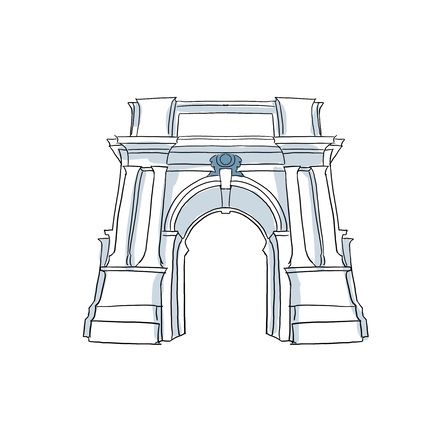
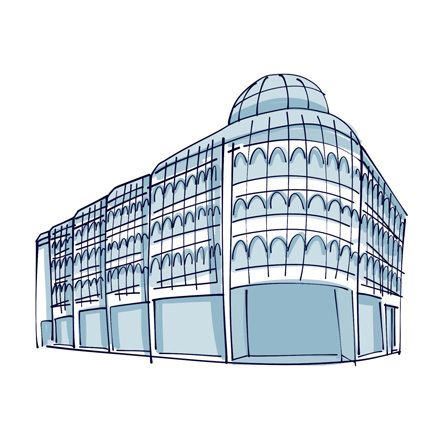
No need to worry about where to begin! Our tours are designed as a loop, so you can jump in wherever you are. The navigation system and audio-guide will automatically adjust to your location. However, if you happen to be nearby, we do have a preferred starting point: in front of George’s Street Arcade
Parking à proximité
Park Rite: 59-62 Drury St
In Dublin, traffic and parking are a real headache. The first is slow and requires to drive on the left side, whereas the second is quite expensive. As there is never zero risk, it is recommended parking your car in secure underground parking, which at least avoids you getting burgled. Plus, foreign cars are always first to be targeted. When reserving your accommodation, don't forget to check if there is parking included. It always serves depending of how long you stay in the Irish capital.
À savoir
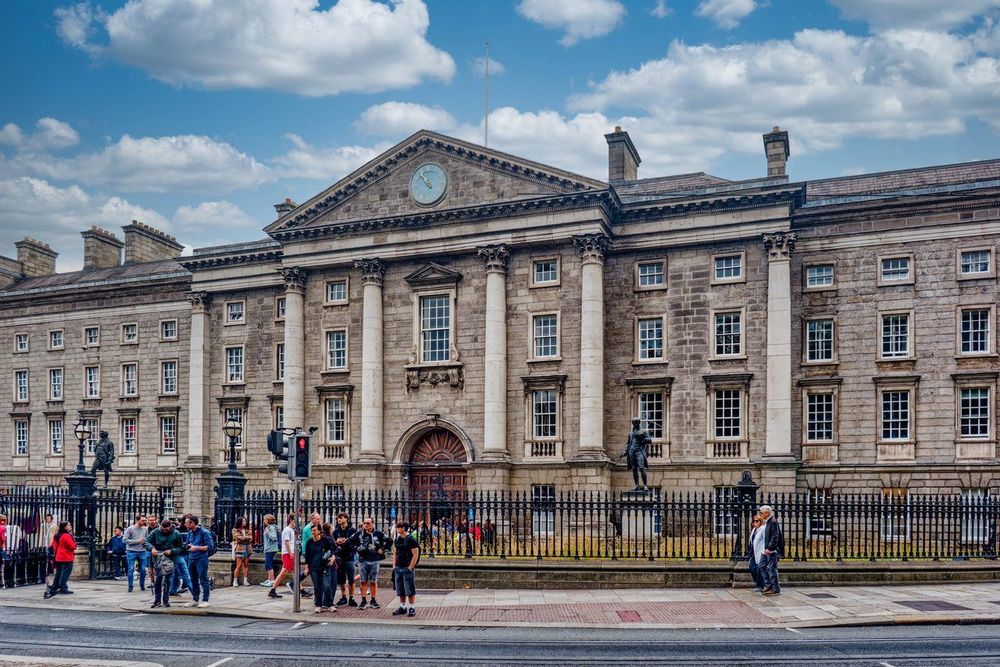
When following our tour, you'll end up seeing Trinity College. To avoid any last minute surprise, know that this place has opening and closing hours. So make sure to verify if it's open before getting to it.
To access Merrion Square Park and St Stephen’s Green, there are also opening and closing hours to respect. However, if the place is already closed when arriving, you'll need to take a different route, that you can see below, to regain the itinerary. For Merrion Square Park: you only need to walk up Merrion Street Upper and you'll get back onto the visit itinerary. For St Stephen's Green: you only need to walk up St Stephen's Green Street and you'll get back onto the visit itinerary.
Just like any ideal tourist destination, Dublin offers an array of advantages and discounts on transport services and activities with its Dublin Pass. A great alternative for those wishing to discover the city at your own pace, as all offers come by.
Découvrez 29 lieux d'intérêt pour visiter Dublin





















Le plein d'inspirations
Explorez le monde en totale liberté, à pied au cœur des villes ou au fil des routes. Nos guides audios transforment chaque destination en une découverte culturelle immersive et unique.



FAQ for visiting Dublin
When is the best time to visit Dublin?
The ideal time to visit Dublin runs from June to September, when temperatures are at their mildest with highs around 18°C in July and August. The city's oceanic climate stays mild but damp all year round, with an average temperature of 9°C. Summer offers longer days and a lively atmosphere, even though showers remain possible. The winter months, January and February, are the coldest with lows around 5°C, but Dublin keeps its charm with its warm pubs and its festive atmosphere. Spring and autumn make good alternatives with fewer tourists, although the weather is more unpredictable.
How many days do you need to visit Dublin?
A three-day stay lets you comfortably discover the essentials of Dublin. In two days, you can explore the historic centre, visit Trinity College and its famous library, stroll through Temple Bar and discover the main cathedrals. An extra day gives you time to delve deeper into certain neighbourhoods, visit the Guinness Storehouse or the Jameson distillery, and enjoy the atmosphere of the traditional pubs. If you have four days or more, you can add excursions to the surrounding area such as the Howth peninsula or the Wicklow Mountains. Dublin lends itself perfectly to discovery on foot, which lets you fully appreciate its unique atmosphere.
How do you get around Dublin?
Dublin is a very accessible city that is easily explored on foot, especially in the historic centre where most of the attractions are concentrated. For longer distances, the public transport network includes numerous and frequent buses, two tram lines (the Luas) that cross the city, and the DART urban train that runs along the coast. Taxis are available but can be costly at peak times. Self-service bikes are an excellent option with many stations throughout the city. The Leap Card, a rechargeable card valid on all public transport, will save you money on your journeys. As the city centre is relatively compact, walking often remains the most pleasant way to discover Dublin.
How do you reach the city centre from Dublin airport?
Dublin airport is located about 10 kilometres north of the city centre, and several options are available to reach your accommodation. The Aircoach bus and the Airlink Express offer direct, regular connections to the centre in about 30 minutes depending on traffic. The ordinary public buses are a more economical alternative but with more stops. Taxis remain practical, especially if you are travelling in a group or with a lot of luggage, but plan for a larger budget. Some hotels offer private shuttles that should be booked in advance. There is no direct rail link, but you can combine bus and train depending on your final destination. The journey time generally varies between 20 and 45 minutes depending on the mode of transport chosen.
What are the must-sees in Dublin?
Dublin is full of fascinating sites that tell its thousand-year history. Trinity College and its library housing the Book of Kells are a must, as are the medieval cathedrals of St. Patrick's and Christ Church. Temple Bar buzzes with traditional music while Dublin Castle bears witness to centuries of history. Literature lovers will appreciate the Writers Museum and the traces of Joyce in the city. Phoenix Park offers a green interlude, and the Guinness Storehouse will delight fans of the famous stout. The Ryo audioguide accompanies you in discovering the historic centre with a narrated route that links these emblematic places while revealing the hidden stories of the cobbled lanes and the Georgian squares.
What budget should you plan for visiting Dublin?
Dublin remains a relatively expensive European capital, especially in high season. For accommodation, prices vary greatly depending on the neighbourhood and the period, but plan for a substantial budget for the city centre. Meals in traditional pubs generally offer good value for money, while restaurants can be more costly. Admission fees for the main tourist attractions add up quickly, so remember to check for any tourist passes or student discounts. Public transport remains affordable with the Leap Card. For a night out, a pint in a pub is part of the unmissable Dublin experience. An average daily budget per person should include accommodation, meals, sightseeing and transport, but varies considerably depending on your choices and the season of your visit.
Why visit Trinity College and the Book of Kells in Dublin?
Founded at the end of the sixteenth century, Trinity College forms an island of calm in the heart of the city, with its cobbled square, its Georgian buildings and its lawns where students settle at the first sign of sunshine. You can walk in freely to cross the campus, which makes it a pleasant breathing space between two visits.
The highlight is still the Book of Kells, an illuminated manuscript produced by monks around the ninth century, whose interlacing patterns and colours remain astonishingly vivid. The exhibition around it explains how it was made, and the visit continues into the Old Library, a long vaulted room lined with wooden shelves. It gets busy: it is better to book a time slot and come early in the day.
Where can you hear traditional Irish music in Dublin?
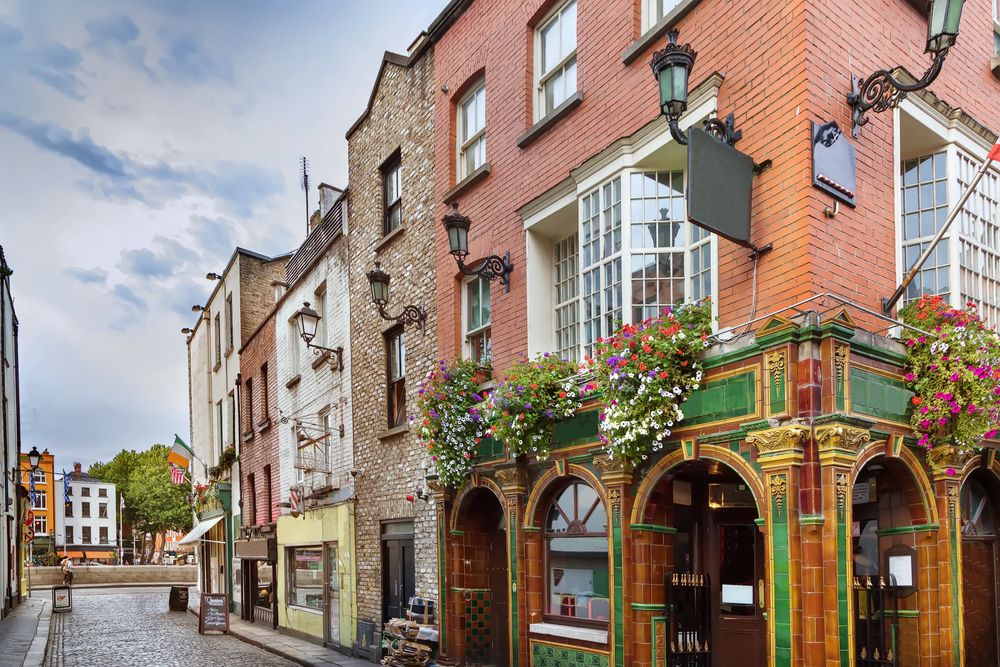
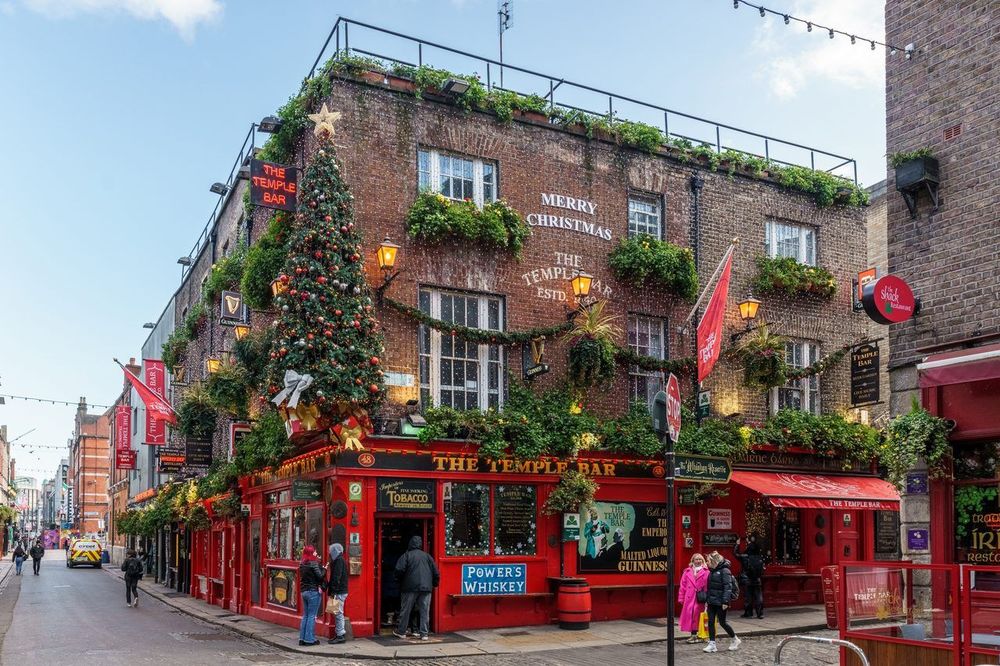
Traditional music sessions are part of daily life in Dublin's pubs. Temple Bar puts one on every evening, in a very touristy and noisy atmosphere; it works for a first night out, but is rarely the best place to really listen. Regulars prefer the pubs of Capel Street, Camden Street or the Liberties, where musicians play in a circle around a table.
A session is not a concert: the players meet up, run through tune after tune and nobody announces a programme. You sit nearby, listen and clap between sets. Midweek evenings are often more genuine than weekends, and a few venues also stage more formal Irish music shows, with dancing, for anyone who prefers a seated setting.
Which parks and green spaces are worth discovering in Dublin?
St Stephen's Green, at the end of Grafton Street, is the most popular garden in the centre: ponds, a bandstand, willows and benches taken by storm as soon as the sun appears. Right beside it, the Iveagh Gardens stay more of a secret, with their cascade and shaded walks, while Merrion Square lines up its lawns in front of handsome Georgian façades with colourful doors.
Further west, Phoenix Park is one of the largest urban parks in Europe: a herd of fallow deer roams free, and there are cycle paths, the presidential residence and a zoo. Along the Liffey or the Grand Canal, the towpaths also make for fine walks, and the coast is easy to reach by train for a stroll by the water.
Which day trips can you take from Dublin?
The coast is only a handful of stops away on the suburban train: Howth and its cliff open up a walking loop above the sea, Dún Laoghaire stretches out its long pier and Bray is linked to Greystones by a much-loved coastal path. Malahide and its castle, to the north, easily fill half a day.
To the south, the Wicklow mountains and the monastic site of Glendalough bring together lakes, valleys and ruins in a single setting; to the north, the Boyne valley holds the passage tombs of Newgrange, older than the pyramids. These places can be reached by car or by coaches leaving from the centre, and each deserves a full day rather than a quick stop.
Vos commentaires, idées et suggestions
Aucun avis pour le moment