© Shutterstock
 Votre guide Ryo
Things to Do in Belfast in 2026: 11 Must-Sees, Hidden Gems, and Complete Itinerary
Belfast surprises you first with what it isn't: neither a rainy extension of Dublin nor a museum city frozen in the memory of the Titanic. Between the yellow Samson and Goliath cranes that still dominate the old shipyards and the murals of Falls Road that tell thirty years of conflict, wondering what to do in Belfast means choosing between several cities stacked on top of one another: the industrial capital that built the world's largest ocean liner, the lively university district of the Queen's Quarter, and the gateway to the volcanic cliffs of the Giant's Causeway. At Ryo, we've had an eye on this city for a while, as it so thoroughly contradicts its reputation as a mere stopover between Dublin and Scotland — a reputation largely inherited from an era when French-language travel guides barely acknowledged it at all.
The overview that follows blends a museum shaped like a ship's hull open all year round, a Victorian market where you can breakfast on fresh oysters on Sunday mornings, a 19th-century prison where you can still visit the execution chamber, and a hill said to have inspired Jonathan Swift. Add murals twenty metres high, a castle guarded by nine sculpted cats that visitors try to spot one by one, and Northern Ireland's most requested excursion: the 40,000 basalt columns of the Giant's Causeway, less than two hours' drive away. Enough to build a two-, three- or four-day stay without a dull moment, whether you're travelling alone, as a couple, or with family.
1. Titanic Belfast
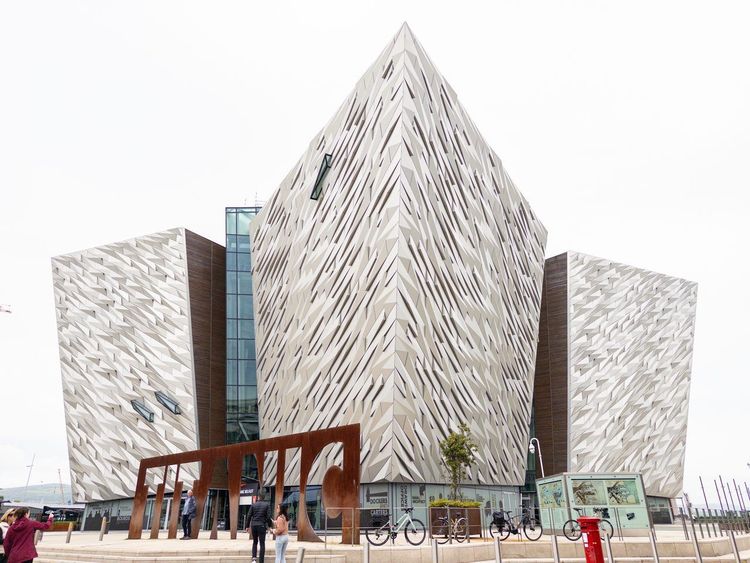
There's nowhere else to start. Titanic Belfast (1 Olympic Way, Queen's Road, Belfast BT3 9EP, rated 4.5/5 on Google across 42,555 reviews) has occupied since 2012 the exact site of the Harland & Wolff shipyard where the liner was built between 1909 and 1911. The polished aluminium facade, formed of four stylised hulls rising to 38 metres — the actual height of the Titanic from keel to upper deck — pays tribute to the engineering rather than the sinking. The building has been named World's Leading Tourist Attraction at the World Travel Awards on several occasions, a rare distinction for a museum dedicated to such a tragic event, and has been the city's leading tourism engine since it opened.
The story told here begins long before the sinking. In the early 1900s, Belfast was one of the largest industrial cities in Europe: its shipyards employed up to 35,000 workers, its linen mill was the largest in the world, and the construction of the Titanic — and its sister ship the Olympic — symbolised this rediscovered manufacturing might. The exhibition traces the design of the plans in the drawing offices, the recruitment of workers from across Belfast, and the launch on 31 May 1911, watched by an enormous crowd on the quayside. An entire wall lists the names of workers who died during construction, a reminder that industrial greatness came at a human cost rarely acknowledged elsewhere.
The museum reconstructs cabins from both first and third class, the engine room, and presents an immersive experience in a gondola suspended above a replica of the shipyard, with the sounds of riveting and the sparks of welders as a backdrop. The final gallery, more restrained, revisits the sinking itself in the North Atlantic on the night of 14–15 April 1912, with the last radio messages exchanged between the Titanic and nearby ships projected onto the walls.
Allow £24.95 for an adult ticket booked online, versus £26.95 purchased on the day, and set aside two to three hours to work through the thematic galleries at a relaxed pace. Good news for trip planning: entry aboard the SS Nomadic, moored a few hundred metres away, is included in this ticket, so there's no need to pay twice to extend the maritime experience. Booking online avoids queuing, particularly in July and August when cruise groups disembark in large numbers from ships docked just opposite.
If you've already tried a Ryo audio-guided tour elsewhere in Europe, you'll find a familiar principle here: letting an expert voice comment on every corner while you look up at the architecture. Belfast doesn't yet have its own audio-guided tour, but the spirit of documented travel remains the same — an audio guide included in the ticket, a site map, and the desire to understand what you're looking at rather than simply photographing it in passing.
2. Belfast City Hall
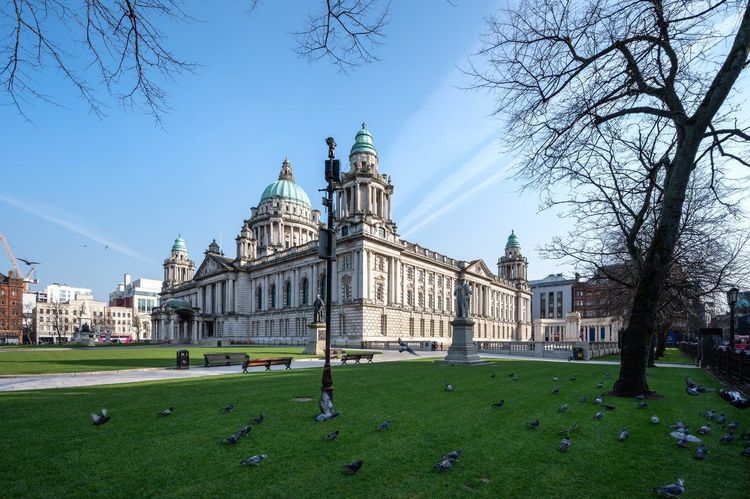
At the centre of Donegall Square, Belfast City Hall has imposed its green copper dome on the skyline since 1906. Built in Portland stone in a Baroque Revival style broadly inspired by St Paul's Cathedral in London, the building serves as both a landmark for orienting yourself in the city and an attraction in its own right. Its construction cost over £360,000 at the time, a considerable sum that reflected Belfast's industrial wealth at the turn of the 20th century.
The interior can be visited free of charge on guided tours held several times a day on weekdays: an Italian marble staircase, commemorative stained-glass windows telling the city's history, and the council chamber where elected members still sit. A permanent exhibition installed in the east wing, also free, traces the city's history across around twenty rooms, from its 1613 charter onwards. The gardens surrounding the building contain a memorial dedicated to the Titanic — a stone circle engraved with the names of the victims — as well as a cenotaph honouring Northern Irish soldiers from both World Wars.
In 2026, the esplanade also remains the classic starting point for walking tours of the city centre, and its lawn transforms into a giant screen during major sporting events broadcast outdoors, notably during the Six Nations rugby tournament when thousands of supporters gather there in green jerseys.
3. St George's Market
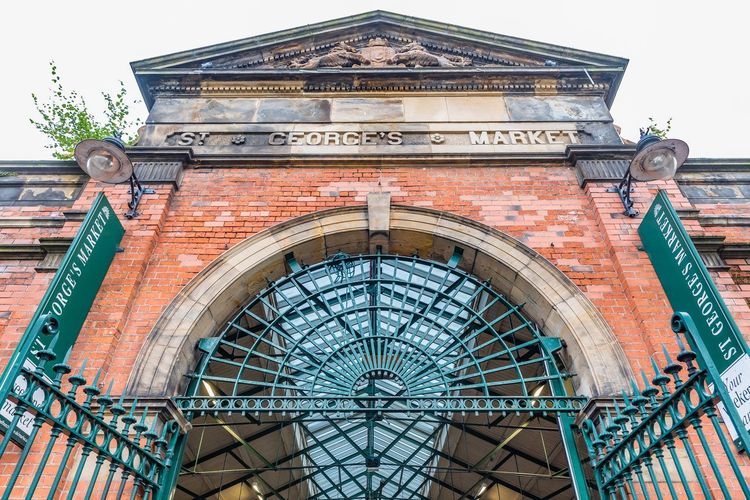
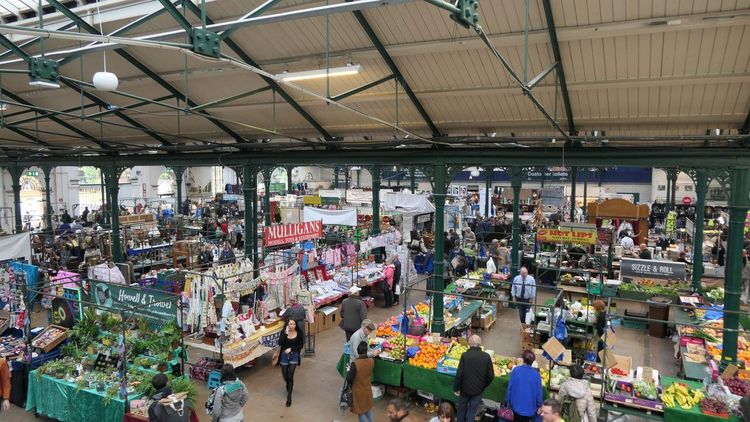
The last great Victorian covered market still operating in Belfast, St George's Market (12-20 East Bridge Street, Belfast BT1 3NQ, rated 4.6/5 on Google across 13,903 reviews) occupies an 1896 metal hall just beside the River Lagan. Three distinct atmospheres play out depending on the day: Friday hosts a mixed antiques-food-fresh fish market, Saturday blends farm produce, crafts, and live music, and Sunday morning becomes the city's foodie gathering, with fresh oysters, homemade curries, and local cheeses to enjoy on the spot beneath the glass roof.
The market survived several waves of demolition in the 1990s thanks to a citizens' mobilisation, and today serves as a showcase for Northern Irish food: local black pudding, warm soda bread fresh from the oven, County Antrim beef sold directly by the farmers who raised it. It has also been voted best market in the United Kingdom on several occasions by professional juries — a title few French visitors know about before they walk through the door.
You'll also find stalls selling second-hand vinyl, handmade jewellery crafted on site, and a traditional music group with guitar or accordion at almost every turn in the aisle. Plan to arrive at opening time, around 9am, to beat the Saturday lunchtime crowd and leave with the best picks from the charcuterie stalls, which often sell out by 1pm. Bring cash: some small producers still refuse card payments, even in 2026.
4. The Peace Walls, Murals, and Black Taxi Tour
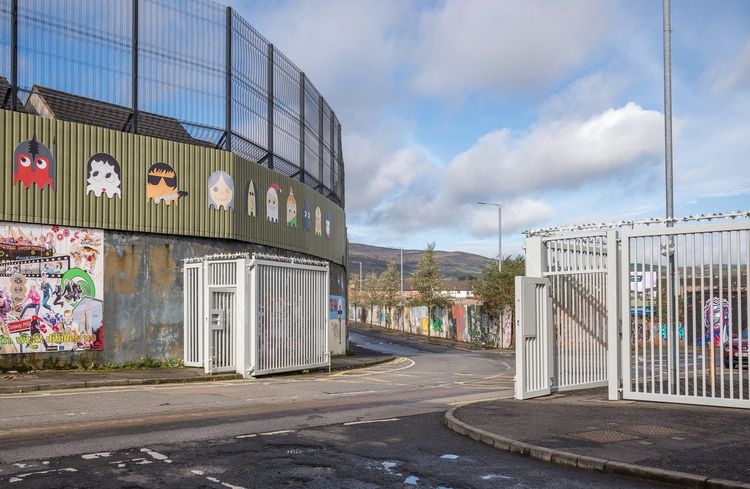
No honest list of things to see in Belfast could ignore the decades of conflict known as the Troubles, which pitted Protestant unionists against Catholic republicans from 1968 to 1998, claiming more than 3,500 lives across Northern Ireland. This history remains physically inscribed in the city, particularly along Falls Road (predominantly Catholic) and Shankill Road (predominantly Protestant), two neighbouring districts separated by Peace Walls — brick and mesh separation barriers that in some places reach eight metres in height.
These walls, intended to be temporary when they were built in the 1970s, are today covered in messages of peace left by visitors from around the world, with felt-tip pens available at certain access points on the Cupar Way side. Ironically, more separation walls exist today than at the time of the Good Friday Agreement in 1998, with several neighbourhoods having requested their retention for reasons of peace and quiet rather than open tension. Several gates installed in these walls still close at night — a detail that always strikes visitors who explore the area in the early evening.
The murals lining both districts tell local history in large-format images: portraits of victims, political figures, tributes to Bobby Sands on Falls Road, loyalist symbols and effigies of Queen Elizabeth II on Shankill Road. Some date from the 1980s; others have been repainted recently to address more contemporary issues such as Brexit or current social struggles, proof that these walls remain living surfaces for expression rather than mere frozen relics.
The Black Taxi Tour remains the most popular way to approach this area: local drivers, often direct witnesses to that period themselves, take their traditional black cabs along the main walls and murals for around 90 minutes, commenting on each stop with a perspective that few standard tourist guides can match. Book for late morning if you can: the raking afternoon light is ideal for photographing the murals, and drivers tend to have more availability then than in the evening. Expect to pay between £10 and £15 per person for a shared tour, more for a private one — a reasonable price given the historical density of the route.
5. The Ulster Museum
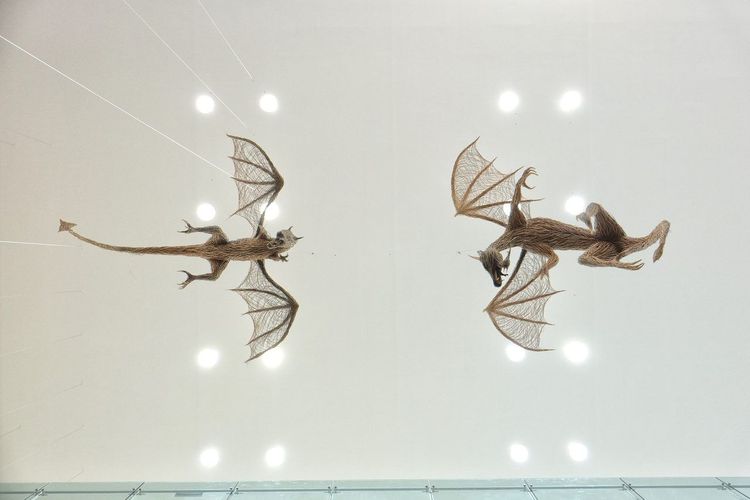
Located at the entrance to the botanic gardens, the Ulster Museum (Botanic Gardens, Belfast BT9 5AB, rated 4.7/5 on Google across 5,810 reviews) covers three disciplines under one roof: art, history, and natural sciences. Its defining feature is above all its price: admission is free, a clear differentiator from the paid museums in the city centre, making it an easy stop to fit into any travel budget, from large families to solo backpackers.
The Egyptian mummy Takabuti, on display for over 150 years and dating to around 660 BCE, remains the museum's most photographed piece, but the collection of treasures recovered from the Spanish wreck of the Girona — sunk off the Antrim coast in 1588 during the Spanish Armada disaster — is equally worth the detour: gold jewellery, coins, and personal effects brought up from the seabed by divers in the 1960s.
The floor dedicated to natural history features dinosaur skeletons and an entire section on the geology that shaped the Giant's Causeway — useful to visit before the excursion if you plan to go later in your trip, as the explanatory panels here are far more detailed than those on site. The modern art gallery, often overlooked by visitors in a hurry, presents works by 20th-century Irish painters rarely exhibited elsewhere in Europe. An entire gallery dedicated to the Troubles and the post-conflict period usefully complements what the Black Taxi Tour covers, with objects and filmed testimonies.
Allow an hour and a half for a full visit, longer if you're travelling with children curious about dinosaurs or mummies. The reception desk offers free educational backpacks for families at the weekend, a practical option for keeping younger visitors engaged between galleries.
6. Belfast Botanic Gardens
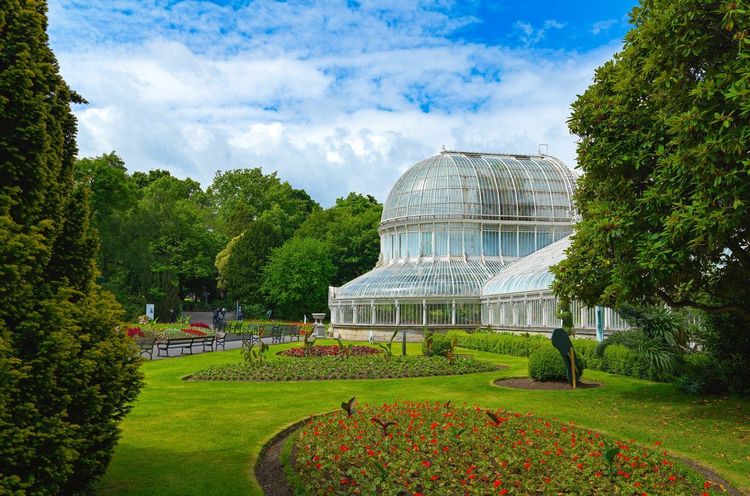
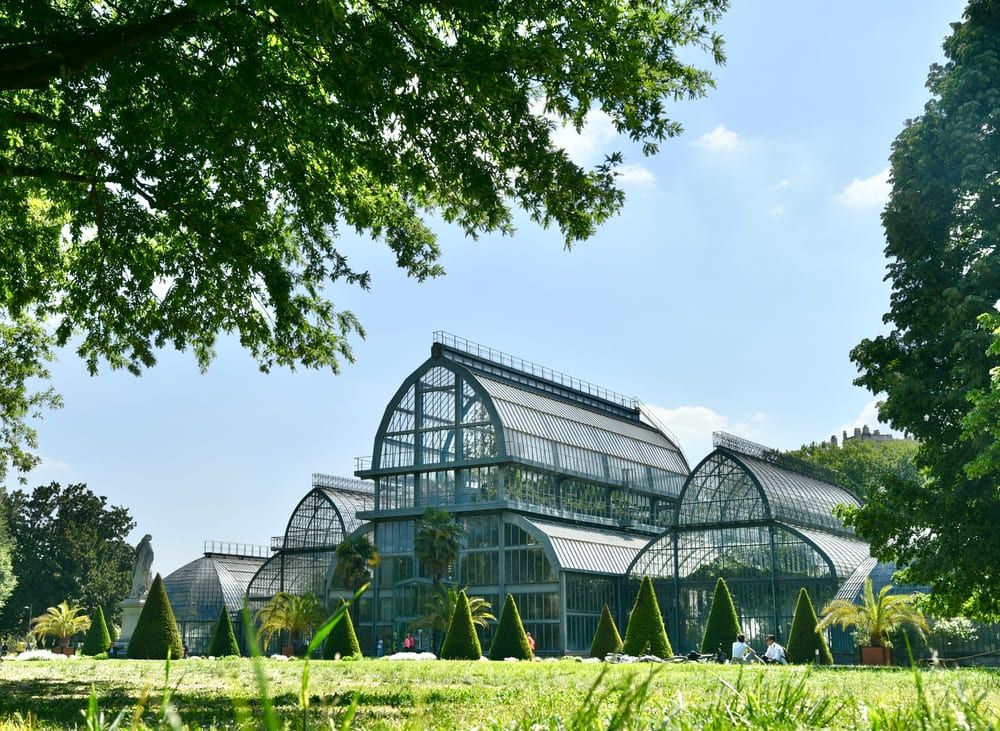
Two minutes' walk from the Ulster Museum, the Botanic Gardens offer a green pause in the heart of the student Queen's Quarter. The centrepiece is the Palm House, a Victorian cast-iron and glass glasshouse completed in 1840, considered one of the very first curvilinear glasshouses in the world, predating even the Palm House at Kew Gardens in London by several years.
Entry to the glasshouse is free and allows you to observe tropical plants and orchids beneath delicate, almost translucent architecture in the evening's raking sunlight. Don't leave without visiting the Tropical Ravine, the lower glasshouse reopened after a lengthy restoration: a wooden walkway overlooks a ravine planted with tree ferns and banana trees, in a humidity that contrasts sharply with the drizzle outside. The visit takes ten minutes and remains one of the few Victorian structures of this type still visible in Europe.
The park itself, animated year-round by students from the nearby Queen's University, is perfect for a picnic between museum visits, especially on fine days when the lawns fill with blankets and frisbees. Extend your walk by a few minutes to the main Queen's University building — a red-brick neo-Tudor facade dating from 1849 and one of the most photographed university buildings in Ireland.
7. Belfast Castle and Cave Hill
On the slopes of Cave Hill, Belfast Castle (Belfast Castle, Antrim Road, Belfast BT15 5GR, rated 4.5/5 on Google across 6,979 reviews) has looked down over the city and Belfast Lough since 1870. Built in a Scottish baronial style for the Donegall family, it now offers free entry to its gardens and ground floor, which has been converted into a tearoom and exhibition space — often reserved for weddings at weekends.
Local legend has it that nine sculpted cats are hidden throughout the castle's architecture and gardens, and that finding the last one brings good luck. Families enjoy the hunt while adults take in the view, which stretches on clear days as far as the Scottish coast, more than 30 kilometres away as the crow flies.
Behind the castle, Cave Hill Country Park unfolds several hiking trails up to the summit of Napoleon's Nose, a rock formation whose profile is said to have inspired Jonathan Swift — then a resident of the area — to create the sleeping giant in his Gulliver's Travels, published in 1726. The full loop takes around two hours of moderate walking, with closed shoes recommended, and enough elevation gain to work up a sweat even for reasonably fit visitors.
At the summit, the ruins of McArt's Fort, an ancient Celtic fortification, offer the best viewpoint of the outing: the entire Belfast Bay spreads out below, shipyard cranes included — a panorama that sums up in a single glance the contrast between nature and industry that defines this city.
8. Crumlin Road Gaol
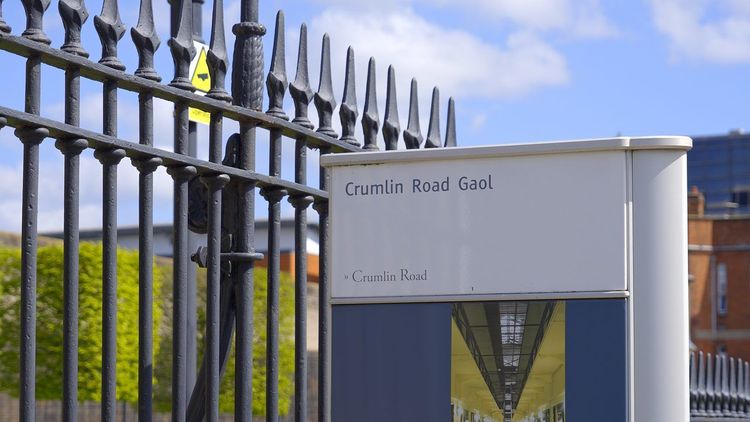
Opened in 1846 and closed in 1996, Crumlin Road Gaol (53-55 Crumlin Road, Belfast BT14 6ST, rated 4.6/5 on Google across 6,801 reviews) housed generations of inmates — from political prisoners to major figures of the Northern Irish conflict, as well as ordinary criminal offenders. An underground tunnel once connected the prison to the courthouse next door, used by defendants to avoid crossing the street under the jeers of the crowd.
The guided tour, around 70 minutes long, passes through the star-shaped cell wings, the exercise yard, and the execution chamber, where 17 hangings took place between 1854 and 1961 — the last marking the end of capital punishment in Northern Ireland. It is one of the most immersive experiences in the city, far removed from conventional museums: you literally descend into Belfast's carceral underworld, with its sweating walls and original iron doors that still creak.
Ghost-themed night tours round out the offer for visitors seeking a more intense experience, generally on Friday evenings, with torches provided and anecdotes about the paranormal occurrences reported by staff. Book in advance: weekend slots sell out several days ahead during the summer, particularly around Halloween when demand surges.
9. Day Trip to the Giant's Causeway
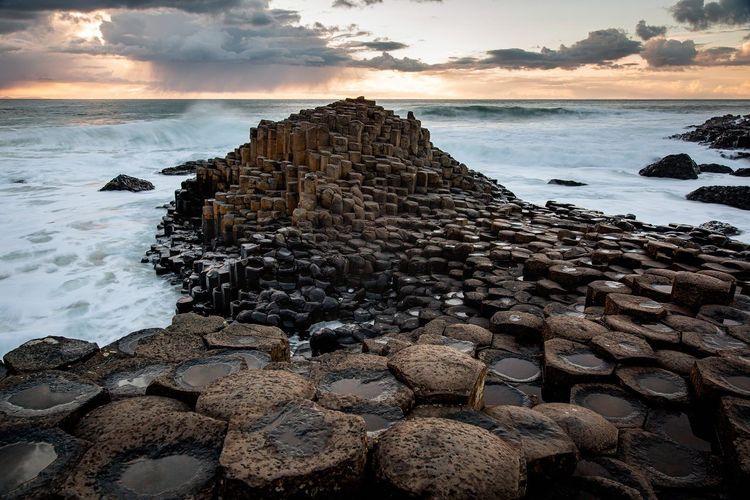
About 90 minutes' drive from Belfast, on the Antrim coast, the Giant's Causeway (Giant's Causeway, Causeway Road, Bushmills BT57 8SU, rated 4.7/5 on Google across 29,116 reviews) remains Northern Ireland's most requested excursion, and the region's only UNESCO World Heritage Site since 1986. Around 40,000 hexagonal basalt columns, formed some 60 million years ago by rapid volcanic cooling, interlock at the water's edge like a natural geometric pavement.
Local legend attributes this landscape to the giant Finn McCool, who is said to have built this causeway to confront his Scottish rival Benandonner — a story that local guides delight in telling to children and adults alike. One important budget note: walking to the columns is free. It is the National Trust's Visitor Experience ticket, around £16 per adult, that gives access to reserved parking, the visitor centre exhibition, guided tours, and an audio guide available in eleven languages.
Visitors from Belfast have two main options: a rental car, which allows stops along the Causeway Coastal Route at the Carrick-a-Rede rope bridge or the ruins of Dunluce Castle, perched spectacularly on the edge of a cliff, or an organised day-trip coach tour, simpler if you're not comfortable driving on the left. Allow a full day to enjoy the journey without rushing, and check the weather forecast before setting off: the wind is strong even on clear days, to the point that some coastal paths close temporarily during storms.
A few minutes away, the Bushmills distillery, founded in 1608, claims the title of the world's oldest licensed whiskey distillery and offers tours with tastings — an easy stop to combine with the Giant's Causeway in the same day for spirits enthusiasts.
10. Cathedral Quarter: Pubs, Live Music, and Nightlife
Named after St Anne's Cathedral on its edge, the Cathedral Quarter has concentrated Belfast's cultural and nightlife scene for the past twenty years: cobbled streets, independent art galleries, cocktail bars, and above all traditional pubs where live music starts early in the evening — sometimes as early as 6pm on weekdays.
Kelly's Cellars (30-32 Bank Street, Belfast BT1 1HL, rated 4.7/5 on Google across 6,059 reviews), open since 1720, claims the title of Belfast's oldest pub and hosts traditional music sessions almost every evening — fiddle and bodhrán included — in a low-ceilinged room that has remained virtually unchanged for two centuries. The Duke of York, tucked away in a cobbled alley a few steps away and decorated with old enamel advertisements, and the John Hewitt, run by a local charity that donates its profits to social welfare organisations, complete a triangle of unmissable bars for anyone who wants to hear Irish music without tourist artifice.
Ten minutes' walk away on Great Victoria Street, the Crown Liquor Saloon is worth a detour in its own right: this Victorian pub with its closed wooden snugs, stained glass, and painted ceramic tiles belongs to the National Trust — an almost unique case for a drinking establishment still in operation.
A well-made Irish coffee — hot coffee, Irish whiskey, and fresh unwhipped cream poured last — is easily enjoyed after 10pm, when the bands begin to build in intensity and the regulars take their places at the bar. The quarter also comes alive during the day, with a street art market on the first Saturday of the month and the Cathedral Quarter Arts Festival each May, which transforms inner courtyards into impromptu stages for nearly ten days.
Bring cash in small denominations for rounds at the bar: some historic pubs have still not rolled out contactless payment, a quirk that often surprises travellers used to terminals being the norm on the Continent.
11. Hidden Gems: More Things to Do in Belfast
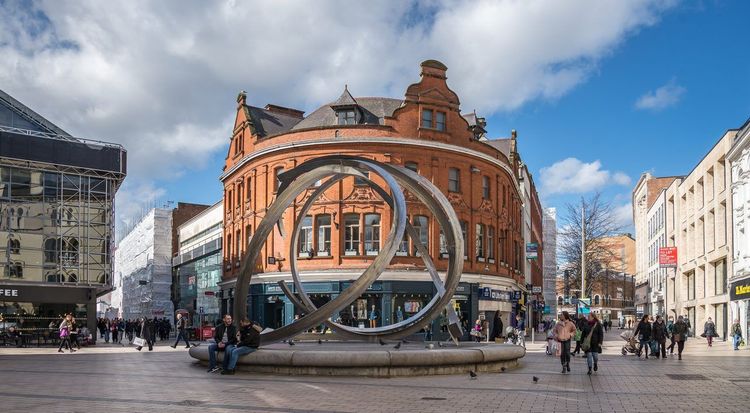
Beyond the ten attractions already listed, three avenues deserve deeper exploration for those staying more than two days or returning for a second visit.
The Titanic Quarter Off the Beaten Path: SS Nomadic and Thompson Dry Dock
Moored in Hamilton Dock steps from Titanic Belfast, the SS Nomadic is the last White Star Line vessel still afloat in the world. This small tender transported first- and second-class passengers from the port of Cherbourg out to the Titanic, which was anchored too far from the quays to dock directly. Restored and reopened to the public in 2013 after nearly ending up as scrap, it can be visited in about 45 minutes and access is included in the ticket for the main museum next door — no reason to skip it.
A few hundred metres away, Thompson Dry Dock and Pump-House preserves the dry dock where the Titanic received its final fitting-out work before its maiden voyage. The dock, enormous and empty, can be visited freely and for free, while the adjacent pump-house offers a small technical exhibition on the workings of the pumps that could drain tens of millions of litres of water in just a few hours. A spectacular place, often ignored by visitors rushing straight to the main museum without looking up at this feat of Victorian engineering.
In the Footsteps of Game of Thrones
Belfast served as the show's home base for ten years: the majority of interior scenes were filmed at Titanic Studios, housed in the former paint shops of the Harland & Wolff yards, steps from Titanic Belfast. The studios themselves are not open to visitors, but the Game of Thrones Studio Tour, open at Banbridge about forty minutes' drive south, displays original sets, costumes, and props across a considerable floor space. Allow half a day for the round trip from the city centre.
In the city, six contemporary stained-glass windows form the Glass of Thrones trail, each dedicated to a house or a season, from the banks of the Lagan to the Titanic Quarter: a free one-hour walk that also reveals the redeveloped docklands. And on the road to the Giant's Causeway, the Dark Hedges — that avenue of intertwined beech trees that became the Kingsroad on screen — and the small harbour of Ballintoy, transformed into the Iron Islands, fit seamlessly into a day trip along the Antrim coast.
Green Spaces and Relaxation: Ormeau Park and Victoria Park
Along the River Lagan, Ormeau Park is Belfast's largest municipal park, opened in 1871 on former farmland purchased by the city. Its wide lawns, duck-filled ponds, and sports pitches make it the favourite green lung of south Belfast residents, far from the classic tourist trails but accessible in about fifteen minutes by bus from Donegall Square. Tennis courts, a playground, tree-lined paths: this is where Belfast comes to run on Sunday mornings, and the park regularly hosts outdoor concerts and fun runs from the first fine days of the year.
Further east, near George Best Belfast City Airport, Victoria Park (Sydenham Road, Belfast BT3 9JA, rated 4.6/5 on Google across 2,231 reviews) hides a lagoon where swans and wading birds regularly nest — a striking contrast with the nearby runways and the occasional rumble of small planes taking off. Few guides mention it, making it a discreet retreat for birdwatchers or simply for escaping the city-centre crowds on a fine afternoon.
Practical Itinerary: Visiting Belfast in 2 or 3 Days
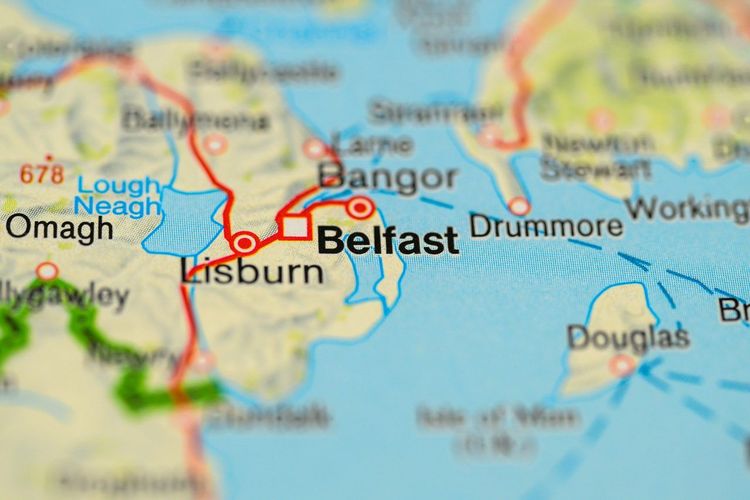
To organise these eleven attractions and hidden gems without spending the whole day rushing, here is how to sequence them geographically rather than in the order of this article.
Day 1: Historic City Centre and Titanic Quarter
Start with City Hall and Donegall Square early in the morning, before the cruise-ship groups arrive. Then head to the Titanic Quarter, fifteen minutes on foot or three stops by Glider bus along the river: Titanic Belfast fills the morning through to lunch, while the SS Nomadic and Thompson Dry Dock occupy the afternoon for visitors who want to dig deeper into the maritime history. If your visit falls on a Friday, Saturday, or Sunday, end the day at St George's Market for a casual dinner among the local stalls — a convivial way to close a full first day.
Day 2: Queen's Quarter, Cathedral Quarter, and Peace Walls
The morning is devoted to the Queen's Quarter: Ulster Museum then Botanic Gardens and the Palm House, less than ten minutes' walk from each other, with the option to have lunch at one of the many student cafés lining University Road. Book the Black Taxi Tour for early afternoon to travel along Falls Road, Shankill Road, and the Peace Walls with a local driver, before heading back towards the city centre in the late afternoon. The evening belongs to the Cathedral Quarter: a pub crawl starting at Kelly's Cellars, with live music as a soundtrack well into the night.
Day 3 (Optional): Speciality Coffee and a Day Excursion
If your stay extends beyond two days, set aside a full day for the Giant's Causeway and the Causeway Coastal Route, by car or via an organised tour departing from the city centre, with a possible stop at Bushmills distillery late in the morning. Travellers who prefer to stay in the city can instead combine Belfast Castle, a morning hike on Cave Hill while the light is still soft, and Crumlin Road Gaol in the afternoon — a lesser-known combination but equally rich in local history and panoramic views.
Start the day with a proper coffee: in just a few years, Belfast has built a speciality roasting scene recognised well beyond Northern Ireland, centred on addresses such as Established Coffee on Hill Street in the heart of the Cathedral Quarter, or Root & Branch, a local roaster whose beans turn up in a good portion of the city's cafés. Hopping between three or four speciality spots on foot, from the centre down to the Queen's Quarter, fills a morning easily and makes for a welcome, more relaxed alternative to museums on a slower third day.
How to Get to Belfast and Get Around
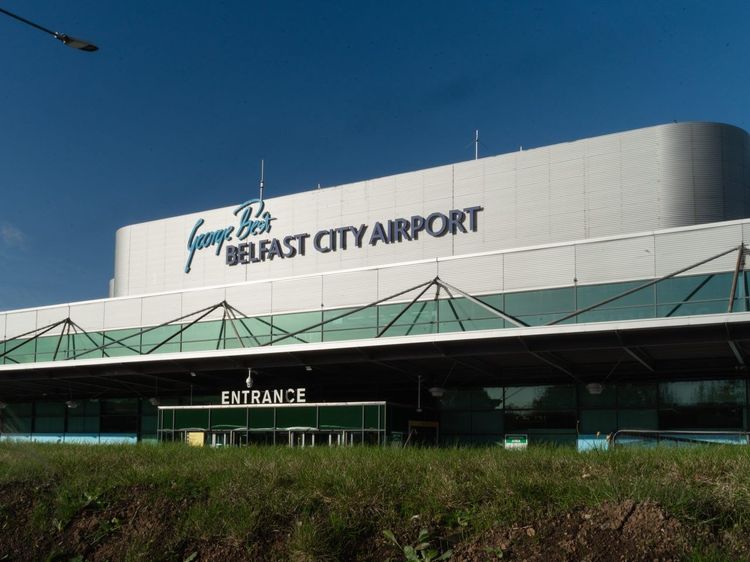
Two airports serve the city from France and continental Europe. Belfast International Airport (BFS), about 30 km to the north-west, handles the majority of charter and low-cost flights from the Continent; an Airport Express bus connects the city centre in around 45 minutes, with departures every fifteen minutes during the day. George Best Belfast City Airport (Donegall Square, Belfast BT1 5GS, rated 4.7/5 on Google across 2,809 reviews) (BHD), only fifteen minutes from the centre by taxi or train, mainly serves routes within the United Kingdom and a few European cities — a practical choice for those already transiting through London.
From Scotland, the Stena Line ferry connects Cairnryan to Belfast port in around 2h15 — a practical option if you're combining the trip with a Scottish road trip or travelling with a vehicle. From Dublin, the Enterprise train takes about two hours to reach Belfast, with several daily departures and more than enough comfort to work or read along the way; the bus (Aircoach or Translink) is slightly cheaper for a comparable journey time, an option often preferred by budget travellers.
Worth knowing before you arrive: long-distance trains and coaches now converge on Belfast Grand Central Station, opened west of the city centre and replacing the former Great Victoria Street station and the Europa Buscentre. This is where you will alight arriving from Dublin, about fifteen minutes' walk from Donegall Square.
Once there, the city centre is entirely walkable: most of the attractions listed above are less than 25 minutes' walk from one another — an advantage few European capitals offer at this scale. For the Titanic Quarter or Cave Hill, the Glider bus and Translink Metro lines cover the main network at an affordable daily rate, around £4.50 for an unlimited day pass. Shared black taxis, a legacy of the era when buses could no longer safely operate in certain neighbourhoods during the Troubles, also remain an economical way of getting to Falls Road and Shankill Road outside the organised tours.
Download your offline maps before you set off — a reflex the Ryo team always recommends whenever you stray from reliable 4G coverage, which happens quickly along the Causeway Coastal Route where the signal becomes patchy between hills.
Where to Stay in Belfast: the Best Neighbourhoods
The choice of neighbourhood depends mainly on the pace of stay you're looking for and your travel profile.
City Centre and Cathedral Quarter
For a first visit or an urge to go out in the evenings, the city centre and Cathedral Quarter bring together the majority of well-rated hotels, within walking distance of City Hall, St George's Market, and the live music pubs. Business travellers and groups of friends find the best balance between comfort and nightlife here, with both international chain hotels and characterful addresses housed in converted industrial buildings — former linen warehouses or Victorian banks turned into boutique stays.
Three addresses illustrate the price range well: the Grand Central Hotel, whose rooftop panoramic bar on the top floor offers one of the finest views in the city; the Merchant Hotel, a five-star property in the former Victorian headquarters of Ulster Bank in the heart of the Cathedral Quarter; and the Bullitt, more affordable, which leans on compact rooms and a young clientele. Rates climb sharply on concert weekends at the SSE Arena or international matches at Windsor Park — book early if your dates coincide.
Titanic Quarter and Queen's Quarter
The Titanic Quarter, newer and quieter in the evenings, suits travellers who have come primarily for the museum and the maritime attractions, with several design hotels built dockside offering a direct view of the Samson and Goliath cranes. The Titanic Hotel Belfast even occupies the former Harland & Wolff drawing offices — the very rooms where the liner's plans were drawn up — with the original drawing room converted into a bar: staying in the original building remains the most memorable experience the quarter has to offer.
The Queen's Quarter, animated by the student life of Queen's University, offers good value for money and a more local atmosphere, with guesthouses in red-brick Victorian terraces along Botanic Avenue and Malone Road, ten minutes' walk from the Ulster Museum. Families and light sleepers gain in tranquillity what they give up in immediate proximity to the pubs, while remaining just one bus ride from the centre.
Budget, Weather, and Tips for Visiting Belfast
One essential point to clarify first: although Belfast is located on the island of Ireland, the city belongs to the United Kingdom and uses the pound sterling (GBP), not the euro — a frequent source of confusion for travellers arriving from the neighbouring Republic of Ireland. Plan to change a little cash or check your bank card's foreign transaction fees before you leave, particularly for the smaller vendors at St George's Market who do not all accept contactless payment.
Belfast's oceanic climate remains mild but changeable throughout the year, with frequent showers even in summer and temperatures that rarely exceed 20 degrees at the height of the season. The period from May to September offers the longest days — up to 17 hours of daylight in June — and the mildest temperatures, an appreciable advantage for the Giant's Causeway excursion and the Cave Hill hike. Bring a waterproof jacket regardless of the season: a blue sky in the morning guarantees nothing for the afternoon, and the people of Belfast themselves cheerfully joke about experiencing all four seasons in a single day.
Budget-wise, a frugal traveller can visit Belfast on around £60 to £80 per day including hostel accommodation, by prioritising free museums like the Ulster Museum and walks through the parks. A comfortable budget — mid-range hotel and a few restaurant meals included — works out closer to £120 to £150 per day. The Ryo team recommends always keeping a little cash in pound sterling on you, as some small vendors at St George's Market and certain historic pubs still don't reliably accept card payments.
Recent traveller reviews converge on one point: Belfast remains significantly cheaper than Dublin for a comparable level of comfort, making it an ideal stop for extending an Irish trip without blowing the overall travel budget.
FAQ
Is Belfast Worth Visiting?
Yes, absolutely. Belfast combines a unique industrial history centred on the Titanic, a well-preserved Victorian architectural heritage, a renowned nightlife in the Cathedral Quarter, and serves as a direct gateway to the Giant's Causeway. Its reputation as a mere stopover city has been largely left behind since the renovation of the Titanic Quarter in the early 2010s.
How Many Days Do You Need to Visit Belfast?
Two full days cover the essentials of the city centre, the Titanic Quarter, and the Queen's Quarter. A third day allows you to add a day trip to the Giant's Causeway or a more in-depth exploration of Cave Hill and Crumlin Road Gaol, without having to sacrifice another stage of your trip.
Belfast or Dublin: Which Should You Visit First?
It depends mostly on your travel style: Dublin offers more buzz and student life, while Belfast is more affordable and packs in more 20th-century history. The Enterprise train connecting the two cities in two hours makes it easy to combine both in a single trip without losing time on transfers.
Can You Visit Belfast in 1 Day?
Yes, if you prioritise: Titanic Belfast in the morning, City Hall and a quick lunch in the city centre, then a 90-minute Black Taxi Tour in the afternoon to cover the essentials of the Troubles. This format is packed but achievable for a cruise stopover or a layover between flights.
Are There French-Language Guided Tours in Belfast?
The offer is limited but does exist: some Titanic Belfast audio guides are available in French, and several local agencies organise Black Taxi Tours with a French-speaking driver upon prior booking. It is advisable to book these slots at least a week in advance, as demand regularly exceeds availability during high season.
What Is the Best Neighbourhood to Stay in Belfast?
The city centre and Cathedral Quarter suit most visitors thanks to their proximity to the main attractions and the nightlife. The Queen's Quarter remains a quieter and often cheaper alternative, particularly well-suited to families or travellers seeking peace and quiet in the evenings.
How Do You Get to the Giant's Causeway from Belfast?
Three main options: a rental car for about 1h30 of driving with free stops along the Causeway Coastal Route, an organised day-trip coach tour departing from the city centre, or a combination of train to Coleraine or Portrush then a local bus — longer but significantly cheaper for travellers on a tight budget.
So, What Should You Prioritise in Belfast?
Belfast is far from a mere stopover between Dublin and Scotland: the city stands on its own, between its unapologetic industrial past, its painted walls that refuse to forget, and a nightlife that holds its own against its Irish neighbours. If you only have two days, keep the trio of Titanic Belfast, Black Taxi Tour, and Cathedral Quarter, and add the Giant's Causeway as soon as a third day opens up. Until Belfast joins the catalogue of Ryo audio-guided tours, this guide gives you everything you need to fill two or three days without a dull moment, between maritime history, university districts, and volcanic cliffs less than two hours' drive away.
Whether you come for the Titanic, for the pubs of the Cathedral Quarter, or to tick the Giant's Causeway off your travel list, the city reveals itself on foot, almost always under a shifting sky, and almost always with a warmth of welcome that exceeds what its reputation might lead you to expect before you've actually set foot there.
À lire également