© Shutterstock
 Votre guide Ryo
Things to Do in Cork: 15 Must-Sees and Day Trips in 2026
It's raining in Cork on a perfectly ordinary spring Tuesday, yet the terraces on Oliver Plunkett Street are packed — nobody here waits for the sun to go outside. What is there to do in Cork in a day, over a weekend, or across three full days? Ireland's second city by size but first by energy according to its inhabitants, it is as intriguing as it is surprising, with its covered market two centuries old where fishmongers know their customers by name, its sloping laneways climbing towards a bell tower with four clocks that never quite agree, and its surroundings hiding a castle where you kiss a stone to gain the gift of eloquence.
The English Market has stood the test of time since 1788, St Fin Barre's Cathedral boasts three spires crowned with a golden angel, and the city's old Victorian prison is now visited in the company of wax figures rather than uniformed guards. Ryo, whose app is preparing new audio-guided tours of Ireland, will soon be accompanying walks between the covered market and the hillside neighbourhoods. In the meantime, here is everything you need to plan a complete stay, in the city and across the county, from Blarney Castle to the port from which the Titanic sailed for the last time.
1. The English Market, Cork's Gourmet Heart
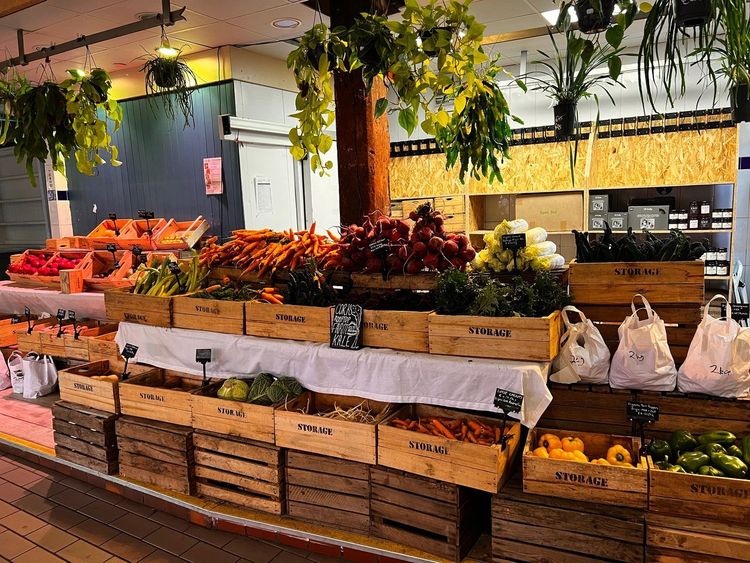
Founded in 1788 by the city council to organise the city's food trade, the English Market (Princes St, Cork T12 X212, rated 4.6/5 on Google from 11,538 reviews) still occupies its original building, rebuilt after a fire in 1980 but faithful to its cross-shaped plan covered by glass skylights. You enter via Princes Street or Grand Parade, and the market works like a city within a city, with its permanent stalls run by the same families for sometimes four generations.
The stalls tell the culinary identity of Cork better than any museum. At Kay O'Connell Fishmongers, the day's catch arrives directly from the nearby ports of Kinsale and Union Hall. Elsewhere, you'll find tripe and drisheen, a local speciality made from offal and pig's blood that few visitors dare to try, farmhouse cheeses from the county, and sourdough breads fresh from the oven. Queen Elizabeth II stopped here in May 2011 during her state visit to Ireland, a detail the traders still enjoy sharing with tourists who linger at their stalls.
To take your time observing market life without rushing, head upstairs to the Farmgate Café, whose balcony looks directly down over the aisles. You can order an Irish stew or a seafood platter while watching locals do their Saturday morning shopping — the busiest moment of the week.
In terms of planning, the market opens Monday to Saturday during the day and closes on Sundays, so there is no point placing it at the top of a Sunday itinerary. Saturday morning draws the largest local crowds; a Tuesday or Wednesday mid-morning offers quiet aisles instead, ideal for chatting with the traders. Bring some cash — a few of the older stalls still prefer it for small purchases.
2. The Shandon Neighbourhood and Its Iconic Bell Tower
On the north bank of the River Lee, the Shandon neighbourhood climbs steeply from the city centre, a legacy of the era when Cork prospered through the butter trade exported around the world. The cobbled laneways and colourful houses make it one of the most photogenic corners of the city, far from the bustle of Saint Patrick's Street.
At the top stands St Anne's Church, known locally for its Shandon Bells and Tower. The tower, built in 1722, has an amusing quirk: its four clock faces never show exactly the same time, earning it the nickname the "four faced liar". For a small entry fee, you can climb the narrow staircase and ring the bells yourself — a rare experience that few European cities still offer.
The neighbourhood is also home to the Butter Museum, dedicated to the history of Irish butter exports in the 19th century, and the Firkin Crane, a former market hall turned contemporary dance centre. Allow a good hour to stroll between the independent art galleries and cafés that have settled in this once working-class neighbourhood, now popular among the city's creatives.
3. St Fin Barre's Cathedral, a Gothic Gem
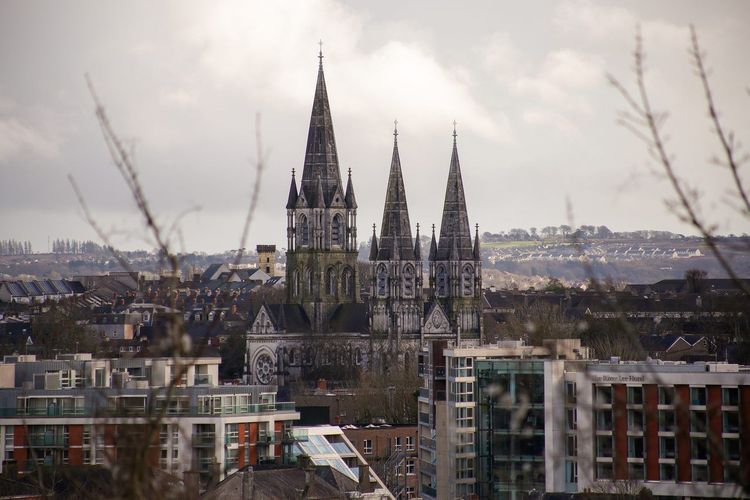
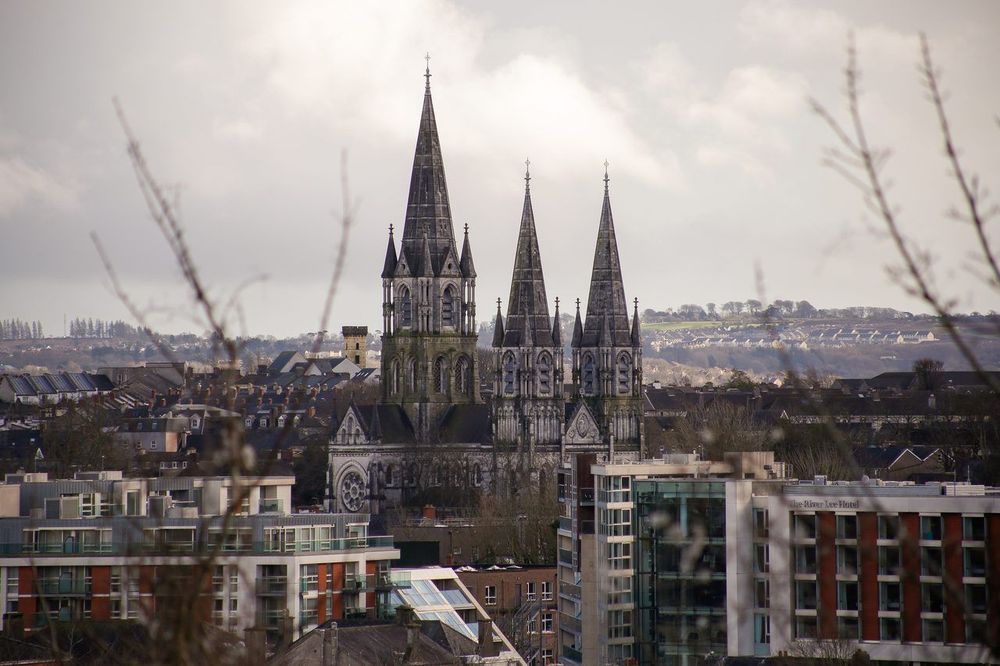
Built between 1863 and 1879 on the presumed site of a monastery founded in the 7th century by Saint Finbarr, patron of Cork, St Fin Barre's Cathedral is the work of English architect William Burges, a leading figure of the Victorian Gothic Revival. Its three soaring spires dominate the south of the city and form one of the most recognisable visual landmarks of the urban skyline.
The interior is as worth visiting as the facade: more than 1,200 sculptures adorn the walls and vaults, a mosaic pavement depicts biblical scenes, and a golden angel — originally designed as a weathervane — now watches over the building from the roof of the chancel. A cannonball lodged in a wall recalls the siege of Cork by the forces of William of Orange in 1690. Entry is paid but modest, and an audio guide in English explains the complex iconography of the stained-glass windows for those who wish to explore the visit in depth.
Five minutes' walk away, Elizabeth Fort rounds out this stop nicely: this 17th-century star-shaped fortress, long used as a barracks and then a police station, can be visited freely, and its rampart walk offers a free panorama over the cathedral spires and the city rooftops. The entire southern quarter, noticeably quieter than the shopping streets, is best explored in the late afternoon, when the limestone takes on a golden hue.
4. Cork City Gaol, the Former Victorian Prison
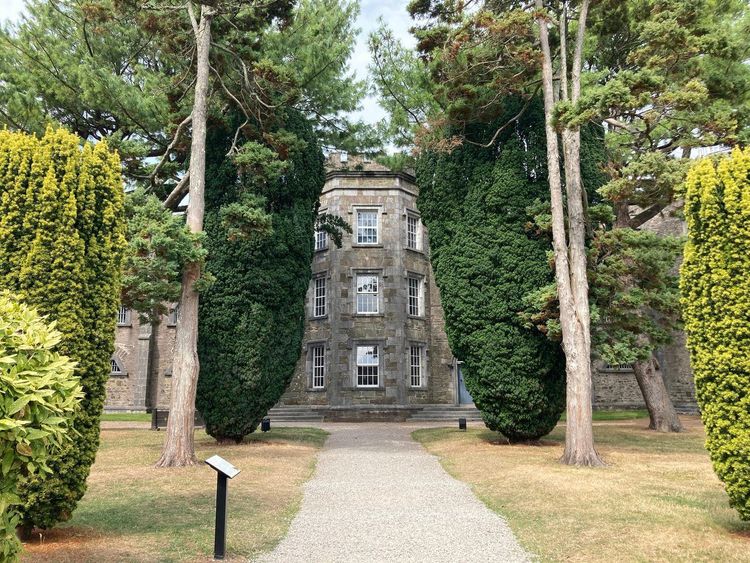
Built in 1824 in a style that evokes a castle more than a prison, Cork City Gaol (Sunday's Well Rd, Cork T23 W5WY, rated 4.6/5 on Google from 3,979 reviews) held inmates until 1923 before enjoying a second life as a radio station from 1927 onwards. This dual history is reflected in the visit today, organised in two distinct parts.
In the reconstructed cells, wax mannequins and soundscapes recreate the daily lives of prisoners — men and women kept separate, often convicted for simple acts of food theft during times of famine. The focus on individual stories gives the visit a more human dimension than a purely museum-like experience. On the upper floor, a small radio museum traces the history of 6CK, one of the first stations to broadcast from this building.
From the heights of the prison, the unobstructed view over the Lee valley and Cork's rooftops is alone worth the climb. Allow around an hour and a half for the full visit, and consider combining this stop with a walk along the river, ten minutes on foot from the city centre.
5. University College Cork, a Historic Campus
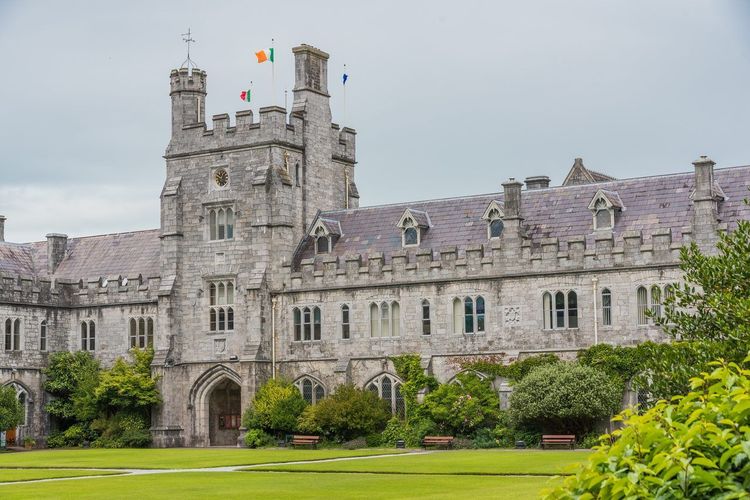
Founded in 1845 during the reign of Queen Victoria, University College Cork (College Rd, Cork T12 K8AF, rated 4.6/5 on Google from 1,038 reviews) occupies a Gothic campus whose central Quadrangle, with its stone arcades and immaculate lawns, ranks among the finest in Ireland. Entry is free and the campus can be explored independently — a rare thing for a site this well-maintained.
Two stops are essential: the Honan Chapel, a small neo-Romanesque chapel whose stained-glass windows are among the finest examples of early 20th-century Irish craftsmanship, and the collection of ogham stones displayed in the entrance hall, carved with a pre-Christian Celtic script rarely seen elsewhere. The Glucksman, a contemporary art museum built in wood and glass at the edge of the river, rounds out the visit for lovers of modern architecture.
Right next to the campus, Fitzgerald Park lines its flower beds along the Lee and houses the Cork Public Museum, which has free entry: two floors devoted to the history of the city, from the butter trade to the War of Independence, with a fine collection of local silverware and lace. The footbridge nicknamed "Shakey Bridge", restored a few years ago, links the park to the north bank and makes a pleasant shortcut towards Sunday's Well and the Victorian prison.
Allow around twenty minutes on foot from the city centre, or longer if you wander along the quays of the Lee that run alongside the campus.
6. Blackrock Castle and Its Observatory
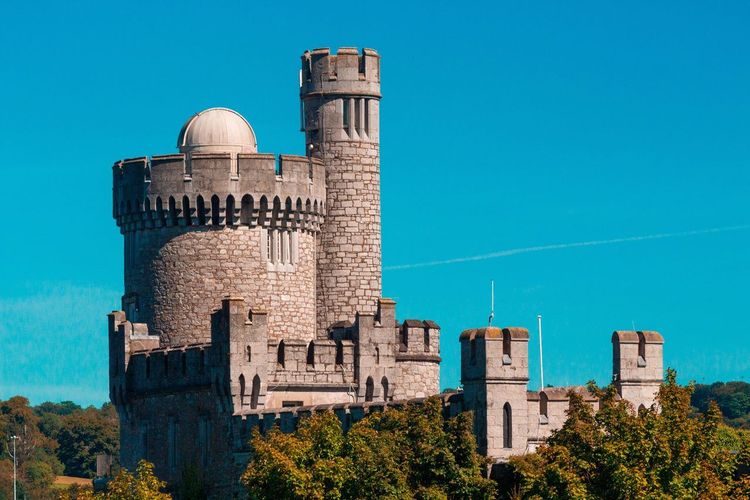
Three kilometres from the centre, on the riverside, Blackrock Castle stands on the site of a 16th-century fortification built to protect the harbour from maritime raids. The current building actually dates from 1829, rebuilt after a fire, and has housed an interactive astronomy centre since 2007, born from a partnership with the city's technological university.
The observatory offers family-friendly exhibitions on the history of the universe and major astronomical discoveries, with some observation instruments open to the public on certain evenings. The restaurant installed in the castle's former rooms, renowned for its seafood, offers a stunning view over the estuary at sunset — a moment particularly sought out by Cork's own residents.
The most enjoyable way to get there is on foot or by bike from the centre: the old railway line converted into a promenade follows the estuary for around three kilometres, past lawns, harbour sheds, and moored boats. Allow about forty minutes on foot each way, and consider taking the local bus back if a westerly wind picks up. Families will find a complete outing here: observatory in the morning, a picnic on the castle grounds, and an ice cream on the way back along the quay.
7. Saint Patrick's Street, the Main Shopping Thoroughfare
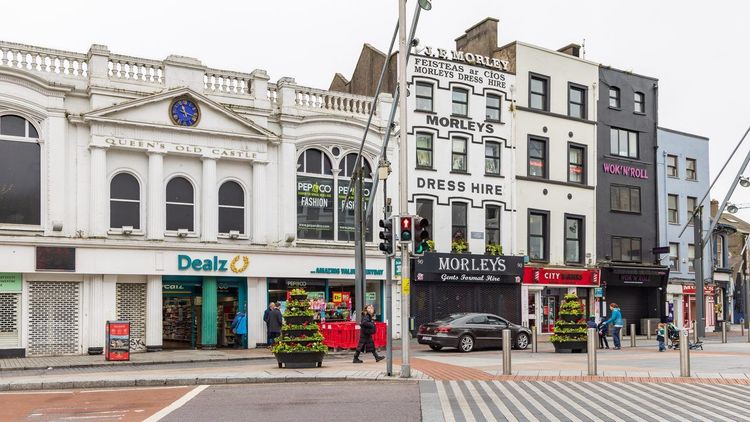
Saint Patrick's Street (St Patrick's St, Cork, rated 4.5/5 on Google from 196 reviews), which locals simply call Pana, follows the curved path of a former branch of the River Lee that was filled in during the 18th century — explaining its distinctive curve amid an otherwise fairly regular street plan. It is Cork's main shopping street, lined with major chains and independent boutiques.
At the centre of the street stands the statue of Father Mathew, a 19th-century Capuchin priest celebrated for his campaign against alcoholism, which has become an unmissable meeting point for locals. The street connects the English Market directly to Oliver Plunkett Street and Grand Parade, making it a natural throughway between several stops on this list rather than a destination in its own right.
Running parallel to Pana, Oliver Plunkett Street concentrates the pubs, speciality coffee shops, and much of the city centre's nightlife, while Grand Parade runs alongside Bishop Lucey Park and hosts farmers' markets on some Saturdays. A little further north, the Coal Quay area retains the memory of a former flea market and now gathers vintage clothing shops and independent record stores. These three streets overlap within a small area: there is no need to plan — you drift from one to the next without thinking about it.
8. The Crawford Art Gallery, for Art Lovers
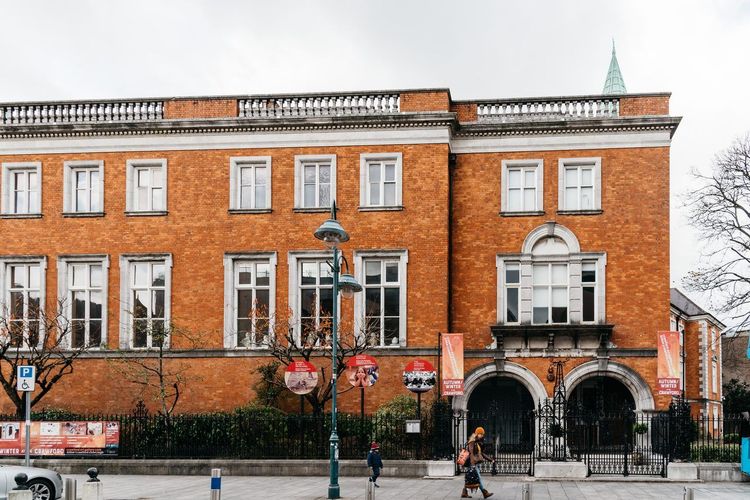
Housed in a former 18th-century customs building, the Crawford Art Gallery (Emmet Pl, Cork T12 TNE6, rated 4.5/5 on Google from 1,556 reviews) offers completely free entry, making it an obvious stop for anyone looking for a museum in Cork without stretching their budget. The permanent collection covers Irish art from the 18th to the 21st century, with an entire room devoted to plaster casts of ancient Vatican sculptures, which arrived in Cork in the early 19th century.
Temporary exhibitions, often devoted to contemporary Irish artists, change several times a year. The museum café, appreciated for its homemade pastries, makes a pleasant mid-visit break. Note that the building is undergoing a major phased renovation: check which rooms are accessible before visiting if you are coming for a specific work.
9. Marina Market, the Waterside Food Hall
Housed in a large converted warehouse on Centre Park Road, along the estuary, the Marina Market (Centre Park Rd, Cork T12 EVH1, rated 4.7/5 on Google from 4,949 reviews) has nothing in common with the English Market, despite the frequent confusion among hurried visitors. Here the atmosphere is resolutely contemporary and relaxed: street food counters, cocktail bars, and international stalls are spread across a large covered space, particularly lively at weekends and in the evenings.
Concerts and DJ sets are regularly organised here, turning the venue into a popular night-out spot for young Corkonians. It is also a practical option for dinner without a reservation after a long day of sightseeing, with a wide choice of cuisines ranging from Irish burgers to Asian bao. Good news for tight schedules: the hall opens every day from 8am to 8pm, making it a handy address for a late breakfast or a quick weekday lunch, when some of the counters operate at a slower pace.
10. Pubs, Local Beer, and Traditional Music
Cork boasts a traditional music scene as vibrant as Dublin's, without the tourist crowds that come with it. The pub Sin É on Coburg Street is the most frequently cited example: free Irish music sessions almost every evening, a neighbourhood bar atmosphere rather than a tourist trap, and a reputation that stretches well beyond the county's borders.
On the beer front, the city fiercely champions its local stouts, Murphy's and Beamish, brewed here since the 19th century and often preferred over Guinness by locals themselves. The Franciscan Well microbrewery, set on the site of a former Franciscan monastery, serves its own beers in a courtyard terrace at the back — one of the rare spots in the centre where you can drink outside even in the drizzle.
A short walk from Shandon, a statue pays tribute to Mother Jones, born Mary Harris in Cork in 1837 before emigrating to the United States, where she became one of the most influential figures of the American labour movement. A festival bearing her name is held every summer in the city of her birth. Ryo does not yet offer an audio-guided tour on site, but its Dublin audio walking tour gives a good sense of the format for those starting their trip in the capital.
11. Day Trips to Kinsale and Cobh (Titanic Experience)
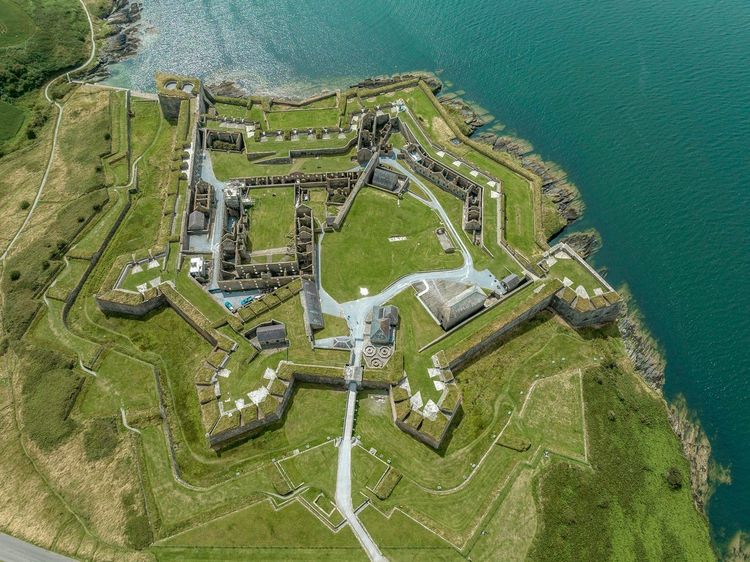
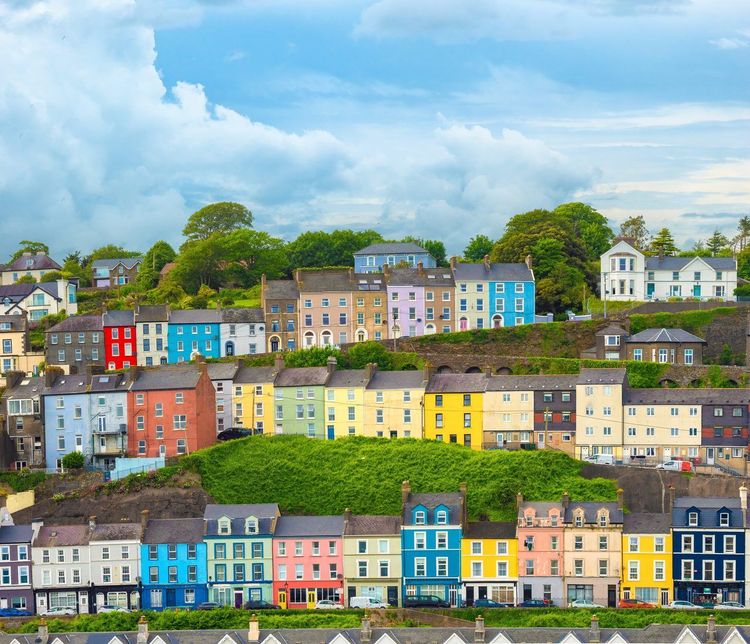
About thirty minutes' drive south of Cork, Kinsale lines its colourful houses around a marina and has earned a reputation as Ireland's gourmet capital, with a concentration of good restaurants rare for a town of its size. Overlooking the bay, the star-shaped fortress of Charles Fort, built in the late 17th century, can be visited in around an hour and offers one of the finest coastal viewpoints in the county.
To the east, Cobh (pronounced "cove") holds a special place in world maritime history: it was the Titanic's last port of call before its fatal crossing in April 1912, and the departure point for millions of Irish emigrants to America during the 19th century. The Titanic Experience Cobh (20 Casement Square, Cobh P24 TF97, rated 4.4/5 on Google from 5,808 reviews), housed in the former White Star Line offices, retraces that final embarkation through an immersive reconstruction and the authentic accounts of the passengers who boarded that day. The town itself, with its pastel-coloured terraced houses and the imposing neo-Gothic St Colman's Cathedral, is well worth a wander in its own right.
In Cobh, the climb up to St Colman's Cathedral rewards the effort: its carillon, one of the most impressive in Ireland, rings out above the pastel rooftops at regular intervals, and the famous row of colourful facades nicknamed the "Deck of Cards" is best photographed from the stepped streets just behind.
Both excursions can be combined in a single day if you have a car, or tackled separately by train for Cobh (around 25 minutes from Kent Station) and by bus for Kinsale. For a three-day stay, setting aside a full day for this duo is the most rewarding use of visiting time.
12. Blarney Castle and the Stone of Eloquence
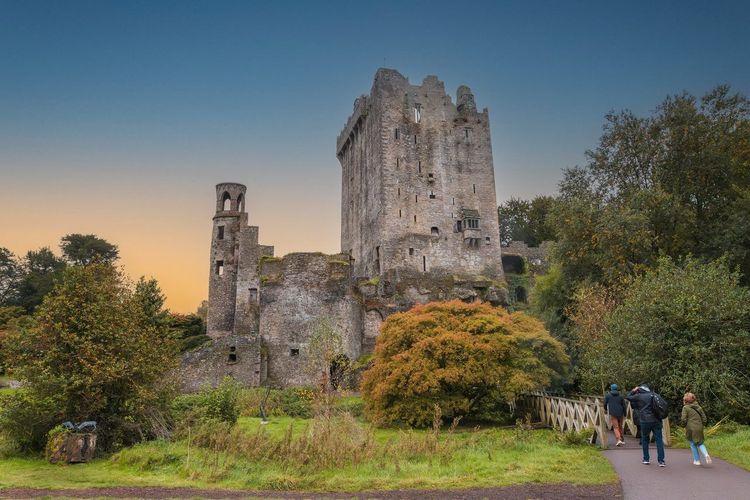
About twenty minutes north-west of Cork, Blarney Castle is without doubt the county's most internationally famous monument, more so than any attraction in the city centre. Built in 1446 by the MacCarthy lords of Muskerry, it owes its worldwide fame to the Blarney Stone, set high in the battlements, which generations of visitors kiss — lying on their backs, held at the waist — in the hope of gaining the gift of eloquence.
The legend varies from one account to the next, some attributing it to Queen Elizabeth I herself, irritated by the unfulfilled promises of a local lord whose name eventually came to describe clever but hollow speech. Beyond the stone, the grounds deserve a good half-day: the Rock Close gardens blend centuries-old trees with supposed druidic remains, while the Poison Garden, laid out at the foot of the keep, displays around a hundred carefully labelled toxic plants kept under protective coverings.
Expect a queue of over an hour in high season to kiss the stone itself, but the climb up the spiral staircase and the view from the top are worth the trip even without taking part in the ritual. The Blarney Woollen Mills shop, right opposite the entrance, rounds off the visit for lovers of Irish knitwear.
Without a car, a regular bus service connects the city centre to the village of Blarney in around thirty minutes, making it the easiest day trip to arrange in the county. Arrive at opening time, early in the morning: coaches from cruise ships docked at Cobh reach the site by midday and the queue in front of the stone grows considerably longer from then on.
13. The Jameson Distillery at Midleton
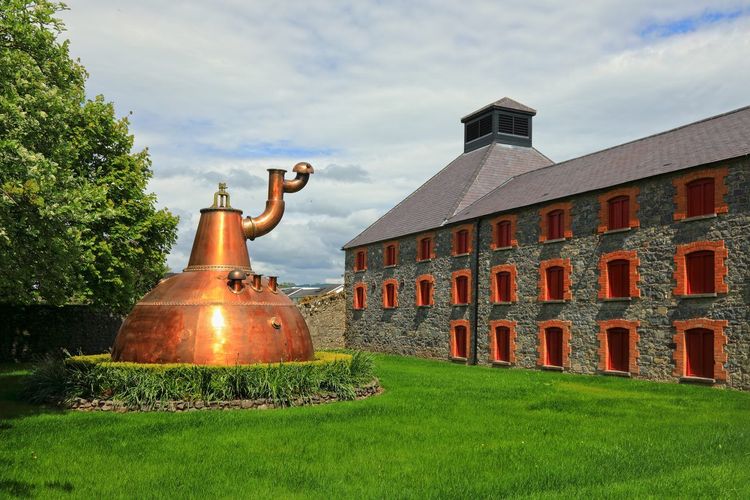
Half an hour's drive east of Cork, Midleton is home to the historic site where Jameson whiskey was distilled from 1825 to 1975, before production was moved to a modern facility nearby. The old complex is now open for guided tours retracing the stages of triple distillation, the technique characteristic of Irish whiskey, through to the impressive copper pot still — once the largest in the world — still visible in its entirety.
The visit ends with a comparative tasting of several Irish, Scottish, and American whiskeys, an enjoyable format appreciated even by non-connoisseurs. During the summer, it is best to book your time slot in advance, as visitor numbers have risen significantly at this site, now one of the most sought-after experiences in the county.
You can get there by bus from the city centre bus station or by train to Midleton, a few minutes' walk from the site — which neatly resolves the question of the tasting for the driver. The town itself deserves an hour's stroll, with its Saturday morning farmers' market and independent shops, before or after the guided tour.
14. How Long to Allow and When to Go to Cork
To visit Cork in 1 day, focus on the compact city centre: the English Market, Shandon, St Fin Barre's Cathedral, and Saint Patrick's Street can all be covered comfortably on foot in a well-filled day. To visit Cork in 3 days, add a day dedicated to Blarney Castle and the Midleton distillery, then another for the combined Kinsale–Cobh excursion, allowing you to cover the county's highlights at a relaxed pace.
In terms of weather, the city benefits from a temperate oceanic climate but a particularly wet one, with showers possible in any season. From May to September, the days lengthen noticeably and the evening light holds until 9pm in June, which makes a real difference for coastal day trips; winter remains mild but very windy, with reduced opening hours at several sites across the county. For those wondering what to do in Cork when it rains, lean on indoor sites: the English Market stays covered, the Crawford Art Gallery, Cork Public Museum, and Cork City Gaol offer several hours of sheltered visiting, and the University College Cork campus allows a long walk under its stone arcades.
Budget is not an obstacle either. For a free or near-free day, string together the Crawford Art Gallery, the university campus and its chapel, Cork Public Museum in Fitzgerald Park, the aisles of the English Market, and the panorama from Elizabeth Fort — enough to fill a full day without a single entry ticket, paying only for coffee. Traditional music sessions in the city-centre pubs are also free to attend, with a drink serving as your contribution.
15. Practical Information: Getting There, Getting Around, and Where to Stay
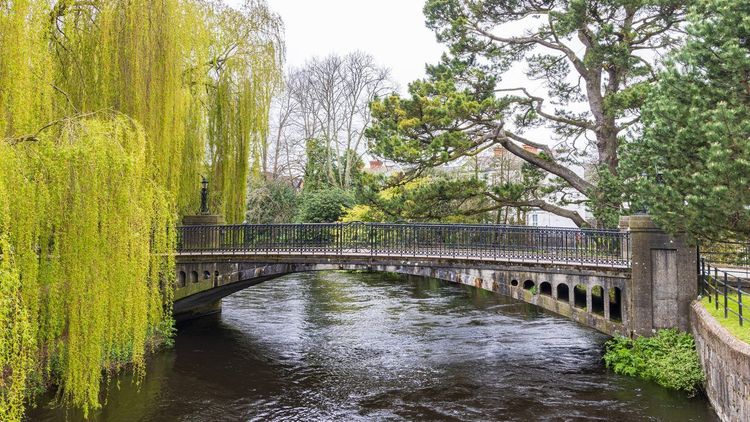
Located in the province of Munster, in the south-west of Ireland, the city extends along the River Lee, which splits into two channels at its heart before reaching the Atlantic Ocean via a long estuary. On a map, the historic centre occupies a river island, which explains the distinctive shape of its main streets. It is the county town of County Cork, the largest in Ireland, which encompasses Kinsale, Cobh, Blarney, and Midleton within less than an hour's drive.
To arrive from France, two main options exist: by plane, with flights into Cork Airport, located around fifteen minutes from the city centre by taxi or bus, and by ferry, with a seasonal service linking Brittany to the port of Cork. From Dublin, the train connects the two cities in around two and a half hours — a comfortable option for those combining several stops in Ireland.
Many travellers approach the south of the country after a first stop in the capital: in that case, the Ryo's audio-guided tour of Dublin offered by Ryo makes it possible to cover Dublin in a well-organised day before heading south. Kent Station, on the east bank, serves Dublin, Cobh, and Midleton alike, and the nearby bus station covers the rest of the county.
Within the city, the historic centre can be explored entirely on foot thanks to its compact size, with most attractions within twenty minutes' walk of each other. A local bus network serves outlying neighbourhoods such as Blackrock, and taxis remain affordable for short trips if you decide against renting a car.
For accommodation, the area around Saint Patrick's Street and the English Market concentrates most of the hotels and allows you to reach everything on foot. The Blackrock neighbourhood, more residential and by the water, appeals to those who prefer a quieter evening while remaining ten minutes from the centre by bus. B&Bs, plentiful around Sunday's Well and Douglas, remain the most affordable and often the most welcoming option, with a full Irish breakfast included. Visitors combining their stay with the Titanic excursion might also consider spending a night in Cobh: the colourful town regains all its calm once the coaches have left in the late afternoon.
FAQ
What Are the Top 10 Must-Do Things in Cork?
The English Market, the Shandon neighbourhood and its Shandon Bells, St Fin Barre's Cathedral, Cork City Gaol, the University College Cork campus, Blackrock Castle, Saint Patrick's Street, the Crawford Art Gallery, a day trip to Blarney Castle, and an evening in a pub with traditional music form a solid foundation for discovering the city and its surroundings.
Is Cork a Beautiful City?
It wins you over with its human scale rather than spectacular monuments: colourful sloping laneways, a lively covered market, a river that splits into several channels through the centre, and green surroundings combine into a harmonious whole, often considered more authentic than Dublin by travellers who know both cities.
What Is Cork Known For?
The city owes its fame to its past as a major trading port, particularly for butter and salted meat in the 18th century, to its historic covered market still in operation today, and to its proximity to world-famous sites such as Blarney Castle and the port of Cobh, the Titanic's last port of call.
What Are the Must-Do Activities Around Cork?
Within the county, three day trips stand out clearly: Blarney Castle and its Stone of Eloquence, the port town of Kinsale renowned for its gastronomy, and Cobh with the Titanic Experience. The Jameson Distillery in Midleton ideally rounds out this trio for whiskey lovers.
What Can You Do in Cork When It Rains?
Head for covered sites: the English Market, the Crawford Art Gallery, Cork Public Museum, Cork City Gaol, and the historic buildings of University College Cork all allow you to spend several hours sheltered without sacrificing the quality of the visit. The pubs in the city centre also offer a convivial refuge at the end of the day.
How Much Time Should You Plan to Visit Cork?
One day is enough for the city centre, but three days allow you to combine the city, Blarney Castle, and a trip to Kinsale or Cobh at a relaxed pace. Travellers with a week can extend their stay towards the Ring of Kerry or the Beara Peninsula, both close to the county.
Cork Reveals Itself at the Pace of Its Hills
This city cannot be reduced to a list of monuments: it reveals itself through its markets, its pubs, and its slopes, against the backdrop of a county brimming with day trips that meet the highest international expectations. Whether you have a single day or a full week, the balance between urban heritage and coastal fresh air remains the best reason to plan a stay here rather than anywhere else in Ireland.
One final piece of advice: don't overload your itinerary. Two paid visits a day, a long walk along the Lee, and an unplanned evening in a pub on Coburg Street will often tell you more than half a dozen sites ticked off in a rush.
While Ryo extends its audio-guided tours to the cobbled streets of Shandon and the ramparts of Blarney, the Dublin audio walking tour remains the best audio entry point for a first trip to Ireland. This list, meanwhile, already offers everything you need to build a complete itinerary in the south of the country, from the 18th-century covered market to the last quay trodden by the Titanic's passengers.
À lire également