






RyoCity
From Celtic charm to dynamic streets
Dublin, Ireland
RyoCity
From Celtic charm to dynamic streets
Dublin, Ireland
8 km
Distance
3h45
Durée
29
Audios
Boucle
Parcours
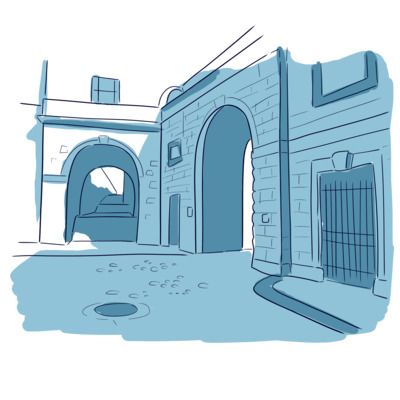
You are now in a street whose name originates from a big spelling mistake! In the Middle Ages, you would have been standing right on the spot of a large sheep market. As you may have guessed, this street’s medieval name was "Sheep Street," not "Ship". This alteration, caused by the Dublin accent, was eventually normalised over time. The road was later filled with houses and shops, mainly occupied by tanners, printers, engravers, and bookbinders. They were then displaced in the 20th century to make way for the Office of the Attorney General, which you can see on your left. On the opposite side, you can see one of the oldest surviving sections of Dublin’s medieval walls, dating back from the 13th century. These fortifications were built when the former Viking settlement evolved into an Anglo-Norman walled city. Long neglected, Ship Street is now at the heart of a historical restoration project. You may come across a series of storyboards along the street, telling its history throughout the centuries. The project also sheds light on another forgotten monument in Dublin: Hoey's Court, the birthplace of satirist and cathedral dean Jonathan Swift. It used to be just here, where these stairs are, under the archway in the wall. As you continue your journey, look up towards your next destination. Bride Street, which connects the author’s former home to the cathedral where he is buried, has been decorated with medallions depicting scenes from Gulliver’s Travels, his most famous book.
