


Walk
Short tour - The Heart of the House of Savoy
Turin, Italy
Walk
Short tour - The Heart of the House of Savoy
Turin, Italy
3.8 km
Distance
1h30
Durée
16
Audios
Loop
Parcours
Shutterstock
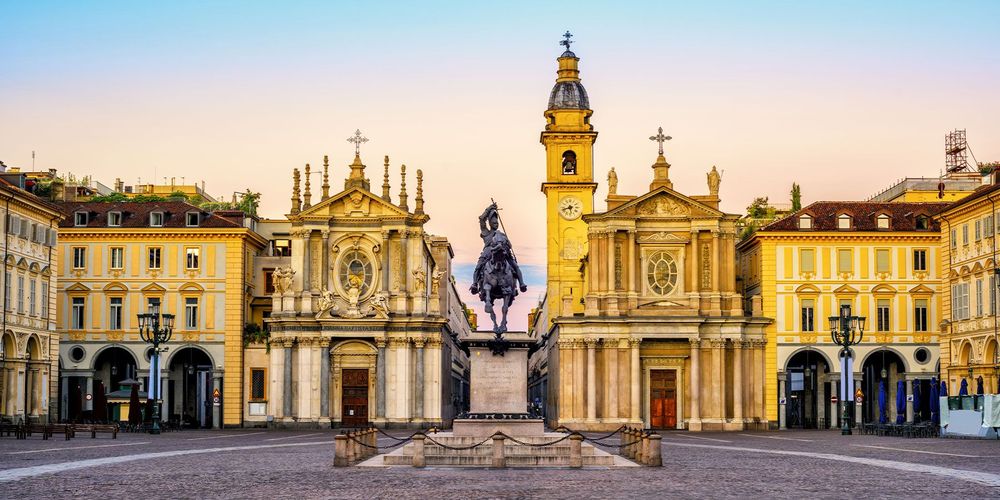
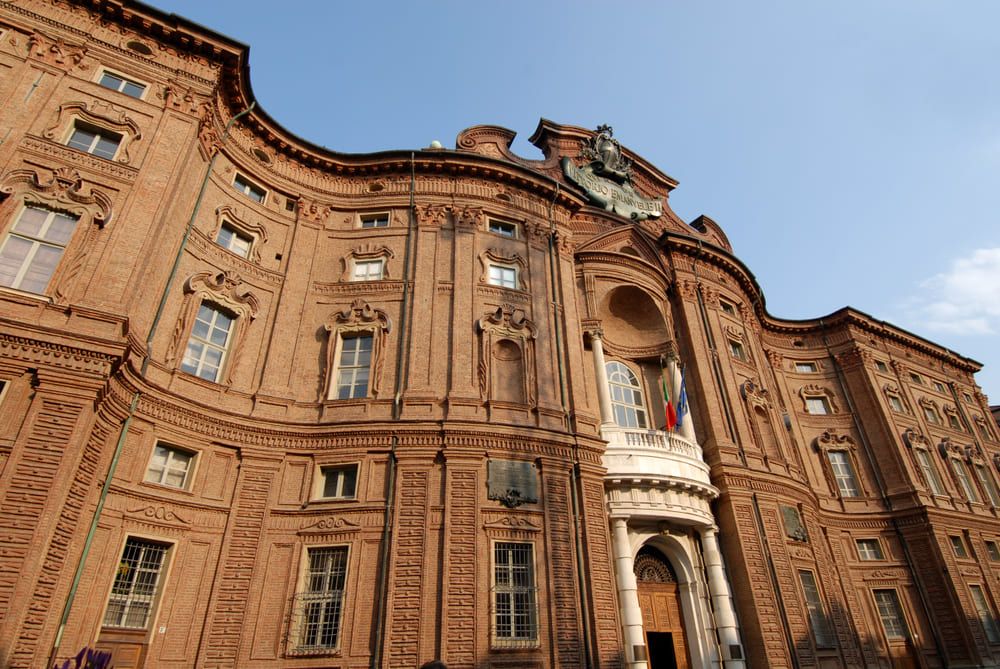
The Palazzo Carignano is one of the most original buildings of Turin, a masterpiece of the baroque and a cradle of Italian unity. The Turin audio-guided tour stops here to evoke this palace, inscribed on the World Heritage list among the royal residences of the House of Savoy.
Located in the historic centre of Turin, the Palazzo Carignano is a remarkable baroque work, famous for its sinuous brick façade. It was the birthplace of Victor Emmanuel II, the first king of Italy, and housed the first Italian parliament. It today hosts the National Museum of the Risorgimento, devoted to the unification of Italy. It is inscribed on the World Heritage list among the residences of the House of Savoy.
You admire the sinuous baroque brick façade, the state rooms and the National Museum of the Risorgimento housed in the palace. The birthplace of the first king of Italy, it tells the history of Italian unity. It is a major stop for lovers of architecture and history, in the heart of Turin.
The Palazzo Carignano lies in the heart of the historic centre of Turin, reachable on foot. The façade can be freely admired; the visit of the National Museum of the Risorgimento has a fee and follows its own hours, which vary by day and season. It is best to check the arrangements before coming.
The National Museum of the Risorgimento; the palace was the birthplace of Victor Emmanuel II and housed the first Italian parliament.
In the heart of the historic centre of Turin.
Aucun avis pour le moment