

Walk
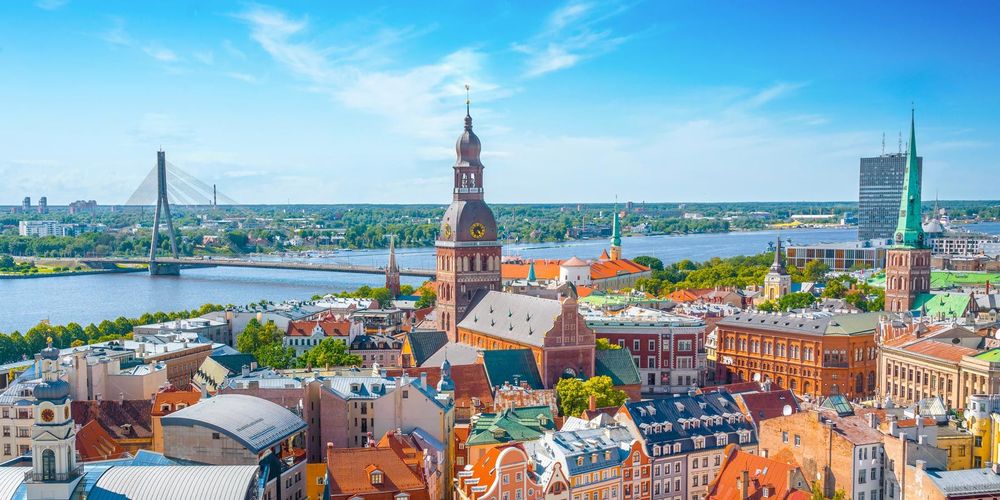
The Little Paris of the Baltics
Riga, Latvia
Walk
The Little Paris of the Baltics
Riga, Latvia
4.3 km
Distance
2h00
Durée
28
Audios
Loop
Parcours

I’d like to take advantage of this pleasant walk along the quays to share a few must-see ideas to round off your discovery of Riga and its surroundings. Don’t miss the Art Nouveau district around Alberta iela, a true open-air museum where each sculpted façade reflects the prosperity of the early 20th century. Just a few streets away, the Janis Rozentāls and Rūdolfs Blaumanis Museum immerses you in the private world of two major Latvian cultural figures through a preserved period apartment.
For a livelier break, head to the Riga Central Market, housed in former zeppelin hangars, where you can discover local products, traditional flavours, and an authentic atmosphere. Not far from there, the Spīķeri district, with its former brick warehouses converted into galleries and cafés, offers a more contemporary and creative side of the city. For a moment of reflection, the Peitavas iela Synagogue recalls the history of Riga’s Jewish community and remains a place filled with emotion.
If you’re looking for nature, take the tram to Mežaparks and Lake Ķīšezers, a vast green space popular for walking, cycling, and waterside activities. Just thirty minutes away, the beach of Jūrmala stretches out its long sandy shoreline lined with pine trees and elegant wooden villas. Further north-east, Sigulda leads you into the Gauja Valley, often referred to as the Latvian Switzerland, with its wooded hills and medieval castles.
Nearby, Turaida overlooks the region with its red brick fortress and legend-filled trails. Gauja National Park, which surrounds these sites, is the largest natural area in the country, ideal for hiking and exploration. Finally, Ķemeri National Park reveals a very different landscape with its marshes crossed by wooden walkways, particularly magical at sunrise.
All these places show that Riga is not limited to its Old Town, but opens onto a region rich in nature, culture, and history.
Aucun avis pour le moment