





Walk
The heart of the Intense Island
Saint-Denis, Réunion
Walk
The heart of the Intense Island
Saint-Denis, Réunion
6.2 km
Distance
2h30
Durée
20
Audios
Loop
Parcours
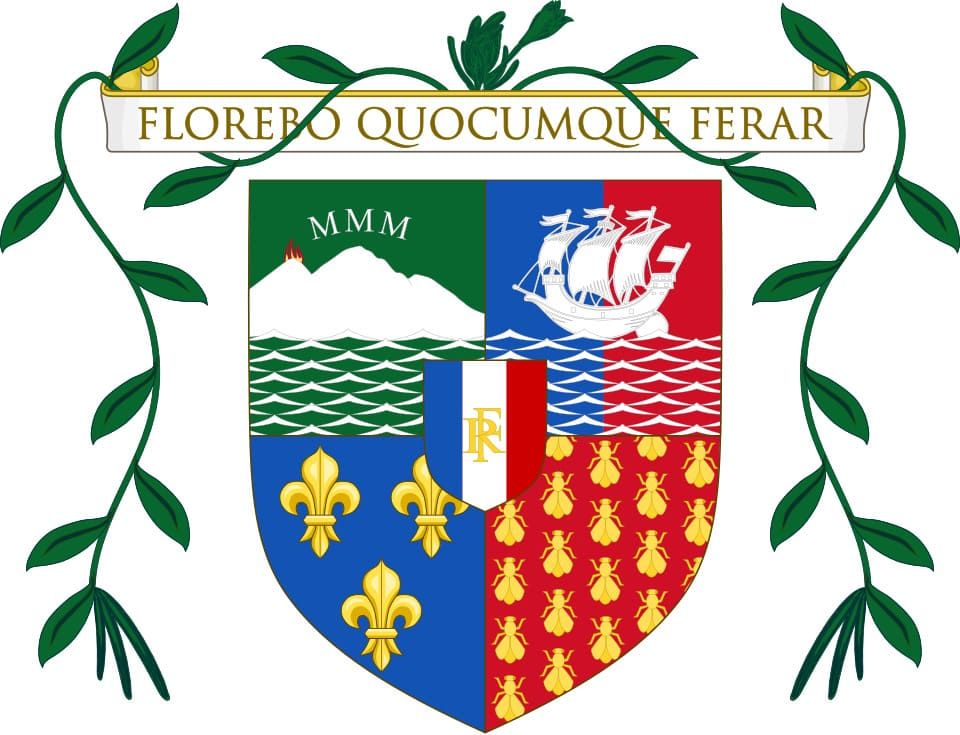
©Superbenjamin- CC BY-SA 4.0. <https://creativecommons.org/licenses/by-sa/4.0/deed.fr>via Wikipedia Commons
The Saint-Denis audio-guided tour here makes a historical aside on the beginnings of the island, before the India Company established its plantations and imposed slavery there. An essential, and grave, page for understanding the history of Reunion.
Little information is available about the island before the 17th century. Arab navigators came across it, since it appears on a medieval map, and the Portuguese stopped there in the 16th century. But this volcanic land, lacking natural harbours, hardly attracted the colonial powers: the Dutch preferred neighbouring Mauritius. France eventually took an interest in it, for want of better staging posts on the route to the Indies.
This stage sheds light on the setting of the tour: the first French settlers, sent by the India Company from 1665, gradually developed the island, before the rise of coffee plantations. This history prepares the evocation, later in the tour, of the tragic period of slavery, which the city does not conceal and to which it pays tribute.
This stage of the tour is a historical perspective: there is no specific site to visit, but an insight into the origins of Saint-Denis and Reunion. It lends itself to attentive listening during the walk through the centre, before continuing towards the cathedral and the old quarter.
Known to Arab navigators and then the Portuguese, the island remained long unexplored before France settled there in the 17th century.
A volcanic land without a natural harbour, it was of little interest to the colonial powers, which preferred neighbouring Mauritius.
Aucun avis pour le moment
