





Créé par Emilie, le 4 oct. 2026
Votre guide Ryo
Saint-Denis, Réunion
The heart of the Intense Island
Parcours audioguidé pour visiter Saint-Denis en 1 jour
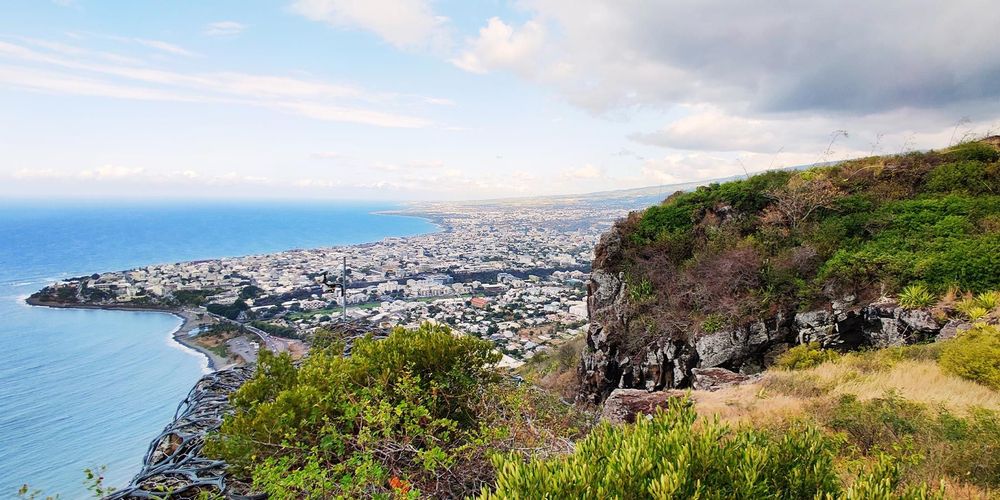
The capital of Réunion Island, Saint-Denis brings together the island’s rich and diverse history. With its colonial heritage, cultural influences, and Creole atmosphere, the city offers a vivid glimpse into the “intense island.”
Quand partir à Saint-Denis ?
Jan.
28°
17
Feb.
28°
18
March
28°
16
April
27°
12
May
25°
9
June
23°
7
July
22°
6
Aug.
22°
6
Sept.
23°
6
Oct.
25°
7
Nov.
27°
10
Dec.
28°
14
Réunion Island has a tropical climate, which means there are two main seasons: the dry season and the rainy season. The best time to explore this incredible island is during the dry season, from May to November, when average temperatures range between 18°C and 26°C. The rainy season is best avoided, as it often brings cyclones and heavy storms. If you’re hoping to spot whales, plan your visit between August and October! Even though the sun shines generously, be aware that temperatures in the island’s central highlands can drop below freezing, and it can even snow at the summit of the Piton de la Fournaise, which stands at 3,000 metres. So, pack accordingly if you plan on hiking in the mountains as well as soaking up the sun on the beach!
Départ conseillé
No need to worry about where to begin! Our tours are designed as a loop, so you can jump in wherever you are. The navigation system and audio-guide will automatically adjust to your location. However, if you happen to be nearby, we do have a preferred starting point: Le Barachois
Parking à proximité
Sarda Garriga Car Park – Place Sarda Garriga, directly in front of the Barachois.
If you park on the street, please note that parking is paid from Monday to Friday, between 8 a.m. and 12 p.m., and again from 2 p.m. to 4 p.m. On Saturdays, it’s paid from 8 a.m. to 12 p.m. Parking is free on Sundays and public holidays. If you only need to park for a few hours, you can use the short-stay zone.
À savoir
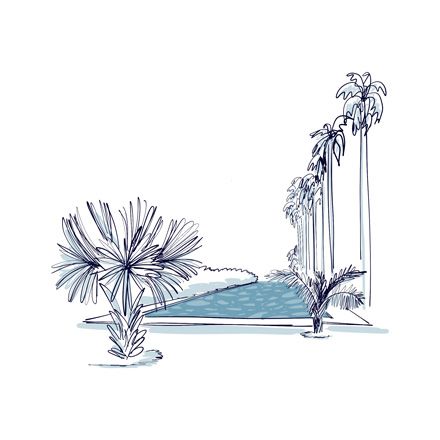
The route takes you through the State Gardens, all the way to the Natural History Museum. Please note that entry to the gardens is free, but access is limited to specific opening hours. The site closes after 6 p.m. and is also closed on Mondays.
Réunion is an overseas department of France, so the currency used here is the euro. If you're planning a combined trip to Réunion and Mauritius, keep in mind that the currency changes. Mauritius is an independent country and uses the Mauritian rupee.
Découvrez 20 lieux d'intérêt pour visiter Saint-Denis



9. State Gardens





Le plein d'inspirations
Explorez le monde en totale liberté, à pied au cœur des villes ou au fil des routes. Nos guides audios transforment chaque destination en une découverte culturelle immersive et unique.

FAQ for visiting Saint-Denis
How do you get to Saint-Denis by public transport?
Saint-Denis is well served by Réunion's public transport network. From Roland Garros airport, you can take the yellow buses of the Car Jaune network, which regularly connect the airport to the town centre. The town also has a Citalis urban bus network serving the various neighbourhoods and the main attractions. Stops are generally well signposted and buses run from early morning until early evening. To travel between the island's towns, the intercity coaches are an economical and practical option. Don't hesitate to check with the tourist office for up-to-date maps and timetables.
What are the must-sees in Saint-Denis?
Saint-Denis is full of treasures that reflect its colonial past and its vibrant Creole culture. The Jardin de l'État, a true green lung in the heart of the city, invites you to wander among its shady paths and tropical species. The Rue de Paris gathers the finest Creole mansions with their verandas and delicate fretwork. The Petit Marché is a must to soak up the local atmosphere and discover the island's flavours. To explore these gems at your own pace, the Ryo audioguide accompanies you with narrated tours that reveal the history and anecdotes of each iconic site in the Dionysian capital.
How much time should you set aside to visit Saint-Denis?
A full day lets you discover the main sites of Saint-Denis and soak up its unique atmosphere. If you'd like to leisurely visit the historic centre, wander through the markets and enjoy a Creole lunch, allow around six to eight hours. For a more in-depth exploration including the museums and outlying neighbourhoods, two days are ideal. The Ryo audioguide offers tours suited to different durations, letting you organise your visit according to the time you have available. Don't forget to plan breaks to cool off, because even in the dry season, the tropical heat can be intense in the middle of the day.
What are the opening hours of the basilica of Saint-Denis?
The cathedral of Saint-Denis, also known as the Saint-Denis Cathedral of Réunion, is generally open to visitors every day of the week. Opening hours may vary depending on the season and religious services, but you can usually visit it during the day. It's best to check with the tourist office or directly on site to find out the exact hours during your visit. Some time slots may be reserved for religious celebrations, particularly on Sunday mornings and during the major Christian festivals. Admission is generally free of charge, but appropriate attire is requested out of respect for this still-active place of worship.
Where can you stroll and relax in Saint-Denis?
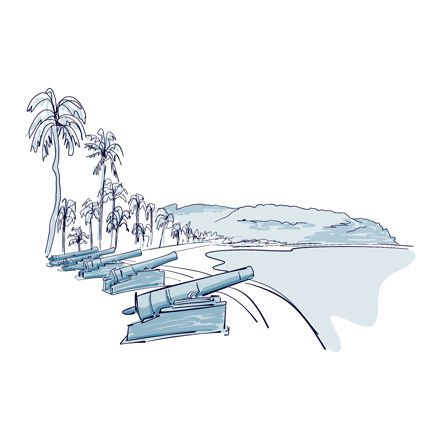
Saint-Denis offers several green spaces perfect for relaxing and strolling. The Jardin de l'État remains the favourite spot for the locals to enjoy a shady walk among the century-old trees and botanical collections. The Barachois, the iconic seafront with its historic cannons, invites you to stroll facing the Indian Ocean, particularly pleasant at the end of the day. For a livelier atmosphere, the pedestrian street in the town centre lets you wander between shops and café terraces. The banks of the Rivière Saint-Denis also offer landscaped paths for a cool walk. These different places let you alternate between cultural discovery and moments of relaxation at the heart of the Réunion capital.
Are guided tours available in Saint-Denis?
Saint-Denis offers various ways to discover the city with a guide. The tourist office regularly organises themed guided tours that introduce you to Creole architecture, colonial history or local traditions. Private guides also offer their services for personalised tours based on your interests. For those who prefer to explore at their own pace, the Ryo app offers a modern alternative with its audioguides that accompany you step by step through the streets of the city, sharing anecdotes and historical explanations directly on your smartphone. The city's museums often offer guided tours of their permanent and temporary collections.
What are the best places to shop or discover local crafts?
The Grand Marché and the Petit Marché are the go-to places to find local crafts and typical products. There you'll find basketwork, spices, vanilla, tamarind wood objects and authentic Creole souvenirs. The Rue Maréchal Leclerc and its surroundings are packed with shops and businesses where modern brands mingle with traditional stalls. For high-end crafts, several galleries in the town centre showcase the work of local artists. The Chaudron open-air market, usually held at the weekend, is perfect for immersing yourself in the lively Réunion atmosphere. Don't hesitate to strike up a conversation with the artisans, who will be delighted to explain their know-how and the origins of their creations.
What creole architecture can you discover in Saint-Denis?
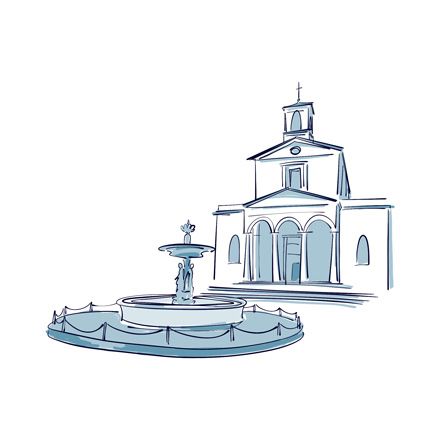
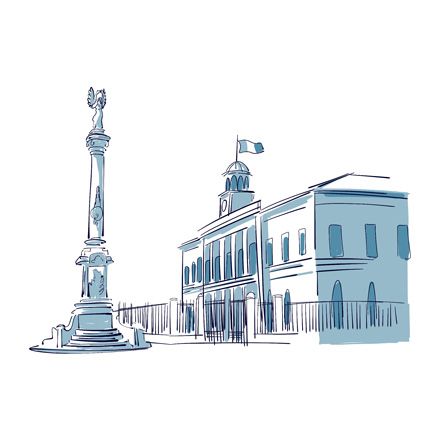
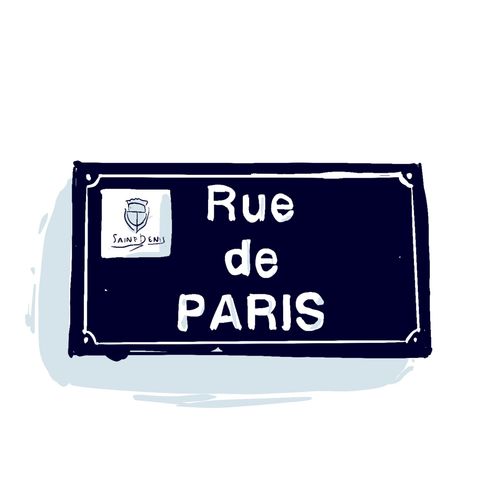
Rue de Paris is the best introduction: it lines up creole cottages and grand nineteenth-century houses, with their verandas, their finely cut fretwork valances and their gardens planted with mango trees and palms. Several have been restored and now host cultural venues, such as the Carrère house, turned into a welcome point for visitors, or the Léon Dierx museum, set in a former bishop's palace. The street opens onto the Jardin de l'État and its natural history museum, while the cathedral quarter, the prefecture housed in a former East India Company warehouse and the Barachois seafront round out the walk. The Ryo audio guide offers a dedicated Saint-Denis route that links these façades and tells their story.
What should you eat in Saint-Denis?
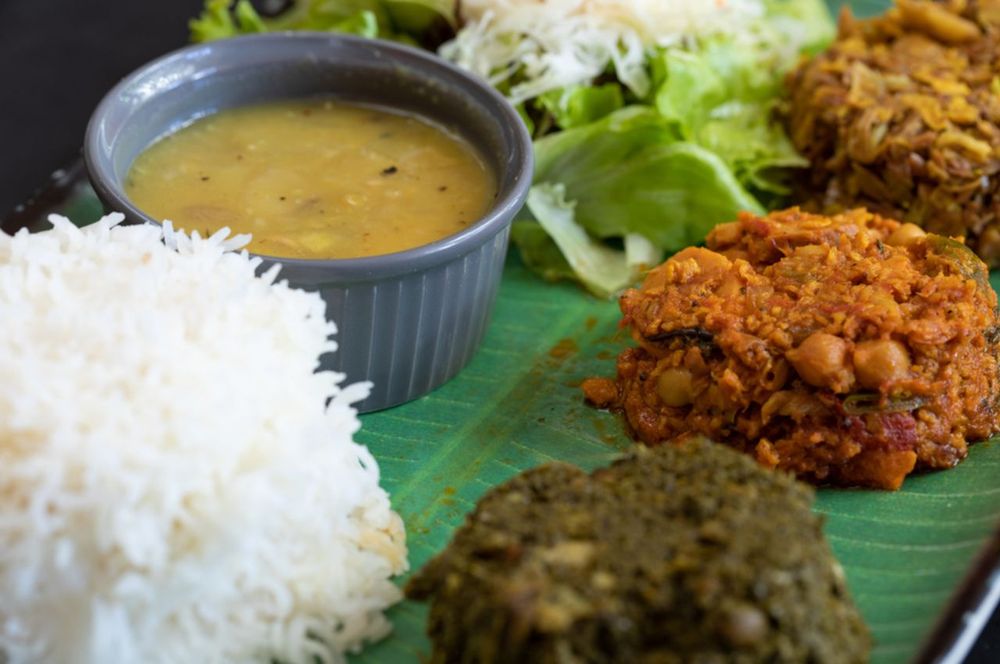
Réunion cooking blends Malagasy, Indian, Chinese and European heritages. The staple dish is the cari, meat or fish simmered with turmeric, garlic and ginger, served with rice, pulses, a spicy rougail and sometimes leafy brèdes. Rougail saucisse remains the classic of family tables, while street snacks offer samosas, chilli fritters and bouchons to take away. The Grand Marché and the open-air markets overflow with tropical fruit, vanilla, turmeric and local jams, which you are welcome to taste before buying. For something sweet, try the sweet potato cake or honey sweets. Be wary of the chilli, usually served on the side but fierce: start with the smallest dab.
Which festivals punctuate the year in Saint-Denis?
The city lives to the rhythm of the cultures that make it up. Tamil New Year, Chinese New Year and Dipavali, with its lamps and colourful processions, punctuate the calendar and bring both temple ceremonies and street celebrations. On 20 December, Fête Kaf marks the abolition of slavery: it is the most important day of the year for the people of Réunion, celebrated with maloya concerts, kabars and shared meals across the city. Add to that neighbourhood festivals, fairs and a busy cultural programme along the seafront. Check the local calendar before your stay, as some services run at a slower pace on those days.
Vos commentaires, idées et suggestions
Aucun avis pour le moment