



Walk
The heart of the Intense Island
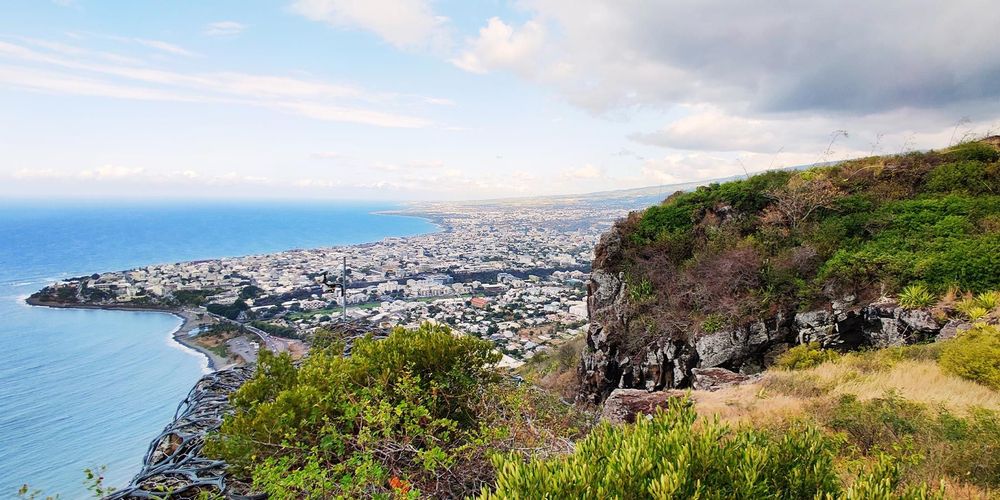
Saint-Denis, Réunion
Walk
The heart of the Intense Island
Saint-Denis, Réunion
6.2 km
Distance
2h30
Durée
20
Audios
Loop
Parcours
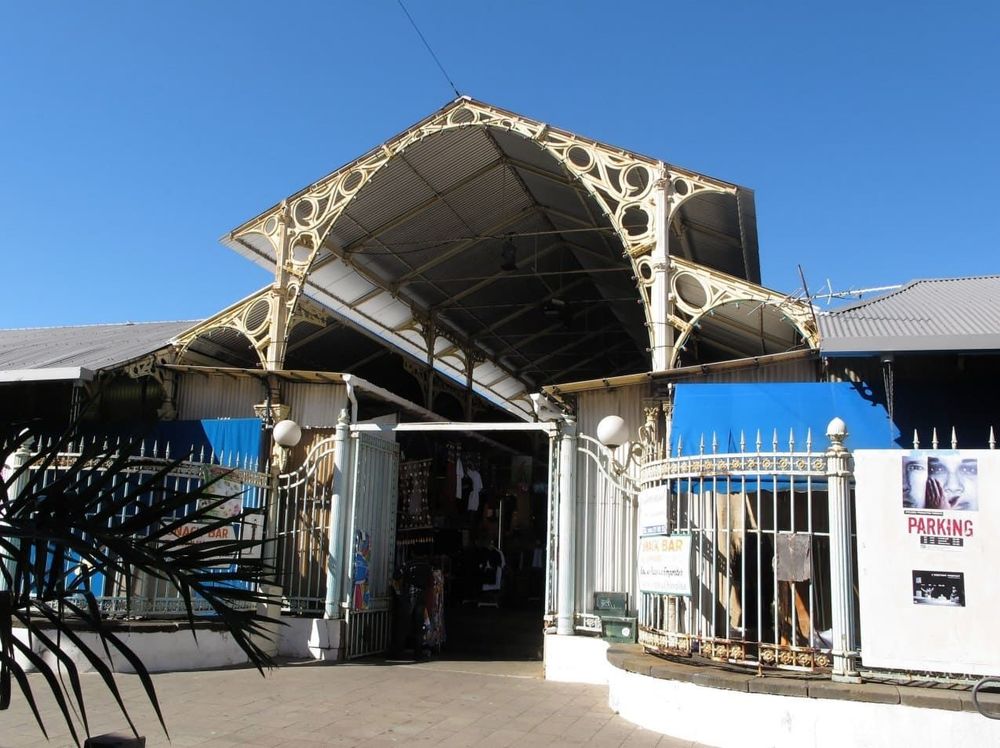
©Bbb CC BY-SA 3.0. <https://creativecommons.org/licenses/by-sa/3.0/deed.fr>via Wikipedia Commons
The Saint-Denis audio-guided tour leads you to the Grand Marche, also called the Malagasy market. Its fine cast-iron hall, dating from 1866, was the first civil cast-iron building on the island: it is the ideal place to discover the crafts and the mixed culture of Reunion.
Built in 1866, the hall bears witness to 19th-century craftsmanship and the rise of Saint-Denis. People come for its Malagasy crafts: wooden figurines, tablecloths, baskets, colourful hats, solitaire and domino sets. The back walls regularly host photography exhibitions, which extend the discovery of local culture.
The Grand Marche is a true immersion in Creole culture, ideal for bringing back a souvenir or simply soaking up the atmosphere. It is also an opportunity to discover Reunionese cuisine, with its curries, its rougails and its mixed flavours, inherited from the many communities that make up the island. Its colourful stalls make it an essential stop in the town centre.
The Grand Marche is in the town centre of Saint-Denis, at the end of Rue du Marechal Leclerc, on the west side. It is usually open during the day, with hours that vary by day and by stall; it is best to come in the morning. Access to the hall is free.
Because it offers rich Malagasy crafts, figurines, baskets and wooden objects, a reflection of the exchanges between Reunion and Madagascar.
It dates from 1866 and was the first civil cast-iron building on Reunion Island.
Aucun avis pour le moment