Walk
Between Myth and Reality
Edinburgh, Scotland
Walk
Between Myth and Reality
Edinburgh, Scotland
8.3 km
Distance
3h20
Durée
25
Audios
Loop
Parcours
Scotland is one of those lands that stays with travellers long after they return: lochs with steel-grey reflections, castles emerging from the mist, hills where the wind still carries ancient legends. To visit Scotland is to move at the pace of a thousand-year-old story, woven from Celtic heritage, dramatic landscapes and a living culture. To truly immerse yourself in the soul of the country, Ryo offers audio-guided tours that accompany travellers through cobbled lanes and historic monuments, starting with the capital.
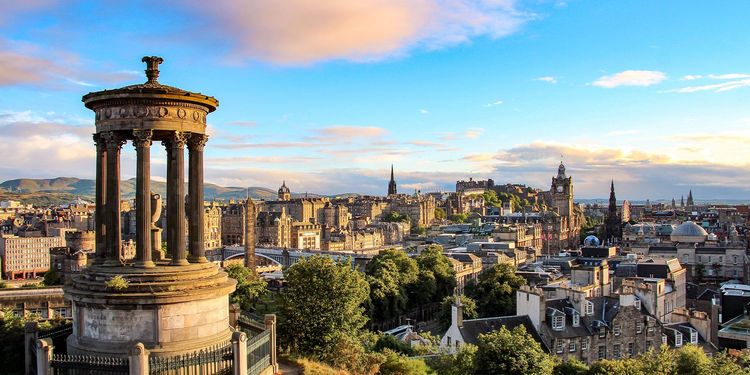
Perched on its volcanic hills, Edinburgh is a city of two faces: on one side, the medieval Old Town and its hilltop castle; on the other, the Georgian New Town with its elegant avenues. At the heart of this capital, myths and reality overlap at every corner. The Ryo audio-guided tour "Between Myths and Reality" invites travellers to explore these contrasts, to catch the whispers of a city that was both the cradle of the Enlightenment and the stage of dark histories, dazzling festivals and very real ghosts.
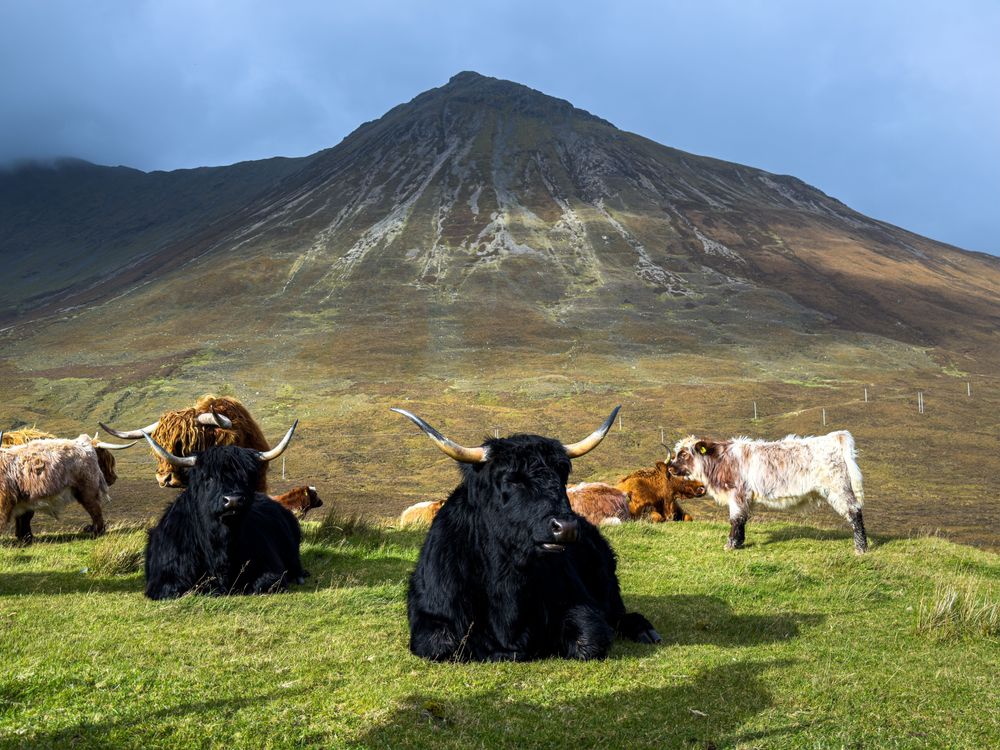
Beyond Edinburgh, Scotland unfolds a territory of striking diversity. The Highlands offer travellers deep valleys, heather-purple moorlands and summits known as Munros, which hikers set themselves to conquer one by one. Glencoe, with its austere mountains and village nestled at the bottom of the valley, perfectly embodies this rugged and melancholic beauty.
Further north, Loch Ness stretches its dark waters over several dozen kilometres, shrouded in the legend of its mysterious inhabitant. Whether you believe in it or not, the spectacle of the loch framed by forests and ruins is reason enough to make the journey. On the east coast, Dunnottar Castle, perched on a clifftop overlooking the North Sea, stands as a testament to the might of Scotland's medieval fortresses.
Scotland is also a destination for whisky enthusiasts: distilleries dot the country from Speyside to the islands, each telling its own story of the deep connection Scots have with their land. Finally, the islands — Skye, the Hebrides, the Orkney Islands — promise wild horizons and a soothing solitude, far from the most well-trodden paths.
Scotland can be visited in any season, but each one offers a different experience. Spring and summer bring long days, golden light and Edinburgh's famous festivals that bring the city to life in August. Autumn tints the Highlands in shades of russet and ochre, ideal for hikers seeking peace and quiet. Winter, harsher and darker, rewards the intrepid traveller with snow-covered landscapes and an intimate atmosphere in fireside pubs. Depending on the season, daylight hours vary considerably — a factor to factor into any itinerary.
To explore Scotland, a road trip remains the most free and most popular way to travel. The road network connects major cities to the most remote regions, although some Highland roads require patience and caution. Train services link Edinburgh and Glasgow to the main towns, while ferries serve the islands. In cities, public transport and walking are generally enough to discover the essentials.
The most popular period generally runs from May to September, when temperatures are milder and the days are longer. Summer allows you to enjoy the festivals and lush green landscapes, while early spring and late autumn see fewer tourists. Winter attracts travellers in search of authenticity and the possibility of northern lights in the north of the country.
A one-week stay allows you to combine Edinburgh with the main Highland sites. To explore the islands and more remote regions, two weeks offer a more comfortable pace. The ideal approach is to tailor the duration to your interests: city culture, hiking, or discovering Scotland's castle heritage.
Among the stops no traveller should miss are Edinburgh and its castle, the Highlands with Glencoe and Loch Ness, the medieval castles scattered throughout the country, whisky distilleries, and, for the more adventurous, the wild landscapes of the Isle of Skye or the Hebrides.
Scotland's major cities are well connected by train, and bus services cover part of the rural regions. However, to reach the most isolated sites in the Highlands or on the islands, a hire car remains the most flexible option. Organised minibus tours also exist to connect the top tourist sites from Edinburgh.
Scotland has far more to offer than the traditional haggis: single malt whiskies, fish and seafood from the coasts, hearty soups and oatcakes are all part of a gastronomy deeply rooted in the land. On the cultural side, Edinburgh's festivals — most notably the Festival Fringe in August — make the capital one of Europe's most vibrant artistic stages, while the Highland Games celebrate Scottish sporting and musical traditions every summer in a spirit of community festivity.