

Créé par Romane, le 19 sept. 2026
Votre guide Ryo
Edinburgh, Scotland
Short version - Between Myth and Reality
Parcours audioguidé pour visiter Edinburgh en 1 jour
This is the short version of the tour, perfect for discovering the city's highlights in no time. If you'd like to explore further, the full tour is also available, allowing you to immerse yourself in the city in much greater depth.
Overlooked by its iconic castle, Edinburgh reveals a capital with a truly distinctive character, where history meets an atmosphere that feels both mysterious and full of life. Its UNESCO-listed center unfolds like a storybook, with medieval alleyways, refined architecture, and long-standing traditions at every turn. As you explore, you’ll sense a city that’s very much alive, shaped by its legends, its cultural richness, and a deeply rooted Scottish identity.
Quand partir à Edinburgh ?
Jan.
4°
12
Feb.
4°
10
March
6°
11
April
8°
10
May
11°
11
June
13°
10
July
15°
11
Aug.
15°
12
Sept.
13°
11
Oct.
10°
13
Nov.
7°
13
Dec.
4°
13
The best times to visit Edinburgh are May, June, July, August, and September. Average high temperatures peak in July and August at 19°C, while the lowest average lows are in December, January, and February at 1°C. A windbreaker, umbrella, and warm layers are essential in winter! Summers are cool, and from June to August you can expect a mix of sunshine and showers.
Départ conseillé
We design our tours in the form of a loop so you can easily start at the point closest to you, with the guidance adapting automatically. If you are nearby, we recommend an ideal starting point: Grassmarket Square.
Parking à proximité
Covered Parking Semple Street, 30 Semple Street
Driving in Edinburgh is generally not recommended. However, if you do need to park, it is wiser to choose an underground car park rather than street parking. While often more expensive, on-street spaces are heavily regulated and also paid. You must be very careful and check in advance where you are allowed to park and for how long, otherwise you risk getting a fine. If you are looking for free parking, consider the park-and-ride facilities on the outskirts of the city, which are often connected to the city centre by shuttle services.
À savoir
There is so much to see in Edinburgh! If you plan on doing several activities in the city, I recommend getting the City Pass in advance, which offers access to over 20 attractions at discounted rates.
Découvrez 17 lieux d'intérêt pour visiter Edinburgh






Le plein d'inspirations
Explorez le monde en totale liberté, à pied au cœur des villes ou au fil des routes. Nos guides audios transforment chaque destination en une découverte culturelle immersive et unique.



FAQ for visiting Edinburgh
When is the best time to visit Edinburgh?
The best time to visit Edinburgh runs from May to September, when temperatures are milder and the days are longer. July and August offer the most pleasant temperatures, averaging around 19°C, ideal for exploring the city on foot. However, be prepared to alternate between sunshine and showers during the Scottish summer. If you're looking for fewer crowds, May, June and September remain excellent choices, with generally favourable weather. Winter can be magical with its mysterious atmosphere, but the cold temperatures and short days call for warm clothing.
How many days do you need to visit Edinburgh?
For a first visit to Edinburgh, ideally allow three to four days. This gives you enough time to explore the castle at your leisure, wander the medieval lanes of the Royal Mile, climb Arthur's Seat and soak up the city's unique atmosphere. Two days are enough to see the essentials if your time is limited, but you'll have to make choices. With five days or more, you can truly savour the Scottish pace, visit museums, explore the less touristy neighbourhoods and perhaps take a trip into the surrounding area. The Ryo audioguide helps you make the most of your time with routes tailored to the length of your stay.
How do you get around Edinburgh?
Edinburgh is a city best discovered on foot, especially the historic centre, where most of the attractions are concentrated. The Lothian bus network is very efficient for longer distances or if you're staying on the outskirts. The trams serve the airport and the New Town in particular. Taxis are readily available but can be expensive. For cyclists, the city is gradually developing its cycle lanes, although some steep streets can be a challenge. Avoid driving in the city centre, where parking is difficult and costly. Walking really is the best way to soak up Edinburgh's unique atmosphere.
What is the weather like in Edinburgh?
Edinburgh's climate is oceanic, marked by its variability and frequent rainfall throughout the year. Summers stay cool, with maximum temperatures around 19°C in July and August, and you should always pack rain gear. Winters are cold, with lows around 1°C between December and February, calling for a windbreaker, fleeces and an umbrella. The weather can change quickly within the same day, going from sunshine to showers in a matter of minutes. This changeable weather actually adds to the city's mysterious charm. Dress in layers and always keep a raincoat within reach, whatever the season.
What are the must-see sights?
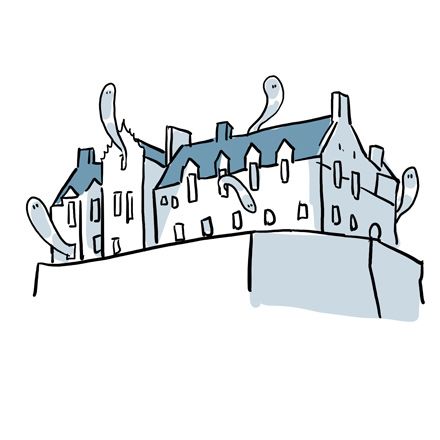
Edinburgh Castle, perched on its volcanic rock, majestically dominates the city and is the essential visit. The Royal Mile, the historic thoroughfare linking the castle to the Palace of Holyroodhouse, is full of fascinating medieval lanes to explore. Arthur's Seat offers an accessible hike with spectacular views over the whole city. Don't miss the Georgian New Town with Princes Street and its gardens. The Grassmarket district reveals Edinburgh's bohemian soul with its historic pubs. The Ryo audioguide accompanies you as you discover these iconic sites with captivating commentary on their history and legends, enriching your exploration of the Scottish capital.
How do you get from the airport to the city centre?
Edinburgh Airport is conveniently located about twelve kilometres from the city centre, with several practical transport options. The tram is often the most popular choice, linking the airport directly to Princes Street in around thirty-five minutes. The Airlink buses run frequently and serve several stops in the centre. Taxis and ride-hailing services are available but are the most expensive option, particularly at peak times. If you rent a car, the journey is straightforward, but expect parking difficulties in the city centre. Most travellers favour the tram for its excellent value for money and its reliability.
Where should you stay in Edinburgh?
Your choice of accommodation in Edinburgh depends on your priorities and your budget. The Old Town around the Royal Mile puts the main attractions on your doorstep but can be noisy and touristy. The Georgian New Town offers more elegance and tranquillity while staying central. Stockbridge and Dean Village are perfect for an authentic village atmosphere just minutes from the centre. Leith, a former port that has been redeveloped, offers more affordable options with a lively food scene. The Bruntsfield and Marchmont districts suit tight budgets, with good bus connections. Book well in advance, especially during the August festival, when prices soar.
What is the difference between Edinburgh's Old Town and New Town?
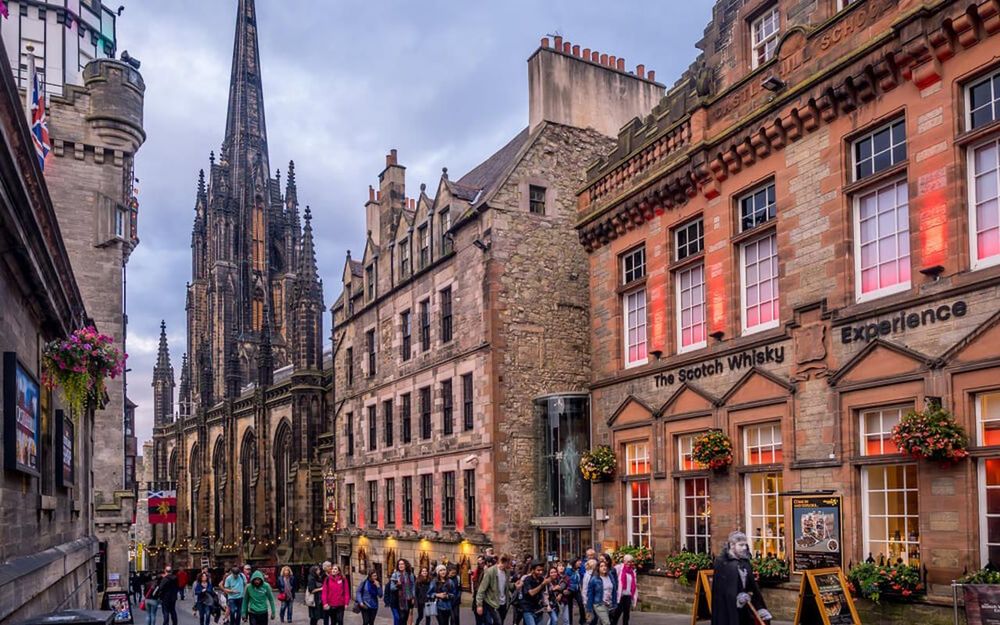
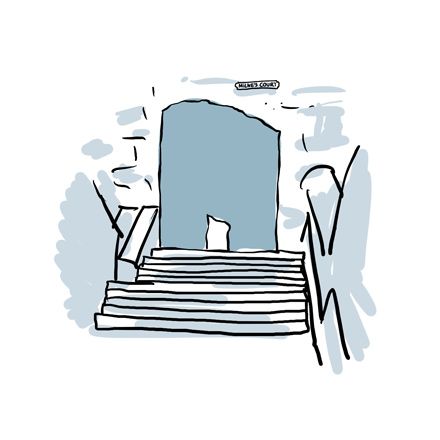
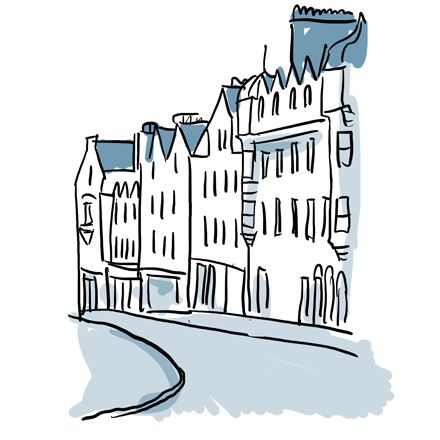
The city reads in two chapters. The Old Town, clinging to the rocky ridge that runs down from the castle to Holyrood Palace, lines up narrow lanes known as closes, very tall tenements and a medieval street plan that has survived almost intact; this is the realm of the Royal Mile, Victoria Street and the courtyards hidden behind the façades.
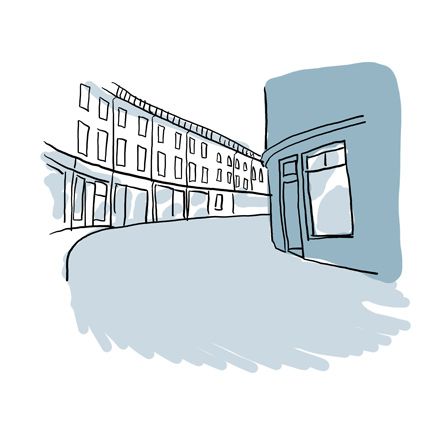
The New Town, laid out at the end of the eighteenth century on the other side of Princes Street Gardens, answers with straight streets, Georgian squares and pale stone façades of great regularity. Both are World Heritage sites and can easily be covered in the same day, as long as you accept a few climbs. The Ryo audio guide offers a dedicated Edinburgh route that links these two faces of the city.
Should you climb Arthur's Seat during a stay in Edinburgh?
Arthur's Seat is the summit of an extinct volcano planted in the middle of Holyrood Park, a few minutes' walk from the bottom of the Royal Mile. The climb needs no equipment, on paths that are more or less steep depending on the route you choose, and it rewards the effort with a sweeping view over the old town, the Firth of Forth and the surrounding hills.
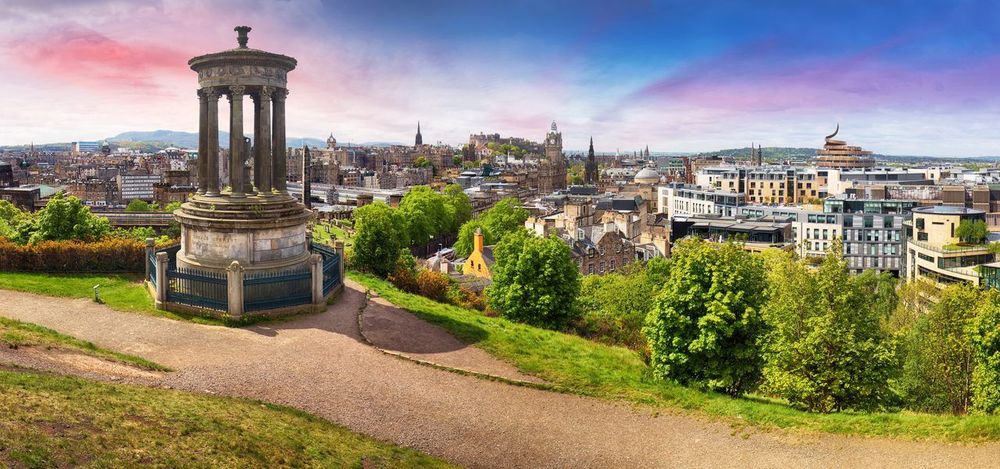
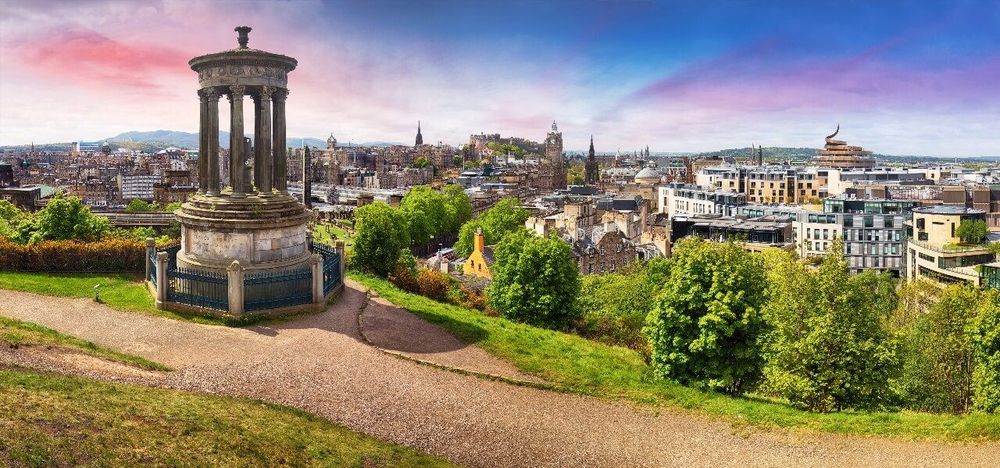
Bring sturdy shoes and a windproof jacket, and take care near the cliffs of Salisbury Crags, as the wind blows hard up there and the ground turns slippery after rain. If the climb does not appeal, Calton Hill offers a comparable panorama for far less effort, and both sunrise and sunset are especially beautiful from there.
What happens in Edinburgh during the summer festivals?
Every summer the city turns into one huge stage. The Fringe, the largest performing arts festival in the world, takes over theatres, cellars, pub back rooms and pavements with thousands of shows, while the international festival offers a more classical programme of concerts and opera. The Military Tattoo, for its part, brings out its bagpipes on the castle esplanade.
The atmosphere is electric, but the city fills up: accommodation goes very early, queues grow in front of the major sights and the Royal Mile becomes hard to cross as companies hand out their flyers. If you prefer things quiet, visit in spring or early autumn instead; if you are after the buzz, this is the time of year to choose.
Vos commentaires, idées et suggestions
Aucun avis pour le moment