© Shutterstock
 Votre guide Ryo
What to Do in Edinburgh in 2026: 23 Must-Have Experiences
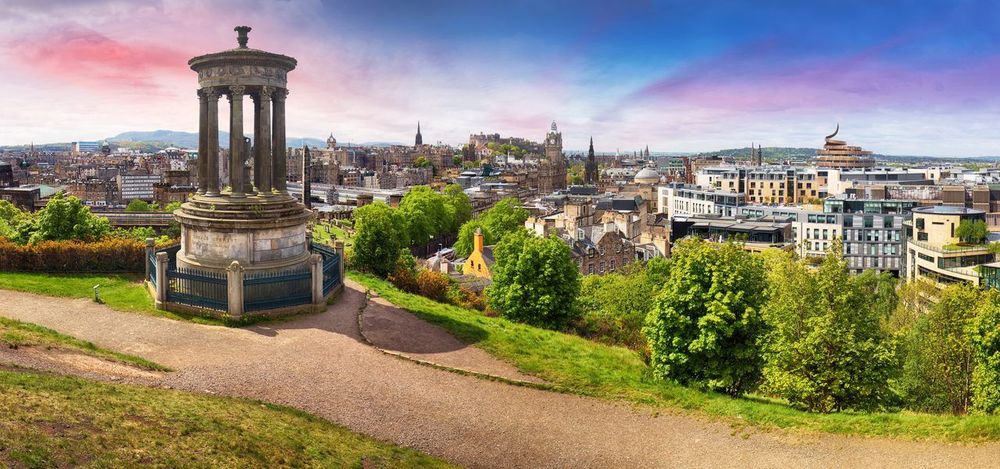
Edinburgh has two faces that couldn't be more different: a medieval Old Town perched on an extinct volcano, and a Georgian New Town laid out with geometric precision barely fifteen years later. The locals sometimes call one side "Auld Reekie" and the other "the Athens of the North," and this duality shapes absolutely everything that visiting Edinburgh can mean in 2026. If you're looking for a starting point to explore both sides without wasting time finding your bearings, the Ryo Edinburgh audio guide, Between Myths and Reality, already connects several of the stops mentioned below.
Here you'll find an extinct volcano climbable in under an hour, an underground crypt sealed for two centuries after a plague epidemic, a cemetery housing the presumed inspiration for Voldemort's name, and a distillery that simulates a barrel ride through 300 years of whisky history. Some of these places are free to visit; others require booking several weeks in advance during high season. From castles and sunken gardens to cobbled streets that inspired J.K. Rowling, this guide covers 23 experiences to help you build a tailor-made stay — whether it lasts a weekend or a full week — exploring both the historic centre and lesser-known neighbourhoods such as Leith and Dean Village.
1. Edinburgh Castle
Perched on a volcanic plug extinct for more than 340 million years, Edinburgh Castle has dominated the city for over nine centuries. The earliest documented fortifications date from the 12th century, though evidence of occupation on this basalt rock goes back to the Iron Age. This is where the Honours of Scotland are kept — the oldest crown jewels still in use in the United Kingdom — along with the Stone of Destiny, the coronation stone of Scottish kings, returned from England in 1996 after seven centuries in exile at Westminster.
You'll likely hear the One O'Clock Gun if you're on site at precisely 1pm: this cannon fired every day except Sunday since 1861 was originally used to synchronise the clocks of ships anchored in the Firth of Forth. The tradition has outlived its practical purpose and continues to startle unsuspecting visitors. Inside the castle walls, the National War Memorial honours Scottish soldiers who died in combat since the First World War, in a silence that contrasts sharply with the bustle of the outer courtyard.
Book your ticket online with a specific time slot: on-site queues can easily exceed 45 minutes in July and August. Allow two solid hours if you want to see the crown jewels, St Margaret's Chapel — the oldest building in the city, built around 1130 — and the military prison. For a deeper look at the history of this fortress and its counterparts across the country, our Ryo article on castle ruins in Scotland covers five other sites that are less crowded but equally spectacular.
Every August, the castle esplanade becomes an open-air stage for the Edinburgh Military Tattoo, a spectacular show of bagpipes and military parades broadcast in more than 30 countries. The temporary stands hold around 8,800 spectators per evening for three weeks, and tickets are generally on sale from January. If your visit doesn't coincide with the festival, the esplanade is freely accessible and already offers a remarkable viewpoint over Princes Street below.
The Great Hall, completed in 1511, retains its original timber roof and a collection of medieval armour. Right next to it, Mons Meg, a siege cannon gifted to King James II in 1457 and weighing over six tonnes, exploded during a celebratory firing in 1681 and has not been used since. Children generally linger longer in front of this exhibit than in front of the crown jewels. A combined ticket with the Palace of Holyroodhouse, at the other end of the Royal Mile, saves around 15% compared to two separate admissions, provided you visit both sites within a one-month window. Our audio-guided tour, Between Myth and Reality, starts right here before continuing on to the Palace of Holyroodhouse.
2. The Royal Mile and Its Hidden Closes
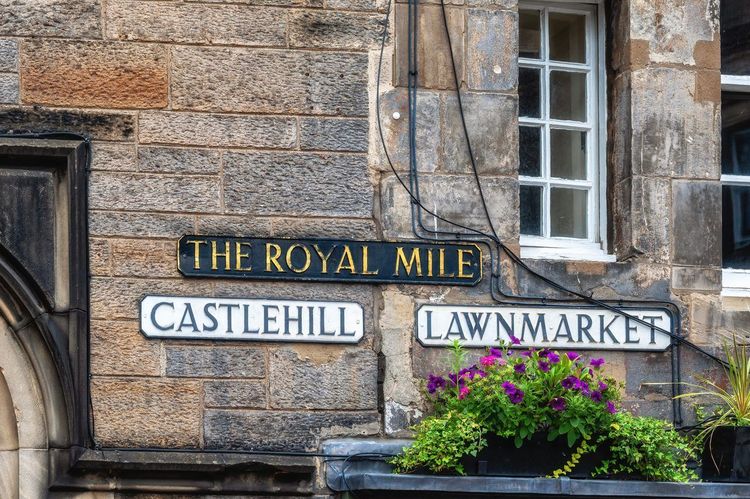
The Royal Mile connects Edinburgh Castle to the Palace of Holyroodhouse over a distance of roughly 1.6 kilometres — exactly one old Scottish mile, slightly longer than an imperial mile. This cobbled thoroughfare is in fact not a single street but four in succession: Castlehill, Lawnmarket, High Street and Canongate. On either side, some sixty closes and wynds — those narrow alleyways that once led down to the drained Nor Loch — still bear the names of their former residents or trades.
During the three weeks of the Fringe Festival in August, the street becomes a non-stop stage: jugglers, street musicians and performers hand out flyers at a frantic pace, and foot traffic can slow to a few metres per minute at peak times. The rest of the year, the atmosphere remains lively but far more manageable, with bagpipers stationed at regular intervals outside tartan and whisky shops.
Take time to look up: the grey stone façades, often six to eight storeys high, were among the first multi-storey urban tenements in Europe — a direct consequence of the lack of space within the city walls before the expansion into the New Town in the 18th century. Some of these "lands", as they were called, rose to fourteen storeys, a record that long went unmatched on the continent.
Look out in particular for Advocate's Close, with its steep staircase offering one of the most photographed views towards the Scott Monument and Princes Street below, and the World's End pub, whose name recalls that beyond this point, 16th-century residents considered leaving the city walls a journey into the unknown.
For a more structured exploration of these alleyways and their history, our Ryo article on the best things to do in Edinburgh offers a complementary itinerary focused on local craftspeople and the independent shops that still survive between souvenir stalls. Allow a good half-day to stroll the full length of the Mile at a leisurely pace. If time is short, concentrate on the stretch between Lawnmarket and High Street — the densest section for points of interest within a compact distance. Our audio-guided tour, Between Myth and Reality, follows this same stretch of the Mile, from Edinburgh Castle to the Scott Monument.
3. Arthur's Seat
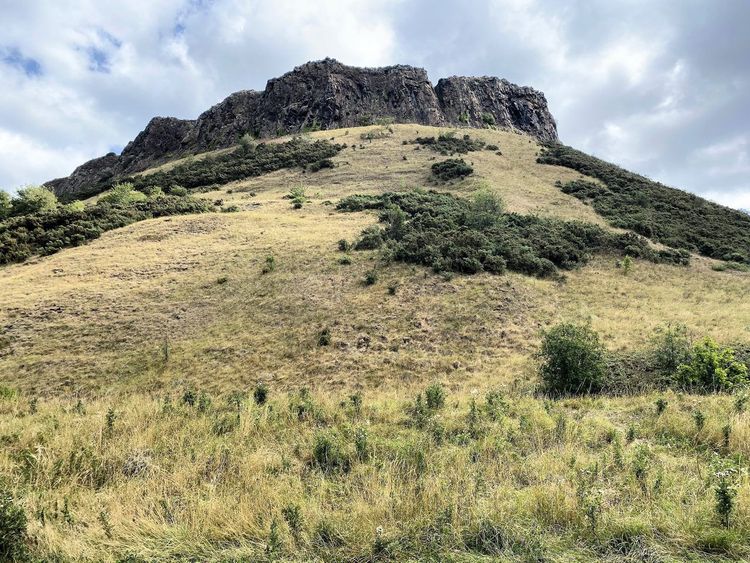
Arthur's Seat (Queen's Drive, Edinburgh EH8 8HG, rated 4.8/5 on Google with 22K reviews) is Edinburgh's highest point at 251 metres, an extinct volcano that went dormant around 350 million years ago and is now part of Holyrood Park, a 260-hectare park right in the city centre. The most direct ascent, from Dunsapie Loch, takes around 45 minutes at a moderate pace along a rocky path that can become slippery after rain — which is frequent in Edinburgh.
From the summit, the view takes in the entire city, the Firth of Forth, and on a clear day the Pentland Hills to the south. Many visitors underestimate the local weather: the wind at altitude can be noticeably colder than at ground level, even in summer, and it's worth packing an extra layer even for a two-hour hike.
Along the way, the ruins of St Anthony's Chapel, probably dating from the 15th century, offer a rest stop halfway up with already an open view over Holyrood Palace. 18th-century geologists, including James Hutton, studied the rock formations here to develop some of the first modern theories on the age of the Earth — a scientific contribution that most visitors have no idea about as they climb the hill.
Set off early in the morning if you want to avoid the crowds: the car park and main access paths fill up quickly on weekends from 10am onwards in high season. Entry is free and the park stays open year-round, making it an accessible activity even on a tight budget.
Note that the Radical Road, which once ran along the Salisbury Crags, has been closed since 2018 due to a rockfall risk, redirecting a large number of hikers onto the main path, which is now busier than ever. A lesser-known alternative starts from the village of Duddingston on the eastern slope, offering a quieter ascent with far fewer people even in the height of summer.
4. The Palace of Holyroodhouse
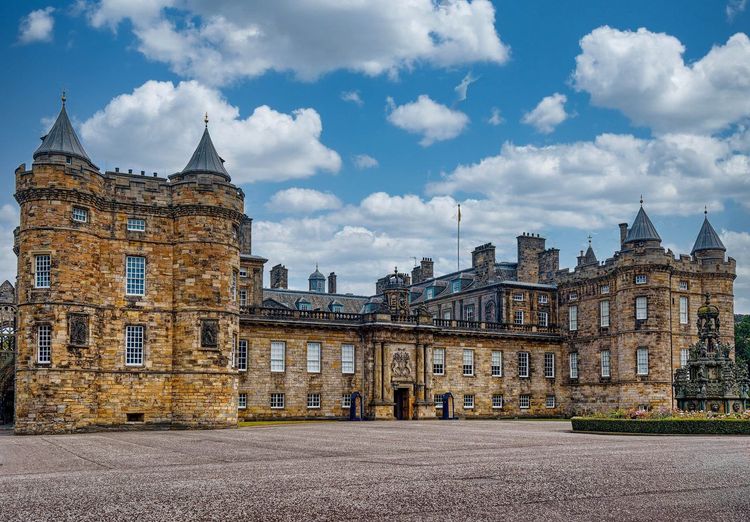
At the eastern end of the Royal Mile, the Palace of Holyroodhouse remains the official residence of the British monarch in Scotland, used each year during Holyrood Week — generally in late June or early July — when the palace temporarily closes to visitors. For the rest of the year, the State Apartments and the ruins of the adjoining abbey, founded in 1128, can be visited with an audioguide included in the admission price.
The most retold story of the palace is the murder of David Rizzio, Mary Queen of Scots' personal secretary, who was stabbed to death in 1566 in the queen's apartments by a group of jealous noblemen, in the presence of the six-months-pregnant sovereign. A commemorative plaque still marks the approximate spot of the drama, regularly pointed out by guides.
The palace gardens, open free of charge even without a ticket to the main building, offer an unobstructed view of the nearby slopes of Arthur's Seat. This is also where the royal garden party is held each summer, a social ritual that gathers several thousand guests on the lawn.
The ruins of Holyrood Abbey, open to the sky since the roof collapsed in 1768, can be visited free of charge from the gardens and contain the tombs of several medieval Scottish kings, including David II. Their Gothic silhouette — moss and all — contrasts with the classical façade of the neighbouring palace, completed under Charles II at the end of the 17th century.
Allow around 1h30 for the full visit including the audioguide. Children under 5 enter free, and a combined ticket with Edinburgh Castle allows you to visit both ends of the Royal Mile without paying twice.
5. The National Museum of Scotland

The National Museum of Scotland (Chambers Street, Edinburgh EH1 1JF, rated 4.8/5 on Google with 58,622 reviews) brings together natural history, science and Scottish archaeology under one roof, in a building that combines an 1866 Victorian façade with a contemporary extension opened in 1998. Admission is free, as it is at most national museums in the United Kingdom, making it an accessible stop even on a tight budget.
Among the most visited exhibits are the Lewis Chessmen, a medieval chess set carved in walrus ivory and discovered in 1831 on the Isle of Lewis, and Dolly, the sheep cloned in 1996 at the Roslin Institute near Edinburgh, now taxidermied and displayed on the top floor dedicated to science. The gallery on Scottish history, from the Neolithic period to the political devolution of 1999, takes around two hours to go through if you read everything.
Head up to the rooftop terrace, freely accessible and often overlooked by visitors in a hurry: the view over the Castle and the rooftops of Old Town is unobstructed, without the queues of better-known viewpoints.
The museum also offers free themed guided tours at fixed times announced at the information desk, covering topics such as Vikings in Scotland or the textile industry of Dundee. Allow at least two hours if you're visiting with children: the natural history floor, with its suspended whale skeleton and mezzanine dedicated to dinosaurs, tends to hold their attention longer than expected.
6. The Underground City of Mary King's Close
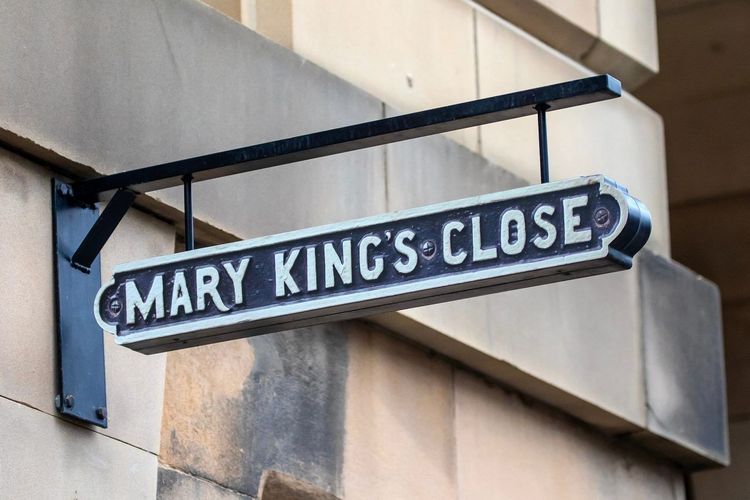
Beneath the cobblestones of the Real Mary King's Close, a network of medieval alleyways buried in the 17th century during the construction of the Royal Exchange, tells a version of the city quite different from the one visible above ground. Sealed after a plague epidemic according to local legend, the historical reality is more nuanced: the buildings were mainly filled in to serve as foundations — a detail that costumed guides take pleasure in debunking during the tour.
The visit, guided only and by reservation, lasts around one hour and explores several reconstructed houses, including that of a 17th-century family and the post of a 19th-century sanitary inspector. Ghost stories — particularly that of a little girl named Annie — draw visitors more interested in a fright than in urban history, and both audiences generally leave satisfied.
If this interplay between legend and historical documentation intrigues you, the short version of the Ryo audio-guided tour of Edinburgh explores a selection of similar above-ground locations — balancing popular tales with verified facts — in a shorter format suited to a one-hour break between two visits.
The ticket includes an identity badge issued at the start of the visit, bearing the name of a real resident who once lived in the close — a simple but effective way to personalise the experience rather than passively taking it in. Book in advance, particularly in summer: time slots fill up several days ahead in high season.
7. Calton Hill
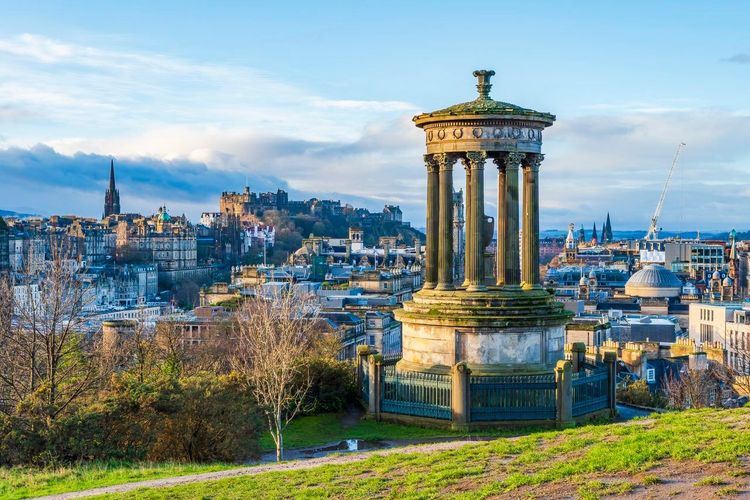
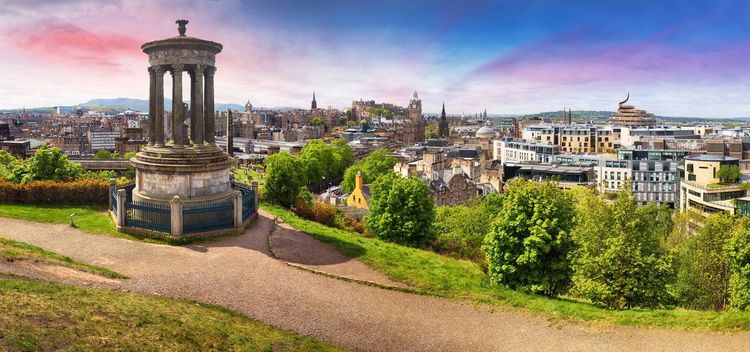
Calton Hill, at the eastern end of Princes Street, packs a collection of unfinished or reconstructed neoclassical monuments onto its 100-metre summit — earning Edinburgh the nickname "Athens of the North". The most prominent, the National Monument, was intended to reproduce the Parthenon as a tribute to soldiers of the Napoleonic Wars; funds ran out in 1829 after only twelve columns had been erected, leaving the structure unfinished to this day.
Next to it, the Nelson Monument, a tower shaped like an inverted telescope, can be climbed for a small admission fee: the 143 steps lead to a platform with the castle on one side and Arthur's Seat on the other — a panorama many consider superior to the view from the castle itself.
The hill is free to access and particularly popular at sunset, when the raking light on the columns of the National Monument draws amateur and professional photographers alike. Allow 15 minutes to walk up from Waterloo Place along a paved path that can be slippery in wet weather. The former city observatory, the City Observatory, restored and reopened in 2018 as a contemporary arts centre, rounds off the visit for fans of late Georgian architecture.
Few visitors know that Calton Hill also hosts, every 30 April, the Beltane fire festival — a modern pagan celebration combining fire and costumed processions that draws several thousand spectators, a tradition revived in the 1980s after centuries of discontinuation.
8. The Georgian New Town
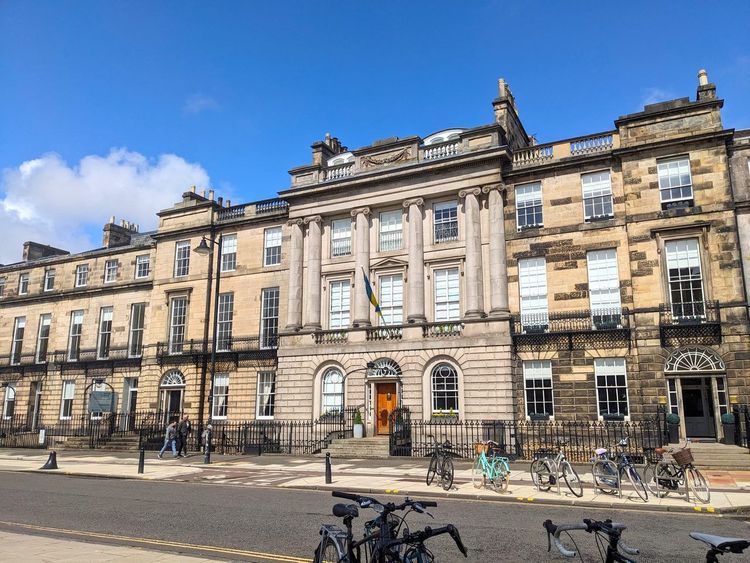
In sharp contrast to the medieval maze of Old Town, the New Town, designed by architect James Craig in 1767 following a public competition, unfolds on a strict grid around three parallel thoroughfares: Princes Street, George Street and Queen Street. This urban planning project — one of the first of its kind in Europe — earned the entire city centre, Old and New Town combined, UNESCO World Heritage status in 1995.
Charlotte Square, at the western end of George Street, remains the finest example of this Georgian architecture: its symmetrical ashlar façades, designed by Robert Adam, now house the Georgian House, a house-museum that recreates the interior of a prosperous late 18th-century residence, kitchen in the basement included.
George Street itself, once a banking and commercial artery, now concentrates luxury shops and restaurants inside former bank headquarters with imposing façades. The contrast with the winding alleyways of Old Town — just a few minutes' walk away — often surprises visitors who weren't expecting such a shift in atmosphere simply by crossing Princes Street. Allow an hour to stroll and take in the façades without entering any museums, or a full half-day if you include a visit to the Georgian House and a stop at one of the discreet cafés tucked into the basement levels of converted banking buildings.
9. Princes Street Gardens
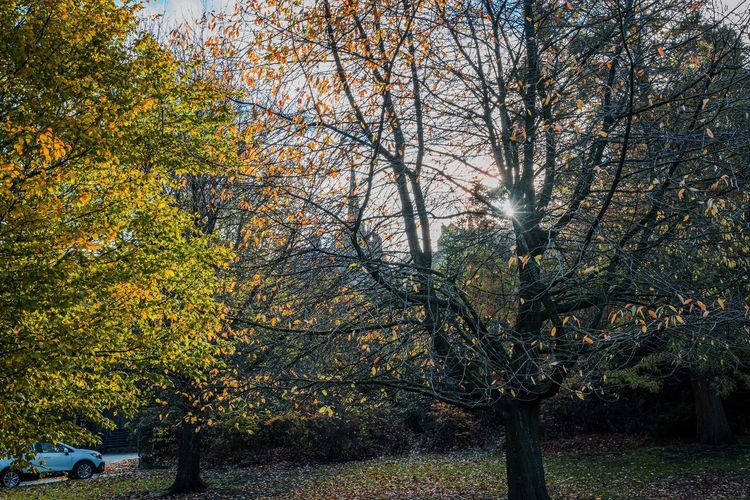
Princes Street Gardens (Princes Street, Edinburgh EH2 2HG, rated 4.7/5 on Google with 27,117 reviews), laid out from 1820 on the site of the drained Nor Loch, physically separate Old Town and New Town for nearly a kilometre. In summer, the Floral Clock, a working floral timepiece installed every year since 1903 with a different design each time, draws photographers at the foot of the Scott Monument.
In winter, part of the gardens hosts the Edinburgh Christmas Market and a large Ferris wheel, temporarily transforming the green space into an urban fairground. For the rest of the year, the sloping lawns are a popular picnic spot with a direct and free view of the castle, no admission fee required. The gardens are divided into two sections, East and West, connected by a footbridge at the Mound; the larger West section also features a miniature golf course open during the summer months.
10. Grassmarket
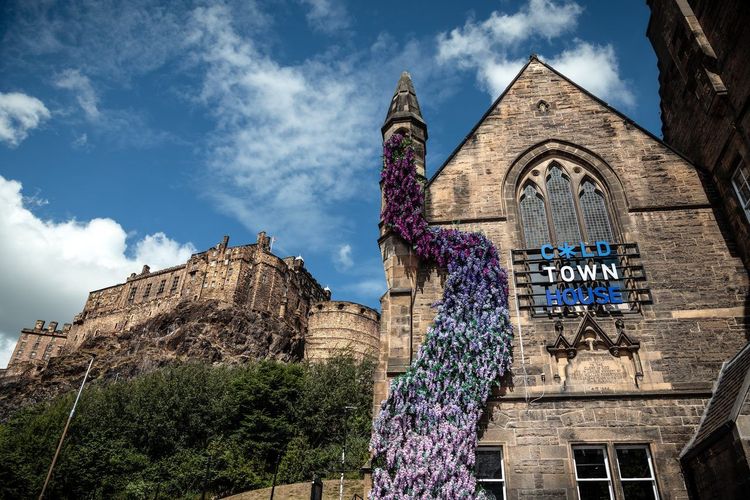
The Grassmarket, a cobbled square at the foot of the castle on the south side, long served as a livestock market and then as a site of public executions until the 18th century — a history recalled by a commemorative cross near the pub The Last Drop, whose name is a direct reference to the gallows.
Today lined with pubs, restaurants and independent shops, the square comes alive particularly on Friday and Saturday evenings. A producers' market takes place there on certain Saturday mornings, offering a simple opportunity to sample Scottish produce without going to a restaurant.
11. Victoria Street and the Harry Potter Trail
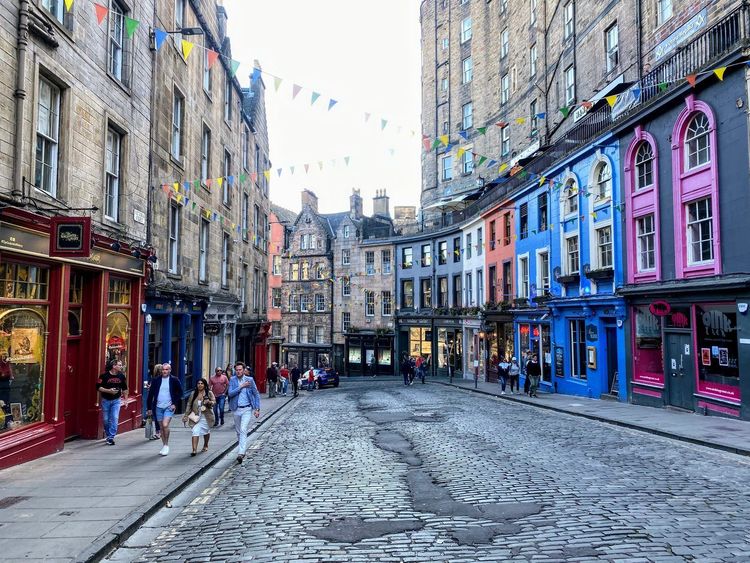
Victoria Street (Victoria Street, Edinburgh EH1 2JW, rated 4.7/5 on Google with 6.7K reviews), a curved cobbled street connecting Grassmarket to George IV Bridge, owes its recent fame to a persistent rumour: it is said to have inspired Diagon Alley in the Harry Potter novels. J.K. Rowling herself has never categorically confirmed this connection, but the colourful two-level facades, the street's pronounced curve and its proximity to places where the author wrote part of the saga have kept the legend alive for nearly twenty years.
A few metres away, The Elephant House, the café where Rowling is said to have written certain chapters of the early volumes with a view of the castle, closed to the public after the 2021 fire that gutted the building, and its reopening long remained uncertain: yet the mythology surrounding the place remains intact for many visitors who come to photograph the green frontage, even with the door closed.
The shops on Victoria Street itself play heavily on this reputation, with several stores dedicated to magic wands, wizard robes and spin-off merchandise, including one permanent shop officially affiliated with the film licence. Prices there are noticeably higher than in a typical souvenir shop on the Royal Mile — something to factor in if you're travelling with children already convinced by the legend.
It's worth tempering part of this urban legend: several local historians point out that Rowling mainly wrote in quieter cafés and at home, and that the systematic association of every cobbled Old Town street with the saga owes more to tourist marketing than to verifiable fact. This doesn't stop the street from remaining one of the most photographed spots in the city throughout the day.
To extend this theme without leaving the historic centre, our Ryo article on things to do in Edinburgh lists other locations associated — rightly or wrongly — with the world of the saga. The best time to photograph the street without too many people is early in the morning, before the shops open around 10am.
12. Greyfriars Kirkyard and Greyfriars Bobby
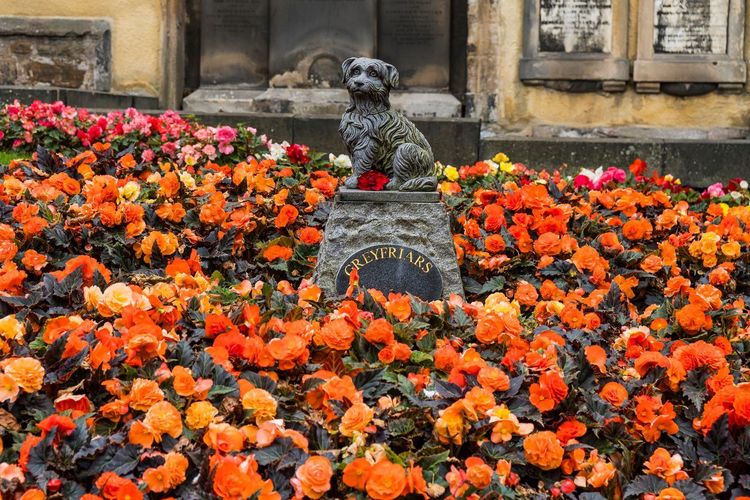
The Greyfriars Kirkyard (Candlemaker Row, Edinburgh EH1 2QQ, rated 4.7/5 on Google with 2,095 reviews), the cemetery adjoining the church of the same name founded in 1620, owes part of its current fame to two quite distinct legends. The first, documented and verified, is that of Greyfriars Bobby, a Skye Terrier said to have kept watch for fourteen years over the grave of his master, John Gray, who died in 1858. A bronze statue from 1873, on the corner of Candlemaker Row, commemorates the dog that became a city-wide symbol of loyalty.
The second legend, more recent and more geared towards literary tourism, links certain gravestones in the cemetery to character names from Harry Potter, including that of a Thomas Riddell — graphically close to the surname of the saga's main antagonist. No direct link with the author has ever been proved, but the grave attracts enough visitors that the cemetery has in the past had to restrict access during certain hours.
Beyond these two narratives, the kirkyard also contains the Covenanters' Prison, an enclosed section where several hundred Presbyterian Covenanters were held in very harsh conditions after their defeat in 1679. The night tours organised in this area — reputed to be one of the most haunted spots in Scotland according to local tales — sell out several weeks in advance in October.
A daytime stroll, free and without booking, is enough to appreciate the atmosphere and spot the most talked-about graves — provided you respect the quiet expected in a cemetery that is still partly in active use. The neighbouring pub, Greyfriars Bobby's Bar, offers a simple food menu and serves as a handy landmark after the visit, just steps from George IV Bridge.
13. The Scott Monument
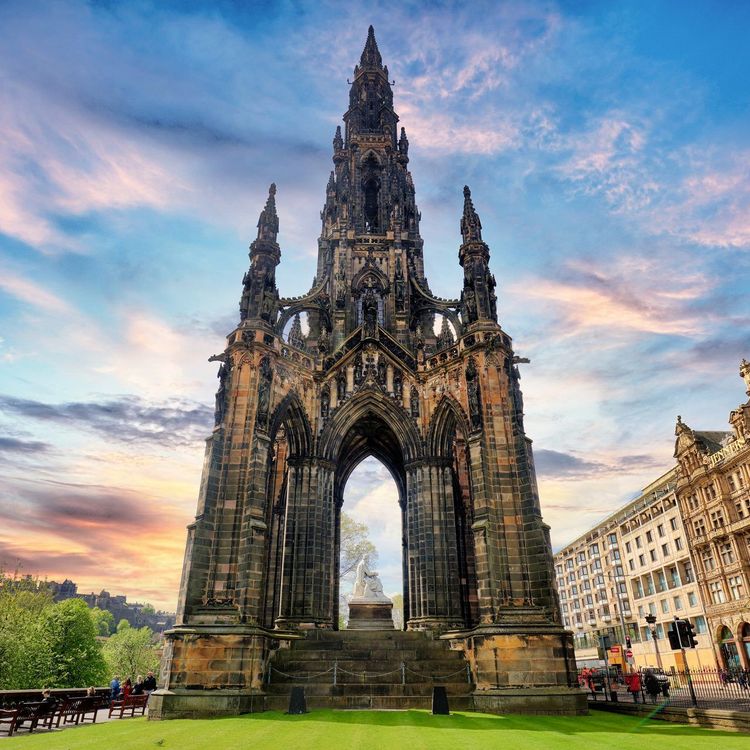
The Scott Monument, completed in 1844 in honour of the writer Walter Scott, stands 61 metres tall and remains the largest structure ever erected in honour of a literary author anywhere in the world. Its 287 narrow, winding steps lead to a platform with a head-on view of the castle, for a modest admission fee.
The full climb takes around 30 minutes return and is not suitable for claustrophobic visitors: the upper landings become noticeably narrower.
14. Camera Obscura & World of Illusions
Installed at the top of Castlehill since 1853, the Camera Obscura uses a Victorian optical system of mirrors and lenses to project a live, moving image of the city onto a circular table. The demonstration, guided every 15 minutes, depends entirely on natural light and loses its effect on days of heavy rain — frequent in Edinburgh.
The floors above house the World of Illusions, a collection of interactive optical illusions and trompe-l'œil rooms designed with families in mind. Allow around 1h30 for all five floors, finishing on the rooftop terrace with its unobstructed view over Princes Street. The attraction is particularly well suited to children aged 6 to 12, who generally enjoy it more than the more traditional museums on the Royal Mile.
15. Dean Village
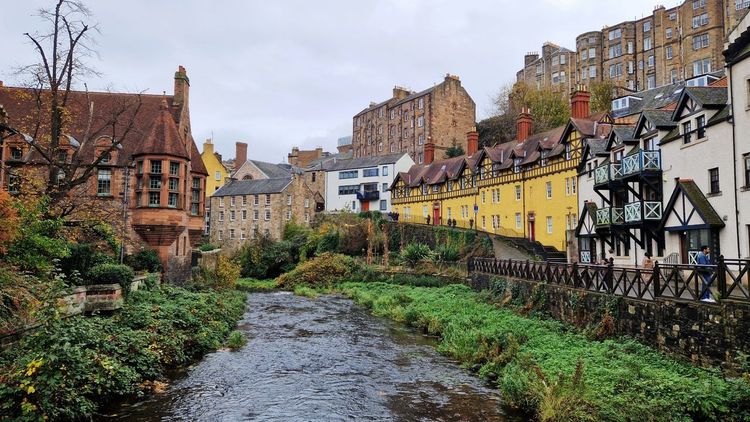
Fifteen minutes on foot from Princes Street, Dean Village (Dean Path, Edinburgh EH4 3BJ, rated 4.8/5 on Google with 4.5K reviews), a former milling village that has stood on the banks of the Water of Leith since the 12th century, contrasts sharply with the bustle of the historic centre. Twelve grain mills were still operating here in the 19th century, harnessing the river's flow to produce around one tenth of the grain consumed in Edinburgh at the time.
Dean Bridge, designed by Thomas Telford in 1831 and rising 33 metres above the river, offers one of the neighbourhood's most photographed viewpoints, with the old mill buildings below. A walk along the Water of Leith Walkway allows you to reach the Scottish National Gallery of Modern Art on foot in around twenty minutes, along a shaded path that is rarely crowded even in high season.
The relative quiet of the place — barely disturbed by the sound of the water — makes it a welcome break after a morning in the crowded streets of Old Town. Few organised tours stop here, making it one of the rare spots in the city centre where you're more likely to encounter locals out for a walk than groups of visitors.
16. The Scotch Whisky Experience

The Scotch Whisky Experience, located just opposite the castle on Castlehill, offers a guided tour in a motorised barrel that travels through Scotland's four main whisky-producing regions in about fifteen minutes, followed by a guided tasting. The venue also houses the world's largest private collection of Scotch whisky, with more than 3,500 bottles assembled by a Swiss collector over several decades.
The entry-level experience is suitable for complete beginners, with accessible explanations of the distillation process, while the premium options include a comparative tasting of four whiskies from different regions, guided by an in-house sommelier. Allow around one hour for the standard option. Non-drinking visitors can opt for an alternative tasting of tea or fermented apple juice — a little-known option that is systematically offered on request at the reception desk.
For those who want to go further after this introduction, our Ryo article on the best Scotch whisky distilleries covers several visitable production sites outside Edinburgh, some less than an hour's drive away for a full-day excursion.
17. Leith and the Royal Yacht Britannia
Leith, Edinburgh's former industrial port annexed by the city in 1920, has undergone a remarkable transformation since the 2000s: converted warehouses housing Michelin-starred restaurants, art galleries and tech offices now stand alongside the historic docks. The neighbourhood has become home to several acclaimed dining venues, which often surprises visitors who still associate Leith with its industrial image of previous decades.
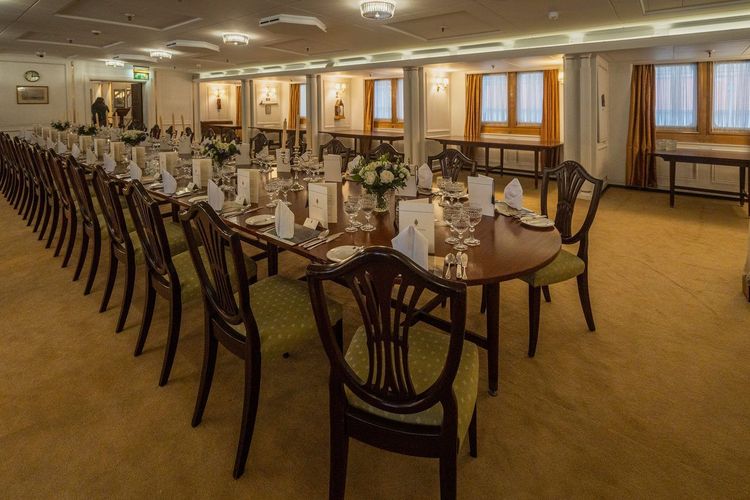
The area's most visited attraction remains the Royal Yacht Britannia (Ocean Terminal, Leith, Edinburgh EH6 6JJ, rated 4.7/5 on Google with 13,901 reviews), permanently moored at Ocean Terminal since its decommissioning in 1997 after 44 years of service to the British royal family, covering more than one million kilometres at sea. The audioguided tour, with no time limit, allows you to explore five decks — from the state drawing room where the Queen received heads of state to the noticeably more modest crew quarters.
The contrast between the understated comfort of the royal apartments — decorated in a deliberately simple style at the personal request of Queen Elizabeth II — and the still-visible machinery in the engine room often surprises visitors accustomed to the more ostentatious interiors of other royal residences. Allow around 1h30 to 2 hours for the full visit, with optional tea served in the state drawing room.
The Saturday market in Leith, set up on Dock Place, brings together local producers and food trucks in a noticeably more relaxed atmosphere than the tourist markets in the centre. This is also where much of Edinburgh's cocktail bar scene is concentrated, with several venues set up in converted industrial warehouses, open mainly in the evening from Thursday to Saturday. From Ocean Terminal, a walk along the waterfront to Portobello Beach — roughly 45 minutes on foot — makes for a pleasant way to round off a full afternoon in this far less touristy part of the city.
18. Edinburgh Zoo
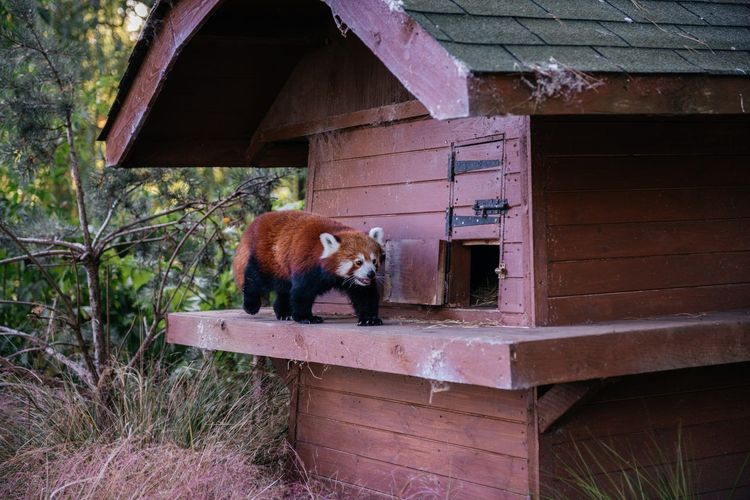
Opened in 1913 on the slopes of Corstorphine Hill, Edinburgh Zoo (134 Corstorphine Road, Edinburgh EH12 6TS, rated 4.3/5 on Google with 14,491 reviews) covers 32 hectares and is home to around 1,000 animals from over 100 different species, including two giant pandas, Yang Guang and Tian Tian, who arrived on diplomatic loan in 2011 and returned to China in 2023 after twelve years during which their presence had dramatically boosted visitor numbers.
The zoo is best known for its colony of penguins, the largest in Europe by number of species represented, with a daily parade held since 1951 — the penguins participate on a voluntary basis, with no coercion involved. Allow half a day to explore the entire site, much of which is on a slope, with pushchairs if you're travelling with young children. The zoo also takes part in several international breeding programmes for endangered species, including Sumatran tigers and lemurs — a less spectacular side of the operation that nonetheless justifies in part the admission price, which is higher than the average for European zoos.
19. Rosslyn Chapel
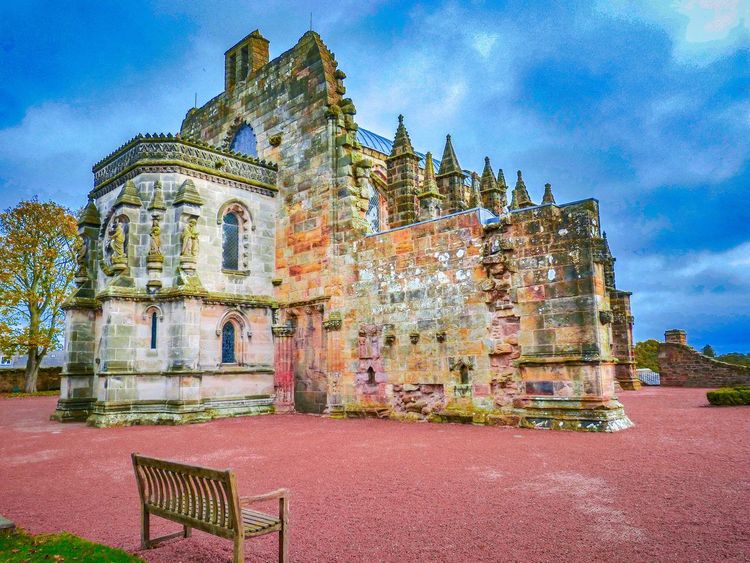
About thirty minutes by bus from the city centre, in the village of Roslin, Rosslyn Chapel (Chapel Loan, Roslin EH25 9PU, rated 4.7/5 on Google with 10,168 reviews) owes its recent fame to the Da Vinci Code novel, which made it one of the most visited sites near Edinburgh since its publication in 2003. Founded in 1446 by William Sinclair, the chapel displays a profusion of Gothic carvings on every interior surface, including more than 110 representations of "Green Men" — leafy faces whose precise meaning continues to be debated by historians.
The most talked-about carving, the Apprentice Pillar, is said to have been crafted by an apprentice during his master sculptor's absence — an achievement that allegedly cost the apprentice his life when the master returned, killed in a fit of jealousy. No historical evidence confirms this story, which predates the novel that popularised it by far, but it is systematically recounted during guided tours.
A direct bus runs approximately every 30 minutes from the city centre, or allow 20 minutes by car. Photography is prohibited inside the chapel — a rule that is strictly enforced, unlike at most other religious sites in the region. Book your slot online in high season: the chapel deliberately limits the number of simultaneous visitors inside to protect the carvings, which can mean a 20-to-30-minute wait on busy days without a prior reservation.
20. St Giles' Cathedral
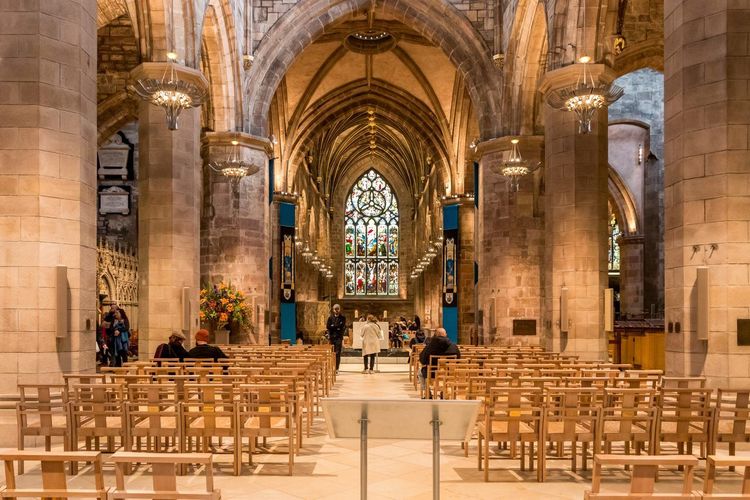
St Giles' Cathedral, on the Royal Mile, is distinguished by its crown tower completed in 1495, whose shape evokes a stylised Scottish crown visible from several points across the city. Inside, the Thistle Chapel, completed in 1911 in an ornate neo-Gothic style, is reserved for the knights of the Order of the Thistle — Scotland's highest order of chivalry.
Entry is free, with a suggested contribution of a few pounds towards the upkeep of the building. Free organ concerts are held here on certain Sunday afternoons, a little-known opportunity to enjoy the venue's acoustics at no extra cost.
21. The Edinburgh Dungeon
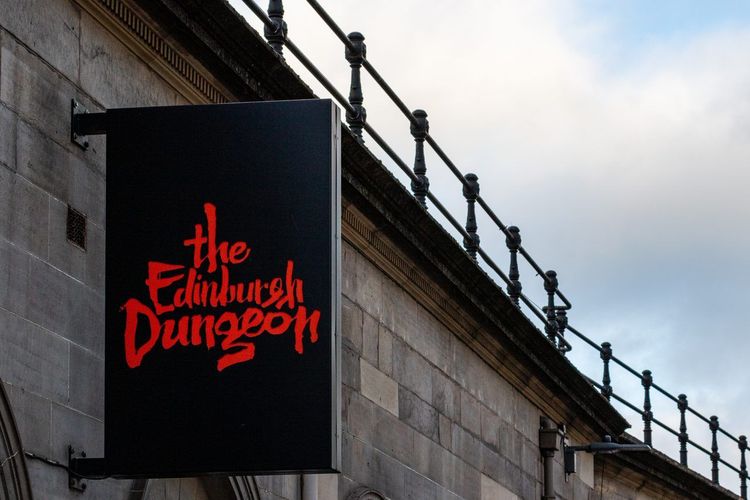
The Edinburgh Dungeon, located on Market Street just steps from Waverley Station, offers a theatrical tour of around 80 minutes centred on the darkest episodes in Scottish history: witch trials, the plague epidemic and the crimes of Burke and Hare — those two 19th-century serial killers who sold fresh corpses to the local medical faculty.
Costumed actors guide each group through around ten staged rooms in a deliberately theatrical, sometimes comic tone — closer to live performance than to a traditional history museum. The attraction is not suitable for young sensitive children: several sound and visual effects are designed to startle visitors in each room.
Book for late morning or early afternoon, as end-of-day slots often sell out in high season, particularly during UK school holidays. A combined ticket with the Scotch Whisky Experience, ten minutes' walk away, saves around fifteen percent on both admissions if you plan to visit both on the same day.
22. Portobello Beach
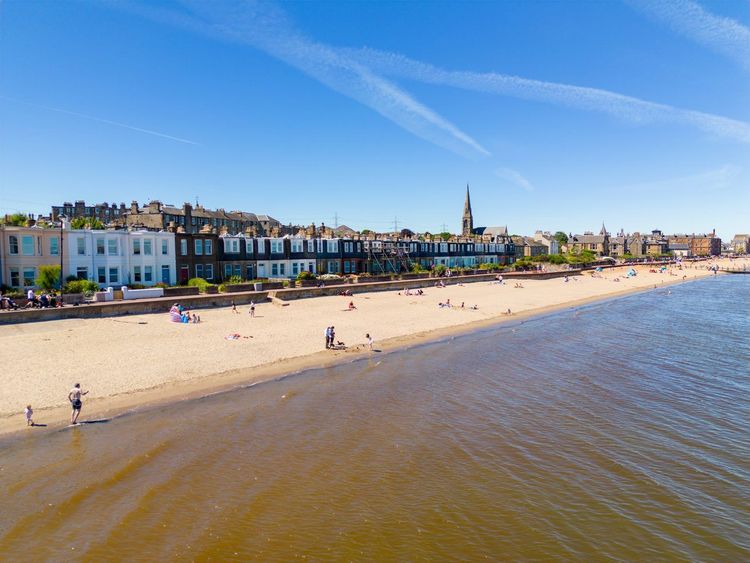
About 5 kilometres from the city centre, Portobello Beach (Portobello, Edinburgh EH15 1EU, rated 4.7/5 on Google with 212 reviews) offers a sandy beach stretching over 3 kilometres, lined with a Victorian promenade and colourful houses that feel more like an English seaside resort than a Scottish capital. The neighbourhood — long a popular spa town in the 19th century before declining and then reviving in the 2010s — now hosts specialty cafés and independent shops along its local High Street.
Swimming, though cool year-round — water temperatures rarely exceed 15°C even at the height of summer — is still practised by a core group of regular swimmers, some of whom swim in wetsuits all year. A wooden floating sauna facing the beach offers bookable sessions for those who prefer warmth on the outside.
Allow 20 minutes by bus from the city centre, or a good hour's walk along the Water of Leith and then the seafront — a pleasant route in fine weather but with little shelter from the rain.
23. Rose Street and Its Historic Pubs
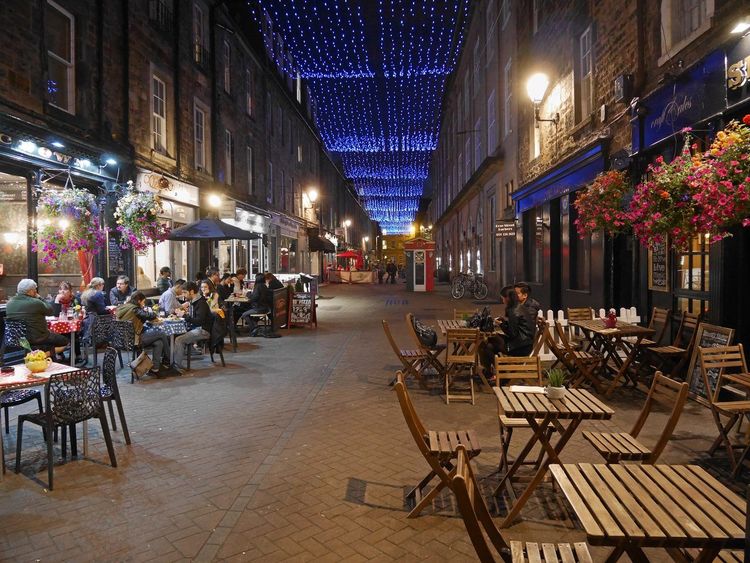
Running parallel to George Street, Rose Street (Rose Street, Edinburgh EH2, rated 4.7/5 on Google with 130 reviews) has for over a century boasted one of the highest concentrations of pubs in the city centre — to the point where a local legend once claimed you could get from one end of the street to the other without ever stepping outside, by passing directly from one pub to the next through connecting back rooms. The reality is more prosaic, but the street is indeed lined with around twenty establishments over just a few hundred metres.
Among the oldest addresses, the Abbotsford, opened in 1902, retains its original mahogany Victorian bar and stocks over 300 different whiskies — a remarkable number even for a city where whisky holds a central place in pub culture. Other, more recent venues focus on Scottish craft beers from several local breweries, served on draught only.
The best time to discover the street is in the late afternoon, before the Friday and Saturday evening crowds arrive, when you can still chat with the staff at various establishments about the history of their respective pubs. The street is pedestrianised for much of its length, making it easy to wander from one venue to another without worrying about traffic.

FAQ
What to Do in Edinburgh in 1 Day?
Focus on the historic triangle: Edinburgh Castle in the morning, a walk down the Royal Mile with a stop at St Giles' Cathedral, then Arthur's Seat in the late afternoon if the weather allows. Plan for a full day of brisk walking and book your castle tickets online to avoid queuing.
What to Do in Edinburgh in 2 Days?
Add to your first-day itinerary a morning at the National Museum of Scotland and the Georgian New Town, then an afternoon in Leith visiting the Royal Yacht Britannia. The second day also allows you to include Calton Hill at sunset — a moment most hurried visitors miss — as well as a detour to Victoria Street late in the morning.
What to Do in Edinburgh in 3 Days?
A third day opens up the possibility of a day trip to the surrounding area, such as Rosslyn Chapel or a whisky distillery, while still leaving time to explore Dean Village and Victoria Street at a more leisurely pace. This is the most commonly recommended length of stay to cover the city centre essentials without rushing from one site to the next.
What to Do in Edinburgh in 4 Days?
With four days, include a full day outside the city centre: the Pentland Hills for a hike, or a trip to the castles and lochs nearby. The first three days follow the 3-day itinerary, spreading out the visits more comfortably and leaving a free evening in Leith or on Rose Street.
Is Visiting Edinburgh for 5 Days Too Long?
Not at all: five days allow you to combine the historic centre with several day trips to the surroundings — Rosslyn Chapel, distilleries or the Pentland Hills — at a noticeably more relaxed pace, with free evenings to explore the pubs of Grassmarket or Leith without any time pressure.
How Many Days Do You Need to Visit Edinburgh at a Minimum?
Two full days are enough to see the must-sees of the historic centre, but three days allow you to add at least one day trip to the surroundings without sacrificing a major attraction such as the Castle or the Palace of Holyroodhouse.
What to Do in Edinburgh on a Harry Potter Theme?
Walk along Victoria Street, said to have inspired Diagon Alley, then visit Greyfriars Kirkyard to spot the grave of Thomas Riddell. The Elephant House, where J.K. Rowling reportedly wrote part of the saga, rounds off this literary itinerary — though it should be noted that several of these connections lack official confirmation.
Edinburgh delivers whether you have a single day or a full week: the city suits any length of stay, as long as you accept making choices rather than trying to tick every box. From the Castle perched on its volcanic rock to the underground alleyways of Mary King's Close and the rediscovered calm of Dean Village, each neighbourhood tells a different facet of the same story — sometimes documented, sometimes heavily embellished by centuries of popular tales.
If you prefer to explore at your own pace rather than following a paper guide, the Ryo Edinburgh audio guide, Between Myths and Reality, covers many of the places mentioned here with commentary that clearly distinguishes historical fact from legend kept alive for visitors. Whether you stay for a day or a full week, the city can be discovered just as well solo or with family, between an urban volcano, a royal palace and a whisky distillery just metres from the castle.