
Créé par Romane, le 17 nov. 2026
Votre guide Ryo
Edinburgh, Scotland
Between Myth and Reality
Parcours audioguidé pour visiter Edinburgh en 1 jour
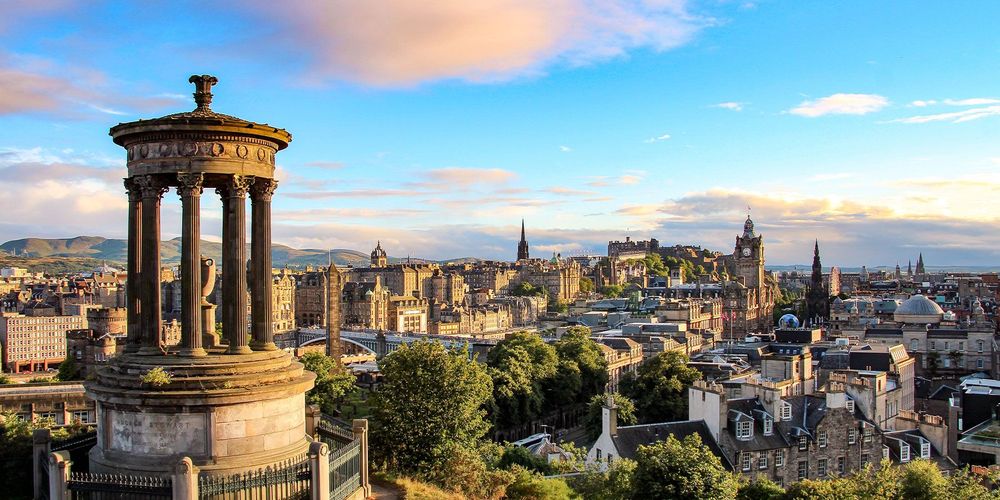
Overlooked by its iconic castle, Edinburgh reveals a capital with a truly distinctive character, where history meets an atmosphere that feels both mysterious and full of life. Its UNESCO-listed center unfolds like a storybook, with medieval alleyways, refined architecture, and long-standing traditions at every turn. As you explore, you’ll sense a city that’s very much alive, shaped by its legends, its cultural richness, and a deeply rooted Scottish identity.
Quand partir à Edinburgh ?
Jan.
4°
12
Feb.
4°
10
March
6°
11
April
8°
10
May
11°
11
June
13°
10
July
15°
11
Aug.
15°
12
Sept.
13°
11
Oct.
10°
13
Nov.
7°
13
Dec.
4°
13
The best times to visit Edinburgh are May, June, July, August, and September. Average high temperatures peak in July and August at 19°C, while the lowest average lows are in December, January, and February at 1°C. A windbreaker, umbrella, and warm layers are essential in winter! Summers are cool, and from June to August you can expect a mix of sunshine and showers.
Départ conseillé
We design our tours in the form of a loop so you can easily start at the point closest to you, with the guidance adapting automatically. If you are nearby, we recommend an ideal starting point: Grassmarket Square.
Parking à proximité
Covered Parking Semple Street, 30 Semple Street
Driving in Edinburgh is generally not recommended. However, if you do need to park, it is wiser to choose an underground car park rather than street parking. While often more expensive, on-street spaces are heavily regulated and also paid. You must be very careful and check in advance where you are allowed to park and for how long, otherwise you risk getting a fine. If you are looking for free parking, consider the park-and-ride facilities on the outskirts of the city, which are often connected to the city centre by shuttle services.
À savoir
There is so much to see in Edinburgh! If you plan on doing several activities in the city, I recommend getting the City Pass in advance, which offers access to over 20 attractions at discounted rates.
Découvrez 25 lieux d'intérêt pour visiter Edinburgh


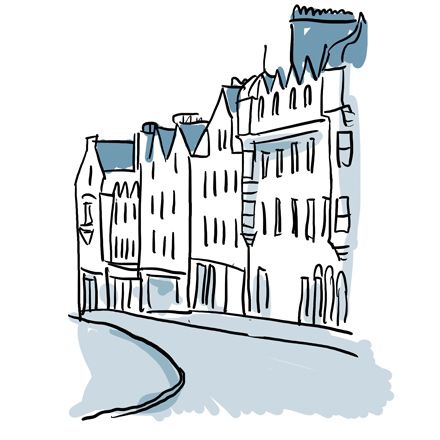




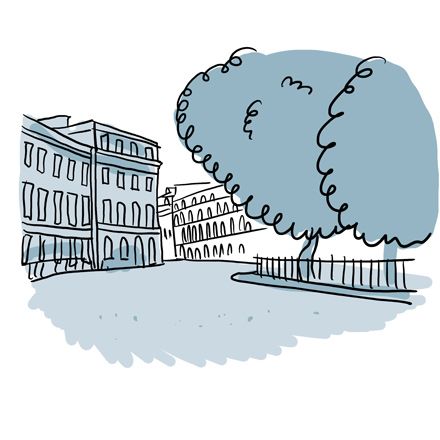

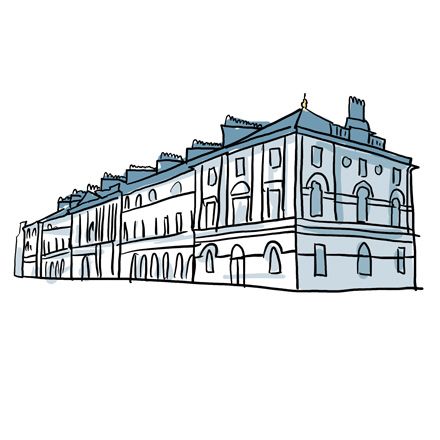
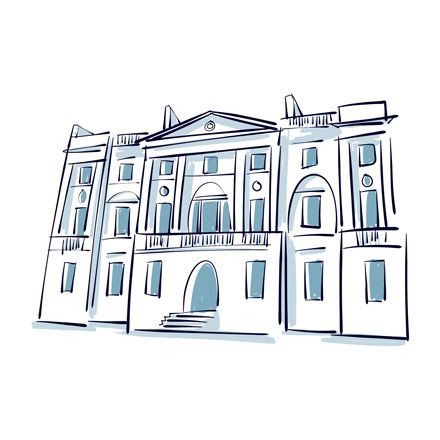

What to see in Edinburgh on your 3h20 tour?
This 8.3 km loop takes about 3 h 20 and links 24 sights. From the Grassmarket it climbs to Edinburgh Castle, descends the Royal Mile to the Scottish Parliament and the Palace of Holyroodhouse, rises again to Calton Hill, then crosses New Town, from George Street to Charlotte Square, before following Princes Street to the Ross Fountain. With the Ryo app in your ears, every close, monument and viewpoint tells the story of the Scottish capital, at your own pace.
Information checked in November 2026 and subject to change.
1 - Grassmarket
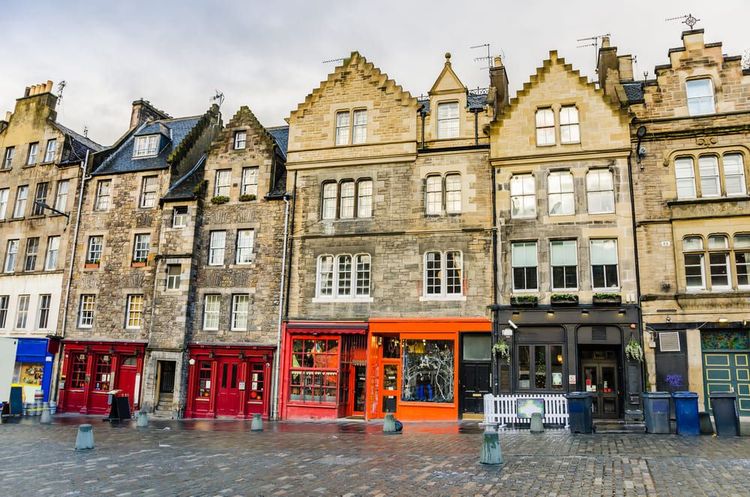
At the foot of the castle, this square has hosted a market since the 14th century — once corn, cattle and horses, now fresh produce every Saturday — and is ringed by old cheap inns. Between the 17th and 18th centuries it also served as a hanging site: in 1724 Maggie Dickson survived her own execution, waking up inside her coffin on the way to the graveyard, which saw her legally declared dead and therefore free. A pub on the square still carries her name.
Free entry
2 - St Giles’ Cathedral
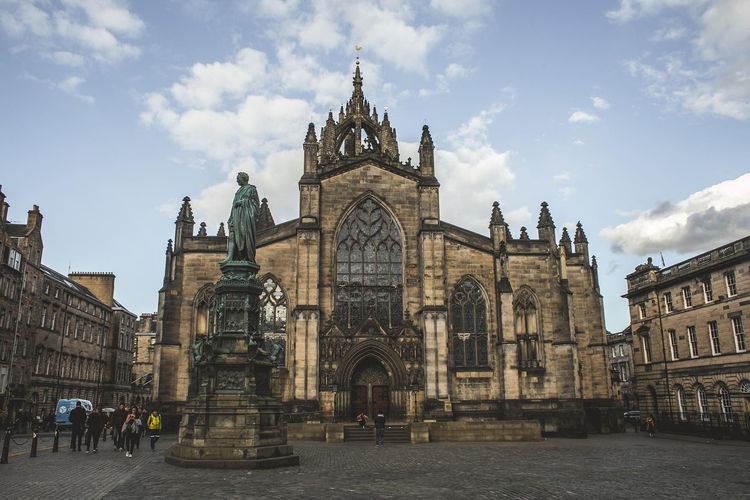
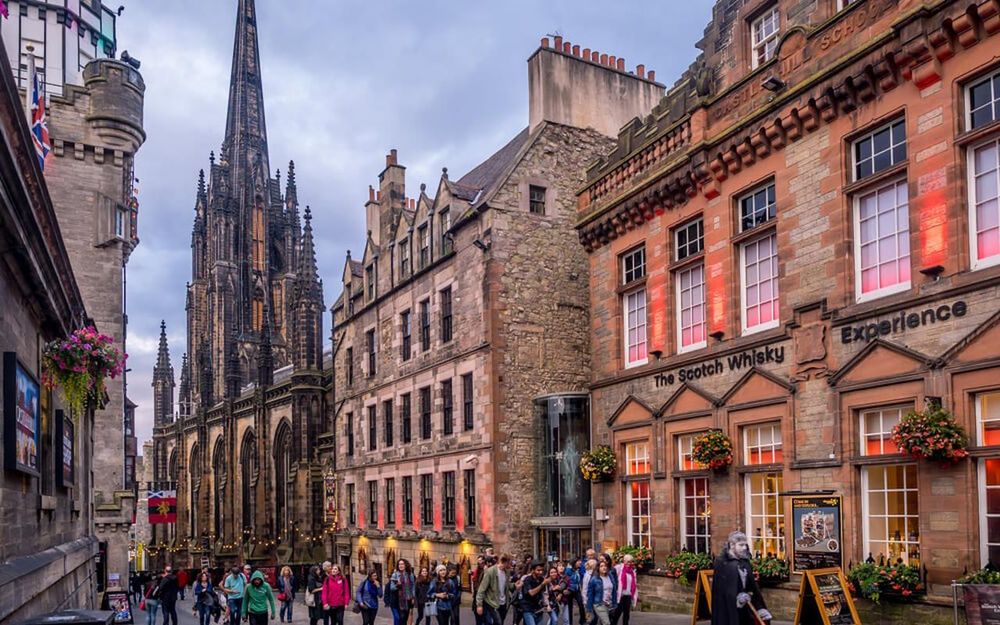
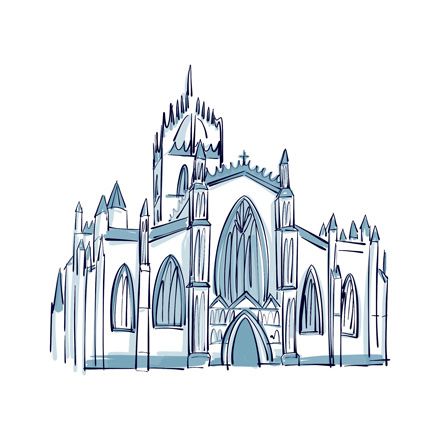
Officially no longer a cathedral at all, it keeps the name by common habit. Work began in 1124 at the initiative of King David I, continuing in Gothic style in the 15th century over the remains of a 9th-century sanctuary. It switched to Protestant worship during the Scottish Reformation and houses a statue of John Knox, its leading architect. Its crowned lantern tower, added in 1490, remains one of the most recognisable silhouettes in the city.
Free entry
3 - Milne’s Court
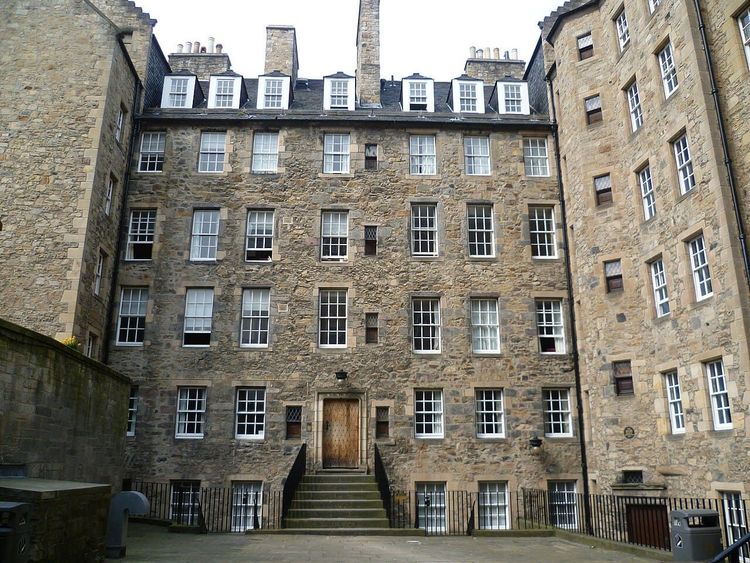
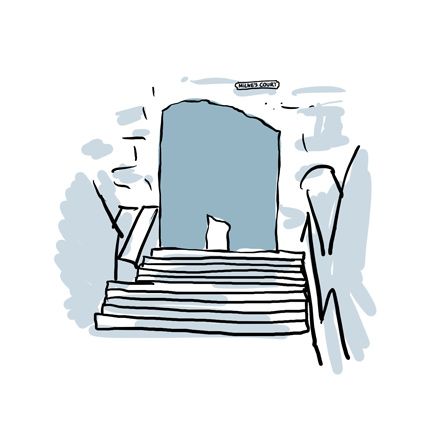
Narrow openings between the facades climbing toward the castle — James Court, Lady Stair's Close — lead to hidden courtyards, rather like Lyon's traboules: some once helped defend the city from English raids, others existed purely for wealthy owners' pleasure. Milne's Court itself fell into squalor during the 19th century, overcrowded and increasingly poor, until a city engineer forced its renovation under threat of demolition. Reopened in 1969, the courtyard can now be explored safely, clear of the Royal Mile's crowds.
Free entry
4 - Edinburgh Castle
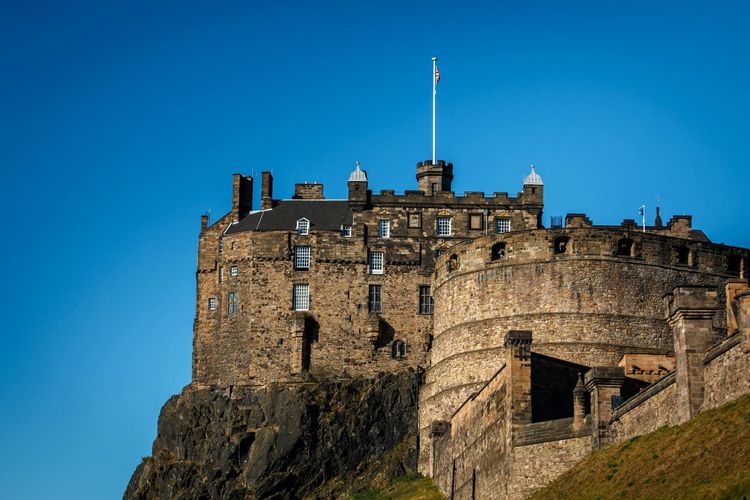
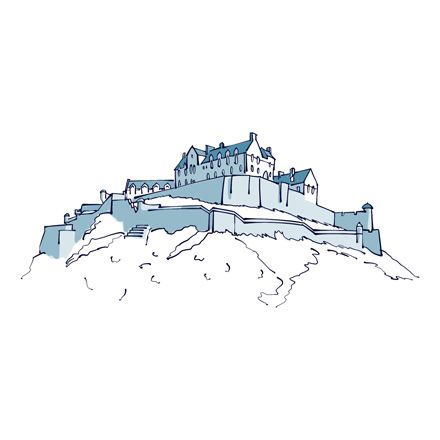
More than nine centuries of history on its volcanic rock make it one of Europe's oldest castles, completed in the 12th century amid fierce rivalry between Scotland and England. Mary Stuart gave birth here to the future James VI of Scotland, whose reign remains the longest in the country's history. Visitors can see royal treasures, war prisons and St Margaret's Chapel, the city's oldest building. Every day but Sunday at 1pm, a cannon fires, recalling an old signal for sailors.
Paid entry (about £26)
5 - The Ghosts of the Castle
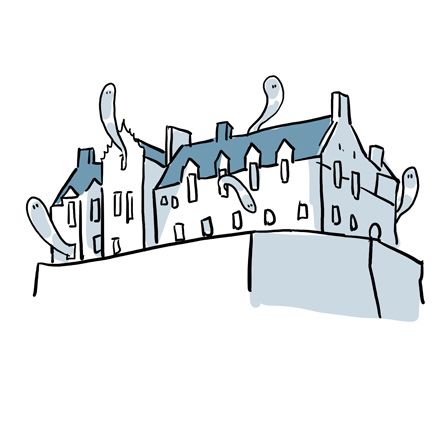
Between a ghost dog still barking after fourteen years guarding a grave, a bagpiper who vanished without trace in underground tunnels, and Greyfriars cemetery haunted by a criminal's spirit, Edinburgh has no shortage of spine-chilling tales. The castle tops them all: a headless drummer is said to echo through it whenever the city is in danger, and many visitors report sudden temperature drops, invisible hands and whispers. Brave souls can book guided tours devoted entirely to these dark legends.
Free entry
6 - Scottish National Gallery
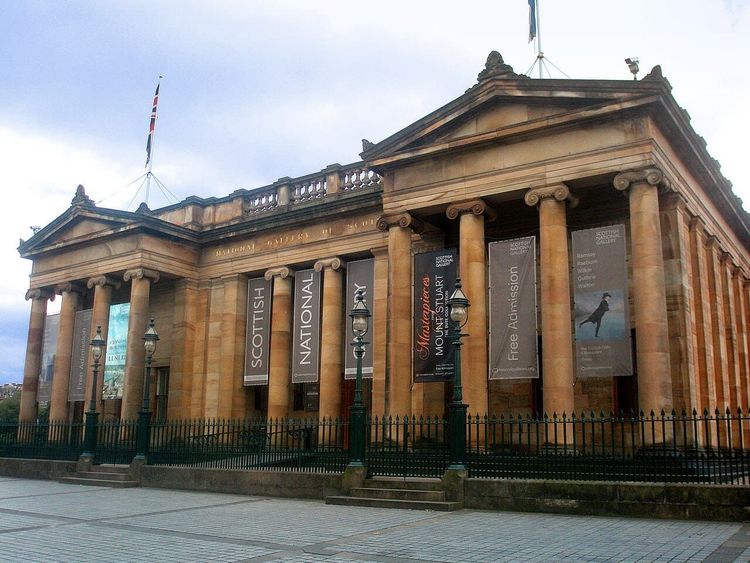
Founded in 1859, this national gallery holds Scotland's richest art collection, spanning the Renaissance to Post-Impressionism, inside a neoclassical building set between the old and new towns, right by Princes Street Gardens. As with most British museums, entry to the permanent collections is entirely free — a perfect chance to come face to face with Velázquez, Cézanne or Van Gogh without spending a penny.
Free entry
Everything you need to know about the Scottish National Gallery
7 - Royal Scottish Academy

A twin in style to the gallery next door, this Greek Doric temple has housed Scotland's national academy of fine arts since 1826, handing out awards, grants and residencies to artists active in the country. Beneath its statue-topped north pediment hang contemporary Scottish paintings and sculptures. Its position is no accident: this is exactly where the old town ends and, across Princes Street, the 18th-century new town begins.
Everything you need to know about the Royal Scottish Academy
8 - Scott Monument

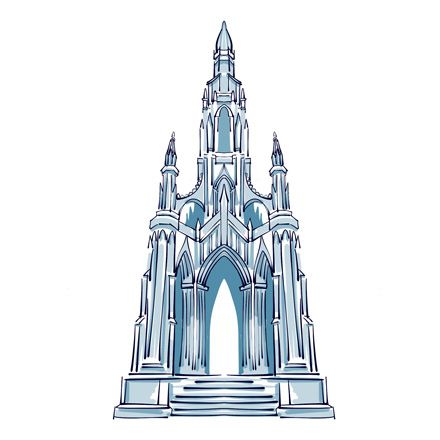
Standing 60 metres tall and darkened by time, this neo-Gothic spire, unveiled in 1846, honours Sir Walter Scott — one of the largest monuments anywhere dedicated to a writer. Inside, an exhibition traces his life and work around a marble statue that took six years to complete. The bold can climb nearly 300 steps, narrowing as they rise, for an unbeatable view over the old town.
Paid entry
9 - Waverley Bridge
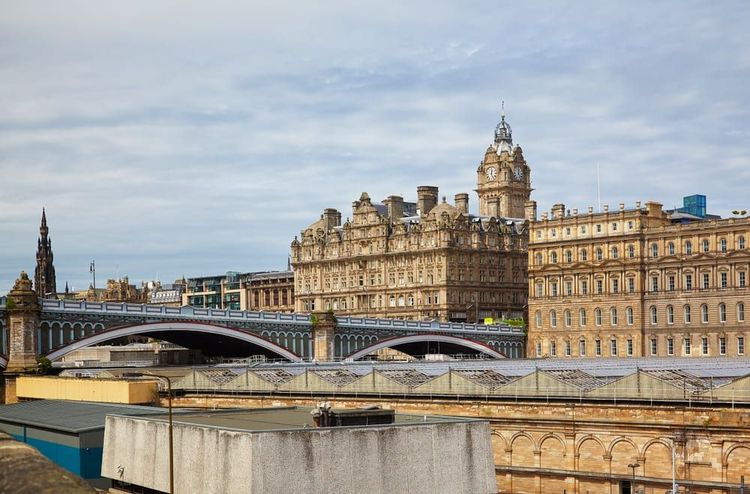
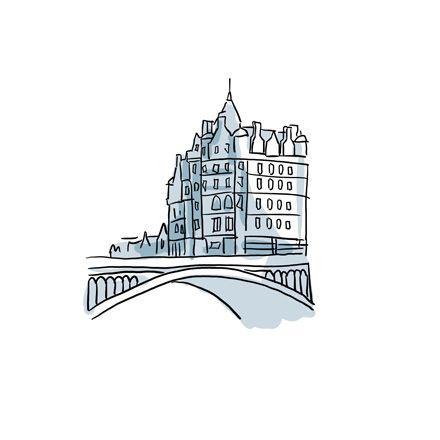
Built in 1894 and completed two years later, this bridge is named after Walter Scott's debut novel, published in 1814 and regarded as the founding text of the historical-novel genre: it follows a young Englishman joining the Stuart cause alongside the Highlanders. The deck spans the station that shares its name, linking the city's two historic quarters and opening up fine views here over ancient rooftops and the castle's silhouette.
Free entry
10 - Cockburn Street
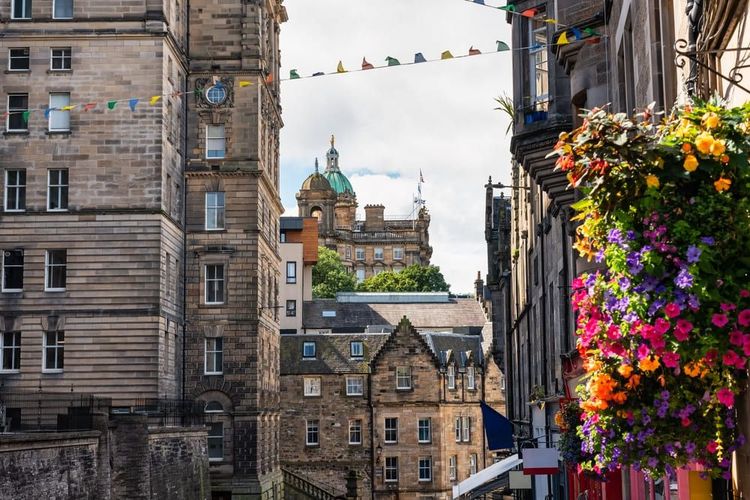
Laid out in 1856 to open up access to the station, until then reachable only by steep narrow lanes, this curving street honours Henry Lord Cockburn, a judge who, at the height of the Victorian boom, saved many old buildings from demolition as modernisation threatened them. His likeness, carved at No. 1, reflects that respect. Lined with colourful shops, it now pleasantly links the Royal Mile to the station district.
Free entry
11 - The Royal Mile
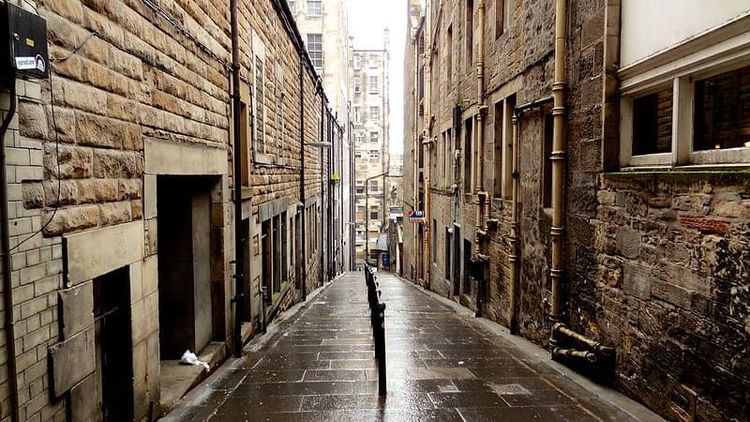
This street isn't really one road but a string of several, running almost two kilometres between the castle and the Palace of Holyrood. All along it hide narrow passages — closes and wynds, cousins of Lyon's traboules — leading to discreet courtyards, some still open to walk through. Near Jeffrey Street, metal cobblestones mark the old gate that once separated the city from a burgh nicknamed "The World's End," the edge of the known world.
Free entry
12 - Canongate Kirk
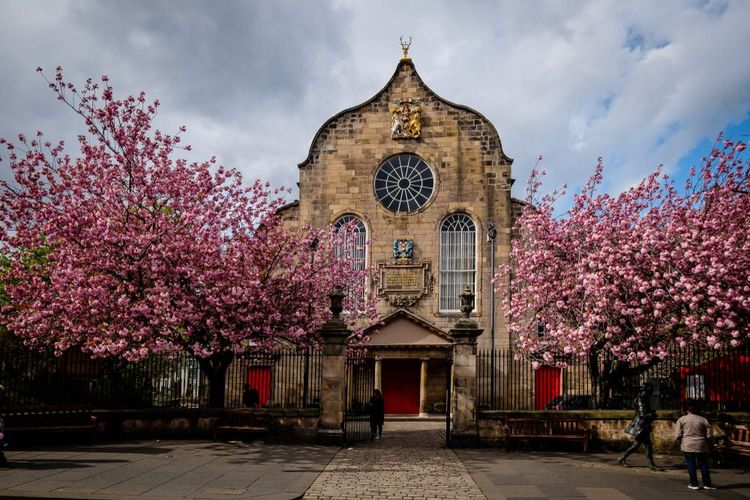
This is where royals still worship when staying at the Palace of Holyrood, and where Zara Phillips, Queen Elizabeth II's granddaughter, got married. This Presbyterian place of worship — built after the Reformation, austere by design — went up in 1691, funded by a wealthy merchant's bequest and designed by James Smith beneath a Dutch-style gable. Its graveyard holds economist Adam Smith, poet Robert Fergusson and companions of Bonnie Prince Charlie.
Free entry
13 - Dunbar’s Close Garden
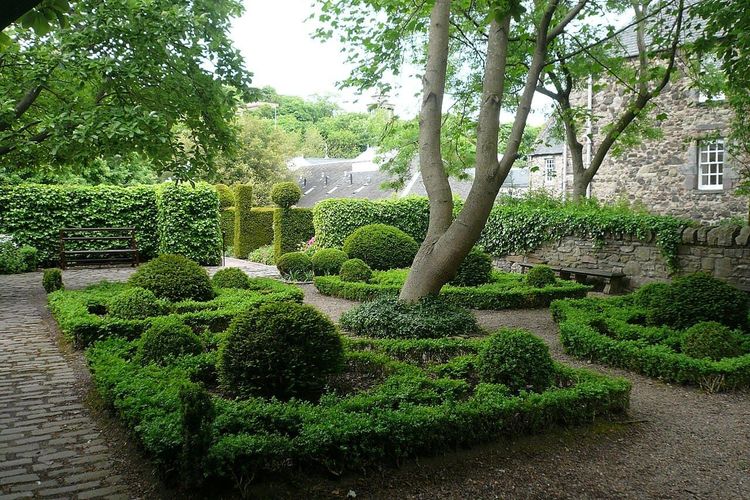
Tucked behind a discreet close, this garden copies the style of those that once graced the street's houses, without being a relic of them: it was laid out around 1970, the work of landscape architect Seamus Filor, to give locals a bubble of calm away from the crowds. Its name comes from David Dunbar, a wealthy lawyer who lived in one of the neighbouring houses and likely owned a similar garden back in the 18th century. Perfect for a picnic or a quiet break.
Free entry
14 - Scottish Parliament

Far from the medieval stone that dominates the Royal Mile, this contemporary structure, completed in 2004, houses Scotland's legislative power, restored in 1999 after centuries of sharing it with neighbouring England. Its bold architecture, which divides opinion, deliberately breaks with the rest of the city. On certain days visitors can tour the debating chamber, notable for its oak panelling — a tangible symbol of an autonomy that is, in fact, fairly recent.
Free entry
15 - Palace of Holyroodhouse
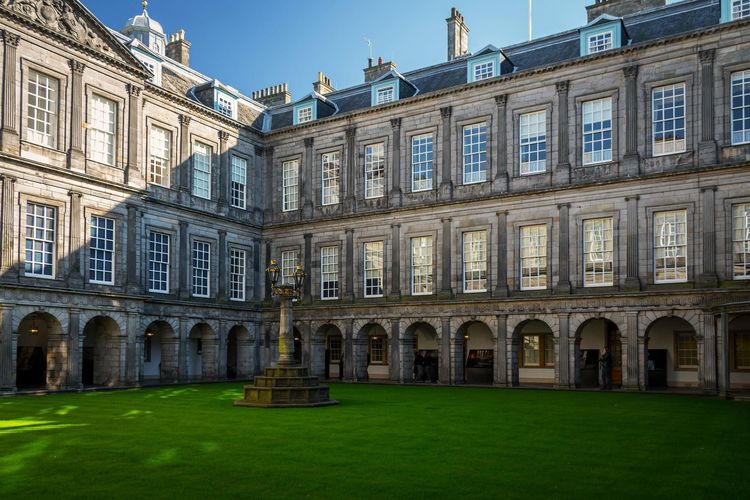
The official residence of Scotland's monarch since the 16th century, the palace keeps alive the memory of its most famous resident, Mary Stuart, crowned queen at nine months old in 1542. Widowed by the King of France at twenty, remarried to Lord Darnley and then, after his murder, to the chief suspect in the crime, she was forced to abdicate in favour of her son James VI. Taking refuge in England, her cousin Elizabeth I had her imprisoned for fourteen years before her execution, botched by the axe.
Paid entry
Everything you need to know about the Palace of Holyroodhouse
16 - St Andrew’s House
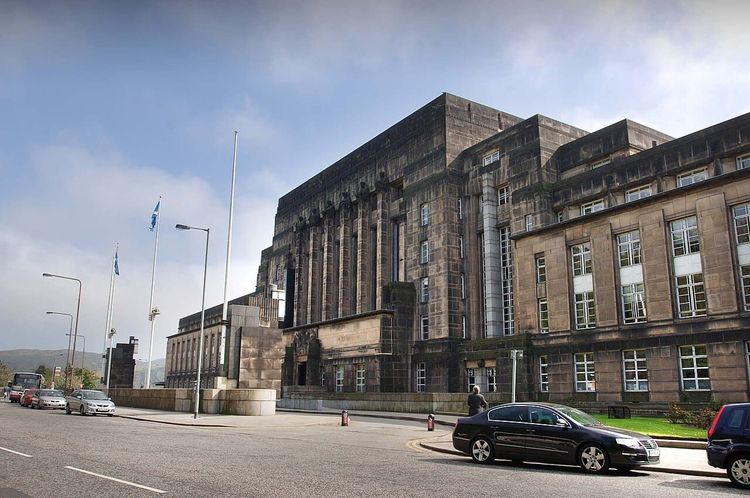
Standing on the flank of Calton Hill where a former prison once stood — ten murderers' graves are said to remain under the car park —, this Art Deco building was finished in 1939, right after war broke out, delaying its opening. Originally meant to house parliamentary offices still answerable to Westminster, it only became home to a fully autonomous government after 1999, with the offices of Scotland's First Minister.
Free to see from outside
17 - Calton Hill
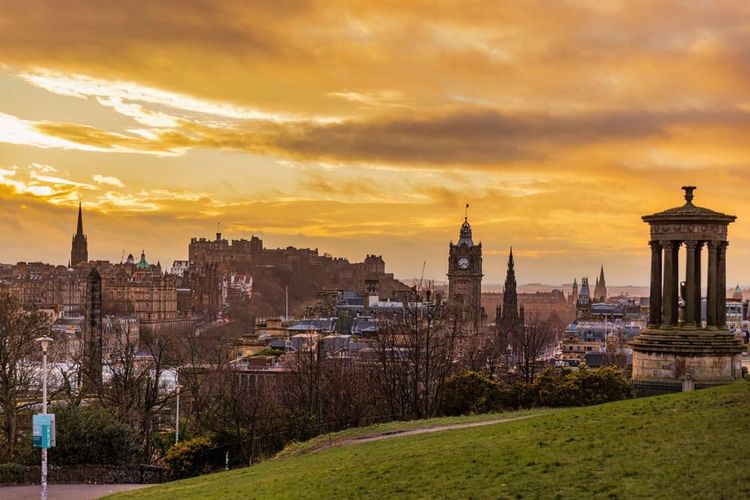
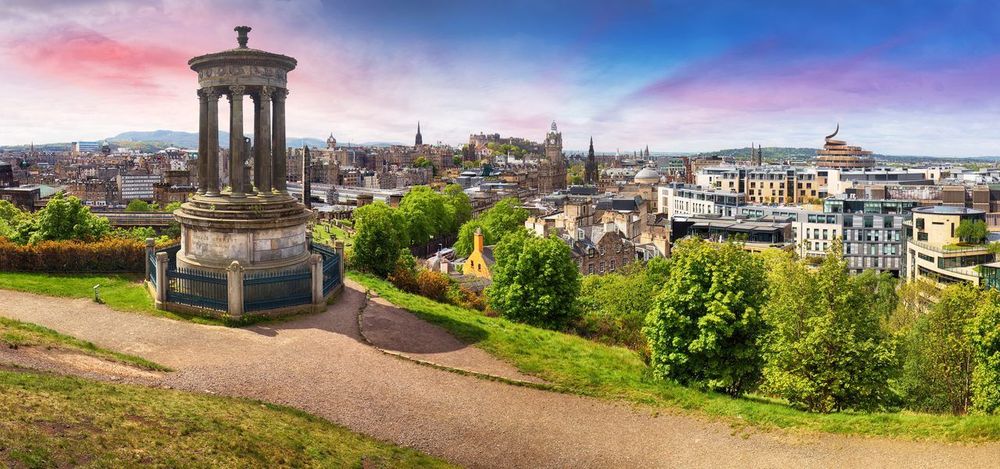
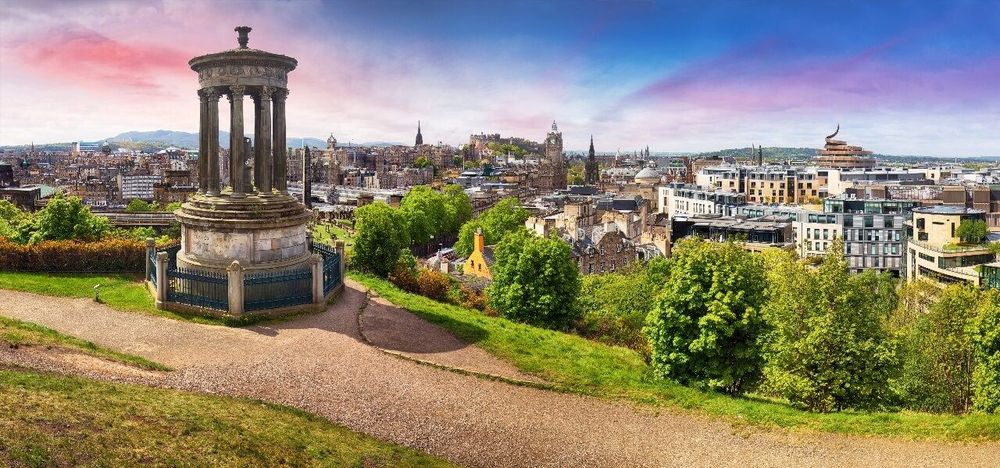
Listed by UNESCO for its 360-degree panorama, this volcanic hill earns Edinburgh its nickname, Athens of the North: here stand the National Monument, its twelve columns honouring soldiers who fell fighting Napoleon, the city observatory, and the Nelson Monument, dedicated to the victor of Trafalgar over the combined French and Spanish fleets. Archaeological digs show the site has been occupied continuously since the Bronze Age.
Free entry
18 - Picardy Place
At the foot of Calton Hill stand two very different places of worship, side by side: the neo-Gothic St Paul's church, built between 1816 and 1818 and joined in 1932 with nearby St George's parish, giving it its double name, and St Mary's Cathedral, built in a different style, a metropolitan cathedral since 1886 and rebuilt into its present form in 1978. A rare touch of Gothic in a city ruled by neoclassicism, right on the boundary between old and new town.
Free entry
19 - New Town District
Born between 1767 and 1850 to relieve an old centre that had grown unhealthy, the New Town follows a plan inspired by Greco-Roman antiquity: straight streets, Georgian façades named after the reigning King George. Today a lively district mixing shops, bars and two major museums, it forms, together with the Old Town, a World Heritage ensemble, a unique testimony to Enlightenment urban planning applied to a capital city.
Free entry
20 - George Street
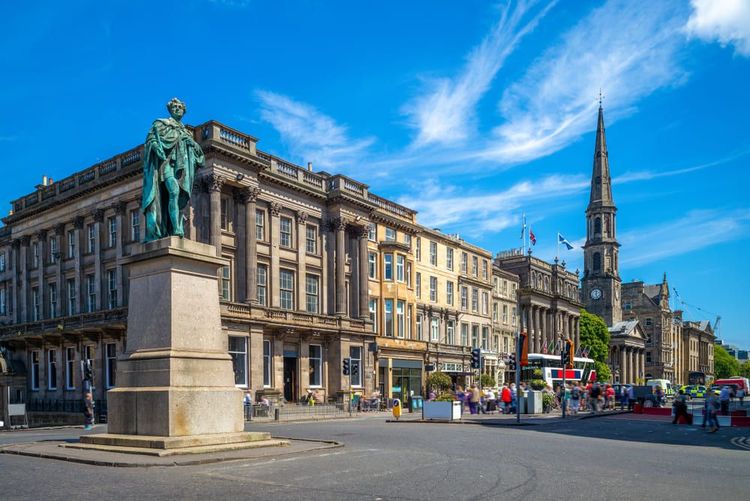
Designed by James Craig, the architect behind the entire New Town, this avenue takes its name from George III, who reigned from 1760 to 1820. Originally reserved for the city's wealthiest residents, it turned into a showcase of luxury during the Victorian era and remains one of the liveliest streets in town today, mixing nightlife with big-name stores. Between Charlotte Square and St Andrew Square, its broad pavements carry statues and monuments honouring great local figures.
Free entry
21 - Charlotte Square
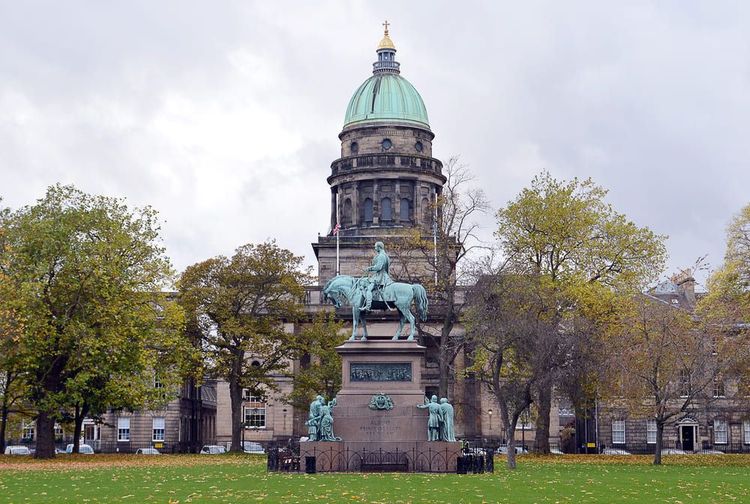
The last word from James Craig, who designed the whole New Town, this square was completed in 1820 to close off the western end of George Street. Its Georgian houses, among the finest examples of the style anywhere in Europe, ring a tree-lined circular garden crowned by an equestrian statue of Prince Consort Albert. Sought after by the wealthy from the start, it is now home to Bute House and the Georgian House.
Free entry
22 - Bute House and Georgian House
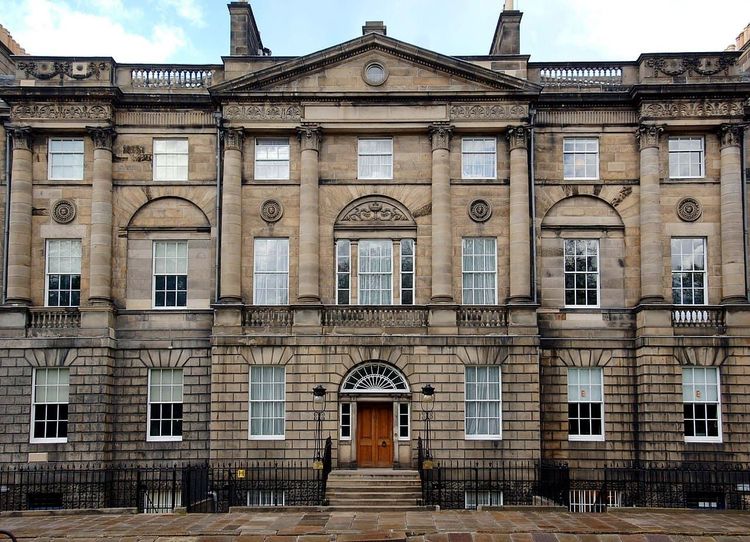
At number 6, Bute House — designed by Robert Adam — has served as the official residence of Scotland's First Minister since the Marquess of Bute donated it to the National Trust for Scotland in 1966. Next door, at number 7, the Georgian House, built in 1796 and restored in 1975, opens its doors to visitors: period furniture, porcelain and paintings recreate daily life among the Georgian aristocracy, unlike its officially closed neighbour.
Paid entry
Everything you need to know about Bute House and Georgian House
23 - Princes Street
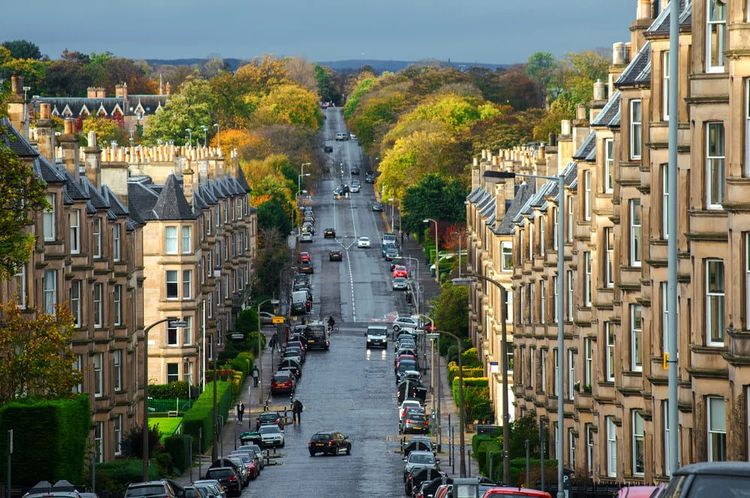
A shopping boundary between the old and new towns, this street mixes clothing-store windows with listed 18th-century façades, dating from a time when, like its twin George Street, it first courted a wealthy clientele before becoming, under Victorian rule, the capital's number-one shopping artery. Shops line one side — right down to a kilt store — while gardens on the other open onto views of the castle and the Scott Monument.
Free entry
24 - Ross Fountain
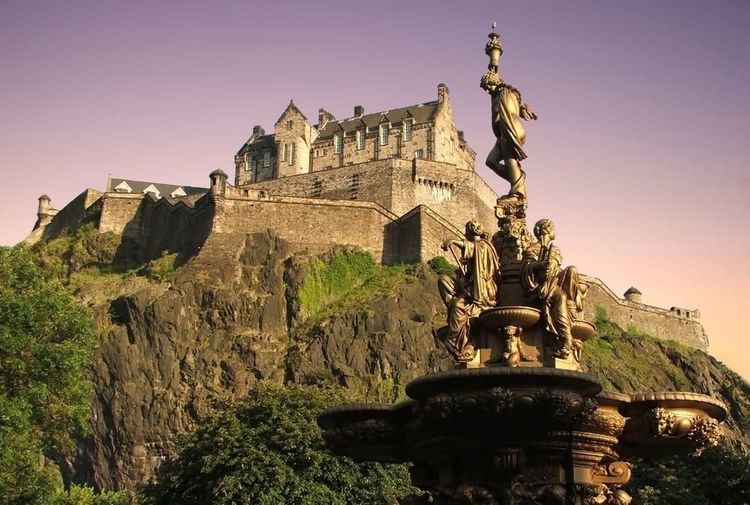
Impossible to miss with its vivid blue: shown as early as 1862 at the Great Exhibition, this cast-iron fountain was bought that same year by an arms manufacturer, Daniel Ross, who donated it to the city. Installed in the gardens a decade later, in 1872, it has remained their emblem ever since, recently restored to its original colour. Its allegorical figures stand out against the castle's silhouette just behind.
Free entry
What to do in Edinburgh in 2 or 3 days?
Half a day is enough to cover the heart of the Old and New Town on this walk: 8.3 km and 24 sights in about 3 h 20, from the Grassmarket to the gardens of Princes Street. With 2 or 3 days in the city, Edinburgh reveals itself at a slower pace, between hidden stories and wide green spaces.
The next day, go hunting for the city's hidden side: a buried street network still sealed beneath the Old Town's pavements, a distillery that only opened within the last ten years, and a stretch of beach that locals quietly keep to themselves, well away from the centre. Our pick of 45 things to do in Edinburgh lists more of these lesser-known corners.
On the third day, book a dram-tasting session inside a 17th-century merchant's townhouse, step aboard the former royal yacht retired from service in 1997 and now welcoming 300,000 tea-time guests a year, or wander through a botanic garden dating back to 1670. Our pick of 30 things to do in Edinburgh gathers more ideas for these extra days.
Which neighbourhoods does the tour cross?
In one loop, the walk links Edinburgh's great districts, from the foot of the Old Town to the wide avenues of the New Town.
It starts at the Grassmarket, below the castle, reaches St Giles' Cathedral and climbs through the Old Town's courts to the fortress, which tops our pick of the best things to do in Edinburgh, and to its ghost stories (stops 1 to 5).
The way down then passes the art galleries and the Scott Monument, on the edge of the New Town, before heading back up via Waverley Bridge and Cockburn Street to follow the Royal Mile to the Scottish Parliament and the Palace of Holyroodhouse, at the far end of the historic quarter (stops 6 to 15).
The route then climbs back up to Calton Hill, with its 360-degree view over the city, before crossing the New Town, from George Street to Charlotte Square (stops 16 to 22).
The last stretch follows Princes Street to the Ross Fountain, in the gardens facing the castle (stops 23 and 24).
What to see in Edinburgh in 2 hours?
If time is short, stick to the castle area: stops 1 to 5 follow one another within a few hundred metres.
Start at the Grassmarket, which has hosted a market since the 14th century, then reach St Giles' Cathedral and its crown-shaped spire. A little higher up, the hidden courts of Milne's Court lead to Edinburgh Castle, perched on its volcanic rock; its ghost stories close out the visit.
How much does it cost to visit Edinburgh?
Of the 24 stops on the walk, 4 charge admission: Edinburgh Castle, where entry costs £26 on the door and £23.50 online, the Scott Monument, which can only be climbed on a guided tour, the Palace of Holyroodhouse, depending on the season and royal visits, and the houses on Charlotte Square, where only the Georgian House can be toured. Of the other 20, 18 are free to explore, St Andrew's House is admired from the street and the Royal Scottish Academy runs its own exhibition programme.
For the paid sights, the Edinburgh City Pass costs £55 for 24 hours (48-hour and 72-hour versions are also available, at £75 and £90), and covers more than 20 attractions, including a guided castle tour, the Hop-on Hop-off bus, a cruise on the Forth and a Harry Potter walking tour.
Information checked in November 2026 and subject to change.
Where to stop for a bite along the tour?
The walk passes through the Grassmarket (stop 1), one of the liveliest squares in the Old Town, where restaurants and bars sit right below the castle.
It is a chance to try haggis, a traditional Scottish mix of meat, oats and potato, or a Full Scottish Breakfast piled with smoky bacon, eggs and a tattie scone, a small potato cake. A dram of whisky goes well with either, since every distillery keeps its own recipe. Our pick of Edinburgh's culinary specialities rounds out the picture, from Angus beef to porridge.
What should you know before visiting Edinburgh?
Three stops on the walk keep their own hours or access rules, which can mean checking ahead or booking.
The Scott Monument can only be climbed on a guided tour, with no free access to the Walter Scott exhibition inside. The Palace of Holyroodhouse can close partly or fully depending on the season and official royal visits, so it is worth checking before you go. On Charlotte Square, only the Georgian House can be toured; Bute House, the Scottish First Minister's residence, stays closed to the public.
By contrast, the Scottish Parliament is free to visit without booking on certain days of the week, during opening hours, with free 45-minute guided tours on top for anyone who books ahead.
In winter, average lows drop to 1°C from December to February, so a windbreaker, an umbrella and a fleece are well worth packing.
What's on in Edinburgh right now?
As the year draws to a close, two events bring Edinburgh to life: a Christmas market and a Scottish New Year.
From 14 November to 3 January, Edinburgh's Christmas sets up its Christmas market and winter funfair at the foot of the castle, in Princes Street Gardens, with a big wheel and an ice rink running from 21 November to 3 January. From 29 December to 1 January, Edinburgh's Hogmanay marks Scottish New Year over four days, with a torchlight procession, concerts and a midnight fireworks display.
Information checked in November 2026 and subject to change.
Le plein d'inspirations
Explorez le monde en totale liberté, à pied au cœur des villes ou au fil des routes. Nos guides audios transforment chaque destination en une découverte culturelle immersive et unique.










FAQ for visiting Edinburgh
When is the best time to visit Edinburgh?
The best time to visit Edinburgh runs from May to September, when temperatures are milder and the days are longer. July and August offer the most pleasant temperatures, averaging around 19°C, ideal for exploring the city on foot. However, be prepared to alternate between sunshine and showers during the Scottish summer. If you're looking for fewer crowds, May, June and September remain excellent choices, with generally favourable weather. Winter can be magical with its mysterious atmosphere, but the cold temperatures and short days call for warm clothing.
How many days do you need to visit Edinburgh?
For a first visit to Edinburgh, ideally allow three to four days. This gives you enough time to explore the castle at your leisure, wander the medieval lanes of the Royal Mile, climb Arthur's Seat and soak up the city's unique atmosphere. Two days are enough to see the essentials if your time is limited, but you'll have to make choices. With five days or more, you can truly savour the Scottish pace, visit museums, explore the less touristy neighbourhoods and perhaps take a trip into the surrounding area. The Ryo audioguide helps you make the most of your time with routes tailored to the length of your stay.
How do you get around Edinburgh?
Edinburgh is a city best discovered on foot, especially the historic centre, where most of the attractions are concentrated. The Lothian bus network is very efficient for longer distances or if you're staying on the outskirts. The trams serve the airport and the New Town in particular. Taxis are readily available but can be expensive. For cyclists, the city is gradually developing its cycle lanes, although some steep streets can be a challenge. Avoid driving in the city centre, where parking is difficult and costly. Walking really is the best way to soak up Edinburgh's unique atmosphere.
What is the weather like in Edinburgh?
Edinburgh's climate is oceanic, marked by its variability and frequent rainfall throughout the year. Summers stay cool, with maximum temperatures around 19°C in July and August, and you should always pack rain gear. Winters are cold, with lows around 1°C between December and February, calling for a windbreaker, fleeces and an umbrella. The weather can change quickly within the same day, going from sunshine to showers in a matter of minutes. This changeable weather actually adds to the city's mysterious charm. Dress in layers and always keep a raincoat within reach, whatever the season.
What are the must-see sights?
Edinburgh Castle, perched on its volcanic rock, majestically dominates the city and is the essential visit. The Royal Mile, the historic thoroughfare linking the castle to the Palace of Holyroodhouse, is full of fascinating medieval lanes to explore. Arthur's Seat offers an accessible hike with spectacular views over the whole city. Don't miss the Georgian New Town with Princes Street and its gardens. The Grassmarket district reveals Edinburgh's bohemian soul with its historic pubs. The Ryo audioguide accompanies you as you discover these iconic sites with captivating commentary on their history and legends, enriching your exploration of the Scottish capital.
How do you get from the airport to the city centre?
Edinburgh Airport is conveniently located about twelve kilometres from the city centre, with several practical transport options. The tram is often the most popular choice, linking the airport directly to Princes Street in around thirty-five minutes. The Airlink buses run frequently and serve several stops in the centre. Taxis and ride-hailing services are available but are the most expensive option, particularly at peak times. If you rent a car, the journey is straightforward, but expect parking difficulties in the city centre. Most travellers favour the tram for its excellent value for money and its reliability.
Where should you stay in Edinburgh?
Your choice of accommodation in Edinburgh depends on your priorities and your budget. The Old Town around the Royal Mile puts the main attractions on your doorstep but can be noisy and touristy. The Georgian New Town offers more elegance and tranquillity while staying central. Stockbridge and Dean Village are perfect for an authentic village atmosphere just minutes from the centre. Leith, a former port that has been redeveloped, offers more affordable options with a lively food scene. The Bruntsfield and Marchmont districts suit tight budgets, with good bus connections. Book well in advance, especially during the August festival, when prices soar.
What legends and dark stories surround Edinburgh?
The city cultivates a reputation for mystery that owes as much to its history as to its terrain. Beneath the Royal Mile whole lanes were walled up over the centuries, such as Mary King's Close, where the fate of residents struck by the plague is still recounted. The vaults dug under South Bridge, long occupied by the poorest, feed the ghost stories too.
To these are added very real figures: Burke and Hare, who supplied bodies to the medical schools, Deacon Brodie, a respectable citizen by day and a burglar by night, who inspired Stevenson, and the little dog Bobby watching over his master's grave at Greyfriars. Evening tours built on these stories are plentiful and often theatrical, but the historical background is well documented.
Which Scottish specialities should you try in Edinburgh?
Scottish cooking is easy to discover in the pubs and restaurants of the centre. Haggis, a stuffed sheep's paunch served with mashed potato and turnip, remains the emblematic dish and now comes in a vegetarian version too. Smoked salmon, Cullen skink and other smoked fish soups, oysters and langoustines recall how close the sea is, as do porridge and scones at breakfast.
On the sweet side, try shortbread, cranachan with cream, honey and raspberries, or tablet, a very sugary confection. Whisky naturally accompanies all this: bars in the centre offer selections arranged by region, and it is customary to ask for advice rather than pick at random from a list that is often long.
Which day trips can you take from Edinburgh?
The Scottish capital lends itself well to day trips. To the west, Stirling Castle and Loch Lomond open the door to the Highlands, while Rosslyn Chapel, to the south, charms visitors with its exuberant carvings. To the north, the Forth bridges lead to the kingdom of Fife, its fishing villages and St Andrews, the birthplace of golf.
The more ambitious push on to the landscapes of the Trossachs or Loch Ness, but the road is long and it is best to leave early. Trains run efficiently to Glasgow, Stirling and St Andrews via Leuchars, and many tourist coaches serve the Highlands from the centre. A single day is rarely enough to enjoy it all, so choose one direction rather than stacking several.
What can you do in Edinburgh, between the castle, the Royal Mile and Arthur's Seat?
At the castle, the Crown Room holds the Honours of Scotland and the Stone of Destiny, returned from Westminster in 1996; the One O'Clock Gun fires daily except Sundays. Book ahead and allow at least two and a half hours.
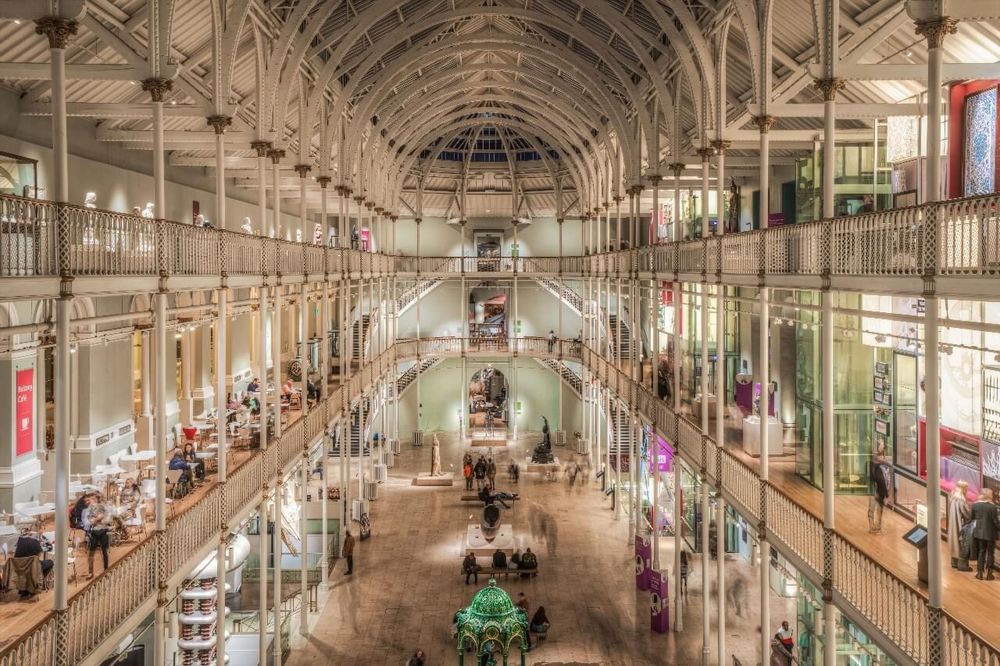
Then walk down the Royal Mile and its closes to the Palace of Holyroodhouse, where David Rizzio was murdered in 1566, and climb Arthur's Seat, the city's highest point at 251 metres. Round things off with the Old Town's underground vaults, the National Museum of Scotland and Princes Street Gardens.
Plan your stay with our selection of the best activities in Edinburgh, our 45 fun things to do and our 30 things to do in Edinburgh.
What is haggis, and which other Scottish dishes should you order in Edinburgh?
The country's culinary emblem, haggis combines stuffed sheep's stomach, oats, suet and mashed potato; it also comes as a burger or in a vegetarian version. Angus beef, Scottish salmon, langoustines with parsley butter and cullen skink, a smoked haddock soup, complete the menu.
In the morning, the Full Scottish Breakfast includes tattie scones, a potato flatbread. For dessert, cranachan blends raspberries, cream, honey, toasted oats and whisky.
All ten specialities are in our top culinary specialities of Edinburgh.
Vos commentaires, idées et suggestions
Aucun avis pour le moment