
© Shutterstock
 Votre guide Ryo
Top 11 London Culinary Specialties
You'll know even before setting foot on land in the United Kingdom that England doesn't have a good reputation behind the stove, and London's typical cuisine is no exception. The locals themselves acknowledge it, which says a lot! Nevertheless, that's no reason to clam up. More than one English dish will raise your esteem of the local cuisine. In London, more than anywhere else, you'll have access to the best restaurants and taste creative reinterpretations by local chefs. In other words, the best of English gastronomy is hidden in the mysterious streets of the capital.
British cuisine draws its roots from the country's tumultuous history. From centuries-old traditions to influences from the industrial revolution, through colonial heritage, each dish tells a story. The miners of northern England, the shepherds of the Scottish Highlands, or the working families of Manchester have all contributed to shaping this unique gastronomy. Traditional English dishes reflect the pragmatic character of the inhabitants: simple, hearty, and comforting.
The history and influences of British cuisine
Modern British cuisine is the result of a fascinating blend of influences. Colonial history brought spices from India, transforming chicken tikka masala into a true unofficial national dish. Exchanges with Europe enriched the British palate, while local traditions from different regions – England, Scotland, Wales, and Northern Ireland – each brought their unique contribution.
During your stay in London, remember to multiply tastings of certain dishes. Savory: fish and chips, pies, stews, and curries that are now an integral part of local specialties. On the sweet side, the numerous varieties of scones and buns, apple crumbles will delight you.
What to eat in London? Our selection of 11 London specialties
Let's be honest, we travel to London – and to England in general – for many things… But not for the local cuisine. Some don't hesitate to claim that traditional English cuisine is one of the worst in the world! Even the famous English tea is a calamity that the English systematically try to attenuate with a cloud of milk. At the same time, among the best local specialties, several of them come from elsewhere. Fish & chips are Portuguese, curries are Indian, and scones are Scottish… In other words, English cuisine is a real subject that never sparks debate, because the verdict is clear: typically English cuisine is not a pleasure party!
1. The english breakfast
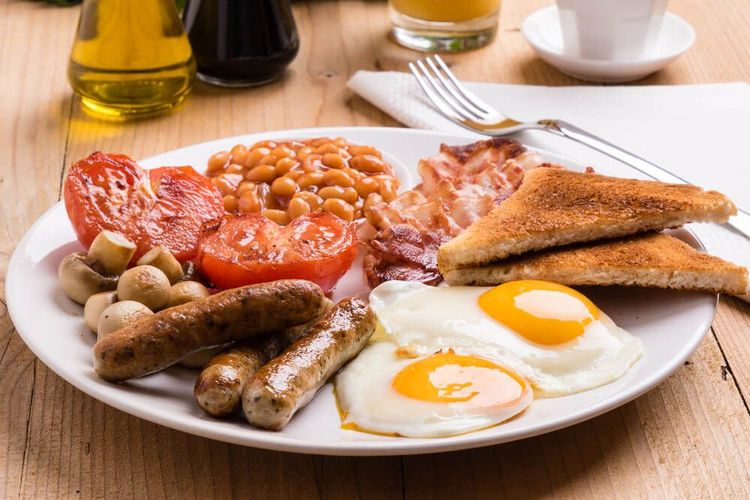
Nothing like a monument of English gastronomy to start the day on the right foot! With the traditional English breakfast, hunger won't be felt anytime soon. It consists of various savory foods: toasted white bread, crispy bacon, eggs – cooking varies from poached, fried to scrambled -, golden sausages, sautéed mushrooms, hash browns, grilled tomatoes, as well as the famous baked beans. These are the white beans in tomato sauce omnipresent in English gastronomy. Not to mention the black pudding, this traditional blood sausage that divides but is an integral part of British authenticity.
Naturally, a full English breakfast is accompanied by a hot drink. Most often a cup of English tea or coffee. Even if you spend the afternoon lounging in a bathrobe, know that this complete dish is served at any time of day in most British restaurants. This hearty breakfast finds its origins in the habits of working families who needed a substantial meal before long days of labor.
2. The afternoon tea
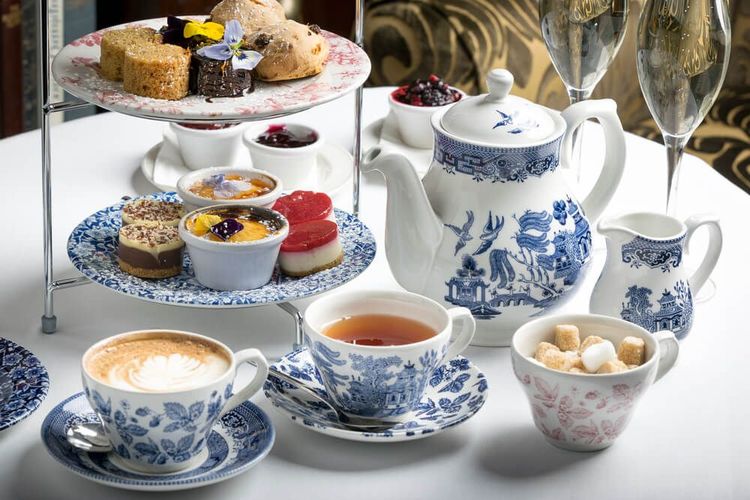
With this tender English ritual, you'll never be hungry for long. Indeed, Londoners have the art and manner of putting chic into everything… Even in a simple cup of tea! To revive yourself with an authentic afternoon tea, head to 4:00 PM in a tea room or a quality hotel lounge. This mini meal during the day is an inseparable ritual of British culture, a trend that never dies down.
There's no recipe per se, however, depending on the tasting location, your cup of tea will be accompanied by scones with clotted cream and marmalade, fluffy muffins, delicate finger sandwiches, fresh fruit, and some adorable pastries. These establishments often offer a glimpse of British excellence in service. Cream tea, a simplified version of afternoon tea, settles for scones, clotted cream, jam, and tea – perfect for a gourmet break.
3. The sunday roast
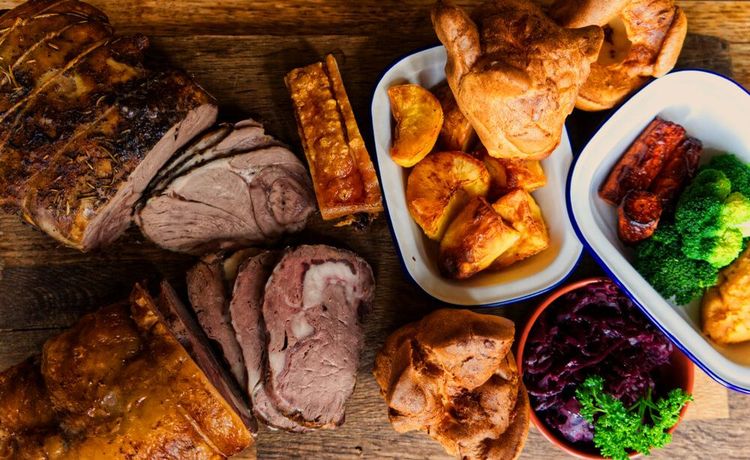
Are you in London on a Sunday? Head to the nearest pub to taste this saucy dish without delay! It's a roast beef – sometimes replaced by mutton or lamb, accompanied by Yorkshire pudding, then garnished with roasted potatoes and steamed vegetables. Carrots, parsnips, and other seasonal vegetables harmoniously complete this Sunday dish.
For even more indulgence, this generous dish is drizzled with meat juices, that gravy sauce that binds all the elements. Yorkshire pudding, this puffed and golden batter, perfectly captures the flavors of the juice. There's nothing like a good Sunday roast before starting the week, a tradition anchored in the hearts of British families for generations.
4. Pie and mash
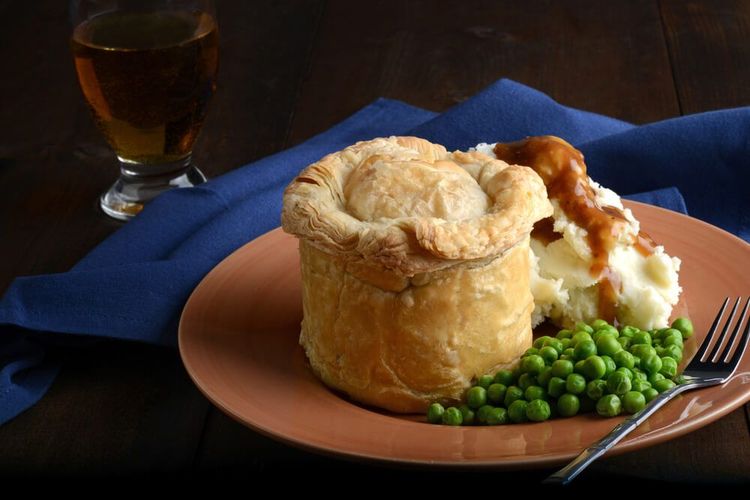
In terms of comfort food in London, the dish of pie and mash has no equal. The original recipe was born in the London docks. Hence its copious nature and simple but delicious flavors! It consists of very creamy mashed potatoes, the famous mashed potato you remember? and a beef meat pie.
Simple, efficient food, sometimes drizzled with fresh parsley sauce depending on where it's served. This popular dish was traditionally wrapped in newspaper to be consumed on the go by workers. This London seaside tradition will delight your taste buds with its authenticity and comforting character.
5. The beef and kidney pie
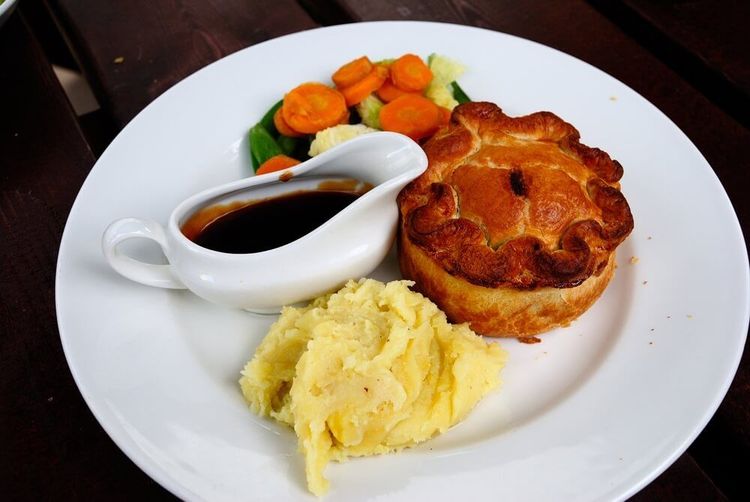
Bite into London's popular gastronomy with full teeth. This meat pie is a sort of hot pâté en croûte, stuffed with chopped steak and kidneys, onions infused with meat or vegetable stock. By breaking its golden crust, the smell of the pie can be spotted from afar! Its alluring side comes mainly from its brown and Worcestershire sauces, combined with the perfume of a large quantity of aromatics.
To taste this specialty, head once again to London pubs. This pie perfectly illustrates the ingenious use of offal in traditional cuisine, transforming simple ingredients into tasty dishes through slow cooking and judicious seasonings.
6. Fish & chips
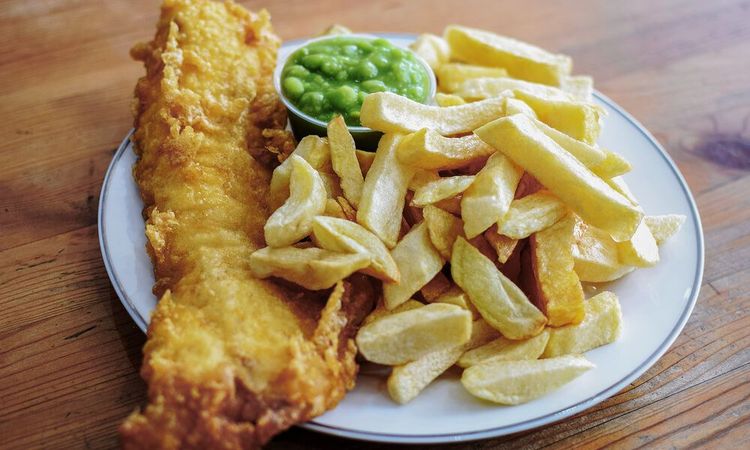
Imagine carrying the weight of all English gastronomy on your frail shoulders… That's kind of what the traditional fish and chips experiences. This cult dish is the emblem of London street food and, dare we say it, the only English specialty that everyone agrees on. Its Portuguese origins explain why cod and haddock are the most prized fish for preparing it.
Well executed, this popular dish of battered fish served with thick fries is pure delight. The ideal is to consume it on the go, still very hot when the weather isn't good, traditionally accompanied by vinegar and salt. The fish, coated in light and crispy batter, contrasts perfectly with the soft fries. It's at this precise moment that it reveals all its culinary potential, both comforting and flavorful.
7. The roast lamb and mint sauce
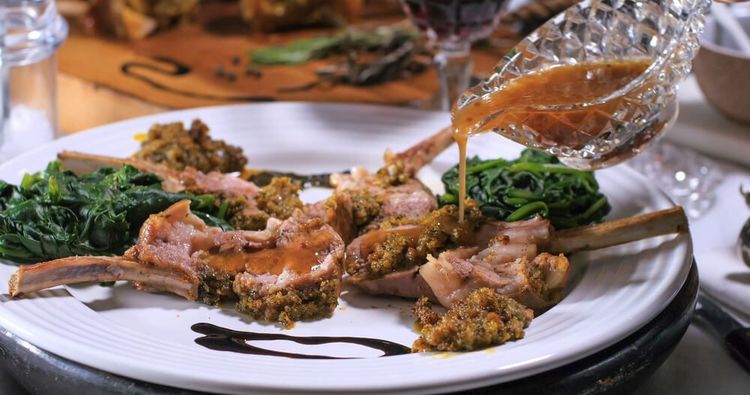
Specialty unchanged in London since its creation, leg of lamb and its mint sauce will surprise many travelers. Traditionally, this recipe is served during Christmas festivities or major family gatherings. The mint sauce, a subtle blend of fresh herbs and vinegar, brings freshness that perfectly balances the richness of the meat.
This culinary tradition testifies to the influence of shepherds from British rural regions. In London, taste this dish at lunch, when afternoon tea isn't planned, to discover a lesser-known but authentic aspect of local gastronomy.
8. The pudding
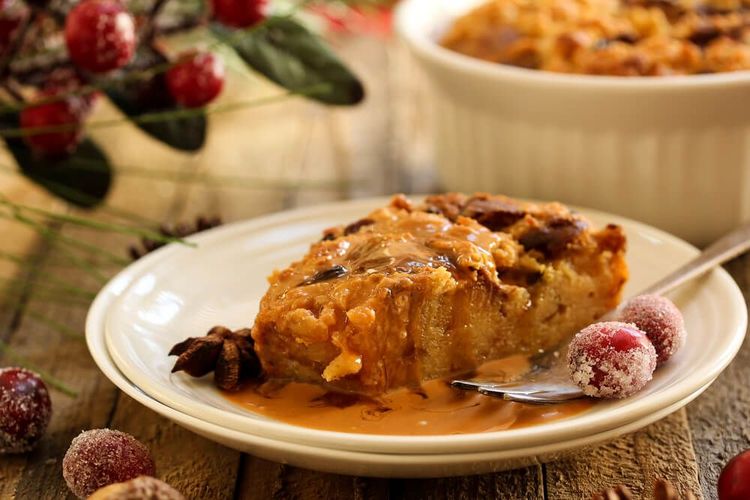
Melt for this essential English dessert. There isn't a restaurant in London that doesn't offer pudding to close your meal properly. The pudding is generally flavored with sticky caramel or chocolate. Then, it will be served very tender, with homemade custard or a scoop of vanilla ice cream.
These indulgent desserts can take different forms: bread pudding prepared with stale bread, sticky toffee pudding with dates, or Christmas pudding with dried fruits. If you're traveling to London with children, this is really the dessert to serve them to be sure of hitting the mark! These British treats testify to culinary ingenuity in transforming simple ingredients into sweet delights.
9. The scones
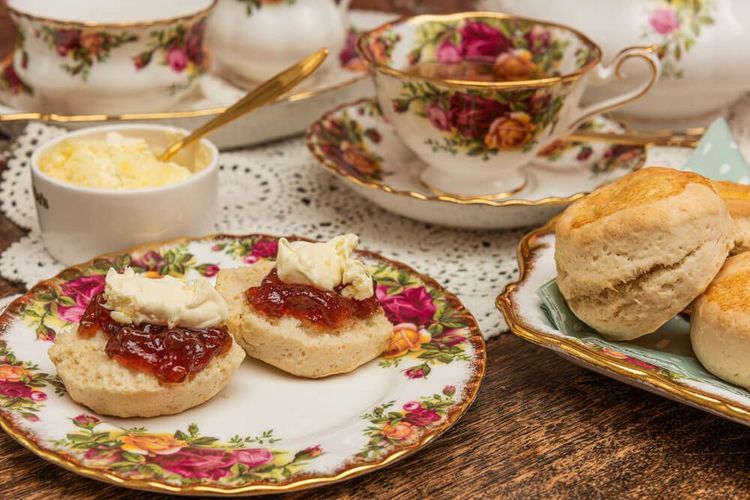
In London, taste these small breads from Scotland at any time of day. English scones sometimes have the texture of miniature bread, sometimes the softness of brioche. They are prepared using very simple dough composed of milk, wheat, barley or oat flour, and yeast.
For service, they invite themselves as much at the time of full English breakfast, afternoon tea, or just like that, to snack while exploring the city! If you eat them at the table, tea won't be too much to make them slide down, with a bit of jam and clotted cream. Don't hesitate to taste the delicious versions enhanced with raisins, chocolate chips, or candied fruits. These traditional pastries are an integral part of British culinary heritage.
10. The crumble
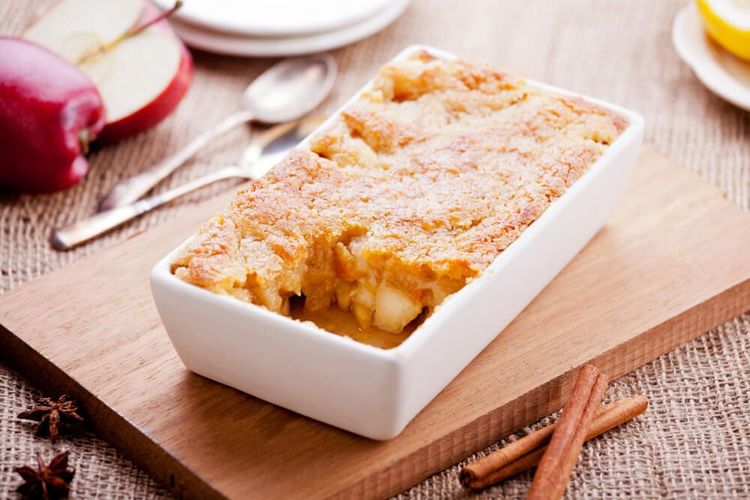
Between the indulgence of cooked apples and the half-soft, half-crispy texture of crumble dough, we always want more! Apple crumble has seduced sweet tooths in our territory. So, why not taste it on its land of origin? The English have the habit of eating it in autumn, to soften the harshest days.
Cooked apples are flavored with a touch of vanilla or cinnamon, before being covered with buttery pastry crumbs and going into baking. This rustic tart, often prepared with seasonal red fruits, represents the very essence of British family cooking. The absolute must is to taste it just before it cools down, with vanilla ice cream or a nice spoonful of homemade whipped cream.
11. The jelly
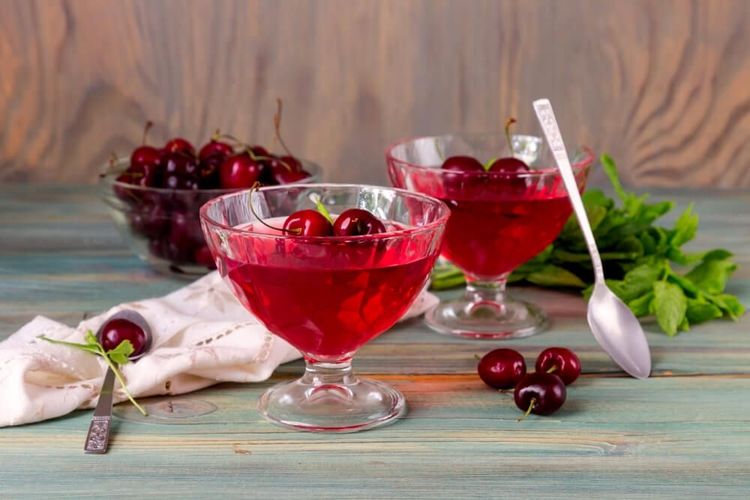
If there's one sweet specialty in London that marks minds, it's jelly! This fruit gelatin that the English are totally fans of is quite surprising. Notably with its unusual texture and artificially pronounced fruity flavors. Preparation-wise, nothing simpler, jelly is made from water, syrup, and gelatin, then placed in the fridge to 'set' in the cold.
You can't miss it, because we see it everywhere of this culinary item, in all shapes, colors, and flavors! This British tradition, often misunderstood by European visitors, has nevertheless been an integral part of Sunday menus and children's snacks for generations.
Regional specialties of the United Kingdom
Traditional dishes from Scotland
Scotland brings its unique contribution to British cuisine with dishes like haggis, this mixture of sausage meat, oats, and spices traditionally served during Burns Night. Bubble and squeak, potato and cabbage patties prepared with Sunday leftovers, illustrate Scottish ingenuity. Scottish breakfast differs slightly from its English cousin, often integrating oat cakes and local variations of pudding.
Traditions of Wales
Wales offers unique specialties like laverbread, this seaweed traditionally prepared on Welsh coasts. Welsh families also perpetuate the tradition of welsh rarebit, a sophisticated version of grilled cheese, and cawl, traditional stew with vegetables and lamb. These dishes reflect the maritime and pastoral influence of this region with wild landscapes.
Delights of Northern Ireland
Northern Ireland contributes with Ulster fry, local version of the full breakfast, and Irish stew, traditional lamb stew with potatoes. These dishes testify to Irish heritage and adaptation to local products. Soda bread, traditional bread with bicarbonate, perfectly accompanies these rustic and flavorful preparations.
Classic British desserts
Eton mess
Eton mess takes its name from the prestigious Eton College in Berkshire. This deliciously messy dessert mixes broken meringue, whipped cream, and fresh red fruits. Simple to prepare but devastatingly effective, it perfectly illustrates British art of transforming simplicity into elegance. Strawberries are traditionally favored, but variations with seasonal fruits bring their share of surprises.
Toad in the hole
Toad in the hole shouldn't frighten! This comforting dish consists of sausages cooked in Yorkshire pudding batter. The golden and puffed envelope captures the flavors of meat and cooking juices. Served with mash and vegetables, this family dish perfectly embodies the spirit of British pub cuisine.
Sticky toffee pudding
This emblematic dessert from northern England combines soft date sponge cake and creamy caramel sauce. Each bite reveals the richness of this preparation, often served with custard or vanilla ice cream. This pudding testifies to British excellence in comforting desserts.
Essential main dishes
Shepherd's pie and cottage pie
These two preparations perfectly illustrate British culinary recycling art. Shepherd's pie uses minced lamb, direct reference to shepherds of British hills, while cottage pie favors beef. Both are topped with a generous layer of mashed potatoes browned in the oven. This difference, although subtle, reveals the importance of local traditions in British cuisine.
Scotch egg
This original preparation wraps a hard-boiled egg in sausage meat before breading and frying it. Perfect for picnics or as a pub snack, scotch egg demonstrates British ingenuity in creating practical and tasty dishes. Its contrasting texture, between crispy exterior and soft interior, makes it a pub menu staple. Just the thing to keep you going along the eight kilometres of our royal audio-guided tour, from Westminster to St James's Park.
Traditional British beverages
British tea
No evocation of British culture could ignore tea. This beverage, which became emblematic thanks to colonial influence, comes in multiple varieties. Earl Grey, flavored with bergamot, sits alongside English Breakfast, a robust blend perfect for starting the day. Tea preparation follows precise rules: boiling water, respected steeping time, served with milk and sugar according to taste.
British beer
British pubs offer an impressive range of local beers. Ales, top-fermented beers served at room temperature, contrast with lighter lagers. Each region has its traditional breweries, perpetuating century-old recipes. The perfect accompaniment for most hearty British cuisine dishes.
Tips for discovering typical English dishes
Where to taste these specialties?
London offers an impressive number of establishments to discover these specialties. Traditional pubs remain the best places to savor fish and chips, pies, and Sunday roast. Elegant tea rooms offer authentic afternoon tea, while markets like Borough abound with artisanal products.
Brighton, on the south coast, excels in freshly prepared fish and chips. Southwest England, notably Cornwall, offers excellent cream tea. Each region brings its specificity, enriching the curious traveler's culinary experience.
Prices and accessibility
Prices vary considerably depending on the chosen establishment. Fish and chips on the go will cost a few pounds, while afternoon tea in a prestigious hotel can reach significant sums. Pubs generally offer excellent value for money to discover British authenticity without breaking the bank.
It should be noted that certain dishes, like Scottish haggis or black pudding, can surprise uninitiated palates. Don't hesitate to ask for a preview or share to discover without fear these sometimes bewildering but revealing specialties of the British soul.
Adapting your palate
British cuisine often privileges the nourishing side over culinary finesse. This pragmatic approach reflects the country's history and its climatic constraints. Approach these discoveries with an open mind and you'll undoubtedly be pleasantly surprised by certain preparations.
Influences from Europe and elsewhere have considerably enriched modern British culinary offerings. London, in particular, now offers remarkable fusion cuisine, combining local traditions and contemporary techniques.
Conclusion
Discovering typical English dishes constitutes a fascinating journey through British history and traditions. From the hearty English breakfast to delicate afternoon tea, through robust Sunday roast and surprising desserts like Eton mess, each specialty tells a story.
This cuisine, long disparaged, actually reveals unsuspected richness for those who know how to approach it with curiosity. Multiple influences – industrial revolution, colonial heritage, regional traditions – have shaped unique gastronomy, reflecting the British soul.
Your next visit to London will be the perfect opportunity to explore these authentic flavors. Don't hesitate to venture off the beaten path, question locals about their favorite addresses, and above all, keep an open mind toward sometimes surprising but always history-laden preparations.
British cuisine certainly deserves a chance. After all, millions of Brits can't all be wrong! This gastronomic discovery, far from preconceived ideas, could well reserve delicious surprises and considerably enrich your understanding of British culture.




À lire également