© Shutterstock
 Votre guide Ryo
Things to Do in London in 2026: 20 Must-Have Experiences
What should you do in London when the city boasts nearly 2,000 hectares of royal parks, centuries-old abbeys and cathedrals, and a 163-year-old Tube that still carries five million passengers every day? It is impossible to see everything in a single trip, but certain places inevitably anchor any visit worth its name. From Westminster to the docks of Canary Wharf, the British capital lines up ancient monuments, markets that have never closed since the Victorian era, and neighbourhoods that change character every five hundred metres. To navigate it without losing an hour of your stay, the Ryo audio guide tour of London already connects several of these spots between Westminster, the City and Camden Town.
This guide details twenty experiences that cover the city from every angle: a palace where the Changing of the Guard lasts exactly 45 minutes, a film studio where you walk through the real Hogwarts, a market that has been selling cheese and oysters since 1014, and a sky garden where entry is free as long as you book three weeks in advance. Between the heights of the Shard, the canals of Camden and the free collections of the British Museum, each section gives you the opening times that make all the difference, the days to avoid and the details that official brochures often forget to mention. You will also find, at the end of the article, answers to the most frequently asked questions about the ideal length of stay, budget and the best neighbourhoods to stay in.
1. Big Ben and the Palace of Westminster
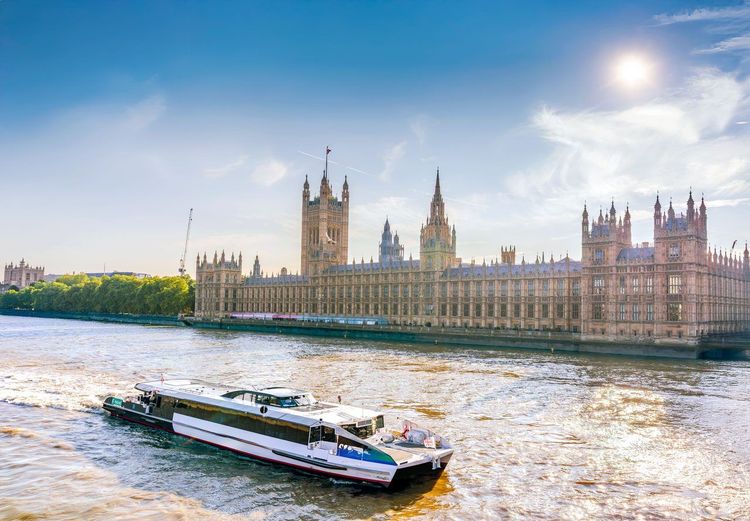
The Palace of Westminster has housed the British Parliament since the fire of 1834 destroyed the original medieval palace. Rebuilt in the Neo-Gothic style by Charles Barry and Augustus Pugin, the current building dates from 1870 and spans more than 1,100 rooms connected by 4.8 kilometres of corridors. Its most photographed tower, the Elizabeth Tower, rises to 96 metres and houses the bell Big Ben, whose name actually refers to the bell itself and not the tower. The scaffolding that covered the tower for nearly five years came down in 2022, revealing whitened stonework and a clock face regilded with gold leaf.
Visiting the interior of Parliament requires a little organisation: non-UK residents can only enter during paid tours held during parliamentary recesses, usually in summer and on certain Saturdays. These 90-minute guided tours pass through the red-upholstered House of Lords, the more austere green House of Commons and Westminster Hall, the only part of the medieval palace to have survived the 1834 fire with its 14th-century wooden roof structure. Without a booking, most visitors content themselves with admiring the exterior, and the best vantage point remains Westminster Bridge or the Jubilee Gardens on the south bank, where the tower stands out against the Thames with no modern building to interrupt the frame.
Just a short walk away, Westminster Abbey has hosted royal coronations since 1066, including that of William the Conqueror. It also holds the tombs of more than 3,300 notable figures in Poets' Corner, from Chaucer to Charles Dickens, as well as several monarchs in the Henry VII Chapel, a masterpiece of fan vaulting completed in 1519. Tourist access is limited to weekdays and Saturday mornings: on Sundays the abbey is reserved for religious services, a bonus if you prefer to attend for free rather than paying the standard admission fee.
For history enthusiasts, the Jewel Tower (Abingdon St, London SW1P 3JX), one of the only surviving parts of the 1365 medieval palace, can be visited in under thirty minutes and escapes the Westminster crowds entirely. The most dedicated visitors can book a guided tour of the Elizabeth Tower, which climbs the 334 steps to the clock mechanism and Big Ben's bell chamber — one of the few ways to see the tower from the inside, bookable several months in advance. Aim to arrive before 9:30 am at the Abbey to avoid queues that stretch quickly from opening time in high season.
2. The Tower of London and Tower Bridge
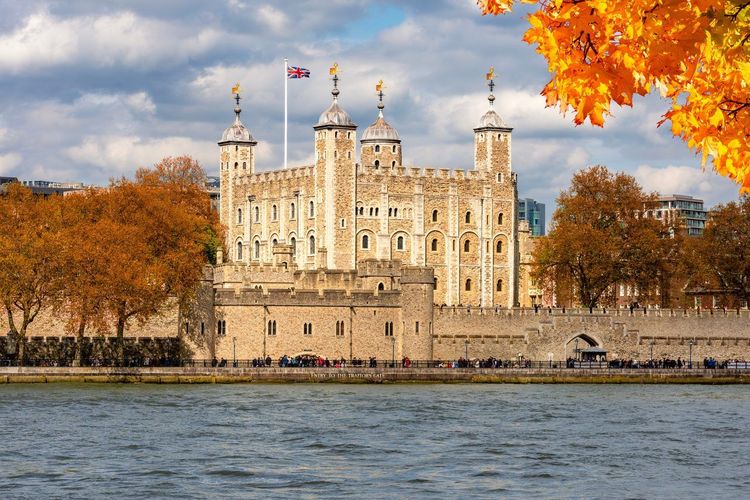
The Tower of London has dominated the north bank of the Thames since William the Conqueror laid its first stone in 1066 to assert his authority over a freshly conquered city. The central White Tower, completed around 1100, remains the oldest building on the site and today houses a collection of royal armour, including Henry VIII's suit with its oversized codpiece that invariably amuses visitors. The Crown Jewels, kept in the Jewel House since 1669, contain 23,578 precious stones, among them the Cullinan I diamond, cut from the largest rough diamond ever discovered — a block of nearly 3,100 carats extracted in South Africa in 1905.
The site's warders, nicknamed Beefeaters, actually live on site with their families in the adjacent quarters, a tradition dating back to the Tudor era. Every evening for more than 700 years, the Ceremony of the Keys has officially locked the tower at exactly 21:53, following a military ritual unchanged through two world wars: visitors can attend for free, provided they book their place several weeks in advance as slots fill up quickly. Local legend also holds that the kingdom will fall if the ravens ever leave the tower: six birds (plus one spare) are therefore kept there permanently, their wings slightly trimmed to discourage them from flying too far.
Beneath its picturesque appearance, the site also served as a prison and place of execution: Anne Boleyn, Henry VIII's second wife, was beheaded here in 1536 near the royal chapel, and Traitors' Gate still marks the entrance through which prisoners arrived directly from the Thames. The Beefeaters offer free guided tours, included in the entrance ticket, blending macabre anecdotes with typically British dark humour for around an hour.
Just a few metres away, Tower Bridge opened in 1894 to ease traffic without blocking river navigation: its two bascules still lift several times a week to let large vessels through, a schedule you can check online before your visit. The interior exhibition lets you cross the glass walkway 42 metres above the water — transparent floor included for those not prone to vertigo — before descending into the Victorian engine rooms where the original steam engines powered the mechanism a century ago.
A combined Tower of London and Tower Bridge Exhibition ticket, booked online several days in advance, costs noticeably less than the two separate admissions bought on the day. Avoid Saturday mornings, when school groups and river cruises converge on the esplanade at the same time — a stretch also covered by the Ryo "The City" audio-guided tour, which links the Tower of London to Tower Bridge.
3. Buckingham Palace and the Changing of the Guard
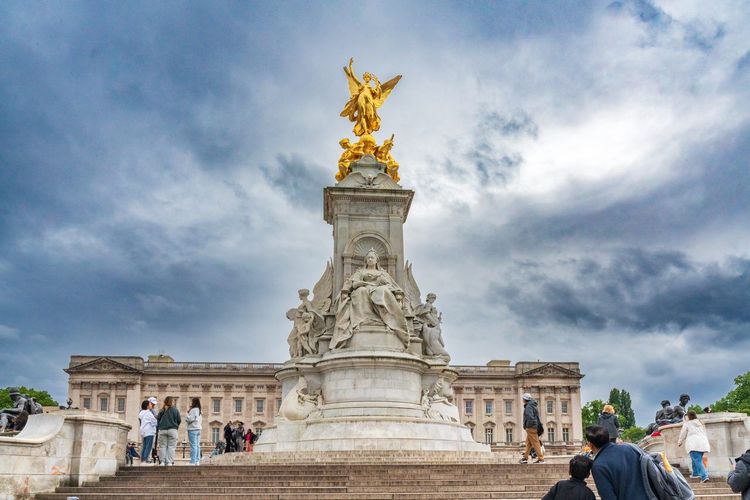
Buckingham Palace has served as the official residence of the British monarch since 1837, when Queen Victoria moved in. The building contains 775 rooms, including 52 royal bedrooms and 78 bathrooms, but only the State Rooms — around twenty ceremonial salons used for official receptions — open to the public, exclusively between late July and late September when the royal family is in Scotland. The Throne Room, the White Drawing Room and the Picture Gallery, which displays paintings by Rembrandt and Vermeer from the Royal Collection, are among the highlights of this seasonal visit.
The Changing of the Guard remains the most sought-after free spectacle in the capital: guards in bearskin hats and red tunics march from Wellington Barracks to the palace gates to the sound of a military band, in a choreography lasting around 45 minutes. The ceremony takes place on certain days only, alternating according to the season (generally every other day in winter, daily in summer), and the precise schedule can be checked on the official Household Division website in the week before your visit — nothing is more frustrating than making the trip on a day with no ceremony.
For an unobstructed view without jostling, position yourself along the Mall, the avenue leading to the palace, rather than pressed against the railings where the crowd gathers from 10 am. The Queen's Gallery, adjacent to the palace, exhibits a rotating selection of works from the Royal Collection year-round, from Leonardo da Vinci to Fabergé, and remains accessible even when the State Rooms are closed. The Royal Mews, the neighbouring royal stables, round out the visit with the state carriages, including the Gold State Coach used at every coronation since 1821.
A practical tip: children enjoy the ceremony far more when perched on an adult's shoulders or seated on the steps of the Victoria Memorial, the circular monument facing the palace that serves as a natural grandstand — a highlight of the Ryo "Royal Tour" audio-guided route.
4. The British Museum
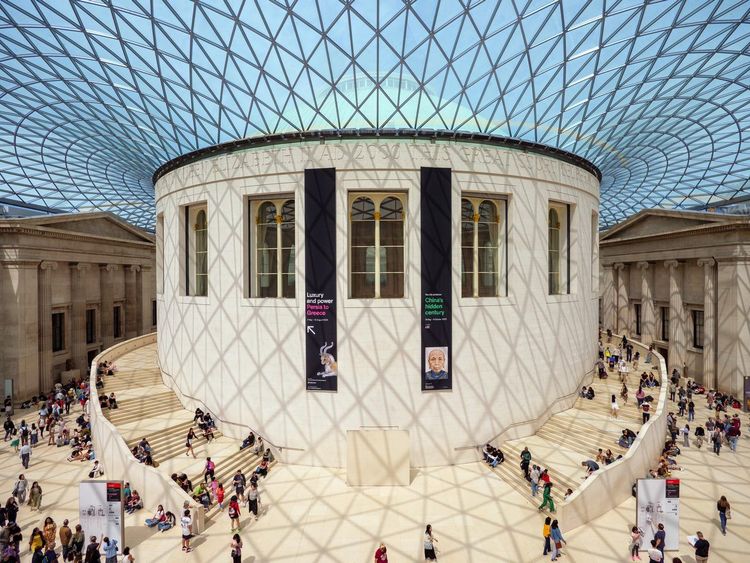
The British Museum holds more than 8 million objects collected since its founding in 1753, making it one of the largest museums in the world and above all one of the most visited — entirely free of charge outside temporary exhibitions. The Rosetta Stone, discovered in 1799 by Napoleon's troops in Egypt, enabled the decipherment of hieroglyphics thanks to its text inscribed simultaneously in three scripts: it remains the most photographed object in the museum, often surrounded by several rows of visitors from the moment doors open.
The Parthenon Sculptures, brought from Athens by Lord Elgin in the early 19th century, occupy an entire gallery and continue to fuel a diplomatic controversy with Greece, which demands their return. The neighbouring Egyptian gallery holds several royal mummies and the granite sarcophagus of Nectanebo II, while Room 41 houses the Sutton Hoo Viking treasure, discovered in Suffolk in 1939 and dated to the 7th century.
Allow at least three hours to cover the main galleries, ideally starting with the Great Court, covered by a roof of 3,300 glass panels completed in 2000 by architect Norman Foster around the former circular reading room of the British Library. The museum opens late on Fridays until 8:30 pm, a noticeably quieter slot than weekends when attendance can exceed 20,000 visitors a day. Free lockers at the entrance allow you to drop off backpacks before tackling the densest galleries.
5. The National Gallery and Trafalgar Square
The National Gallery brings together more than 2,300 paintings covering seven centuries of Western art, from Van Eyck to Van Gogh, with free admission to the permanent collection. Van Gogh's Sunflowers, purchased by the museum in 1924, share the walls with Leonardo da Vinci's Virgin of the Rocks and several works by Turner, bequeathed directly to the British nation by the artist himself.
In front of the museum stretches Trafalgar Square, laid out in the 1840s to commemorate Nelson's naval victory against the Franco-Spanish fleet in 1805. The central column, 52 metres high, is flanked by four bronze lions sculpted by Landseer, a motif photographed by generations of visitors seated at their base. The fourth plinth, left empty for more than 150 years due to insufficient funding, now hosts contemporary artworks that change every 18 months — currently a sculpture already generating controversy in the London press.
The neighbourhood also makes a convenient starting point for the Ryo audio guide tour of London, which connects Trafalgar Square to several other stops in the city centre without any time constraints. If you visit only one free museum during your stay, the National Gallery alone covers enough styles to satisfy both lovers of Flemish primitives and devotees of Impressionism.
6. The London Eye
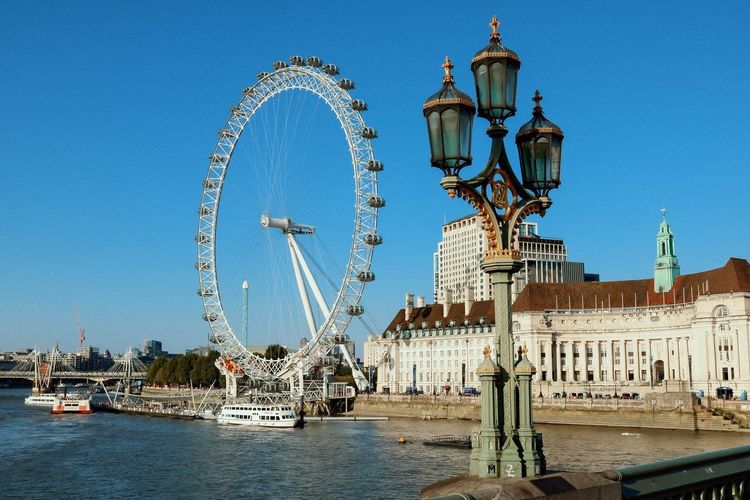
The London Eye rises 135 metres above the Thames and long held the title of the world's tallest observation wheel when it opened in 2000. Its 32 air-conditioned capsules, each designed to hold up to 25 passengers, complete one full rotation in around 30 minutes — slowly enough to walk around inside without losing your balance.
On a clear day, the view stretches up to 40 kilometres, taking in Westminster, the City and as far as the Windsor Hills to the west. Book a time-stamped ticket online: the on-site queue can exceed 90 minutes in peak season, compared to immediate priority access for Fast Track tickets, which cost more but are worth it if your schedule is tight. A "Champagne Pod" option even offers a private capsule with pastries and drinks, a format particularly popular with couples on a weekend break.
For sunsets, aim for a ride around 7 pm in summer: the raking light over Parliament is, by the account of many regulars, the best moment of the day to photograph the skyline. A combined ticket with a Thames cruise, sold directly at the ticket office, is often cheaper than the two activities bought separately.
7. Thames River Cruise
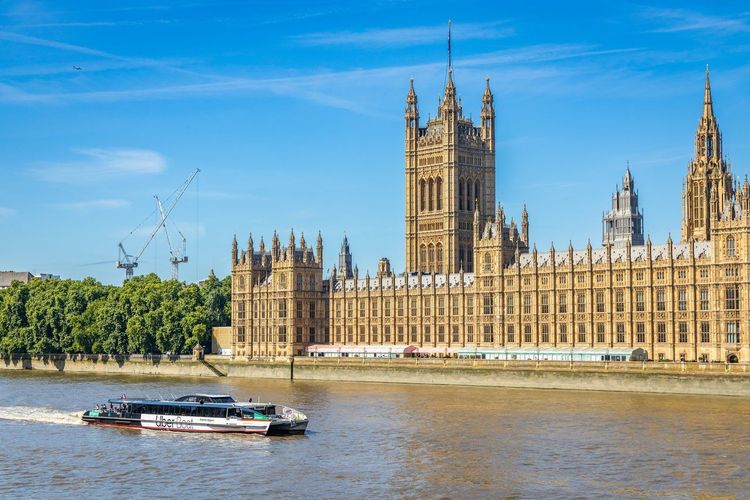
A Thames river cruise offers a different perspective on the city, free from the crowds that pack the bridges during rush hour. Boats depart every 20 to 40 minutes from Westminster Pier or London Eye Pier, with an audio commentary tracing the history of the monuments passing on both banks.
The full journey to Greenwich takes around an hour and lets you take in the Tower of London, the Shard and the Canary Wharf skyscrapers in a single glance. If your time is limited, opt for a short cruise from Westminster to the Tower of London — about 30 minutes — or a one-way trip to Greenwich to combine transport and sightseeing in a single outing. Combined tickets with the London Eye or the Harry Potter Studios reduce the cost if you are stacking several activities on the same day.
8. Hyde Park and Kensington Gardens
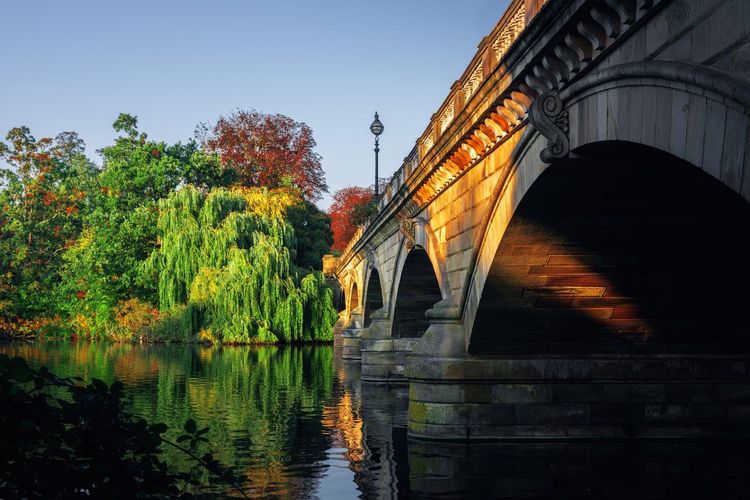
Hyde Park covers 142 hectares right in the heart of London, making it one of the largest urban green spaces in Europe. Since 1872 the park has hosted Speakers' Corner, a north-east corner where anyone can speak in public without prior permission — a tradition that has seen Karl Marx, George Orwell and activists of every cause take the floor every Sunday morning.
The artificial Serpentine lake, created in 1730 on the orders of Queen Caroline, lends itself to rowing boat hire in summer and borders two free contemporary art galleries, the Serpentine Gallery and its Zaha Hadid-designed extension. The Diana Memorial Fountain, a 210-metre ring of Cornish granite along which water flows in two opposite directions before meeting, has paid tribute to the Princess of Wales since 2004, just a few hundred metres from the lake.
Families particularly enjoy the Diana Memorial Playground, a Peter Pan-themed play area installed in memory of the princess, with a giant pirate ship that remains the most popular attraction for under-tens. Adjacent to Hyde Park, Kensington Gardens house Kensington Palace, the official residence of the Prince and Princess of Wales, as well as a statue of Peter Pan installed in 1912 at the initiative of author J.M. Barrie himself, without any prior announcement — a surprise gift to the neighbourhood's children.
You can hire a self-service bike to cover both parks in a single afternoon; the full circuit exceeds 6 kilometres if you complete the entire loop via the Italian Gardens, four ornamental basins gifted by Prince Albert to Queen Victoria in 1860.
9. Notting Hill and Portobello Road
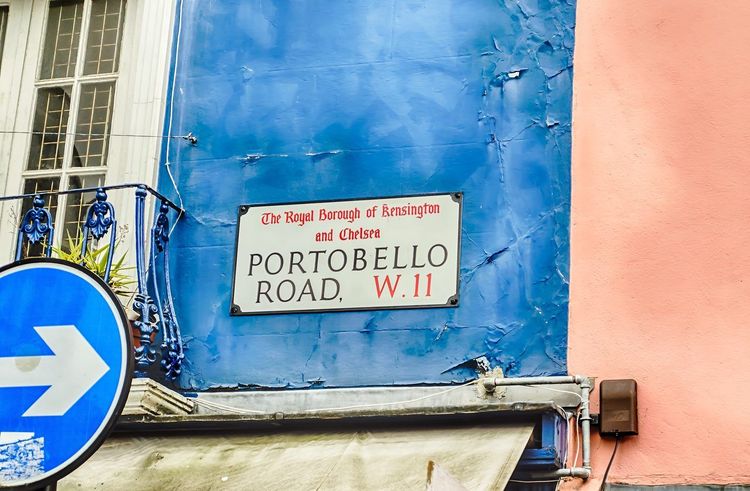
Notting Hill owes its worldwide fame as much to its pastel façades as to the 1999 film of the same name shot in its residential streets. The neighbourhood, long modest before its gentrification in the 1980s, now lines up pink, blue and yellow Victorian townhouses along Lancaster Road and Elgin Crescent — a backdrop that has become one of the most photographed on Instagram in London. Many of these houses owe their vivid colours to a former Portuguese owner who, in the 1950s, reportedly painted his house to identify it more easily on his way home, a habit quickly imitated by his neighbours.
The Portobello Road Market (Portobello Rd, London W11 1LU, rated 4.5/5 on Google from 21,000 reviews) stretches for nearly 2 kilometres and changes its speciality by section: antiques and vintage jewellery in the north near Chepstow Villas, fruit and vegetables in the middle, vintage clothing and vinyl records towards the Westway bridge. The antiques market is in full swing on Saturdays only, with more than a thousand vendors set up from 8 am, while weekdays see it revert to a much more local and peaceful activity.
Every year in late August, the neighbourhood transforms for the Notting Hill Carnival, Europe's largest street carnival after Rio, with nearly two million participants over two days of costumed parades and sound systems set up at every street corner. If you visit on an ordinary weekend, go on a Friday or Sunday morning to wander without the Saturday crush, and bear in mind that most of the well-known colourful houses remain private residences: discretion is advised near the windows and gardens of local residents.
10. Camden Town and Its Market
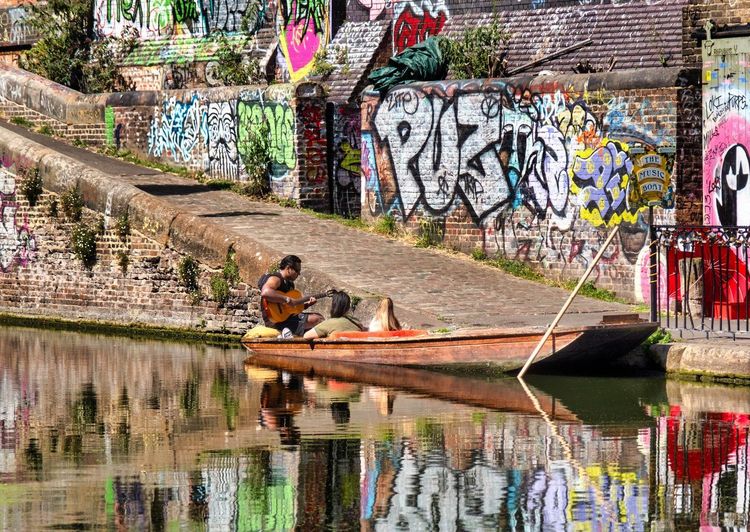
Camden Town built its alternative reputation in the 1970s, when punks and musicians moved into the industrial warehouses lining Regent's Canal. The neighbourhood remains associated with Amy Winehouse, who lived just a short walk from Camden Square; a life-size bronze statue of her now stands on Stables Market, a regular gathering point for fans who come from all over the world.
Camden Market (Camden Lock Pl, London NW1 8AF, rated 4.6/5 on Google from 151,007 reviews) actually encompasses several distinct markets — Camden Lock, Stables Market and Buck Street — totalling more than a thousand stalls selling world food, gothic clothing and punk souvenirs. The market opens every day, but weekends offer the best street food selection, with Thai, Ethiopian and Lebanese stalls competing for your attention along the canal.
The KOKO concert venue, a former Edwardian theatre from 1900 restored after a fire in 2020, has hosted Madonna, The Rolling Stones and Prince on its stage, and remains one of the go-to addresses for catching an emerging act in an intimate setting. The canal itself can be walked all the way to Little Venice, a roughly 5-kilometre route lined with colourful narrowboats and weeping willows that contrasts sharply with the bustle of the market.
To explore the neighbourhood without having to improvise a route, the Ryo audio guide tour between Camden Town and Regent's Park covers the Victorian façades and former converted warehouses along Regent's Canal in a loop of around three hours. Book a weekday visit if you dislike crowds: on Saturday afternoons, some market alleyways become difficult to navigate as tourist footfall reaches its peak.
11. The Harry Potter Studio Tour
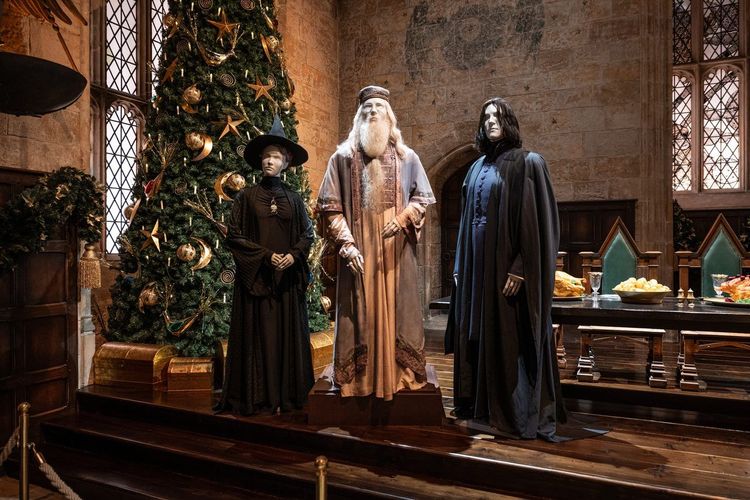
The Warner Bros. Studio Tour London (Studio Tour Dr, Leavesden WD25 7LR, rated 4.8/5 on Google from 103,354 reviews) recreates the original sets from all eight Harry Potter films, around 30 kilometres north-west of London. The visit begins in the Great Hall of Hogwarts, with the real wooden tables used during filming and its hand-painted enchanted ceiling, before continuing through the studio's technical backstage areas.
The highlight of the tour remains the full-scale recreation of Diagon Alley, with the shop windows of Ollivanders, Gringotts and Flourish and Blotts, lit exactly as they were on set. Outside, the original Hogwarts Express — a Class 5972 steam locomotive repainted in red — waits on its recreated platform for photos, Platform 9¾ included complete with a trolley half-disappeared into the wall. A broomstick flying simulator, added in 2017, lets visitors be filmed in front of a green screen soaring over Hogwarts, a sequence then offered for purchase as a souvenir.
The visit ends with a 20-metre scale model of Hogwarts Castle, continuously lit to simulate day and night, used for all the aerial shots in the films. Allow at least three and a half hours on site, not counting travel time, and more if you linger in the final shop — bigger than a mere gift store — where replica wands are sold in their original film boxes.
Getting there from central London requires a train to Watford Junction from Euston, around 20 minutes, followed by an official shuttle to the studio. Book your tickets several weeks, or even months in advance during high season: unlike most London attractions, no tickets are sold on the door on the day, and summer slots sell out as early as May.
12. A West End Musical
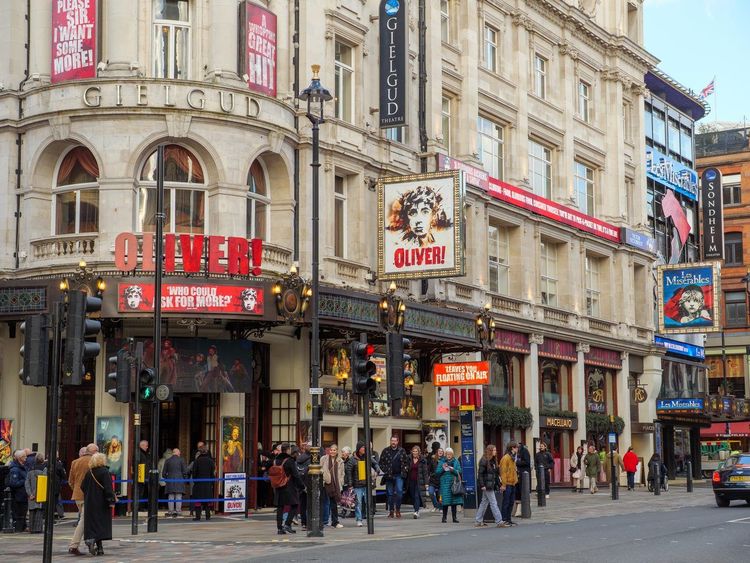
The West End, London's equivalent of Broadway, concentrates around forty theatres around Shaftesbury Avenue and Leicester Square, some of them centuries old like the Theatre Royal Drury Lane, open since 1663. Long-running sold-out productions — The Phantom of the Opera, Les Misérables and The Lion King — sit alongside more recent creations, with seats often available right up to the day for less in-demand shows.
To cut costs, the TKTS booth in Leicester Square sells discounted tickets on the day of the performance — a more reliable option than the street touts who crowd around Piccadilly. Some theatres also offer "day seats", front-row places put on sale only on the morning of the show at a fraction of the full price, a trick few tourists know before their first visit.
Book your dinner before 6:30 pm if you are aiming for a 7:30 pm curtain: restaurants in the Covent Garden area fill up quickly in the hours before curtain-up, and available tables become noticeably scarce after that time.
13. St Paul's Cathedral
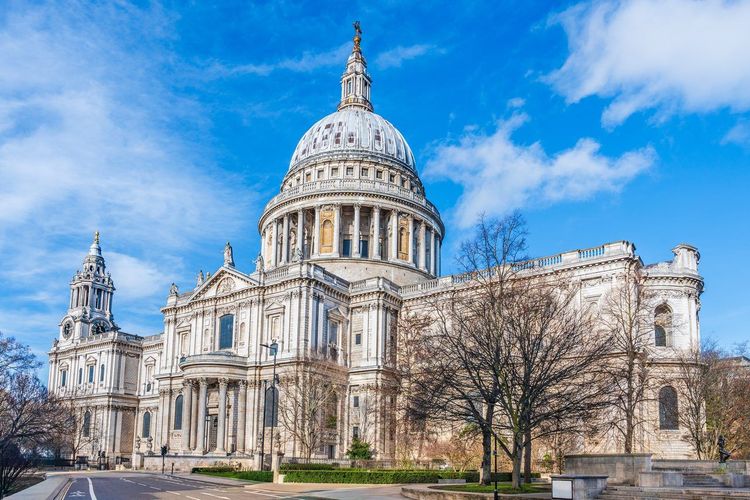
St Paul's Cathedral (St Paul's Churchyard, London EC4M 8AD, rated 4.7/5 on Google from 57,037 reviews) was rebuilt by architect Christopher Wren after the Great Fire of London in 1666, which had razed the original medieval building. Its dome, one of the tallest in the world when it was completed in 1710, rises to 111 metres and remains visible from several points across the city despite the skyscrapers built since.
The Whispering Gallery, reached after 257 steps, owes its name to a remarkable acoustic effect: a whisper breathed against the wall on one side of the gallery can be heard clearly on the other side, more than 30 metres away. Two further staircases lead up to the Stone Gallery and then the Golden Gallery at the very top of the dome, with a 360-degree view over the Thames and the City. In the crypt, Admiral Nelson's black granite tomb occupies the precise centre beneath the dome, while Christopher Wren himself rests nearby under a Latin epitaph that invites the visitor to look around for any monument to his memory.
The cathedral hosted the wedding of Prince Charles and Diana Spencer in 1981, broadcast to 750 million television viewers, as well as the funeral of Winston Churchill in 1965. Admission is paid during the day, but free for Sunday religious services.
14. The Shard and the Sky Garden
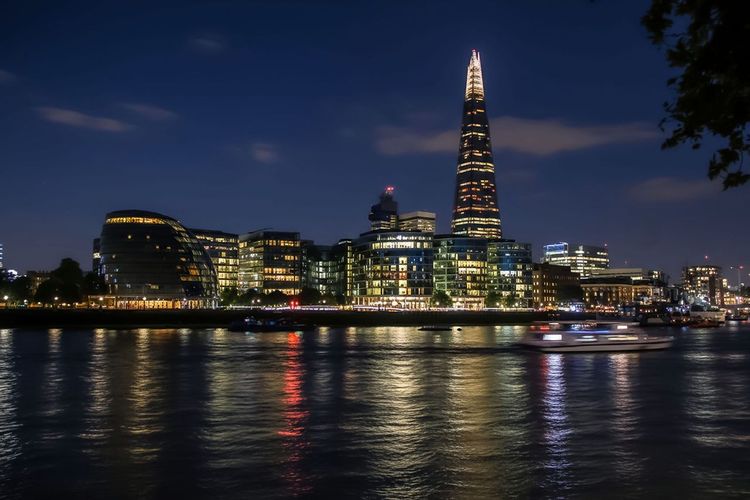
The Shard rises 310 metres above London, making it the tallest skyscraper in the United Kingdom since its completion in 2012 by architect Renzo Piano. The observation decks on the 68th, 69th and 72nd floors offer a view that stretches up to 65 kilometres on a clear day, all the way to the hills of Kent. A bar perched on the 72nd floor lets you extend the experience with a cocktail, provided you book a table rather than counting on walk-in availability.
For the same view in a free version, head to the Sky Garden, a suspended garden at the top of a tower locals have nicknamed the "walkie-talkie" for its curved shape. Entry is free but requires booking a timed slot online, often fully booked three weeks in advance for weekends. You can sip a coffee while admiring the City without paying for a Shard ticket.
15. Borough Market
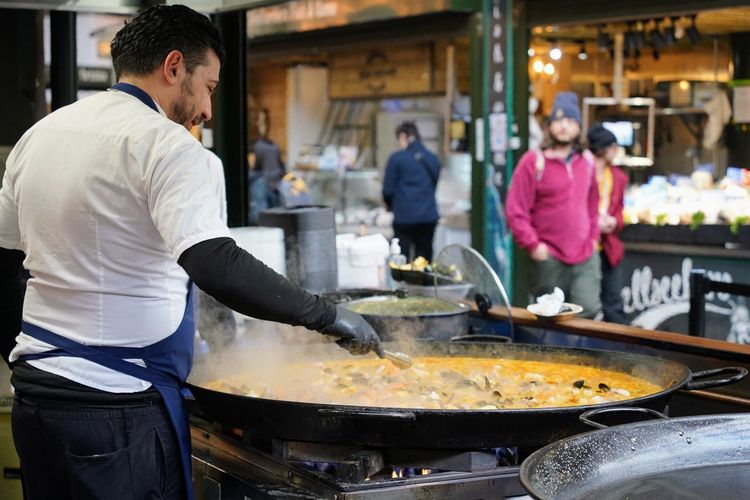
Borough Market (8 Southwark St, London SE1 1TL, rated 4.6/5 on Google from 129,197 reviews) claims continuous trading since 1014 on this same site near London Bridge, making it one of the oldest food markets in the world. The covered Victorian halls, added in the 19th century, now house more than 100 stalls specialising in aged cheese, fresh oysters and prepared dishes from around the globe.
Visit on a weekday, late morning: the market is closed on Sundays and Mondays, and Saturdays regularly reach capacity by noon. A toasted cheese sandwich from Kappacasein is, in the opinion of many regulars, one of the best quick buys at the market — provided you accept a queue of around twenty minutes.
16. Piccadilly Circus and Soho
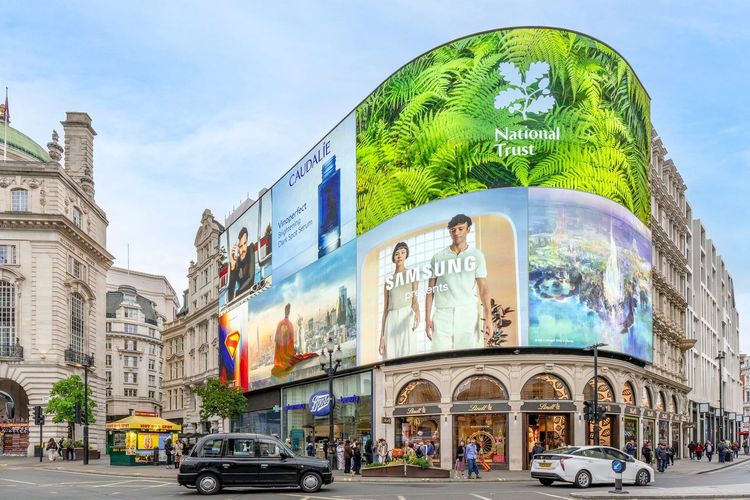
Piccadilly Circus owes its fame to its giant advertising screens, installed since 1908 and now entirely digital, as well as to the winged statue wrongly nicknamed Eros, which actually depicts Anteros, the god of requited love.
Just to the north lies Soho, a neighbourhood once known for its seedy reputation that has become one of the liveliest in the capital, with Asian restaurants in Chinatown, bars on Old Compton Street and independent cinemas on Wardour Street. The walk between the two areas takes no more than ten minutes, as long as you resist the temptation of a food stop along the way — Chinatown's shop windows have that power over most visitors.
17. Shopping on Oxford Street and Carnaby Street
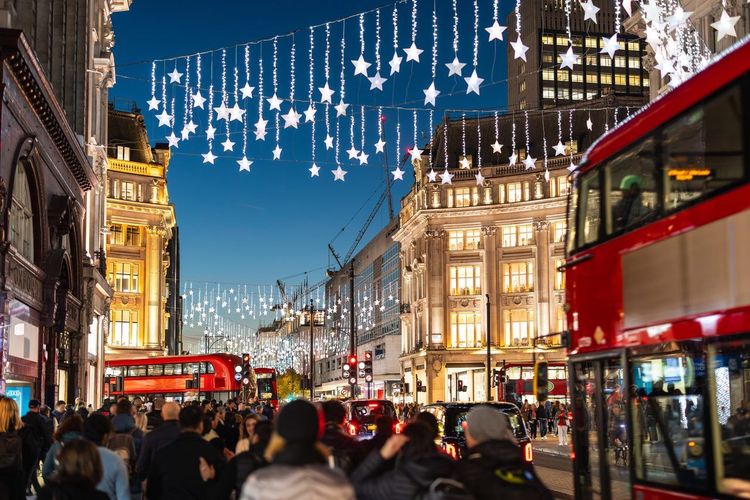
Oxford Street lines 2.4 kilometres with more than 300 shops, from historic department stores like Selfridges to international brands, and from mid-November each year is decked with Christmas lights that draw their own crowd of photographers. Carnaby Street, just a short walk away, has preserved the spirit of the Swinging Sixties with its colourful façades and independent boutiques, far removed from the commercial bustle of its neighbour.
Friday late afternoon is the worst time to walk Oxford Street: opt instead for a weekday morning if shopping is among your priorities, saving the afternoon for a quieter neighbourhood.
18. Street Art and Markets in Shoreditch
Shoreditch, a former industrial neighbourhood in the East End, transformed into a creative hub from the 2000s onwards when artists and designers moved into its disused warehouses for then-negligible rents. Brick Lane, its main artery, now concentrates the highest density of street art in the city, with murals by Banksy, Stik and ROA that change regularly with each new intervention.
The Old Truman Brewery, an 18th-century industrial brewery converted into a creative space, now houses designer studios, pop-up galleries and several covered markets that open mainly at weekends. On Sundays, the street comes alive for the Upmarket and Brick Lane market, where vintage finds, handmade jewellery and street food mix across several hundred metres.
The neighbourhood also has the highest concentration of Indian and Bangladeshi restaurants in London, a legacy of 20th-century immigration waves — an area affectionately nicknamed "Banglatown" by locals, where some establishments have kept their prices unchanged for a decade to retain their regular neighbourhood clientele. To track down the most recent artworks rather than relying on an out-of-date map, follow accounts specialising in London street art, which are updated as soon as a new mural appears.
19. The City and Canary Wharf

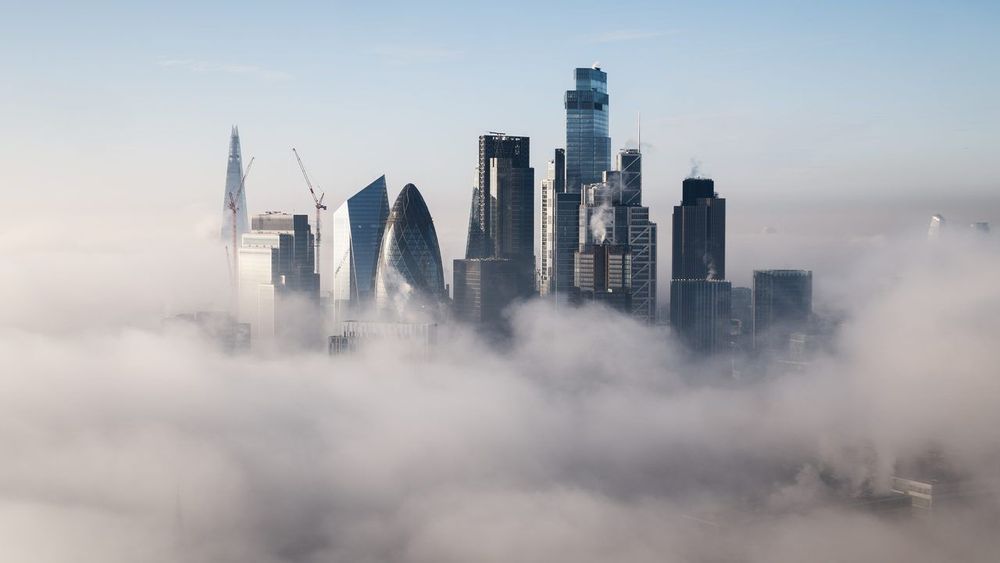
The City of London, the historic financial district bounded by the old Roman fortifications, packs centuries-old banks and futuristic skyscrapers into barely 2.9 square kilometres. 30 St Mary Axe, nicknamed the "Gherkin" for its distinctive cucumber-shaped silhouette, has become since its completion in 2004 one of the most recognisable architectural symbols of the London skyline.
Leadenhall Market (Gracechurch St, London EC3V 1LT, rated 4.4/5 on Google from 23,278 reviews), a Victorian covered market hall from 1881 with the feel of an Italian arcade, came to wider public attention as the filming location for the entrance to Diagon Alley in the Harry Potter films. Further east, Canary Wharf transformed former disused docks into a second financial centre for the capital from the 1980s onwards, with towers now exceeding 235 metres.
The neighbourhood, long criticised for its soulless corporate atmosphere, is now livelier at weekends thanks to new green spaces and temporary food markets set up along the old docks. The Ryo audio guide tour dedicated to the City highlights the medieval alleyways still visible between the glass towers, a contrast that often surprises visitors who came solely for the skyline. Take the Docklands Light Railway, fully automated and driverless, to reach Canary Wharf from the centre in around twenty minutes.
20. A Day Trip to Greenwich
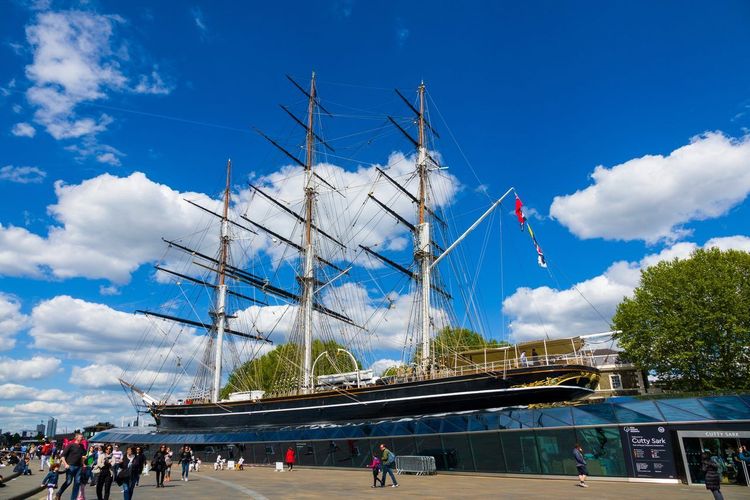
Greenwich, about thirty minutes from the centre by DLR or by boat from Westminster Pier, deserves a full half-day on its own. The Cutty Sark, the last surviving clipper from the tea trade route, lets you walk beneath its suspended hull and descend into the holds where the ship's original figureheads are on display.
The Royal Observatory, perched on the hill of Greenwich Park, marks the passage of the Greenwich Meridian, longitude zero since 1884: you can literally place one foot in each hemisphere by straddling the line painted on the ground. The climb through the park also rewards you with one of the finest free panoramas over Canary Wharf and the curve of the Thames, particularly photogenic in the late afternoon when the light rakes across the glass towers.
Below the hill, the Old Royal Naval College (King William Walk, Greenwich, London SE10 9NN, rated 4.7/5 on Google from 5,665 reviews), a former sailors' hospital turned university, conceals in its Painted Hall a Baroque ceiling painted between 1707 and 1726 by James Thornhill, often compared to the British Sistine Chapel for its scale. The National Maritime Museum, free and just next door, rounds out the visit with the world's largest maritime collection, including the uniform Nelson was wearing when he died at Trafalgar, bloodstain still visible on the epaulette.
The covered Greenwich Market, open Wednesday to Sunday, makes a pleasant addition to the visit with its craft and street food stalls set up beneath a 19th-century glass roof. Plan to return by boat rather than DLR: the view of the Tower of London and Tower Bridge from the Thames in the late afternoon closes the day with one of the finest perspectives the city has to offer.
FAQ
How many days do you need to visit London?
Three days are enough to cover the essentials in the centre: Westminster, the Tower of London and a free museum. Four to five days leave time to add Camden, Notting Hill and a trip to Greenwich or the Harry Potter Studios without rushing.
What can you do in London for free?
The British Museum, the National Gallery, Hyde Park, the Changing of the Guard at Buckingham Palace, the Sky Garden with advance booking and the Greenwich Meridian are among the richest experiences without spending a penny on admission.
What should you do in London in 3 days?
Dedicate the first day to Westminster and the Tower of London, the second to the British Museum, Camden Town and the West End, and the third to Notting Hill, Greenwich or the Harry Potter Studios depending on your priorities.
What are some unusual things to do in London?
The Sky Garden, the Victorian Highgate Cemetery, the medieval alleyways hidden behind the towers of the City, or a screening at an independent cinema on Wardour Street are well off the beaten track.
What should you do in London in November?
Free museums, Oxford Street Christmas lights from mid-November and West End theatres more than make up for the grey weather — it is also the time when queues shorten noticeably at major attractions.
What is the best neighbourhood to stay in London?
South Kensington and Covent Garden suit short stays focused on museums and theatres, while Shoreditch appeals to travellers looking for a more local and lively atmosphere, often at more affordable rates than the historic centre.
How do you get around between neighbourhoods easily?
The Tube and bus network cover most of the city with an Oyster card or contactless payment; the DLR and river boats usefully extend the network towards Greenwich and Canary Wharf.
Do you need to book attractions in advance?
Yes for the Harry Potter Studios, the free Sky Garden and the Buckingham Palace State Rooms in summer: all three sell out weeks before peak season, unlike most free museums which require no booking.
London cannot be reduced to a list of monuments: it is the juxtaposition of Westminster and Shoreditch, of a royal palace and a millennium-old market, that gives the city its particular texture. The twenty experiences detailed here cover a wide range, but they connect naturally with one another: Westminster and the City can be walked in a day, Camden and Notting Hill can be combined in another, while Greenwich and the Harry Potter Studios each call for a dedicated outing.
To structure your route without losing time between Tube stops, the Ryo audio guide tour of London remains a solid foundation, particularly in the densest areas such as the City and Camden Town. Whether you have three days or a full week, keep in mind that the best London discoveries often happen between two planned landmarks — in a street stumbled upon by chance or a pub you ducked into to escape a shower.
À lire également