Créé par Romane, le 17 nov. 2026
Votre guide Ryo
London, England
The Royal Tour
Parcours audioguidé pour visiter London en 1 jour
Step into the heart of a capital where the weight of royal history is in constant conversation with the electric pulse of modern life. This route takes you across the centuries, beginning along the banks of the River Thames, shaped by the iconic outline of Big Ben and the centuries-old presence of Westminster Abbey, before leading you toward the refined, ceremonial splendor of the Crown’s palaces. Then, the pace shifts as you step into the vibrant energy of the West End, where theatre, the dazzling lights of Piccadilly Circus, and the historic charm of Covent Garden come together to reveal London at its most lively.
Quand partir à London ?
Jan.
5°
12
Feb.
5°
10
March
7°
8
April
10°
8
May
13°
8
June
16°
8
July
18°
8
Aug.
18°
8
Sept.
15°
7
Oct.
12°
8
Nov.
8°
11
Dec.
5°
11
In London, a raincoat and umbrella are must-haves in any season! The lowest temperatures are in January and December, averaging 9°C, and the highest are in July and August, averaging 23°C. So, the best times to visit London are in spring and summer, although rain is still quite present!
Départ conseillé
No need to worry about where to begin! Our tours are designed as a loop, so you can jump in where ever you are. The navigation system and audio-guide will automatically adjust to your location. However, if you happen to be nearby, we do have a prefered starting pont: London Eye
Parking à proximité
Waterloo Parking : 39 Yord Rd
We have indicated a parking lot near the starting point of the tour, but it's imperative to read the following information to know everything you need before parking in the city center:
In London, we strongly advise using public transportation as much as possible to get around. It's wiser to leave your car in a parking lot on the outskirts to ensure you'll find a spot. For example, you can park at the Lewisham Shopping Center parking lot, located 40 minutes away by public transport from the city center. You'll have to pay for parking, but it's much cheaper than underground parking. But if you absolutely insist on parking your car in the city center, you'll need to pay a tax imposed since 2003 on all vehicles wishing to drive in central London. You can then park in one of the underground parking lots, but keep in mind that the rates are generally very high.
Don't forget that the traffic direction is reversed, and the English drive on the left!
À savoir
Our tour passes by the London Eye, the Palace of Westminster, and Westminster Abbey: don't forget to buy your tickets in advance if you want to visit them!
Feel free to purchase the London Pass in advance, which allows you to enter more than 80 London attractions with advantageous skip-the-line tickets.
Our tour goes through St. James's Park and Green Park: access is free but subject to opening hours. Remember to check them before your visit!
Découvrez 21 lieux d'intérêt pour visiter London





What to see in London on your 3h tour?
This 8 km loop takes about 3 hours and links 18 stops around London. From the London Eye it crosses Westminster, past Big Ben, Parliament and the Abbey, then St James's Park on to Buckingham and St James's Palace. It then reaches the West End, from Piccadilly Circus to Soho and Chinatown, before Covent Garden and Trafalgar Square, looping back toward the Thames. With the Ryo app guiding your ears, every landmark tells the story of the British capital as you walk.
Information checked in October 2026 and subject to change.
1 - London Eye

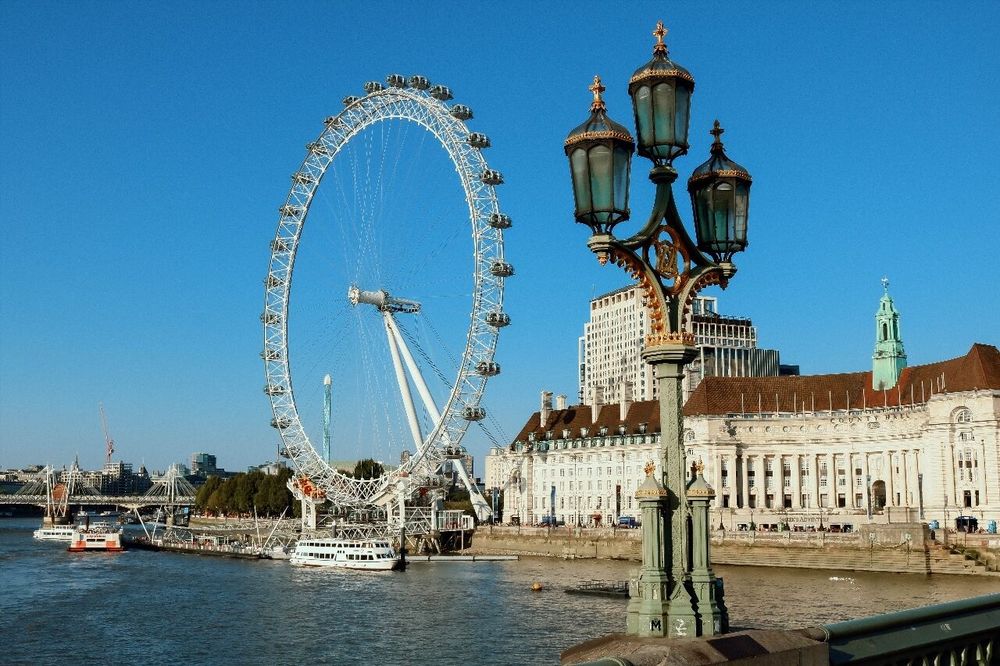
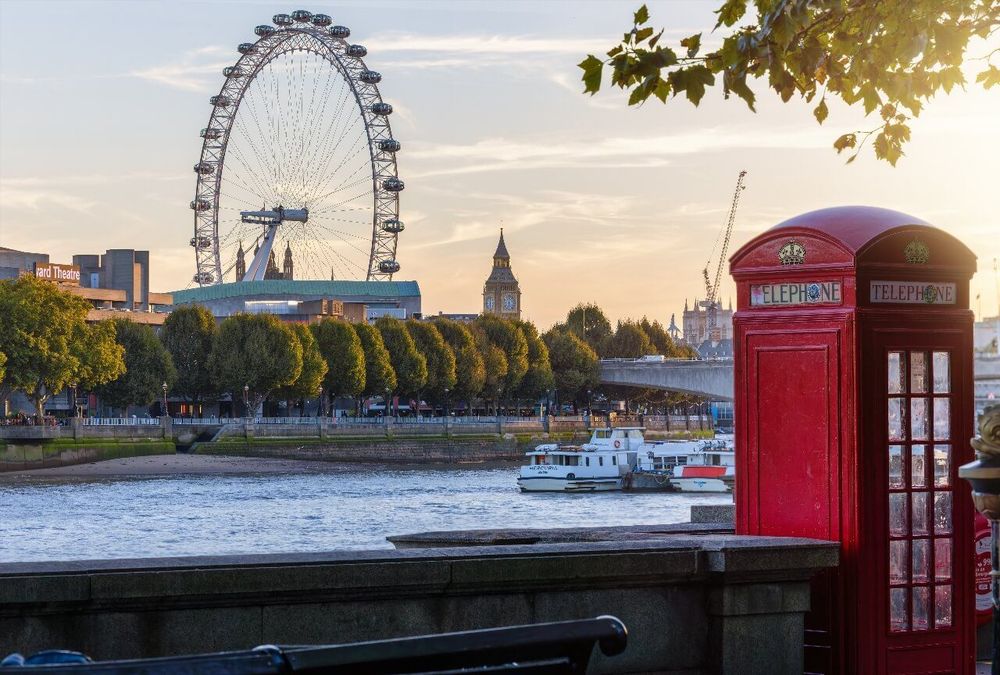
Put up in the year 2000 for the millennium celebrations, this giant wheel was only meant to stay a few years: its runaway success turned it into a lasting symbol of London. At 135 metres, it remains Europe's tallest wheel, and each of its 32 capsules offers, on a clear day, views stretching up to 40 km, taking in Westminster, St Paul's and Buckingham. Building it took seven years and teams from five different countries. Rumour even has it that marriage proposals happen regularly at the top.
Paid entry (about £29) · Allow 30 min
2 - View of Westminster
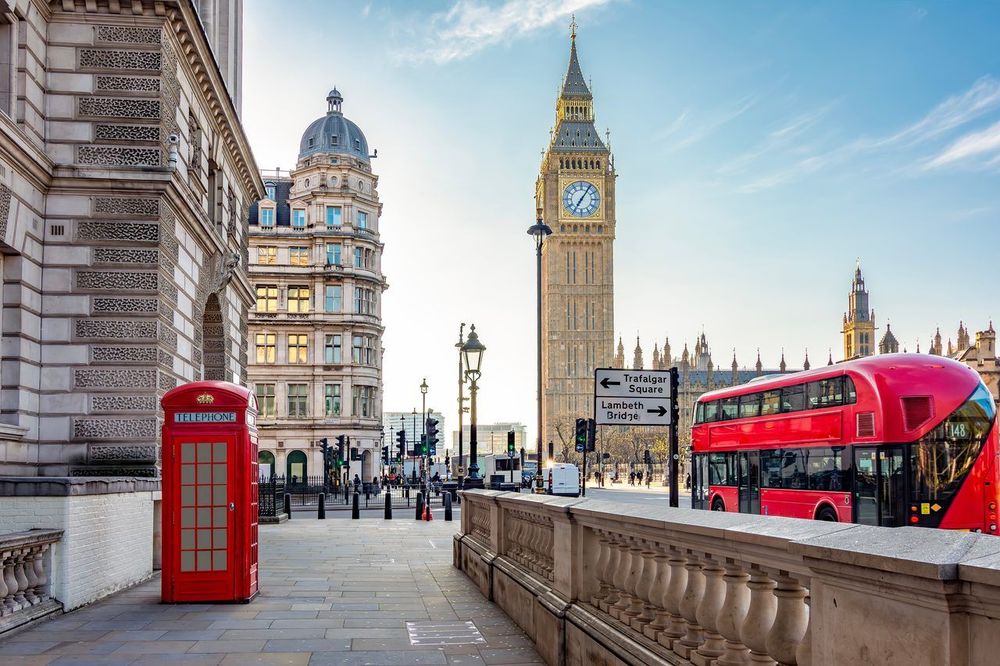
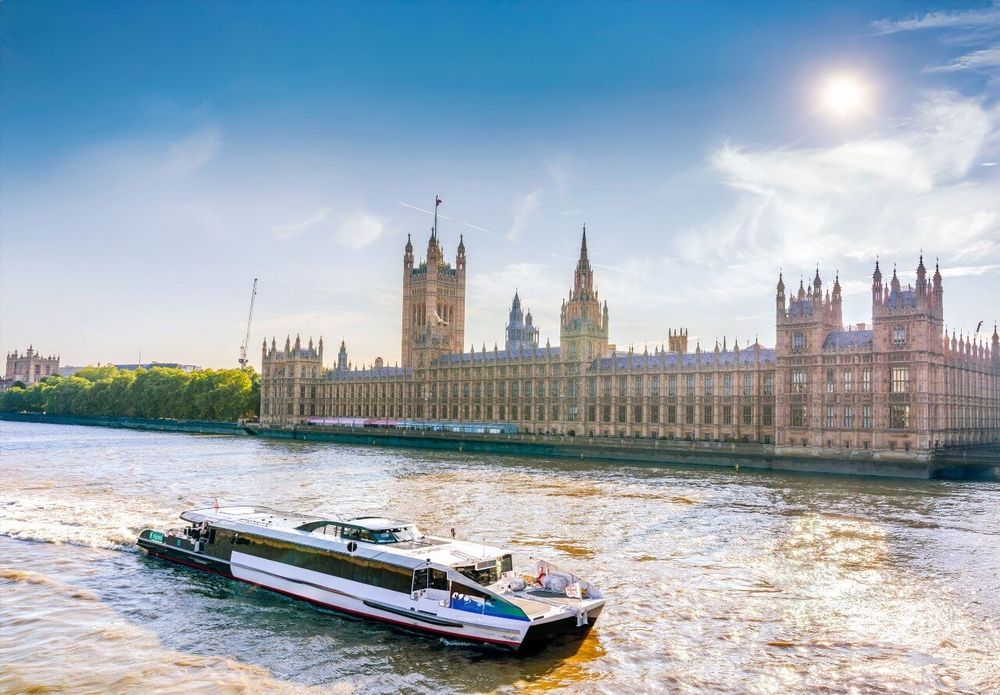
Across the Thames unfolds one of London's finest views: Westminster Palace and, to its right, the Big Ben tower, with only Westminster Bridge standing between you and them. The neo-Gothic ensemble, bristling with spires and pinnacles, mirrors itself in the river. The view is striking at any hour, but turns truly memorable at sunset, when the façades light up against the sky.
Free entry · Best late in the day
3 - Big Ben
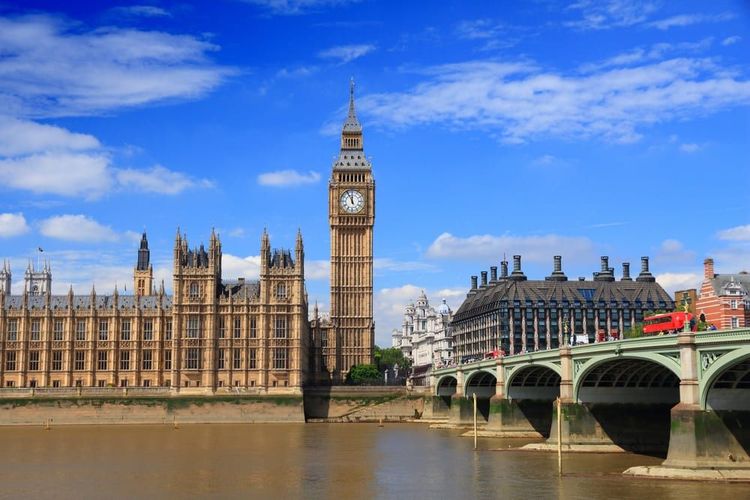
Strictly speaking, Big Ben is the bell, not the tower, officially called Elizabeth Tower. Cast in the 19th century, it cracked shortly after installation under a hammer too heavy for it, giving it its famously distinctive tone. Chiming every hour for over 150 years, it has fallen silent only three times: Margaret Thatcher's funeral, a hammer dropped inside the mechanism in 1941, and birds perched on the clock in 1949. Its dials measure 7 metres across, and the chime carries more than 6 km.
Free to see from outside
4 - Winston Churchill statue
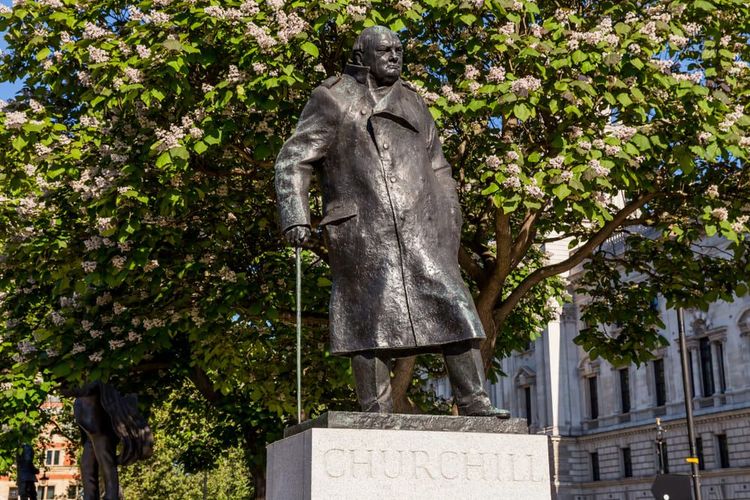
Standing almost 4 metres tall, the bronze statue of Winston Churchill rises on Parliament Square, hand resting on his cane, gaze turned toward Westminster. Churchill himself asked to be placed here; his wife, Baroness Spencer-Churchill, unveiled it on 1 November 1973 with Queen Elizabeth II in attendance. The square, redesigned in the 1950s, gathers eleven other statues, including Abraham Lincoln, Nelson Mandela and Gandhi — well worth a short wander.
Free entry
5 - Westminster Palace
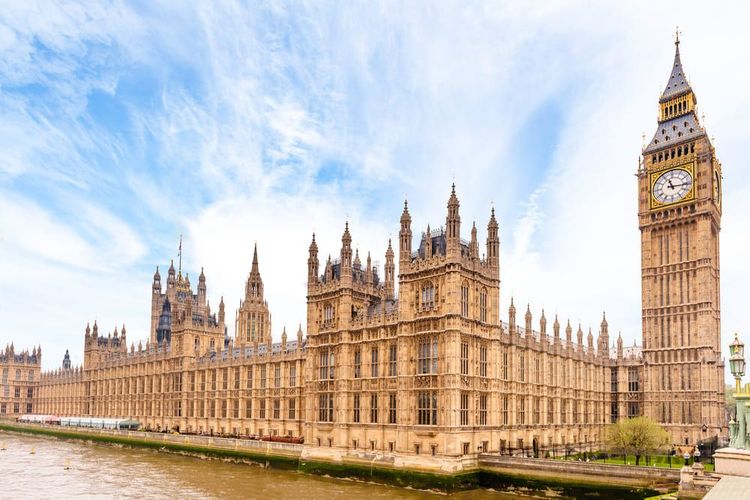
The Palace of Westminster houses both chambers of the British Parliament, on a site of power said to date back to the 11th century. A fire in 1531 drove the court to Whitehall; another, three centuries later, left only Westminster Hall standing. Architect Charles Barry then raised the 1,200 rooms we see today along a 290-metre neo-Gothic façade. Two towers flank it: Elizabeth Tower, home to Big Ben, and Victoria Tower, which has kept copies of the kingdom's laws since 1497.
Free to see from outside
6 - Westminster Abbey
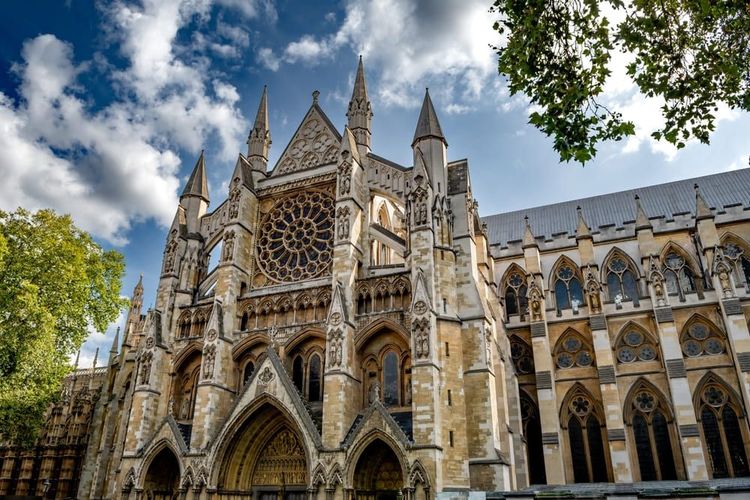
More than a thousand years of history fill Westminster Abbey: a 10th-century Benedictine monastery, rebuilt in Gothic style by Henry III in the 13th century, inspired by French cathedrals such as Reims. British monarchs have been crowned here since 1066 — forty of them, from William the Conqueror to Charles III in 2023 — and sixteen royal weddings have taken place within its walls, including Kate and William's. Nearly 3,300 notable figures lie buried here, from Elizabeth I to Isaac Newton. Listed as UNESCO World Heritage since 1987.
Paid entry (about £32)
7 - Saint-James Park
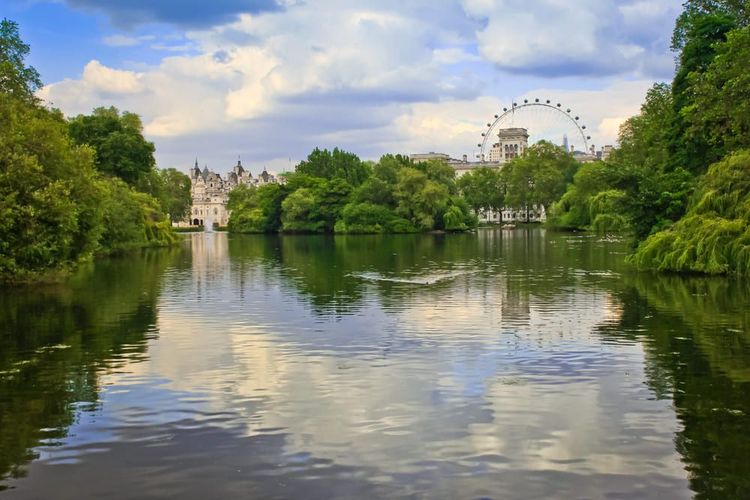
St James's Park leads straight to Buckingham and joins a stretch belonging to the Diana, Princess of Wales Memorial Walk, winding 11 km through four royal parks. Once marshland, it became a hunting preserve for Henry VIII in the 16th century, then a formal French-style garden under Charles II, complete with a canal and broad lawns — a rather racy meeting spot in its day! The canal turned into a lake in the 19th century, when the park opened to the public. Pelicans still wander here, present since 1664.
Free entry
8 - Buckingham Palace
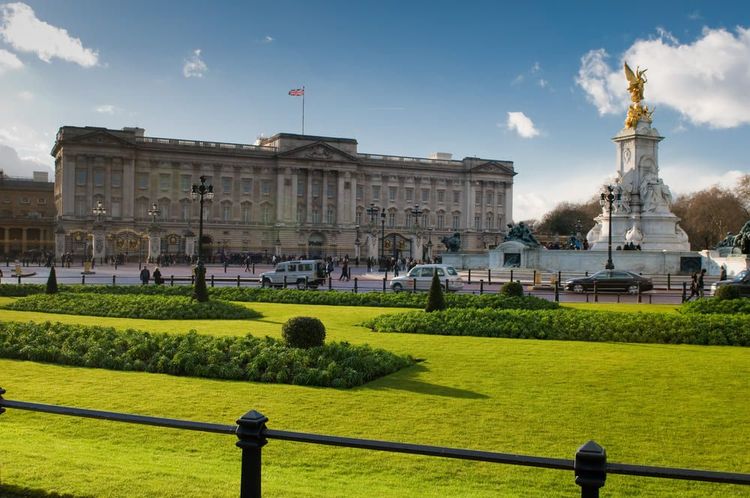
Built in 1703 as a simple private mansion for the Duke of Buckingham, the palace only became the royal residence in 1837, when Victoria came to the throne, and was expanded over the following centuries. A flag flying at the top signals its presence, and the famous Changing of the Guard plays out in front of the gates. Elizabeth II opened a few rooms to the public, seasonally. The palace lived through both wars, partly hit in the second without harm to George VI, who was inside at the time.
Free to see from outside
9 - Saint-James Palace
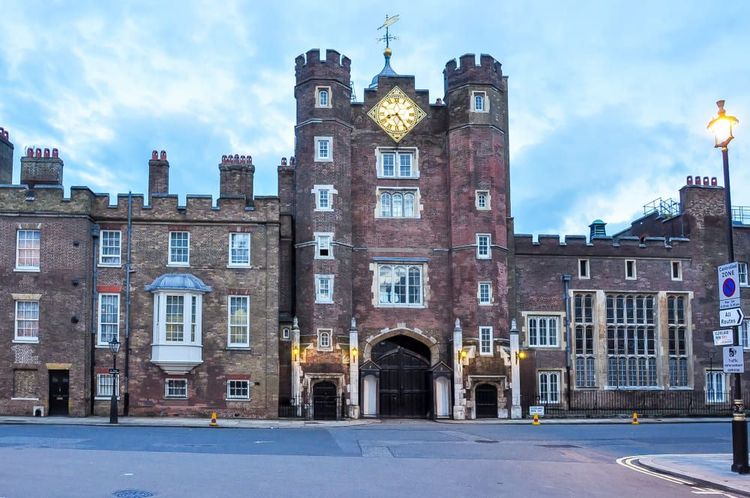
Henry VIII had this palace built in 1532, one of the oldest in London, in the distinctive Tudor style: red brick, tall chimneys, crenellated turrets. After the Whitehall fire of 1698, it became the main royal residence until Victoria came to the throne in 1837. It still holds an important ceremonial role today: foreign ambassadors are officially accredited to the Court of St James's. A few members of the royal family still live there.
Free to see from outside
10 - Piccadilly Circus
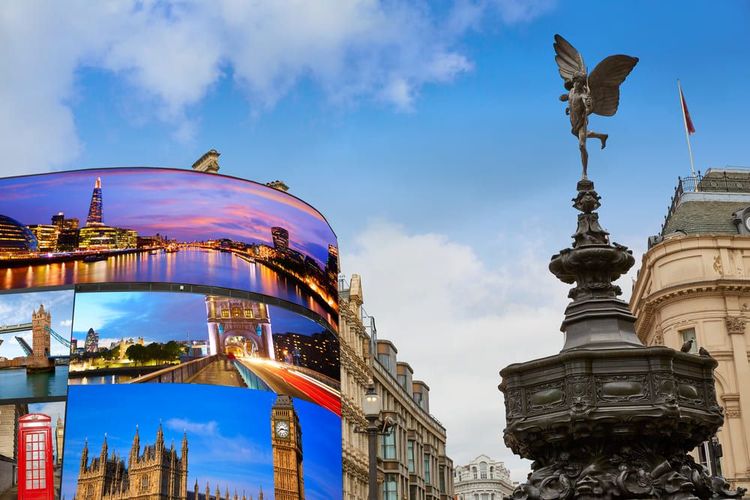
Piccadilly Circus plays the role of London's Times Square, on a smaller scale. This junction, laid out in 1819 to link Regent Street and Piccadilly Street, gained its first giant billboards in the early 20th century. At its centre stands a fountain topped by a winged statue, often called Eros, now a popular meeting point. Shops and theatres line the surrounding streets, and the square acts as a gateway to Soho and Leicester Square.
Free entry
11 - Leicester Square
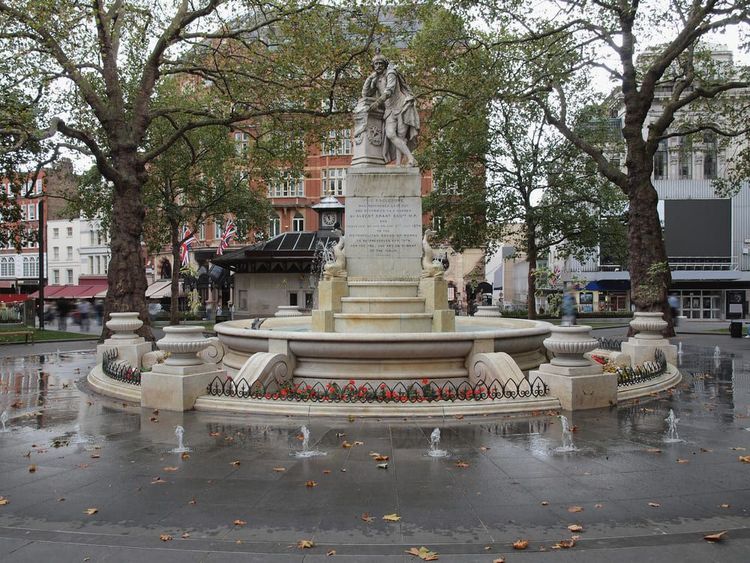
Like Trafalgar Square, Leicester Square ranks among London's liveliest squares and a hub for cinema: it holds the city's biggest screen, with room for nearly 1,700 people, and hosts many film premieres. The central garden pays tribute to Charlie Chaplin and William Shakespeare, joined since 2020 by Mary Poppins, Harry Potter and Paddington along the Scenes in the Square sculpture trail. A welcoming lawn where Londoners and visitors alike enjoy a break.
Free entry
12 - Chinatown
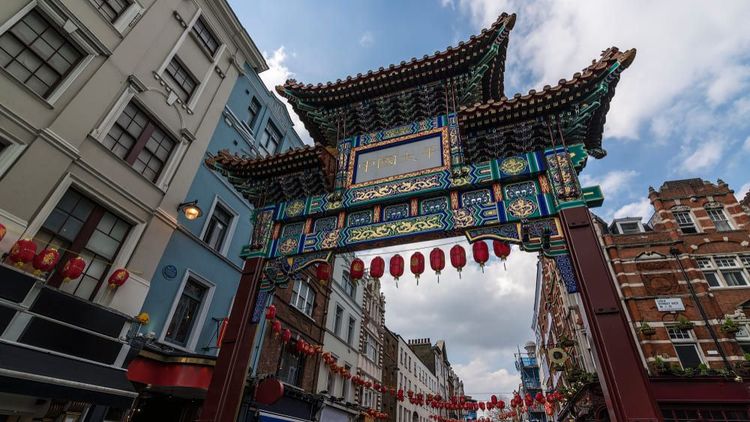
London's Chinatown hasn't always stood here: the first Chinese community settled near the Limehouse docks back in the 1880s, before the Second World War badly damaged the area. It then regrouped in Soho, which became the new Chinatown by the 1970s. You enter through ornamental paifang gates guarded by stone lions, beneath strings of red lanterns. Restaurants, tea houses and grocery shops here mark Chinese New Year each year with great fanfare.
Free entry
13 - Soho District
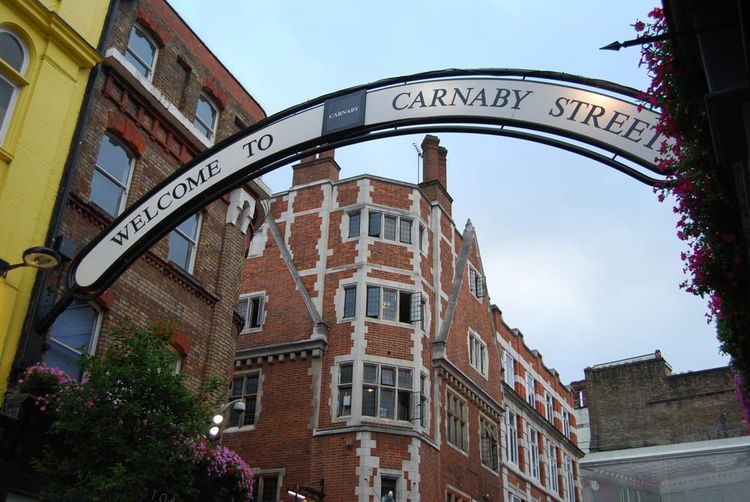
Soho's name supposedly derives from an old hunting call, Soho!, a nod to its past as a royal hunting ground. Over the centuries, the district drew artists, musicians and immigrants from all backgrounds, building a bohemian reputation that exploded in the 20th century with its jazz clubs and theatres. Shaftesbury Avenue, running through it, now holds a large share of the West End's stages. Bars, pubs and restaurants embody the openness that defines London nightlife here.
Free entry
14 - Palace Theatre
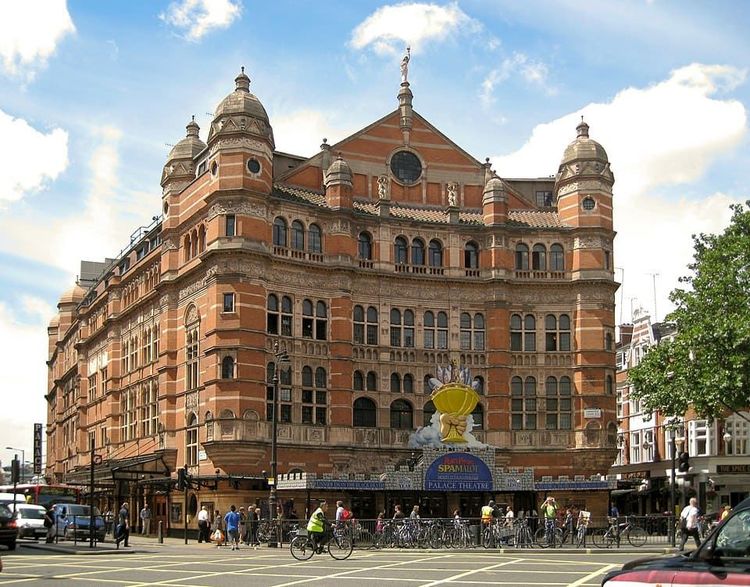
Designed by architect Thomas Edward Collcutt, this theatre was meant to host English Grand Opera in 1891, but was converted into a music hall barely a year later. It has since staged Les Misérables, The Woman in White and Harry Potter. A quirk of the place: its entrance gets fully redecorated for every new production. Located at Cambridge Circus, where Shaftesbury Avenue meets Charing Cross Road, it is one of the many theatrical landmarks that give the West End its reputation.
Free to see from outside
15 - Covent Garden Market
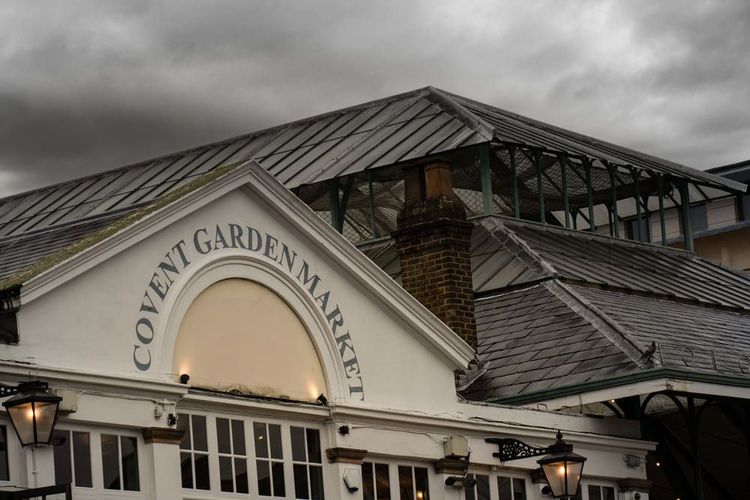
Covent Garden refers both to the district and to its historic market hall. A fruit and vegetable market settled here as early as the 1600s, on ground that had once held a medieval orchard; a glass roof was added in 1830. Once it had outgrown the site, the wholesale market moved elsewhere under the name New Covent Garden, but the original building remains, now converted into craft shops and restaurants. Its decor changes with the seasons, adding even more charm to one of London's liveliest districts.
Free entry
16 - Saint Martin-in-the-Fields Church
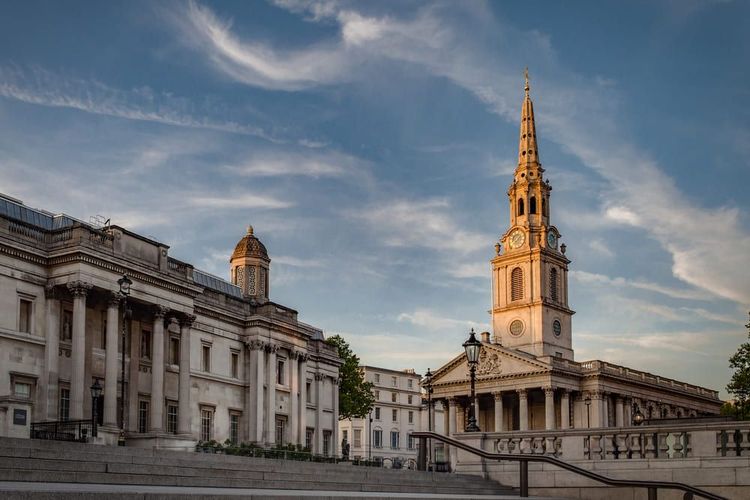
Its name, meaning St Martin-in-the-Fields, recalls that it once stood outside the city, out in the countryside. Built in the 18th century, with a columned portico and a slender spire, it served as a model for a great many American churches. Beyond its architecture, it is renowned for its concerts and for its long-standing social commitment to the homeless. Yet it still blends elegantly into the setting of Trafalgar Square.
Free entry
17 - Trafalgar Square
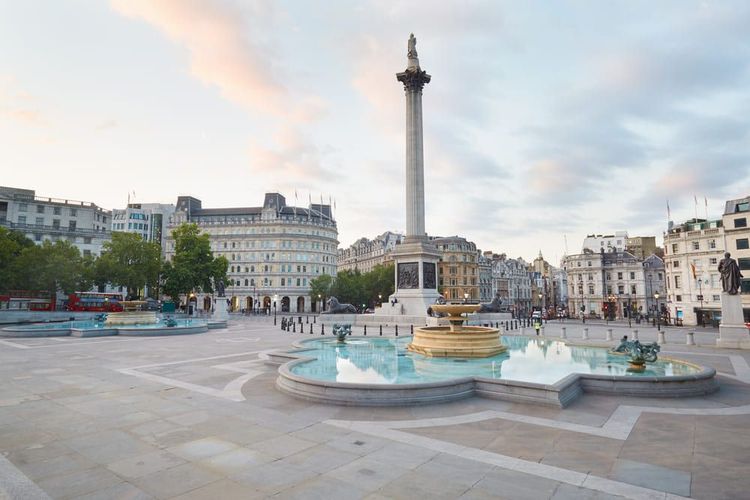
It was architect John Nash, also responsible for Regent's Park, who designed Trafalgar Square as a tribute to Admiral Nelson's naval victory over the Franco-Spanish fleet in 1805. His statue tops a column almost 45 metres tall, guarded by four bronze lions which legend says were cast from captured French cannons. Facing it stands the National Gallery, built in 1838, displaying more than 2,300 paintings from the 13th to the 19th century. The square also remains a busy venue for political and social gatherings.
Free entry
18 - London Eye view
From this viewpoint, the Thames unfolds some of London's most iconic landmarks: the Ferris wheel on the opposite bank, Westminster Palace with its Victoria Tower and Big Ben. A little further on lies the former site of Whitehall Palace, a royal residence between 1530 and 1698, before a fire drove the court on to St James's. That is how, fire after fire, four royal palaces have succeeded one another in this same part of town. The bridge offers a magnificent view over all of it.
Free entry · Best late in the day
What to do in London in 2 or 3 days?
One day is enough to link the 18 stops of this 8 km route between Westminster and the West End, in about 3 hours. With 2 or 3 days in town, London reveals itself neighbourhood by neighbourhood, well beyond this loop.
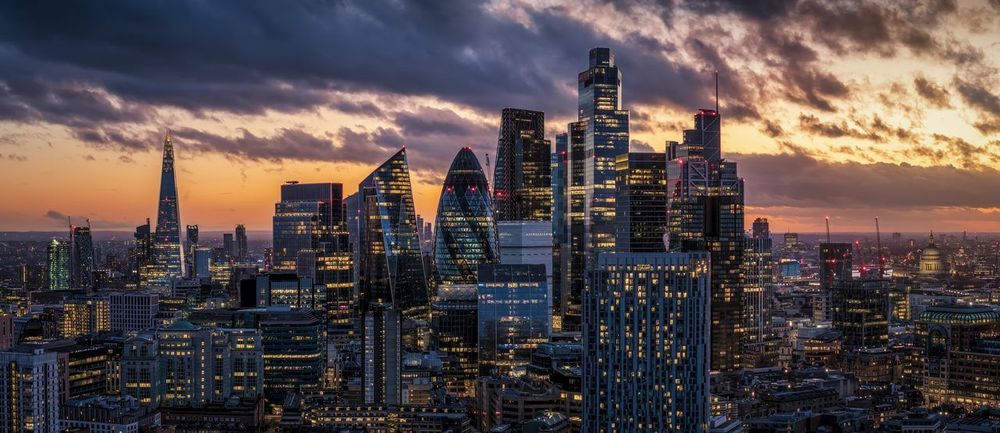
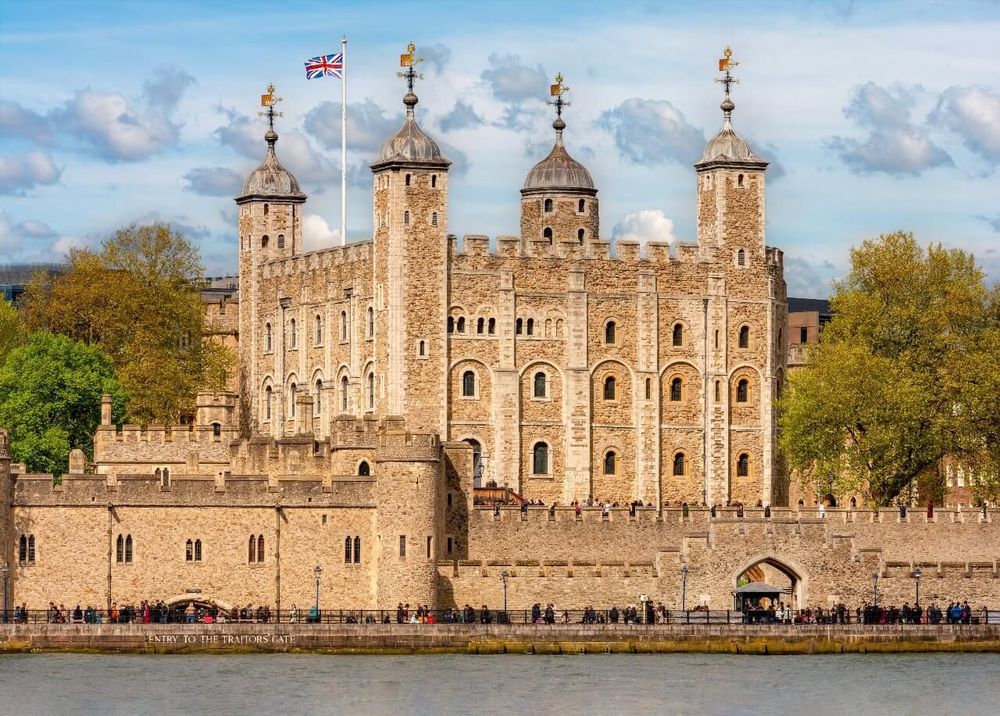
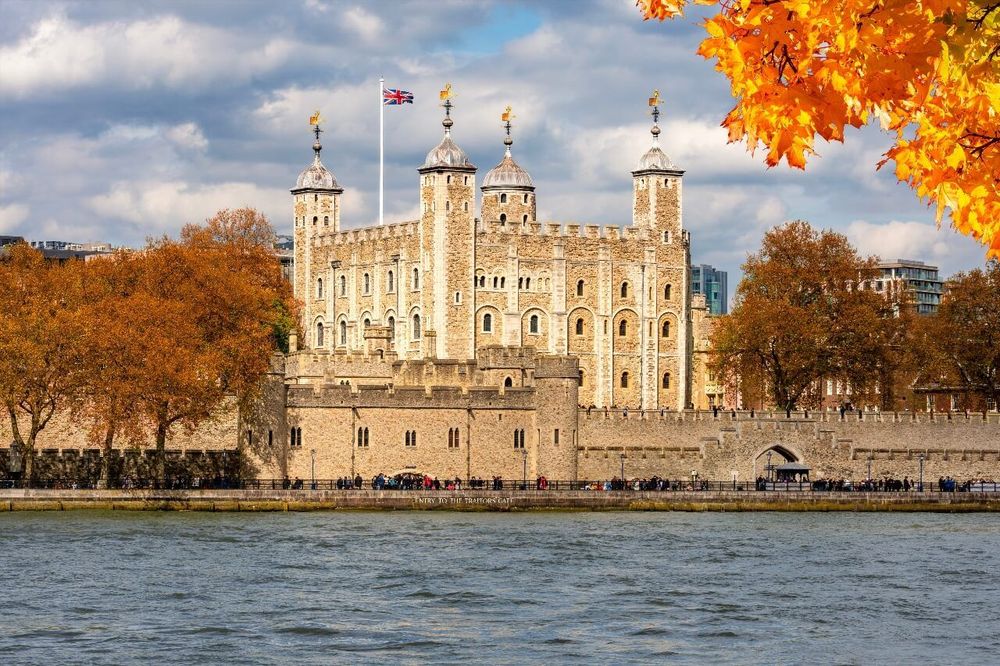
The next day, cross the Thames into the City, where the Tower of London has guarded the Crown Jewels since 1066, a short walk from Tower Bridge, completed in 1894 and still raised for passing ships. Our guide to activities in London and around covers this walk through the financial district in more detail. If you're leaving the following evening, our realistic itinerary for London in 2 days helps you choose between the two.
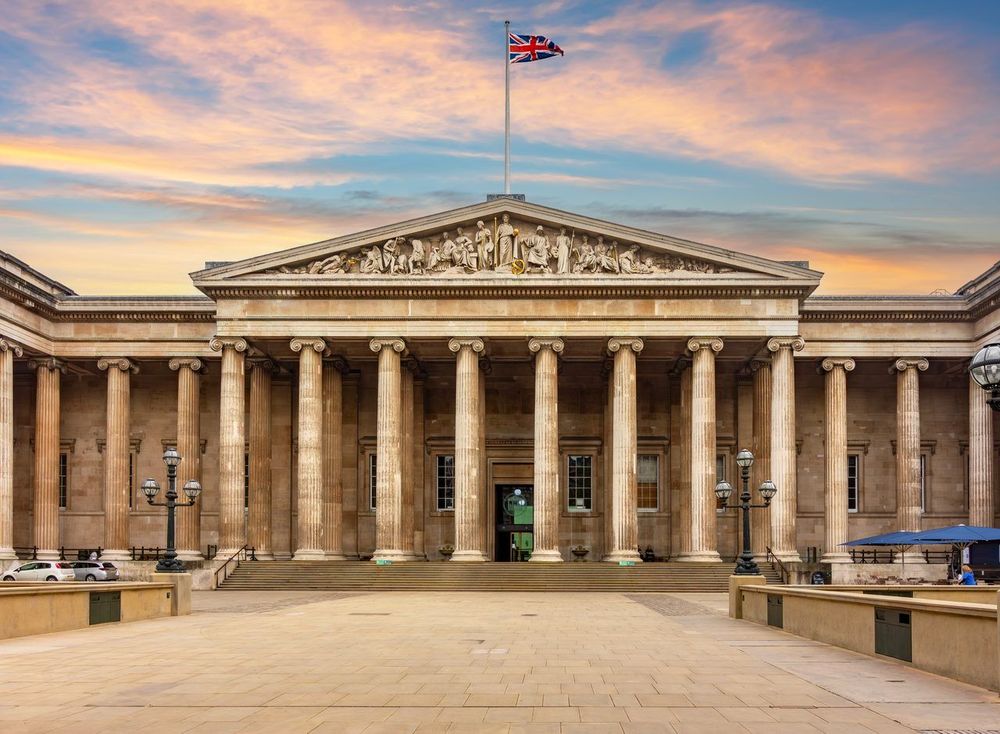
On the third day, make the most of the great national museums, free since 2001: the British Museum, founded in 1753, holds 8 million objects including the Rosetta Stone and the Parthenon sculptures. Our guide to the British Museum covers the galleries worth prioritising.
Which neighbourhoods does the tour cross?
In a loop, the route links several faces of London, from royal power to nightlife, never straying far from the Thames or the West End.
It starts at the London Eye (stop 1), crosses the Thames towards Westminster, where the Houses of Parliament, Big Ben, the Winston Churchill statue and the abbey that has crowned monarchs since 1066 follow one another (stops 2 to 6). Our guide to London's historic monuments covers each of them.
The route then reaches the oldest of the city's royal parks, St James's Park, before Buckingham Palace and the Tudor palace Henry VIII had built in 1532 (stops 7 to 9).
The last stretch reaches the West End: Piccadilly Circus gives way to Leicester Square, Chinatown and then Soho, which alone brings together more than 80 theatres, bars and restaurants around Shaftesbury Avenue, before Covent Garden and Trafalgar Square (stops 10 to 17).
What to see in London in 2 hours?
If time is short, focus on the heart of Westminster: stops 2 to 6 follow one another over a few hundred metres, between the Thames and the abbey.
From the view of Westminster, admire the Houses of Parliament before crossing towards Big Ben and its clock tower. On Parliament Square, the Winston Churchill statue faces the Palace of Westminster, home to both chambers, before reaching Westminster Abbey, which has crowned British monarchs since 1066.
How much does it cost to visit London?
Of the 18 stops on the route, 16 can be visited without a ticket, most freely and a few simply from the street. Only the London Eye, at £29, and Westminster Abbey, at £32, charge an entrance fee.
The London Pass gives skip-the-line access to more than 100 London attractions, tickets included, for a choice of durations; worth calculating against the number of paid sites planned for the day.
Information checked in October 2026 and subject to change.
Where to stop for a bite along the tour?
The route crosses several streets where stopping to eat means no detour at all.
Between stops 11 and 13, Chinatown lines up Asian restaurants and tea houses, while Soho, right after, is packed with pubs and cafés well into the night; at stop 15, the Covent Garden market halls also host several restaurants under their glass roof. To try the British classics along the way, our pick of London's culinary specialties covers fish and chips, Sunday roast and the essential 4 pm afternoon tea.
What to do in London with children?
Children don't have to wait until the end of the route to have fun: several stops already lend themselves to it.
At St James's Park (stop 7), keepers feed the pelicans every day around 2.30 pm, a free ritual that delights younger visitors especially, just before one of the best views of Buckingham Palace from the bridge. In front of the palace (stop 8), the changing of the guard takes place on Monday, Wednesday, Friday and Sunday, around 11 am, drawing crowds of all ages.
Further on, climbing into a London Eye capsule, right at the start of the route, is often the children's favourite moment. Our guide to London with kids covers more ideas sorted by age.
What should you know before visiting London?
A few practical points avoid bad surprises on this route, from opening hours worth checking to normal vigilance in the busiest areas.
St James's Park (stop 7), like the route's other royal parks, is free but keeps opening hours worth checking before passing through. In front of Buckingham Palace (stop 8), arriving 30 to 45 minutes before the changing of the guard gets a clearer view of the gates.
The threat level in the United Kingdom remains rated severe, 4 out of 5: normal vigilance is advisable, especially on public transport and at the most visited sites, where snatch thefts have been reported. One last habit worth keeping to cross safely: traffic drives on the left, unlike in most of continental Europe.
What to see around London?
London is also a good base for exploring beyond the capital, on a day trip or over several days.
Cambridge is about 1 hour away by train from King's Cross, a little more from Liverpool Street, while Oxford is reachable from 60 minutes away from Marylebone station. Closer to the centre, Greenwich and its 19th-century clipper, the Cutty Sark, or the covered market of Camden Town round out the list of possible excursions. Our guide to activities in London and around covers these options in more detail.
82 km away, another audio-guided tour pays tribute to Oxford's Gothic spires: centuries-old colleges, libraries and little streets steeped in academic history, far from London's bustle.
What's on in London right now?
At this end of the year, two events set the rhythm of life in London.
From 19 November to 3 January, Hyde Park Winter Wonderland sets up its market and funfair, with an ice rink, a big wheel and rides, open every day except Christmas Day. On 14 November, the Lord Mayor's Show crosses the City starting from Mansion House at 11 am, the world's oldest civic procession.
To extend the end-of-year festivities, our guide to spending Christmas in London lists markets, lights and pop-up ice rinks across the city.
Information checked in October 2026 and subject to change.
Le plein d'inspirations
Explorez le monde en totale liberté, à pied au cœur des villes ou au fil des routes. Nos guides audios transforment chaque destination en une découverte culturelle immersive et unique.










FAQ for visiting London
When is the best time to visit London?
London can be visited all year round, but spring and summer offer the most pleasant conditions. From May to September, you will enjoy mild temperatures around 20°C and longer days to explore the city. Autumn brings beautiful colours to the royal parks, while winter plunges the capital into a magical atmosphere with its Christmas illuminations. Bear in mind that rain is frequent whatever the season, so don't forget your umbrella! The summer months are generally the most touristy, which means more people but also more street entertainment.
How many days do you need to visit London?
For a first discovery of London, ideally plan on four to five days. This time will allow you to see the must-sees such as Big Ben, Westminster, Buckingham Palace and the Tower of London, while keeping time to wander through iconic neighbourhoods like Covent Garden or Notting Hill. With three days, you can cover the essentials but at a brisk pace. A week will give you the leisure to explore less touristy neighbourhoods, visit several museums in depth and truly soak up the London atmosphere. The Ryo audioguide accompanies you to optimise your walking routes and miss none of the treasures of the British capital.
How do you get around London?
The London Underground, known as the Tube, remains the most practical way to move quickly around the capital. With its eleven lines, it serves most of the tourist attractions. The red double-decker buses offer a picturesque alternative and let you admire the city above ground. For short journeys, walking is ideal and lets you discover hidden corners. The black cabs are iconic but more expensive, while self-service bikes are an eco-friendly option. Consider getting an Oyster Card or using contactless payment to save on your journeys. As central London is relatively compact, many major sites are within walking distance of one another.
Where to stay in London?
The choice of neighbourhood will depend on your priorities and your budget. To be at the heart of the action, favour Westminster, Covent Garden or South Bank, close to the main attractions. Travellers on a tight budget will appreciate King's Cross, well served by transport, or more outlying neighbourhoods such as Shoreditch or Camden, lively and authentic. Notting Hill and Kensington will appeal to those seeking Victorian residential charm. Families often prefer quieter areas such as Paddington or Victoria. London offers all types of accommodation, from youth hostels to luxury hotels, as well as rental apartments. Book well in advance to get the best rates, especially in high season.
What can you do for free in London?
London is full of free activities that will delight budget-conscious travellers. National museums such as the British Museum, the National Gallery or the Tate Modern offer free access to their permanent collections, among the most prestigious in the world. The royal parks, notably Hyde Park, Regent's Park and St James's Park, invite you to stroll and picnic. The Changing of the Guard at Buckingham Palace draws crowds every morning. Markets such as Borough Market or Camden Market can be visited without spending a penny, as can the iconic neighbourhoods of Notting Hill or Brick Lane. The Ryo audioguide guides you through these free wonders with themed routes that enrich your discovery with fascinating commentary.
How can you save money in London?
London can be expensive, but a few tips will help you keep your budget in check. Favour traditional pubs and street food markets over touristy restaurants. Supermarkets such as Tesco or Sainsbury's offer affordable sandwiches and salads for a quick lunch on the go. Make the most of happy hours in the late afternoon for a drink at a reduced price. For West End shows, try your luck at the last-minute box offices which offer discounted seats on the same day. Unlimited travel cards are generally worthwhile if you plan to make several journeys a day. Finally, plan your paid visits by looking for online discounts or tourist passes, which can prove economical depending on your programme.
What are the must-see landmarks in London?
The historic core is concentrated along the Thames. On the Westminster side, the abbey, the Houses of Parliament and the clock tower familiarly known as Big Ben form the city's most recognisable backdrop, minutes away from Buckingham Palace and its guards. Downstream, St Paul's Cathedral raises its dome above the City, followed by the Tower of London, a medieval fortress holding the Crown Jewels, and Tower Bridge beside it. On the opposite bank stand the Globe theatre, Tate Modern and the big wheel facing Parliament. The Ryo audio guide offers a dedicated London route linking these stops on foot.
Which neighbourhoods should you explore in London?
Every district has its own personality. Soho and Covent Garden pack in theatres, terraces and street performers within an area you can cover entirely on foot. Notting Hill charms with its colourful houses and its antiques market, at its busiest on Saturdays, while Camden keeps an alternative feel around its market halls along the canal. To the east, Shoreditch and Spitalfields line up murals, vintage shops and food halls, with genuine creative energy. Finally, Greenwich, reachable by boat, offers a listed maritime ensemble, a sloping park and the observatory where the meridian begins. Alternating a central district with an outlying one gives a good balance.
Where can you enjoy the best panoramic views of London?
Viewpoints are plentiful, between skyscrapers and hills. The hanging garden set at the top of a City tower opens with prior registration and offers a panorama over the Thames from inside a planted greenhouse. The big wheel on the South Bank gives the most classic view of Parliament, while the terraces of several museums and department stores let you admire the skyline without any particular detour. For a greener perspective, climb Primrose Hill or Greenwich Park late in the day: the city stretches into the distance and the light is superb. The bridges, finally, offer lovely views of their own.
How can you watch the Changing of the Guard in London?
The ceremony takes place in front of Buckingham Palace on certain mornings, following an official schedule that varies with the season and the weather: check it the day before, as cancellations are common when it rains. Arrive well in advance if you want a spot along the railings; otherwise, stand near the Queen Victoria Memorial, which is slightly raised, or along the Mall to watch the troops and the military band march past. A changing also takes place at Horse Guards, more intimate and often less crowded, with the mounted guard. The whole thing lasts a good half hour and is watched standing.
What is there to do in London beyond Westminster, the London Eye and Tower Bridge?
London has more than 170 museums, and the biggest have been free since 2001: the British Museum and its Rosetta Stone, the National Gallery with 2,300 paintings, the Natural History Museum and the Victoria and Albert Museum. In Westminster, the Abbey holds over 3,600 burials and memorials, and the Changing of the Guard takes place on Mondays, Wednesdays, Fridays and Sundays at 11am.
To go off the beaten track, explore Leadenhall Market, the Cutty Sark in Greenwich or Camden's converted warehouses. Two hours away by train, 4,500-year-old Stonehenge and the Cotswolds round off a stay.
Everything is covered in our guide to activities in and around London.
How should you plan your visit to the British Museum in London?
Founded in 1753 from Hans Sloane's bequest of 71,000 objects, the British Museum in Bloomsbury now holds 8 million items, only 1% of them on display, and its permanent collection is free. It welcomes 6 to 7 million visitors a year.
Beneath Norman Foster's glass roof, the Great Court is the largest covered square in Europe, with the Reading Room at its heart, where Karl Marx wrote part of Das Kapital. Don't miss the Rosetta Stone, the 100,000 or so Egyptian objects, the Parthenon sculptures, the Assyrian reliefs and the Sutton Hoo helmet.
Plan your visit with our complete guide to the British Museum.
What can you do in Hyde Park during a stay in London?
Once Henry VIII's hunting ground and opened to the public in 1637, Hyde Park covers 142 hectares. From June to September, the Serpentine Lido lets you swim in the lake for about £5, and the swimming club even holds a race on 25 December.
On Sundays from 10am, Speakers' Corner near Marble Arch hosts orators on their stepladders, as Karl Marx and George Orwell once did. The free Serpentine Gallery unveils a pavilion by a major architect every summer, and neighbouring Kensington Gardens is home to Kensington Palace.
Explore every corner of the park with our complete guide to Hyde Park.
How much time and money should you plan for London's major landmarks?
For the Tower of London, founded in 1066, allow two to three hours and about £35 online versus nearly £40 at the gate; the Beefeaters run a free guided tour every thirty minutes, and the Crown Jewels are reason enough to arrive at opening time.
The Palace of Westminster can be toured at weekends and during parliamentary recesses for around £28. Buckingham Palace opens 19 State Rooms from July to September, at about £33. Some sites remain free, such as the British Museum and Tate Modern.
See the full list in our guide to London's 25 must-see landmarks.
What can you do in London over the Christmas holidays?
The lights on Regent Street, Oxford Street and Carnaby Street, renewed every year, are best enjoyed while browsing the windows of Harrods, Selfridges or Liberty. Covent Garden puts up a giant tree and pop-up shops, and Trafalgar Square hosts the tree given each year by Norway, with concerts and choirs.
Take in the view from the London Eye, booking ahead, then warm up with mulled wine in a Soho pub. For your stay, the Z Hotel Piccadilly offers affordable prices and citizenM Bankside a design-led setting.
Plan your festive trip with our article on spending Christmas in London.
How can you attend the Chelsea Flower Show in London in spring?
Run since 1913 by the Royal Horticultural Society, the Chelsea Flower Show takes place over five days in May on the 11-hectare grounds of the Royal Hospital Chelsea, less than 20 minutes' walk from Victoria station. More than 150,000 visitors discover award-winning gardens, landscaping innovations and ideas for balconies.
Tickets, from £45 to £90, are sold on the RHS website and rise in price as they sell, so book very early. The RHS also runs other shows, such as the Hampton Court Palace Garden Festival.
Find all the details in our article on the Chelsea Flower Show in London.
Which typical dishes should you try in London?
Start the day with a full English breakfast: eggs, bacon, sausages, mushrooms, grilled tomatoes, baked beans and black pudding, served at any hour in most restaurants. Around 4pm, afternoon tea brings scones with clotted cream, finger sandwiches and pastries.
On Sundays, head to the pub for a Sunday roast with Yorkshire pudding and gravy. Pie and mash, born on the docks, and steak and kidney pie complete the picture, along with the curries inherited from colonial history, tikka masala first among them.
Discover the selection in our top 11 culinary specialities of London.
What can you discover at Tate Modern in London?
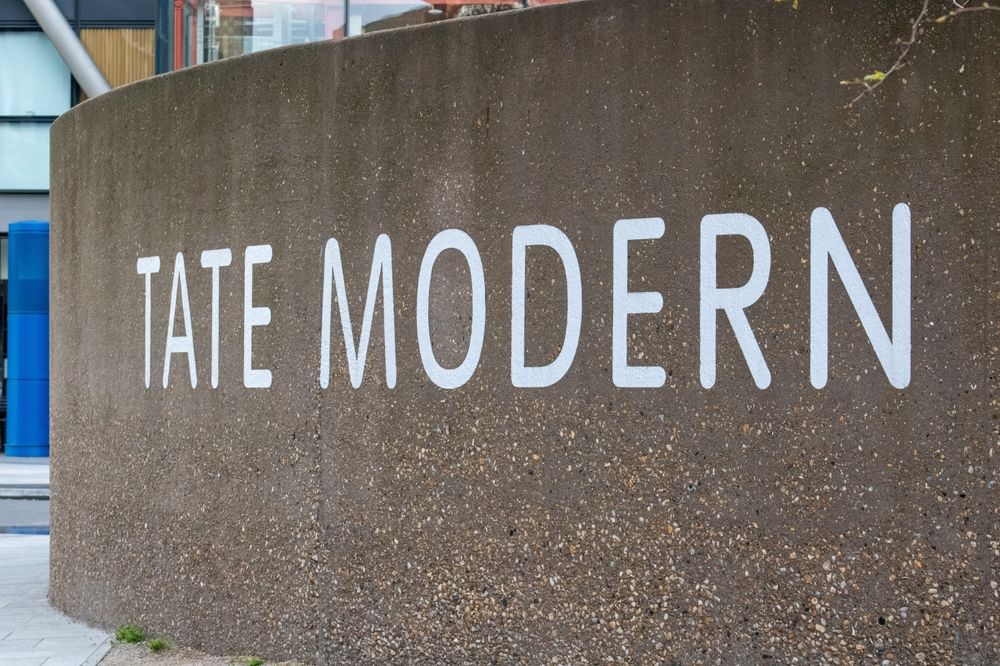
Housed since 2000 in the former Bankside power station, Tate Modern welcomes more than 5 million visitors a year, and its permanent collections are free: Picasso, Dalí, Matisse, Rothko, Warhol and Duchamp's Fountain.
The Turbine Hall, 155 metres long and 35 high, hosts a free monumental installation every year, from Olafur Eliasson's sun to Carsten Höller's slides. The Blavatnik Building, opened in 2016, offers views over the Thames and St Paul's from its top floor. Temporary exhibitions cost £11 to £25.
Plan your visit with our guide to visiting Tate Modern.
Which experiences should you not miss on a first trip to London?
The great classics remain essential: the Tower of London and its Crown Jewels, best booked online, Tower Bridge and its glass walkway 42 metres up, the London Eye at dawn or dusk, and Westminster Abbey, around £27, with its Poets' Corner.
Add a West End musical, with discounted same-day seats from the TKTS booth in Leicester Square, a morning at Borough Market, trading since 1014, and a Saturday morning at Camden Market before the crowds. The Sky Garden is free with a booking.
Build your plan with our guides 20 unmissable things to do in London, 35 fun things to do in London and 35 things to do in London that will surprise you.
How do you plan a trip to London with children?
Aim for late May or early September, quieter than summer, and allow at least four full days. Booking the London Eye or the Tower of London two weeks ahead saves 10 to 20%; a pass only pays off if you string together several paid attractions, since the national museums are free.
In the parks, rent a pedalo on the Serpentine for about £12 per half hour, get to the Diana Memorial Playground early and watch the St James's Park pelicans being fed around 2.30pm. Coram's Fields only admits adults accompanied by a child.
Everything is explained in our guide to London with children.
How do you plan a 2-day trip to London and still see the essentials?
Two days is enough for the core of London, not the whole city. Day 1 is royal and theatrical: Buckingham Palace, St James's Park, Westminster Abbey, Trafalgar Square, Covent Garden and Soho. Day 2 is medieval and riverside: the Tower of London, Tower Bridge, Borough Market, the South Bank and St Paul's.
Pick one flagship interior per day and book the Tower, the Abbey and any show ahead of time. Also check the Changing of the Guard dates, as it doesn't run every day.
Get the full route in our guide to spending 2 days in London.
What are the most romantic things to do in London for couples?
London turns into a city built for two once night falls. A Thames-side walk links the Houses of Parliament, the London Eye (private capsules with champagne) and Tower Bridge, followed by St Paul's and the Millennium Bridge at golden hour.
For views, Sky Garden is free if you book online, as is the hilltop in Greenwich Park beside the Royal Observatory. In the evening, pick a candlelit concert, Mamma Mia! or the candle-lit Sam Wanamaker Playhouse. The V&A is free to enter, and Regent's Park offers rowing boats and rose gardens.
Find all our date ideas in our guide to romantic things to do in London.
Vos commentaires, idées et suggestions
Aucun avis pour le moment