Walk
The Royal Tour
London, England
Walk
The Royal Tour
London, England
8 km
Distance
3h00
Durée
21
Audios
Loop
Parcours
Visiting England means accepting to be surprised at every turn: a cobbled alley opening onto a centuries-old pub, a wind-swept moor that seems straight out of a Victorian novel, a university town where the silence of libraries meets the bustle of markets. The country carries within it centuries of stories, and perhaps the best way to hear them is simply to listen. With its audio-guided tours available across England, Ryo invites you to explore these landscapes and their histories at your own pace, free from timetables or group constraints.
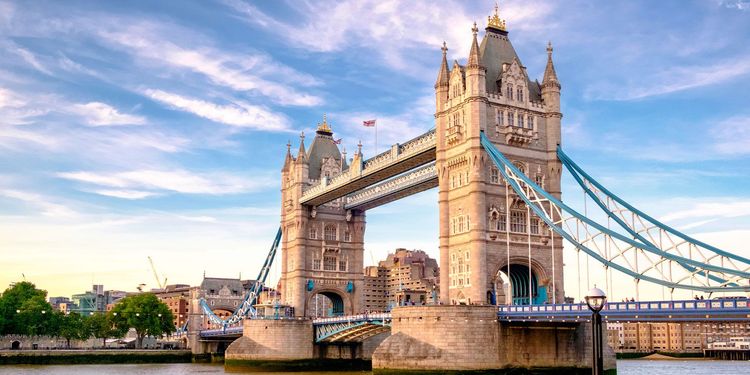
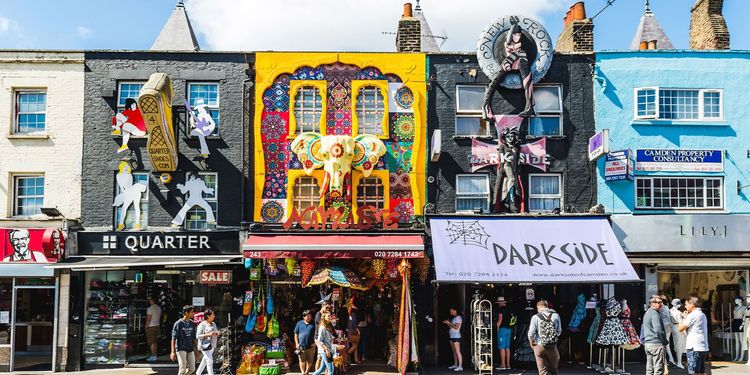
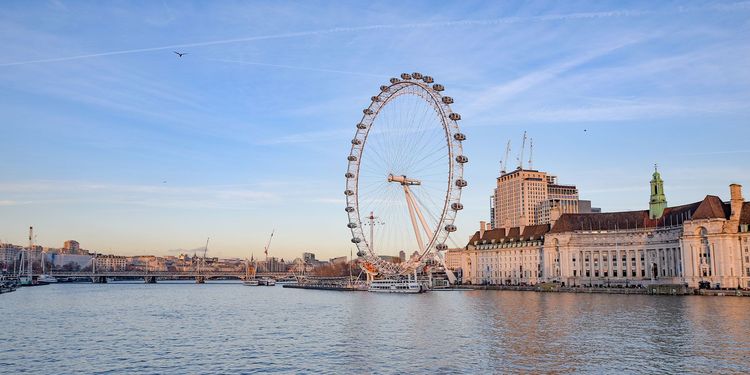
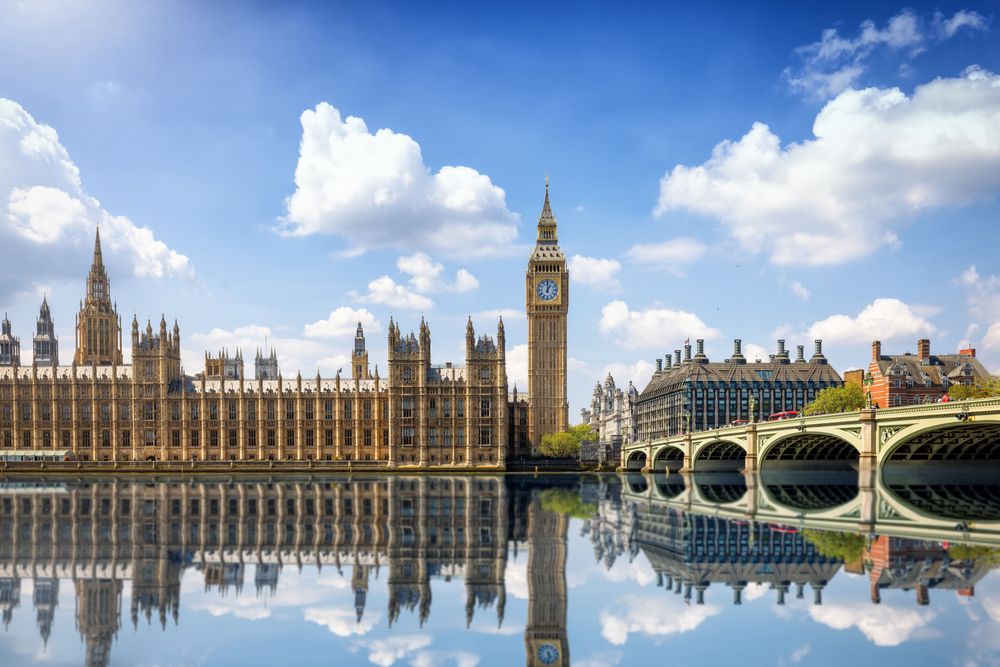
London is a world city — dense, plural, impossible to take in at a single glance. Ryo offers three audio-guided tours there, including The Royal Visit, which guides you to the heart of the symbols of the British monarchy: palaces, ceremonies frozen in stone, gardens where history still breathes. Through the neighbourhoods, from Georgian facades to the colourful markets of the East End, every step reveals a new layer of the city.
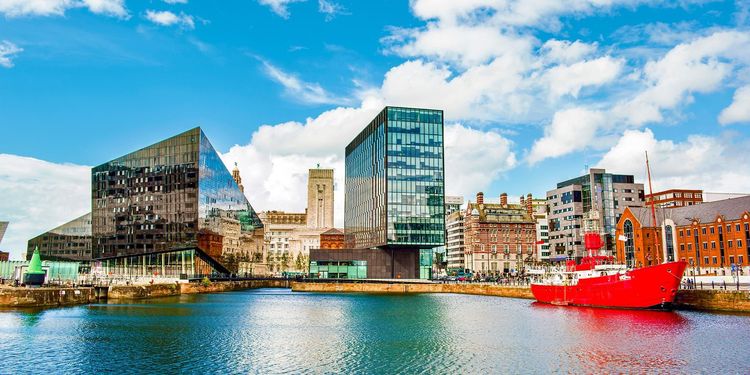
Liverpool lives up to its tour name: The World in a Single City. A port open to the Atlantic, the birthplace of global pop music, a city of dockers and poets, Liverpool packs into just a few square kilometres an energy found nowhere else in England. The Ryo audio-guided tour takes you to the heart of this singular identity, between the UNESCO-listed waterfront and the streets that saw the Beatles born.
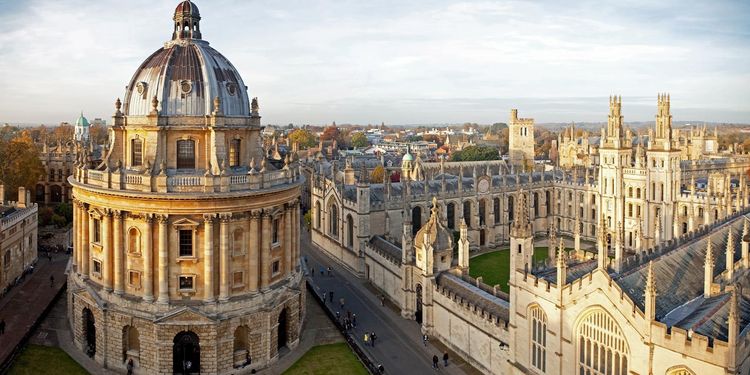
Oxford lives up to every word of its nickname: The City of Dreaming Spires. Its medieval colleges, botanical gardens and quiet lanes seem suspended outside of time. The Ryo audio-guided tour leads you through this unique setting, between courtyards reserved for the initiated and thousand-year-old libraries, to understand why so many brilliant minds have chosen to study here.
Beyond the major cities, England unfolds a nature and cultural diversity that is often underestimated. The south-west of the country, with its wild Cornish coastline, invites marine wildlife watching and long clifftop walks. Further north, the Lake District offers lakes and hills that have inspired generations of poets and painters. Lovers of medieval heritage will be drawn to cities such as Bath, whose Roman baths bear witness to an exceptional ancient occupation, or to Canterbury and its lanes that still whisper the pilgrimage tales of Chaucer. Hadrian's Wall, in the north, traces a historic boundary across an almost mineral landscape. Each region has its own character, and England's richness lies precisely in this ability to surprise the traveller who is willing to stray from the beaten path.
Spring and summer remain the most popular seasons for visiting England: the days are long, the gardens in bloom, and festivals abound. Autumn offers a golden light that is particularly flattering on rural landscapes and university campuses. Winter, though it can be grey and rainy, also brings its own pleasures in Christmas markets and the warm interiors of pubs. In short, there is no truly bad season — only different ways of experiencing the country.
England's rail network is extensive and makes it easy to reach major cities from London. To explore the countryside and more remote regions, a car offers welcome freedom. Long-distance coach services provide an affordable alternative between the main destinations. In cities, public transport is generally well developed, and walking often remains the best way to soak up the atmosphere of the neighbourhoods.
Spring, from March to May, and summer, from June to August, attract the majority of travellers to England thanks to mild temperatures and a wealth of cultural events. Autumn appeals to those who prefer smaller crowds and colourful landscapes. Every season has its charms, and the choice ultimately depends on your interests.
A one-week stay allows you to explore London in depth and make day trips or short breaks to one or two other cities such as Oxford or Liverpool. Two weeks offer a more relaxed pace for combining major cities, coastlines and countryside. For a comprehensive tour that includes the north of the country and rural regions, allowing more time is advisable.
The train is generally the fastest and most comfortable way to travel between major cities. Services from London to Liverpool, Oxford and other key destinations run frequently. For stops off the main routes, hiring a car gives access to areas less well served by public transport.
London and its iconic neighbourhoods, the medieval colleges of Oxford, the cultural energy of Liverpool, the Roman Baths of Bath, the cliffs of Cornwall, the Lake District and its lakeland scenery, and Hadrian's Wall are among the highlights that travellers rate most highly. England also stands out for its museums — often free to enter — and the richness of its music and theatre scene.
Beyond fish & chips and cream tea, staples of the English experience, British gastronomy has undergone a profound revival over recent decades. The food markets of London or Liverpool reflect this diversity, where influences from around the world blend with local traditions. The Sunday roast, a traditional midday meal of roasted meat and vegetables, remains as much a cultural ritual as a culinary one.
England, and London in particular, is generally considered a high cost-of-living destination. That said, many cultural experiences — including the major national museums — are free to enter. By favouring public transport, accommodation outside city centres and local markets for meals, it is entirely possible to tailor your stay to a wide range of budgets.