



Créé par Emilie, le 4 oct. 2026
Votre guide Ryo
Liverpool, England
The world in one city
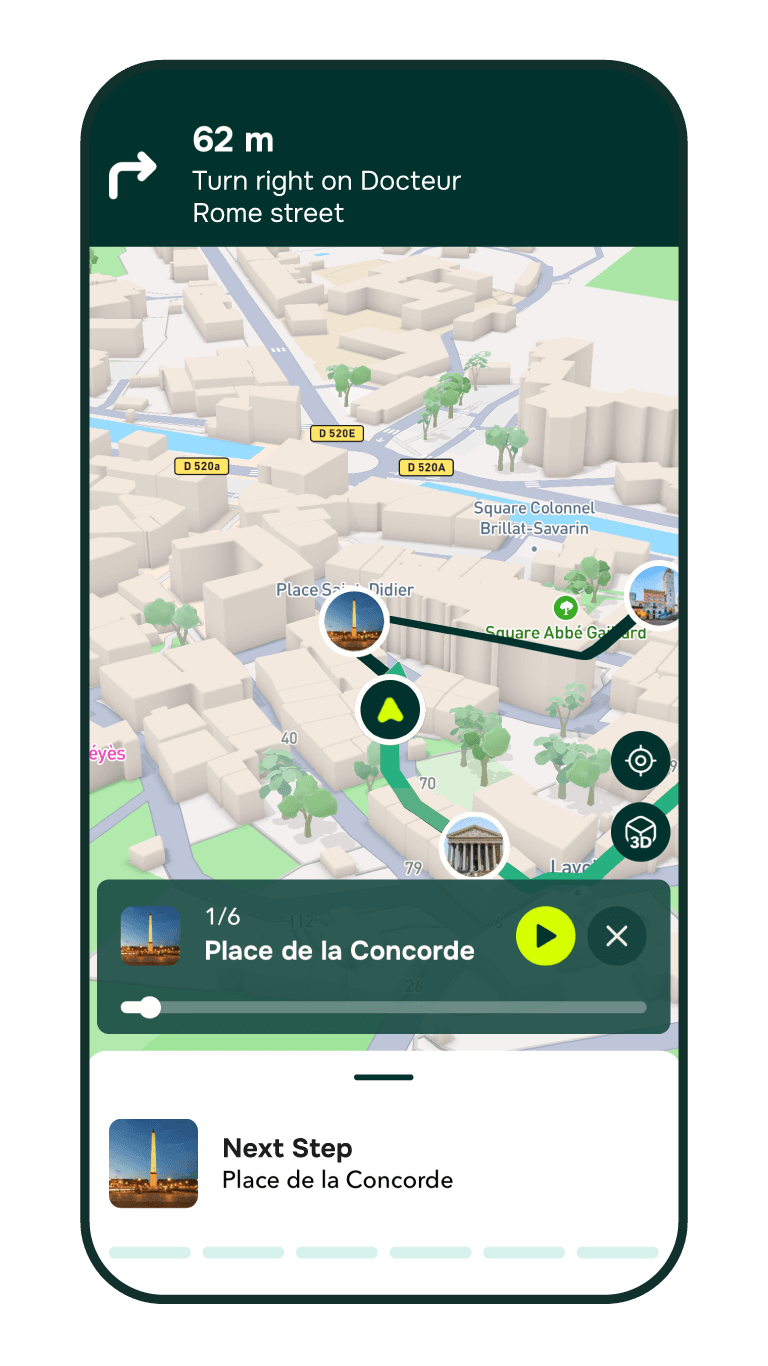
Parcours audioguidé pour visiter Liverpool en 1 jour
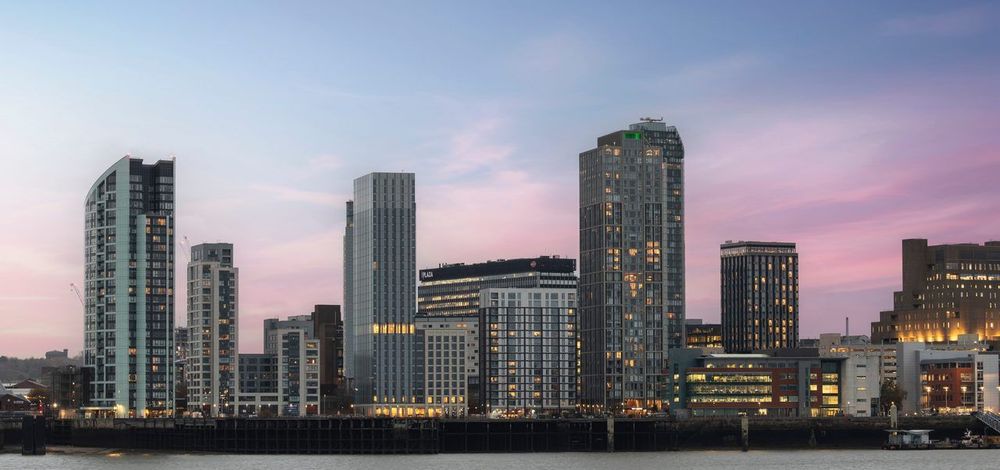
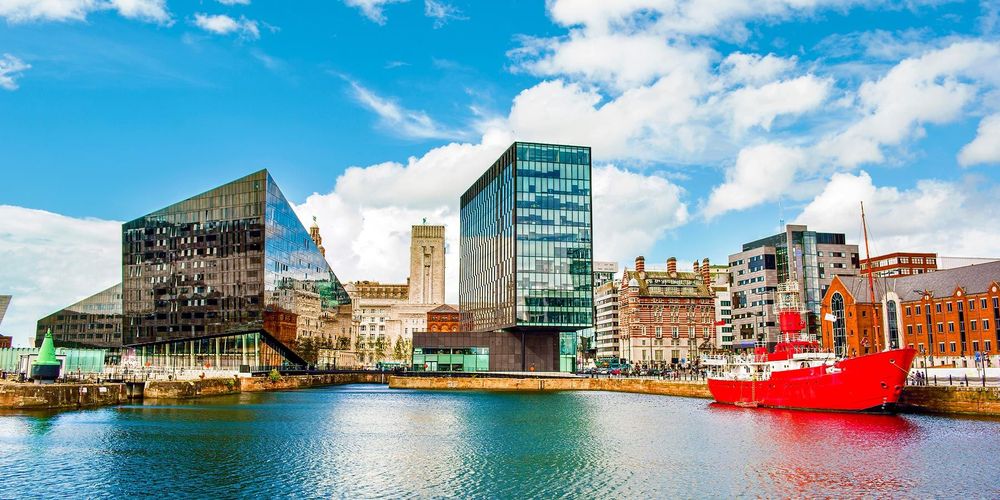
A port city open to the world, Liverpool charms with its rich maritime heritage and cultural energy. With its historic docks, diversity, and iconic music scene, it offers a vibrant and unique atmosphere.
Quand partir à Liverpool ?
Jan.
6°
15
Feb.
6°
12
March
8°
13
April
10°
11
May
13°
11
June
16°
10
July
18°
9
Aug.
18°
10
Sept.
16°
11
Oct.
13°
14
Nov.
9°
16
Dec.
7°
16
Liverpool is located in the west of England on the coast of the Irish Sea. This gives it an oceanic climate with rather cold and humid winters, mild summers, and the possibility of rain persists throughout the year. So, the best time to visit Liverpool is in the summer, from mid-May to mid-September. It's not quite like your usual summer, though, with seasonal highs hovering around 20°C. A sweater in the evening and an umbrella are still advisable!
Départ conseillé
No need to worry about where to begin! Our tours are designed as a loop, so you can jump in wherever you are. The navigation system and audio-guide will automatically adjust to your location. However, if you happen to be nearby, we do have a preferred starting point: Chavasse Park, in front of the Liverpool ONE stairs, Thomas Steers Way
Parking à proximité
Q-Park John Lewis, 17 Liver St
Découvrez 26 lieux d'intérêt pour visiter Liverpool















Le plein d'inspirations
Explorez le monde en totale liberté, à pied au cœur des villes ou au fil des routes. Nos guides audios transforment chaque destination en une découverte culturelle immersive et unique.




FAQ for visiting Liverpool
When is the best time to visit Liverpool?
The best time to discover Liverpool runs from mid-May to mid-September, when the city's oceanic climate turns milder. Summer temperatures stay gentle, hovering around 20°C during the day, which makes urban strolls particularly pleasant. Keep in mind, though, that Liverpool can experience showers even in summer, so an umbrella remains your best ally. Winters are generally cold and wet, less suited to exploring the city. If you visit in summer, pack a jumper for the cool evenings. This period also coincides with the city's cultural buzz, which offers plenty of open-air events.
How many days do you need to visit Liverpool?
Two to three days make up the ideal length of time to discover Liverpool without rushing. That amount of time lets you explore the historic Albert Dock district, soak up the Beatles' legacy, wander through the maritime museums and feel the unique atmosphere of this port city. If you have more time, four or five days give you the chance to deepen your visit, stroll through the different neighbourhoods, enjoy the lively nightlife and perhaps even catch a football match. The audio tours of the Ryo app accompany you to make the most of your time and miss none of Liverpool's emblematic sites, all while discovering the fascinating stories behind each monument.
How do you get around in Liverpool?
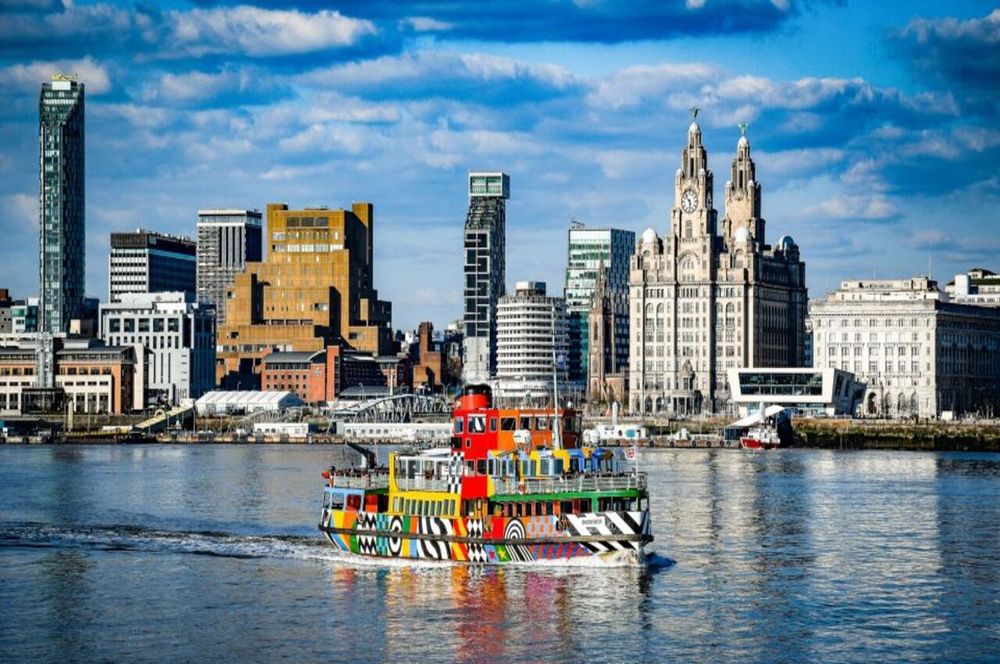
Liverpool has an excellent public transport network that makes getting around easy. The city centre is compact and easily covered on foot, which remains the best way to soak up the local atmosphere. For longer distances, the buses efficiently criss-cross the city and its outskirts. The Merseyrail, the local rail network, quickly links the different neighbourhoods and even lets you reach the nearby beaches. Taxis and ride-hailing services are also widely available. If you prefer independence, bike hire is a pleasant option for exploring the docks and parks. The ferry across the Mersey, for its part, offers a unique perspective on the city while serving as a means of transport.
Do you have to pay to enter Liverpool's museums?
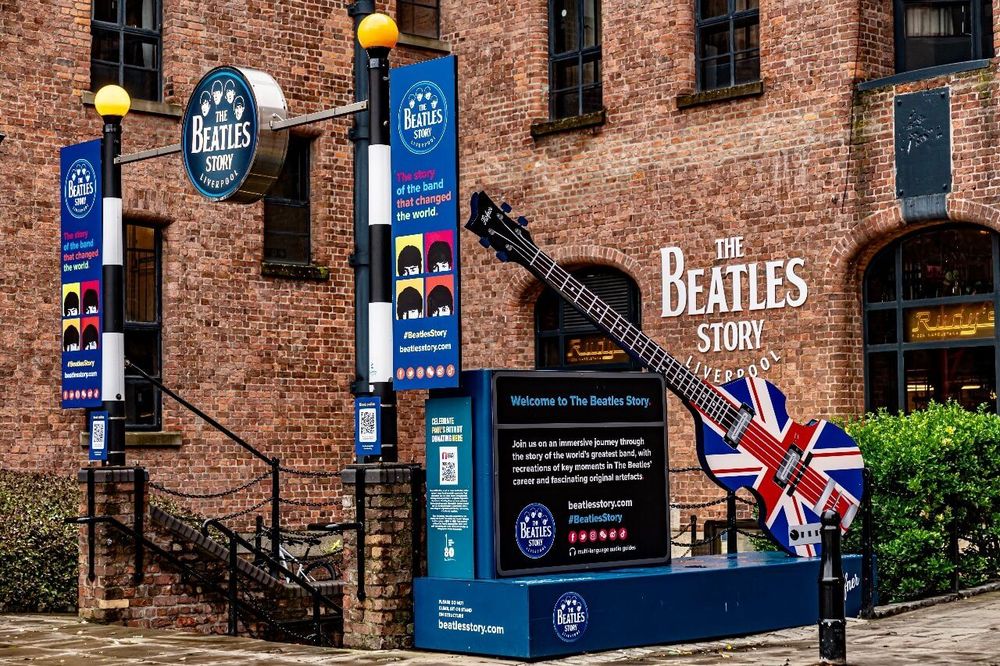
Liverpool stands out culturally with free entry to its main museums. The permanent collections of the Merseyside Maritime Museum, the Museum of Liverpool, Tate Liverpool and the World Museum are accessible at no charge. This generous policy lets you discover the city's maritime history, its artistic heritage and its scientific collections without affecting your budget. Only certain temporary exhibitions may charge admission, but they generally remain affordable. The Beatles Story, the attraction dedicated to the legendary band, is one of the few paid cultural sites, but its unique character justifies the investment for fans. This cultural accessibility makes Liverpool a particularly appealing destination for lovers of art and history.
Where should you stay in Liverpool?
The choice of accommodation in Liverpool depends on your priorities and your budget. The city centre around Mathew Street places you at the heart of the action, close to the bars, restaurants and Beatles-related sites. Albert Dock offers a unique historic setting with its converted warehouses and its immediate proximity to the museums. The Georgian Quarter appeals with its elegant architecture and its more residential feel, while still being within walking distance of the centre. For a tighter budget, the Kensington or Edge Hill neighbourhoods offer economical options well served by transport. Football fans will appreciate Anfield, even if the area remains mainly residential. Each zone has its own character, but all provide easy access to the main attractions.
How do you get to Liverpool from France?
Several options are available for reaching Liverpool from France. Flying remains the quickest, with direct flights or connections via London, Manchester or Dublin to Liverpool John Lennon Airport. Manchester Airport, located about an hour away by train, often offers more international connections. By train, the Eurostar to London and then a connection to Liverpool Lime Street is a comfortable alternative, with the London-Liverpool journey taking around two hours. The more adventurous can combine ferry and car via Ireland or the ports of southern England. The long-distance coach is the most economical option but also the longest. Whatever your choice, Liverpool remains well connected to the European transport network.
What can you do for free in Liverpool?
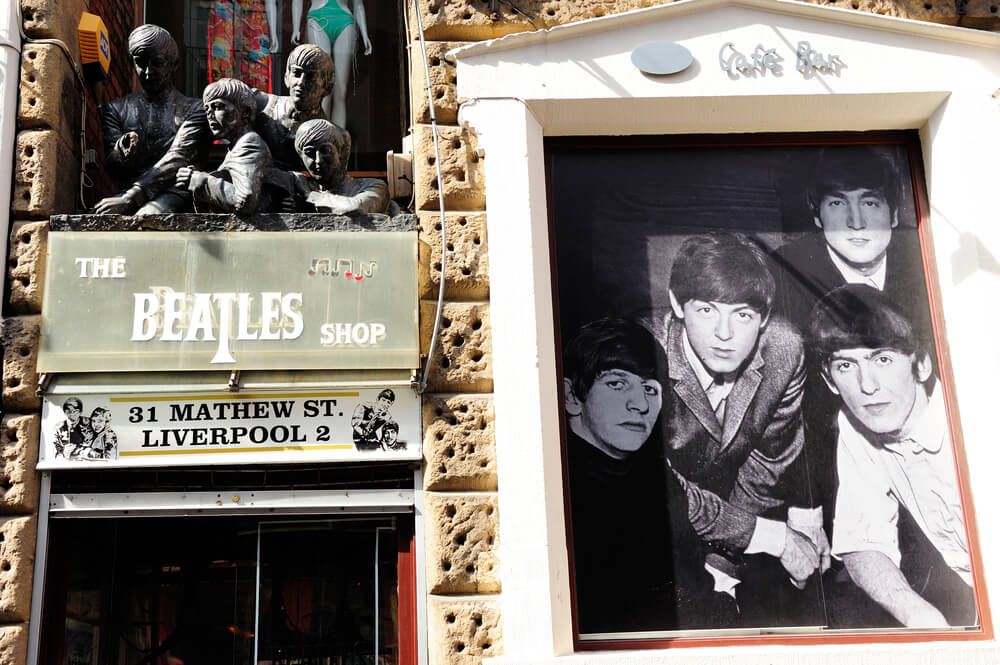
Liverpool is brimming with free activities that let you discover its essence without spending. The free museums offer hours of cultural discovery, while a walk along Albert Dock immerses you in the city's maritime history. Mathew Street and the Cavern Quarter transport you into the world of the Beatles at no cost. The Anglican and Catholic cathedrals impress with their architecture and welcome visitors free of charge. Sefton Park and its Victorian gardens invite you to relax, while the Bold Street and Baltic Triangle neighbourhoods reveal street art and the local creative vibe. The Ryo audioguide enriches these free explorations by telling you the hidden stories of each place, turning a simple stroll into a genuine journey through time.
Is Liverpool an expensive city?
Liverpool remains generally more affordable than London or other major British cities, offering visitors good value for money. Accommodation comes in a varied range, from budget hostels to luxury hotels, with reasonable average rates. Dining follows the same logic, between traditional pubs serving hearty dishes at gentle prices and gourmet restaurants for special occasions. The many free attractions, notably the museums, considerably lighten the culture budget. Public transport remains accessible, and the human scale of the centre helps limit travel. Allow a moderate daily budget to make the most of the city, with the option to adjust according to your wishes. Liverpool proves that a rich urban experience does not necessarily mean excessive spending.
Where can you follow in the footsteps of the Beatles in Liverpool?
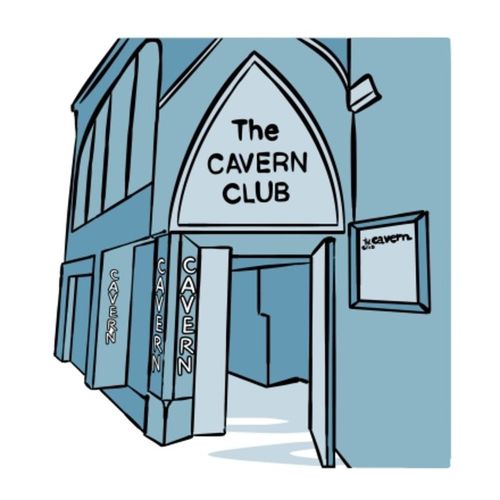
The city keeps the band's memory alive on almost every corner. The usual starting point is Mathew Street, where the Cavern Club has been rebuilt on the site of the cellar in which the four musicians played countless times; the lane is lined with statues, plaques and bars where their songs are performed from morning to night. Down on the docks, The Beatles Story museum retraces their path from Liverpool clubs to London studios.
Further out from the centre, enthusiasts head to Penny Lane, to the gates of Strawberry Field and to the childhood homes of John Lennon and Paul McCartney, now preserved and open to visitors. Every summer the city devotes a week of concerts and talks to the band, and the venues fill up. The Ryo audio guide offers a dedicated Liverpool route that links these places to the rest of the centre.
What is there to discover at the Royal Albert Dock?
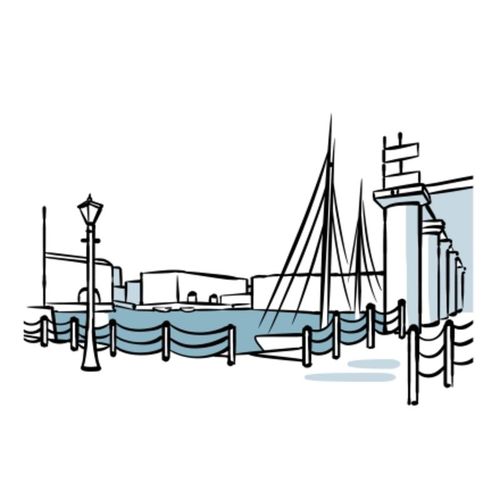
The Royal Albert Dock is the heart of Liverpool's waterfront: a group of red-brick warehouses resting on cast-iron columns, built in the nineteenth century without a wooden frame so that it would resist fire, a feat for its day. Left derelict after the port declined, it was regenerated in the late twentieth century and now houses museums, galleries, shops and terraces around a basin in which the façades are reflected.
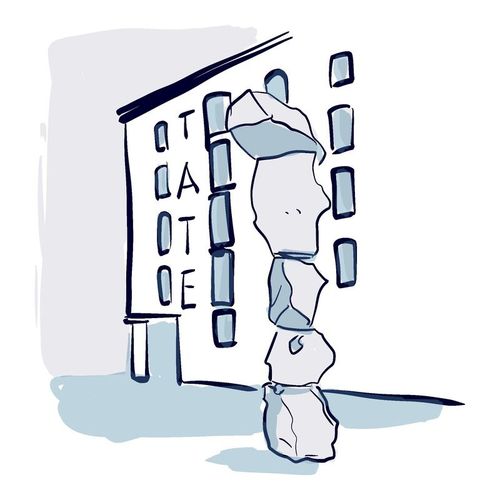
Among them are Tate Liverpool, devoted to modern and contemporary art, the Merseyside Maritime Museum and the International Slavery Museum, which looks squarely at the city's part in the transatlantic slave trade. Carry on north along the waterfront and you reach the Pier Head and the Three Graces, including the Royal Liver Building crowned by its legendary birds, then the landing stages of the Mersey ferries.
Vos commentaires, idées et suggestions
Aucun avis pour le moment