© Shutterstock
 Votre guide Ryo
Things to Do in Liverpool in 2026: 20 Experiences to Have in the City of the Beatles
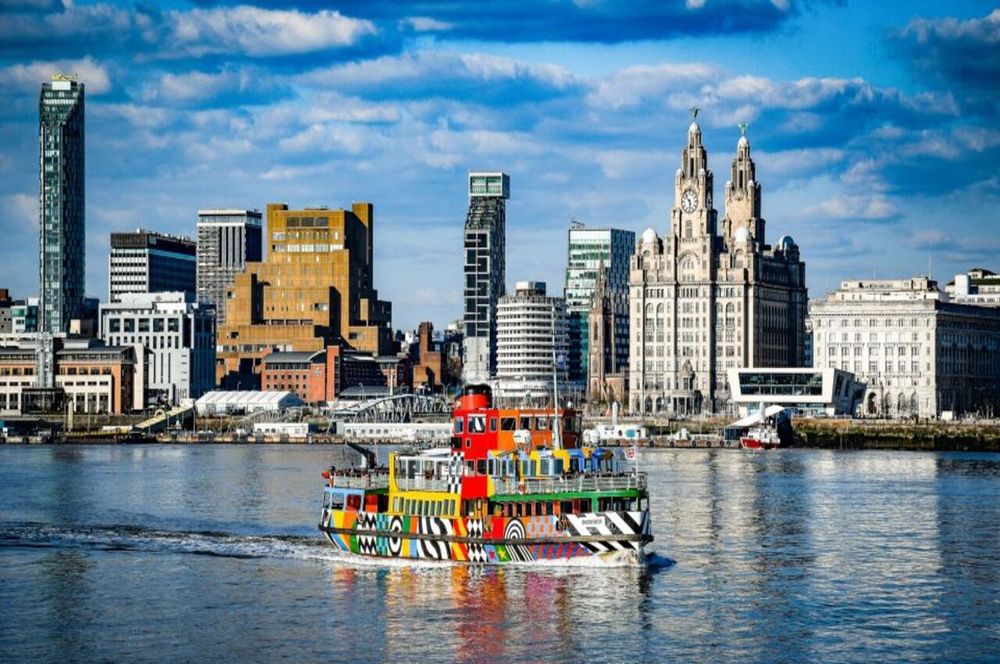
On the banks of the Mersey, seagulls still circle the two copper Liver Birds perched atop the Royal Liver Building since 1911, guardians of a city that gave birth to the Beatles and two legendary football clubs. What to do in Liverpool in 2026? The question arises quickly, as this port city in northwest England packs in the superlatives: an Anglican cathedral that is the largest in Great Britain, a port listed by UNESCO for seventeen years, and more than 60,000 spectators who fill the stands at Anfield every season. The Ryo audio-guided tour of Liverpool lets you connect these places on foot, from Pier Head to the Georgian Quarter, without wasting time between bus stops.
In the pages that follow: why the original Cavern Club was filled in during 1973 before being rebuilt to the original design a few metres away, how a simple ferry crossing on the Mersey became a worldwide hit thanks to Gerry and the Pacemakers, what lies behind the nickname 'Paddy's Wigwam' given to the Catholic cathedral, and why the Baltic Triangle — once a derelict industrial zone — now hosts the city's best nights out. You'll also discover why the two bronze Liver Birds must never look at each other according to local legend, and how long it really takes to climb to the top of the largest cathedral in the country. Plenty to build a trip around — whether for one day, a weekend or three full days, with or without a detour to Chester or Manchester.
1. Follow in the Beatles' Footsteps, from Mathew Street to the Cavern Club
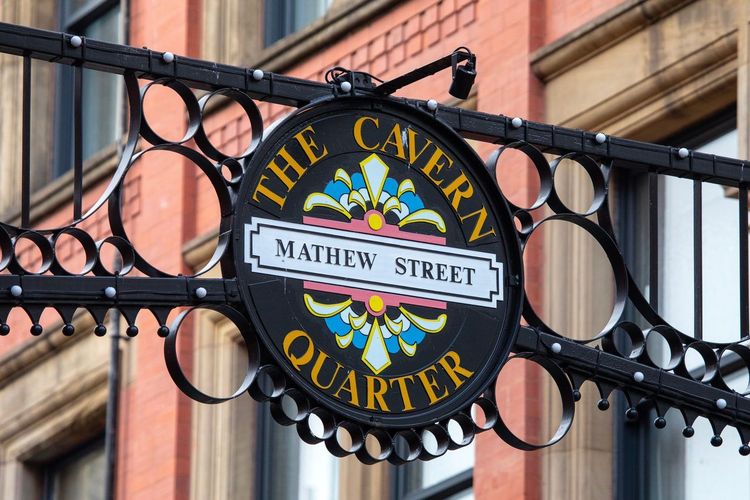
No itinerary in Liverpool skips the Fab Four. Things usually start on Mathew Street, a cobbled alley in the city centre whose walls are covered in commemorative plaques and mural portraits. It is here, at number 10, that you'll find the Cavern Club, the vaulted cellar where the Beatles played 292 concerts between 1961 and 1963 before their international breakthrough.
The original club was filled in during 1973 as part of underground railway extension works — a decision the city still regrets today. The current Cavern Club, rebuilt in 1984 a few metres from the original site using around 15,000 bricks salvaged from the original building, hosts free concerts during the day and ticketed evenings at weekends. You can walk in without a reservation on weekdays before 6pm; it gets noticeably busier after 8pm.
Just nearby, The Beatles Story occupies the Britannia Vaults at the Royal Albert Dock and traces the band's career through a life-size recreation of the 1960s Cavern, original instruments and a replica of the Abbey Road studio. Allow 90 minutes for the visit; book tickets online to avoid the Saturday morning queue.
The most dedicated fans venture out to Penny Lane, in the residential Mossley Hill neighbourhood, where the barber shop and bus shelter sung about by Lennon and McCartney still exist, or to the red gates of Strawberry Field, the former Salvation Army home turned exhibition centre in 2019. The Ryo article on essential Beatles sites outlines a complete half-day itinerary, neighbourhood by neighbourhood.
To appreciate the scale of the phenomenon, a stop at the bronze statue of the four Beatles — installed in 2015 on Pier Head overlooking the Mersey — is a must: tourists queue for the group photo, especially in the late afternoon when the raking light flatters the copper. The Magical Mystery Tour, a bus in psychedelic livery, offers a two-hour guided circuit linking Mathew Street, Penny Lane, Strawberry Field and John Lennon's childhood home in Woolton. Book your seat at least a week ahead in summer — departures sell out by Wednesday.
The area around Mathew Street, nicknamed the Cavern Quarter, also houses the Hard Day's Night Hotel — a themed establishment where every room displays an original photo print of the band — and several bars that host tribute-band nights at weekends. If you're travelling in August, time your visit to coincide with International Beatleweek: the festival brings together more than 80 tribute acts from 25 countries for a week of free concerts across the city.
2. Explore the Royal Albert Dock and Its Listed Quays
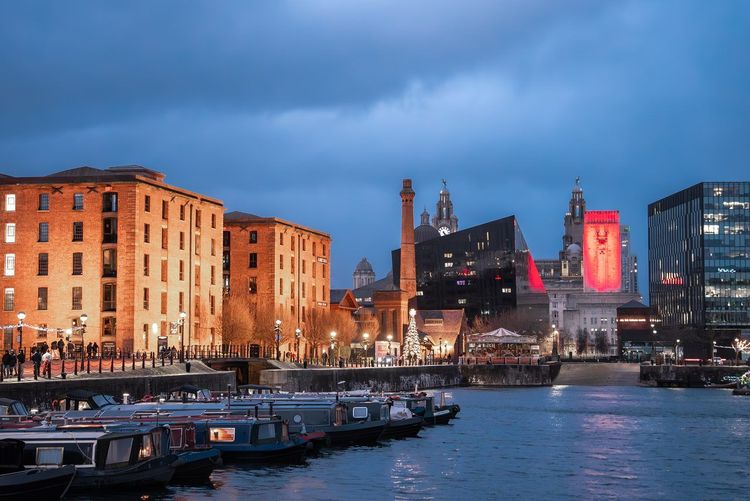
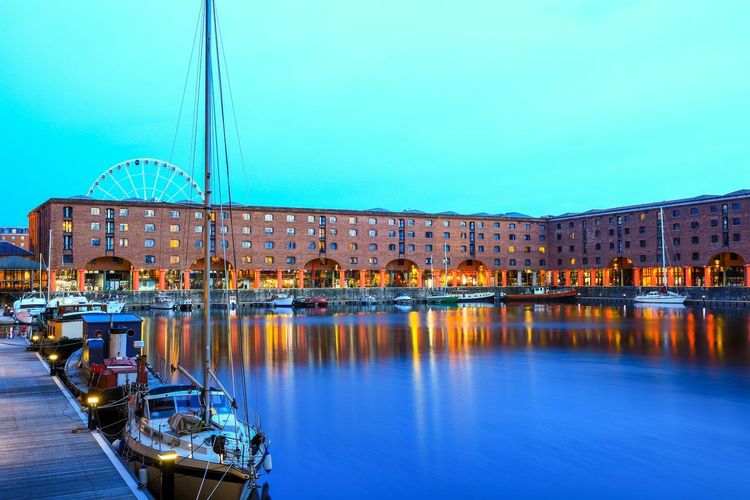
The Royal Albert Dock stretches over more than 4 hectares along the Mersey and contains the largest collection of Grade I listed buildings anywhere in England. Opened in 1846 by Prince Albert himself, the complex was the first port development built without a single wooden beam — cast iron, brick and stone only, to reduce the fire risk that regularly devastated Victorian warehouses.
Left to decay in the 1970s following the decline of maritime trade, the site was redeveloped from 1988 onwards and inscribed on the UNESCO World Heritage List as part of Liverpool Maritime Mercantile City — a status withdrawn in 2021 due to new development projects in the adjoining neighbourhood. Even so, the red-brick warehouses, cast-iron columns and still-active dock basins remain the city's most reproduced postcard image.
You could easily spend an entire half-day at the dock without a dull moment. The Britannia Pavilion groups shops and restaurants along the waterside, with a direct view over the moored boats. Food lovers will also find, beneath its arcades, several addresses specialising in traditional fish and chips — a reliable choice after a morning's sightseeing in the open air. In the evening, the quays light up and pub terraces fill, offering a photogenic vantage point over the Three Graces across the basin.
The dock also houses the Liverpool Watersports Centre, where you can hire kayaks and paddleboards for an unusual outing between the historic buildings, as well as an outdoor cinema programmed every summer. The site remains accessible around the clock on the outside, but museums and shops generally close between 5pm and 6pm. A paid car park is located on site, but walking from the city centre — just fifteen minutes from Liverpool ONE — remains the simplest option.
At its peak in the 1880s, the dock alone stored more than 20,000 tonnes of goods in transit — from raw cotton to colonial produce — making Liverpool the second-busiest port in the United Kingdom after London. Each cast-iron column, manufactured in Bootle, could bear several tonnes of load without flexing, a remarkable engineering feat for the time.
3. Stroll Through the Georgian Quarter and Rodney Street
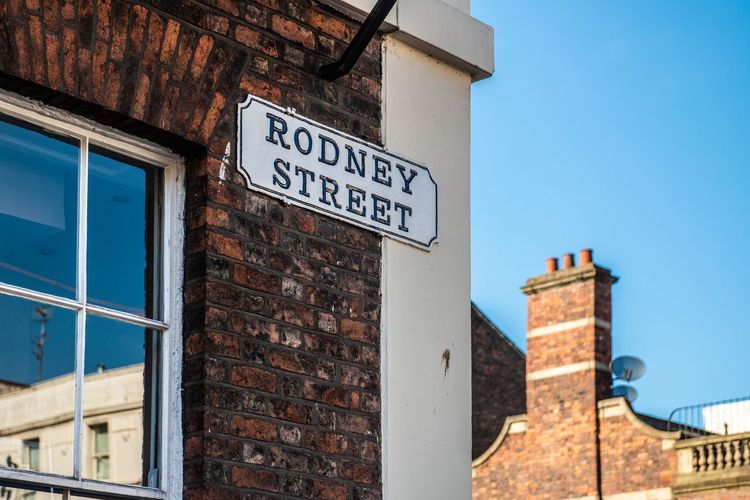
The Georgian Quarter spreads around Rodney Street (Liverpool L1 9EW), Canning Street and Falkner Square — a collection of several hundred townhouses built between 1780 and 1820 for the shipowners and merchants who grew wealthy from maritime trade. It is often described as the largest preserved Georgian neighbourhood outside London and Dublin.
Rodney Street, nicknamed the 'Harley Street of the North' for its historic concentration of doctors and surgeons, saw future Prime Minister William Gladstone born at number 62 in 1809. The red-brick facades, brightly painted front doors and fan-shaped fanlights above entrances are well worth a leisurely walk, particularly in late morning when light filters through the perpendicular streets.
Along the way you'll pass the Liverpool Medical Institution, founded in 1779, and several Georgian squares planted with century-old trees, including Falkner Square, which hosts a farmers' market on the first Sunday of each month. The neighbourhood extends naturally towards Hope Street, which links the city's two cathedrals in under a kilometre — a pedestrian axis that has become Liverpool's cultural heart, lined with theatres and art schools.
4. Climb the Tower of Liverpool Cathedral
Liverpool Cathedral, dedicated to Our Lady and Saint Nicholas, lays claim to being the largest cathedral in the United Kingdom and the fifth largest in the world by floor area. Its construction, entrusted to architect Giles Gilbert Scott, spanned seventy-four years from 1904 to 1978 — Scott, who was just 22 when the project launched, never lived to see it fully completed.
The red sandstone Neo-Gothic building reaches 101 metres including the tower. You can climb to the observation platform via a lift and then several flights of metal stairs: the reward is a 360-degree panorama over the Mersey, the hills of Wales on a clear day, and the rooftops of the city centre. The ascent calls for good shoes and a little stamina, but is manageable for most visitors in around fifteen minutes.
Inside, the main nave stretches more than 180 metres in length and houses Great George, the heaviest and highest-hung working bell in the world — 14.5 tonnes suspended 61 metres above the floor. The stained-glass windows, created by several British studios between 1910 and 1950, play with the ever-changing light of the Liverpool sky throughout the day, a striking contrast with the austerity of the stone.
Entry to the cathedral is free; only access to the tower is charged. A café set up in the former baptistery serves scones in the afternoon — a welcome break after the climb. Music lovers can also attend the sung Evensong performed by the choir free of charge, generally in the late afternoon on weekdays during the school year.
An amusing footnote to this extraordinary project: Giles Gilbert Scott, a practising Catholic, won the 1903 architectural competition to build the largest Anglican cathedral in the country — unanimously, from a jury renowned for its confessional rigour. The funding, secured almost entirely through local public subscription, also explains why the work progressed in successive stages as money became available, a building site that survived two world wars without ever coming to a complete halt.
5. Marvel at the Metropolitan Cathedral of Christ the King
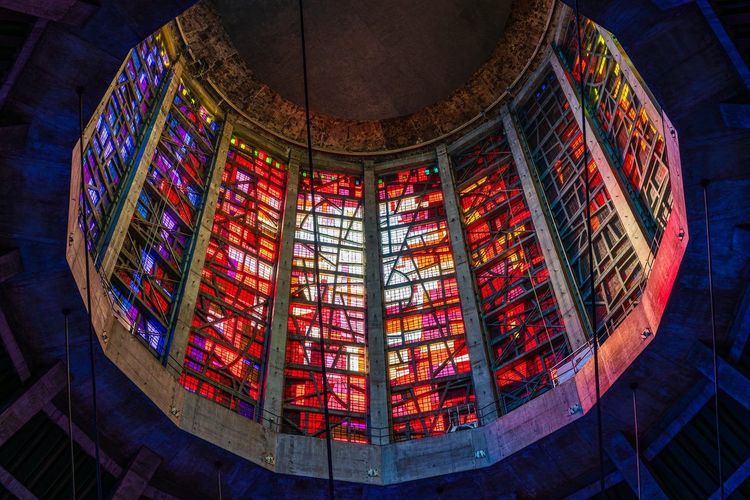
At the other end of Hope Street stands the Metropolitan Cathedral of Christ the King, nicknamed 'Paddy's Wigwam' by Liverpudlians for its conical silhouette, reminiscent of a giant tepee. The current building, designed by architect Frederick Gibberd and completed in just five years in 1967, is in fact a modest version of a far more ambitious original project.
In the 1930s, architect Edwin Lutyens had envisioned a colossal Catholic cathedral with a dome larger than that of St Peter's in Rome. Only the crypt was completed before the Second World War and spiralling costs killed off the project. That crypt, in brick and polished granite, can still be visited today and contrasts starkly with the lightness of the cathedral built above it thirty years later.
Inside, the central lantern tower, 55 metres high, houses one of the world's largest stained-glass windows in a single piece: an abstract composition by John Piper and Patrick Reyntiens that casts patches of blue, yellow and red onto the circular altar depending on the time of day. The circular layout, designed to bring the 2,300 faithful closer to the celebrant, is a clear departure from the traditional Latin-cross plan of English cathedrals. Entry is free, and the calm of the space — even on a Saturday afternoon — comes as a surprise just a few hundred metres from the bustle of the city centre.
6. Visit Anfield, the Home of Liverpool FC
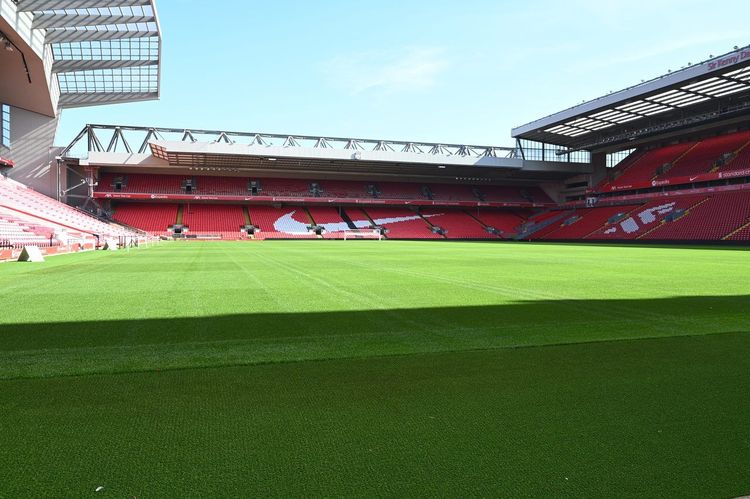
Since 1892, Anfield has been the home of Liverpool FC, one of the most decorated clubs in England with 19 league titles and six European Cups. Following the expansion of the Anfield Road stand completed in 2023, the stadium now holds 61,276, making it the sixth largest in England.
The Kop stand, which holds more than 11,000 supporters on its own, takes its name from a South African hill where many Liverpool soldiers died during the Boer War. It is from here that 'You'll Never Walk Alone' rings out before every home game, sung in chorus by tens of thousands of voices just minutes before kick-off. Attending a Saturday afternoon match remains the most intense experience, but tickets need to be booked several weeks in advance whenever a top-of-the-table rival is on the bill.
Without a match ticket, the stadium tour still lets you go behind the scenes: players' dressing rooms, the tunnel leading to the pitch, the dugout and a museum tracing the club's history since its foundation. Allow around 90 minutes for the visit, longer if you linger in front of the European trophy cabinets. The guides, often former club employees or long-standing supporters, are happy to share anecdotes that appear on no commemorative plaque.
Outside the stadium, the Shankly Gates, installed in 1982 in honour of legendary manager Bill Shankly, bear the Kop's anthem in wrought-iron lettering. A little further on, the memorial to the 97 victims of the Hillsborough disaster in 1989 is a reminder that Anfield is also a place of memory for the entire city. If your visit coincides with a match day, plan to arrive at least two hours before kick-off: the surrounding pubs, particularly on Walton Breck Road, are full from lunchtime.
Stadium tour tickets should be booked online, ideally one to two weeks ahead during high season, as Saturday morning slots go first. For dedicated fans, the official club shop next to the stadium stocks retro shirts that are hard to find elsewhere, including some worn during the 2019 European victory in Madrid.
7. Take in the Three Graces from Pier Head
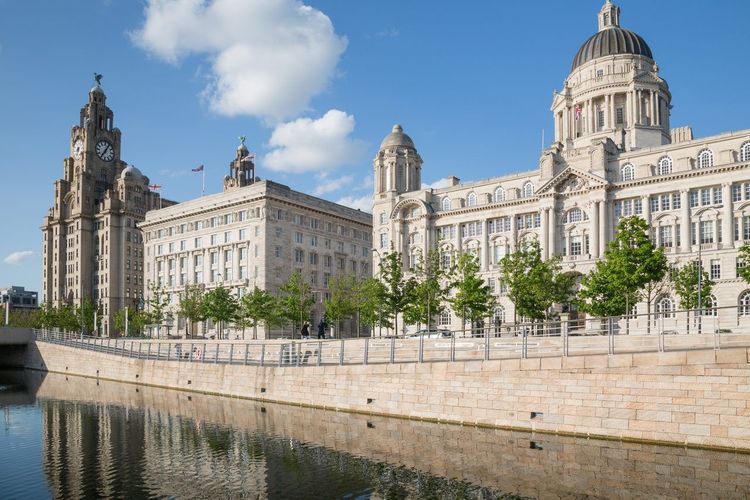
The Three Graces are impossible to miss as you arrive at the waterfront: three majestic buildings lined up on Pier Head, symbols of Liverpool's commercial power at the start of the twentieth century. The Royal Liver Building (Pier Head, Liverpool L3 1HU, rated 4.6/5 on Google from 6,800 reviews), completed in 1911, rises to 90 metres and is crowned by two copper birds with a wingspan of 5.5 metres — the famous Liver Birds.
Local legend has it that one of the two birds looks out to sea to watch for the safe return of sailors, while the other looks over the city — some say to check pub opening hours. A more earnest version of the legend holds that the city will fall if the two birds ever fly towards each other.
To its right, the Cunard Building, built in 1917 in an Italianate style to house the offices of the eponymous shipping company, was for many years the administrative departure point for transatlantic crossings to New York. The Port of Liverpool Building, the oldest of the three with its Edwardian baroque dome completed in 1907, completes the trio and still houses port offices.
You can admire all three buildings from the quayside, but the best vantage point is from the opposite bank of the Mersey, particularly on board the ferry crossing to Birkenhead or Seacombe. Each June, the Mersey River Festival transforms the quays into a floating stage, with regattas, Royal Navy vessels temporarily moored alongside and free evening concerts — one of the most popular events of the Liverpool summer.
Just in front of the Three Graces, a bronze statue commemorates the nine million emigrants who left England from this quay between 1830 and 1930, bound for North America and Australia. The understated memorial contrasts with the architectural grandeur surrounding it, a reminder that Pier Head was also, for a century, the last image of England for millions of departing families.
8. Dive into the Museums of the Royal Albert Dock and City Centre
Liverpool has one of the highest densities of free museums in the United Kingdom, a cultural policy rooted in its status as European Capital of Culture in 2008. It is impossible to visit them all in a single trip, but a few stand out clearly from the rest.
The Museum of Liverpool, opened in 2011 on Pier Head, is the largest national museum built in Great Britain in over a century. Its collections cover the social history of the city — from the docks to popular music and the two rival football clubs — with a particularly engaging layout for younger visitors.
At the Royal Albert Dock, the Merseyside Maritime Museum revisits the city's seafaring past, from the triangular trade to the construction of the Titanic — whose official port of registry was Liverpool, despite its departure from Southampton. An entire gallery is devoted to the sinking of the Lusitania in 1915, torpedoed off the coast of Ireland after leaving port. The subject flows naturally into the International Slavery Museum, housed in the same building, which we cover later in this article.
A short walk away, Tate Liverpool occupies a converted warehouse and has been staging temporary exhibitions of modern and contemporary art since 1988 — often retrospectives that London doesn't host. Admission to the permanent collection is free; only major temporary exhibitions carry an entry charge.
On William Brown Street, the World Museum brings together under one roof an Egyptian gallery, a tropical aquarium, a planetarium and natural history collections — an eclectic mix inherited from the private collections bequeathed by the city's Victorian merchants. Children tend to linger in front of the whale skeleton suspended in the central hall, while adults head for the Egyptian mummies on the first floor.
Directly opposite, the Walker Art Gallery, nicknamed 'the National Gallery of the North' for the quality of its European painting collections from the 14th to the 20th century, deserves at least two hours of your time. Here you'll encounter canvases by Rembrandt, Degas and Turner, alongside a remarkable collection of British Pre-Raphaelites — a movement particularly well represented in the museums of northern England.
Allow a full day if you want to work through all four city-centre museums, plus half a day more for those at the Royal Albert Dock. Most close at 5pm, and Monday is the most common closing day for smaller annex venues such as the Bluecoat — the oldest art space in the city, housed in a 1717 Georgian building just a short walk from Liverpool ONE. No booking is required for permanent collections, a clear advantage over London's museums where queues can exceed an hour in high season.
To extend your visit beyond the museums themselves, the Ryo audio-guided tour of Liverpool connects several of these institutions on foot, with commentary that places each building in the broader context of the city's maritime history — a good way to avoid having to choose between two neighbouring museums, since the route passes both.
9. Reach New Heights at the Top of St John's Beacon
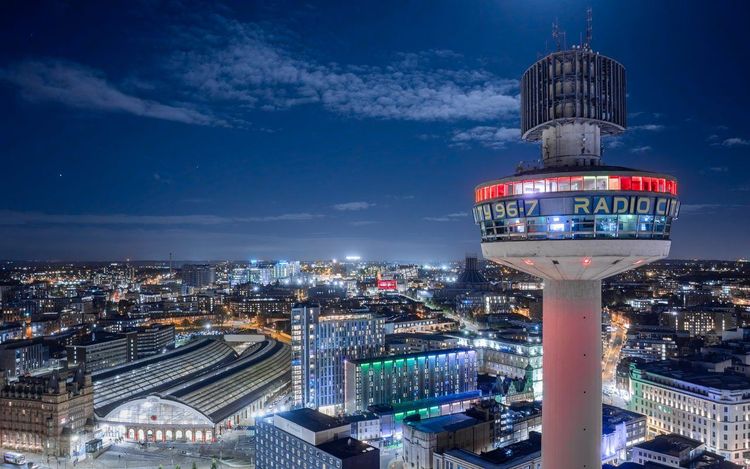
St John's Beacon, better known as the Radio City Tower, has dominated the city centre from its 138-metre height since 1969, when it was built for the International Garden Festival. It now houses the studios of local radio station Radio City 96.7 and an observation platform open to the public on selected weekends only.
Check opening times before you head over: unlike permanent observation towers, this one is closed most weekdays. On a clear day, the view stretches to the Welsh hills — a 360-degree panorama that also takes in both cathedrals and the full course of the Mersey.
10. Have a Pint in Liverpool's Historic Pubs
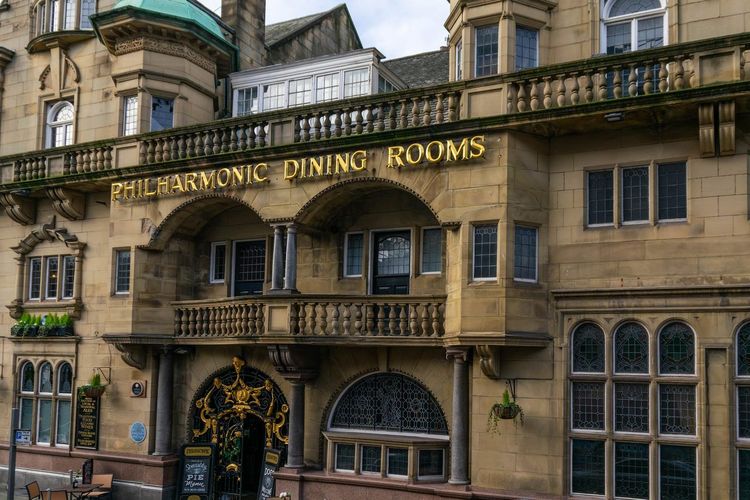
Liverpool has more than 400 recorded pubs — a heritage the city champions almost as proudly as its cathedrals. The most photographed is the Philharmonic Dining Rooms (36 Hope Street, Liverpool L1 9BX, rated 4.5/5 on Google from 6,200 reviews) on Hope Street — a 1900 Victorian pub famed for its marble, copper and ceramic interior, including its Grade II listed gentlemen's toilets, an anecdote John Lennon loved to share with anyone who'd listen.
On Mathew Street, just steps from the Cavern Club, The Grapes used to welcome the Beatles before their concerts in the 1960s — a tradition kept alive today by local bands who still play there regularly. A little further along Rodney Street, Ye Cracke retains its student-pub atmosphere, unchanged since the days when John Lennon frequented the nearby art school.
For craft beer enthusiasts, the docklands area is home to The Baltic Fleet, an independent brewery set up in a triangular 19th-century building that brews its own beer on the premises. You can usually ask to visit the small adjoining brewery if you drop in early in the evening, before the weekend crowds arrive.
11. Discover Liverpool's Chinatown
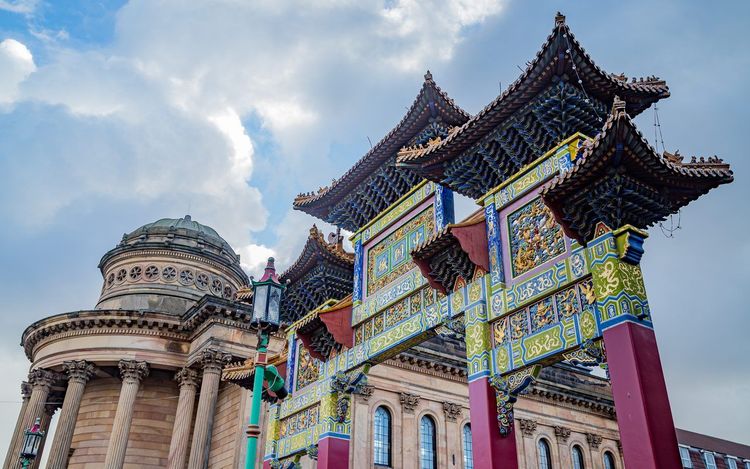
Founded in the 1830s by sailors recruited on commercial routes to Shanghai, Liverpool's Chinatown claims the title of the oldest established Chinese community in Europe. The imposing arch on Nelson Street, completed in 2000 by thirty craftsmen who came specially from Shanghai, stands 13.5 metres tall and remains the tallest Chinese arch outside Asia.
Several family-run restaurants, open for generations, surround the arch and serve a Cantonese cuisine closer to tradition than the usual adaptations.
12. Go Shopping at Liverpool ONE
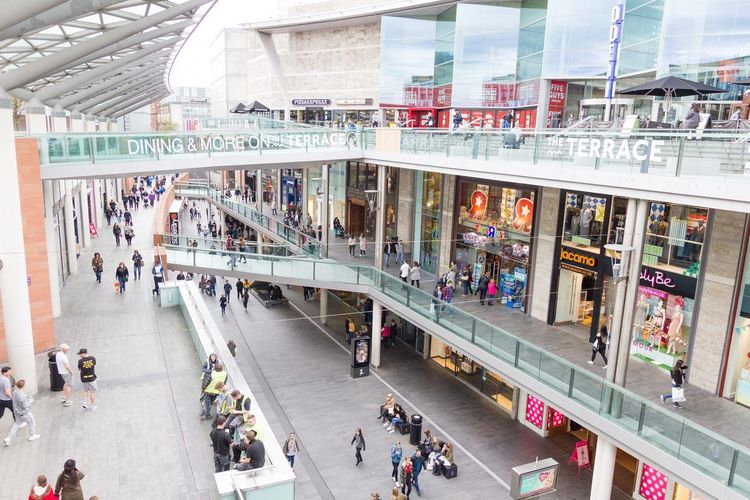
Opened in 2008 after a one-billion-pound investment, Liverpool ONE (5 Wall Street, Liverpool L1 8JQ, rated 4.5/5 on Google from 43,486 reviews) reconnected the city centre to the waterfront after decades of urban severance. The open-air shopping district brings together more than 170 retailers, cinemas and a dense dining offer, spread across several pedestrian streets that slope gently down towards the quays.
One of the largest urban regeneration projects in Europe at the time of its launch, the development also brought a residential dimension back to the historic centre, which had long been deserted in the evenings. You'll find mostly mainstream British retailers here rather than the independent shops of the nearby Baltic Triangle, but the area remains handy for a shopping break between museum visits, with free public toilets and a covered car park directly accessible from Paradise Street.
13. Walk Through Sefton Park and Its Palm House
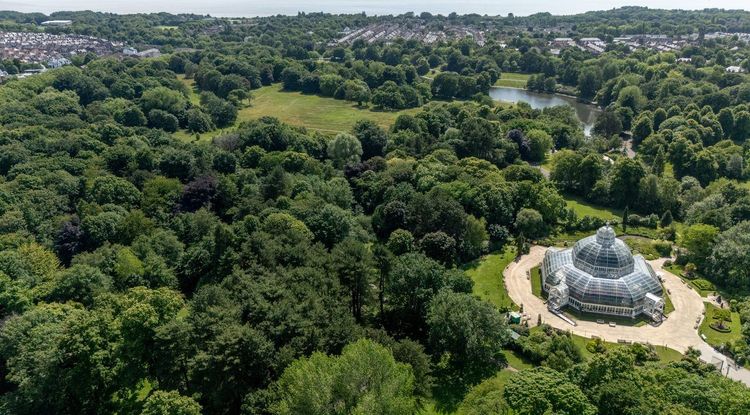
About twenty minutes from the centre by bus, Sefton Park (Liverpool L17 1AP, rated 4.7/5 on Google from 9,868 reviews) unfolds across 94 hectares of rolling lawns, lakes and pathways laid out in 1872 by French landscape architect Édouard André, who also designed the Parc de la Tête d'Or in Lyon. The park, listed Grade I for its landscape heritage, remains one of the favourite green spaces of residents of the neighbouring student quarter.
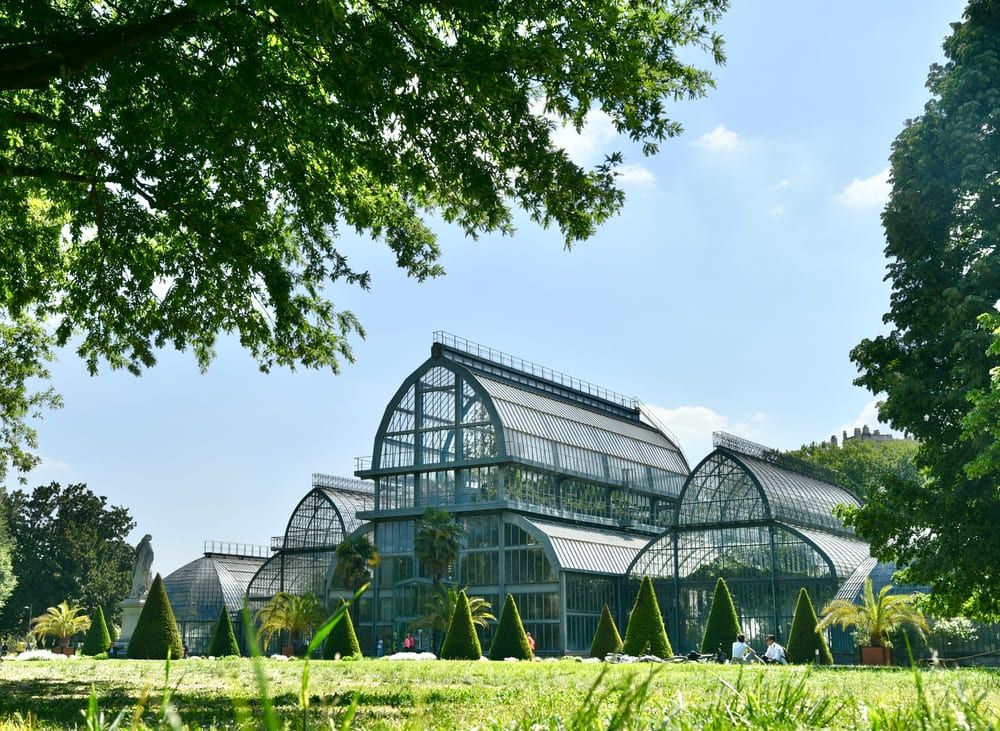
At its heart, the Palm House, a Victorian iron-and-glass glasshouse inaugurated in 1896 thanks to a gift from philanthropist Henry Yates Thompson, shelters tropical palms and exotic plants spread across three levels. Closed and then expensively restored in the 1990s after decades of neglect, it regularly hosts free floral exhibitions at weekends. In winter, it sets up a small Christmas market beneath its wrought-iron arches — a cosy atmosphere quite different from the summer bustle of the surrounding park.
Families often stop at the statue of Peter Pan, installed in 1928 in homage to J.M. Barrie, or picnic by the lake where swans and herons glide. The park also hosts several open-air music festivals each summer, including the Liverpool International Music Festival, which draws tens of thousands of visitors over a single weekend.
14. Cross the Mersey by Ferry
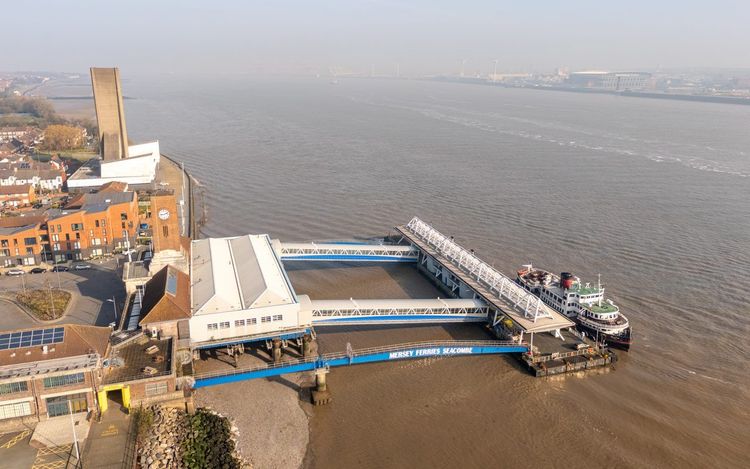
The Mersey ferry has existed in some form since 1817, making it one of the oldest regular river crossings in the world still in operation. The journey between Pier Head and Seacombe or Woodside on the Birkenhead side takes only about ten minutes, but offers the finest overall view of the Three Graces and the city-centre skyline.
The song 'Ferry Cross the Mersey', composed by Gerry and the Pacemakers in 1964, made this crossing world-famous far beyond Liverpool. The company now also offers a narrated cruise — the River Explorer — which extends the journey by around fifty minutes with an audio commentary on the maritime history of the river.
You can board without a reservation on most days, except during special events. As with the Ryo audio guide of Liverpool along the quays, the ferry commentary places every building seen from the water in its historical context — a complementary way to understand the development of the port. Bring a jacket even in summer: the wind coming up the estuary stays cool all year round.
On the Birkenhead side, the U-boat U-534, sunk in 1945 and salvaged in 1993, can be visited as part of the U-Boat Story, a few minutes' walk from the Woodside landing stage — a bonus excursion for anyone with an extra hour after the crossing.
15. Experience the Nightlife of the Baltic Triangle
The Baltic Triangle (Liverpool L1 0AH), a former industrial district south of the city centre, has transformed over the past decade into Liverpool's most dynamic creative and nightlife hub. Warehouses and old garages now house design studios, live music venues and street food halls, often in buildings that still bear the marks of their former industrial purpose.
The Baltic Market, a former warehouse converted into a food hall, brings together around fifteen street food stalls and several cocktail bars under a single glass roof, open late at weekends. A few streets away, Camp and Furnace regularly puts on themed evenings, including the legendary Bongo's Bingo — a rave-party-style bingo night born right here in Liverpool before going nationwide.
The neighbourhood's walls, covered in murals that change regularly, also make it a destination for street art fans, with several self-guided walking routes available free online. The area is quieter during the day, with most of the action starting after 7pm.
16. Admire the Neoclassical Architecture of St George's Hall
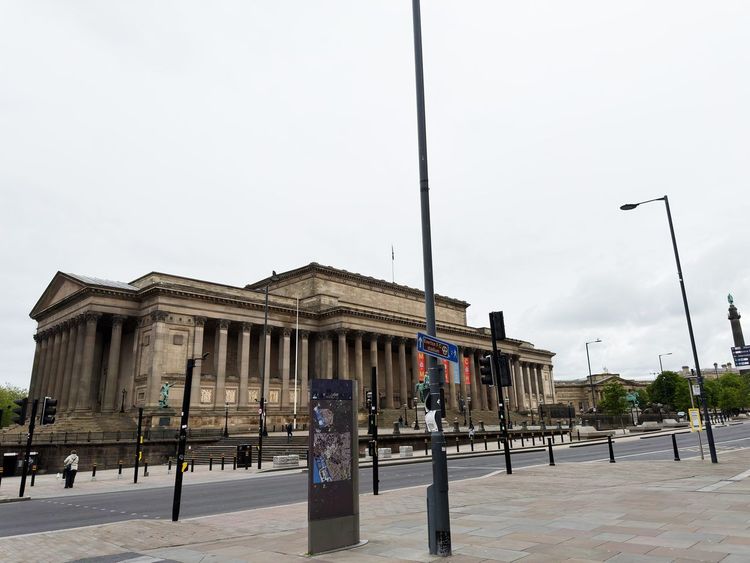
On William Brown Street, St George's Hall has imposed its neoclassical Corinthian-columned facade since 1854. The building, designed by architect Harvey Lonsdale Elmes at just 25 years old, brings together under one roof a court of law, hearing rooms and a concert hall — an unusual combination for the time.
Queen Victoria, during her visit in 1851 while the building was still under construction, reportedly declared it worthy of ancient Athens — a compliment that has remained embedded in local memory. Inside, the Minton mosaic floor, composed of more than 30,000 tiles, is usually covered by a protective wooden floor and is only unveiled to the public during exceptional events, just a few days per year.
The Great Hall also houses one of the largest tracker organs in the country, installed by organ builder Henry Willis in 1855 and still used for regular concerts. The Grade I listed building now serves as a venue for temporary exhibitions, concerts and occasional wedding ceremonies — a reinvention that contrasts with its original judicial vocation, still visible in the former cells in the basement that are open for guided tours.
The plateau in front of the main entrance, framed by commemorative statues of 19th-century local figures, hosts Remembrance Day ceremonies each November. Seen from the street below, the colonnade looks more like a Roman temple than a Victorian administrative building — an effect Elmes deliberately sought, having drawn inspiration from ancient Greek temples during a study trip to the Mediterranean a few years before winning the architectural competition.
17. Understand the History of Slavery at the International Slavery Museum
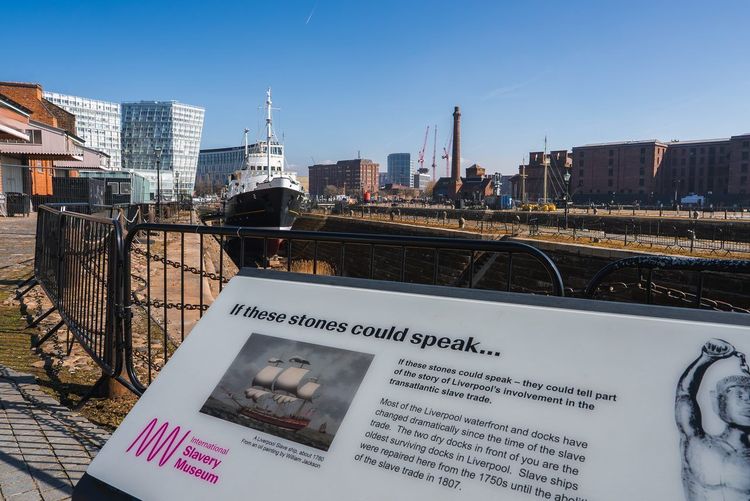
The International Slavery Museum (Royal Albert Dock, Liverpool L3 4AQ, rated 4.4/5 on Google from 234 reviews), opened in 2007 to mark the bicentenary of the abolition of the slave trade in the United Kingdom, occupies a floor of the Maritime Museum building at the Royal Albert Dock. It is the only British museum entirely dedicated to the transatlantic slave trade — a subject Liverpool could not avoid: ships fitted out in its port transported more than 1.5 million enslaved Africans between 1700 and 1807.
The free tour addresses both the economic history of the trade and its cultural consequences today, through testimonies, period objects and contemporary installations. Allow an hour for the visit, longer if you stop at the panels devoted to the civil rights movements that extend the story into the twentieth century.
18. Discover Goodison Park and Everton Football Club
A few kilometres north of Anfield, Goodison Park (Goodison Road, Liverpool L4 4EL, rated 4.4/5 on Google from 7,299 reviews) was home for more than a century to the city's other club, Everton Football Club, founded in 1878 — fourteen years before the split that gave birth to Liverpool FC. England's first purpose-built football stadium in 1892, Goodison Park even hosted several matches during the 1966 World Cup, including a semi-final.
Since 2025, Everton has played its home matches at its new Bramley-Moore Dock stadium on the waterfront — a project worth more than £500 million that converted a disused dock into a 52,888-seat venue. Goodison Park, now closed for official matches, is set to be redeveloped into sporting facilities and housing in the coming years, a project still under discussion at the time of writing.
The rivalry between the two clubs, one of the oldest in England, is replayed twice a season in the Merseyside Derby — one of the most fiercely contested fixtures in the English calendar, despite the obvious geographical proximity of the two grounds, barely two kilometres apart as the crow flies.
19. Plan a Day Trip to Chester or Manchester
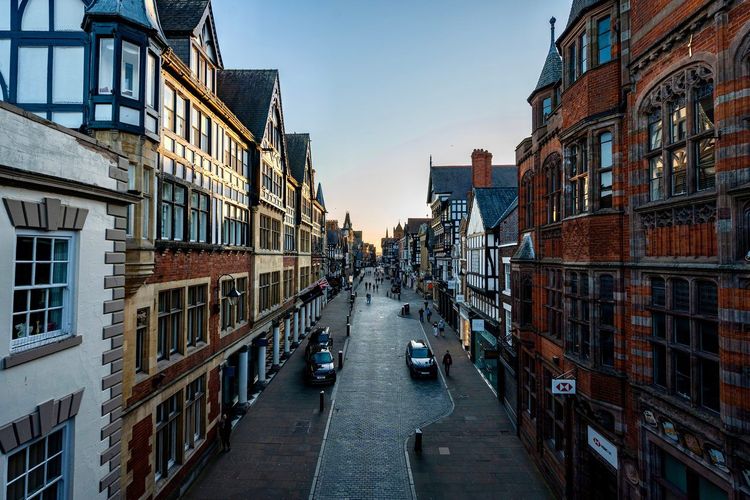
If your stay extends beyond two days, two excursions stand out from the Liverpool area. Chester, just 40 minutes by train, preserves the best-maintained Roman walls in England — a 3-kilometre circuit that can be walked in full in two hours. The city adds to this the Chester Rows, a unique two-level medieval shopping gallery found nowhere else in the world in this configuration, along with a Gothic cathedral and one of the oldest zoos in Great Britain, ten minutes from the centre by bus.
Manchester, barely 35 to 50 minutes away depending on the service, tempts many visitors for a full-day excursion or even as an alternative base for the second half of a trip. The question 'Liverpool or Manchester' comes up regularly among travellers who only have a few days in the north of England. In practice, the two cities complement each other more than they compete: Liverpool focuses on maritime history, the Beatles and a heritage waterfront, while Manchester leans towards a more contemporary music scene, the Museum of Science and Industry and an equally intense footballing rivalry between Manchester United and Manchester City.
If you have to choose for a short stay, opt for Liverpool for its concentration of sites within a compact, entirely walkable city centre. Save Manchester for a second trip or a day excursion if you're already based in Liverpool — the direct train requires no change from Lime Street Station.
Even closer, the Wirral, the peninsula facing Liverpool across the Mersey, hides surprisingly wild beaches at Formby, where red squirrels can be spotted — a species that has become rare elsewhere in England following competition from the grey squirrel introduced in the 19th century. Allow 25 minutes by train from Liverpool city centre to reach the Formby dunes, a complete contrast with the urban bustle of the centre.
Still on the Wirral shore, the model village of Port Sunlight, built from 1888 by industrialist William Lever to house the workers of his soap factory, lines up more than 900 picturesque-style houses amid carefully tended gardens — an early example of social urban planning that inspired similar projects across Europe. The Lady Lever Art Gallery on the central square displays free of charge a collection of Pre-Raphaelite paintings bequeathed by the founder himself. Allow half a day for the village and gallery, accessible in 15 minutes by train from Liverpool Central.
Architecture enthusiasts should venture out to Speke Hall, a 16th-century half-timbered manor squeezed between the runways of John Lennon Airport and the banks of the Mersey — an unlikely proximity that takes nothing away from the charm of the walled garden and period-furnished rooms. The property, managed by the National Trust, closes on Mondays and Tuesdays outside school holidays — a detail worth checking before you make the journey.
For a wider selection of activities to combine over a multi-day stay, Ryo's top 5 things to do in Liverpool sets out a tighter itinerary built around the sites most popular with international visitors.
20. Plan Your Stay: Itineraries for 1, 2 or 3 Days
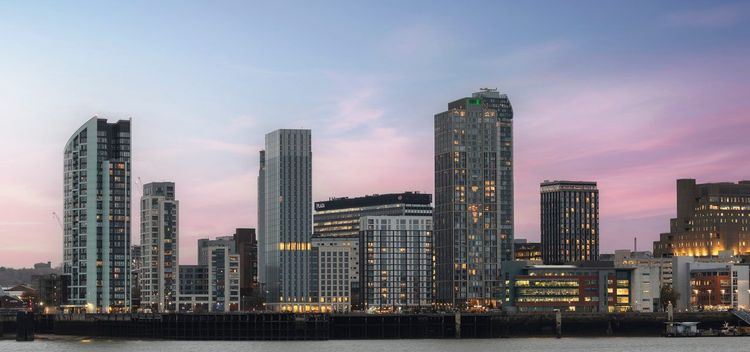
How much time should you set aside to explore Liverpool at a comfortable pace? It all depends on your travel style, but here are three tried-and-tested frameworks based on the time available.
One day in Liverpool: focus on the Pier Head, Royal Albert Dock and Mathew Street triangle — three areas connected on foot in under twenty minutes. Start early with the Three Graces and the Museum of Liverpool, then move on to the Royal Albert Dock and one or two museums at most (the Maritime Museum and Tate Liverpool are both quick visits), before spending the afternoon in the Beatles' footsteps on Mathew Street and at the Cavern Club. In the evening, a pint at the Philharmonic Dining Rooms on Hope Street, halfway between the two cathedrals, rounds things off perfectly.
Two days in Liverpool: add to this a visit to Anfield on the morning of the second day, when stadium tour slots are most available, then head up to the Georgian Quarter and the two cathedrals in the afternoon, linked by the Hope Street promenade. Save the second evening for the Baltic Triangle, whose nighttime atmosphere makes a pleasant contrast with the more classical tone of the rest of the itinerary.
Three days in Liverpool: the third day allows you to leave the city centre behind. Head to Sefton Park and its Palm House in the morning, then take an afternoon excursion to Chester or Port Sunlight depending on your interests. This third day is also ideal for a family visit: Sefton Park has playgrounds, the World Museum offers a free planetarium and aquarium, and the Mersey ferry crossing tends to delight children and adults alike.
For getting around, the Merseytravel bus network covers the city well, but the historic centre is almost entirely walkable — the Georgian Quarter is just fifteen minutes on foot from Pier Head. A Walrus card, which can be topped up and used on buses and local trains, makes things easier if you plan several excursions to the surrounding area, such as Chester, Formby or Port Sunlight.
In terms of timing, spring and early autumn offer the best balance between moderate crowds and manageable weather — bearing in mind that rain is a regular feature of Liverpool's climate all year round. Always pack a waterproof jacket, even in the height of summer, and wear closed-toe shoes for the slippery cobblestones of the Royal Albert Dock.
Budget-wise, allow roughly £40 to £60 per person per day for food and local transport, excluding accommodation and paid entry tickets such as the stadium tour or The Beatles Story, each priced at around fifteen pounds. The national museums (Museum of Liverpool, Tate, World Museum, Walker Art Gallery, Maritime Museum, International Slavery Museum) remain free — a real advantage compared with other major British cities where admission to permanent collections is often charged.
To reach the city centre from John Lennon Airport, about ten kilometres to the south-east, the 500 bus runs directly to the centre in around thirty minutes — a simpler and more economical option than a taxi at peak times. If you're arriving by train from London, the direct journey to Lime Street Station takes approximately two hours and fifteen minutes, putting you right in the heart of the historic centre, just a few minutes' walk from St George's Hall and the World Museum. Families with young children will also appreciate that pushchairs are welcome in most of the free museums, and that numerous family-friendly cafés around Liverpool ONE make for a convenient mid-route break.
Whatever the length of your stay, the Ryo audio-guided tour of Liverpool lets you connect the majority of the places mentioned in this article on foot, with commentary that puts each stop in context as you walk. A simple way to turn a list of sights into a real thread through the city's history — however many days you have.
FAQ
What to do in Liverpool in 1 day?
In one day, focus on Pier Head, the Royal Albert Dock and Mathew Street — three areas connected on foot in under twenty minutes. Visit one or two free museums at most, such as the Museum of Liverpool or the Merseyside Maritime Museum, then spend the afternoon following in the Beatles' footsteps at the Cavern Club. A pint at the Philharmonic Dining Rooms is the ideal way to round off the day.
What to do in Liverpool in 2 days?
Add to the one-day itinerary a visit to Anfield stadium in the morning, followed by a stroll through the Georgian Quarter and the city's two cathedrals in the afternoon, linked by Hope Street. Save the second evening for the Baltic Triangle, whose nighttime atmosphere contrasts with the more heritage-focused rest of the itinerary.
What to do in Liverpool in 3 days?
A third day allows you to venture beyond the city centre: head to Sefton Park and its Victorian Palm House in the morning, then take an afternoon excursion to Chester, Port Sunlight or the Formby dunes. This structure also leaves time to explore the Royal Albert Dock museums at a leisurely pace.
Is it better to visit Liverpool or Manchester?
The two cities complement each other more than they compete. Liverpool is home to maritime history, the Beatles and a heritage waterfront that can be explored on foot in a compact centre. Manchester leans towards a contemporary music scene and its industrial museums. For a short stay, prioritise Liverpool and save Manchester for a day trip — just 35 minutes by train.
What to do around Liverpool?
Chester, 40 minutes by train, offers the best-preserved Roman walls in England and its medieval two-level shopping galleries. The Wirral, on the other side of the Mersey, hides the model village of Port Sunlight and the wild dunes of Formby, home to red squirrels. Speke Hall, a Tudor half-timbered manor house, rounds out the half-day excursion options.
Is Liverpool a good destination for families?
Yes: most major museums (Museum of Liverpool, World Museum with its planetarium and aquarium, Maritime Museum) are free and child-friendly. Sefton Park has playgrounds, and the Mersey ferry crossing is generally as enjoyable for younger visitors as it is for adults — and takes only about thirty minutes.
How many days should you allow to visit Liverpool?
Two days are enough to cover the essentials of the city centre, Anfield and the cathedrals. A third day allows you to add a trip to Chester, the Wirral or Sefton Park without rushing. Visitors who come mainly for the Beatles and the waterfront can sometimes manage with a single well-organised day.
Liverpool is more than the Beatles and football, even if both remain natural entry points for discovering the city. Between the listed quays of the Royal Albert Dock, the two cathedrals framing Hope Street and the nights out in the Baltic Triangle, this Mersey port city offers more than enough to fill a two- to three-day stay without repeating the same atmosphere from one neighbourhood to the next.
Whether you're coming for a day or a week, the simplest approach is to let the river guide your route: from Pier Head to the docks, the majority of the sites mentioned here can be linked on foot. The Ryo audio-guided tour of Liverpool follows exactly this itinerary as an audio-guided walk, with narrated stops in front of every landmark building — turning a simple list of things to see into a genuine stroll through the city's history.