© Shutterstock
 Votre guide Ryo
London with Kids in 2026: The Complete Guide for a Successful Stay
At Hyde Park, on an ordinary Wednesday afternoon, grey squirrels approach pushchairs fearlessly while barefoot children chase pigeons near the Serpentine. It is this immediate closeness to nature, right in the heart of a capital city of 9 million people, that surprises visitors discovering London with kids for the first time the most. Before you leave, the Ryo audio-guided tour of London already lets you identify the neighbourhoods that will appeal most to younger visitors, from vast parks to interactive museums.
Because London hides details that few guides mention before you set off: a century-old zoo housing golden lion tamarins fifteen minutes' walk from Euston, a playground designed entirely for children in memory of Diana, free science museums open 361 days a year, and a moveable drawbridge that still rises nearly 800 times a year to the amazement of onlookers. Between royal parks, free museums, royal attractions and day trips, this guide covers everything you need to know to plan a trip to London with kids without any nasty surprises, from choosing a neighbourhood to daily budgets.
Planning Your Stay in London with Kids: When to Go, How Many Days, Which Passes
The question of timing comes up constantly. Spring school holidays (around Easter) and summer offer the mildest weather, but also the longest queues at royal attractions. If your schedule allows, aiming for late May or early September remains the best compromise: the royal gardens are in bloom, the days are long, and the museums are noticeably less crowded than in July and August.
For duration, allow a minimum of 4 full days if you want to alternate parks, museums and a day trip outside the city without rushing. Three days are enough for a solid overview of the centre, but force you to sacrifice either Camden or a day out to a film studio. Many parents underestimate journey times: the London Underground (the Tube) is fast, but central stations such as South Kensington or Westminster have long corridors that are not always comfortable with a pushchair.
For tickets, the Oyster card or contactless payment directly at the barriers remains the simplest solution, with an automatic daily spending cap. For paid attractions (London Eye, Tower of London, Harry Potter Studios), booking online at least two weeks in advance saves 10 to 20% and avoids sold-out time slots, particularly during British school holidays which do not always align with French dates.
Should you buy a tourist pass? For a stay centred on national museums, the answer is often no: since these are free, a London Pass only becomes worthwhile if you chain several paid attractions on the same day (Tower of London, London Eye, Thames cruise). Do the maths in advance, ticket by ticket, rather than trusting the 'guaranteed savings' figure displayed: with young children who set a slower pace, two paid attractions a day already makes for a full programme.
On the weather front, it is best to plan generously: London can go from clear skies to a light shower in under an hour, year-round. A small rain cover for the pushchair and a foldable waterproof jacket for each child prevents a single passing squall from cutting short an entire day. Days of persistent rain are, in fact, the best excuse to schedule a museum visit rather than a trip to the parks.
The Ryo app helps you visualise distances between points of interest before fixing a day-by-day itinerary, which avoids unnecessary back-and-forth on the Tube with tired children.
Hyde Park, Regent's Park and London's Great Parks
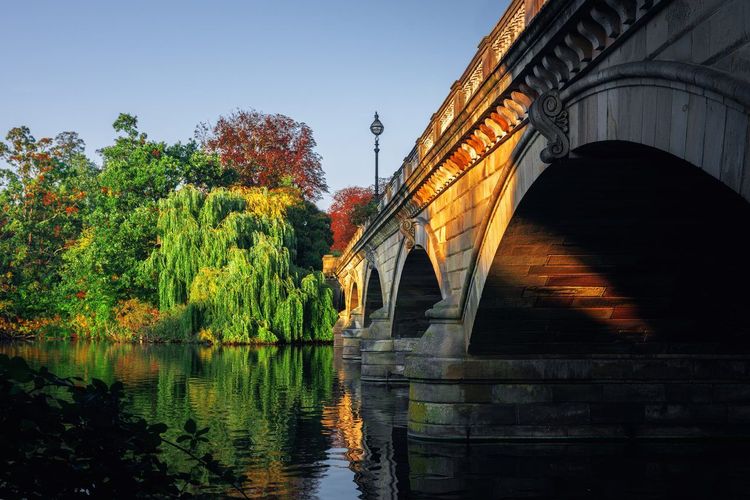
London has eight royal parks, and four of them lend themselves particularly well to a day out with children. Hyde Park is the most central: 142 hectares with a large artificial lake, the Serpentine, where you can hire pedalos in summer for around £12 per half hour.
Right next door, Kensington Gardens is home to the Diana Memorial Playground, a fully free pirate-themed playground featuring an enormous wooden ship and water play in summer. Access is reserved for children accompanied by an adult, and queues can be long at weekends: arriving before 10 in the morning makes all the difference.
A few Tube stops away, Regent's Park combines rose gardens, a small lake with rowing boat hire, and above all the immediate proximity of the zoo (see below). Parents staying near Marylebone or Camden often pop in at the end of the afternoon, when the low-angled light makes the gardens particularly photogenic. Our Ryo article dedicated to Hyde Park also details the least-frequented entrances and the best picnic spots depending on the time of day.
Further south, St James's Park is worth a visit for its lake, home to pelicans since the 17th century, fed every day at around 2:30 pm by the park keepers — a free ritual that generally fascinates children under 10. The park also offers one of the finest views of Buckingham Palace, from the bridge crossing the lake.
For visitors travelling with very young children who want an enclosed, safe space, Coram's Fields (93 Guilford Street, London WC1N 1DN, rated 4/5 on Google from 179 reviews), near Bloomsbury, applies an original rule: adults are only admitted when accompanied by a child. The result is a calm park, free of skaters and passing cyclists, with a small free urban farm housing goats, sheep and poultry.
In winter, Hyde Park transforms every year into Winter Wonderland, a giant Christmas market complete with an ice rink, a big wheel and fairground rides, generally running from mid-November to early January. Entry to the site is free; only the rides and the ice rink are ticketed, making for a manageable evening budget even during the festive season.
One practical detail few visitors anticipate: London's royal parks formally prohibit barbecues and restrict cycling to certain marked paths. Planning a simple picnic to eat on the grass remains the most flexible option with young children, especially since cafés and kiosks are dotted throughout every park to supplement with a hot drink or an ice cream. On distances, allow roughly 25 minutes on foot to cross Hyde Park from east to west — a real challenge with children under 6 at the end of a long day.
Free and Interactive Museums for Children
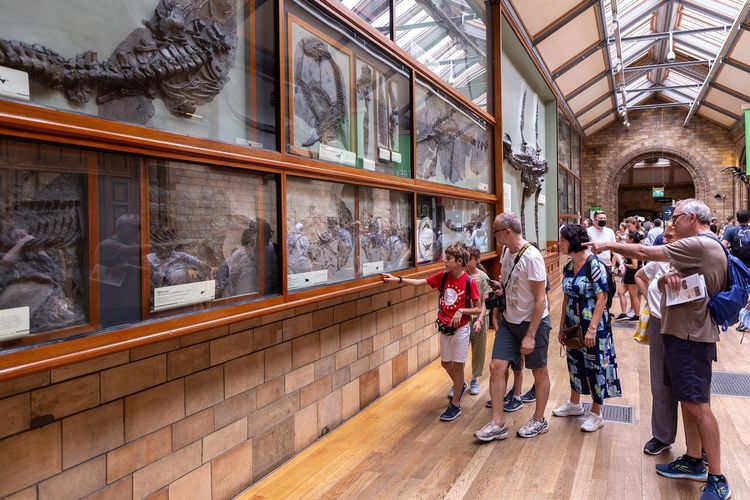
This is arguably London's greatest asset for parents: virtually all major national museums are free, with no mandatory booking for general admission. The Natural History Museum tops children's favourites, with its blue whale skeleton suspended in the main hall and its dinosaur gallery, animated by an animatronic T-rex that roars every fifteen minutes.
Directly opposite, the Science Museum offers several floors designed entirely for children: the Wonderlab zone (ticketed, around £12 per child) features hands-on experiments, and the Pattern Pod area, reserved for under-8s, is free and open to all. Visitors planning to visit both museums on the same day should allow for a proper lunch break between the two, as each deserves at least two hours.
The British Museum, denser in historical objects, appeals more to children aged 8 to 9 and above, particularly around the Egyptian mummies room and the Rosetta Stone. A free activity trail available at the entrance turns the visit into a treasure hunt — a trick that works remarkably well for holding attention for a full hour.
Less well known to foreign visitors, the Young V&A (formerly the V&A Museum of Childhood), in east London, is nonetheless worth the journey: entirely reimagined around children and reopened in 2023, it displays toys and games from around the world, with free creative workshops held nearly every weekend. It is often the museum that requires the least effort to hold the attention of children aged 2 to 6.
Another less-visited option, the Horniman Museum and Gardens (100 London Road, London SE23 3PQ, rated 4.6/5 on Google from 9,591 reviews), in south London, combines a free-entry aquarium, a small farm with domestic animals and terraced gardens offering one of the finest views over London's rooftops. The roughly 45-minute journey from the centre is the main deterrent, largely offset by the absence of crowds.
Finally, for toddlers, the London Transport Museum in Covent Garden, ticketed but reasonably priced, lets children climb aboard real double-decker buses and vintage Tube carriages. It is often the museum that sparks the most spontaneous enthusiasm in under-5s, far more than the more prestigious collections listed above. One thing all these venues have in common: pushchairs are welcome everywhere, but cloakrooms are not guaranteed — travel light and budget for coin-operated lockers in the larger museums if you are carrying bulky rucksacks.
Worth noting for rainy days: several of these museums offer free workshops or treasure hunts during British school holidays, announced on their websites a few days in advance. Checking these programmes before fixing the day often means stumbling upon a supervised activity — a precious way to keep children engaged for an extra hour at no extra cost.
Royal Attractions: Tower of London, Buckingham Palace and Kensington Palace
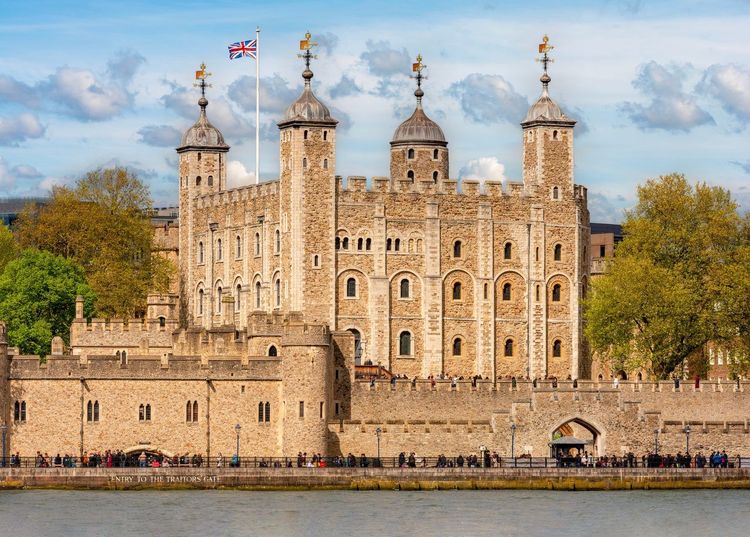
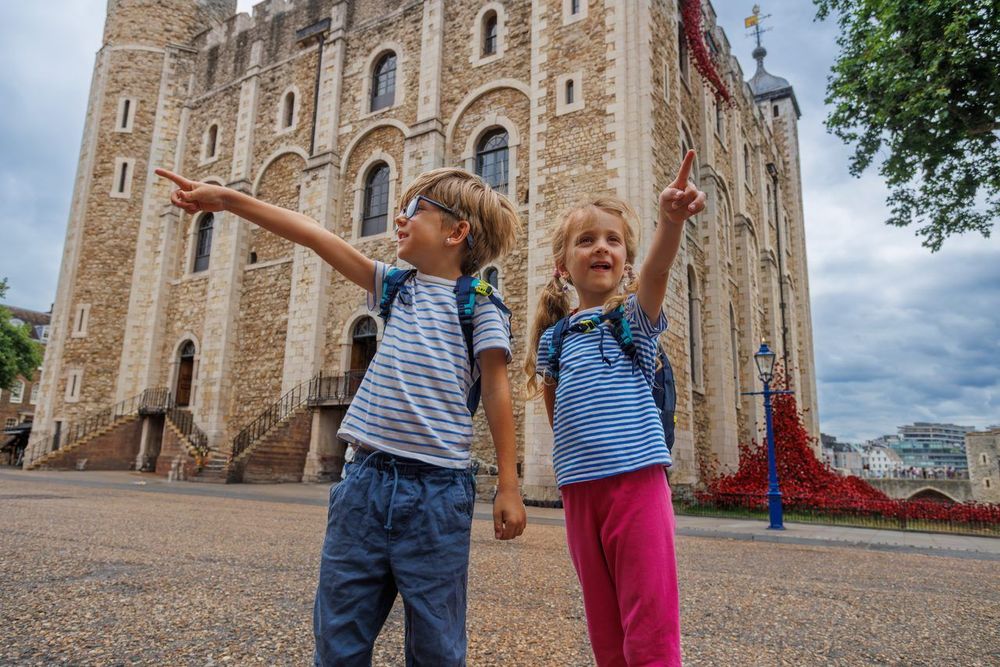
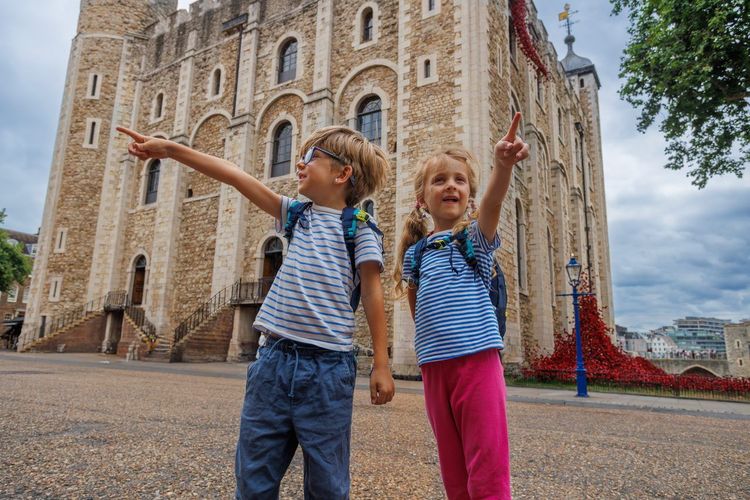
The Tower of London remains the most spectacular historical attraction for children, as long as you pace the visit carefully. The Crown Jewels are impressive, but the queue to see them can exceed 45 minutes in peak season. Children tend to remember the legendary ravens that live within the walls (tradition holds that the monarchy will fall if they leave the Tower) and the Beefeaters in their red uniforms, who lead free tours every 30 minutes.
Outside Buckingham Palace, the Changing of the Guard remains a highlight, but it only takes place on certain days according to a seasonal schedule that must be checked in advance. Arriving 30 minutes before the announced time is essential if children are to see anything above the crowd; sitting the youngest on shoulders or bringing a small folding step often makes all the difference.
Nearby, the Household Cavalry Museum on Whitehall offers a mounted changing of the guard daily at 11am (10am on Sundays), considerably less crowded than the one at Buckingham Palace. Children can observe the horses at very close range through the glazed stables — an angle rarely possible elsewhere.
Less visited, Kensington Palace (Kensington Gardens, London W8 4PX, rated 4.5/5 on Google from 32,208 reviews) offers a different and often more child-friendly experience: the surrounding gardens are vast and calm, and the palace café allows a genuine break without rushing. The interior traces the life of Princess Diana and the current royal family through regularly refreshed temporary exhibitions, at a gentler pace than the Tower. A dedicated Ryo article on Kensington Palace also details the combined tickets that save on entry if you are also planning to visit Hampton Court during your stay.
The takeaway is clear: it is better to choose one or two royal attractions per day rather than trying to fit them all in. Children under 7 generally switch off after 90 minutes of continuous historical visiting, regardless of how interesting the place is.
London from Above: The London Eye and the South Bank
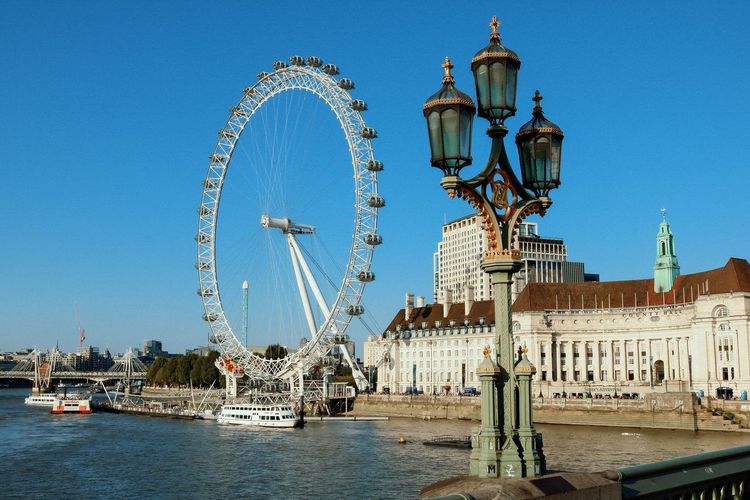
The London Eye remains the easiest experience to sell to sceptical children faced with yet another monument: a 30-minute rotation in a glass capsule, 135 metres up, with views over the Thames, Big Ben and Parliament. Booking a specific time slot online avoids a wait that can exceed an hour in summer.
Right next door, the SEA LIFE London Aquarium rounds out the outing nicely for a full morning in the same area. The touch pools where you can handle small rays are the most requested attraction for children aged 4 to 10, far ahead of the undeniably impressive sharks in the main central tank.
In the same building, Shrek's Adventure London (County Hall, Westminster Bridge Road, London SE1 7PB, rated 4.1/5 on Google from 7,114 reviews) offers an immersive journey blending theatre and light special effects, aimed primarily at children aged 5 to 12. The combined ticket with the aquarium remains the most cost-effective option if both activities appeal to your children.
The South Bank as a whole deserves a leisurely walk along the Thames: jugglers, living statues and churro vendors animate the promenade at weekends, without any need to pay for anything. The Golden Jubilee Bridges, two pedestrian footbridges lit up at night, allow you to cross the Thames on foot safely between Waterloo and Embankment — a crossing that many children find more impressive than an ordinary road bridge. Allow roughly 20 minutes on foot between the London Eye and Tower Bridge along the riverbank — a distance easily manageable even with a pushchair, on a flat, step-free surface.
Camden Town and London Zoo

To the north of the centre, Camden Town and Regent's Park form a duo that many visitors discover too late in their trip. Camden Market, with its colourful stalls and alternative atmosphere, generally appeals to children over 8, who are more attuned to the eccentricity of the place than to a standard covered market.
Ten minutes' walk away, ZSL London Zoo is one of the capital's most complete days out. Founded in 1828, it houses hundreds of species on a relatively compact site for a zoo of its reputation, which limits children's fatigue compared with other wildlife parks spread over several kilometres. The golden lion tamarins, the lowland gorillas and the touch area where you can stroke pygmy goats are among the highlights for children aged 3 to 10.
The zoo publishes a daily programme of free activities included in the ticket each morning: penguin feeding at around 2:30 pm, a lion presentation in the Land of the Lions enclosure at 11 am, and a bug encounter at the BUGS pavilion. Building your visit around two or three of these time slots naturally structures the day and avoids the tiring aimlessness of wandering from one enclosure to the next with no time reference.
A popular option for the late afternoon: the London Waterbus Company (Camden Lock Place, London NW1 8AF, rated 4.6/5 on Google from 1,066 reviews), which runs canal boat trips between Camden Lock and Little Venice, passing in front of the zoo. The journey takes about 50 minutes and offers an unusual glimpse of the private gardens lining the canal — an experience that makes a pleasant change from the Tube.
To explore this area without getting lost between the market, the canal and the zoo entrance, the audio-guided route for Camden Town and Regent's Park from Ryo offers a route designed to link points of interest without unnecessary detours — a real time-saver when travelling with children who tire quickly. Allowing a full half-day for this area, including the zoo, is realistic; trying to combine Camden with another major outing on the same day almost always means cutting one of the two visits short.
The City, Tower Bridge and Unusual Bridges
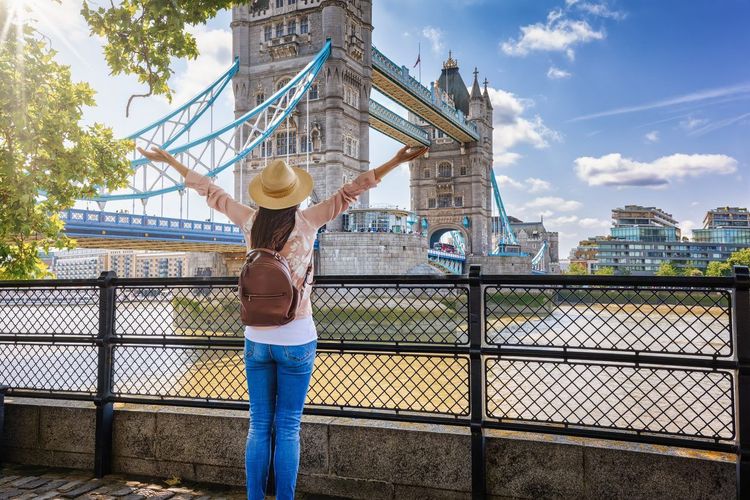
To the east of the historic centre, Tower Bridge impresses children and adults alike, particularly when the bascules open to let a vessel pass — a spectacle that occurs around 800 times a year according to a public schedule available online. The interior exhibition allows you to cross the glass walkway suspended 42 metres above the road, an experience that gives more than one parent vertigo while delighting the children.
A few minutes' walk away, St Paul's Cathedral hides one of the city's most extraordinary acoustic experiences: the Whispering Gallery, where a faint murmur against the wall travels distinctly to the other side of the dome. The climb to the top, however, involves ascending more than 500 steps — a challenge best reserved for children aged at least 8 to 9 who are in good shape.
For a free panoramic view without climbing a single step, the Sky Garden at the top of a City skyscraper offers a covered garden with 360-degree views over the city, provided you book a free time slot online a few days in advance. Less well known, The Monument (Monument Street, London EC3R 8AH, rated 4.5/5 on Google from 13,710 reviews), the commemorative column marking the Great Fire of 1666, also offers a view from its summit, reached via 311 spiral steps, for a modest fee.
The City neighbourhood, more discreet and less touristy outside these sites, contrasts sharply with Camden or the South Bank: modern skyscrapers, cobbled lanes inherited from the Middle Ages and hidden courtyards compose a setting that children curious about architecture particularly appreciate, especially at the end of the day when the streets empty of office workers. The area also benefits from a dedicated Ryo audio-guided route through the City to easily spot these little-signposted corners, between the cathedral and the remains of the Roman wall.
Worth noting for visitors short on time: the City is ideally explored on a weekday, outside the morning and evening rush hours, to make the most of wide pavements without being swept up in the tide of suits and ties, a good window for linking Tower Bridge and the Sky Garden on Ryo's audio-guided tour of the City.
Harry Potter Studios and Day Trips
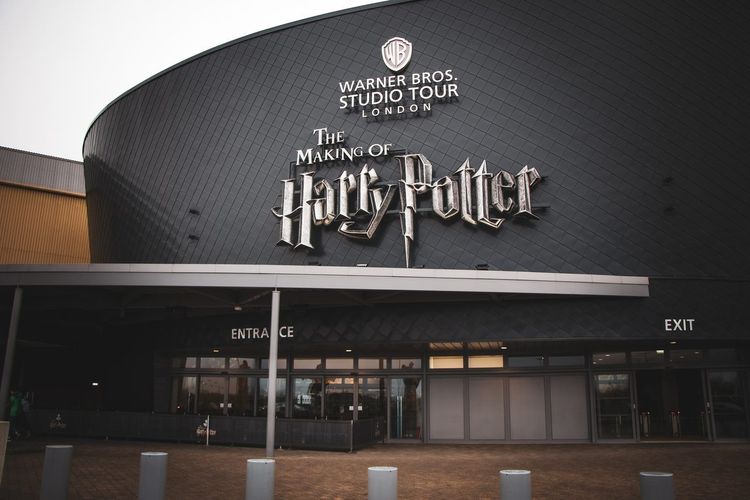
For children who are fans of the saga, the Warner Bros. Studio Tour London, located in Leavesden, around 30 minutes by train from central London, remains the most requested day trip. The visit generally lasts 3 to 4 hours and gives access to the original Hogwarts sets, the Great Hall, a recreated Diagon Alley and a full-size Hogwarts Express.
Booking several weeks in advance is essential: tickets often sell out months before school holidays, and there is no box office on site on the day. Factor in the train journey to Watford Junction, followed by an official shuttle, and the outing stretches into a full day rather than a half-day. The Butterbeer served at the studio café remains, unsurprisingly, one of the most memorable highlights of the trip for children.
Another day-trip option, somewhat better suited to children under 8: Legoland Windsor Resort, about an hour by road or train from the centre. Child-sized rides, Miniland recreating European cities in bricks, and a water zone in summer make it a reliable choice, even if queues for the most popular attractions can exceed 30 minutes at the height of the season.
For slightly older children, around 8 to 14, Chessington World of Adventures Resort (Leatherhead Road, Chessington KT9 2NE, rated 4.1/5 on Google from 32,119 reviews), south-west of London, combines roller coasters, a zoo and a water park on one site. The day there is more physical and thrill-focused than at Legoland, making it an interesting alternative when the group also includes teenagers alongside younger children.
Between these three options, the choice depends mainly on the children's ages and their attachment to the Harry Potter universe: beyond 8 to 9 years old for devoted fans of the saga, the Studios win hands down; below that age, Legoland is more engaging for a full day; for mixed groups including teenagers, Chessington offers the best compromise between thrills and attractions accessible to younger children.
Where to Eat in London with Kids

Contrary to a persistent misconception, eating well in London with children does not necessarily cost a fortune. Borough Market (8 Southwark Street, London SE1 1TL, rated 4.6/5 on Google from 128,628 reviews), near London Bridge, brings together dozens of stalls selling individual portions at modest prices: steamed bao, cut cheeses, pastries — enough to put together a varied lunch without sitting down in a traditional restaurant.
British chains such as Nando's or Wagamama are reliable options for dinner with a group: full children's menus, reasonable waiting times and staff accustomed to pushchairs and high chairs. Conversely, some traditional pubs in the centre refuse entry to under-18s after 9 pm — a rule specific to establishments holding a certain type of licence that is worth checking before settling in.
For breakfast, independent cafés often offer a children's menu based on porridge or scrambled eggs for a few pounds — a lighter option than the substantial traditional English breakfast, which is better saved for adults or older children with hearty appetites. Artisan ice cream parlours, plentiful around Covent Garden and the South Bank, are also a reliable reward at the end of a long day of walking without making it a full meal.
For travellers staying in a self-catering apartment rather than a hotel, Sainsbury's or Tesco Express supermarkets, very common in the centre, make it easy to put together breakfasts and picnics at lower cost — an option that noticeably reduces the food budget over a stay of several days.
Where to Stay with Kids
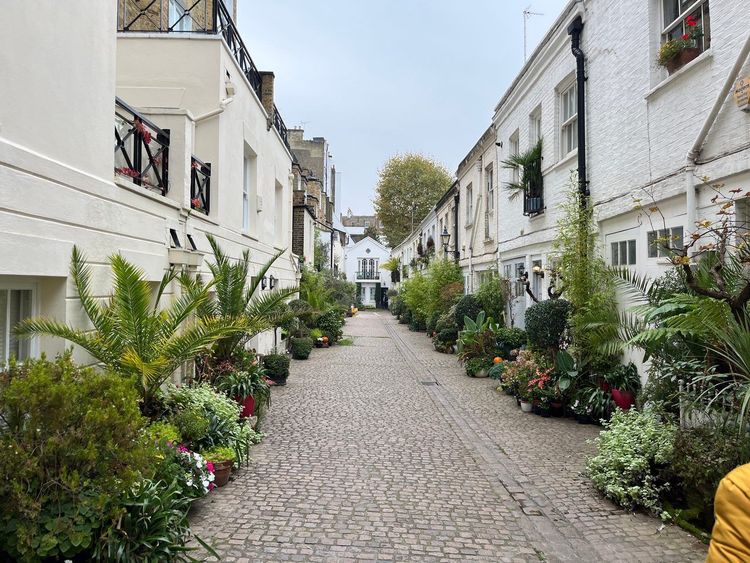
The choice of neighbourhood weighs heavily on day-to-day fatigue during a stay with young children. South Kensington appeals thanks to its immediate proximity to the three major free museums (Natural History, Science, V&A), which allows short visits without a long journey back if a child suddenly runs out of energy.
Southwark, on the south bank, combines excellent access to the London Eye, the Tate Modern and Borough Market, with hotel rates generally more affordable than in the West End. It is also a neighbourhood known for being quieter in the evenings — a not insignificant consideration when children go to bed early. A Ryo article dedicated to the Tate Modern also details the free Sunday workshops designed specifically for children.
For larger groups or stays of more than a week, renting an apartment (via standard platforms) often offers a better space-to-price ratio than a standard hotel room, with the added benefit of a kitchenette for preparing at least one meal a day. Aparthotel-style residences, common around Kensington and Paddington, generally offer rooms for four with bunk beds — a formula often more economical than booking two standard rooms separately.
Whatever neighbourhood you choose, prioritising a Tube station served by a direct line into zones 1–2 makes daily journeys with children and pushchair luggage considerably simpler.
Getting Around and Budgeting with Kids
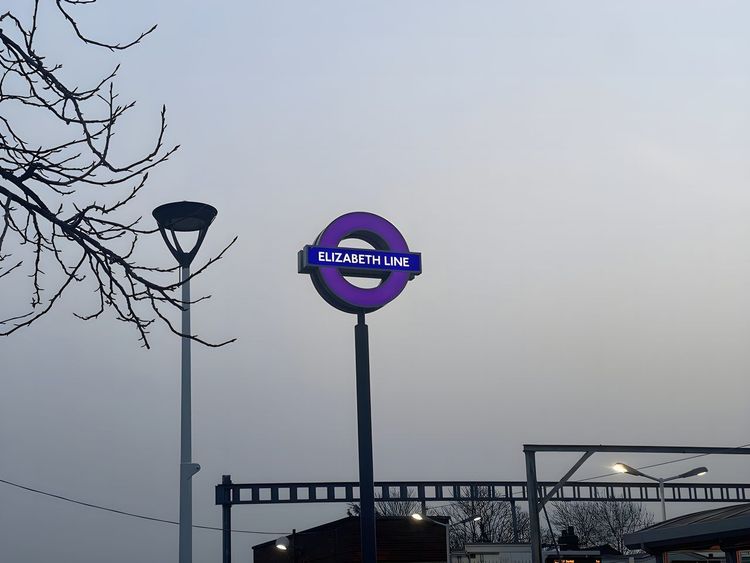
The London Underground is broadly manageable with a pushchair, provided you plan ahead: many central stations (Covent Garden, Angel) have no lifts and involve long staircases. The official TfL app indicates the accessibility of each station in advance — a detail worth checking before fixing an itinerary.
A little-known tip: certain red double-decker bus routes pass major landmarks for the price of a standard ticket. The number 15 bus, for example, links Trafalgar Square to the Tower of London passing St Paul's, offering a mini panoramic tour from the upper deck at a fraction of the price of a tourist bus. Sitting the children in the front seats upstairs turns a simple journey into an attraction in its own right.
The Thames Clippers boats, which connect several stops along the Thames, offer a pleasant alternative to the Tube for reaching the Tower of London or Greenwich: children experience it as a genuine river journey rather than mere transport, and Oyster cards are accepted on board. Traditional black cabs, pricier but useful in the evening with sleeping young children, mostly have enough space for a folded pushchair.
On the budget front, allow an average of £120 to £180 per day for a group of four, including transport and meals, excluding tickets for paid attractions. Free museums represent a genuine saving compared with other European capitals where entry to major museums is universally ticketed.
Children under 11 travel free on the TfL network (bus, Tube, tram) when accompanied by an adult holding a valid ticket — a rule that noticeably reduces transport costs over a week-long stay.

FAQ
How many days should you plan to visit London with kids?
Four full days are a comfortable minimum to cover the parks, two or three free museums and one royal attraction, without any day trips outside the city. Adding an extra day allows you to include Camden or a trip to the Harry Potter Studios without rushing, and a sixth day leaves room for an unexpected discovery or a more relaxed morning.
Which museums in London are free for children?
The Natural History Museum, the Science Museum, the British Museum, the Tate Modern and the Young V&A all offer free general admission with no mandatory booking. Only certain temporary exhibitions or specific interactive areas, such as the Science Museum's Wonderlab, remain ticketed.
What is the best neighbourhood to stay in London with kids?
South Kensington and Southwark are among the most practical choices, thanks to their proximity to the major museums, the London Eye and direct Tube connections to the centre. Travellers who value a quieter evening often lean towards Southwark.
How do you get around London with a pushchair?
The Tube is broadly accessible, but some central stations lack lifts. Checking accessibility via the TfL app before planning a journey avoids long stair detours with a pushchair; double-decker buses, all equipped with dedicated spaces, remain a reliable alternative.
What budget should you plan for a trip to London with kids?
Around £120 to £180 per day for a group of four, including transport and meals, excluding tickets for paid attractions such as the Tower of London or the London Eye. Free museums go a long way towards offsetting this expenditure.
Are the Harry Potter Studios suitable for young children?
The visit lasts 3 to 4 hours and requires good walking stamina; it suits children over 8 who are genuinely familiar with the saga better than toddlers, who risk losing interest before the end of the tour.
When is the best time to visit London with kids?
Late May or early September offer the best compromise between mild weather and reduced crowds in museums and royal attractions, compared with July and August. The Christmas period, with Winter Wonderland at Hyde Park, also appeals to many travellers despite higher hotel rates.
Between royal parks, free museums and day trips, London lends itself remarkably well to a trip with children, as long as you pace visits according to the children's ages rather than trying to fit everything in over a few days. Each neighbourhood has its own rhythm, and alternating a museum morning with a park afternoon remains the formula that tires the youngest visitors least.
Before you leave, Ryo's audio-guided tour of London is a good starting point for building a realistic itinerary, neighbourhood by neighbourhood, and spotting distances between each stop before you even set foot at the airport.
À lire également