© Shutterstock
 Votre guide Ryo
London for First-Time Visitors: The Complete 2026 Guide
Ask ten Londoners where to take a first-time visitor and you'll get ten different answers, plus at least three heated opinions about which Underground line is actually the fastest way there. That's the strange comfort of London for first time visitors: the city is too big to see wrong, because everyone who lives there is still discovering corners of it themselves. Start walking east from Westminster and within an hour you'll pass a coronation church, a food market older than the United States, and a bridge that still opens for passing ships. For a structured first pass through the center, Ryo's audio-guided tour of London threads many of these landmarks into one route you can follow at your own pace, headphones in, map away.
This guide covers what actually matters on a first visit: when to go, what entry rules look like in 2026, how to get around without wasting a day figuring out the Tube, and which central neighborhood to book without needing directions to find your bed at midnight. Expect real numbers too, a daily Tube cap of roughly £9, a Tower of London ticket around £35, a Sunday roast that costs less than a West End coffee. By the end you'll have three ready-made itineraries and a rough sense of what the whole trip will cost.
When to Visit London (and When to Skip It)

London doesn't really have a bad season, but it has an expensive one. Late June through August pulls the biggest crowds and the highest hotel rates, and Heathrow's queues can stretch past 45 minutes even for e-gates. If your dates are flexible, the sweet spot sits either side of that: April to early June, or September into October, when the parks are still green, the museums are quieter, and flights from most of Europe and North America run noticeably cheaper.
Weather is the one variable nobody controls. Expect roughly 13-15°C in spring and autumn, dropping close to freezing on winter nights, and rarely climbing past 24°C even at the height of summer. Rain falls year-round in short, unpredictable bursts rather than long storms, so a compact umbrella earns its space in your bag more than a raincoat does. Locals barely react to drizzle; you shouldn't either.
December has its own pull despite the cold: Oxford Street and Covent Garden string up lights by mid-November, ice rinks pop up at the Natural History Museum and the Tower of London, and hotel prices actually dip in the first half of the month before Christmas week spikes again. Skip the last week of August if you can, when school holidays across Europe collide with the tail end of summer tourism and every major attraction runs at capacity.
If you only remember one rule: book flights and hotels for shoulder season, pack layers regardless of the month, and treat any forecast beyond three days as a polite suggestion rather than a plan.
Entry Requirements and Before You Go
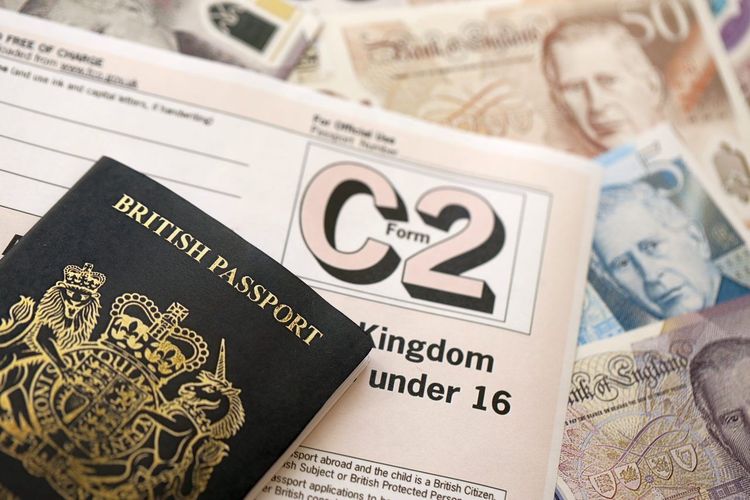
Entry requirements changed for a lot of travelers in the past two years, so don't assume your last trip's rules still apply. Most visitors from Europe, the US, Canada, Australia and other visa-exempt countries can still come for short tourist stays without a visa, but you now need an Electronic Travel Authorisation (ETA) before boarding. It costs £20, you apply online or through the official UK ETA app, and approval usually lands within a few days, though applying at least a week ahead is wise in busy months. Only British and Irish passport holders (and people who already hold UK residency or a visa) are exempt, which catches out plenty of EU travelers who assumed nothing had changed since Brexit.
Check your passport's expiry date properly. The UK only requires it to be valid for the whole of your stay, but if London is one stop on a longer European trip, the Schengen countries you visit next apply stricter rules, so a few months of spare validity is the safer habit. Airlines also check your ETA at check-in, so keep the approval email handy.
Currency is the pound sterling, and while contactless card payment covers almost everything (buses won't even accept cash anymore), it's worth carrying £30-40 in cash for smaller markets and cafés that still prefer it. Withdraw from bank-affiliated ATMs rather than the branded cash machines clustered near tourist sites, which often carry a £2-3 withdrawal fee on top of your own bank's charges.
Power sockets in the UK run on the three-pin Type G plug at 230V, different from both the US two-pin and the EU two-round-pin standard, so pack an adapter rather than assume your EU one will work. For data, a local pay-as-you-go SIM from EE, Three or giffgaff costs around £10-20 for a week of generous data, and can be picked up at the airport or any high street phone shop within an hour of landing.
Getting to London and Getting Around
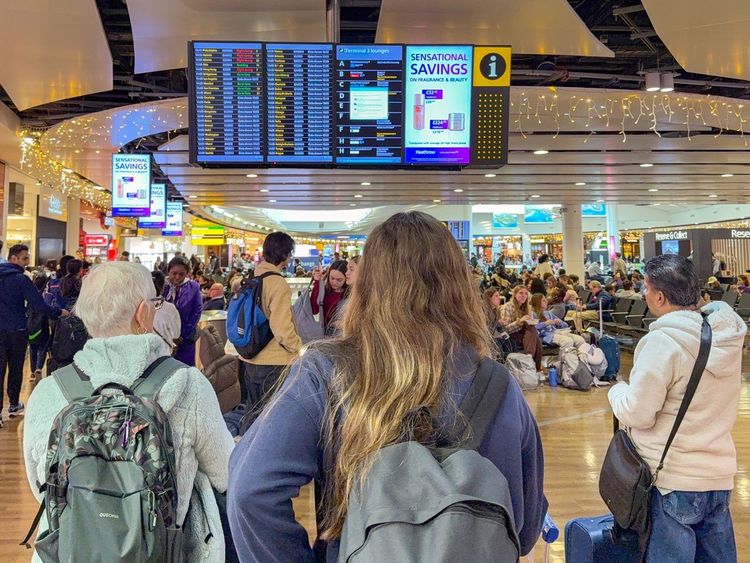
London is served by six airports, though only two really matter for most first-time visitors' arrival plans.
Airports and Getting Into Central London
Heathrow handles the bulk of long-haul arrivals and sits about 15 miles west of the center. The Elizabeth line and Heathrow Express both run into town in 30-45 minutes; the Elizabeth line is the better value at around £13 versus the Express's £25, and both beat a taxi that can run £70-90 in traffic. Gatwick, 30 miles south, connects via the Gatwick Express to Victoria in about 30 minutes for roughly £20.
Stansted and Luton serve most budget carriers from Europe and sit further out, 40-50 minutes by train to Liverpool Street or St Pancras respectively. City Airport, the smallest of the six, drops you into the Docklands Light Railway just 20 minutes from Bank station, handy if your flight happens to land there.
Whichever airport you land at, buy your transport pass before joining the queue for a train ticket. A contactless bank card works directly on every London train and bus with no setup needed, and it automatically caps your daily spending, which is usually the simplest option for a first visit.
The Tube, Buses and Tap-to-Pay Travel
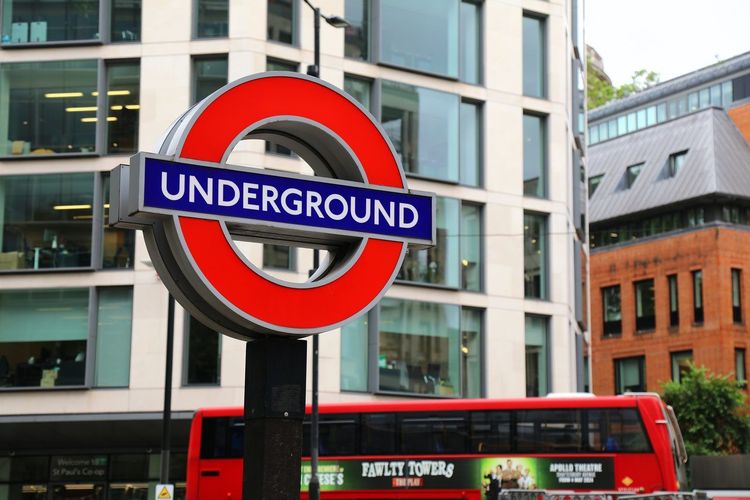
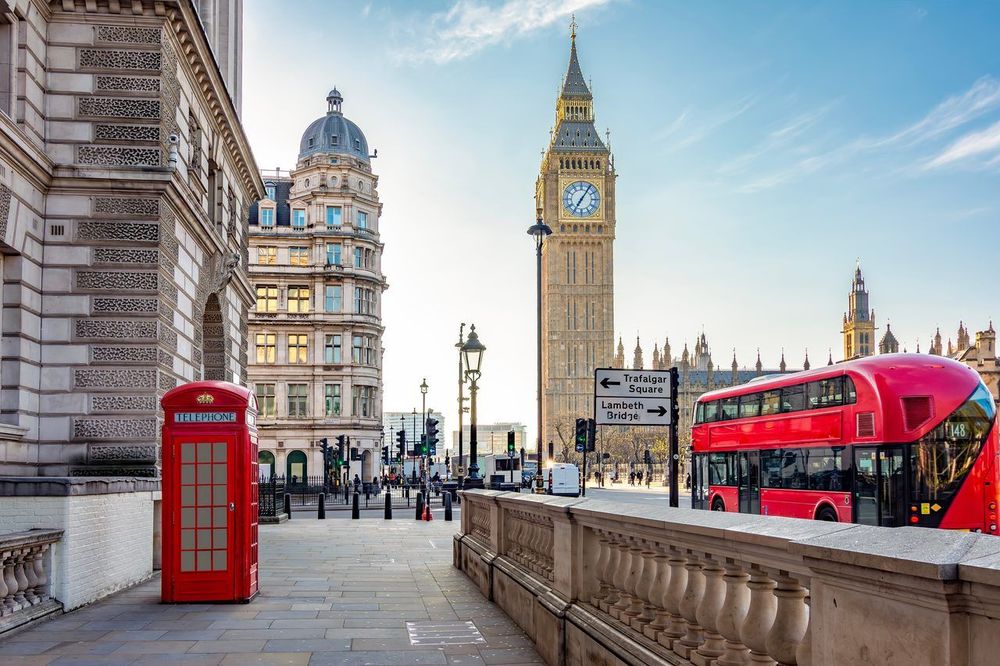
Once you're in the center, the London Underground (the Tube) is the fastest way to cover distance, though it isn't always the most direct. For journeys of two or three stops, the network of red double-decker buses is often just as quick and lets you actually see the city instead of a tunnel wall. Both run on the same tap-to-pay system: touch your contactless card or phone on the yellow reader at the start and end of every Tube journey (buses only need a tap on boarding), and the system automatically charges the cheapest fare for the day, capped at roughly £9 a day for Zone 1-2 travel (TfL adjusts fares every March).
Skip the Oyster card unless you're staying more than two weeks or traveling with a device that doesn't support contactless. For everyone else, tapping a normal card is faster, cheaper once you factor in the £7 non-refundable Oyster card fee, and one less thing to lose.
One local habit worth adopting immediately: stand on the right on escalators. Blocking the left side, even for a moment, tends to draw pointed looks from commuters.
Walking London Like a Local
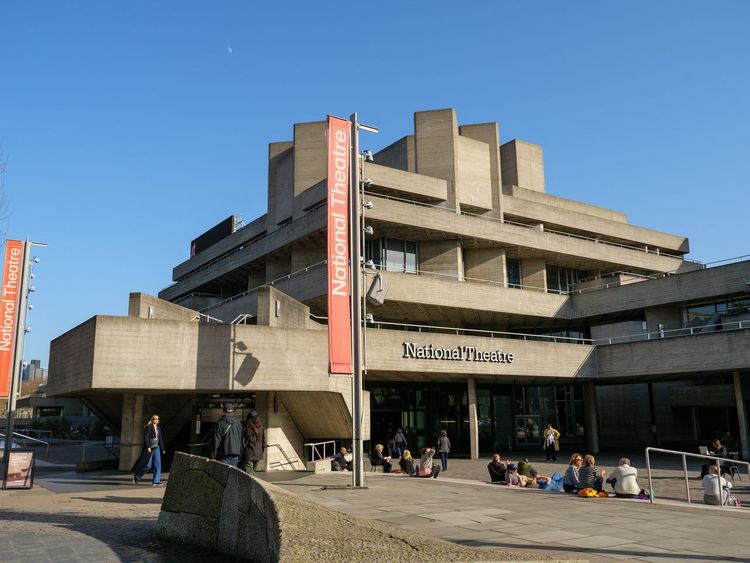
Central London is more walkable than its size suggests. Westminster, Covent Garden, the South Bank and the City all sit within a roughly 45-minute walk of each other, and the river gives you a constant, foolproof landmark to orient by. Hop-on hop-off bus tours are a reasonable way to get oriented on day one, but they run on a fixed loop and a fixed script, while London's regular double-decker buses cost a fraction of the price and go anywhere the network does.
If you'd rather walk than ride, our Ryo app narrates each stop as you reach it, turn by turn, which matters more than it sounds like in a city where phone signal drops between Tube stations and paper maps get soggy in the rain. One more practical note: almost everything a first-time visitor wants to see sits inside Zone 1, so don't overthink the zone system when planning your days.
Where to Stay in London for First-Time Visitors
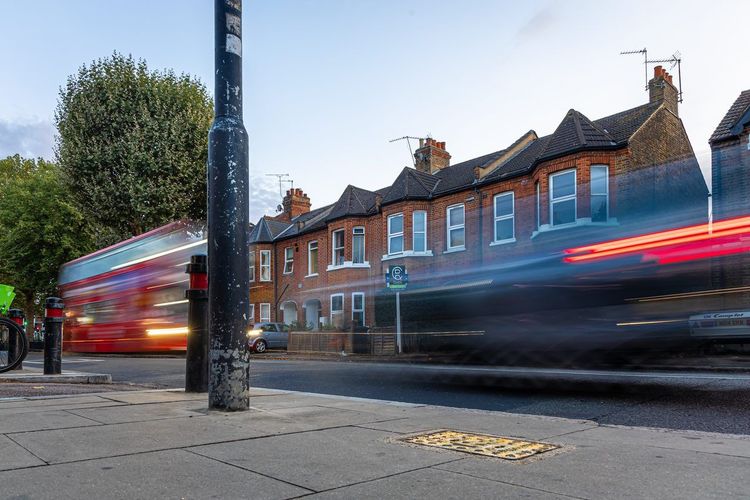
Where you sleep shapes your whole trip more than any single attraction does. London's center splits into a handful of neighborhoods that each suit a different kind of first visit, and the good news is that none of them requires more than a 20-minute Tube ride to reach the others.
Westminster and Victoria for Iconic Sights
Base yourself here and you can walk to Big Ben, Westminster Abbey and Buckingham Palace before breakfast finishes digesting. It's the most obvious choice for a first trip, and for good reason: everything you came to photograph is within a mile. The trade-off is price and a slightly formal, government-district feel once the tour groups clear out at dusk.
The Sheraton Grand Park Lane sits a short walk north in Mayfair and works well if you want a five-star base without straying from the sights, though it commands rates to match. For a mid-range option nearer Victoria station, several three-star chains cluster around Buckingham Palace Road, useful for the direct rail link to Gatwick. Book early: Westminster hotel rooms during peak season (June-August) routinely sell out three to four months ahead.
South Kensington and Chelsea for Museums and Elegance
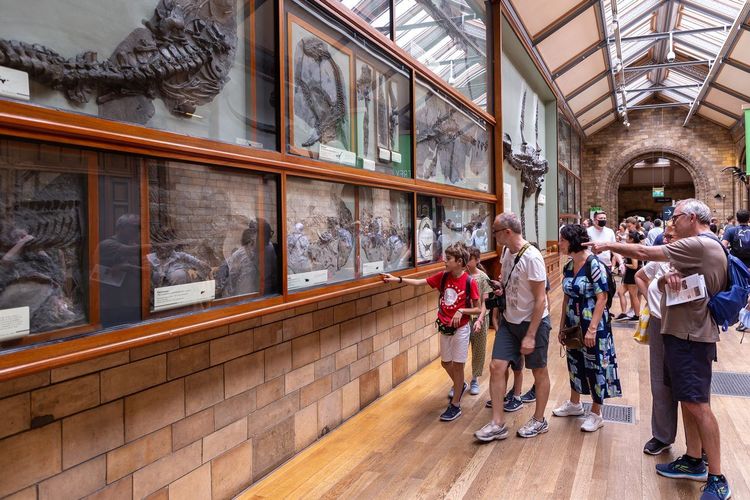
This is the neighborhood for a first-time visitor who wants museums within stumbling distance and a quieter, residential feel at night. The Natural History Museum, the V&A and the Science Museum sit within a few hundred meters of each other, all free to enter, with South Kensington Tube station dropping you almost on top of them.
The Avni Kensington is a solid mid-range base a few streets back from the museum cluster, popular enough with first-timers that it's worth booking six to eight weeks out. Chelsea, just south, trades a bit of convenience for a leafier, more residential pace and easy access to the King's Road for an afternoon away from the tourist trail. Expect to pay a premium here compared to areas further east; this is one of London's more expensive postcodes, museums or not.
Covent Garden and Bloomsbury for Central Convenience
If you'd rather not commit to one side of the city, Covent Garden and Bloomsbury split the difference. Covent Garden puts you inside the West End, a five-minute walk from theatres, restaurants and the piazza itself, though rooms here run small and prices climb with the location. Bloomsbury, just north, is quieter, cheaper and still only 15-20 minutes on foot from Covent Garden or the British Museum.
The Holiday Inn London Bloomsbury is a dependable, mid-range pick that puts you within walking distance of King's Cross, the British Museum and the West End alike, which makes it a favorite for first-timers trying to minimize Tube journeys. Wherever you land, Ryo's audio-guided tour of London is built to start from any central neighborhood, so there's no wrong base to pick before you set off on foot the next morning.
Westminster and Royal London
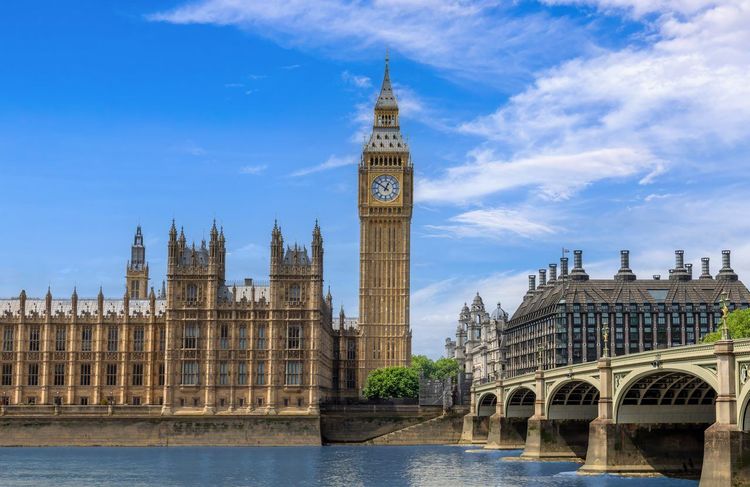
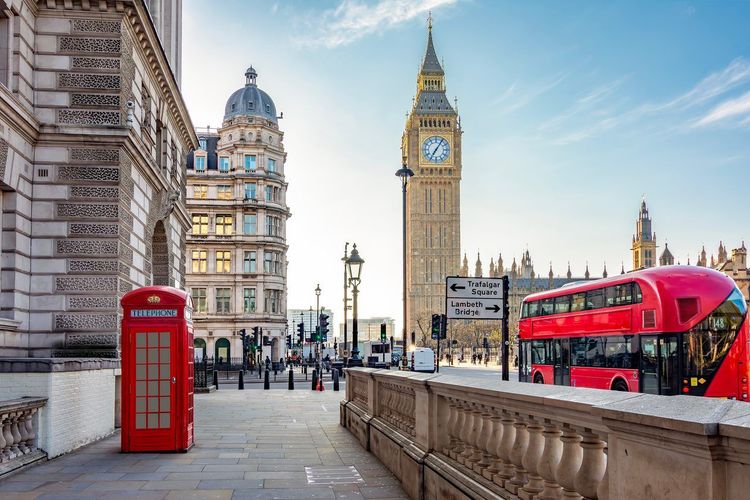
Westminster is where most first-time itineraries begin, and it earns the honor. Three of London's most photographed landmarks sit within a five-minute walk of each other, all connected by Parliament Square.
Big Ben and the Houses of Parliament
The Elizabeth Tower, universally nicknamed Big Ben) after its 13.7-tonne bell, has chimed over the Thames since 1859 and remains one of the most-photographed clock faces in the country. You can't climb it as a casual tourist (tower tours are reserved for UK residents through their MP, booked months ahead), but the view from Westminster Bridge, especially at dusk when the tower lights up gold against the sky, is worth the crowd you'll be standing in.
Behind it, the Houses of Parliament stretch nearly 300 meters along the riverbank, a Gothic Revival landmark rebuilt after an 1834 fire destroyed almost everything but Westminster Hall. Paid guided tours run on most Saturdays and during parliamentary recesses, but watching a live debate from the public gallery is free: you simply queue at the Cromwell Green entrance, pass security, and take a seat, one of the few local experiences on this list that costs nothing at all.
Westminster Abbey
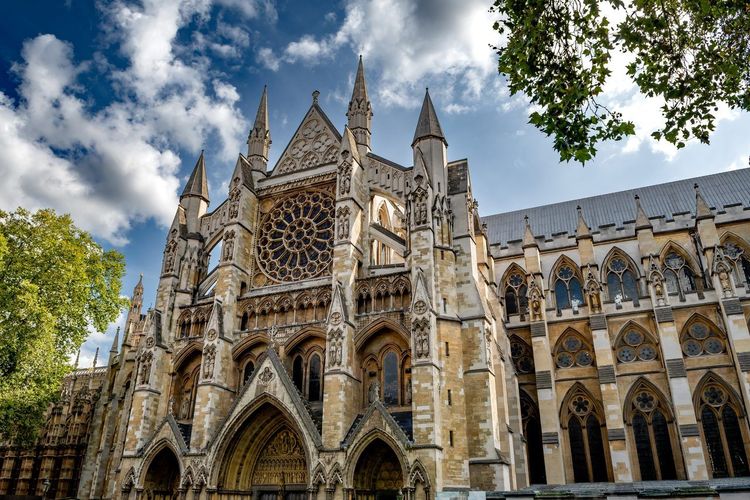
Just across Parliament Square, Westminster Abbey) has hosted every coronation since 1066 and thousands of burials, including Darwin, Newton and more than a dozen monarchs. Entry runs £31 for adults, and it's worth timing your visit for one of the free choral evensong services, typically held most weekday evenings, which let you inside without a ticket and, for many visitors, turn out to be the highlight of the whole stop.
Give yourself a genuine hour inside rather than the 20 minutes most rushed itineraries allow. The Poets' Corner alone rewards slow reading, and the cloisters, often nearly empty even when the main nave is packed, are one of the few quiet corners left in Westminster by midday.
Buckingham Palace and the Changing of the Guard
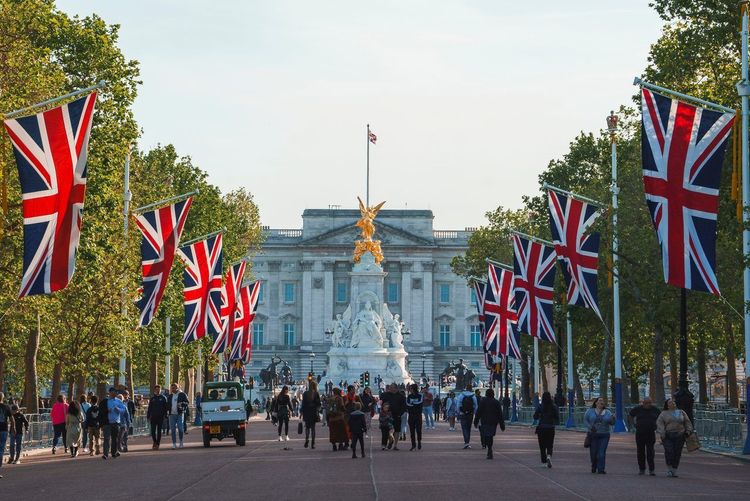
Buckingham Palace (London SW1A 1AA, rated 4.5/5 on Google (196 159 avis)) has been the monarch's official London residence since 1837, and the Changing of the Guard outside it remains one of the few free spectacles that consistently lives up to the hype. The ceremony runs on select days (check the official schedule before you go, as it isn't daily year-round) starting around 10:45am and lasting about 45 minutes, with the best sightlines from the Victoria Memorial roundabout rather than pressed against the palace railings.
Arrive at least 30 minutes early if you want anywhere near the front; this is the one Westminster stop where crowds genuinely determine your experience. If you'd rather skip the scrum entirely, Ryo's audio-guided tour of London strings Parliament Square, Big Ben and Westminster Abbey into one roughly 45-minute walk with a story at nearly every stop, so you can time your own arrival at the Palace around the ceremony instead of the other way round.
The Tower of London and the City
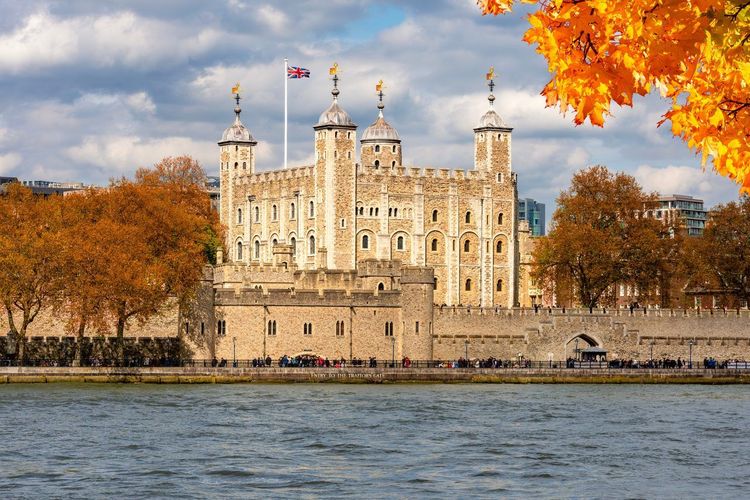
East of Westminster, the City of London packs nearly two thousand years of history into one square mile, still marked by the boundary stones of the old Roman wall.
The Tower of London and Tower Bridge
The Tower of London) has stood on the Thames since William the Conqueror began building it in 1078, and it has served as royal palace, prison, armory and even a zoo, until the 1830s, in the centuries since. Today it houses the Crown Jewels, a collection of thousands of gems including the 530-carat Cullinan I diamond, and the Yeoman Warders (the Beefeaters) lead free guided tours included in the roughly £35 adult ticket, worth building your visit around since they tell the building's darker stories better than any audio guide.
Give yourself two to three hours minimum; the site is bigger than photos suggest, and the queue for the Crown Jewels alone can run 20-30 minutes at midday.
Step outside and Tower Bridge (London SE1 2UP, rated 4.8/5 on Google (185 950 avis)) is right there, its twin Victorian towers instantly recognizable even to visitors who've never set foot in the city. It's often mistaken for London Bridge, a plainer crossing a few hundred meters upstream, a mix-up locals have stopped correcting politely. The Tower Bridge Exhibition (around £13.30) puts you on the glass-floored high-level walkways, 42 meters above the water, with views straight down onto the traffic and boats below.
St. Paul's Cathedral and the City Skyline
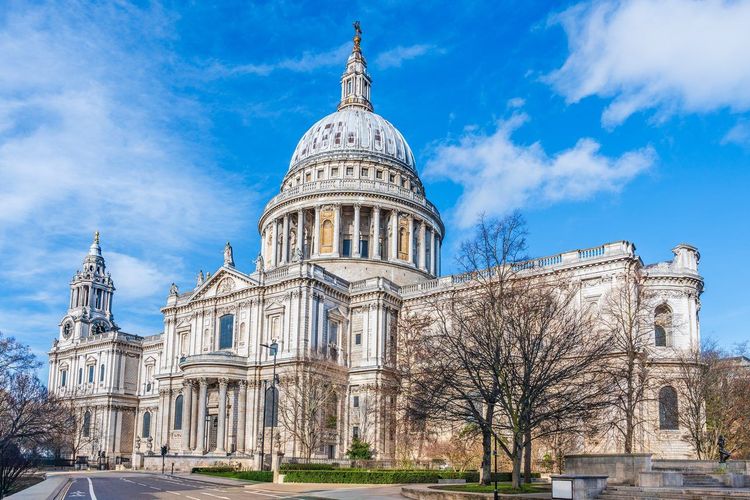
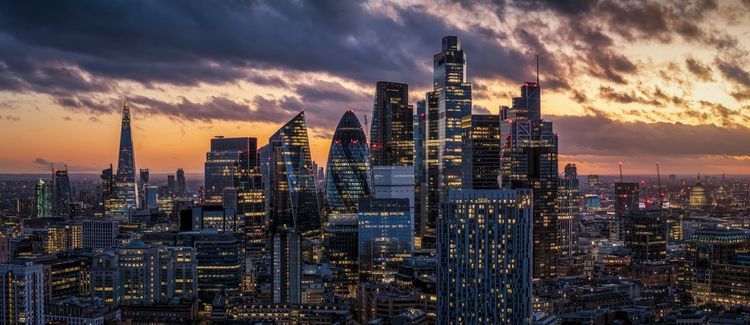
A fifteen-minute walk along the river brings you to St. Paul's Cathedral, Christopher Wren's 1710 masterpiece and the building that dominated the London skyline for nearly 250 years until the first skyscrapers arrived. Climbing the 528 steps to the Golden Gallery (sightseeing entry around £27 including the climb) rewards you with one of the best 360-degree views in central London, and considerably cheaper than the alternatives.
The cathedral also anchors the City's more sobering side. Its crypt and memorials mark the building's survival through the Blitz, when volunteer fire-watchers saved it from incendiary bombs during the Second World War while much of the surrounding district burned. If the Second World War story grabs you, the Churchill War Rooms back in Westminster preserve the underground bunker where the wartime cabinet met, maps and pins left exactly as they were in August 1945. Closer at hand, the Monument to the Great Fire of 1666, a short walk south of St Paul's, lets you climb 311 steps for a view over the same streets that burned.
For a route that connects all of it without backtracking, Ryo's audio walk through the City threads from the Tower to St Paul's with an anecdote at nearly every corner of the Square Mile, useful given how easy it is to get turned around in the City's tangle of medieval lanes.
The South Bank and the London Eye
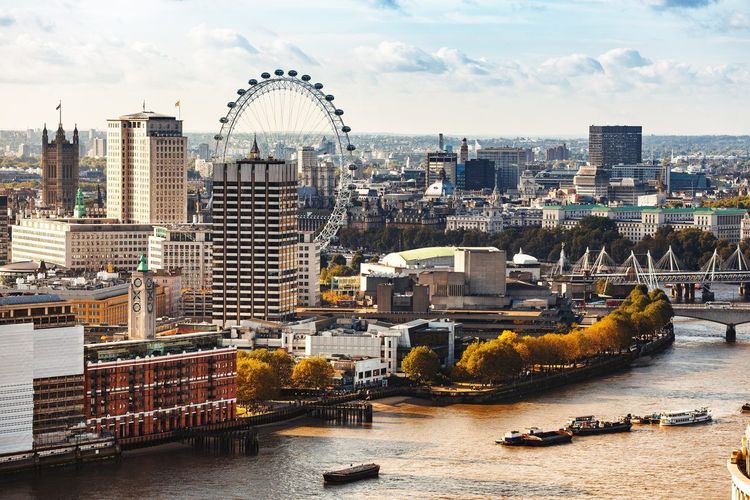
Cross to the river's south side and the view of London becomes the main attraction rather than a bonus.
The London Eye and River Thames Views
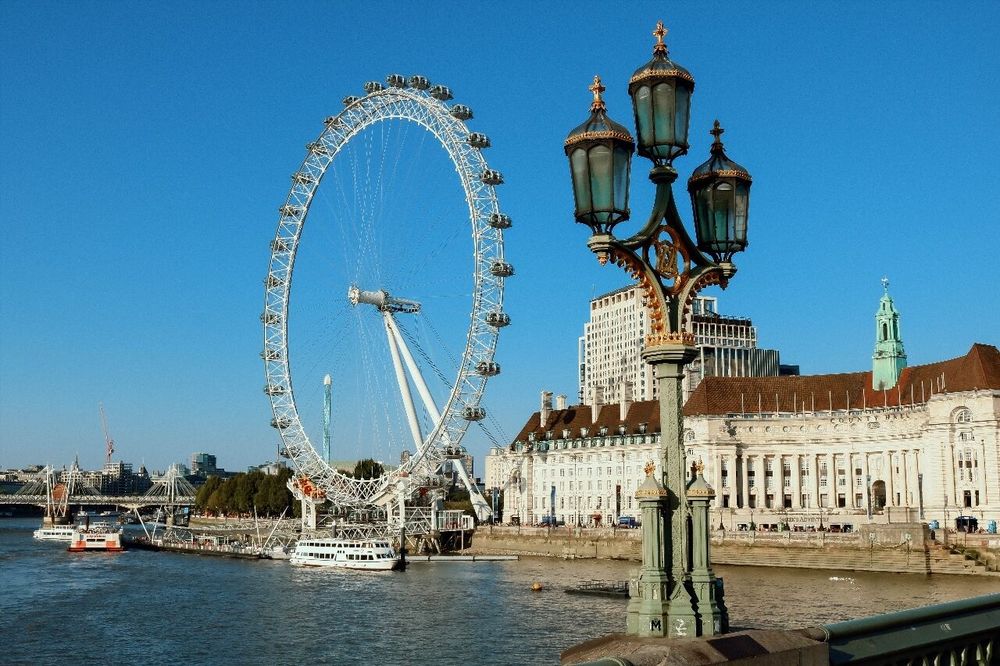
The London Eye (Riverside Building, County Hall, London SE1 7PB, rated 4.5/5 on Google (100K reviews)) has spun above the Thames since 2000, and at 135 meters it's still the tallest observation wheel in Europe. A standard rotation takes about 30 minutes, long enough to spot Big Ben, St Paul's and, on a clear day, Windsor Castle 20 miles west, from one of the 32 enclosed pods. Standard tickets run around £30-40 depending on the time slot; booking online at least a day ahead saves both money and a long queue at the base.
If the wheel itself feels like a lot for the price, a Thames river cruise covers similar ground for less. Boats depart roughly every 20-30 minutes from Westminster and London Eye piers, and the 40-minute hop to Greenwich or the Tower gives you the same skyline from water level, at a fraction of the cost, while doubling as actual transport rather than a standalone attraction.
Walking the South Bank
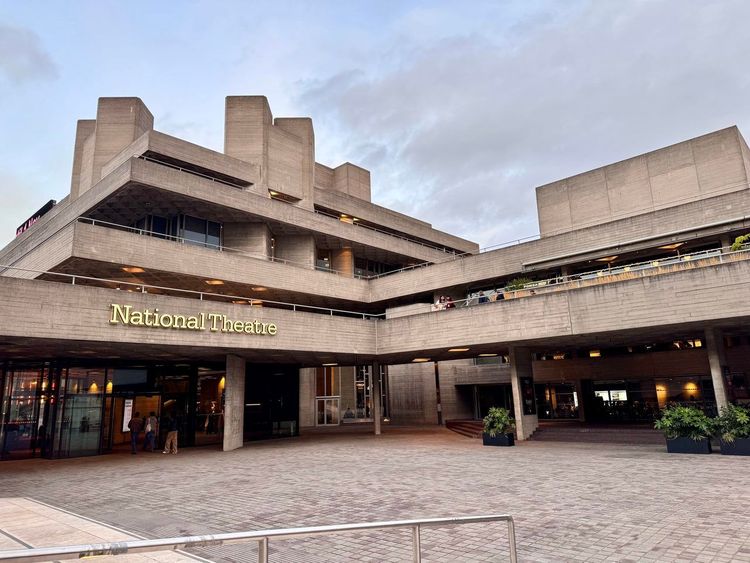
The riverside path from Westminster Bridge to Tower Bridge is one of London's best free walks, roughly 3 miles if you do it end to end, and it strings together the London Eye, the Southbank Centre, Shakespeare's Globe and Borough Market without a single wrong turn since you're always following the water.
Street performers cluster near the National Theatre most afternoons, secondhand book stalls set up under Waterloo Bridge daily, and Fishcotheque near the Eye is a reliable stop for fish and chips if the queue for a sit-down restaurant looks daunting. For a deeper dive into this stretch and what's worth stopping for, Ryo's guide to the London Eye covers timing and ticket tiers in more detail than fits here.
Budget at least two hours for the full walk if you're stopping to browse; rushed, it takes closer to 45 minutes.
World-Class Museums
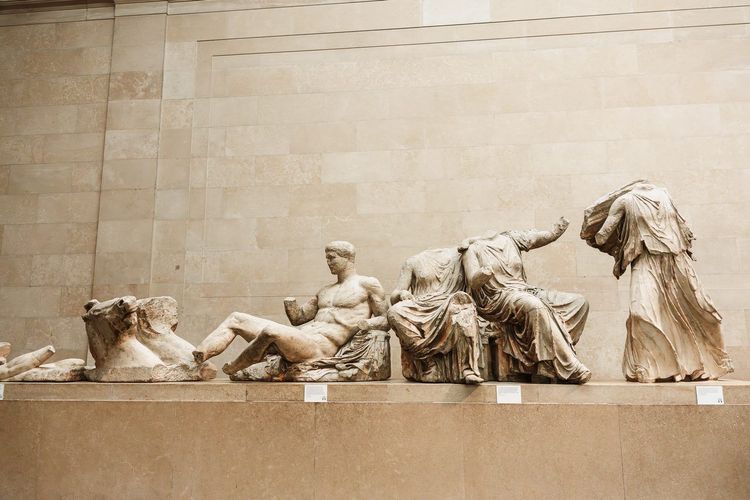
London's biggest museums share one remarkable trait: permanent collections are free to enter, a policy that's held since 2001 and makes the city one of the best value destinations in Europe for anyone who actually likes museums.
The British Museum
The British Museum) holds around eight million objects spanning some two million years of human history, though only a fraction are on display at any time, still enough to need a genuine strategy rather than aimless wandering. Most first-time visitors head straight for the Rosetta Stone and the Parthenon Marbles, both free to view, both usually crowded by mid-morning.
Arrive right at opening (10am) or after 3pm to dodge the worst of the crowds, and don't try to see everything; two hours covering three or four galleries beats a rushed six-hour marathon. The Great Court, roofed in glass since 2000, is worth ten minutes on its own even if you skip every gallery, and the museum's café sits right in the middle of it for a coffee break mid-visit.
Natural History Museum and the V&A in South Kensington
A 20-minute Tube ride southwest, South Kensington packs three major museums into a few hundred meters, all free like the British Museum. The Natural History Museum)'s cathedral-like entrance hall, all Romanesque arches and a suspended whale skeleton overhead, makes it the most photogenic of the three and the best pick if you're traveling with kids.
Next door, the V&A (Cromwell Rd, London SW7 2RL, rated 4.8/5 on Google (68 646 avis)) (Victoria and Albert Museum) covers design and decorative arts across more than a hundred galleries, from Chinese ceramics to a full-scale cast of Trajan's Column too tall for its original room. It rewards a narrower focus more than any museum on this list; pick one wing, fashion, jewelry or the cast courts, rather than trying to see everything in an afternoon.
Both museums sit close enough to combine in one day, though most visitors find splitting them across two mornings, paired with a South Kensington café lunch, leaves more energy for the exhibits themselves.
West End and Covent Garden
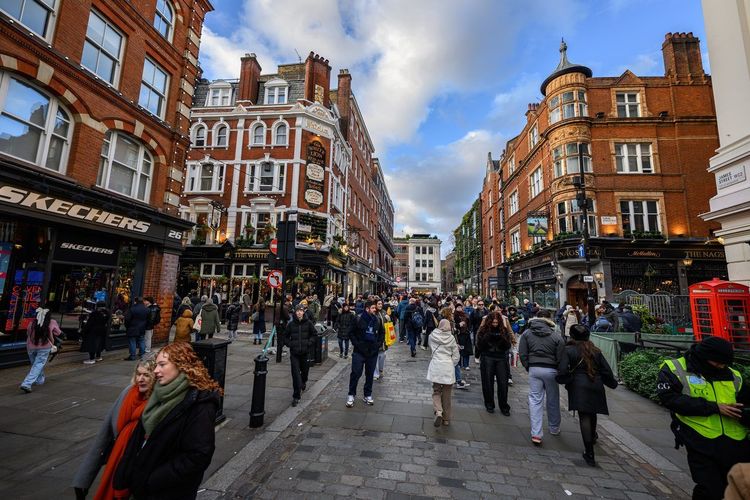
The West End and Covent Garden) blur into each other geographically, and together they cover London's densest concentration of theatres, markets and shopping streets.
Catching a Show in the West End
Roughly 40 theatres cluster within the West End, London's answer to Broadway, staging everything from decades-running musicals to new transfers. Same-day and day-of tickets through the TKTS booth in Leicester Square regularly run 25-50% below face value, though the best seats for the biggest shows still sell out weeks ahead in peak season.
Book at least a month out if you have a specific show in mind, but if you're flexible, walking into TKTS the afternoon of will usually get you into something good for under £60. Matinee performances, typically Wednesday, Thursday and Saturday afternoons, tend to have the most last-minute availability.
Covent Garden Piazza and Seven Dials Market
The Covent Garden piazza itself, a cobbled square laid out in the 1630s around what became London's main fruit and vegetable market, runs street performers and living statues on a rotating schedule most days, vetted enough by the venue that the quality stays consistently high. The 1830 market building at its center now houses boutique shops and cafés under a glass-and-iron Victorian roof.
A five-minute walk northwest, Seven Dials Market packs around 20 food stalls into a converted banana warehouse, everything from street tacos to a cheese counter with a conveyor belt gimmick that draws its own queue. For a fuller rundown of the neighborhood's side streets, Ryo's guide to things to do in London covers a few spots that don't make most first-timer lists.
Shopping at Harrods and Beyond
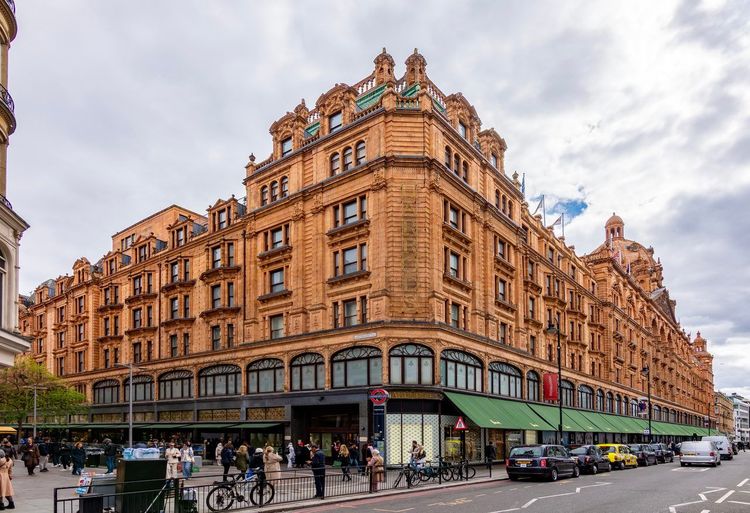
Harrods (87-135 Brompton Rd, London SW1X 7XL, rated 4.4/5 on Google (128 549 avis)), the green-awninged department store in Knightsbridge, is worth a visit even if you don't buy anything; the food halls alone, tiled floor to ceiling in Art Nouveau detail, function as a free museum of excess. The ground-floor perfume hall and the sprawling toy department both reward a slow wander.
For less spectacle and better prices, Oxford Street covers the mainstream high street brands, while Carnaby Street near Soho leans toward independent labels and streetwear. Saturday afternoons on Oxford Street are worth avoiding unless crowds don't bother you at all.
Parks, Canals and Hidden Corners
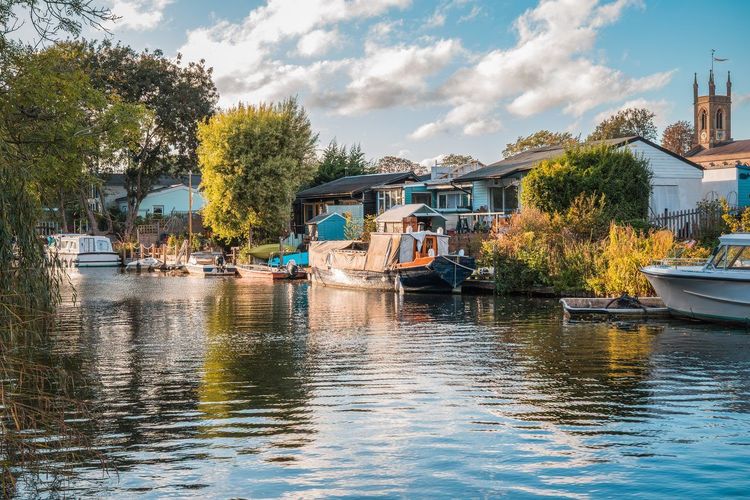
Most first-time itineraries skip London's green side entirely, which is a mistake most locals wouldn't make themselves.
Hyde Park and Notting Hill
Hyde Park), 350 acres in the middle of the city, is big enough to disappear into for an afternoon; rent a deck chair near the Serpentine or just walk the length of it toward Kensington Gardens and the Diana Memorial Fountain.
A short walk northwest, Notting Hill's pastel houses along Portobello Road look almost too perfect to be real, and Saturday's antiques market draws crowds without quite feeling like a tourist trap, at least before noon.
Regent's Canal and Camden
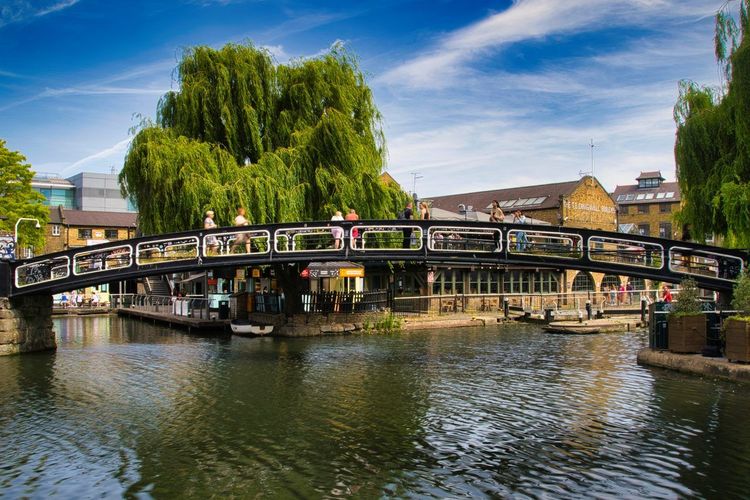
The Regent's Canal towpath runs from Little Venice through Regent's Park to Camden and beyond, a flat, car-free walk that most guidebooks underrate. Camden Market (Camden Lock Pl, London NW1 8AF, rated 4.6/5 on Google (152 862 avis)) at the northern end mixes stalls, street food and genuine grit that's mostly disappeared from central London's more polished corners.
For a route that ties the canal, the park and Camden's market together without doubling back, Ryo's Camden to Regent's Park audio route covers this stretch, worth the 90 minutes it takes even if you only get halfway before circling back for lunch.
What to Eat in London
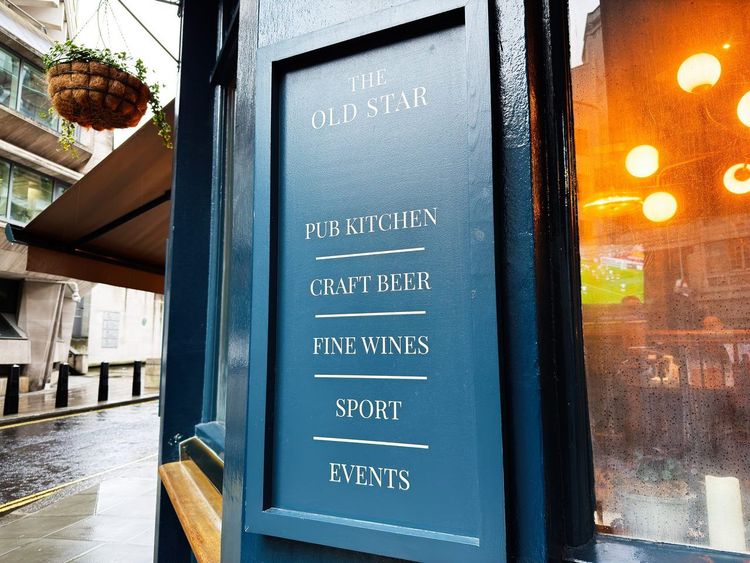
London's food scene stopped being a punchline decades ago; it's now one of the most genuinely international eating cities anywhere, alongside a handful of dishes worth trying purely for tradition's sake.
British Classics: Fish and Chips, Afternoon Tea, Sunday Roast
Fish and chips remains the baseline test of British cooking, and it's worth eating properly once rather than grabbing a tourist-trap portion near a landmark; a proper chippy batters the fish fresh to order and the chips stay thick-cut. Expect £10-15 for a sit-down portion, less as takeaway. For a cheaper grab-and-go lunch, a Cornish pasty (a crimped pastry parcel of beef, potato, swede and onion, protected by the EU-era geographic label that still applies in the UK) costs around £5-7 at station kiosks and market stalls, and you'll find the best ones at Borough Market (8 Southwark St, London SE1 1TL, rated 4.6/5 on Google (130 994 avis)) rather than the chains.
Afternoon tea is the more elaborate ritual: finger sandwiches, scones with clotted cream and jam, and a tiered stand of pastries, traditionally served between 3 and 5pm. Hotel versions at the grandest addresses run £75-100 per person and require booking weeks ahead; smaller tea rooms deliver a near-identical experience for a third of the price.
A Sunday roast, the weekly institution of roast meat, potatoes, vegetables and Yorkshire pudding under a blanket of gravy, is the one meal worth planning your Sunday itinerary around. Most traditional pubs serve it only that day, and the good ones, Bloomsbury Tavern among them, fill up by 1pm.
Borough Market and London's Food Markets
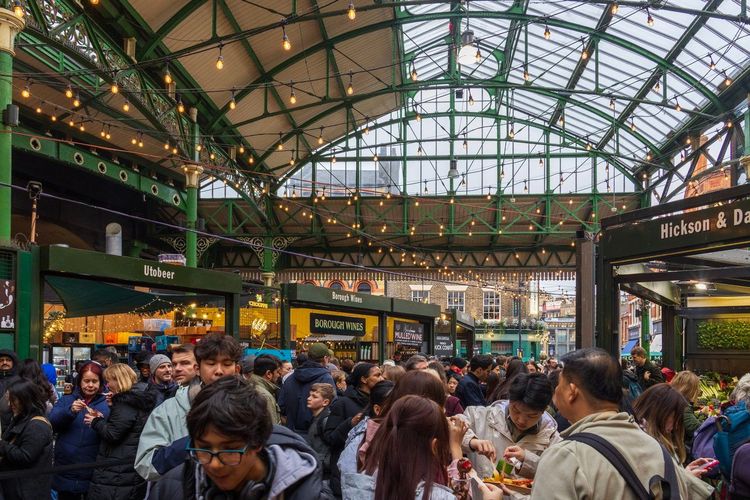
Borough Market, trading in some form since the 13th century, is the single best food stop for a first-timer with an appetite and no fixed lunch plan. Expect fresh oysters shucked to order, artisan cheese stalls offering samples before you commit, and enough variety that skipping breakfast beforehand is a reasonable strategy.
Just north in Borough Yards, a newer development of restored railway arches, tapas bars like Parillan draw a slightly less tourist-heavy crowd than the market proper. Seven Dials Market and Camden Market, both covered earlier, round out London's big three food markets, each with a distinct character: Borough leaning traditional, Seven Dials leaning global, Camden leaning grungy and affordable.
International Flavours Across the City
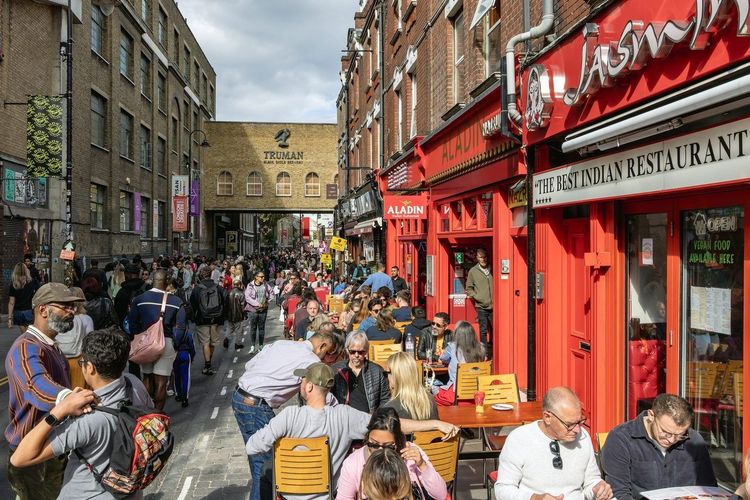
London's Indian food scene, rooted in a century of migration and still evolving, ranges from quick takeaway curry houses to destination-worthy restaurants; Milbank Spice near Westminster is a solid, unfussy option if you want the real thing without a reservation. Brick Lane in the East End remains the classic curry-house strip, though quality varies more than the neon signs suggest.
Elsewhere, Portuguese custard tarts have become something of a London obsession over the past decade, and Café de Nata does a version worth the short queue. Humble Crumble, a small chain built entirely around warm fruit crumble and ice cream, shows up at most of the city's food markets and makes an easy, cheap dessert stop between sightseeing.
For a longer list organized by neighborhood, Ryo's guide to London's culinary specialties goes deeper into where locals actually eat versus where the queues are longest.
Day Trips from London
London makes an unusually good base for day trips; most of England's biggest names outside the capital sit within two hours by train.
Stonehenge and Bath
Stonehenge, the 5,000-year-old stone circle on Salisbury Plain, is most first-timers' first stop outside London, and it's genuinely worth the roughly two-hour journey (train to Salisbury, then a connecting bus, or a direct coach tour) despite the crowds. Timed entry runs from around £25-30 depending on the day and includes an audio guide covering the leading theories on how, and why, it was built.
Combine it with Bath, another 45 minutes on, for the more complete day: Roman Baths built around natural hot springs nearly 2,000 years ago, Georgian crescents of honey-colored stone, and a compact center walkable in an afternoon. Booking a combined Stonehenge-and-Bath day tour in advance, rather than stitching the trains together yourself, saves enough time to actually enjoy both stops rather than rushing between platforms.
Cambridge
Cambridge is the easiest day trip on this list logistically: under an hour by direct train from King's Cross, with departures roughly every 30 minutes. The university's colleges, several open to visitors for a small fee, define the town, and punting on the River Cam past King's College Chapel is the one activity worth booking ahead rather than winging it.
King's College Chapel itself, with its fan-vaulted ceiling completed in 1515, is worth the entry fee alone even for visitors who don't usually seek out churches. Book your Cambridge activities, particularly punting tours in summer, at least a few days ahead; slots fill fast on weekends.
Canterbury and the White Cliffs of Dover
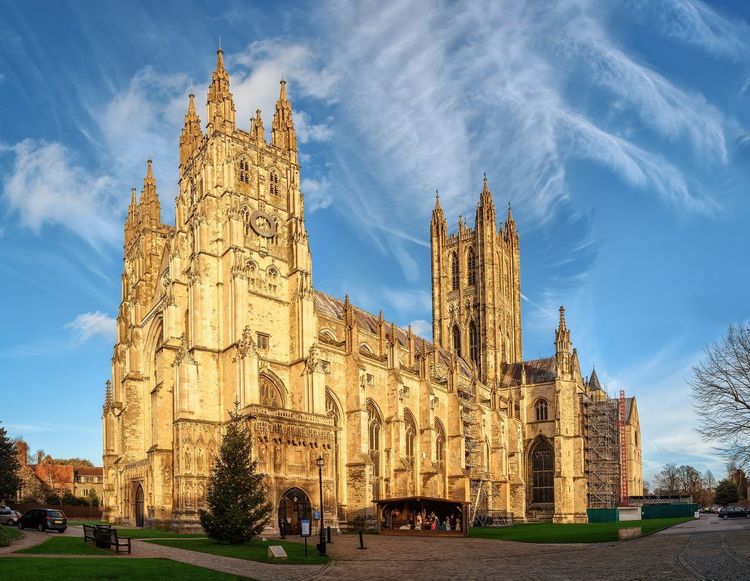
Canterbury, an hour by high-speed train from St Pancras, centers on its cathedral, the seat of the Church of England since 597 AD and the site of Thomas Becket's 1170 murder, still one of English history's most dramatic episodes. The medieval old town around it is compact enough to cover on foot in a couple of hours.
Push on another 20 minutes by connecting train or bus and you reach the White Cliffs of Dover, chalk cliffs rising over 100 meters straight from the Channel with views across to France on a clear day. It's a longer day than Cambridge or even Stonehenge, so booking a day trip tour that handles the connections is worth the extra cost if your schedule is tight.
Sample London Itineraries: 3 Days, 5 Days and a Full Week

However long you've got, the sections above slot together into a few sensible sequences. Here's how to combine them without doubling back across the city.
A 3-Day London Itinerary
Day 1: Westminster and Royal London in the morning (Big Ben, Westminster Abbey, Buckingham Palace for the Changing of the Guard if it's running), then cross to the South Bank for the London Eye and a riverside walk toward Borough Market for a late lunch.
Day 2: The Tower of London first thing, before the crowds build, then Tower Bridge and a walk into the City toward St Paul's. Spend the afternoon at the British Museum, then dinner in Covent Garden before a West End show.
Day 3: South Kensington's museums in the morning (pick one or two, not all three), then Hyde Park and Notting Hill for the afternoon, finishing with Camden Market or the Regent's Canal towpath if you've got the energy left.
5 Days in London
Add two days to the 3-day plan above: one full day trip (Stonehenge and Bath work well together, or Cambridge if you'd rather keep the day shorter), and one flexible day to slow down, revisit whichever neighborhood you liked best, and fit in the shopping or market stops you skipped the first time round.
This is also the point where booking a second museum morning, the V&A alongside the Natural History Museum, say, starts to make more sense than cramming both into one rushed visit.
A Full Week in London
A full week lets you add a second day trip (Canterbury and the White Cliffs, or Cambridge if you didn't already fit it in) and properly explore one neighborhood beyond the standard checklist; Notting Hill or Shoreditch both reward a slower half-day. It's also worth reserving one evening entirely unplanned. Some of London's best evenings happen in a pub someone recommends on day four, not on a pre-booked itinerary.
How Much Does a Trip to London Cost
London has a reputation for being expensive, and the reputation is fair, though a first-time visitor can still manage a reasonable trip with some planning. Here's a realistic daily breakdown per person, mid-range travel style, for 2026.
Accommodation: £90-160/night for a mid-range hotel in a central neighborhood, £40-70 for a hostel bed, £150-300+ for anything four-star or above in Westminster or Mayfair.
Food: £35-50/day covers a market lunch, a casual dinner and a coffee or two; budget travelers can get this closer to £25 by leaning on markets and pub lunches, while a sit-down dinner with drinks easily doubles it.
Transport: around £9/day for Zone 1-2 travel capped through contactless tap-in, plus £13-25 for airport transfers each way.
Attractions: the big paid sights add up fast. The Tower of London (around £35), Westminster Abbey (£31), the London Eye (£30-40) and St Paul's (around £27) alone total over £120 per person if you do all four; the free museums, the British Museum, Natural History Museum and V&A among them, help balance that out considerably.
Adding it up, expect roughly £150-220 per person per day for a comfortable mid-range trip, closer to £100-130 if you lean on free museums, market food and public transport, or £300+ per day if you're staying in four-star hotels and doing West End shows. A 3-day trip for two people, mid-range, lands somewhere around £900-1,300 total before flights.
A few adjustments move the needle more than others. Booking Westminster Abbey and the Tower of London online in advance rather than at the gate saves 10-15% on both. A combo pass or city card only pays off if you're visiting four or more paid attractions in a short window; for a typical 3-day trip leaning on the free museums, it usually isn't worth the upfront cost. And eating one proper sit-down meal a day rather than three keeps food costs closer to the lower end of that £35-50 range without feeling like you're skimping.
Practical Tips for First-Time Visitors
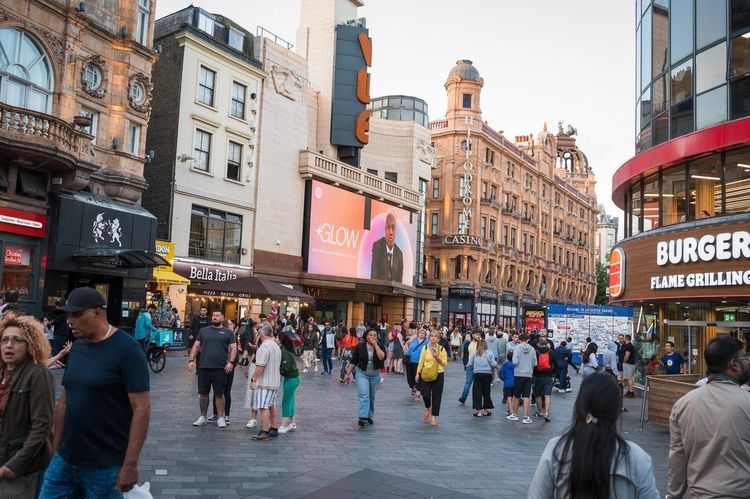
A handful of small local quirks trip up first-time visitors more than anything on this list. Pronunciation is one of them: Leicester Square sounds like Lester, Southwark comes out as Suth-uck, and Greenwich drops its w entirely to become Gren-itch. Nobody will correct you, but getting it right earns a small nod of approval from station staff.
Mind the gap, the recorded Tube warning about the space between the platform and the train, is not a formality. Several older stations have a genuinely awkward step down, particularly on the Circle and District lines, and distracted tourists account for a disproportionate share of minor Tube mishaps.
Tipping is lighter than in the US: 10-12.5% at sit-down restaurants (check your bill first, since service is often already added), nothing expected at pubs or for counter service, and rounding up for taxis rather than a fixed percentage. Safety-wise, London is generally safe for tourists, though pickpocketing around Oxford Street, on crowded Tube carriages and near major attractions is common enough to warrant a zipped bag and a bit of normal vigilance rather than paranoia.
Finally, London works well as a hub for wider UK and European trips; both St Pancras (Eurostar to Paris and Brussels) and the major airports put you within a few hours of a dozen other countries, so it's worth considering whether to bookend your London stay rather than treating it as an isolated visit. For everything above, from Tube etiquette to which neighborhood to sleep in, our Ryo app works as a practical companion once you land, without needing signal or a paper map at every turn.




FAQ
What is the best area to stay in London for first-time visitors?
Westminster if you want to walk to the major sights, South Kensington if museums are the priority, or Covent Garden and Bloomsbury if you'd rather split the difference and stay centrally without committing to one side of the city. All three put you within 20 minutes of the others by Tube.
How many days do you need in London for a first visit?
Three days covers the essentials (Westminster, the Tower, the South Bank, one museum), five days adds a day trip and breathing room, and a full week lets you add a second excursion and actually slow down in a neighborhood you liked.
Is London expensive to visit in 2026?
It can be, but it doesn't have to be. A mid-range trip runs roughly £150-220 per person per day; leaning on London's free museums, market food and capped public transport fares brings that closer to £100-130 without cutting much from the experience.
How do I get from the airport to central London?
From Heathrow, the Elizabeth line reaches central London in 30-45 minutes for around £13. From Gatwick, the Gatwick Express takes about 30 minutes to Victoria. Both beat a taxi on price and, usually, on time as well.
Do I need a visa or ETA to visit London?
Most visitors who don't need a visa, including EU, US, Canadian and Australian travelers, now need a £20 Electronic Travel Authorisation applied for online before departure. Only British and Irish passport holders are exempt. Check requirements for your specific nationality a few weeks before travel, since rules have shifted in recent years.
What is the best way to get around London as a tourist?
The Tube covers long distances fastest, buses are better for short hops and sightseeing, and central London is surprisingly walkable between neighborhoods. Tap a contactless card on both, skip the Oyster card for a short stay, and stick to Zone 1 for nearly everything on a first visit.
When is the best time of year to visit London?
April to early June and September into October offer the best balance of mild weather, thinner crowds and lower prices. Peak summer (July-August) is warmest but busiest and priciest; December has its own charm despite the cold, particularly around Christmas lights and ice rinks.
London rewards a first-time visitor who plans loosely rather than rigidly. Book the big-ticket entries (Westminster Abbey, the Tower of London, your West End show) ahead of time, leave the rest of each day open enough to follow a street performer, an unplanned market stall or a pub someone recommends, and you'll come away with a trip that feels like your own rather than a checklist ticked off in order.
If there's one thing worth doing before you land, it's loading up a route that ties the big landmarks together without the guesswork. Ryo's full London audio tour covers Westminster, the Tower, the South Bank and the City in one continuous walk, narrated stop by stop, so your first days in the city go toward actually seeing it rather than figuring out which direction to walk next.