© Shutterstock
 Votre guide Ryo
London in 2 Days: A Realistic 2026 Itinerary
London rarely apologizes for being too big. A dozen mainline rail terminals, 32 boroughs and more than 170 museums sit inside a city most first-time visitors try to see in 48 hours, which sounds reckless until you realize that London in 2 days is exactly how the majority of travelers actually do it, and precisely what Ryo's audio-guided tour of London is built around: a single walking route that strings the essentials together instead of forcing you to choose between them.
Over the itinerary mapped out below, you will stand where the King's Guard changes on only a few set mornings a week, walk past an abbey that has crowned English monarchs since 1066, cross a bridge whose road decks still lift for passing ships, and decide whether a sightseeing pass beats simply leaning on the capital's free national museums. You will also get neighborhood picks for a short hotel stay, a realistic budget, transport shortcuts from the airports and a handful of add-ons for anyone who ends up with a spare afternoon. None of this requires six days or a rental car. It requires knowing which mornings matter and which afternoons can be skipped.
Is 2 Days Enough to See London?
Two days is enough to see London's core, not all of London. You will comfortably cover royal Westminster, the West End and the historic City/South Bank corridor, which is where most first-time visitors actually want to spend their time anyway. What you will not do is add Kew Gardens, Greenwich, Windsor or a proper half-day at the British Museum without cutting something else.
The trick is accepting a trade-off early rather than discovering it at 4pm on the first afternoon. Pick one flagship interior per day (Westminster Abbey on Day 1, the Tower on Day 2, with St Paul's as an optional bonus) and treat everything else as a walk-by with the option to go inside only if the queue is short. That single rule is what keeps this 2-day London itinerary realistic instead of aspirational.
A useful way to split the weekend: Day 1 is royal and theatrical, Day 2 is medieval and riverside. The two halves barely overlap geographically, so you never backtrack across the city, and each one ends in a neighborhood where dinner and a show are a short stroll away.
Planning Your 2 Days: Best Time to Go and What to Book First
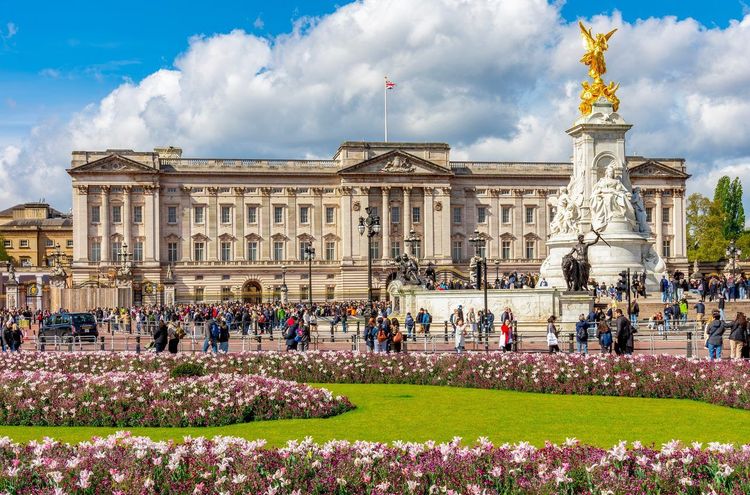
Check which days you're visiting before you fix the order of your itinerary. The Changing of the Guard at Buckingham Palace does not run daily: it starts at 11am on set days only (Monday, Wednesday and Friday in autumn 2026, with extra dates in late spring and summer), and it is cancelled in heavy rain or for state events. Confirm the official calendar the week you travel and build your Day 1 morning around it rather than around a time slot you assumed would work.
Essentials to book before you read on: Tower of London tickets (timed entry, regularly sold out on weekends), Westminster Abbey (also timed entry, closed to sightseeing on Sundays because of services), and any West End show you want for either evening. If you are traveling in July or August, book these a minimum of three to four weeks out; for a quieter shoulder-season visit, one to two weeks is usually enough.
Season matters more than people expect. May, June and September give you long evenings and fewer school groups; December brings Christmas lights along Regent Street and Covent Garden but also short days, with sunset before 4pm, which squeezes outdoor sightseeing hard.
If you're weighing a prepackaged 2-day London tour package against building your own route, know that most of those packages bundle a hop-on-hop-off bus pass with a handful of paid attractions, which works if you want zero planning but tends to cost more than booking the same sites individually.
Before locking in hotel and ticket bookings, map the actual walking order you'll follow, since a lot of first-time visitors book attractions in a sequence that sounds good on paper but doubles their walking distance. Loading Ryo's audio tour of London onto your phone before you leave home solves that part in advance: the stops are already sequenced into a route, so you're adjusting a plan rather than drawing one from scratch at the airport.
Where to Stay in London for a Short Trip
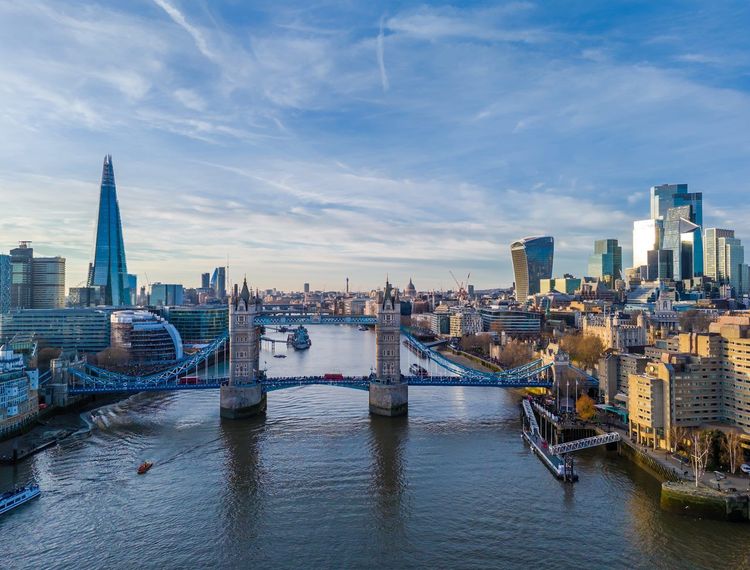
Where to stay in London for a quick trip comes down to one variable: how much walking you're willing to do between the royal/West End loop and the City/South Bank loop. Three neighborhood clusters cover nearly every realistic budget and location preference.
Covent Garden and the West End
This is the best area to stay if you want to walk out the door straight into Day 1's route. Covent Garden itself sits a 10-minute walk from Trafalgar Square and inside the theatre district, so an evening show means no Tube ride home. Expect higher nightly rates here than almost anywhere else in the center, and request a room away from the Piazza's street performers if you're a light sleeper.
Westminster and Victoria
Quieter and slightly cheaper, this cluster puts you within walking distance of Westminster Abbey and the Houses of Parliament, with Victoria station nearby for easy access to Gatwick trains and multiple bus and Tube lines. It suits travelers who want the postcard sights on their doorstep but don't need to be in the middle of West End nightlife.
South Bank and the City
Staying here flips the logic: you wake up inside Day 2's route, with the Tower, Borough Market and St Paul's a short walk or one Tube stop away, and you cross the river into Day 1 territory on foot over one of several bridges. South Bank hotels also tend to offer better value for the view, since you're paying for riverside proximity rather than West End prestige. Weekend rates in the City often drop, too, because the business travelers who fill these hotels midweek have gone home.
Day 1: Royal London, Westminster and the West End
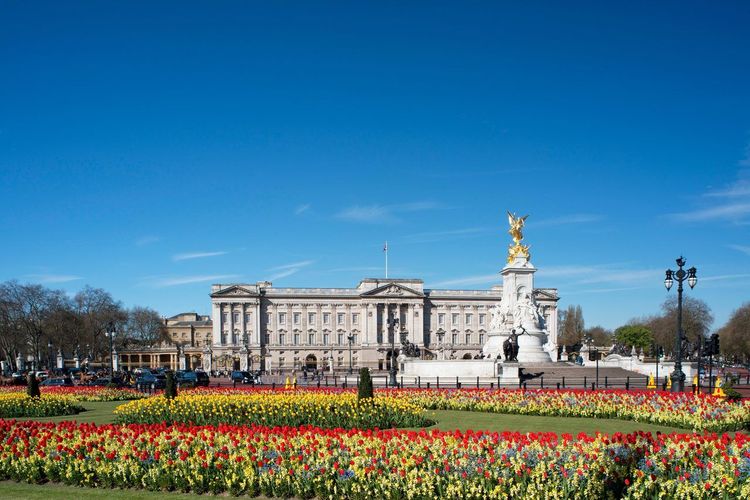
Day 1 follows a straightforward west-to-east arc: start at the palace, finish in Soho after dark. Budget a full day on your feet, with a lunch break somewhere around the Covent Garden (Covent Garden, London WC2E 8RF) stretch.
Buckingham Palace, the Mall and the Changing of the Guard
Arrive at Buckingham Palace) by 10:15am if you want a reasonable view of the Changing of the Guard, which draws dense crowds along the railings even on a drizzly Wednesday. The ceremony itself runs about 45 minutes, and the best unobstructed sightlines are from the Victoria Memorial steps rather than directly at the gates.
If the schedule doesn't align with your dates, walk The Mall instead, the wide ceremonial avenue connecting the palace to Trafalgar Square (Trafalgar Square, London WC2N 5DN), lined with plane trees and flags. Cut through St James's Park) on your way east: it's the oldest of the royal parks, with pelicans that have lived there since 1664, a gift from a Russian ambassador, and a lake view back toward the palace that photographs better than the palace gates themselves.
Westminster Abbey, Big Ben and Parliament Square
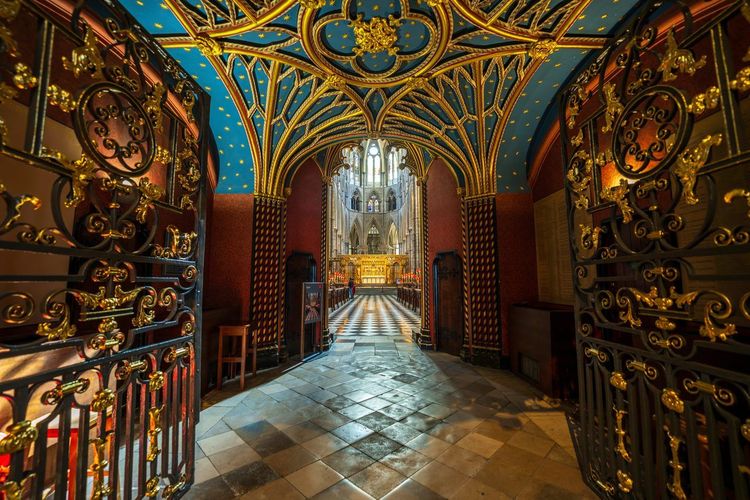
From St James's Park, it's a 10-minute walk to Parliament Square, the hub where Westminster's most photographed landmarks cluster within a few hundred meters of each other. Westminster Abbey) anchors the square's west side; book a timed entry if you want to see the Coronation Chair and the graves of Darwin, Newton and a long line of monarchs, and allow 90 minutes minimum once you're inside.
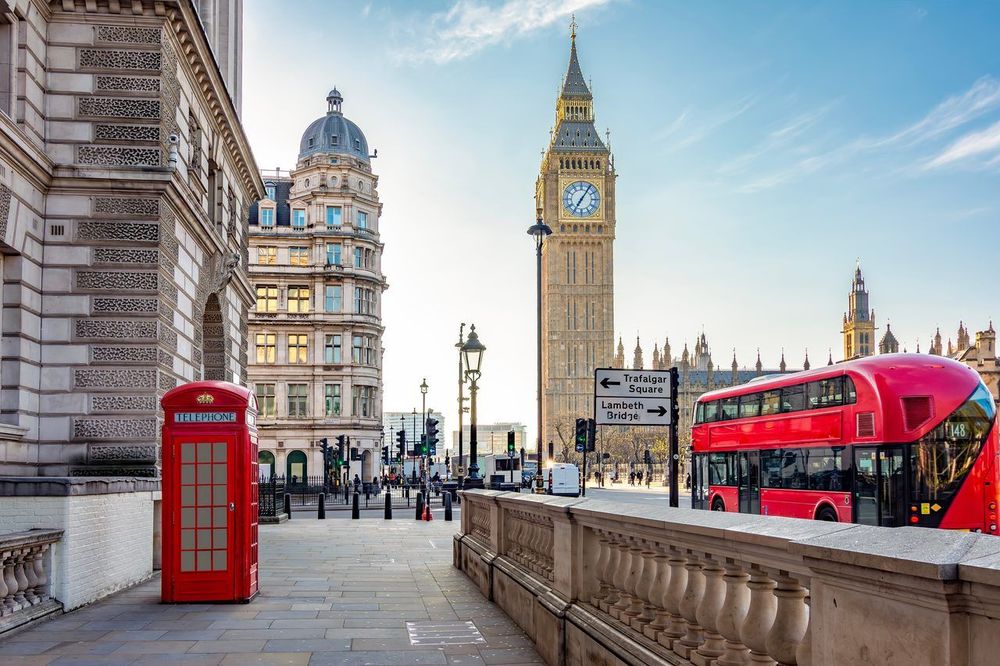
Across the road, the Houses of Parliament and its clock tower, universally known as Big Ben) though that name technically belongs only to the bell, make for the single most recognizable skyline shot in the city. Walk onto Westminster Bridge for the classic angle, with the London Eye framed on the opposite bank.
A short detour up Whitehall passes Downing Street, gated and guarded but visible from the railings, before you reach Trafalgar Square. Few visitors realize how close these three landmarks sit to each other; it's a 15-minute loop on foot, not a logistics problem.
Trafalgar Square and Covent Garden
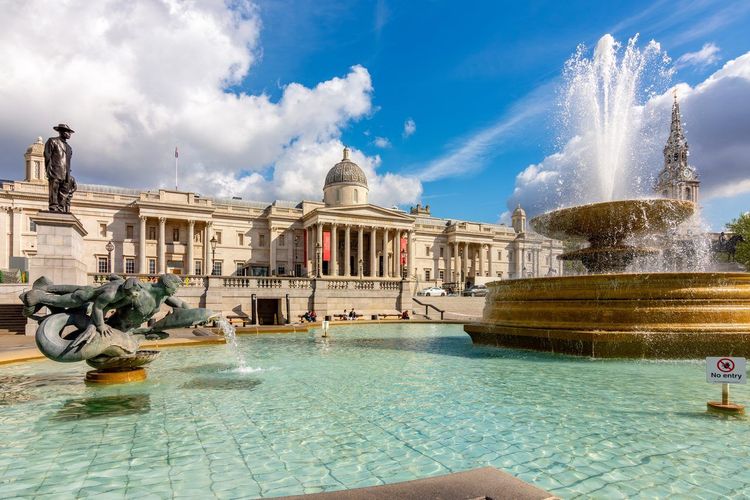
Trafalgar Square marks the spot from which road distances to London are traditionally measured, crowned by Nelson's Column and watched over by the free-to-enter National Gallery, home to Van Gogh's Sunflowers and works spanning seven centuries of European painting. Even a 30-minute walk through two or three rooms is worth the detour given the zero admission cost.
From there, it's a 10-minute walk up to Covent Garden, where the old flower market hall now houses boutiques and street performers circle the central Piazza all afternoon. Grab lunch here: Dishoom) draws a queue most of the day for its Bombay-café menu, while Arome Bakery nearby is a faster, cheaper option if you'd rather keep moving.
Piccadilly Circus, Chinatown and Soho by night
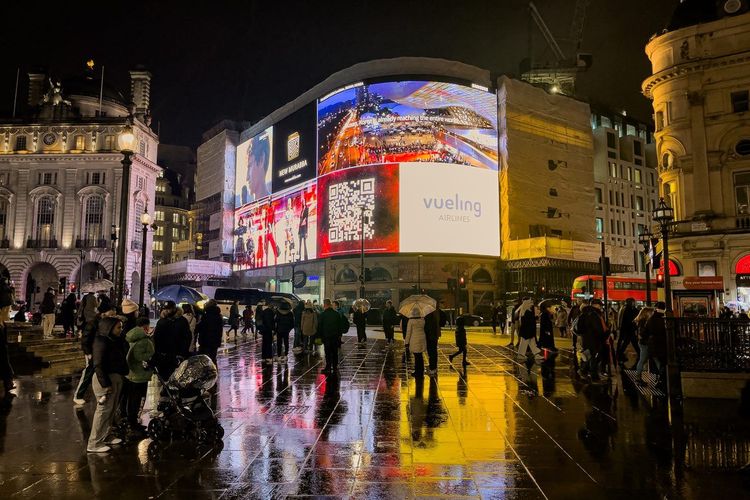
As afternoon turns to evening, walk 10 minutes west to Piccadilly Circus (Piccadilly Circus, London W1J 9HS), the capital's neon-lit answer to Times Square, then drift through Leicester Square) toward Chinatown, where red lanterns and steam-filled restaurant windows signal you've reached the edge of Soho. Bun House (41 Greek St, London W1D 4EH, rated 4.5/5 on Google (5 335 avis)) is worth the short wait for its fluffy Cantonese bao if you haven't eaten since Covent Garden.
This is also your natural window for an evening show if you booked one during the planning stage above. The exact route you just walked, palace to park to abbey to square to market to Soho, is the same spine Ryo's audio-guided tour of London follows stop by stop, with a short story triggered at each landmark so you're not pausing to read plaques while the Changing of the Guard crowd pushes past you.
Day 2: The Tower, the City and the South Bank
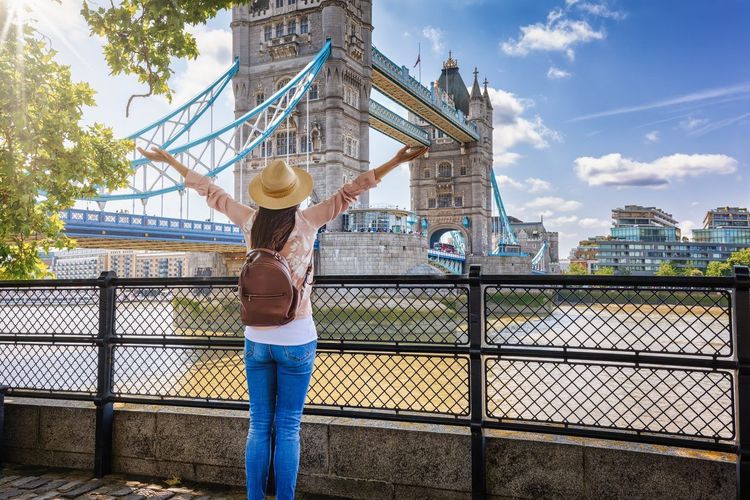
Day 2 trades royal pageantry for medieval and Roman London, with a river view running through almost every stop. Start east, finish on the river at sunset.
Tower of London and Tower Bridge
Arrive at the Tower of London) as close to opening as your hotel allows; this is the one attraction on the whole itinerary worth 2.5 to 3 hours, between the Crown Jewels, the White Tower begun under William the Conqueror and a Yeoman Warder tour that's included in your ticket and worth timing your arrival around. Head to the Jewel House first, before the tour groups arrive, and catch a Beefeater tour afterward.
Step outside and Tower Bridge) is immediately in view. Its bascules, the two halves of the roadway, still lift for tall ships on a published schedule, so check it before you walk across and you might catch the lift happening right above you. The glass walkway between the towers is a paid add-on and, honestly, skippable if your time is tight.
Borough Market and the South Bank walk
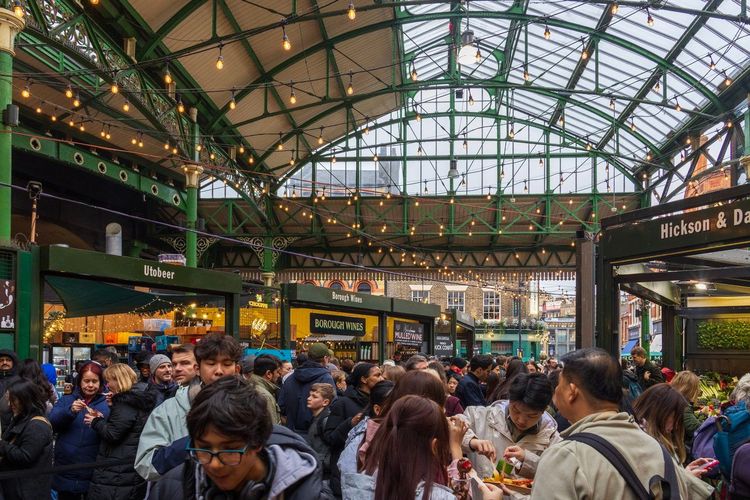
Cross the river and walk 20 minutes along the south bank, past HMS Belfast and City Hall's old site, to reach Borough Market), one of the oldest food markets in the city and the single best lunch stop on this route. Stalls rotate, but expect artisan cheese, wood-fired pizza and more than one stall claiming the city's best scotch egg.
From the market, the South Bank walk runs west along the Thames past Shakespeare's Globe, secondhand book stalls under Waterloo Bridge and skater kids at the undercroft near the Royal Festival Hall. It's flat, scenic and the easiest 90 minutes of walking in the entire plan.
St Paul's Cathedral and the view from the Shard
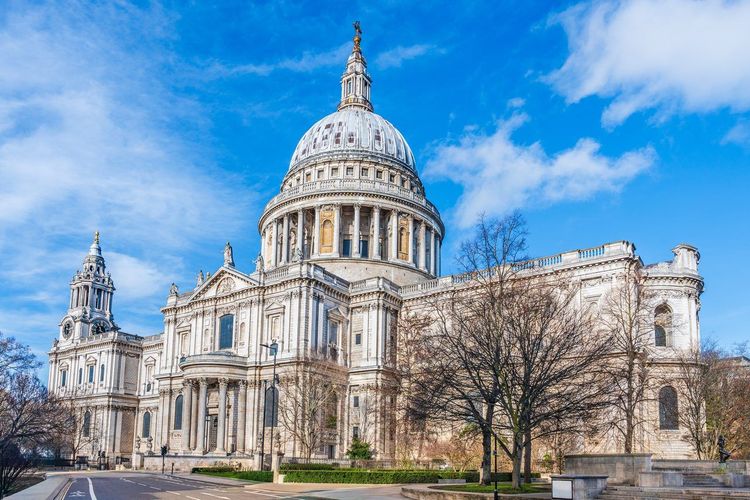
Cross the Millennium Bridge from Tate Modern to reach St Paul's Cathedral), Christopher Wren's dome still dominating the City skyline more than 300 years after it was finished. Climb to the Whispering Gallery if your legs have anything left; the acoustics trick alone is worth the 257 steps.
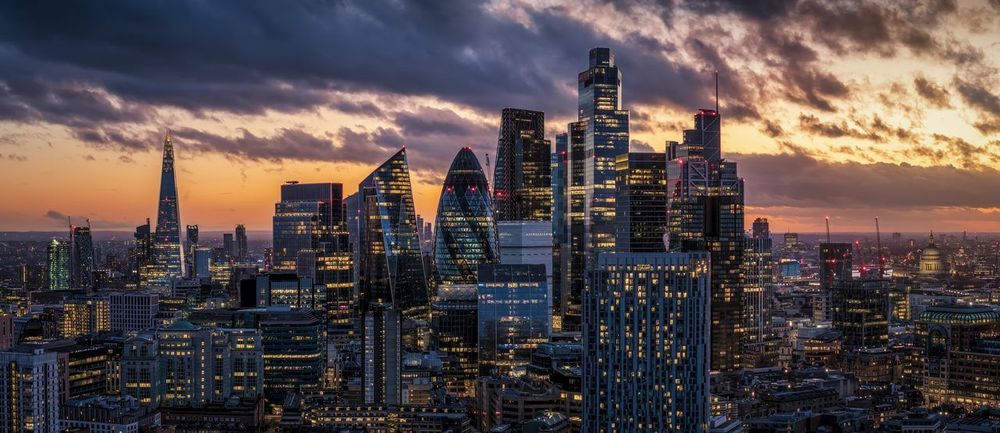
For an alternative or an add-on, The Shard) rises from the south side near London Bridge station, and its viewing platform stays open later than most daytime attractions, making it a solid late-afternoon pivot if the St Paul's queue is long. Budget-conscious travelers often swap the paid viewing deck for the free Sky Garden (1 Sky Garden Walk, London EC3M 8AF, rated 4.6/5 on Google (78 398 avis)) instead, a few minutes away in the City; entry is free but slots must be booked online, and they go quickly.
If you have an extra hour, detour into Leadenhall Market, a Victorian covered arcade that stood in for Diagon Alley's surroundings in the first Harry Potter film and one of the prettiest spots in the City even if you've never seen the films.
Evening: London Eye, dinner or a West End show
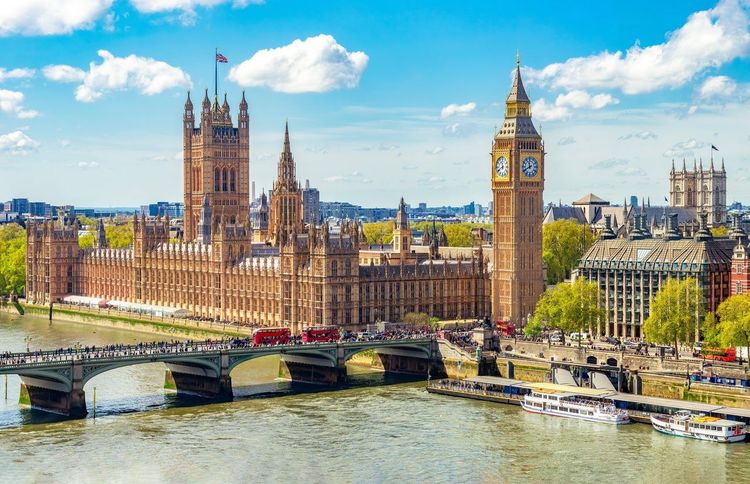
As the day winds down, you have three reasonable options and no need to force all of them in. Ride the London Eye (Riverside Building, County Hall, London SE1 7PB) for a sunset view back over Westminster, book an early dinner somewhere along the river, or head back into the West End for the show you booked. This is also the stretch Ryo's City of London audio tour covers in detail, blending Tower Bridge, Borough Market and St Paul's with short audio anecdotes about Roman walls and medieval guilds, useful on exactly the part of the day that's more spread out than Day 1's tighter loop: Ryo's audio-guided tour of the City of London.
Is the London Pass Worth It for Two Days?
The London Pass bundles entry to dozens of paid attractions into one flat fee, and whether it's worth it for this route comes down to simple math. Standard adult tickets bought online run roughly £35 for the Tower and around £30 for Westminster Abbey, so those two alone already cover a large share of a two-day pass. If you add Tower Bridge's walkway, a river cruise or St Paul's, the pass usually tips into savings around the third or fourth attraction, not the first.
If you're mostly walking past free landmarks (the Parliament exterior, Trafalgar Square, Borough Market) and paying for just one or two interiors, skip it. A pass also nudges you into rushing: you'll feel obliged to squeeze in a fifth site at 5pm when a pint by the river would serve you better.
Without the pass, buy Tower and Westminster Abbey tickets directly through their official sites rather than third-party resellers, since official tickets are usually cheaper and come with guaranteed timed entry. Either way, book your top one or two paid attractions before arrival: the pass doesn't skip the entry-time booking requirement at the busiest sites.
Where to Eat in London: Markets, Classics and Quick Bites

Good eats for a short visit split naturally into two categories: the classics worth seeking out on purpose, and the grab-and-go spots that fit between landmarks without derailing your schedule.
British classics and market food
For a proper sit-down dinner, classic fish and chips at a spot like Poppies delivers the version most visitors picture when they imagine British food, batter-fried and served with mushy peas, usually for fifteen to twenty pounds a plate. A traditional pub lunch, pie and mash or a Sunday roast if your dates allow, rounds out the classics. Borough Market, covered on Day 2, doubles as a meal in itself if you'd rather graze six stalls than sit at one table.
Chinatown and Covent Garden bites
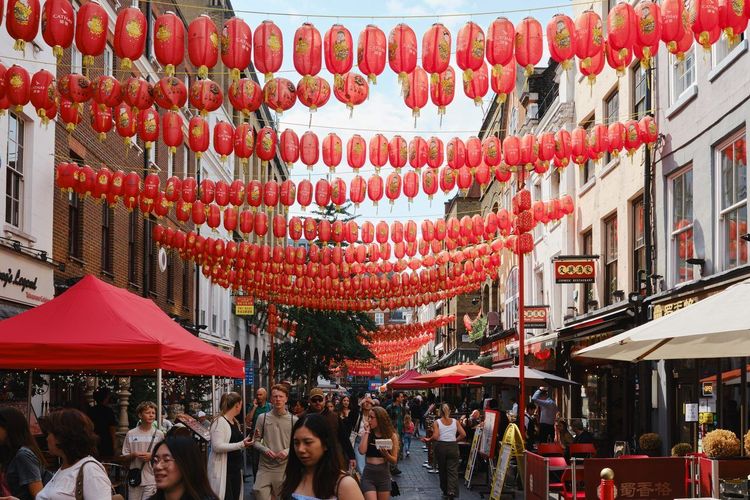
Dishoom, mentioned on Day 1, deserves a second note here: it's one of the few central restaurants where a 45-minute queue for brunch is entirely normal, so go early or go for dinner instead. In Chinatown, Bun House and a handful of nearby bakeries sell bao and egg tarts for under six pounds, ideal if you're trying to keep the first evening light before a show. Arome Bakery, tucked just off Covent Garden's main piazza, is a reliable fallback for a pastry and coffee if every sit-down option nearby has a line out the door.
The pattern that works best: one real sit-down meal per day, and everything else grabbed from a market stall or bakery counter. It keeps your itinerary moving and, frankly, matches how a lot of Londoners eat lunch during the week anyway. If you want one indulgent ritual, slot in afternoon tea on Day 1, scones, clotted cream and finger sandwiches, at a hotel near Piccadilly.
Free Museums and Markets Worth a Detour
The capital's free museums don't fit neatly into a route built around Westminster and the City, but a few are worth a swap if you're willing to trade one landmark for one gallery.
World-class museums you can visit for free
The British Museum) holds the Rosetta Stone and the Parthenon Marbles across galleries that would take a full day to see properly, though a focused 90-minute visit hitting four or five highlight rooms is entirely doable. The Tate Modern), housed in a converted power station on the river, sits right on Day 2's route if you want to add it before crossing to St Paul's rather than planning a separate trip.
South Kensington museums and Kensington Palace
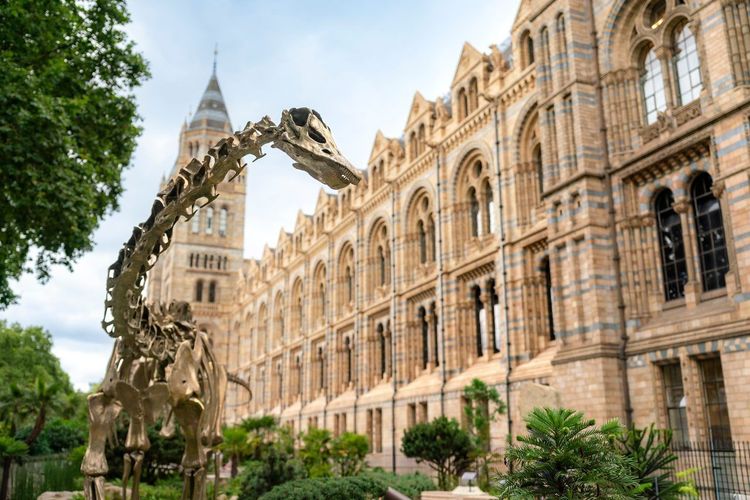
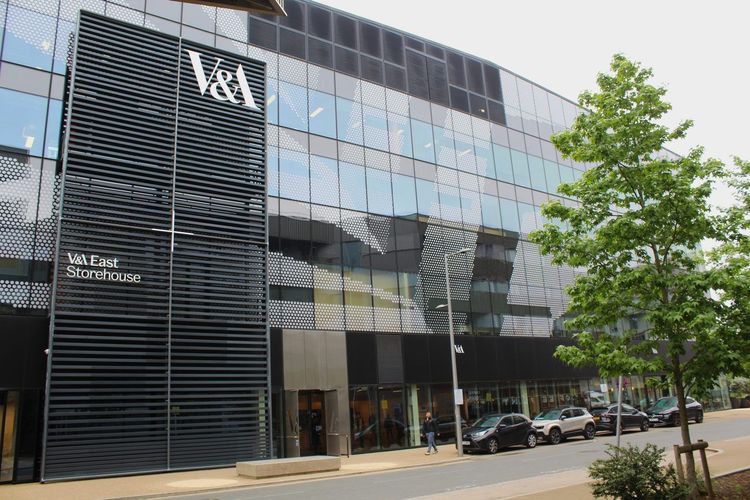
Further west, Exhibition Road lines up three free heavyweights within five minutes of each other. The Natural History Museum) pulls families in for its blue whale skeleton hanging in Hintze Hall; the Victoria and Albert Museum (Cromwell Rd, London SW7 2RL, rated 4.8/5 on Google (68 727 avis)) next door covers fashion, design and decorative arts; and the Science Museum fills the gap for anyone traveling with kids. Pick one, not three, if you only have a morning.
A 15-minute walk north through Kensington Gardens brings you to Kensington Palace), birthplace of Queen Victoria and later home to Princess Diana. Unlike the museums it charges admission, but the sunken garden outside is free to admire and makes a calm finish to a museum morning.
Markets beyond the centre: Portobello and Camden
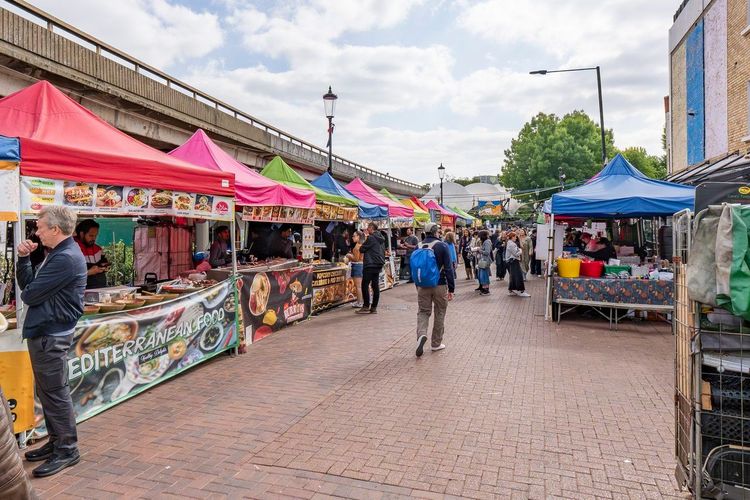
Portobello Market (Portobello Rd, London W11 1LJ) in Notting Hill runs its full antiques-and-vintage spread on Saturdays, so it only makes sense as a detour if your dates line up. Camden Town & Market, further north, opens daily and mixes food stalls, vintage clothing and alternative fashion along the canal, a completely different atmosphere from anything on the core route.
Neither fits comfortably inside Day 1 or Day 2 without cutting something else, so treat both as optional half-day swaps rather than additions.
Cool Things to Do If You Have More Than 2 Days
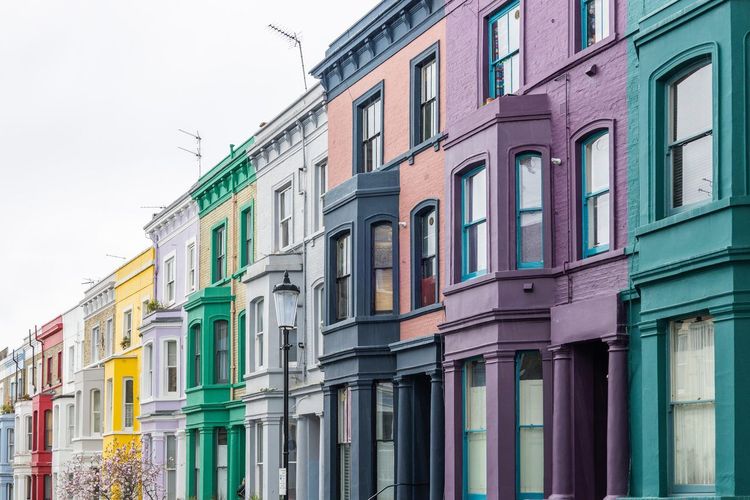
If your trip stretches past 48 hours, a handful of neighborhoods and experiences sit just outside this itinerary's radius and reward the extra time. Notting Hill pairs naturally with Portobello Market, its pastel-colored townhouses worth a slow wander even outside market days. Hyde Park offers rowing boats on the Serpentine and enough green space to forget you're in a capital city at all.
Harrods, in Knightsbridge, is worth a look even if you're not buying, if only for the food halls and the sheer scale of the building. Shoreditch, east of the City, trades royal history for street art, Sunday markets on Brick Lane and a nightlife scene built around converted warehouses.
For something slower-paced, a dinner cruise down the Thames covers much of the same skyline as the riverside walk, from a different angle and with a meal included. Greenwich, reachable by river bus in under an hour, adds the Royal Observatory and the prime meridian to a third morning.
If a third day is on the table, Ryo's Camden Town to Regent's Park audio route picks up almost exactly where this list leaves off, covering the market and canal side of the city that the core plan skips entirely: Ryo's audio-guided tour from Camden Town to Regent's Park.
Evening Entertainment: Theatre, Chinatown and Soho Nightlife
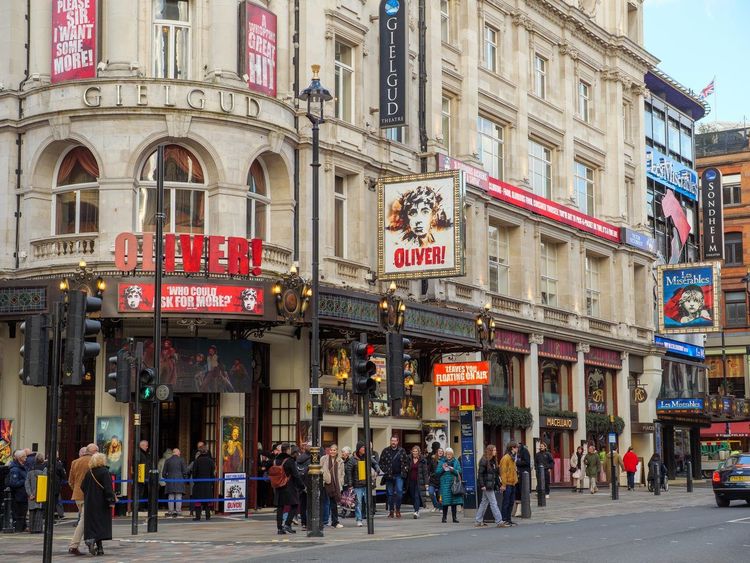
Seeing a musical or play is one of the most-recommended additions to any trip here, and for good reason: the West End runs dozens of shows nightly within a 10-minute walk of Chinatown and Covent Garden, both already on your Day 1 route.
Book ahead for anything popular. Same-day tickets exist, notably at the TKTS booth in Leicester Square or through day-seat lotteries, but they tend to go for the cheap seats or sell out for hit shows entirely. A 7:30pm curtain fits naturally after Day 1's Soho dinner, or after Day 2's evening on the river if you'd rather save theatre for your second night.
Not a theatre person? Soho's pubs and cocktail bars stay busy until late, and a pint at a historic pub such as the Lamb and Flag near Covent Garden is the low-effort alternative.
Getting Around London in 2 Days
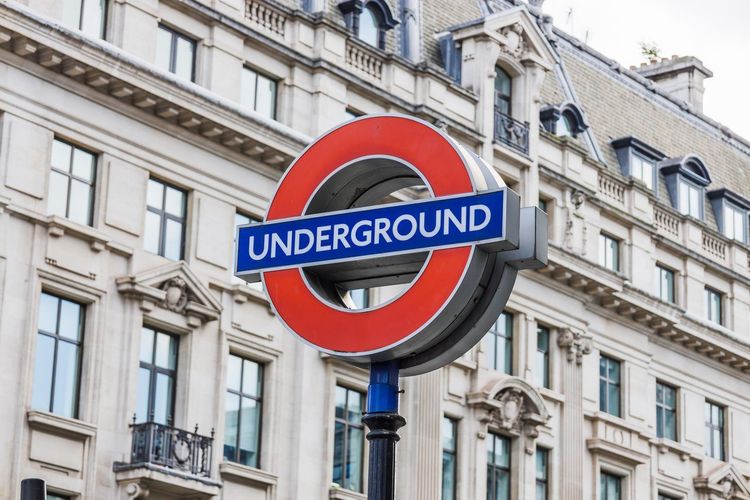
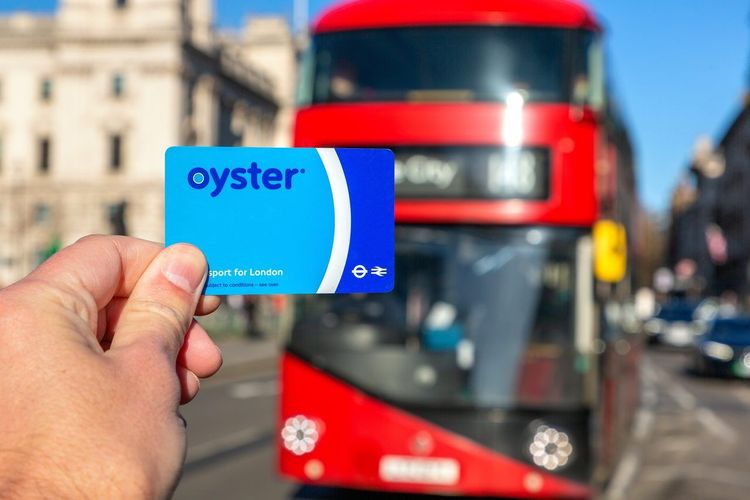
Pick one payment method and stick with it: a contactless bank card taps in and out of the Tube, buses and the Overground just like an Oyster card, with the same daily fare cap, so there's rarely a reason to buy a separate Oyster card for a short visit. Use the same card or phone every time, otherwise the cap won't apply.
Getting in from the airport depends on which one you land at: the Heathrow Express reaches Paddington in 15 minutes, the Elizabeth line runs a cheaper service straight into the center, Gatwick Express reaches Victoria in around 30 minutes, and both express trains cost considerably more than the slower alternatives if you're not in a rush.
Walking covers most of Day 1 (Buckingham Palace to Soho is under three miles total) and most of Day 2 as well, with the Tube filling gaps longer than 20 minutes on foot, like the jump from the Tower area back toward the West End for an evening show. The Uber Boat by Thames Clippers river bus is a scenic bonus: tap the same contactless card and ride from Tower pier to Westminster with the skyline sliding past.
How Much Does 2 Days in London Cost?
The answer depends on how many paid interiors you add to a route that's otherwise free to walk. On a tight budget, expect roughly £80 to £120 per day covering a hostel bed or budget hotel room, Tube fares, one market meal and one cheap sit-down dinner, skipping most paid attractions beyond a single essential one.
A mid-range version, the one most readers will land on, runs closer to £150 to £220 per day once you add a mid-range hotel room, the Tower, Westminster Abbey, two proper restaurant meals and transport. Comfortable budgets, with better hotels, the pass, a West End show and taxis instead of the Tube for longer legs, can easily reach £300 or more per day.
The single biggest lever on cost is accommodation, not attractions; a hotel in zone 1 can cost double the same standard of room a 15-minute Tube ride out in zone 2 or 3, which is worth weighing against the convenience covered in the hotel section above.
Practical Tips: Packing, Insurance and Staying Connected
Footwear comes first: this itinerary covers six to eight miles of walking per day, so broken-in shoes matter more than any single outfit choice. Layer for unpredictable weather year-round; a light rain jacket beats an umbrella on a windy riverside walk. Bring a UK plug adapter (type G) if you're coming from continental Europe or North America.
Don't skip travel insurance. A short trip doesn't reduce the risk of a lost bag or a missed connection, only the number of days you'd be covered for, and if your home country's health coverage doesn't extend to the UK, a single urgent-care visit can cost more than the policy.
If rain sets in, you don't have to scrap the plan, just reshuffle it. Swap the South Bank stroll for a covered stretch: the British Museum's Great Court, the Tate Modern Turbine Hall or the Victorian arcade of Leadenhall Market all keep you dry while staying close to the route. Westminster Abbey and St Paul's work as rainy-hour anchors too, since you'll spend most of the visit indoors anyway. Save the outdoor highlights, Tower Bridge, the Mall and the riverside walk, for whichever half-day the forecast looks brightest, and keep a compact umbrella in your bag for the short dashes between stops.
Get cell data sorted before you land, either an eSIM activated in advance or a physical SIM at the airport, so maps and transport apps work the moment you step off the train. If you've booked private transfers for arrival or departure, confirm pickup details the night before; traffic in the center makes a 10-minute cushion essential, not optional.



FAQ
Is 2 days enough to see London?
Yes, for the core sights: royal Westminster, the West End and the City/South Bank corridor. You'll need a return trip for Greenwich, Kew Gardens, Windsor or a full day at any single museum.
What is the best area to stay in London for a short trip?
Covent Garden or the West End if you want to be inside Day 1's route and near evening shows; South Bank or the City if you'd rather wake up inside Day 2's route and closer to the Tower.
How much does 2 days in London cost?
Budget travelers can get by on roughly £80 to £120 per day; a mid-range trip covering the Tower, Westminster Abbey and two restaurant meals typically runs £150 to £220 per day.
Is the London Pass worth it for 2 days?
It pays off once you're adding three or four paid attractions on top of free landmarks. For just the Tower and Westminster Abbey, compare the pass price directly against buying both tickets separately first.
Can I see the Changing of the Guard during my 2 days in London?
Only if your dates line up: the ceremony starts at 11am on set days (Monday, Wednesday and Friday in autumn 2026, more often in summer), so check the official calendar before fixing your Day 1 morning around it.
How far in advance should I book London attraction tickets?
Book the Tower and any West End show first, three to four weeks out in peak summer season, one to two weeks out in shoulder season. Westminster Abbey timed entry can usually be booked a little closer to your travel date.
What should I not miss in London in 2 days?
Westminster Abbey or the Parliament exterior, the Tower, and one proper sit-down meal, whether that's Borough Market or a classic fish and chips dinner. Everything else on this itinerary is flexible around those three.
A weekend in the capital asks you to commit to a route rather than a wish list, and the itinerary above is built so that committing doesn't feel like missing out. Royal Westminster on Day 1, the Tower and the river on Day 2, with the pass math, hotel picks and a realistic budget filling in the gaps between landmarks.
If you'd rather walk the route with a guide in your pocket than a map in your hand, Ryo's audio-guided tour of London follows this exact Westminster-to-Tower arc stop by stop, which means the planning above is already done the moment you land.