





Walk
The Proud Capital of Wallonia
Namur, Belgium
Walk
The Proud Capital of Wallonia
Namur, Belgium
3.7 km
Distance
1h30
Durée
20
Audios
Loop
Parcours
Shutterstock
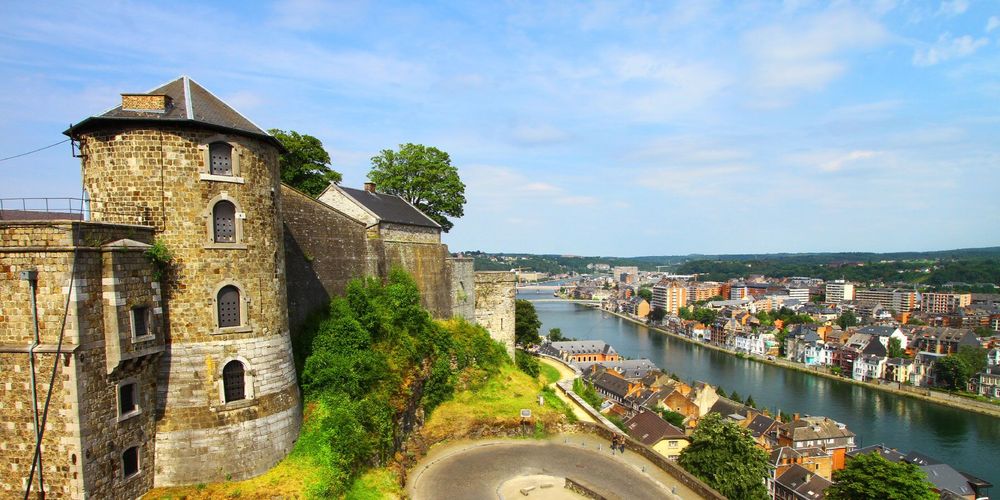
The Citadel of Namur is the flagship attraction of the Walloon capital, an immense fortress perched above the confluence of the Sambre and the Meuse. The Namur audio-guided tour stops here to evoke this emblematic site, a place of promenade, history and panoramas.
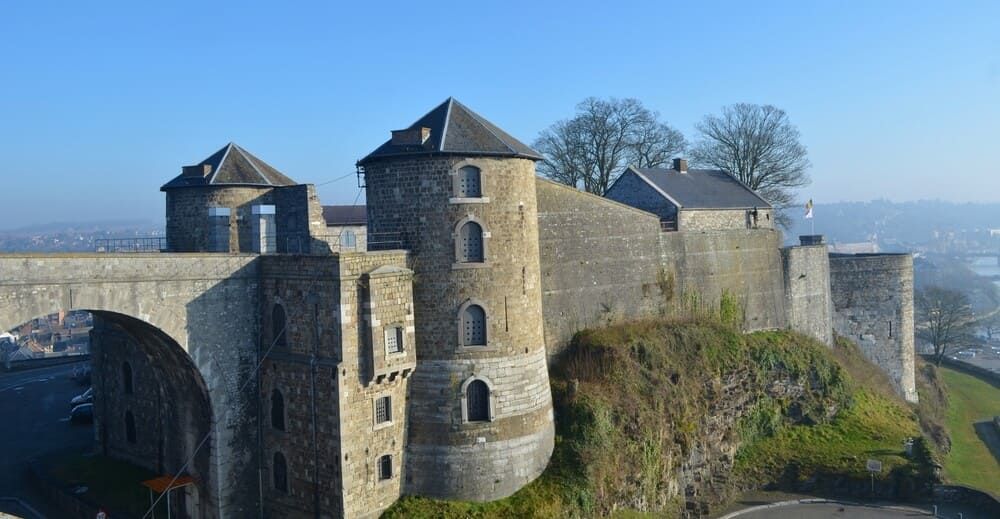
The citadel is the must-see attraction of Namur, and one of the most impressive of Belgium. Perched on a rocky spur, it dominates the town and the confluence of the Sambre and the Meuse, in a strategic position that made it, for centuries, one of the most disputed fortresses of Europe. Coveted and besieged many times, it was constantly reinforced and altered by the different powers that occupied the region, from the counts of Namur to the Spanish, the Dutch and the French, who marked its fortifications. Today, this vast site, criss-crossed with ramparts, underground passages and green spaces, has become a place of promenade and leisure: you come to walk, dine, attend events or follow a guided tour to discover its military history. A symbol and the pride of the town, offering exceptional views, the Citadel of Namur is a must-see stop.
Here you discover the immense fortress perched on its rocky spur, which dominates the town and the confluence of the Sambre and the Meuse, constantly reinforced by the powers that disputed it over the centuries, with its ramparts, its underground passages and its green spaces, a place of promenade, leisure and guided tours offering exceptional views. The citadel is the symbol of Namur. It is a must-see stop, to be explored on foot.
The Citadel of Namur lies on the heights dominating the confluence of the Sambre and the Meuse, reachable on foot by a climb, by car or by other means. The site and its green spaces are largely freely accessible; the guided tours and the attractions follow their own hours, which vary. It is best to check the arrangements before coming.
Perched on a rocky spur dominating the confluence of the Sambre and the Meuse, its strategic position made it for centuries one of the most disputed fortresses of Europe, constantly reinforced; it is today the flagship attraction of Namur, a place of promenade and panoramas.
On the heights dominating the confluence of the Sambre and the Meuse, in Namur, in Belgium.
Aucun avis pour le moment
