





Walk
The Fiery City
Liège, Belgium
Walk
The Fiery City
Liège, Belgium
5.5 km
Distance
2h30
Durée
31
Audios
Loop
Parcours
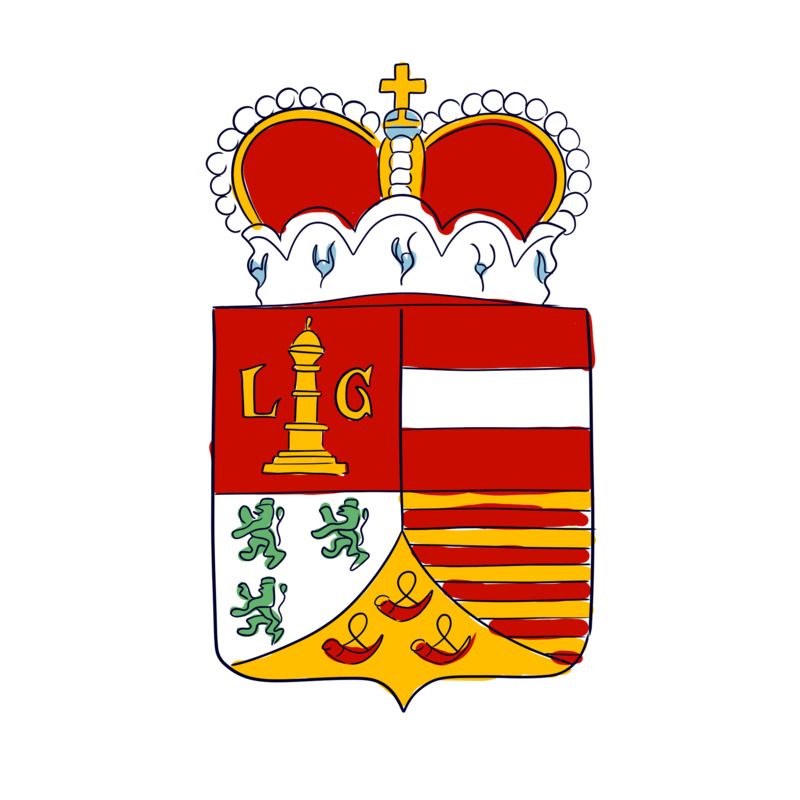
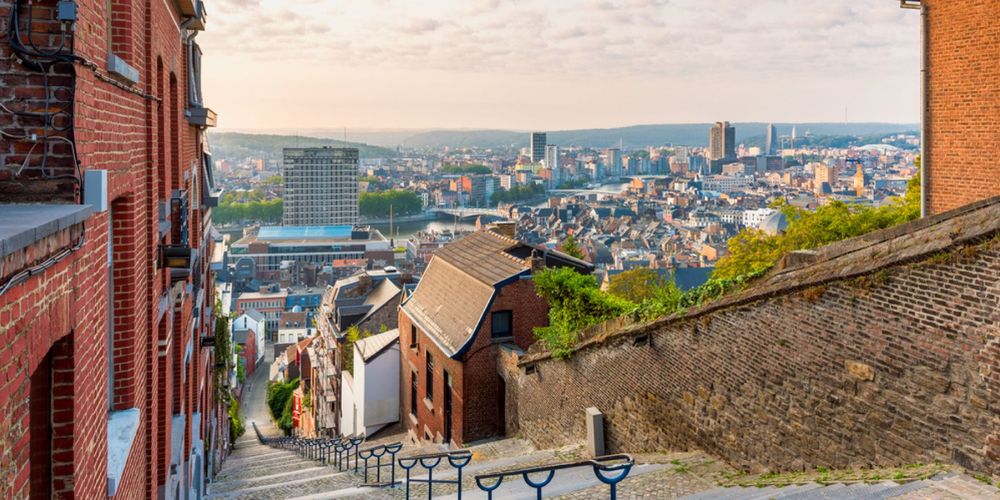
As you stroll along Boulevard d’Avroy, let’s pause to look back at the story of Liège. Nicknamed the “cité ardente,” or fiery city, it has an identity forged over a thousand years of passions, struggles, and creativity. It all began in the tenth century with Bishop Notger, often seen as the true founder of the principality.
Under his leadership, Liège grew into not just a major religious center but also an intellectual and artistic hub admired across Europe. The city thrived with its schools, its skilled craftsmen, and above all its Mosan art—masterpieces of which you’ll soon encounter. But the history of Liège is also one of resistance.
Its people have always had a fiery spirit, rising up against authority, whether against prince-bishops or foreign powers. Think of the medieval wars, the guilds challenging the nobility, or the great revolts of the eighteenth century that foreshadowed the ideals of the French Revolution. This rebellious streak is exactly what earned Liège its nickname, the fiery city.
In the nineteenth century, Liège transformed once again, becoming a powerhouse of the Industrial Revolution. Coal, steel, and arms production made it a thriving industrial capital, drawing thousands of workers. Today, the factories have given way to new projects, but the soul of Liège remains unchanged: vibrant, welcoming, proud of its roots, and open to the future.
As you look around, imagine every street and facade carrying traces of this rich past. Liège is not a city frozen in history, but one that has always reinvented itself—while never losing its energy or passionate spirit.
Aucun avis pour le moment
