



Walk
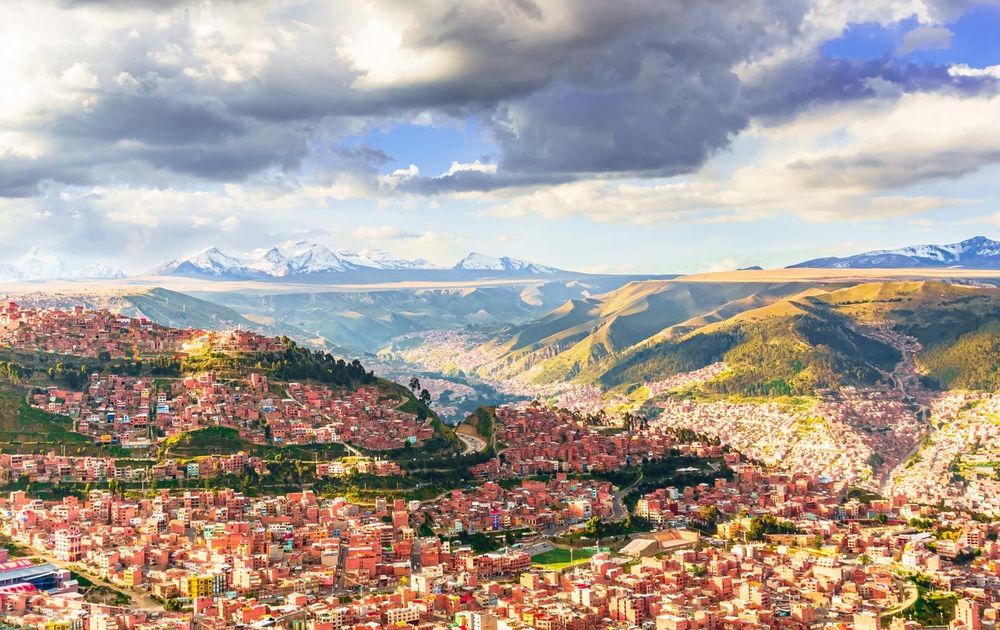
The City in the Sky
La Paz, Bolivie
Walk
The City in the Sky
La Paz, Bolivie
Distance
2.7 kmDurée
1h15Audios
16Parcours
Loop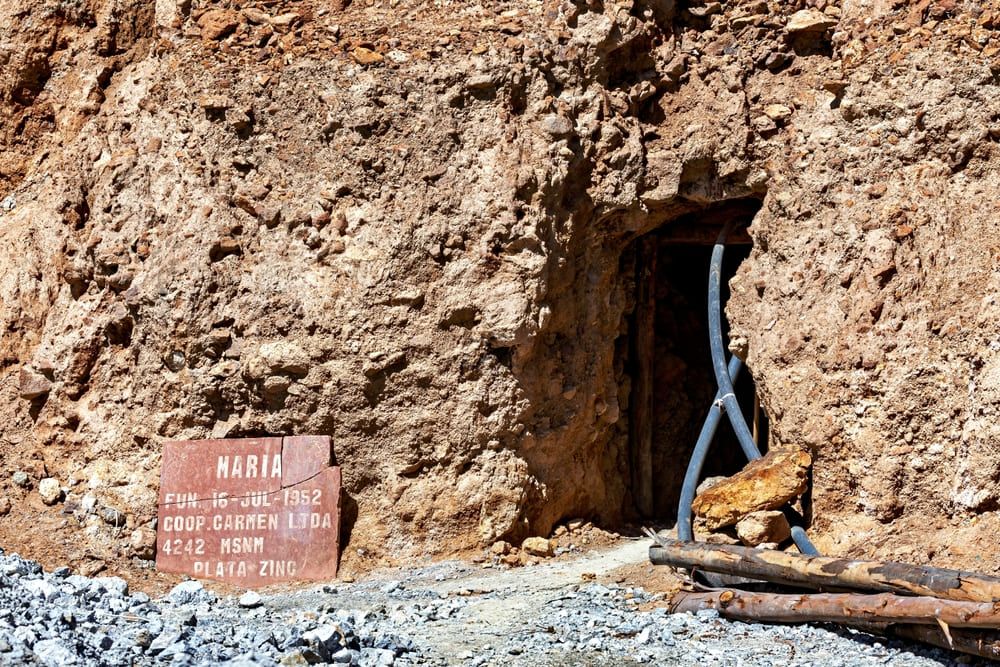
Shutterstock
Welcome to Potosí Street. As you walk along here in the heart of La Paz, you're following a street named after one of the most extraordinary places in world history. And for good reason. Potosí is a city perched more than 4,000 meters (13,100 feet) above sea level in the south of Bolivia, dominated by a legendary mountain: Cerro Rico, or “Rich Mountain.” This street bears its name because without that mountain, Bolivia — and even the modern world as we know it — would not be quite the same. Before the Spanish arrived, the mountain was revered as sacred. But in 1545, a Quechua shepherd discovered veins of pure silver in its slopes. The Spanish conquistadors quickly realized the scale of the treasure. The sacred mountain was transformed into a gigantic open-pit mining operation. Within just a few decades, Potosí had risen from the middle of a cold, hostile desert. By around 1600, the city had more than 150,000 inhabitants, making it larger and wealthier than Seville, London, or Paris. The silver didn't stay in the Andes. It crossed the oceans, financed the Spanish Crown's wars, drove up prices across Europe, and made its way all the way to China, where the precious metal was used to pay for tea, silk, and porcelain. This was the first true globalization in history. But at what cost? To extract the silver, the colonial authorities imposed the mita, a system of forced labor. Hundreds of thousands of Indigenous men were torn from their villages and sent into the dark, suffocating tunnels of Cerro Rico. Cave-ins, extreme altitude, exhaustion, and mercury poisoning from the process used to separate silver from the ore took an enormous toll. The mountain acquired a terrifying nickname: “the mountain that eats men.” Enslaved African workers were also brought in to keep this immense mining operation running. Popular accounts have long put the death toll at eight million; although historians now consider this figure exaggerated, the human cost remains a true tragedy. When Bolivia gained independence in 1825, the silver veins were becoming depleted. The country was left with a mountain stripped of its greatest wealth, while its riches had flowed to other continents. And today? Potosí's story did not end in the 19th century. Cerro Rico is still being mined by thousands of workers organized into cooperatives. But after nearly five centuries of being hollowed out like a piece of Swiss cheese, the mountain is sinking and at risk of collapse, prompting UNESCO to place it on its List of World Heritage in Danger. And there's more: the department of Potosí remains at the center of major 21st-century issues, including the preservation of the Salar de Uyuni and its enormous lithium reserves — the “white metal” essential to our batteries and the global transition to clean energy.
Aucun avis pour le moment
