





Walk
The City of Contrasts
Shanghai, China
Walk
The City of Contrasts
Shanghai, China
7.1 km
Distance
3h00
Durée
23
Audios
Loop
Parcours
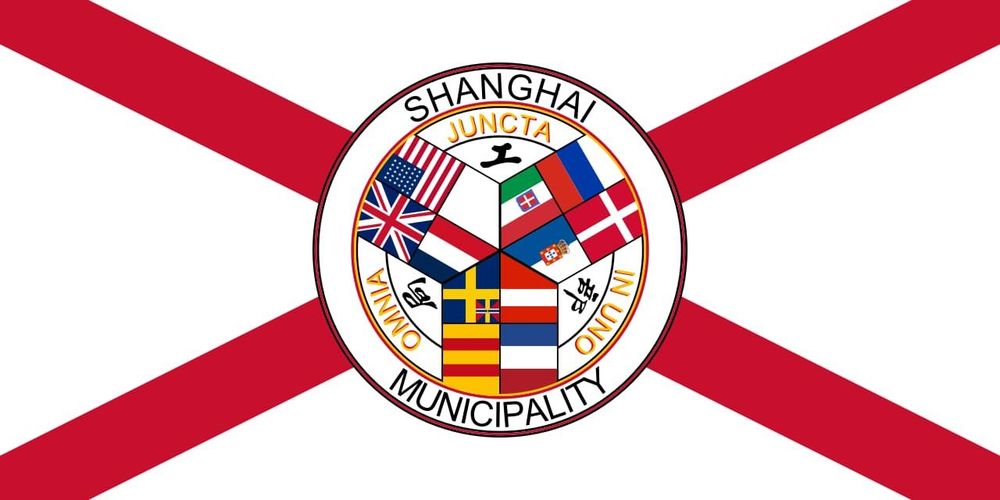
©Lokal_Profil - CC BY-SA 2.5
Shanghai is a city that mirrors the entire modern history of China, and standing at the mouth of the Yangtze River along the Huangpu, it was still just a small fishing and local trading port at the start of the nineteenth century. Everything changed in 1842 at the end of the First Opium War, when the Treaty of Nanking forced the Chinese Empire to open several ports to international trade, including Shanghai, and foreign powers soon settled here and established their own concessions, territories run under their own laws and interests. The British, French, Americans and Japanese built banks, consulates, churches and trading houses, transforming the city into a global hub within a few decades, where cultures, languages and fortunes from around the world collided.
This marked the beginning of a remarkable era in which European concessions, American influences and traditional Chinese neighbourhoods all coexisted, turning Shanghai into a cosmopolitan crossroads that symbolised both openness and dependence on the West. In the 20s and 30s the city was booming, and earned the nickname Paris of the East, its avenues lined with Art Deco buildings, its theatres, cabarets and multilingual newspapers reflecting a level of modernity rarely seen in Asia. Yet behind the glamour lay poverty, inequality and political tension, and in this atmosphere of injustice a new idea took shape: the desire to transform China from within.
In 1921, in a small house in what is now Xintiandi, thirteen young delegates from across the country met in secret and, inspired by the Russian Revolution and ideals of social justice, founded the Chinese Communist Party, a modest gathering of teachers, workers and intellectuals. Amongst them was a young Mao Zedong, whose aim was to free China from foreign domination, unite the nation and give a voice to its people, an event barely noticed at the time but one that would eventually shape the country and lead to the founding of the People’s Republic of China in 1949 after decades of struggle. During the Second World War, Shanghai endured Japanese occupation, bombings and mass exodus before its liberation in 1945, and four years later entered a new era.
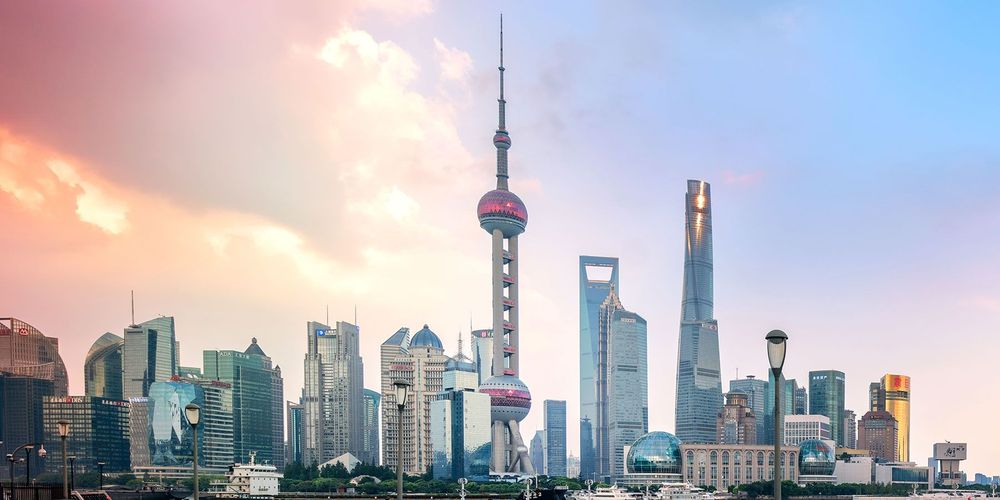
Although the city was long overshadowed by Beijing and Guangzhou, it returned to the forefront in the 90s when the Pudong district became the symbol of China’s economic rise, its skyscrapers shooting up as industries evolved and Shanghai reclaimed its role as the financial and cultural capital of the Chinese world. Today it is a metropolis of more than twenty million people and a symbol of a nation constantly reinventing itself, where every street still carries the traces of a century and a half of upheaval and renewal.
Aucun avis pour le moment
