






Créé par Romane, le 4 oct. 2026
Votre guide Ryo
Shanghai, China
The City of Contrasts
Parcours audioguidé pour visiter Shanghai en 1 jour
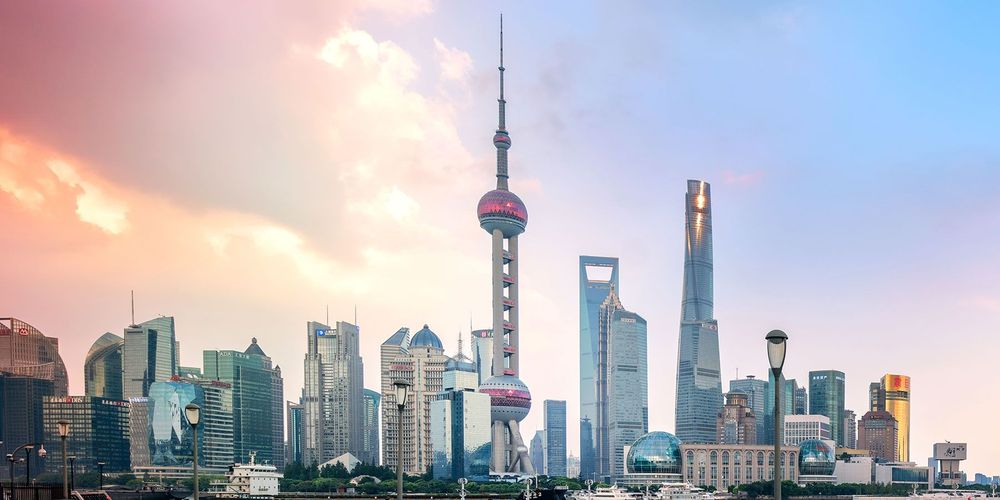
A vibrant metropolis, Shanghai displays an impressive historical heritage combined with spectacular modernity. With its historic neighborhoods, bold architecture, and cosmopolitan atmosphere, the city embodies the energy and variety of contemporary China.
Quand partir à Shanghai ?
Jan.
6°
8
Feb.
8°
9
March
12°
11
April
17°
12
May
22°
13
June
26°
15
July
30°
14
Aug.
30°
13
Sept.
26°
11
Oct.
21°
8
Nov.
16°
8
Dec.
10°
7
The best time to visit Shanghai is from April to June and from September to November, when the weather is mild and pleasant. In spring, temperatures range between 15 and 25°C, the parks are in bloom and the air is clearer. Summer (June to September) is hot and humid, often above 30°C, with sudden showers and occasional typhoons. Autumn is the most enjoyable season, with blue skies, low humidity and temperatures between 18 and 26°C. In winter (December to February), the cold is damp and penetrating, around 3 to 10°C, and some buildings have limited central heating. In short, it is better to avoid the summer months due to the oppressive heat and favour spring or autumn, ideal for exploring the city, strolling along the Bund or wandering through the lanes of the former French Concession.
Départ conseillé
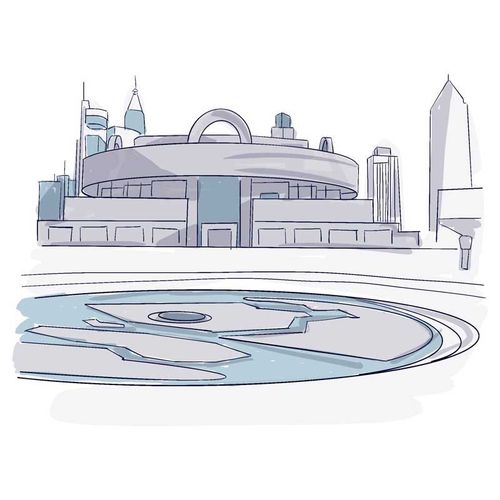
No need to worry about where to begin! Our tours are designed as a loop, so you can jump in wherever you are. The navigation system and audio-guide will automatically adjust to your location. However, if you happen to be nearby, we do have a preferred starting point: On People's Square, in front of the Shanghai Museum
Parking à proximité
Parking People’s Square – Wusheng Rd, Huangpu
In Shanghai, parking is often a challenge: street spaces are scarce, paid and strictly monitored. It is therefore better to use underground car parks or those in shopping malls and hotels rather than risk a fine or towing. Caution is essential when driving, as traffic is dense and scooters or pedestrians do not always follow the rules. The city is equipped with an extensive camera network: speeding, running red lights or illegal stops are detected automatically, and fines are issued without human intervention. In addition, some central areas, especially within the inner ring road, are subject to traffic restrictions for vehicles registered outside Shanghai, particularly during peak hours. To avoid problems, it is best to plan your routes, respect traffic signs and favour official parking facilities.
À savoir
There is a city pass for visiting Shanghai called the Shanghai Pass, available as a physical card or via the Alipay app. It allows you to pay for public transport, access several attractions and benefit from discounts in shops and restaurants. Alongside it, the standard Public Transportation Card is used only for travel, while some private passes such as the Go Shanghai Pass bundle entries to various attractions. The Shanghai Pass therefore remains the most practical and cost-effective option for a short stay.
The official currency in Shanghai, as in the rest of China, is the renminbi yuan, abbreviated RMB. Its symbol is ¥, and its international code is CNY (Chinese Yuan).
Découvrez 23 lieux d'intérêt pour visiter Shanghai



Le plein d'inspirations
Explorez le monde en totale liberté, à pied au cœur des villes ou au fil des routes. Nos guides audios transforment chaque destination en une découverte culturelle immersive et unique.






FAQ for visiting Shanghai
When is the best time to visit Shanghai?
The best time to discover Shanghai runs from April to June and from September to November. In spring, you'll enjoy mild temperatures between 15 and 25°C, with beautifully blossoming parks and clearer air. Autumn remains the ideal season: blue skies, low humidity and pleasant temperatures between 18 and 26°C, perfect for strolling along the Bund or exploring the historic lanes. Summer can be stifling, with humid heat often exceeding 30°C and sudden downpours. Winter, for its part, brings a damp, penetrating cold, generally between 3 and 10°C. So to make the most of your urban walks, opt for spring or autumn.
How many days do you need to visit Shanghai?
For a first look at Shanghai, ideally allow four to five days. This lets you explore the iconic districts such as the Bund and Pudong, immerse yourself in the unique atmosphere of the former French Concession, and visit a few museums or temples. With three days, you can see the essentials of the major sites at a brisk pace. A week gives you the luxury of taking your time, adding an excursion to a nearby water town and truly tasting the Shanghai way of life. If you only have two days, focus on the must-sees in the city centre. The Ryo audioguide helps you make the most of your time with routes tailored to the length of your stay.
How do you get around Shanghai?
Shanghai has an excellent public transport network. The metro, with its many lines, remains the most convenient and fastest way to cross this immense metropolis. Stations are generally well signposted in English and Chinese. Buses complement the network effectively, though they can be harder to use without speaking Mandarin. Taxis are plentiful and relatively affordable, but make sure you have your destination written in Chinese characters. For short distances, bike-sharing is perfect for exploring the neighbourhoods at your own pace. Local ride-hailing apps work very well if you have internet access. Finally, some historic districts are best discovered on foot so you don't miss any of their charm.
What are the typical dishes to try in Shanghai?
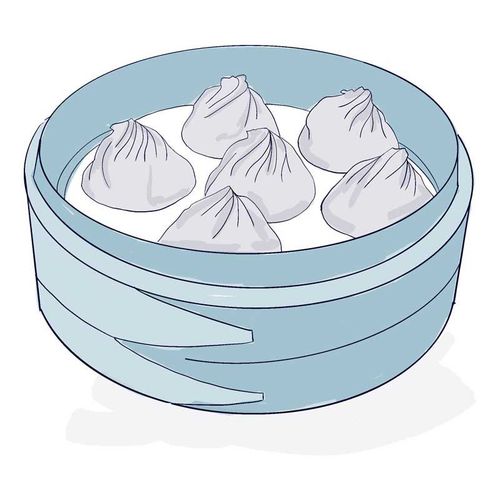
Shanghai cuisine holds some wonderful taste discoveries in store. The xiaolongbao, those little steamed dumplings filled with broth, are absolutely a must. Braised pork in sweet soy sauce (hongshaorou) perfectly embodies the local flavours with its subtle balance between sweet and savoury. Don't miss the thick, tasty Shanghai fried noodles, or the freshwater hairy crab in autumn, a genuine local institution. Wontons in soup and beggar's chicken, cooked in a clay crust, are also worth the detour. For breakfast, try jianbing, those savoury filled pancakes sold in the street. Those with a sweet tooth will enjoy tangyuan, filled glutinous rice balls.
How do you reach the city centre from Shanghai airport?
Shanghai has two international airports. From Pudong, the more distant one, the Maglev train propels you to the city centre in just a few minutes at high speed, a unique experience that then connects you to the metro. Direct metro lines are an economical and practical alternative, allowing about an hour for the journey. From Hongqiao, closer to the centre, the metro remains the best choice with direct connections to the main districts. Taxis and ride-hailing services are available at both airports, but budget for a heftier fare, especially from Pudong. Hotel shuttles and express buses round out the options. Always keep your destination address written in Chinese to make communication with drivers easier.
Which neighbourhood should you stay in in Shanghai?
The choice of neighbourhood depends on your priorities and budget. The Bund and its surroundings place you in the historic heart with a spectacular view of the skyline, but rates there are generally high. The former French Concession charms with its bohemian character, its cafés and its plane-tree-lined streets, perfect for a more local atmosphere. Jing'an offers an excellent compromise between modernity and tradition, with plenty of shops and restaurants. For tighter budgets, Pudong offers more affordable options while remaining well connected. Business travellers often prefer Lujiazui for its proximity to the financial district. Xintiandi will appeal to lovers of nightlife and upmarket shopping.
What are the must-sees you absolutely have to see in Shanghai?
Shanghai is brimming with fascinating sites that reflect its unique history and its dazzling modernity. The Bund remains the city's iconic image, with its colonial buildings facing the futuristic skyscrapers of Pudong. The Yu Garden, an oasis of serenity in the heart of the old town, transports you to traditional China. The Shanghai Tower and the Pearl Tower offer dizzying panoramas over the metropolis. The former French Concession charms with its shady lanes and its preserved architecture. The Jade Buddha Temple is worth the detour for its soothing spirituality. Don't miss Tianzifang and its artists' workshops. The Ryo audioguide accompanies you in discovering these wonders with fascinating commentary that reveals the soul of each district.
Can you visit water towns near Shanghai?
The water towns make for an enchanting getaway near Shanghai. Zhujiajiao, nicknamed the Venice of Shanghai, is just an hour's drive away with its picturesque canals and centuries-old stone bridges. Zhouzhuang, a little further out, magnificently preserves Ming and Qing architecture with its traditional houses with white walls and black roofs. Tongli charms with its preserved authenticity and its classical gardens. Wuzhen offers a more touristy charm but remains spectacular, especially in the evening with its illuminations. These towns are easy to visit on a day trip from Shanghai, by tourist bus or public transport. Plan to set off early to avoid the crowds and make the most of the peaceful atmosphere of these watery gems.
What is there to discover in Shanghai's former French Concession?
South-west of the centre, the former French Concession unfolds long avenues lined with plane trees, Art Deco villas and shikumen lanes now turned into cafés, bookshops and designers' studios. This is the calmest face of the city, a world away from the towers of Pudong, and the place where the architecture best tells the story of Shanghai's cosmopolitan past.
The streets around Wukang Road, Anfu Road and Tianzifang hold most of the atmosphere, with brick houses you only notice by looking up and inner courtyards that are sometimes open. Allow half a day of wandering, ideally on a weekday when the lanes are quieter, before heading to the Bund by metro. The Ryo audio guide offers a dedicated Shanghai route that puts these neighbourhoods back into the story of the city.
Which museums are worth visiting in Shanghai?
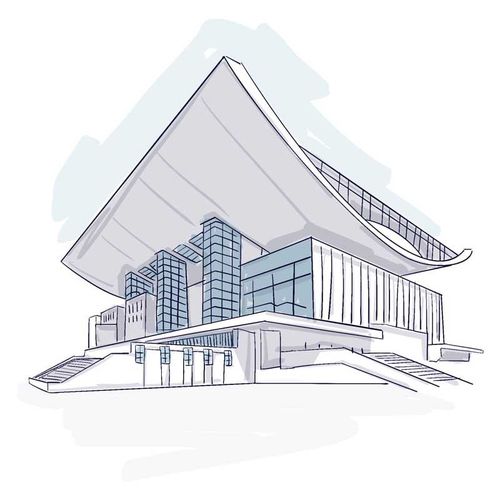
The Shanghai Museum is still the best way in: its collections of archaic bronzes, ceramics, paintings and calligraphy give you the keys to understanding ancient China as a whole, and a second, much larger site has opened in the east of the city. For contemporary art, the Power Station of Art occupies a former power plant on the banks of the Huangpu and hosts major temporary exhibitions.
On the west bank, the West Bund lines up the Long Museum and the Yuz Museum inside former industrial buildings, while the urban history museum, set beneath the Oriental Pearl Tower, tells the story of how the Shanghai of the concessions came to be. Many public institutions ask you to register your visit in advance and often close on Mondays, so it is worth checking the day before.
Vos commentaires, idées et suggestions
Aucun avis pour le moment
