





Walk
La Heroica: The City of a Thousand Colours
Cartagena, Colombia
Walk
La Heroica: The City of a Thousand Colours
Cartagena, Colombia
5.1 km
Distance
2h15
Durée
22
Audios
Loop
Parcours
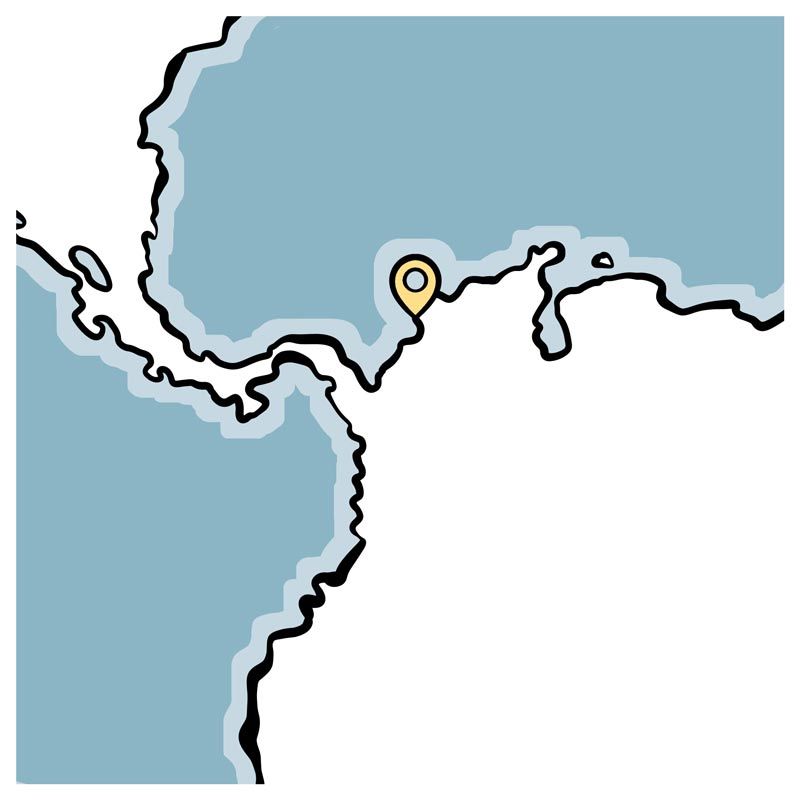
What’s now called Cartagena de Indias was originally the land of the Calamarí, an Indigenous tribe whose name means "People of the Sea." In 1533, Pedro de Heredia, a Castilian conquistador, arrived on the continent and founded the city. Given its geographical resemblance to Cartagena in Spain, he gave it the same name, adding "das Indias" to distinguish it as part of the Americas. By 1550, the city became one of the largest ports of the Spanish colonial empire on the Caribbean coast.
The gold stored there and the wealth passing through made Cartagena a prime target for pirates and foreign powers. Among the most famous assaults was the 1586 raid by English privateer Francis Drake, who managed to return to England with his loot. To protect the city from attack, the Spanish built forts and walls that repelled several sieges, including the largest recorded attack in 1741 by British commander Edward Vernon.
This victory was made possible by the Spanish Admiral Blas de Lezo, who skillfully commanded a significantly outnumbered fleet against the enemy. Despite these challenges, Cartagena continued to grow wealthier and wealthier. It seemed as though nothing could break its fortune—until 1811, when independence from Spain was officially declared.
However, Spanish forces retook control in 1815, at a cost of 6,000 lives. It wasn’t until 1821 that the troops of Simón Bolívar and other independence fighters finally liberated Cartagena for good—earning it the nickname "La Heroica."
Aucun avis pour le moment
