Walk
The pearl of the Adriatic
Dubrovnik, Croatia
Walk
The pearl of the Adriatic
Dubrovnik, Croatia
2.5 km
Distance
1h00
Durée
19
Audios
Loop
Parcours
Visiting Croatia means surrendering to a country where ancient stone converses with the Adriatic, where every alleyway conceals a century of history and where the sun gilds the ramparts as it has for millennia. Between jagged coastlines, wild islands and cities steeped in memory, Croatia offers a rare tempo — that of a journey lived fully, at your own pace. To explore the most beautiful Dalmatian cities through their façades and fascinating stories, Ryo's audio-guided tours accompany travellers in their discoveries, at whatever hour they choose, without any rush.
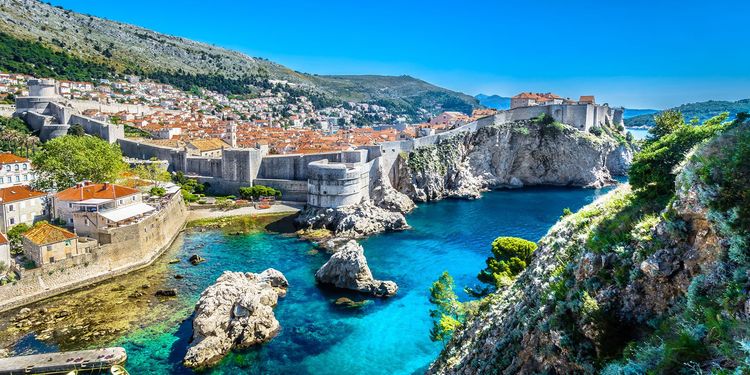
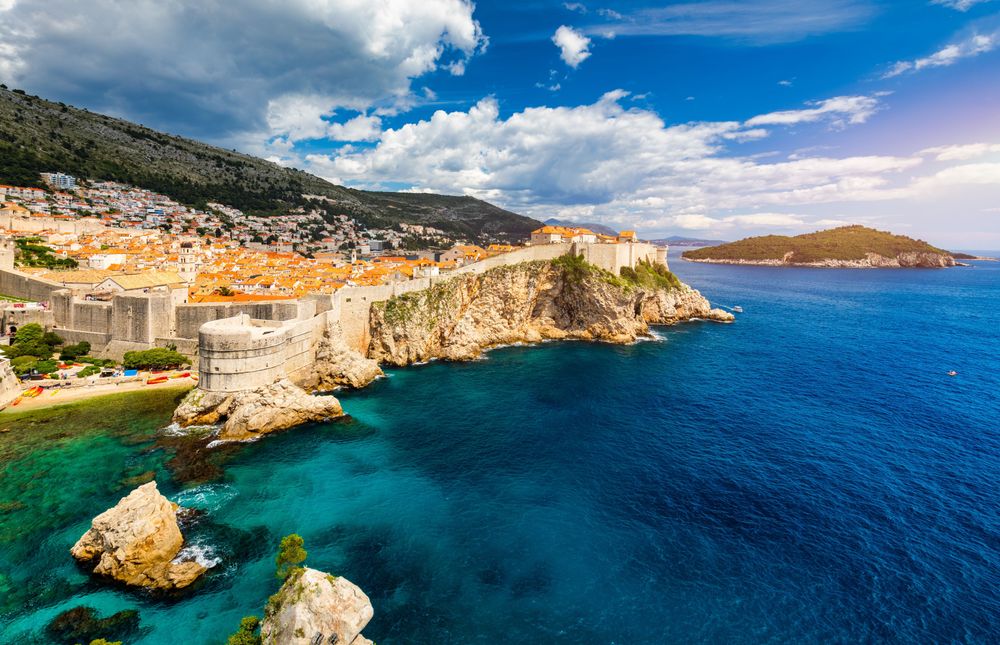
Dubrovnik fully deserves its nickname. At the heart of this fortified city, a UNESCO World Heritage Site, medieval ramparts overlook a deep blue sea, while the white limestone alleyways echo with five centuries of republican history. For nearly five hundred years, Dubrovnik existed as an independent republic, forged through trade and diplomacy. The Ryo audio-guided tour Dubrovnik, the Pearl of the Adriatic guides you through these age-old stones, revealing the secrets of a city that has managed to preserve its soul far beyond its visual splendour.
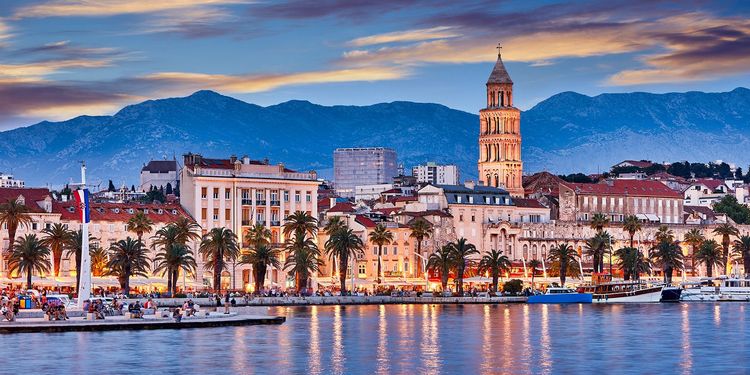
In Split, history is not observed from behind glass — it is lived. The heart of the city beats quite literally inside Diocletian's Palace, a 4th-century Roman edifice in which generations of Spalatins built their homes, cafés and markets. Listed by UNESCO, this site is one of the best-preserved Roman structures in the world. With the Ryo audio-guided tour Split, between marble and the Mediterranean, the traveller crosses these time-laden walls and comes to understand how an entire city grew within the belly of an imperial palace.
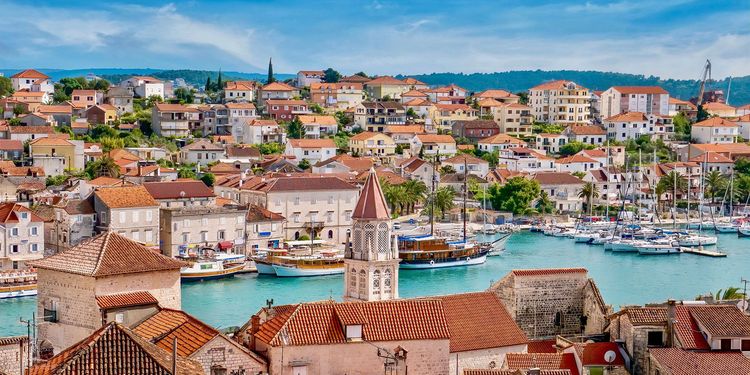
A few kilometres north of Split, Trogir reveals itself as an island jewel connected to the coast by simple bridges. Its medieval alleyways, Romanesque palaces and Gothic cathedral form an ensemble of rare coherence, also inscribed on the UNESCO World Heritage List. The Ryo audio-guided tour Trogir, the museum city invites the traveller to immerse themselves in this millennia-old architecture, layer by layer, era by era.
Beyond the cities covered by Ryo, Croatia unfolds a diversity of landscapes that beckon exploration. The Dalmatian coast stretches between hidden coves, islands such as Hvar or the Kornati, and lively fishing ports. Inland, the waterfalls of Plitvice Lakes offer a breathtaking natural spectacle at the heart of a dense and unspoilt forest. Further north, Istria rolls out its vine-covered hills and hilltop villages, while the capital Zagreb charms with its Central European atmosphere blended with Mediterranean elegance. Diving enthusiasts, kayakers and wine lovers will also find plenty to delight them along this generous and varied coastline.
Spring and autumn are generally the most pleasant times to visit Croatia: temperatures remain mild, sites are less crowded and the raking light beautifully enhances the old Dalmatian stones. Summer draws a large number of travellers, particularly to the islands and beaches, creating a festive yet busy atmosphere. Winter, quieter by nature, suits travellers who wish to soak up the authentic atmosphere of the cities, far from the seasonal crowds.
The Dalmatian coast is easily covered by rental car, allowing you to stop freely as the mood takes you and to travel between cities at your own pace. Ferries and catamarans serve the islands from several coastal ports, including Split. Long-distance bus connections also link the main destinations, offering a comfortable alternative for travellers who prefer not to drive. Between Dubrovnik, Split and Trogir, the distances are manageable and allow for several stops to be combined within a single trip.
Spring, from April to June, and autumn, from September to October, are generally considered the best periods. The weather is pleasant, prices are often more accessible than in high season and the sites are less crowded. Summer remains ideal for enjoying the beaches and islands, but it is advisable to plan ahead for the heavy footfall, particularly in Dubrovnik and Split.
One week is enough to explore the highlights of the Dalmatian coast, namely Dubrovnik, Split and Trogir, with a few excursions to the nearby islands. For a more complete road trip taking in Istria, Zagreb and Plitvice National Park, it is preferable to allow a minimum of two weeks to avoid rushing from one stop to the next.
A rental car offers the greatest flexibility, particularly for reaching smaller coastal towns and stopping at viewpoints. Long-distance buses are reliable between major cities. To reach the islands, ferries and catamarans departing from Split are the most practical option and often the most scenic.
Dubrovnik, Split and Trogir rank among the most iconic stops on the Dalmatian coast, each inscribed on the UNESCO World Heritage List. Beyond these, Hvar seduces with its lavender fields and island lifestyle, Zadar with its Roman ruins and legendary sunsets, and Zagreb with its bohemian capital character blending tradition and creativity.
Dalmatian cuisine is rooted in the Mediterranean: grilled fish, seafood, local olive oil and wines made from indigenous grape varieties such as Plavac Mali form the backbone of the table. The interior of the country offers a more rustic cuisine, with slow-cooked meats and characterful cheeses. The culture of the shared meal — unhurried and convivial — is in Croatia a genuine invitation to slow down and savour.
Yes, Croatia lends itself particularly well to independent travel. Tourist infrastructure is well developed along the coast, road signs are generally bilingual, and historic cities such as Dubrovnik, Split and Trogir are easily explored on foot, wandering through the alleyways at your own pace. Ryo's audio-guided tours are designed precisely for this kind of travel: exploring freely, with no schedule constraints, immersing yourself in history and culture with every step you take.