






Créé par Romane, le 4 oct. 2026
Votre guide Ryo
Trogir, Croatia
The Museum City
Parcours audioguidé pour visiter Trogir en 1 jour
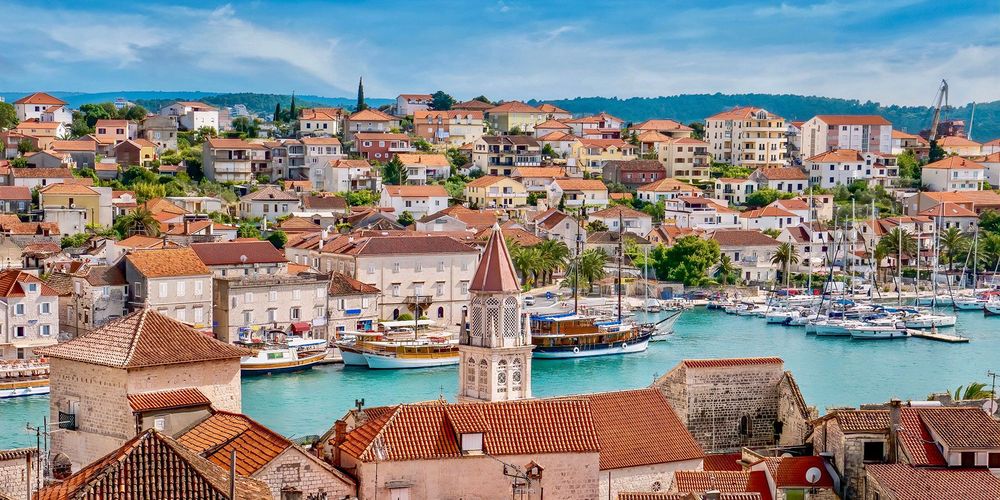
A small island steeped in history, Trogir is a true open-air museum listed as a UNESCO World Heritage Site. With its cobbled streets, historic palaces, and Greek, Roman, and Venetian influences, the town blends exceptional heritage with a lively Mediterranean atmosphere.
Quand partir à Trogir ?
Jan.
8°
9
Feb.
9°
8
March
11°
8
April
14°
9
May
19°
7
June
23°
5
July
26°
3
Aug.
26°
4
Sept.
23°
6
Oct.
18°
8
Nov.
13°
10
Dec.
10°
9
Trogir enjoys a mild Mediterranean climate, with gentle winters and hot, sunny summers. The best time to visit is from May to September, with spring and early autumn being ideal if you want to avoid the crowds while still enjoying pleasant weather.
Départ conseillé
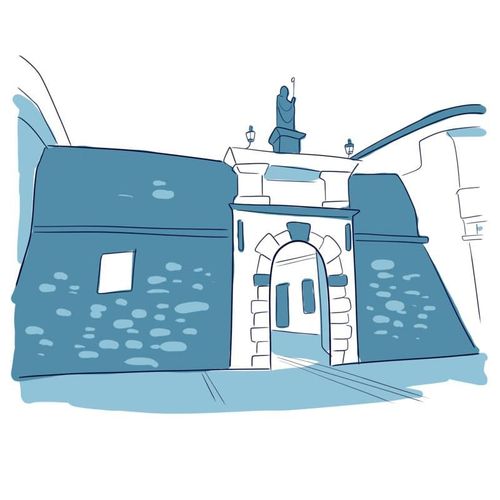
No need to worry about where to begin! Our tours are designed as a loop, so you can jump in wherever you are. The navigation system and audioguide will automatically adjust to your location. However, if you happen to be nearby, we do have a preferred starting point: In front of Sjeverna Vrata Gate
Parking à proximité
Parkiralište Brigi (T4), Knez Trpimira street
Attention, Trogir’s historic center is located on a very small island that is difficult to access by car. We strongly recommend not driving across the bridge to the island, but instead parking outside and reaching the center on foot in just a few minutes. Brigi Parking (T4) is a good option as it is cheaper than the others, but you should allow around 10 minutes’ walk to reach the island. If you prefer to park closer, you can choose Parkiralište Travarica (T1), Parkiralište Put Kapelice (T2), or Parkiralište Put Mulina (T3), which are more convenient but more expensive.
À savoir
If you don’t have a car, Trogir is easily accessible from Split by taking a boat shuttle from the Riva, or a bus from the main bus station or the airport.
Since 2023, the official currency of Croatia has been the euro.
Découvrez 19 lieux d'intérêt pour visiter Trogir










Le plein d'inspirations
Explorez le monde en totale liberté, à pied au cœur des villes ou au fil des routes. Nos guides audios transforment chaque destination en une découverte culturelle immersive et unique.
FAQ for visiting Trogir
When is the best time to visit Trogir?
The best time to discover Trogir runs from May to September, when the Mediterranean climate offers sunny days perfect for exploring this historic town. Spring and early autumn are particularly pleasant because you enjoy the fine weather while avoiding the summer crowds. Temperatures remain mild even in winter thanks to the coastal climate, but some establishments may have reduced opening hours. If you're looking for liveliness and a festive atmosphere, summer remains ideal despite the tourist influx. For a more authentic and peaceful experience, opt for May-June or September-October.
How long do you need to visit Trogir?
Half a day is generally enough to discover the main monuments of Trogir's old town, which can be explored entirely on foot. For a thorough visit including the cathedral, Kamerlengo Castle and the many palaces, allow a full day. If you also want to enjoy the surrounding beaches or take a boat trip to the neighbouring islands, plan for two days. The small size of the historic island lets you see everything without rushing, taking the time to wander through the medieval streets and savour the unique atmosphere of this UNESCO-listed town.
How do you get to Trogir from Split?
Trogir is about twenty-five kilometres from Split, and you have several options for making the journey. The local bus is the most economical way, with regular departures from Split's main bus station. The trip usually takes around thirty minutes. You can also opt for a taxi or a private transfer, faster but more expensive. If you have a rental car, the route is direct via the coastal road. Some also choose the boat during the summer season, a more scenic option that lets you admire the Dalmatian coast from the sea.
Where can you park in Trogir?
Parking can be a challenge in Trogir, especially in high season. As the old town is pedestrianised, you'll have to park outside it. Several paid car parks are available near the bridge leading to the historic centre, and they are generally well signposted. Prices vary according to the season and proximity to the centre. During summer, arriving early in the morning guarantees you'll find a space more easily. Some hotels offer their own car park, which can be handy if you're staying locally. The residential streets a little further away sometimes offer free spaces, but always check the local signage.
What must you see in Trogir?
Trogir is full of architectural treasures not to be missed. St Lawrence's Cathedral with its magnificent carved portal is the jewel of the town. Kamerlengo Castle offers a panoramic view from its ramparts. Don't miss the town loggia, the Cipiko palaces and the many churches dotting the medieval streets. The main square captures the essence of this museum town with its remarkably well-preserved historic buildings. For a complete and enriching discovery, the Ryo audioguide accompanies you along a narrated route that reveals the fascinating history of each monument, from Greek influences to Venetian splendours.
What are the most beautiful beaches near Trogir?
Trogir offers several options for swimming enthusiasts. Pantan beach, a few kilometres away, is popular for its shallow waters and preserved natural setting. Okrug Gornji on the island of Čiovo, accessible on foot from Trogir, offers a long pebble beach with many tourist facilities. For more tranquillity, explore the small coves along the Čiovo coast. The beaches of Medena and Saldun Bay also offer fine alternatives with their crystal-clear waters typical of the Adriatic. Most are pebble beaches, so remember to bring suitable footwear for your comfort.
Where should you stay in Trogir?
Trogir offers accommodation for all budgets and preferences. Staying in the old town immerses you in the historic atmosphere, with charming small hotels set in former palaces. Private apartments are an excellent option for families or longer stays. The island of Čiovo, connected by a bridge, offers modern hotels with sea views and more tourist facilities. For a tighter budget, look in the residential neighbourhoods just outside the historic centre. The proximity of Split airport makes some areas noisier, so check the exact location before booking.
Can you visit Trogir for free?
Strolling through the streets of Trogir and admiring the exterior architecture of the monuments is entirely free. The town itself is an open-air museum where you can appreciate the façades of the palaces, the historic squares and the medieval atmosphere without spending a cent. However, admission to the main monuments such as the cathedral, Kamerlengo Castle or the museums is generally paid. The lesser-known churches are often accessible free of charge, especially outside services. To make the most of your visit without breaking the bank, alternate between free outdoor discoveries and a few paid visits to the most emblematic sites.
Why is the old town of Trogir a World Heritage site?
Trogir sits on a small island wedged between the mainland and the island of Čiovo, a position that made its fortune from the moment Greek settlers founded it more than two thousand years ago. The town was then Roman, and Venetian for centuries, and every era left its mark on an urban fabric that has remained almost intact, which is what earned it its World Heritage listing. You make your way through a tangle of paved lanes so narrow that the sun struggles to reach the ground, between white stone palaces, a medieval loggia and cloisters. The cathedral of St Lawrence and its portal carved by master Radovan are the jewel of it all. The Ryo audio guide offers a dedicated Trogir route that unfolds this history lane by lane.
What can you visit around Trogir on a day trip?
Trogir's position makes it a handy base for exploring central Dalmatia. Split and its palace of Diocletian, still the living heart of the city, are easily reached along the coast, passing the Roman ruins of Salona and the fortress of Klis perched on its rocky pass. To the north, Krka national park lines up waterfalls and wooden walkways above the water, while Šibenik and its white stone cathedral are worth the stop. Out at sea, boats serve nearby Čiovo as well as the Drvenik islands and the coves along the shore, generally quieter at the start or the end of the season. Depending on the weather, it is worth setting off early to avoid the afternoon heat.
Vos commentaires, idées et suggestions
Aucun avis pour le moment
