




Créé par Romane, le 4 oct. 2026
Votre guide Ryo
Split, Croatia
Between Marble and the Mediterranean
Parcours audioguidé pour visiter Split en 1 jour
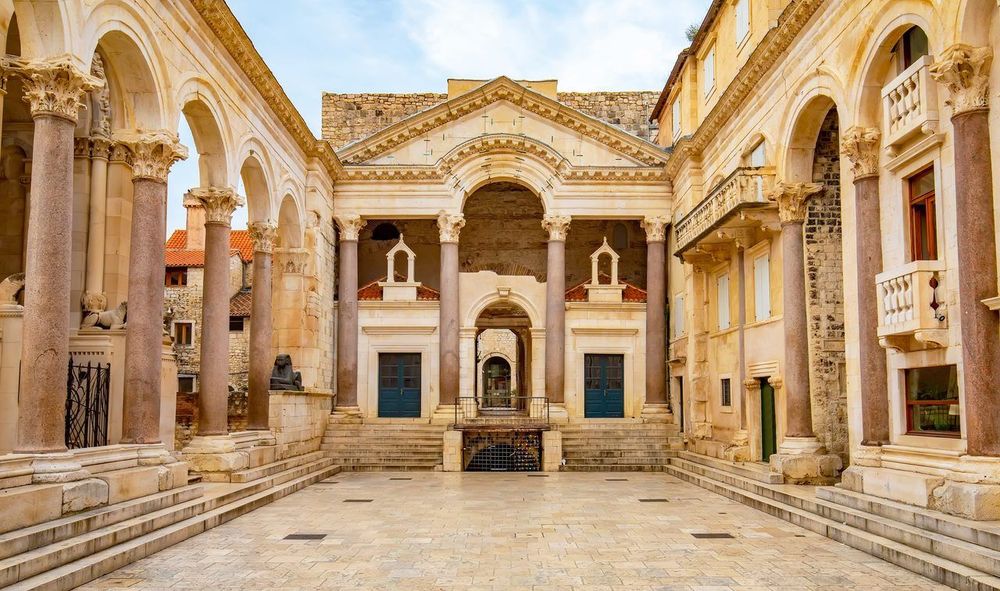
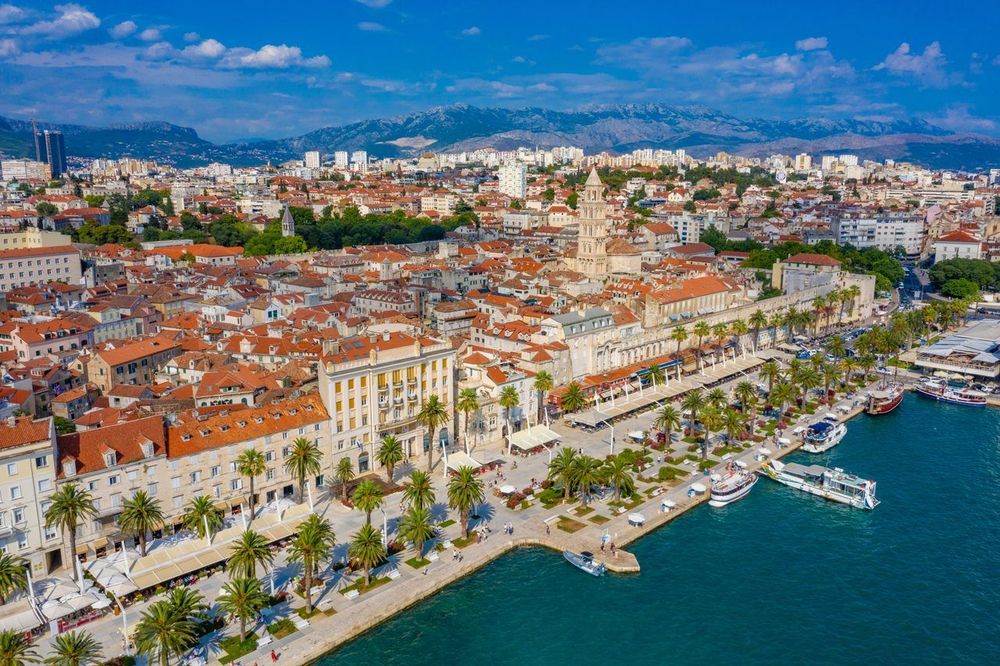
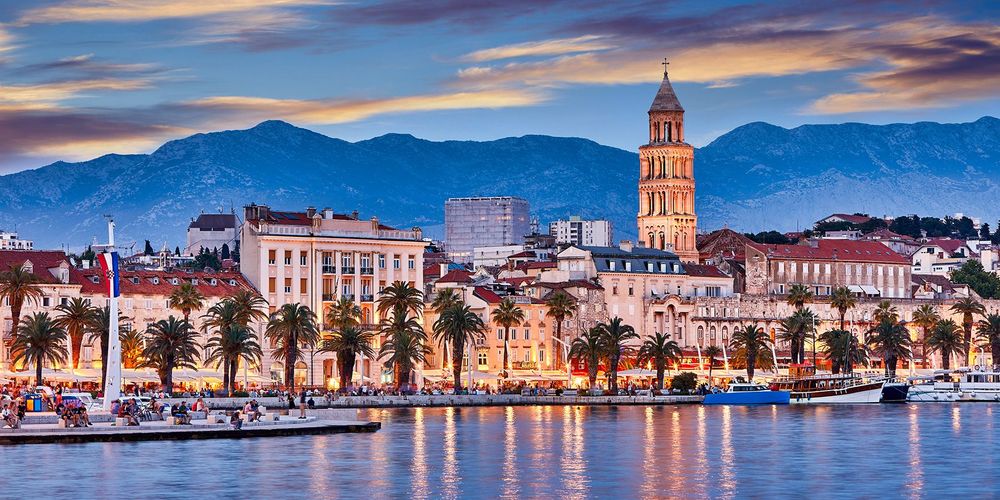
Born within the heart of a Roman palace, Split offers a unique historic center where history is part of everyday life. With its ancient remains, lively streets, and diverse influences, the city blends past and modern life in an exceptional setting.
Quand partir à Split ?
Jan.
9°
9
Feb.
10°
8
March
12°
8
April
15°
9
May
20°
7
June
24°
5
July
27°
3
Aug.
27°
4
Sept.
24°
6
Oct.
19°
8
Nov.
14°
10
Dec.
11°
9
The best months to visit Split are May and June, when the days are sunny and daytime temperatures range between 20 and 30°C — perfect for walking and hiking. If you’re after beach time and guaranteed sunshine, July and August are ideal, with daytime temperatures often reaching 30°C, but be prepared for large crowds in the city centre, which is quite small.
Départ conseillé
We design our tours as loops so you can easily start at whichever point is closest to you, with the guidance adjusting automatically. If you’re nearby, we recommend this ideal starting point: on Republic Square
Parking à proximité
Zvončac Car Park, 21000, Meje, Split
Split is a seaside city with narrow streets where parking can be tricky. If you’re staying for several days with a car, it’s best to book a hotel that offers parking for its guests. Another option is to park outside the city centre, in more residential neighbourhoods, where you can often find free street parking. If you prefer a paid car park, be prepared for high rates. Parking in the city centre is expensive, but you could choose a lot near the port, where prices are a bit lower, and walk to the centre in about 15 minutes. If you manage to find a spot on the street, don’t forget to pay at the meter or through the dedicated website, and double-check the parking rules for your space.
Découvrez 18 lieux d'intérêt pour visiter Split















Le plein d'inspirations
Explorez le monde en totale liberté, à pied au cœur des villes ou au fil des routes. Nos guides audios transforment chaque destination en une découverte culturelle immersive et unique.

FAQ for visiting Split
When is the best time to visit Split?
The ideal time to discover Split runs from May to June, when temperatures pleasantly range between 20 and 30°C and the sun is generous. It's the perfect moment to explore the city on foot without suffering from excessive heat. If you prefer to enjoy the beaches and swimming, July and August are more suitable with their temperatures often exceeding 30°C. Be prepared, however, to share the relatively compact historic centre with many other visitors during this summer period. The months of September and October also remain very pleasant, with fewer people and a sea that is still warm.
How many days do you need to visit Split?
Two to three days are generally enough to properly discover Split and its main attractions. A full day lets you explore the historic heart with Diocletian's Palace and its lively lanes. On the second day, you can climb up to Marjan Park for the panoramic views, visit the museums or enjoy the beaches. If you have a third day, it's the perfect opportunity for an excursion to one of the nearby islands. The Ryo audioguide accompanies you in discovering the historic centre with an optimised route that covers all the major sites in half a day, leaving you time for other activities.
How do you get from Split airport to the city centre?
Split airport is located about twenty-five kilometres from the city centre, and you have several options for reaching your accommodation. The Airport Express shuttle is generally the most economical solution, with regular departures coordinated with the main flights. The journey takes about thirty minutes depending on traffic. Taxis remain a practical option, especially if you're travelling in a group or with a lot of luggage. You can also opt for a private transfer booked in advance or a car rental if you plan to explore the region. Local buses also exist but are less convenient with luggage.
What are the absolute must-sees in Split?
Diocletian's Palace naturally remains the jewel of Split, with its impressive cellars, the majestic peristyle and the Cathedral of Saint Domnius. Don't miss the Golden Gate and the remains of the Roman ramparts. The Riva promenade offers a pleasant stroll along the port, while Marjan Park rewards you with spectacular views over the city and the islands. The colourful fish market and the lively Varoš district are also worth the detour. The Ryo audioguide takes you through these emblematic sites with enriching commentary on their fascinating history, letting you understand how this imperial palace became a living city.
Where can you swim in Split and which are the finest beaches?
Split offers several swimming options accessible on foot or by short transport. Bacvice beach, famous for its fine sand and shallow waters, remains the most popular and the closest to the centre. Znjan Beach, larger and less crowded, is perfectly suited to families with its full amenities. For more tranquillity, head to the coves of Marjan Park such as Kasjuni or Bene, surrounded by pines and offering crystal-clear water. Pebble beaches predominate, so bring water shoes. In summer, many beaches offer sun loungers and parasols for hire, as well as beach bars where you can cool off.
How do you avoid the crowds when visiting Diocletian's Palace?
To enjoy Diocletian's Palace with fewer people, opt for a visit early in the morning, ideally before nine o'clock, or in the late afternoon after five o'clock. Cruise passengers generally arrive in the middle of the morning, making the period between ten and three o'clock particularly busy. First explore the lesser-known parts such as the cellars or the secondary lanes before heading towards the central peristyle. In summer, an evening visit offers a magical atmosphere with the night-time lighting and fewer visitors. Avoid weekends in July and August if possible. The Ryo audioguide suggests an optimised itinerary that cleverly bypasses the most congested areas at peak times.
Which islands can you easily visit from Split?
Split makes an excellent starting point for exploring the Dalmatian islands thanks to its well-served port. Hvar, glamorous and lively, is reached by ferry in about one to two hours depending on the type of boat. Brač, famous for its Zlatni Rat beach, is even closer with crossings of around fifty minutes. Šolta, more authentic and quiet, offers a peaceful escape less than an hour away. Vis, more distant but unspoilt, is worth the detour for its secret coves and its unique atmosphere. Ferries and catamarans depart regularly from the main port, with increased frequencies in summer. Book your tickets in advance in high season to secure your place.
Where can you find greenery and fine views in Split?
Marjan hill, just west of the old town, is Split's great green lung. You reach it on foot from the Varoš district by a stone staircase that opens onto a first terrace, after which pine-shaded paths lead to the lookouts, to small chapels tucked into the rock and to a few quiet coves on the southern slope.
From the heights, the panorama takes in the harbour, the rooftops of Diocletian's Palace and the islands offshore, at its finest towards the end of the day. Lower down, the Riva promenade and the gardens alongside it make a flat, easy alternative. The Ryo audio guide offers a dedicated Split route linking the waterfront, the old town and these viewpoints.
What should you eat in Split and which specialities should you try?
Dalmatian cooking is Mediterranean and happily simple: grilled fish, octopus, fried squid, olive oil and seasonal vegetables. Look out for peka, meat or octopus cooked slowly under an iron bell covered with embers and usually ordered a day ahead, and pašticada, beef marinated then simmered at length and served with gnocchi, the dish of special occasions.
For something quick, bakeries sell burek and various savoury pastries, while the fruit and vegetable market and the fish hall, right beside the palace, give a good sense of local produce. As for drinks, the white and red wines of Dalmatia and the nearby islands go well with these dishes. Tables set slightly back from the Riva are often more authentic and less rushed.
How do you get around Split?
The historic centre is covered on foot and on foot only: Diocletian's Palace and its lanes are closed to traffic, and the main sights sit within a compact area. Shoes with a good grip help, as the polished marble paving turns slippery after rain.
For the outer districts, the beaches to the east or the foot of Marjan, the city bus network covers the ground well, with tickets bought at a kiosk or directly on board. The ferry port, the bus station and the railway station stand side by side at the end of the Riva, which makes departures to the islands or along the coast very straightforward. A car, by contrast, is more of a handicap in the centre.
Vos commentaires, idées et suggestions
Aucun avis pour le moment