© Shutterstock
 Votre guide Ryo
Weekend in Split 2026: Diocletian's Palace, Islands, and Beaches in 2 to 4 Days
In Split, you might unknowingly park on the foundations of an imperial palace seventeen centuries old. A weekend in Split starts right there: the entire old town fits within the walls that the Roman emperor Diocletian had erected facing the Adriatic, and its vaulted cellars now house a market while residents cross the peristyle on their way to work. To decode this layering of eras street by street, the Ryo audio-guided tour of Split accompanies you with headphones on, at your own pace.
Two full days are enough for the historic centre, but the itinerary easily stretches to three or four to reach Hvar, Brač, or the Blue Cave of Biševo. You come for the Riva and its terrace cafés facing the ferries, and you stay for Bačvice beach where picigin, a ball game invented by the people of Split themselves, has been played for over a century with feet in the water, and for the Marjan hill, whose viewpoint reveals the entire bay after about twenty minutes of walking. This guide details the itinerary day by day, the budget to expect, transport from Paris, and the best season to go.
Why Spend a Weekend in Split
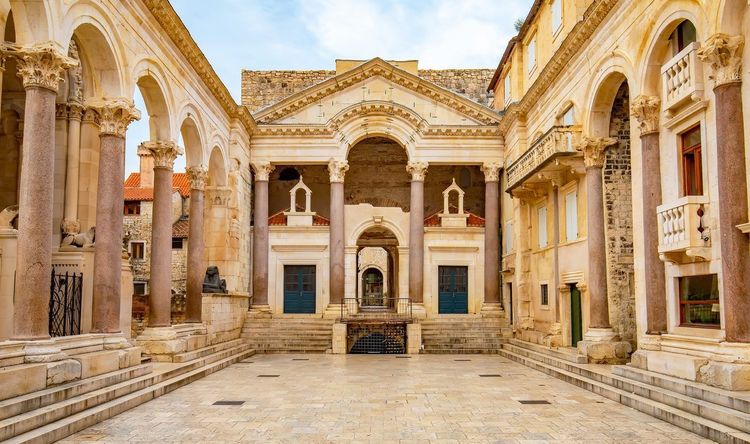
Split owes its existence to the whim of a retired emperor. Around 295, Diocletian chose this Dalmatian promontory to build not so much a palace as a fortress of nearly four hectares, with its own temples, private apartments and a gate opening directly onto the sea. He retired there in 305, following his abdication. Centuries later, the inhabitants of the neighbouring city of Salona, fleeing invasions, settled directly within the walls rather than abandoning them: the modern city literally grew inside the palace, which is why you will still encounter Romanesque façades grafted onto Roman columns.
This dual identity, between ancient ruins and 15th-century Venetian façades, makes Split an exceptional city break: you can visit a former temple converted into a baptistery in the morning and swim in the city centre in the afternoon, with Bačvice beach just ten minutes' walk from the cathedral. Few European cities combine such ancient heritage with direct access to the Adriatic.
Split is also an obvious logistical base for exploring Dalmatia: Hvar and Brač are reachable in about an hour by boat, Trogir in less than an hour by bus, and the airport serves Paris with direct flights in summer. It is this blend of old stones and seaside ease, without a mandatory car rental, that has turned the city into a weekend destination in its own right rather than a mere Croatian stopover.
How Much Time to Allow for Visiting Split
Two full days cover the essentials: Diocletian's Palace, the Riva, Varoš and an evening on a terrace. This is the classic weekend format — arriving Friday evening, leaving Sunday — and it will suit you very well if you are looking for an urban immersion without the islands.
Three days allow you to add an excursion, either Trogir or an island. This is the most commonly recommended balance: the city can be visited comfortably in a day and a half, leaving a full day for Hvar or Brač without rushing for ferry connections.
Four days, or even five, are justified for those who want to combine several excursions — for example Trogir on one day and the islands on another — or venture as far as Krka National Park and the Blue Cave of Biševo, which are more remote. Beyond that, it is better to consider a multi-city itinerary towards Zadar or Dubrovnik rather than lingering in Split alone.
As a useful benchmark: the Ryo audio-guided tour of Split fits comfortably into half a day. If you plan to do it in full, plus a lunch break and a swim at Bačvice, a full day goes quickly. Add the climb up Marjan or a stroll through Varoš and the time stretches further. In practical terms, a two-day weekend is doable but packed; from three days onwards, the trip breathes and leaves room for improvisation, which matters a great deal in a city where the best discoveries are often made by straying from the planned route.
Day 1: the Historic Heart and Diocletian's Palace
Diocletian's Palace and Its Roman Remains
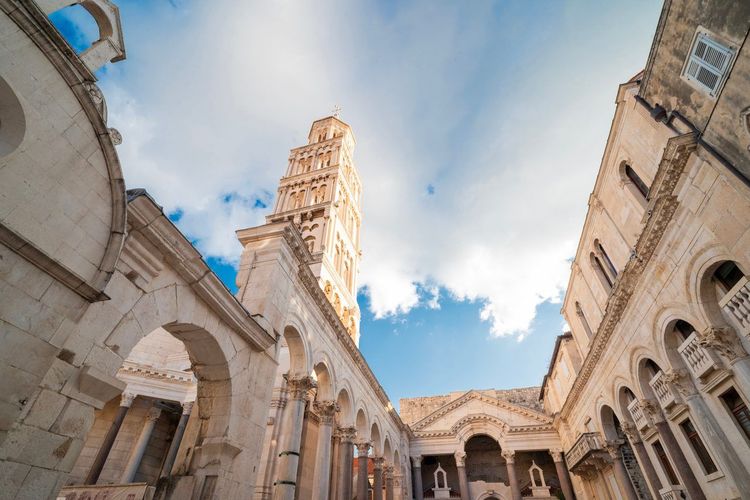
The Diocletian's Palace is not visited like a museum: you enter through the Iron Gate, the Golden Gate or the Bronze Gate on the sea side, and it remains inhabited as it stands, since restaurants, shops and private apartments now occupy its walls. Construction began around 295 to house the retirement of an emperor who had chosen to relinquish power: approximately 215 by 180 metres of white stone largely quarried from Brač, four monumental gates and a layout inherited from Roman military camps. The complex has been a UNESCO World Heritage Site since 1979.
Beneath the former imperial apartments lie the basement halls, a labyrinth of vaulted rooms that exactly replicate the layout of the vanished rooms above. Long filled with rubble and domestic refuse, they were cleared in the 20th century and now offer the best reading of the original structure, before the city was grafted onto it. They are accessed from the Riva through the Bronze Gate, and the visit takes about twenty minutes. Series fans will also recognise a Game of Thrones filming location here.
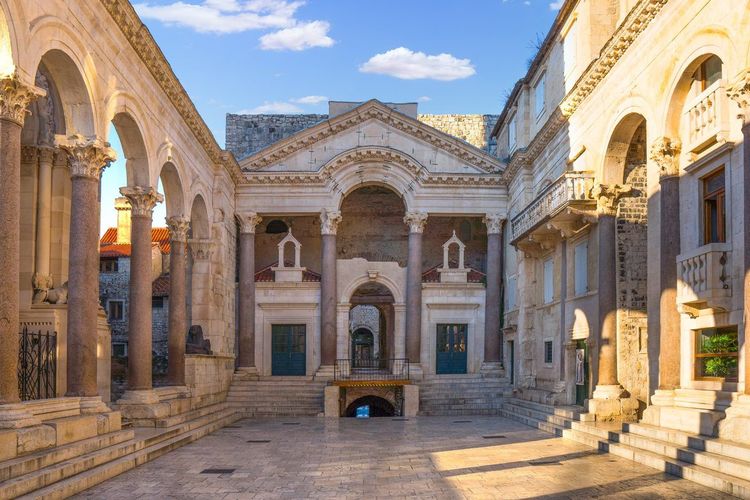
At the centre of the palace, the peristyle forms a colonnaded courtyard that served as a ceremonial vestibule: this is where the emperor appeared before his courtiers, and where summer concerts are held today, often with the audience sitting on the stone steps. Just beside it, the Cathedral of Saint Domnius (Kraj Sv. Duje 5, 21000 Split, rated 4.6/5 on Google with 7,580 reviews) occupies the former imperial mausoleum — quite ironic for an emperor known for persecuting Christians: his sarcophagus has long since disappeared, replaced by the altar of a bishop martyred under his reign.
Exiting through the Golden Gate to the north, you will come upon the giant statue of Gregory of Nin, a 10th-century bishop sculpted by Ivan Meštrović. His big toe, polished by millions of hands, is said to bring good luck: tradition has it that you rub it before leaving. On the other side of the palace, near the Silver Gate, the open-air Pazar market sells fruit, dried figs and Hvar lavender every morning — a good stop if you start your day early.
The Riva Waterfront and the Venetian Old Town
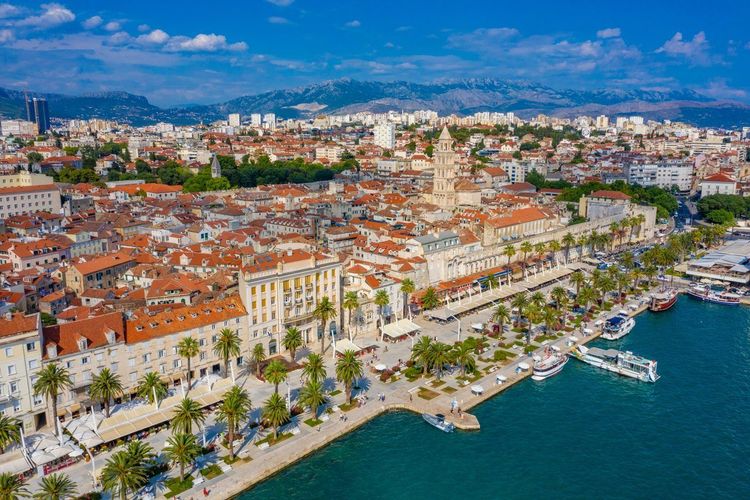
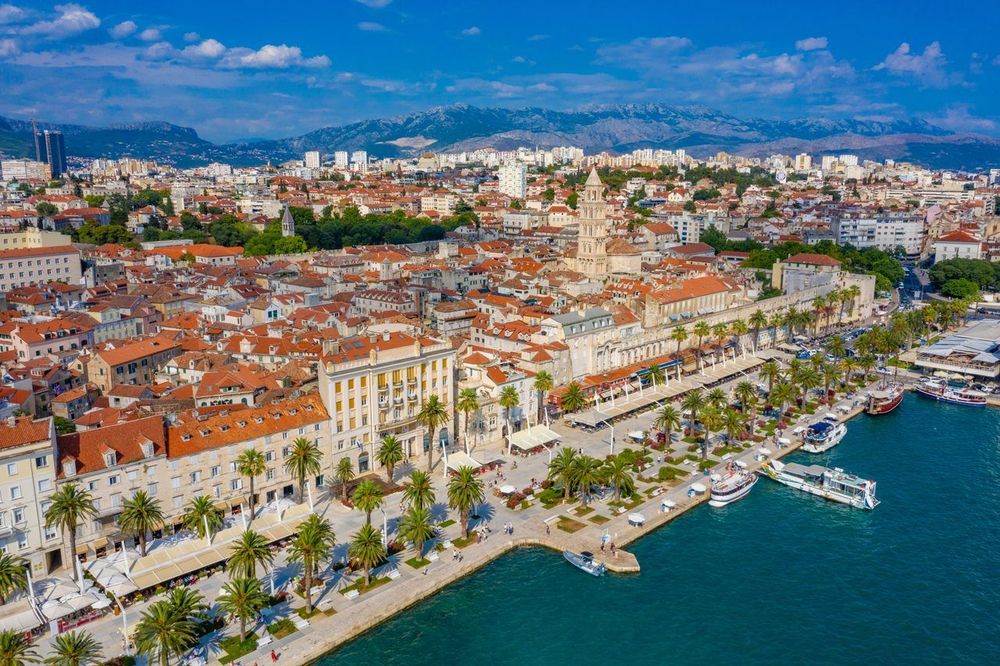
Leaving the palace on the sea side, you step directly onto the Riva, the promenade running along the port that concentrates the majority of Split's terraces. Lined with palm trees, it serves as both an outdoor living room for residents and a reference point for ferries departing to the islands.
Beyond the Roman ramparts, the city continued to expand under Venetian rule between the 15th and 18th centuries, which explains the stone-balconied façades and mullioned windows you encounter on the People's Square (Pjaca) and the Fruit Square to the west of the palace. Take the time to look up rather than rushing from one monument to the next: it is often on the upper floors, on sculpted lintels, that you can read the dates and coats of arms of the merchant families who shaped this neighbourhood. A little further on, the Peskarija fish market comes alive at dawn; you will see the day's catch before it reaches the plates of the konobas.
The Varoš Quarter and the View from the Bell Tower
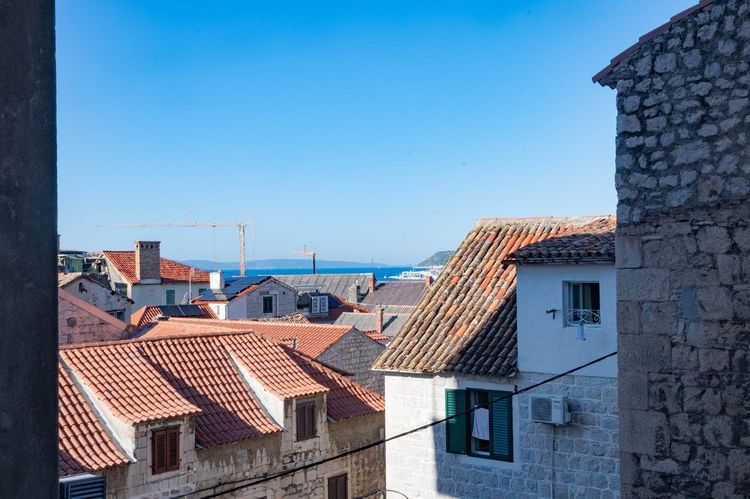
Continuing westward, the lanes narrow and climb gently: this is Varoš, a neighbourhood of fishermen and farmers that developed outside the walls from the 17th century onwards. Its low limestone houses, largely intact, contrast with the density of the historic centre and give a sense of what Split looked like before mass tourism.
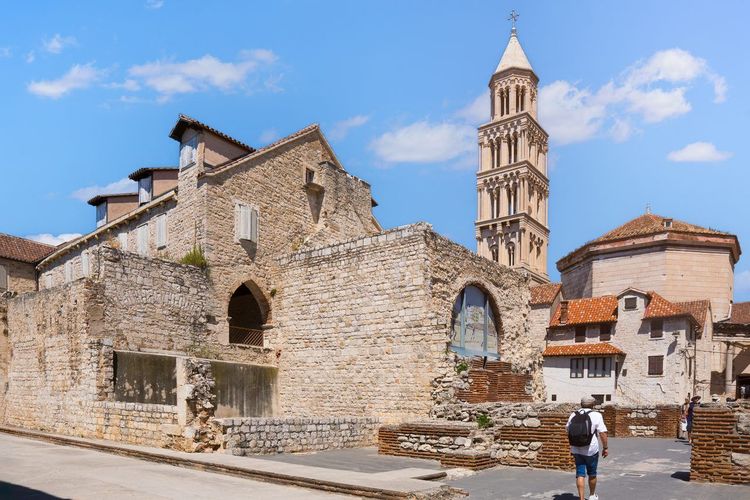
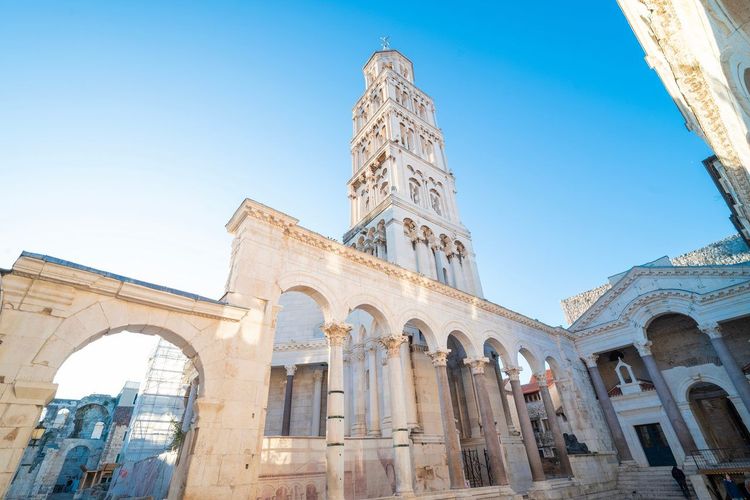
To gain some height, return to the peristyle and climb the roughly 180 steps of the Cathedral of Saint Domnius bell tower, a Romanesque campanile built between the 13th and 16th centuries and largely reconstructed at the beginning of the 20th. The staircase is narrow and vertiginous in places, but the panorama at the top takes in both the tiled rooftops of the historic centre, the Riva and, on a clear day, the silhouettes of Brač and Šolta offshore. Allow about half an hour there and back, and avoid open shoes: some steps are worn and can be slippery.
On this already packed first day, the Ryo audio-guided tour of Split comes into its own: its route passes through the palace basements and peristyle, then the Riva and Varoš, with a historical anecdote at each stop that puts what you see into context, without a paper guide to consult between lanes.
Day 2: the Islands or the Surroundings of Split
Hvar and Brač, the Iconic Islands
Two islands concentrate the main beach desires from Split. Hvar, known for its nightlife and its Spanish fortress overlooking the harbour, is reached in about an hour by catamaran; allow a full day to wander through the old town, climb to the fortress and descend to a cove away from the crowds. Saint Stephen's Square, one of the largest in Dalmatia, and the old Venetian arsenal are worth a stop before catching the boat back.
Brač, more rural, is best known for its Zlatni Rat beach, a spit of white pebbles that changes shape depending on the winds and current — a rare enough phenomenon to attract photographers as much as windsurfers. A direct catamaran links Split to Bol, the small port serving the beach, in about an hour; the car ferry, meanwhile, docks at Supetar on the other side of the island.
Choosing between the two is difficult without knowing your priorities: Hvar for the atmosphere and heritage, Brač for a quieter swim without sacrificing the scenery. If you only have a two-day weekend, pick one and save the other for a future trip. Be sure to check the last return departure time before you leave: outside of summer, it can fall in the late afternoon.
Trogir, the Neighbouring Medieval City
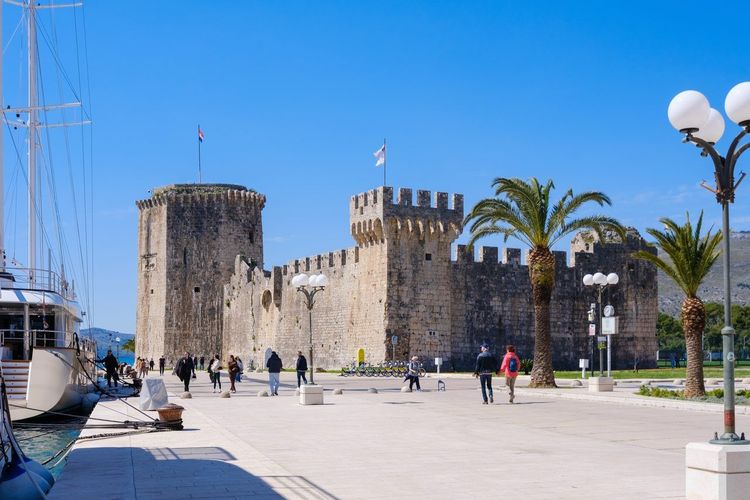
About thirty kilometres away, a 30-to-45-minute bus ride depending on traffic, Trogir offers an alternative that is less maritime but equally rich in heritage. This small fortified town, built on an islet connected to the mainland and to the island of Čiovo by two bridges, has preserved its Hellenistic urban plan beneath layers of Romanesque, Gothic and Renaissance architecture, earning it UNESCO World Heritage status.
The Cathedral of Saint Lawrence, with its portal sculpted by master Radovan in the 13th century, is worth the trip on its own. Allow half a day for the visit, making it the easiest excursion to combine: a morning in Trogir, then an afternoon swim back in Split, for example. If you prefer the sea to the road, shuttle boats also link Split and Trogir in season.
The Blue Cave of Biševo and Krka National Park, for Longer Excursions
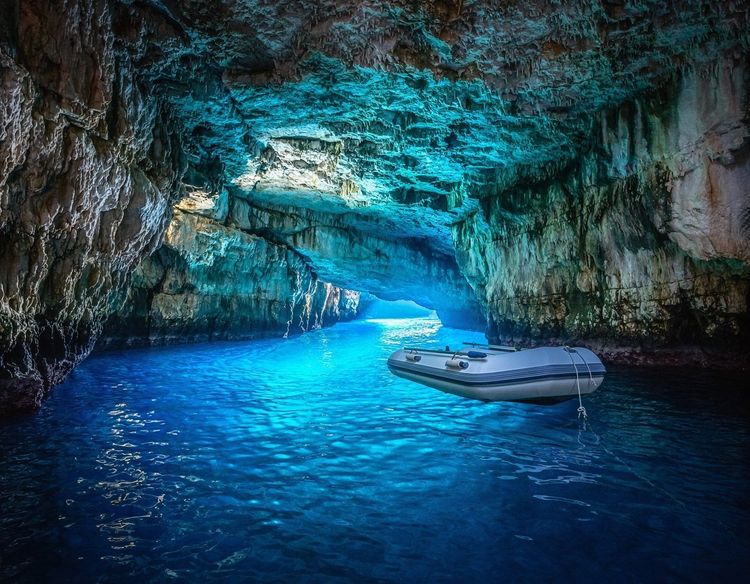
For four-day stays, two more ambitious excursions join the list. The Blue Cave of Biševo, accessible by organised boat from Split or via the island of Vis, owes its name to the turquoise light that enters through an underwater opening, particularly between 11am and noon: outside this window, the effect diminishes noticeably, making it essential to book a morning excursion rather than taking your chances. In rough seas, the cave closes, so build in a buffer day.
Krka National Park (Lozovac, 22203 Skradin, rated 4.5/5 on Google with 70,420 reviews), about an hour and a half's drive north, offers a completely different landscape: stepped waterfalls on the Krka river, with wooden walkways winding at water level. Swimming beneath the Skradinski Buk falls has been prohibited since 2021 to protect the ecosystem, but the trails are more than enough to fill a day. Both excursions each require a full day and are difficult to combine with an island in the same stay unless you extend beyond four days.
If your boat does not depart until late morning, use the slot to walk along the port and the quays: the Ryo audio-guided tour of Split starts just a few steps from the embarkation point, and a first loop through the palace fits easily before the passenger call.
Day 3: Relaxation, Beaches, and the Marjan Hill
Bačvice Beach and Spots Away from the Centre
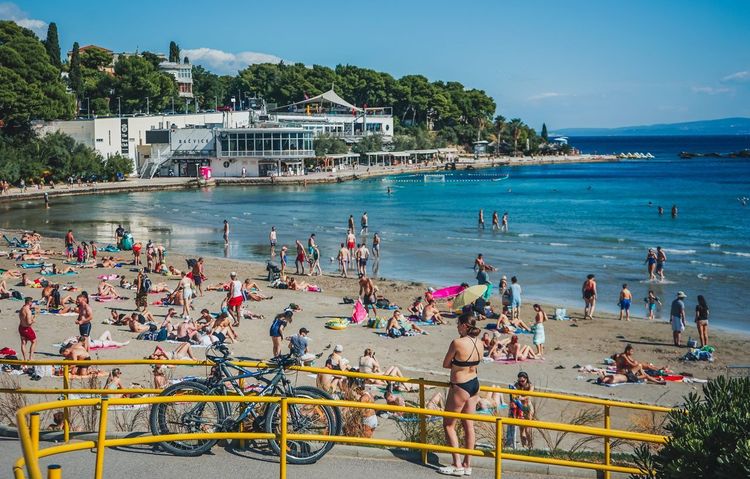
Ten minutes' walk from the palace, Bačvice beach remains the most popular in Split, especially for its distinctive feature: a sandy, shallow seabed extending for several dozen metres, rare on this predominantly rocky coastline, making it a family favourite as well as the home of picigin, a local ball game played with feet in the water for more than a century.
Past Bačvice, the coast continues east with less crowded pebble coves, particularly around Firule and then Žnjan, about twenty minutes' walk or a few bus stops away. If you are really looking for peace and quiet, it is better to take a boat to Brač or Hvar than to search for a deserted beach in Split itself: the city remains an urban destination before a seaside one.
The Marjan Hill: a Walk and a Viewpoint
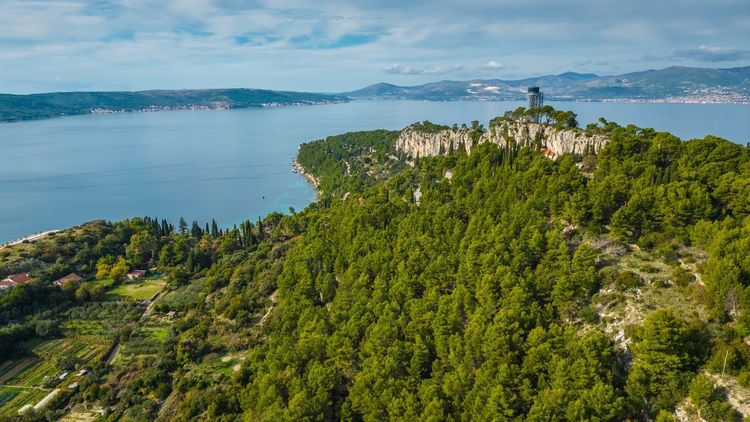
To the west of the old town, Marjan Hill (Šetalište Ivana Meštrovića, 21000 Split, rated 4.7/5 on Google with 14,003 reviews) forms a large forested park planted with pine trees from the early 20th century onwards, on slopes once stripped bare by goats and logging. Signposted stairs and paths climb from Varoš, and it takes about twenty minutes of walking to reach the Vidilica viewpoint, which overlooks the entire historic centre and port. Its terrace café is ideal for sunset.
If you are feeling energetic, the path continues to small medieval chapels, including Saint Jerome's set into the cliff face, then descends towards the beaches of Kašjuni to the south or Bene to the north, both nestled beneath the pines. Wear sturdy shoes: the limestone becomes slippery after rain, and shade is sparse at midday in summer. As you climb, you will understand how this urban park was reforested by hand by the people of Split themselves over several decades, at the initiative of a local society founded in 1903. It is one of the stories the Ryo audio-guided tour of Split tells along the way, before letting you head down to the sea.
What to Do in Split When It Rains: Museums and Indoor Activities
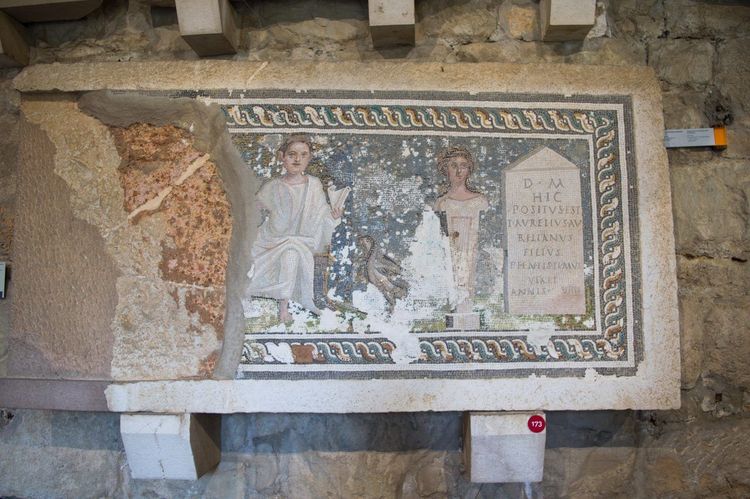
A rainy day is nothing dramatic in Split: several museums let you stay dry without giving up on heritage. The Archaeological Museum, founded in 1820 and considered the oldest museum in Croatia, holds collections from the excavations of Salona, the former Roman capital of the province, just a few kilometres away.
Within the palace walls, the Split City Museum occupies the Gothic Papalić Palace and traces the city's history from the Roman era to the 20th century, with a focused layout that can be completed in about an hour. The Meštrović Gallery (Šetalište Ivana Meštrovića 46, 21000 Split, rated 4.7/5 on Google with 1,487 reviews), dedicated to Croatian sculptor Ivan Meštrović, is located a little further out, at the foot of Marjan, in the villa he designed himself in the 1930s: the gardens are worth a visit even in overcast weather.
For a quick plan B, the palace basements remain a good option: the visit is sheltered under vaulting, as is that of the small Temple of Jupiter turned baptistery. Allow a morning to do two of these sites at a leisurely pace, and save the afternoon for a terrace coffee if the sky clears.
Where to Eat and Go Out in Split
Restaurants and Street Food in the Old Town
Dalmatian cuisine focuses on grilled fish, black squid-ink risotto and pašticada, a beef stew slow-marinated in vinegar and served with gnocchi, the traditional dish for special occasions. In the old town, tables set around the peristyle charge openly tourist prices: expect €25 to €35 for a meal with fish, versus €12 to €18 in a konoba, a family tavern, two or three streets away.
For a quick bite, burek (a flaky pastry with meat or cheese) and pizza sold by the slice are found on almost every shopping street and rarely cost more than €3 to €5. This is the quickest option between visits, especially for a lunch before catching the ferry to the islands.
Cafés and the Easy Pace of City Life
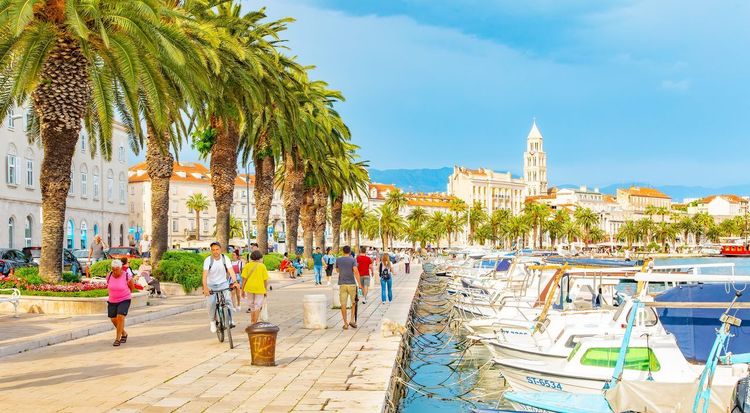
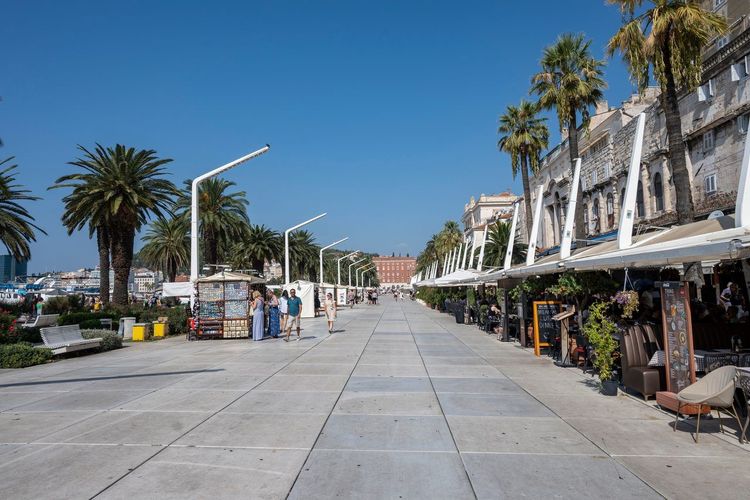
Split cultivates an art of terrace café life that locals call "fjaka", a gentle Mediterranean idleness: the Riva and the small central squares fill with tables from 9am, and it is easy to spend an hour over an espresso without a waiter rushing you for the bill. Adopt this rhythm at least once during your stay, rather than moving from one sight to the next without a break.
Bars and Nightlife
Nightlife is concentrated mainly in the palace lanes and around Majstora Jurja Street to the north, where several cocktail bars and pubs occupy repurposed vaulted cellars. The atmosphere is more understated than in Hvar, renowned for its clubs, but more than adequate for an evening out. Terraces generally close around midnight out of respect for the residential nature of the historic centre, a fairly strict rule compared to other Mediterranean cities.
For additional recommendations, the article What to Do in Split, a Ryo Guide lists further activities and good restaurants, useful for extending your exploration beyond this weekend.
Where to Stay in Split: Neighbourhoods and Recommended Hotels
Staying in the Old Town, at the Heart of the Action
Staying within Diocletian's Palace itself, or in the immediate surrounding lanes, maximises your visiting time: you are two minutes from everything, from the bell tower to the Riva terraces. The downside is noise, as the lanes amplify bar sounds late into the weekend evenings, and a lift is almost always absent, accommodation often occupying upper floors of historic buildings. This choice suits short two-day stays most, when you want to make the most of every hour without relying on transport.
Staying Near the Beach or Outside the Centre
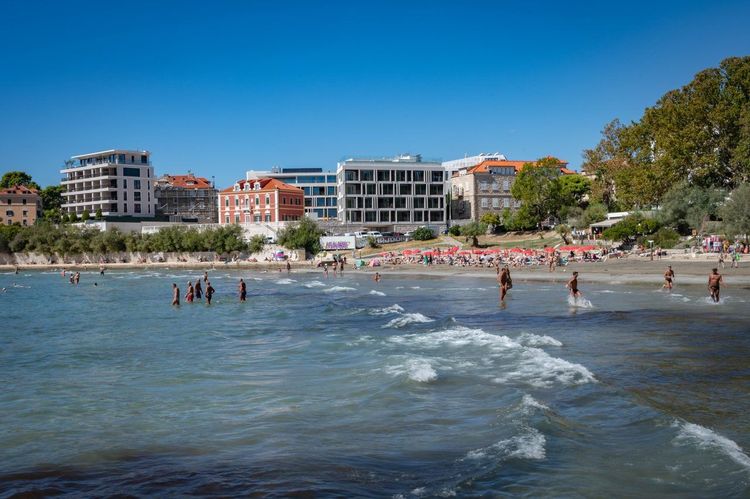
Conversely, the neighbourhoods around Bačvice or the waterfront further east offer more modern accommodation, often with a balcony or sea view, fifteen to twenty minutes' walk from the historic centre. This is the compromise chosen by families and stays of more than three days, alternating visits with beach days. Prices there are generally slightly lower than in the historic centre, a difference that adds up quickly over a multi-night stay.
One final consideration: the car. If you are renting a vehicle to venture out to Trogir or Krka, choose accommodation with private parking on the outskirts, as parking in the old town is both scarce and expensive. Without a car, however, nothing beats being right next to the palace for enjoying evenings without the constraints of bus timetables.
How to Get to Split and Get Around

Low-Cost Flights from Paris and France
From Paris, several airlines including low-cost carriers serve Split Airport (SPU) with direct flights, mainly from April to October, with a journey time of around two hours fifteen minutes. Outside the season, direct connections become scarce and you often need to transit through Zagreb or another European city, stretching the total journey to four or five hours. Book two to three months in advance for a summer flight: prices rise sharply as July and August approach.
The airport is about twenty-five kilometres from the city centre, on the Trogir side, with shuttles timed to flight schedules that reach the bus station in thirty to forty minutes depending on traffic.
Ferries and Boats to the Islands
Split's port, right in front of the Riva, is the most active maritime hub in Dalmatia: catamarans to Hvar and Bol in about an hour, car ferries to Supetar on Brač in fifty minutes, and regular services to Vis, Korčula or even Italy in high season. Tickets can be bought online or at the counter, but book in advance in July and August: some crossings sell out by morning.
For the Blue Cave of Biševo, go through an organised excursion rather than regular lines, which do not serve Biševo directly from Split.
Bus, Car, and Parking in the City

From Zadar to the north, the bus follows the coast in two and a half to three hours depending on stops — a practical connection if you are combining several Dalmatian cities in a single trip. Split's bus station is right next to the port, within walking distance of the historic centre.
In the city, a car quickly becomes a hindrance: the old town is entirely pedestrianised, and surface parking around the palace is paid, time-limited and often full by morning. Covered car parks a little further out remain the most reliable option, at the cost of a five-to-ten-minute walk to the palace. For getting around Split, walking is the fastest solution: the historic centre can be crossed in about fifteen minutes, with buses and taxis only really useful for the airport or more remote beaches.
When to Go to Split: the Best Season
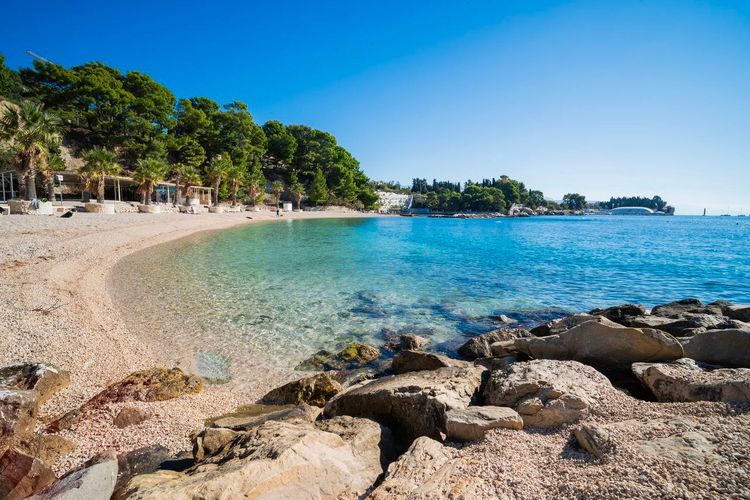
June and September offer the best compromise: sea temperatures around 22–24 °C, pleasant for swimming, without the crowds or prices of July and August. Ferries to the islands remain frequent during these months, unlike winter when some lines are reduced to one or two crossings a day.
July and August bring the most reliable heat, often above 30 °C, but also peak crowds in the palace and on the Riva, as well as accommodation rates that can double compared to June. Booking ferries and excursions several days in advance then becomes almost mandatory.
Spring (April–May) and October offer mild temperatures for sightseeing on foot, with more affordable flights, but the water often remains too cold for a real swim before the end of May. In winter, from November to March, Split becomes an almost local city: few tourists, monuments accessible without queuing, but direct flights from Paris are nearly non-existent and the weather can be intermittently rainy. For combining beach and heritage without blowing your budget, late June and the first half of September remain the safest choice.
What Budget to Plan for a Weekend in Split
Flights from Paris vary considerably by season: expect €60 to €120 return in low season booked in advance, versus €150 to €300 in peak summer if you leave it late. This is often the most volatile item in the budget.
For accommodation, a decent double room in the historic centre runs around €90 to €140 per night in summer, and can drop to €50–70 out of season or in more outlying neighbourhoods. Youth hostels, plentiful in the old town, bring this down to €25–35 per person in a dormitory.
For meals, budget €15 to €20 per day per person by sticking to konobas and street food, versus €40 to €60 if you favour the tourist restaurants inside the palace. A crossing to Hvar or Brač generally costs between €15 and €25 per person return, depending on the season and the boat; organised excursions to the Blue Cave or Krka run more like €60–90 per person including transport and guide.
Overall, a two-day weekend for two people including flights comes in at around €350 to €500 with comfortable but unpretentious choices, rising to €600–800 for four days with an island excursion and more generous dining. Booking flights and accommodation at least six weeks in advance remains the most effective way to stay at the lower end of this range.



FAQ
Is Diocletian's Palace Free to Visit?
Access to the streets and squares of the palace is free, as it is an inhabited neighbourhood. However, some sites require a ticket: the basement halls, the Cathedral of Saint Domnius with its bell tower, the baptistery and the treasury, often bundled in combined tickets of around €10 to €15 per adult.
Where Can I Park in Split to Visit the Old Town?
Since the old town is pedestrianised, aim for a covered car park on the immediate outskirts, near the bus station or the port, rather than a surface spot around the palace, which is rare and often time-limited.
How Do I Get to the Islands (Hvar, Brač) from Split?
Split's port, right in front of the Riva, offers catamarans to Hvar and Bol in about an hour, and car ferries to Supetar on Brač in fifty minutes. Book online in advance in July and August, as some crossings sell out by morning.
Are the Cafés and Bars in Split Non-Smoking?
Croatian law prohibits smoking indoors in cafés, bars and restaurants, but tolerates separate, ventilated smoking areas in some establishments. On terraces, smoking remains common and widely tolerated.
Is It Easy to Get to Split and Get Around Without a Car?
Yes: the airport is connected to the centre by shuttle, the port and bus station are within walking distance of the palace, and the old town is entirely navigable on foot. A car is mainly useful for Krka if you prefer to avoid organised tours.
Is a Weekend in Split Suitable for a Family Trip?
Absolutely: Bačvice beach, shallow for several dozen metres, is great for children, and the palace lends itself to playful exploration thanks to its alleyways and vaulted basements. Opt for a lightweight pushchair, as some lanes are paved with uneven, slippery flagstones.
Conclusion
A weekend in Split ultimately comes down to a fairly straightforward choice: staying focused on Diocletian's Palace and the historic centre over two days, or stretching the stay to three or four days to add an island, Trogir, or an excursion to Krka. In either case, the city offers a rare combination of heritage and beach life on this stretch of the Adriatic, between Roman ruins, Venetian façades and a swim ten minutes' walk from the centre.
To prepare your stay without having to piece everything together from scratch, the Ryo audio-guided tour of Split connects these places, from the peristyle to Varoš, and lets you move at your own pace, without depending on the schedule of a traditional guided tour.