





Créé par Emilie, le 4 oct. 2026
Votre guide Ryo
Dubrovnik, Croatia
The pearl of the Adriatic
Parcours audioguidé pour visiter Dubrovnik en 1 jour
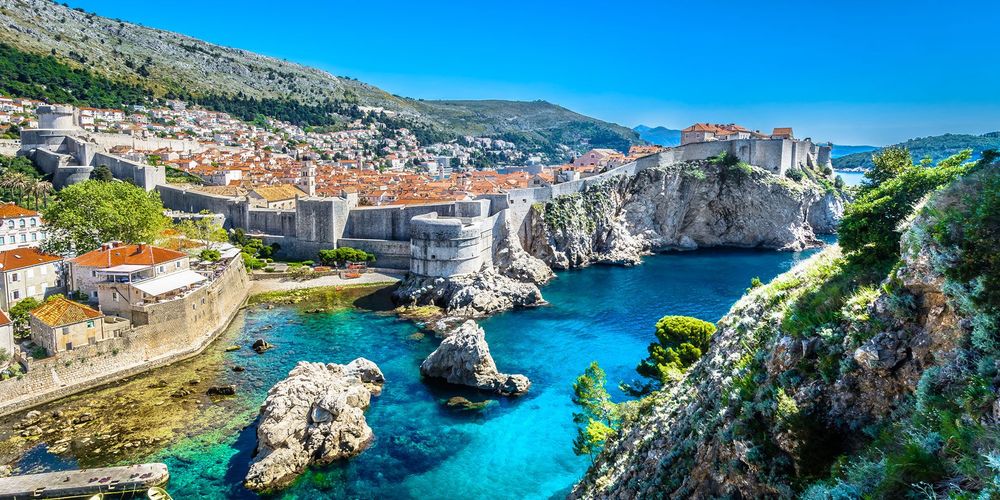
This tour of Dubrovnik’s historic center invites you to step through the walls of a legendary city, featuring white stone palaces, centuries-old monasteries, and marble-paved streets polished by time. Throughout the route, discover the heritage of the powerful Republic of Ragusa, the elegance of its Gothic and Baroque architecture, and the landmarks that define this "museum-city" surrounded by turquoise waters. A simple and immersive way to explore the soul of Dubrovnik at your own pace.
Quand partir à Dubrovnik ?
Jan.
9°
11
Feb.
9°
10
March
11°
10
April
14°
9
May
18°
7
June
22°
5
July
25°
3
Aug.
25°
3
Sept.
21°
6
Oct.
17°
10
Nov.
13°
12
Dec.
10°
13
Dubrovnik has a warm temperate climate, so temperatures vary throughout the year, but they generally average around 15°C. The coldest months are January and February, with lows around 8°C. The hottest months are July and August, when highs reach around 29°C. As for rain, the wettest months are from January to March, and from October to December. If you want the best weather for your visit, the ideal time to come is between June and September.
Départ conseillé
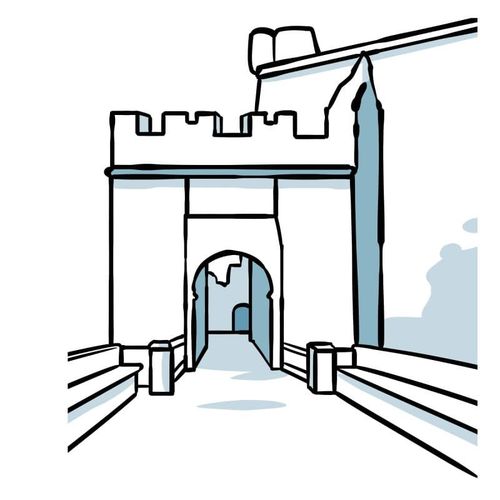
No need to worry about where to begin! Our tours are designed as a loop, so you can jump in wherever you are. The navigation system and audioguide will automatically adjust to your location. However, if you happen to be nearby, we do have a preferred starting point: In front of the Buže gate
Parking à proximité
Zicara Car Park : 44 Ul. Iza Grada
Dubrovnik is a small city tucked within 13th-century walls. Many travellers choose not to bring their car when they visit. But if you are bringing a car, you should know that parking in the Pearl of the Adriatic can cost around €11 per hour on average. Yes, it’s pricey!
À savoir
Like many top tourist destinations, Dubrovnik offers perks and discounts through the Dubrovnik Card. It’s a great alternative for discovering the city at your own pace, while taking advantage of deals along the way.
Public toilets in Dubrovnik aren't always free, just like in the rest of Croatia. Expect to pay around €2 per visit. It might come as a surprise, but that’s the way it is. To avoid paying more than you need to, we recommend going to the toilet at cafés, bars, or restaurants where you’re already planning to eat or drink.
Découvrez 19 lieux d'intérêt pour visiter Dubrovnik










Le plein d'inspirations
Explorez le monde en totale liberté, à pied au cœur des villes ou au fil des routes. Nos guides audios transforment chaque destination en une découverte culturelle immersive et unique.

FAQ for visiting Dubrovnik
When is the best time to visit Dubrovnik?
The ideal time to visit Dubrovnik runs from June to September, when the Mediterranean climate reveals all its splendour. You will then enjoy pleasant temperatures of around 25-29°C and generous sunshine, perfect for wandering through the marble lanes and admiring the turquoise waters from the city walls. The months of May and October also offer beautiful days with fewer crowds. If possible, avoid the period from November to March, which is rainier, and January-February when temperatures drop to around 8°C. Summer remains the favourite for combining cultural discovery and seaside pleasures, even if July and August attract more visitors.
How many days do you need to visit Dubrovnik?
Two to three days are the ideal length of time to fully appreciate Dubrovnik. A full day lets you explore the historic heart, walk the famous city walls and lose yourself in the maze of cobbled lanes between palaces and monasteries. On the second day, you can deepen your discovery of the museums, churches and emblematic squares, while savouring the unique atmosphere of this former maritime republic. If you have a third day, take advantage of it to explore the surroundings or relax on one of the nearby beaches. This length of time gives you the time you need to visit at your own pace, without rushing, and to soak up the soul of the pearl of the Adriatic.
How do you avoid the crowds in Dubrovnik?
To escape the crowds that invade Dubrovnik, favour a visit early in the morning or in the late afternoon, when the golden light enhances the white stones. The months of May, June and September offer an excellent compromise between fine weather and moderate crowds. Absolutely avoid the arrival times of the cruise ships, generally between 10 a.m. and 4 p.m. Explore the lesser-known lanes that move away from the Stradun, the main artery, where you will discover hidden treasures far from the bustle. The city walls are also more pleasant in the early morning. Finally, staying in the old town lets you enjoy the magic of the place once the day-trippers have left, when Dubrovnik recovers its authenticity.
Where to stay in Dubrovnik: in the old town or outside?
The choice of your accommodation depends on your priorities and your budget. Staying in the old town plunges you into the heart of history, with the privilege of experiencing the unique atmosphere of the place morning and evening, when the tourists have gone. However, prices there are generally higher and access can be difficult with luggage on the cobblestones and stairs. Outside the city walls, you will find more affordable and modern options, often with parking and a pool. The Ploce and Lapad districts remain close to the historic centre while offering more comfort and tranquillity. A shuttle or a short walk easily brings you back to the major sights.
How much does entry to the Dubrovnik city walls cost?
Access to the Dubrovnik city walls requires the purchase of a ticket whose price varies according to the season and your situation. Prices are generally higher in the summer high season than in the low season. Discounts are often offered to students, children and groups. It is advisable to buy your ticket in advance, especially in summer, to avoid the queues. The complete walk around the walls takes about two hours and offers spectacular views over the old town, the sea and the surrounding islands. Plan for good shoes and water, as the walk can be demanding under the sun. Combined tickets including other monuments can represent an interesting saving.
How do you get to Dubrovnik from the airport?
Dubrovnik airport is located about 20 kilometres south of the city, in the Konavle valley. Several options are available to reach the centre. The airport shuttle is the most practical and economical means, with regular departures coordinated with flight arrivals. The journey generally takes 30 to 40 minutes depending on traffic and stops. Taxis remain available but represent a higher cost, especially in high season. For more flexibility, car rental can be worthwhile if you plan to explore the region. Private transfer services can also be booked in advance for greater comfort.
What is there to visit around Dubrovnik in a day?
The surroundings of Dubrovnik are full of wonders accessible on a day trip. The Elaphiti Islands, notably Lopud and Šipan, offer unspoilt beaches and authentic villages just a short boat ride away. The picturesque Cavtat, a former Greek city, charms with its lovely harbour and peaceful atmosphere. For nature lovers, the Mljet national park enchants with its salt lakes and lush vegetation. The more adventurous can head to neighbouring Montenegro to discover the Bay of Kotor, or towards Bosnia and Herzegovina to visit Mostar and its famous Ottoman bridge. The Ryo audioguide accompanies you in the discovery of Dubrovnik and can be the ideal starting point before these regional getaways.
Where are the most beautiful beaches near Dubrovnik?
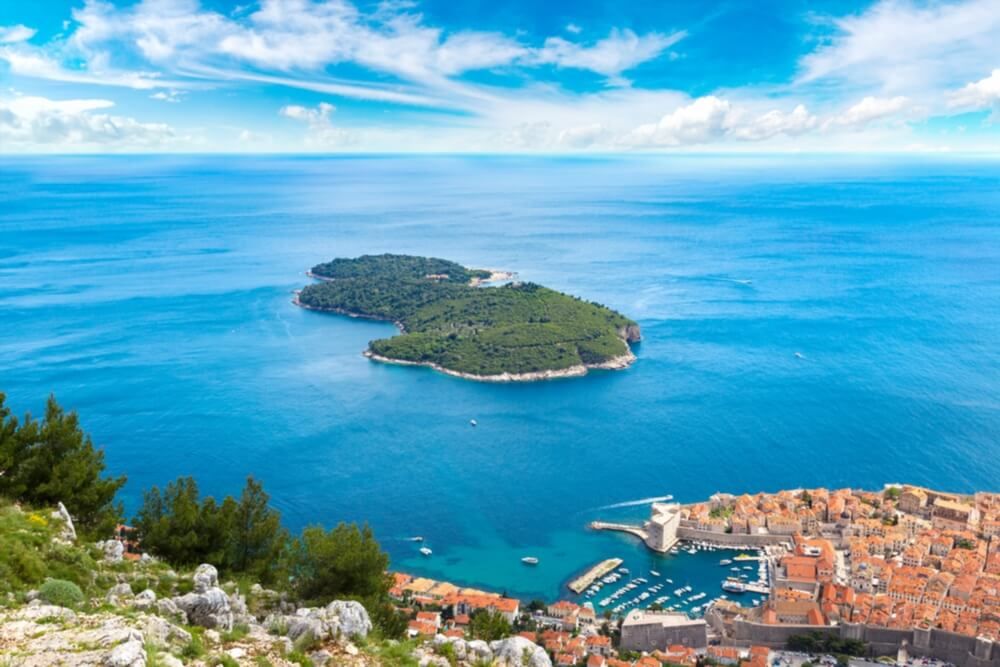
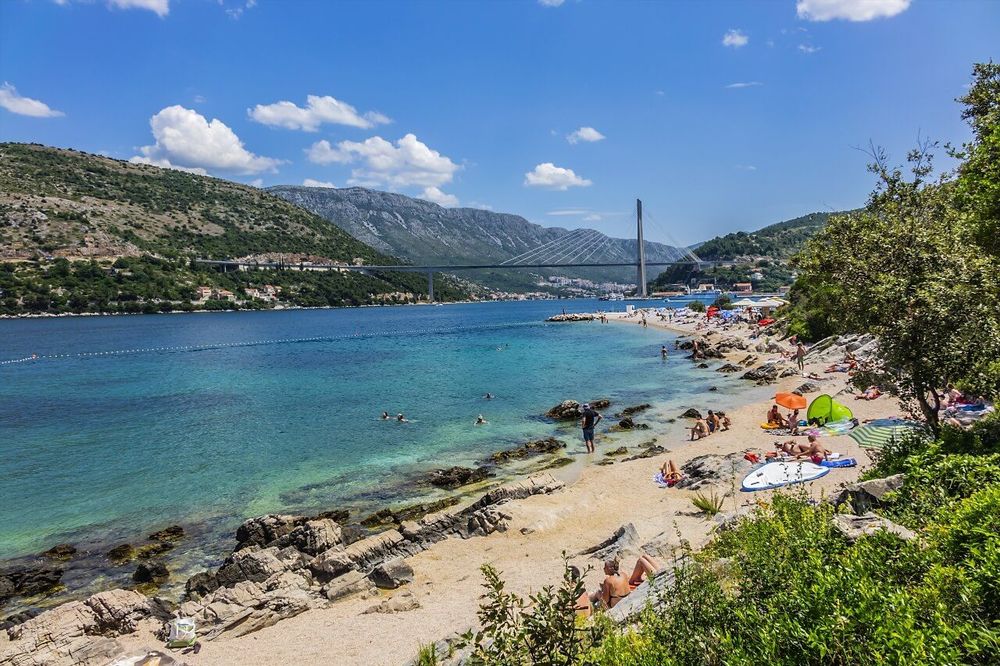
Dubrovnik offers several remarkable beaches in the immediate vicinity of the historic centre. Banje beach, just east of the city walls, remains the most popular with its stunning view over the old town and the island of Lokrum. For more tranquillity, head towards Lapad bay where several pebble coves are strung along the shaded promenade. The beaches of the island of Lokrum, reachable in 15 minutes by boat, promise crystal-clear waters in an unspoilt natural setting. Further south, Sveti Jakov beach offers a spectacular panorama after a descent of many steps. For lovers of fine sand, rare in the region, head to Šunj on the island of Lopud.
Which landmarks should you see in Dubrovnik's old town?
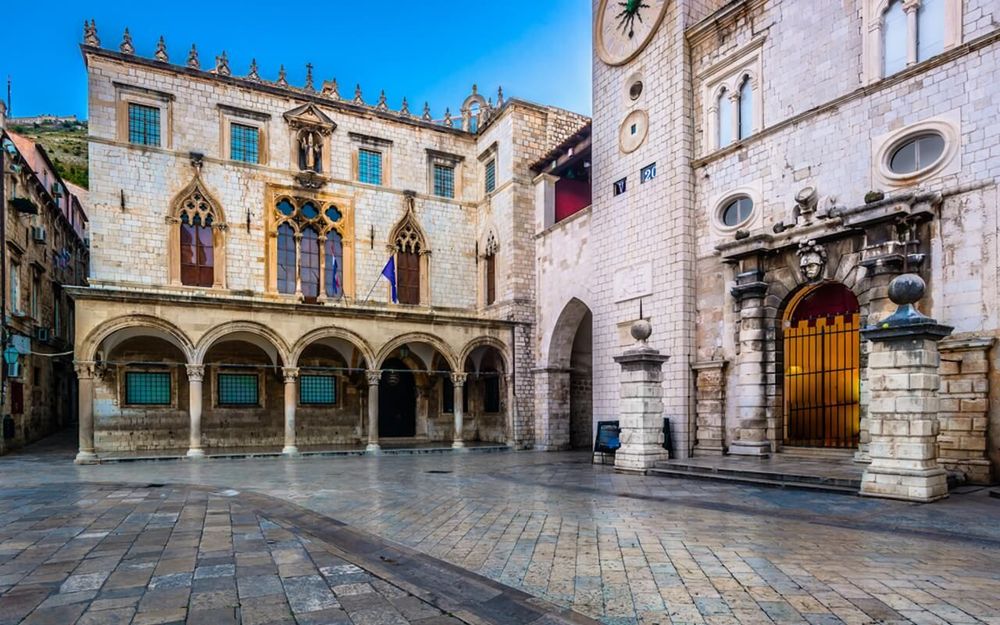
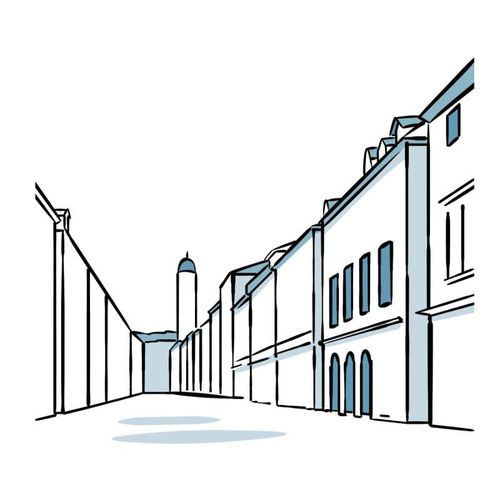
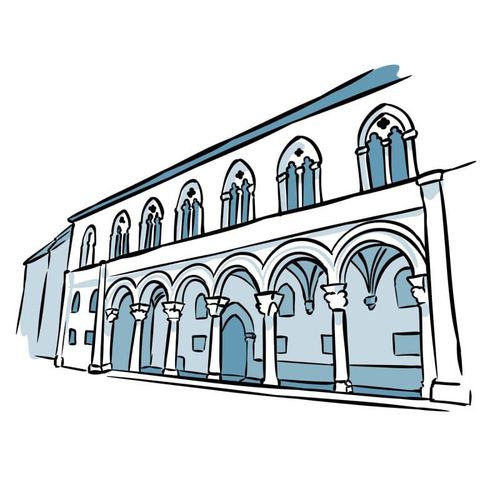
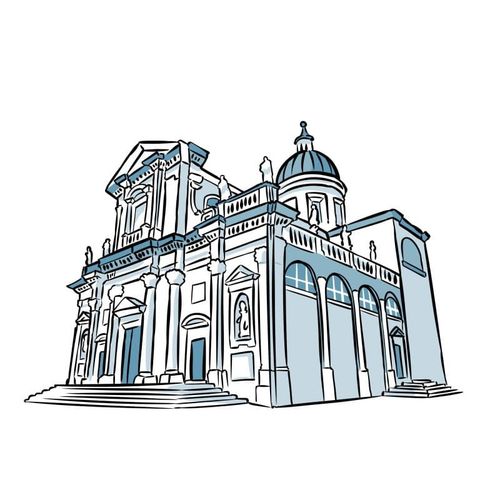
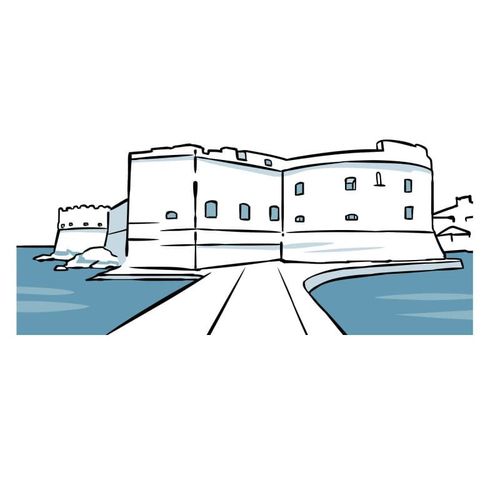
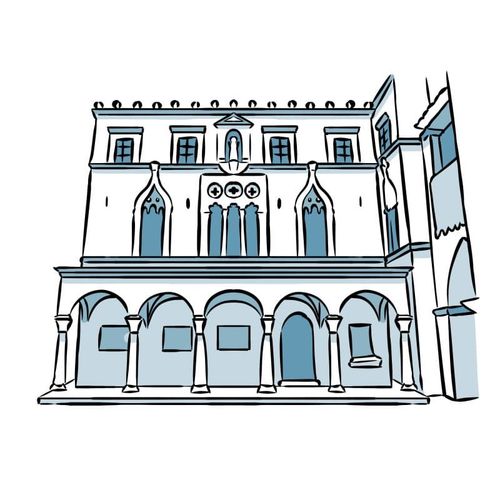
It all starts with the Stradun, the long polished limestone thoroughfare running from the Pile gate to the Ploče gate and acting as the city's backbone. At each end, the two Onofrio fountains recall the ingenuity of the old republic, which brought water down from the hills. The Franciscan monastery houses one of the oldest pharmacies in Europe still in operation, while the Sponza Palace and the Rector's Palace speak of the city's merchant wealth. Add the church of Saint Blaise, dedicated to the patron saint, the Cathedral of the Assumption and the old harbour sheltered by its fortresses.
The old town is entirely pedestrian and can be crossed in a matter of minutes, yet its stairways and side lanes are worth getting lost in. The Ryo audio guide offers a dedicated Dubrovnik route that links these landmarks and sheds light on the history of the maritime republic.
Where can you see the Game of Thrones filming locations in Dubrovnik?
The old town served as the main backdrop for King's Landing, and most of the spots are recognisable without a guide. Lovrijenac fortress, perched on its rock facing the city walls, played the Red Keep, while the old harbour and its quays hosted the port scenes. The baroque staircase climbing towards the church of Saint Ignatius, near Gundulić square, is the one from the walk of shame, and the Minčeta tower, at the highest point of the walls, stands in for the House of the Undying.
The wooded island of Lokrum, a few minutes by boat from the old harbour, rounds off the circuit as the city of Qarth; peacocks roam there and a throne is kept on display. Allow half a day to string these stops together on foot, taking in the views over the Adriatic along the way.
Vos commentaires, idées et suggestions
Aucun avis pour le moment