© Shutterstock
 Votre guide Ryo
Visiting Dubrovnik as a Couple: The Complete 2026 Guide
Visiting Dubrovnik as a couple means accepting a slower pace. Whatever the itinerary, the polished limestone alleyways always end up bringing hands closer together, the staircases climbing toward the city walls demand pauses, and the sun dropping over the Adriatic always gives a good reason to linger five minutes longer. It is probably no coincidence that so many travellers choose this fortified city in Dalmatia for a city break or honeymoon: few European destinations pack so many viewpoints, terraces, and quiet corners into such a small area. The Ryo audio guide for Dubrovnik is designed to let you wander between viewpoints over the old town's orange rooftops without having to time every stop.
This guide brings together everything you need to know for a trip for two: the 1,940 metres of walls encircling Stari Grad, the Buža bar clinging to the cliff, the Jesuit staircase where Cersei begins her walk of shame in Game of Thrones, and the small boat that reaches Lokrum island in fifteen minutes. It also covers the best neighbourhoods to stay in, day trips to the Elaphiti Islands or Montenegro, and everything you need to organise transport and budget without any nasty surprises.
Dubrovnik's Old Town, Stari Grad: The Heart of a Couple's Stay
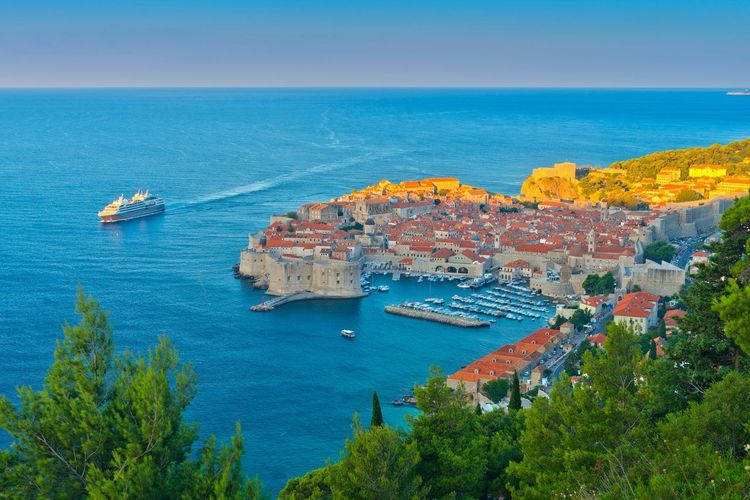
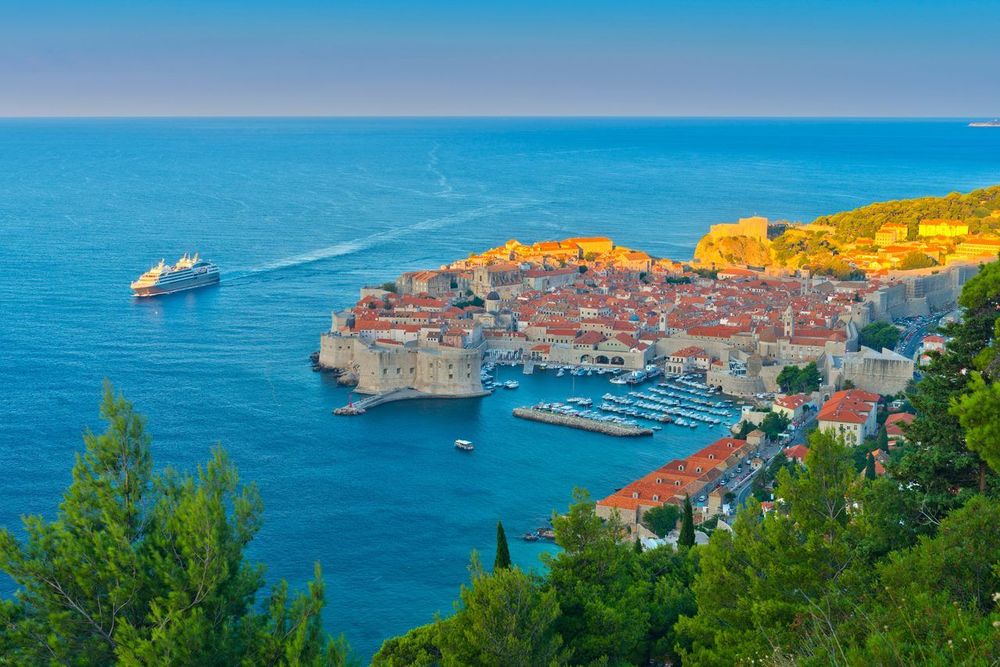
Every stay in Dubrovnik begins, inevitably, with Stari Grad, the old town enclosed behind its fortifications. It is a tiny space, barely a kilometre long, yet dense enough with pale stone and history to fill a good portion of any stay. It is worth planning to return several times, morning and evening, as the light changes its face completely: golden at sunrise, white and dazzling at midday, almost pink just before sunset.
The City Walls and the Stradun, the Backbone of the Old Town
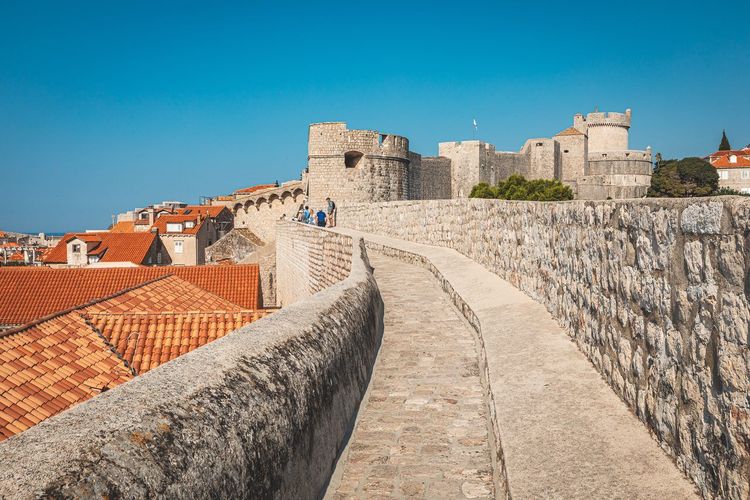
The city walls of Dubrovnik encircle Stari Grad for 1,940 metres and can be walked as a loop, with three entry points (including Fort St. John) that also allow you to cut the walk short. Allow 1.5 to 2 hours at a leisurely pace, more if you stop often for photos: every bend of the rampart path offers a different angle over the orange-tiled rooftops and the Adriatic. Admission is around €40 per person in high season, a ticket that also includes Fort Lovrijenac, with access available from 8 a.m. to get ahead of the cruise-ship crowds.
For a quieter moment together, head up to the walls in the late afternoon, an hour before closing: the low light colours the stone and most organised tour groups have already left. The seaward stretch, between Fort St. John and Fort Bokar, holds the best open-sea views, while the Minčeta Tower, the highest point on the landward side, offers the best bird's-eye view over the rooftops.
Below, the Stradun (or Placa) runs east to west through the old town for around 300 metres, entirely paved in limestone polished smooth by centuries of footsteps — so smooth it becomes an ice rink during the rare showers. This is the artery where everything converges: ice-cream vendors, café terraces, and the crowds heading toward the clock tower at the far end of the street. While most visitors enter through the Pile Gate to the west, try instead the Ploče Gate to the east: less busy, it opens gently onto Luža Square and the Clock Tower at the end of the Stradun.
The Rector's Palace and Sponza Palace
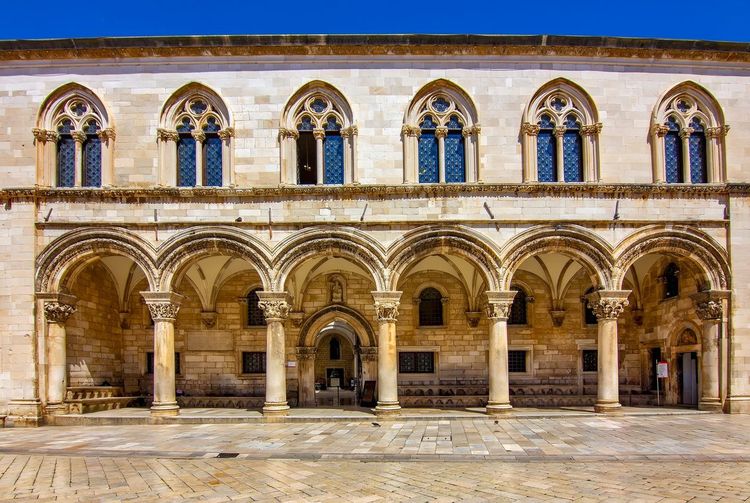
A short walk from the Stradun, the Rector's Palace (Knežev dvor) was home to the elected governor of the Republic of Ragusa, whose term was so short — just one month — that no man in power ever had time to settle in properly. Its Gothic-Renaissance arcades and inner courtyard, cool even in the height of summer, now house the Cultural History Museum. Allow 45 minutes for a visit, longer if you linger over the period-furnished rooms.
A few metres further along, Sponza Palace survived the 1667 earthquake almost intact, unlike most of the city's buildings. Its Renaissance façade now houses the State Archives and a quiet memorial dedicated to the defenders of Dubrovnik who fell during the 1991–1992 siege: a room that contrasts with the postcard image of the city and serves as a reminder that Dubrovnik has a recent history as much as an ancient one.
The Cathedral of the Assumption and the Dominican and Franciscan Monasteries
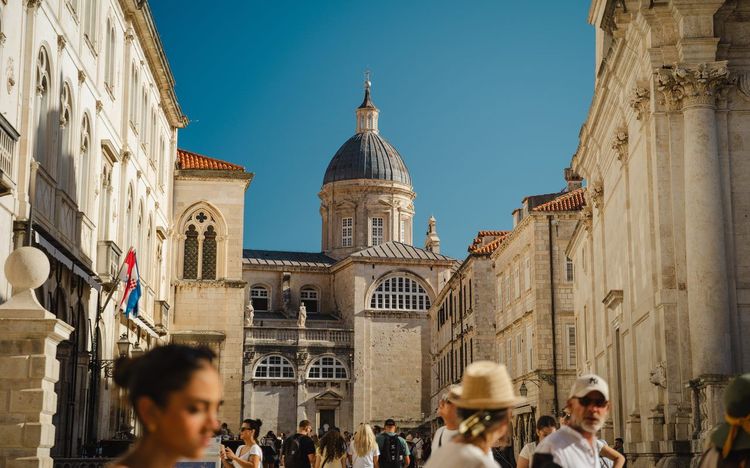
The Cathedral of the Assumption, rebuilt in Baroque style after the 1667 earthquake, holds a treasury worth a detour: relics of St. Blaise, the city's patron saint, set in 11th-century silver reliquaries. Entry to the treasury costs a few extra euros, rarely mentioned by visitors in a hurry.
At the Stradun's western end, near the Pile Gate, the Franciscan Monastery conceals one of the oldest continuously operating pharmacies in Europe, open without interruption since 1317. The Romanesque cloister that precedes it, with its double-columned arcades, is one of the quietest corners of the old town, away from the flow of the main street. At the other end, the Dominican Monastery (Svetog Dominika 4, 20000 Dubrovnik, rated 4.2/5 on Google from 409 reviews) has a comparable atmosphere, with a Gothic cloister and a collection of Venetian religious paintings that sees fewer visitors than the Rector's Palace.
To take a break from the Stradun crowds, climb the monumental Jesuit staircase, built in the 18th century in the style of the Spanish Steps in Rome. Outside cruise-ship hours, its wide, curved steps are one of the rare places to sit together quietly without being jostled. The Ryo audio guide for Dubrovnik stops at each of these monuments in the most logical walking order, with a commentary at each point that means you never have to stand nose-deep in a paper guidebook while the other person waits.
The Most Beautiful Viewpoints and Sunsets for Two
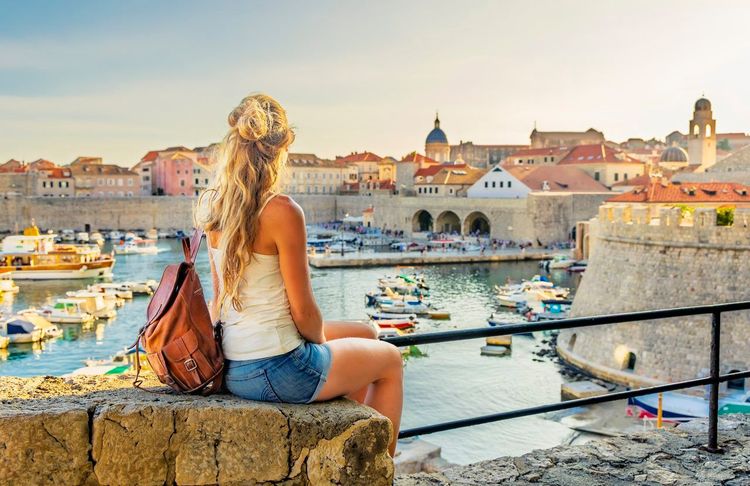
Dubrovnik offers no shortage of reasons to stop, but three spots stand out for the most memorable sunsets for a couple: a hilltop, a bar balanced on the rock face, and the open sea.
Mount Srd by Cable Car and the Imperial Fort
The Dubrovnik cable car climbs to the top of Mount Srd in under four minutes, compared with more than an hour's walk up the switchback trail. A return ticket costs €30 (€17 one way if you prefer to walk down), best booked online in high season to avoid queuing. Up at 412 metres, the view takes in the entire old town, the Elaphiti Islands offshore, and on a clear day, the Montenegrin coastline.
Right next to the upper station, the Imperial Fort, a Napoleonic structure, houses a small museum dedicated to Croatia's 1990s war of independence, set within the old casemates. Less well known than the viewpoint itself, it deserves a twenty-minute detour to understand what the city went through before it became the postcard it is today. Aim to arrive around 45 minutes before sunset: the best seats at the panoramic restaurant at the summit fill up quickly, and the outdoor terrace allows you to dine facing the sun setting over the Adriatic without a reservation being required on weekdays.
The Buža Bar, Perched on the Cliffs
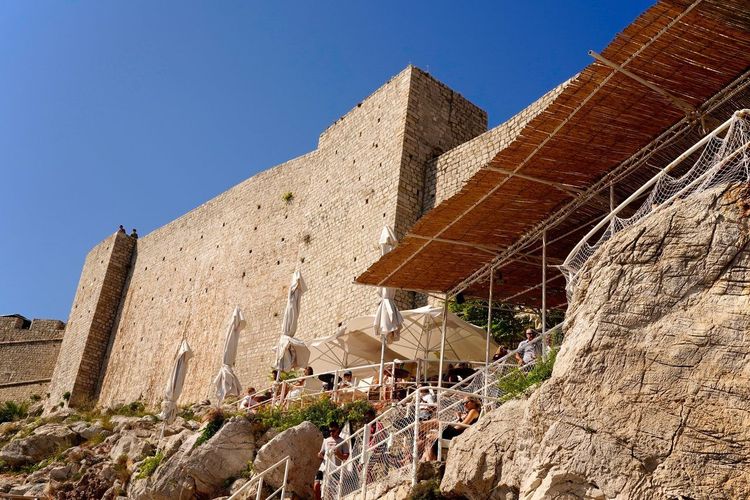
Literally cut through a section of the outer seaward walls, the Buža bar (Ilije Sarake, 20000 Dubrovnik, rated 4.1/5 on Google from 3,584 reviews) does not look like much: a few wooden tables set directly on the rock, reached by hunting down the words "Cold drinks" painted on the wall. You descend through a gap in the fortification and find yourself suspended above the Adriatic, drink in hand, with no horizon other than the water and the neighbouring cliffs.
Two spots share this name (Buža I and Buža II), a few hundred metres apart. The better-known one, signposted by the "Cold drinks" sign, has the most open view toward the west; the other, set lower on the rocks, lets you jump in for a swim between drinks. Arrive before 6 p.m. in summer to secure a table, and bring cash: card payments are not always accepted at this kind of improvised spot.
A Sunset Cruise on the Adriatic
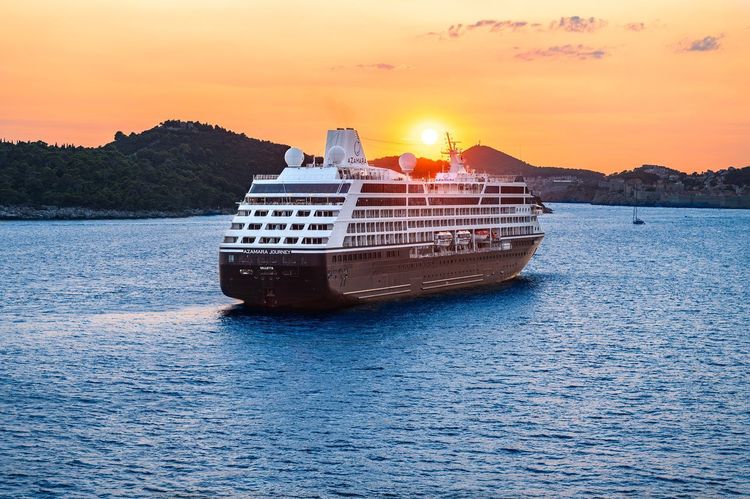
To see the city from the water rather than from above, several companies offer a sunset cruise departing from the old harbour, typically 1.5 to 2 hours of sailing along the walls and out to the tip of Lokrum, often accompanied by a glass of local wine. Prices range from €35 to €60 per person depending on whether the boat includes an aperitif. The Ryo sub-route The Pearl of the Adriatic, with 18 audio stops and 2.5 km covered in about an hour, leads right to the clifftop viewpoints over the bay — handy for timing your listen to the exact sunset hour and heading straight to the embarkation point afterwards.
In the Footsteps of Game of Thrones, Through Alleyways and Along the Walls
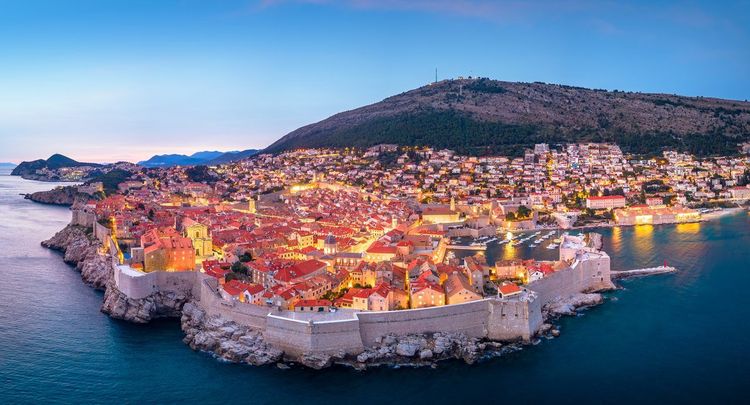
Dubrovnik stood in for King's Landing across eight seasons, and the city still bears a number of clearly recognisable traces of that filming, alongside a wealth of alleyways that are worth exploring at any hour.
The Must-See Filming Locations
The most recognisable of the Game of Thrones filming locations is the Jesuit staircase: this is where Cersei's walk of shame begins, continuing along the Stradun. Fort Lovrijenac, outside the walls to the west, lent its ramparts to the Red Keep and several King's Landing scenes, as did the old harbour and certain stretches of the city walls. For a scene-by-scene breakdown, our guide to Game of Thrones filming locations in Dubrovnik saves you from hunting down the sets at random. A free walk between these two points is enough to spot the highlights, without needing to pay for a dedicated guided tour if you already have a plan in mind.
For more dedicated fans, themed guided tours also cover behind-the-scenes stories, including local extras. Allow 2 hours and around €20 per person; booking the night before is advisable in high season.
Getting Lost in the Alleyways, by Day and Especially at Night
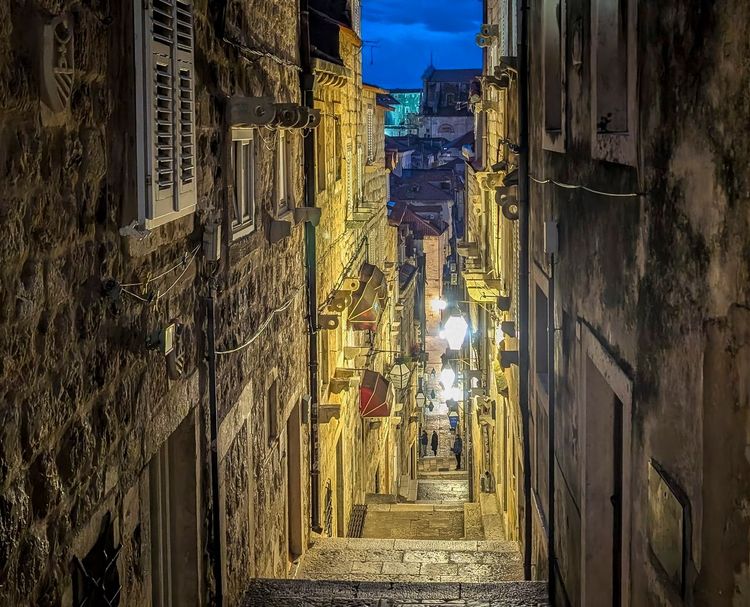
Away from the main thoroughfares, the alleyways of the old town climb in narrow stairways toward the walls, lined with laundry drying at windows and cats sleeping on the steps. By day they are cool and quiet, far from the bustle of the Stradun. But at night they truly change character: the last cruise-ship groups have gone, the white stone reflects the glow of the street lamps, and it becomes possible to walk hand in hand without passing anyone for long stretches, before stumbling upon a hidden bar or a terrace still open.
The Ryo audio sub-route points out several recognised filming locations along the way, without ever turning the walk into a classroom lesson: the commentaries trigger when you approach, not before.
Where to Swim and Sunbathe Together: Beaches and Lokrum Island
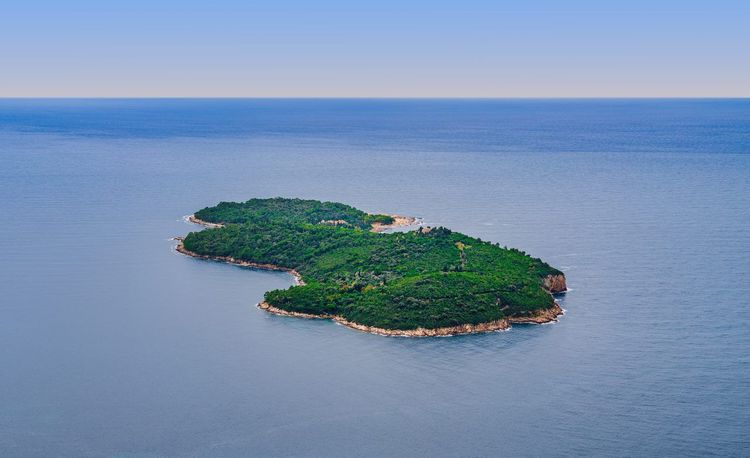
Swimming is not the primary reason to visit Dubrovnik, but three options cover the bases: an urban beach, an entire peninsula oriented toward the sea, and a protected island ten minutes away by boat.
Banje Beach, the Most Central Option
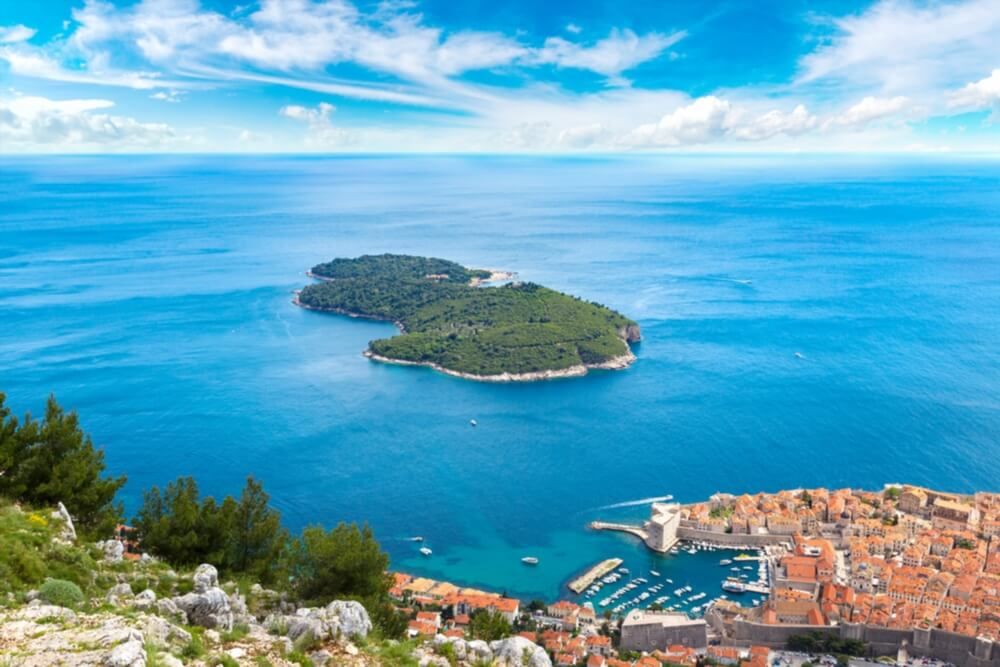
The Banje beach is the closest to the old town, less than ten minutes on foot from the Ploče Gate. The "sand" is actually fine gravel, the water is turquoise and quickly deep, with a direct view of the city walls and Lokrum Island (Lokrum Island, 20000 Dubrovnik, rated 4.6/5 on Google from 986 reviews) directly opposite. A paid section with sun loungers sits alongside a free area that is less comfortable but costs nothing.
Come early in the morning or in the late afternoon: the beach is packed between noon and 4 p.m. in July and August, and the sun loungers go quickly.
Lapad Bay, Between Relaxation and Water Sports
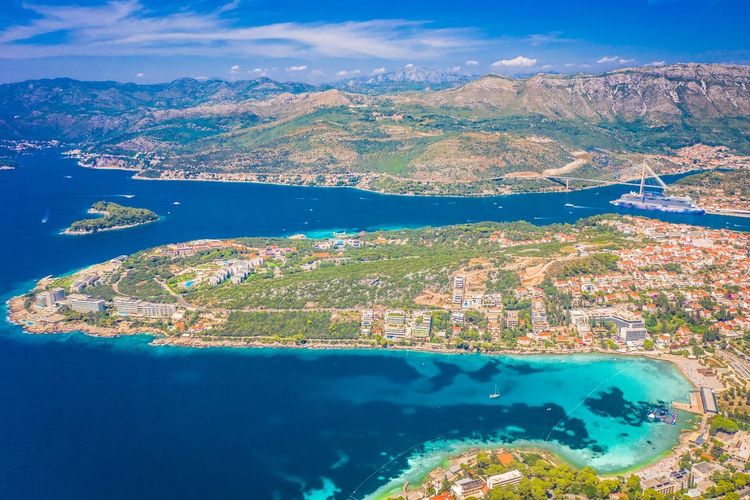
To the west of the old town, the Lapad peninsula has several coves and a main bay lined with promenades, far more relaxed than Banje. Kayak, paddleboard, and small motorboat rentals are available, along with a concentration of family hotels and restaurants overlooking the water. It is also the neighbourhood to stay in if beach time takes priority over sightseeing.
Lokrum Island, a Nature Escape Just Beyond the Walls
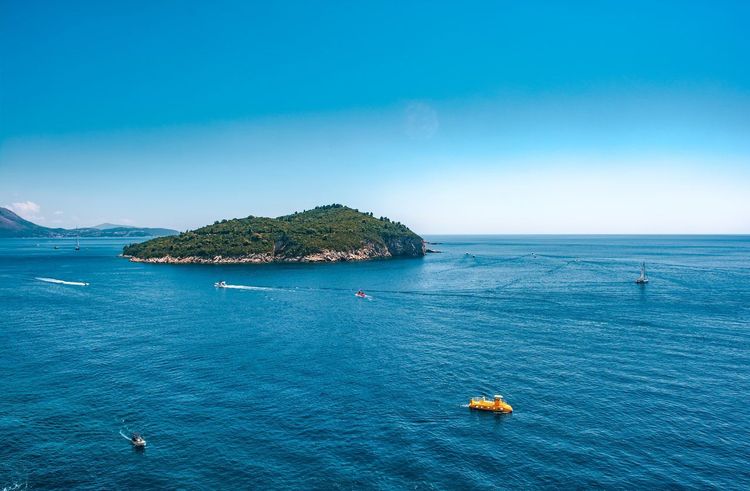
Ten to fifteen minutes by boat from the old harbour, Lokrum Island is a car-free, accommodation-free nature reserve covered in pine trees and prickly pear cactus. It has a botanical garden planted by the Habsburgs, the ruins of a Benedictine monastery, and a small saltwater lake, the Mrtvo More ("Dead Sea"), where the water is warmer than on the beaches of Dubrovnik. Allow around €30 per person, covering the return crossing and entry to the reserve.
If you are feeling more active, it is also possible to reach the island by kayak from Banje beach, a crossing of about 30 minutes each way, guided or self-guided depending on your level. For a look at the quieter coves beyond these three highlights, our selection of the most beautiful beaches in Dubrovnik goes well beyond these three essentials.
Excursions and Islands Around Dubrovnik: A Private Escape for Two
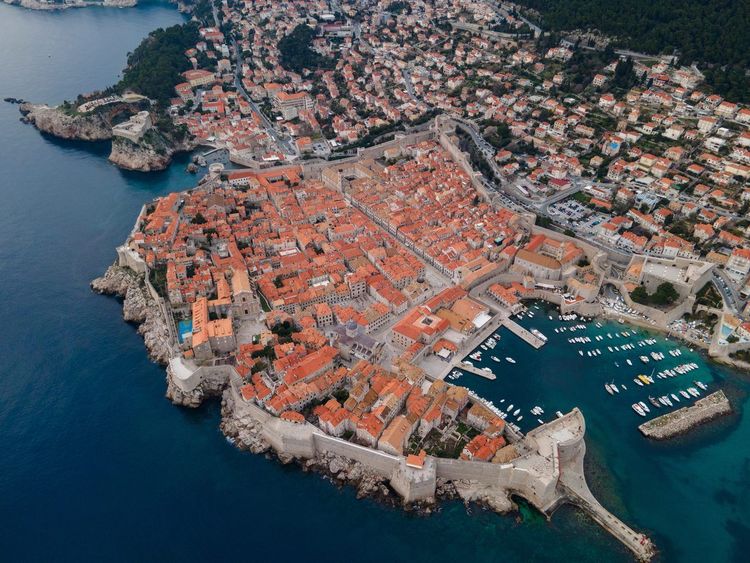
Dubrovnik is a great base for exploring the entire Dalmatian coast. The islands to the north of the bay and the fortified villages to the south are easily covered in a day, by boat or by car.
The Elaphiti Islands: Šipan, Lopud, and Koločep
The Elaphiti Islands archipelago groups three main islands less than an hour away by boat: Koločep, the closest and quietest, with no cars or paved roads; Lopud, known for its sandy Šunj beach, rare on this predominantly rocky coastline; and Šipan, the largest, planted with olive groves and vineyards, with two villages connected by a country path. Most day excursions take in all three in a single outing, usually on a small local boat rather than an official ferry, for an average price of €45 to €65 per person, sometimes including lunch on board.
Allow a full day for all three islands, or a half day to focus solely on Lopud and its beach: that is the most restful option if you mainly want to swim and have lunch by the water.
Mljet Island and Its National Park
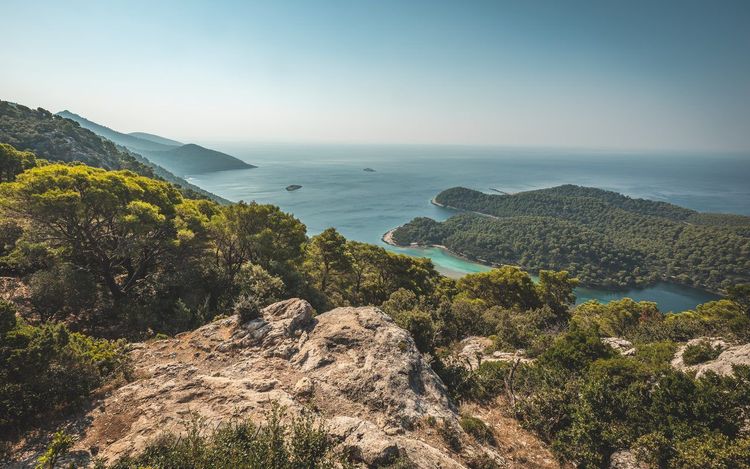
Further to the northwest, Mljet Island is home to a national park established in 1960, built around two saltwater lakes connected to the sea — Malo Jezero and Veliko Jezero. At the centre of the larger lake, a small islet holds a 12th-century Benedictine monastery accessible by a short boat ride, with a terrace café that is the only table for miles. The crossing from Dubrovnik takes about 1.5 hours by fast catamaran, making it a full-day excursion.
Hire a bike at the park entrance to cycle around the lakes: the route is flat, shaded, and far more enjoyable for two than a group guided tour. Bring swimwear and a towel — swimming in the saltwater lake is permitted at several designated spots.
Trsteno and Its Arboretum, Ston and Its Great Wall
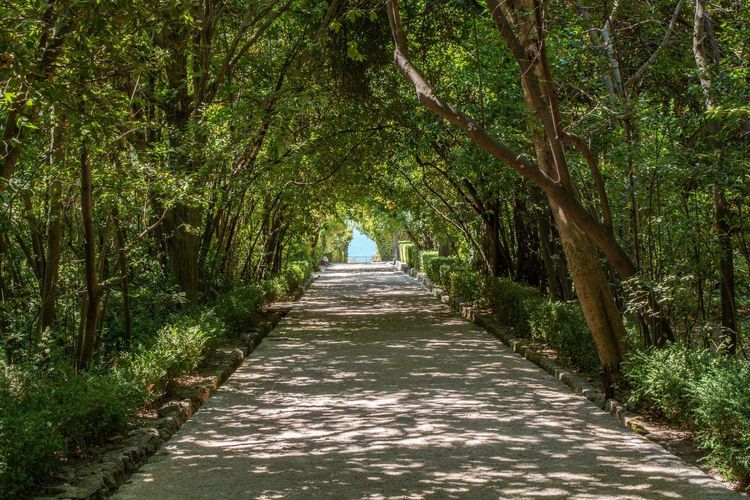
On the road heading north, the Trsteno Arboretum (Potok 20, 20233 Trsteno, rated 4.5/5 on Google from 4,103 reviews) contains trees planted since the 15th century by noble families from Ragusa, including a 500-year-old plane tree still standing today. Its Renaissance aqueducts and terraced gardens above the sea were also used as the backdrop for the royal gardens of King's Landing. A short visit — an hour is enough — easy to combine with another excursion on the same day.
Further to the northwest, about an hour's drive away, the small town of Ston protects Europe's oldest still-working salt pans behind the continent's longest defensive wall — around 5.5 kilometres of fortifications linking Ston to Mali Ston. Walking these ramparts, far less crowded than those of Dubrovnik, gives views over the salt flats and the bay, before a lunch of oysters in Mali Ston, considered among the finest in the Adriatic. All these options are gathered in our guide to the area around Dubrovnik, handy for building a multi-day excursion programme.
To combine Trsteno and Ston in the same outing, it is best to hire a car or book an organised excursion: local buses exist but run on sparse timetables, not well suited to a return trip in a single day.
Day Trips: Kotor, Cavtat, and Korčula
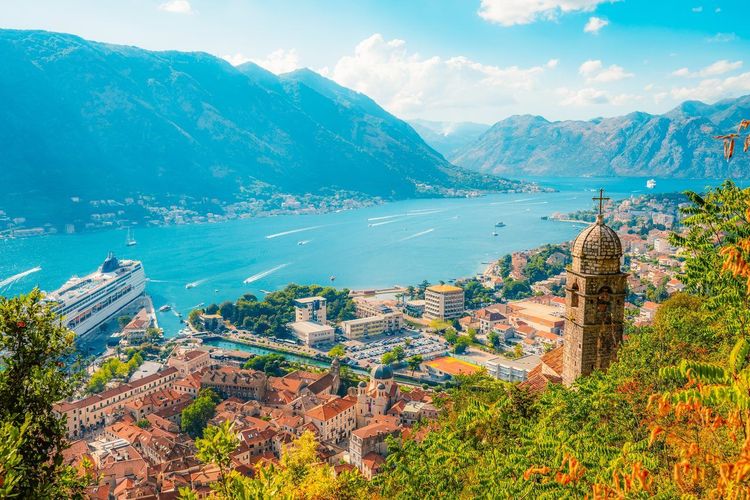
Beyond the nearby islands, three destinations are worth a full day from Dubrovnik, each with a distinct atmosphere.
Kotor in Montenegro
The Bay of Kotor, often compared to a Mediterranean fjord, is about 1.5 hours' drive from Dubrovnik, border crossing included. The old town, also fortified and UNESCO-listed, is climbed via more than 1,300 steps up to St. John's Fortress, with a view over the bay that rivals the one from Mount Srd. Wear sturdy shoes and bring water: the ascent is made in full sun, with little shade for most of the route. To plan the day, our article on what to do in Kotor covers the old town and the bay in detail.
Keep your passport with you for the border crossing, and allow a good half day just for the return drive. Organised excursions from Dubrovnik typically include a photo stop in a bayfront village before reaching Kotor itself.
Cavtat, the Quiet Riviera
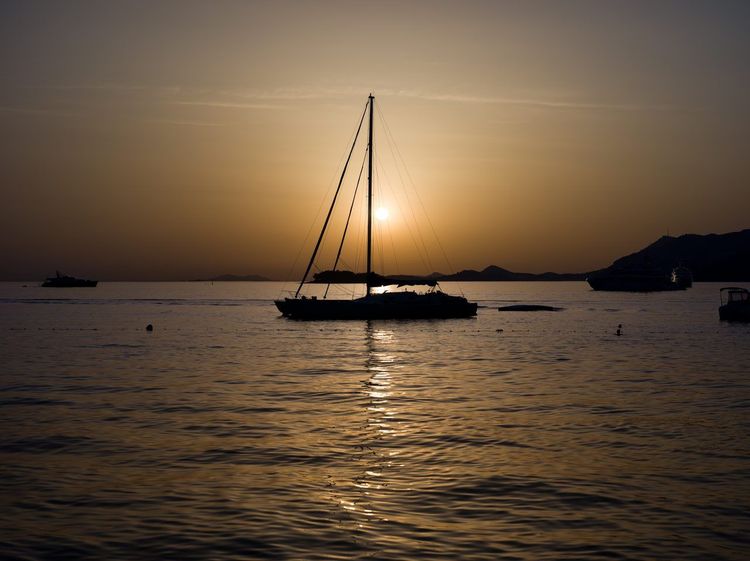
At the opposite end of the atmosphere spectrum, Cavtat is just 20 minutes south of Dubrovnik, on a palm-lined peninsula. Far less crowded than the old town, it offers a seafront promenade, a few pebble beaches, and the relaxed feel of a seaside village with no major monument to tick off a list. It is the easiest option for an impromptu half day with no advance booking, reachable by local bus or water taxi from Dubrovnik's old harbour in around 45 minutes. The fish restaurants lined up along the waterfront, cheaper than those within the walls, make it a good choice for a quiet dinner at the end of the day.
Korčula, Its Harbour, and Its Vineyards
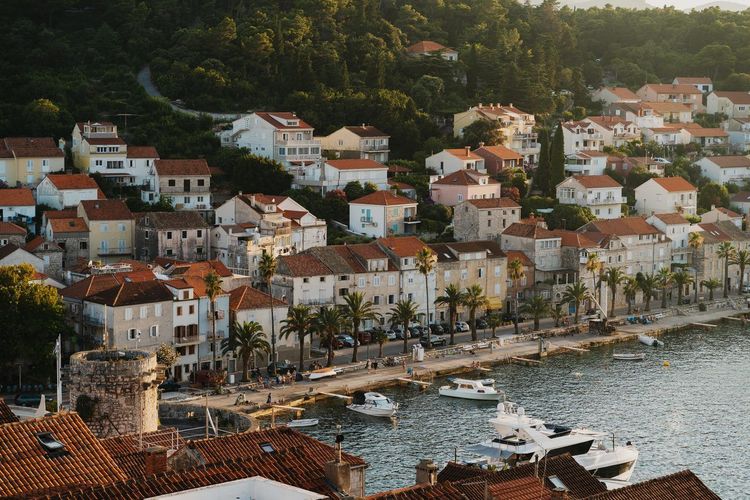
Further north, Korčula island (Korčula Old Town, 20260 Korčula) claims to be the birthplace of Marco Polo — a contested assertion, but one that draws curious visitors. Its fortified old town, laid out in a herringbone pattern to capture the sea breeze, can be explored in an hour before heading out to the surrounding vineyards producing Pošip and Grk, two white wines typical of the Dalmatian coast and rarely exported outside Croatia. Allow a full day from Dubrovnik, by fast catamaran (around 2 hours) or on an organised excursion.
Further afield, a day trip to Mostar in Bosnia-Herzegovina and its famous rebuilt Ottoman bridge is feasible as a full day (about 3 hours each way), as is a mini Montenegro road trip taking in Kotor, Perast, and Budva over two or three days if you extend the stay beyond Croatia.
Unique Activities to Experience Together in Dubrovnik
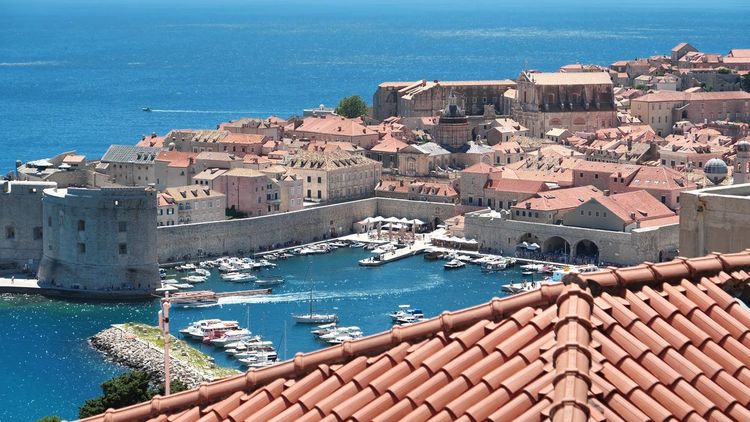
Between monument visits, a few less conventional activities offer a different perspective on Dubrovnik, far from the usual postcard view.
Kayaking and Snorkelling Around the City Walls
Kayaking around the seaward walls is one of the most original ways to see Dubrovnik: from the water, the fortifications take on a completely different scale, and the outings often include a snorkelling stop in a quiet cove, sometimes near a sea cave. Allow about 3 hours, instruction included, with no previous experience needed, at around €40 per person.
Zip Line and Skybike Above the Adriatic
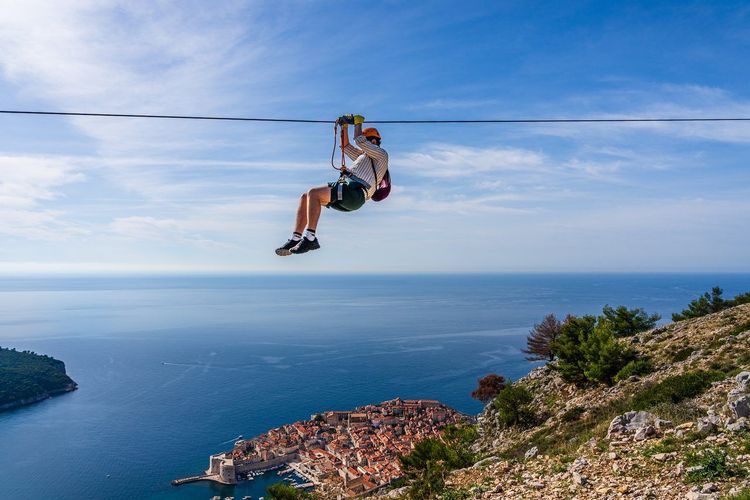
For those who enjoy a thrill, a zip line connects several pylons above the valley overlooking the bay, with a bird's-eye view over the old town below; allow around €60 per person for the full run. Some operators also offer the Skybike, which involves pedalling a bicycle suspended from a cable several dozen metres in the air — more of a novelty than a sport, and usually combined with a visit to Mount Srd.
Book these activities for early morning or late afternoon: the wind often picks up in the middle of the afternoon and can lead to a temporary closure of both the zip line and the cable car.
Hop-On Hop-Off Bus for a Leisurely Pace
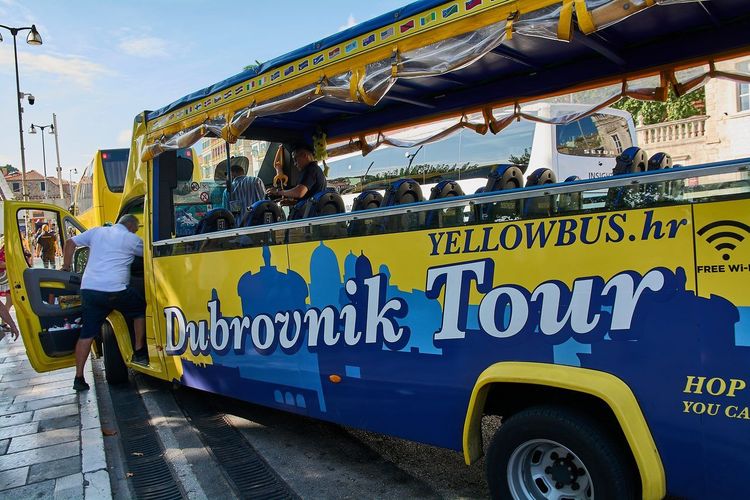
Less dramatic but practical, the Hop-On Hop-Off bus links the old town, Lapad, and Mount Srd on a loop with free stops, useful if you want to alternate between beach and sightseeing without hiring a car or taking multiple taxis. The day or 48-hour pass pays off from the third journey. More ideas can be found in our top activities in Dubrovnik, to keep things varied throughout your stay.
Where to Stay in Dubrovnik as a Couple
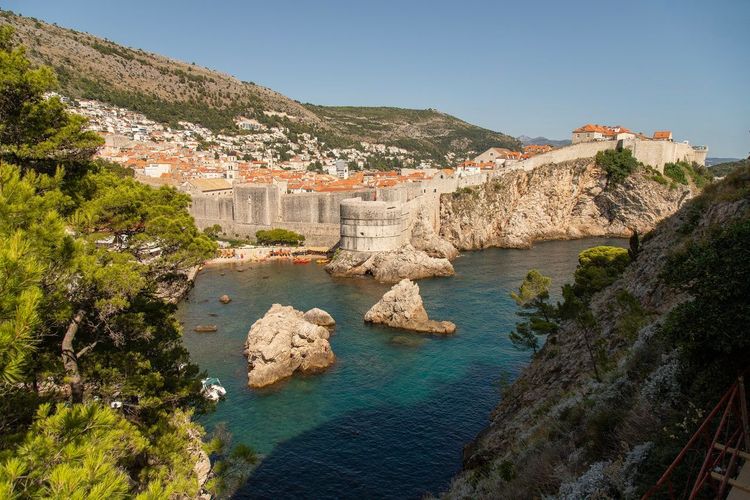
The choice of neighbourhood makes a significant difference to the overall experience: whether it is a five-minute or a twenty-five-minute walk to the city walls, and whether you sleep in silence or at the heart of the action.
Inside the Old Town, for Atmosphere and Walkability
Staying within the walls, in the old quarter (Stari Grad), means waking up among the stones, steps from everything, but also accepting often small rooms, staircases with no lift, and higher prices than elsewhere in the city — generally from €180–200 per night in high season for a decent address. It is the most charming option for a short stay, less practical for families with heavy luggage or a longer stay involving regular grocery shopping.
Always check access before booking: some addresses can only be reached on foot from the nearest gate, sometimes involving several flights of steps and no way to have luggage delivered by car.
Ploče and Pile, at the Gates of the Historic Centre
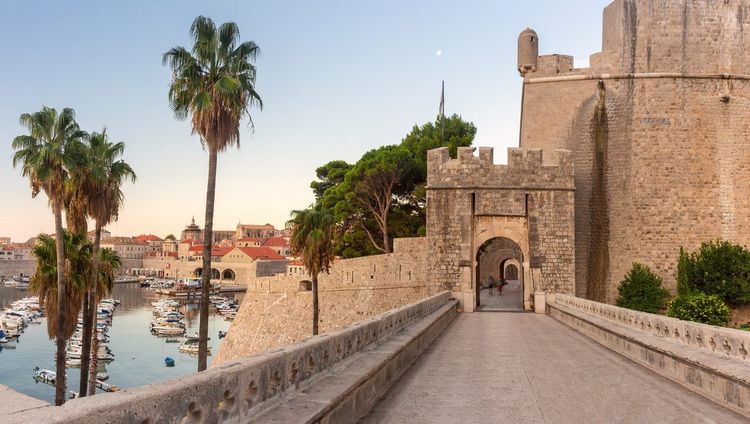
Just outside the walls, the Ploče neighbourhood to the east and Pile to the west offer an interesting compromise: five to ten minutes on foot from the old town, with more modern hotels, often a pool, and rates slightly lower than within the walls — between €120 and €180 per night depending on season. Ploče has the advantage of being close to Banje beach, while Pile is at the main bus stop for Lapad and the rest of the city.
Lapad, for the Beach and a Quieter Stay
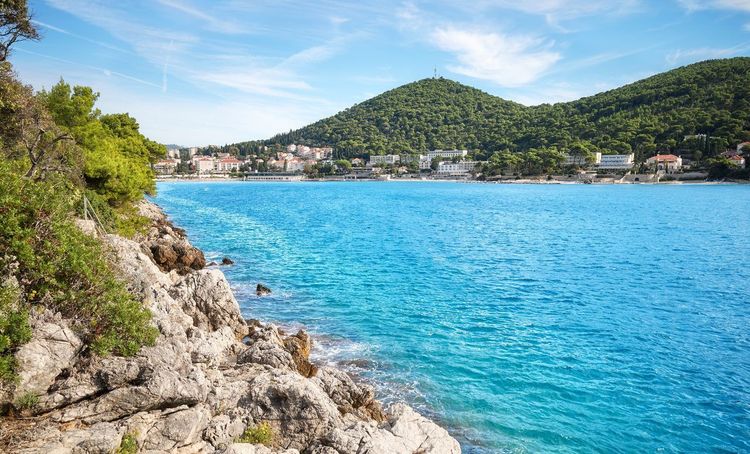
The Lapad peninsula, about 20–25 minutes on foot or 10 minutes by bus from the old town, concentrates most of the family hotels, modern accommodation, and the best value for money — often 30 to 40% cheaper than within the walls for a comparable standard. It is also the most suitable neighbourhood for a stay that mixes beach and sightseeing, with its own restaurants and a less touristy feel in the evenings.
To get a real sense of the distance between each neighbourhood and the old town's highlights, the Ryo audio guide for Dubrovnik is a useful reference: its route starts at the Pile Gate, giving a concrete idea of walking time depending on which hotel you choose, whether you are staying in Lapad, Ploče, or within the walls.
How to Get to and Get Around Dubrovnik
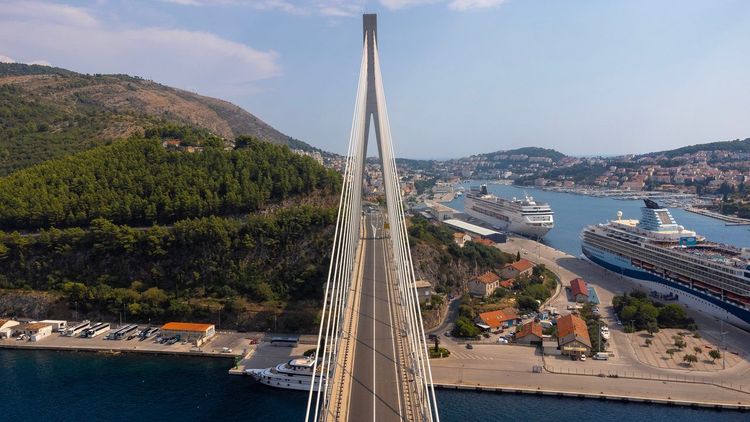
Dubrovnik is well connected but remains out on a limb relative to the rest of mainland Croatia, which has a notable influence on the choice of transport.
By Plane and Airport Transfer
Dubrovnik Airport (DBV) is served by direct flights from most major European cities, with a significant increase in frequency between May and September. It is located about 20 kilometres southeast of the city centre, near Čilipi, roughly 30 to 40 minutes by road depending on traffic.
The most affordable airport transfer is the official airport shuttle, timed to flight arrivals, which drops passengers at the Pile Gate and then the bus station for around €10 per person. A taxi costs three to four times more but avoids waiting and suits a late-night arrival better when travelling as a couple. If you plan to hire a car for excursions, it is better to pick it up at the airport rather than in the city, where intra-muros parking is virtually non-existent.
By Bus and by Boat
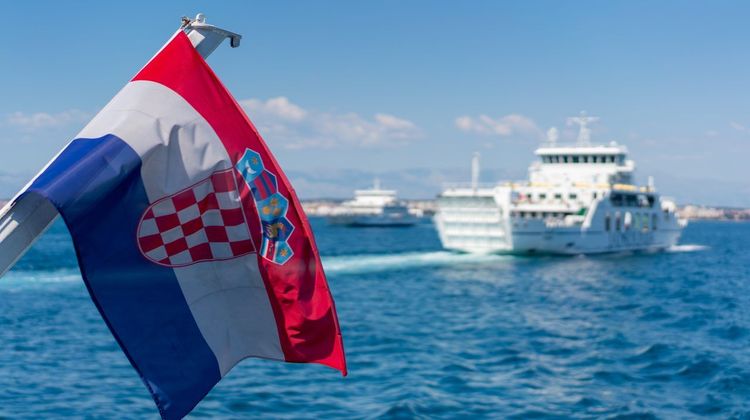
By bus, Dubrovnik is connected to Split (around 4.5 hours), Zagreb (9 to 11 hours), and several cities in Montenegro and Bosnia-Herzegovina, with a bus station about 20 minutes on foot from the historic centre. By boat, fast catamarans (Jadrolinija, Krilo) link Split to Dubrovnik in season, with stops at Hvar, Korčula, or Mljet depending on the route: around 4.5 hours' crossing, but an unrivalled way to take in the Dalmatian coastline.
Getting Around Locally: Bus and Ferry
Once there, the old town is explored exclusively on foot, as no cars are permitted within the walls. To reach Lapad, Mount Srd, or the outlying beaches, the local bus network (Libertas) is reliable and affordable, with frequent services from the Pile Gate and a single-journey ticket at around €2. The local ferry completes the network for the nearby islands — Lokrum above all — with departures every 30 to 60 minutes in summer from the old harbour.
Practical Information for a Successful Trip for Two
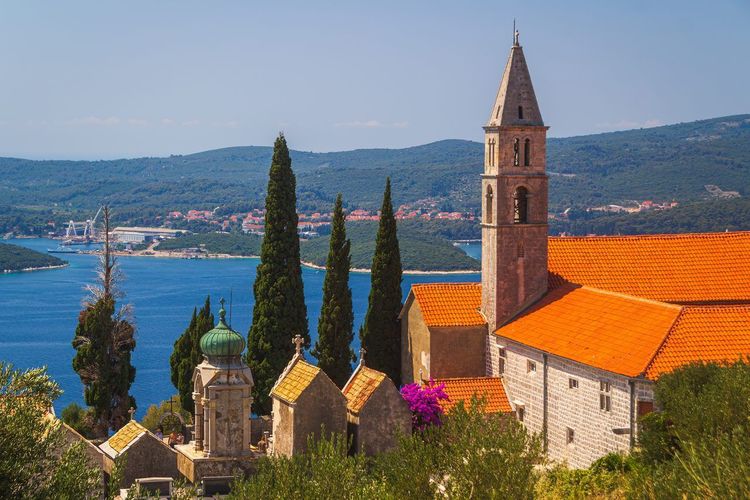
A few practical pointers to round off the planning, from how many days to allow to what to eat.
How Many Days to Allow and What Is the Best Time to Visit
Three to four days are enough to cover the old town, a sunset viewpoint, and one excursion. To add two islands or a trip to Montenegro without rushing, five to six days is a better plan. The best time to visit Dubrovnik is May–June and September: the heat is manageable, prices are lower than in July–August, and the city walls are noticeably less crowded.
July and August remain the liveliest months for nightlife and beach, but also the most expensive and the most affected by cruise ships — sometimes several in a single day — with peak congestion on the Stradun between 10 a.m. and 1 p.m. that is best avoided if possible.
Budget, Currency, and Visa for Croatia
Croatia has used the euro since 2023, making price comparisons straightforward for visitors from the eurozone. For two, budget an average of €250 to €350 per day in high season with mid-range accommodation and one activity, more if the city walls and several paid excursions are added to the programme.
On the visa front, Croatia is a member of the European Union and the Schengen Area: no special formalities for European nationals — a valid identity card or passport is sufficient for a tourist stay. For a day trip to Montenegro or Bosnia-Herzegovina, which are outside Schengen, carry your passport rather than just an identity card.
What to Eat in Dubrovnik: Local Specialties and Markets
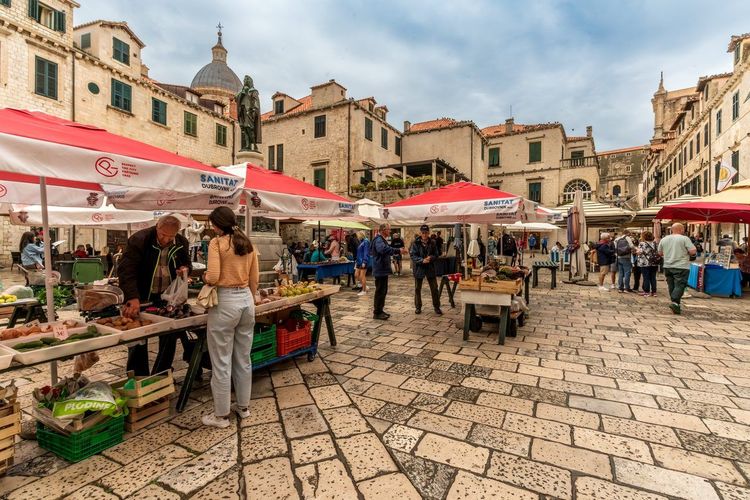
On the food front, local specialties blend Italian and Balkan influences: crni rižot, a black cuttlefish-ink risotto; peka, meat or octopus slow-cooked under a bell covered with embers; and of course the Ston bay oysters mentioned earlier. The Gundulićeva Poljana market (Gundulićeva poljana, 20000 Dubrovnik, rated 4.2/5 on Google from 413 reviews), right in the heart of the old town, opens every morning and is the best place to buy fruit, local herbs, and edible souvenirs such as olive oil or Hvar lavender.
For a fuller overview of the dishes to try, our top 10 culinary specialties of Dubrovnik covers all the must-tries. One last practical tip before you go: book the best restaurants and the most in-demand excursions (Kotor, Mljet, sunset cruise) at least a week in advance in high season, as the city is significantly busier than it was ten years ago.

FAQ
Is Dubrovnik a Romantic Destination for a Couple's Trip?
Yes, without much reservation: the old town is entirely walkable, the views over the Adriatic are plentiful, and the atmosphere shifts completely between daytime, buzzing with cruise-ship visitors, and the evening, which is far quieter. Clifftop bars like Buža, sunsets from Mount Srd, and small islands reachable by ferry make it one of Europe's most sought-after city-trip destinations for couples — as long as you avoid the height of summer if tranquility is your main priority.
How Many Days Do You Need to Visit Dubrovnik as a Couple?
Three to four days cover the essentials: the old town, a sunset viewpoint, and a day trip to the islands or Kotor. For a more leisurely stay, with two excursions and more time on the beach or on Lokrum island, plan for five to six days, keeping a buffer day in case bora winds, jugo, or rough seas cancel any boat outings.
What Budget Should You Plan for a Couple's Stay in Dubrovnik?
Budget between €250 and €350 per day for two in high season for mid-range accommodation, meals, and one paid activity. The city walls (around €40 per person), day excursions (€40 to €80 per person), and the best restaurants can push costs up quickly in high season, whereas a stay in May or September often saves 20 to 30% across the total budget.
What Is the Best Time of Year for a Romantic Sunset in Dubrovnik?
Sunsets are visible year-round from Mount Srd or the Buža bar, but May–June and September offer the best combination: generally clear skies, pleasant evening temperatures, and far fewer crowds at the most popular viewpoints than in July and August.
Where Should You Stay in Dubrovnik to Be Close to the Old Town?
The intra-muros old quarter offers maximum proximity, followed by Ploče and Pile, five to ten minutes on foot. Lapad, further away (20–25 minutes on foot), is served by a frequent bus and suits a stay that mixes beach time and sightseeing better than a short city trip focused on the old town.
Can You Visit Dubrovnik Without a Car?
Yes, the old town is navigated entirely on foot, and the local bus network covers Lapad, Mount Srd, and the outlying beaches well. A car becomes useful mainly for combining several excursions in a single day, such as Trsteno and Ston, or for a road trip into Montenegro with full freedom over schedules.
Should You Book Romantic Restaurants and Activities in Advance?
In high season, yes — at least a week ahead for the best view restaurants and the most popular excursions such as Kotor, Mljet, or a sunset cruise. Off-season (May, June, September), booking two to three days in advance is generally sufficient, except for the most sought-after spots in the historic centre.
Visiting Dubrovnik as a couple ultimately comes down less to a precise itinerary than to a pace: one that leaves time to climb the city walls without watching the clock, to deliberately miss a bus in order to linger a little longer at the Buža bar, or to change the next day's plans because an island mentioned in conversation the evening before suddenly felt more appealing than the original programme. Between the old town, the Adriatic viewpoints, and escapes to Kotor or the Elaphiti Islands, the Pearl of the Adriatic has enough to fill a long weekend or a two-week stay.
If you'd rather be guided than juggle a paper map and last-minute searches, the Ryo audio guide for Dubrovnik is the simplest way to cover the highlights at your own pace, headphones in and the other hand free for everything else.