





Walk
The Pearl of the English Channel
Le Touquet-Paris-Plage, France
Walk
The Pearl of the English Channel
Le Touquet-Paris-Plage, France
3.6 km
Distance
1h30
Durée
18
Audios
Loop
Parcours
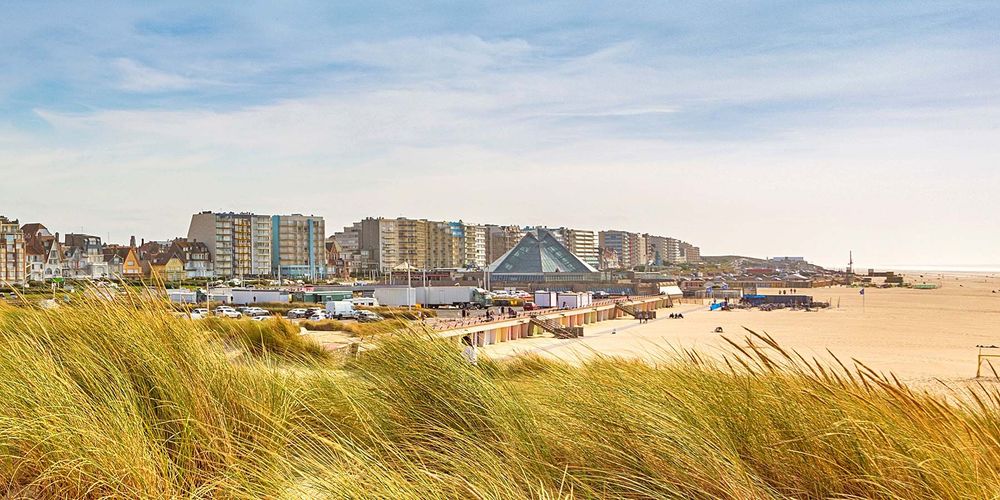
As you stroll along Rue Saint-Jean, let us tell you the remarkable story of the town around you, because Le Touquet-Paris-Plage didn’t grow from a port or an old fishing village, but from a dream. A dream of creating a seaside resort in the middle of the dunes. In the early 19th century, there was nothing here, just wild heathland, shifting sands, and a vast forest swept by the wind.
In 1837, a Parisian notary named Alphonse Daloz bought a large estate in the dunes and began planting pine trees to stabilize the soil. He couldn’t have known it then, but those thousands of trees would lay the foundation for one of the jewels of the Côte d’Opale. The turning point came at the very end of the 19th century, when an English entrepreneur, John Whitley, joined forces with Daloz to turn this remote corner into a chic, modern resort.
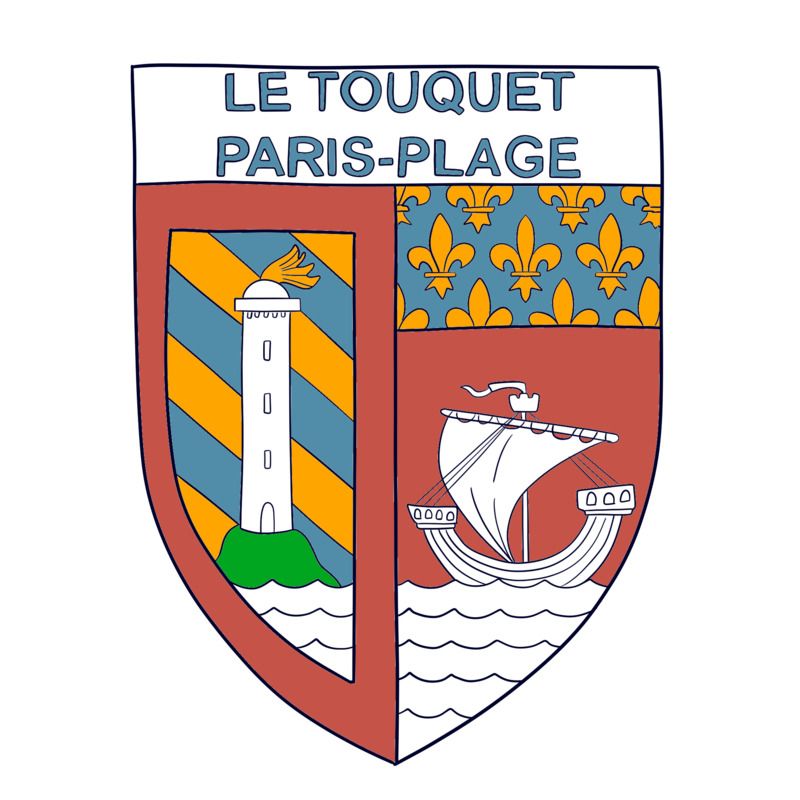
Their plans were bold: grand villas, a casino, a racecourse, a golf course, luxury hotels, everything designed to attract a wealthy clientele from Paris, London, and Brussels. It was around this time that the name Le Touquet-Paris-Plage appeared, a long name, but carefully chosen. “Le Touquet” comes from an old Picard word for a patch of sandy or wooded land, while “Paris-Plage” was a clever marketing invention to entice Parisians, suggesting this elegant resort in the dunes was their very own beach.
The name conjured up chic sophistication, easy access thanks to a direct train from Paris, and a way of life blending urban elegance with fresh sea air. The name officially became that of the town in 1912, the year it was founded. In the 1920s and ’30s, Le Touquet became a must for artists, intellectuals, royalty, and the fashionable set seeking the invigorating sea breeze.
Marlene Dietrich, Winston Churchill, the Rothschilds, and Somerset Maugham all came here, as did a young French officer named Charles de Gaulle, who proposed to his fiancée here. World War II hit the town hard: occupied by German forces, riddled with bunkers, and partially destroyed. But after the Liberation, Le Touquet bounced back with determination.
Villas were restored, facilities rebuilt, and that hushed, slightly nostalgic atmosphere, so much a part of its charm, gradually returned. Today, Le Touquet-Paris-Plage still proudly carries its double name, a reminder of its Franco-British heritage and its founding ambition: to blend Parisian elegance with the English art of living, in the heart of unspoiled nature. And as you wander here, in this memory-filled garden, surrounded by century-old pines and stately villas, you can still feel its echo.
Aucun avis pour le moment
