


Walk
The Latin Quarter : Sorbonne University, Pantheon and Luxembourg Gardens
Paris, France
Walk
The Latin Quarter : Sorbonne University, Pantheon and Luxembourg Gardens
Paris, France
5.7 km
Distance
2h15
Durée
23
Audios
Loop
Parcours
Shutterstock
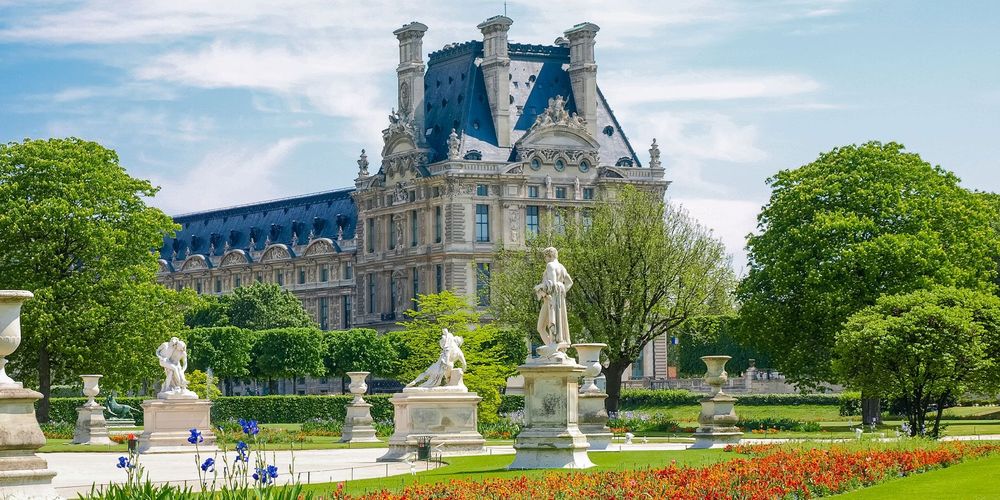
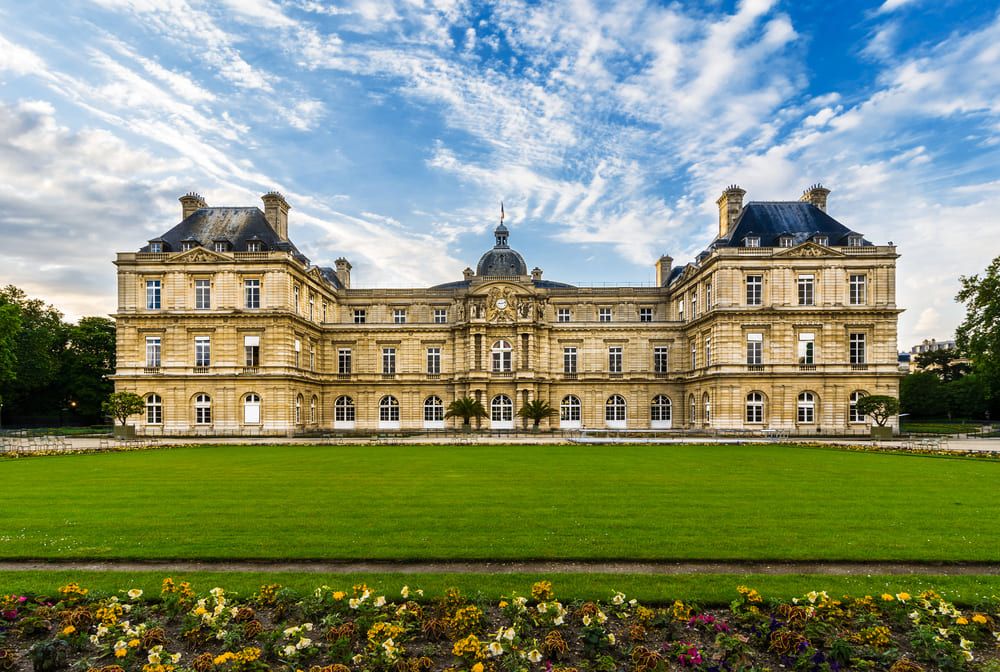
The Paris audio-guided tour leads you before the Luxembourg Palace, which spreads majestically in the heart of the garden of the same name. Built from 1615 by the architect Salomon de Brosse for Queen Marie de' Medici, it has been the seat of the Senate since 1799.
During the Revolution, the palace became national property and was turned into a prison: nearly eight hundred people were imprisoned there, and about a third of them guillotined. This episode is recalled with gravity, in memory of the victims. Napoleon then installed there the conservative Senate, charged with ensuring respect for the Constitution, a function the place has kept since.
The palace combines the influence of Florentine palaces, wanted by Marie de' Medici, with the elegance of French architecture. Its majestic façade dominates the Luxembourg garden, one of the best-loved in Paris. Seat of the Senate, the palace opens some of its state rooms to the public during visits and special days.
The Luxembourg Palace is in the Luxembourg garden, in the 6th arrondissement of Paris. Seat of the Senate, its interior opens to the public only during guided tours or special days, according to its own schedule. The façade can be contemplated freely from the garden.
It was built from 1615 by Salomon de Brosse for Queen Marie de' Medici, on the model of Florentine palaces. It has been the seat of the Senate since 1799.
It was turned into a prison, where nearly eight hundred people were imprisoned, about a third of them guillotined. Napoleon then installed the Senate there.
Aucun avis pour le moment