





Walk
Tête d’Or Park: A Green Escape Through Lyon’s Heritage
Lyon, France
Walk
Tête d’Or Park: A Green Escape Through Lyon’s Heritage
Lyon, France
3.6 km
Distance
1h30
Durée
19
Audios
Loop
Parcours
Shutterstock
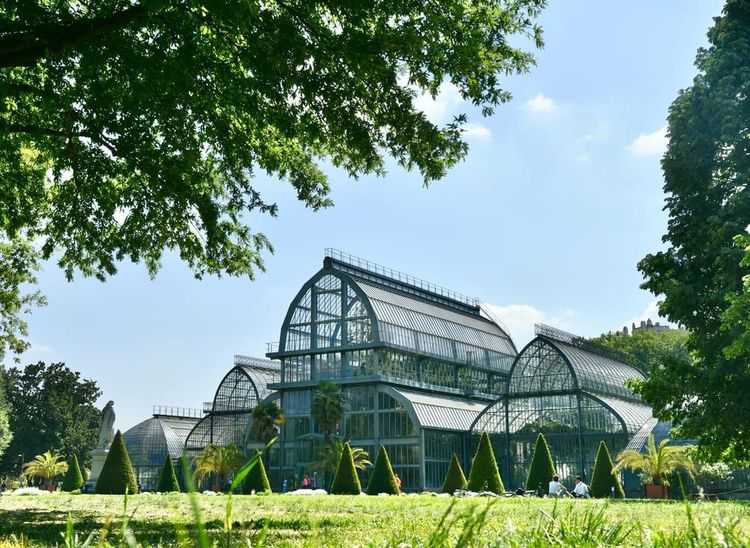
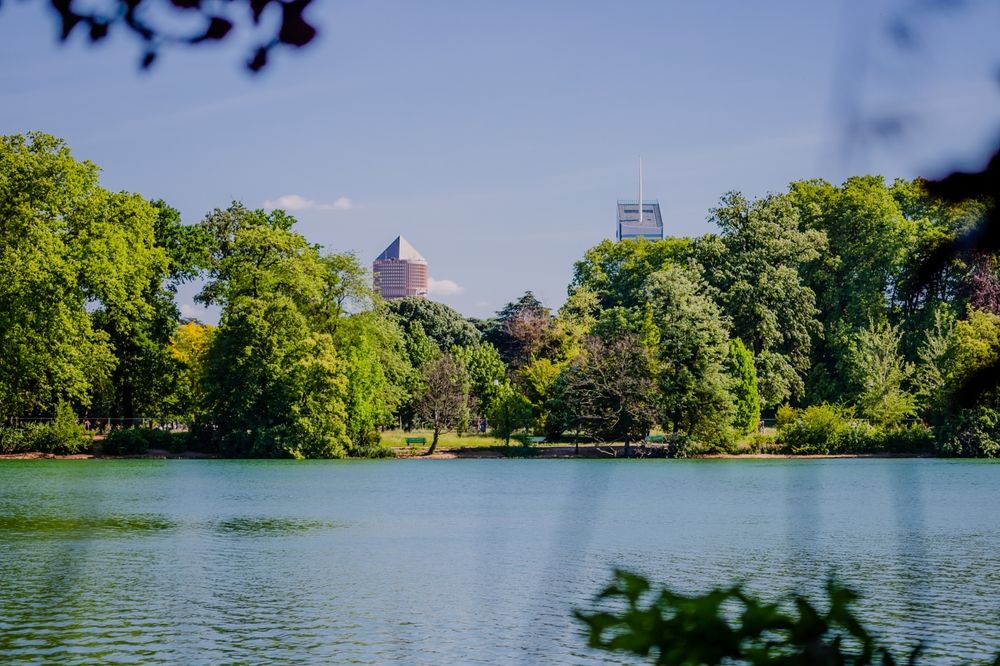
Located in Lyon’s 6th arrondissement along the Rhône River, Tête d’Or Park now covers approximately 105 hectares (259 acres) and is one of the largest urban green spaces in France. For many people in Lyon, it is much more than just a park: it is a place for walks, sports, relaxation, childhood memories, and discovery. Its history began in the mid-19th century, as part of the major urban transformations carried out under Prefect Claude-Marius Vaïsse. The park was inaugurated in 1857, the same year as Central Park in New York City. Its design was entrusted to the Bühler brothers, who created a grand English-style landscape garden with vast lawns, shaded pathways, groves, gentle slopes, a large lake, and long vistas designed to create a feeling of openness and space. But this peaceful landscape is actually the result of a remarkable transformation. Before the park was created, the site consisted of lônes and brotteaux — former branches of the Rhône River and marshy lands regularly affected by flooding. To shape the park, these areas had to be drained and redesigned, notably through the construction of an embankment made with earth excavated during the digging of the lake. The peaceful green oasis you see today was therefore born from a major hydraulic engineering project. The park’s name itself also carries a touch of mystery. According to local tradition, a treasure was once hidden here, containing a golden head of Christ. Some versions of the story claim that this treasure was buried by barbarians or Crusaders. Another tale even says that in 1855, just before the creation of the park, a fortune teller was called in to try to locate the precious object… without success. It is impossible to know whether this legend is based on any truth, but it has greatly contributed to the identity of this place. The park has also played a surprising role in the everyday history of Lyon’s residents. In 1891, the first automobiles were allowed to circulate here. After several accidents, the city required vehicles to display a plate with a unique identification number. This measure, first introduced in the park, was later extended to the rest of the city and is often considered one of the earliest forms of automobile registration. Today, Tête d’Or Park continues to bring together nature, leisure, and history. With its lake, botanical garden, zoo, expansive lawns, and many facilities, it remains one of Lyon’s essential landmarks, where every walk reveals a new chapter of its past.
Aucun avis pour le moment
